How to Choose Wedding Flowers: 20 Ideas for Selecting the Perfect Blooms
Choosing the right wedding flowers can shape the entire mood of your celebration. The right arrangements enhance your venue, complement your style, and breathe life into your theme. This guide breaks down How To Choose Wedding Flowers with clarity and purpose, giving you practical steps rooted in real-world planning. From budget insights to seasonal picks, each idea helps you navigate floral decisions with confidence. This spartan, strategic approach ensures your flowers elevate the atmosphere without overwhelming your planning.
With focused choices, your florals become a deliberate extension of your vision. Each detail works together to create harmony across your entire day.
Understanding Your Wedding Aesthetic
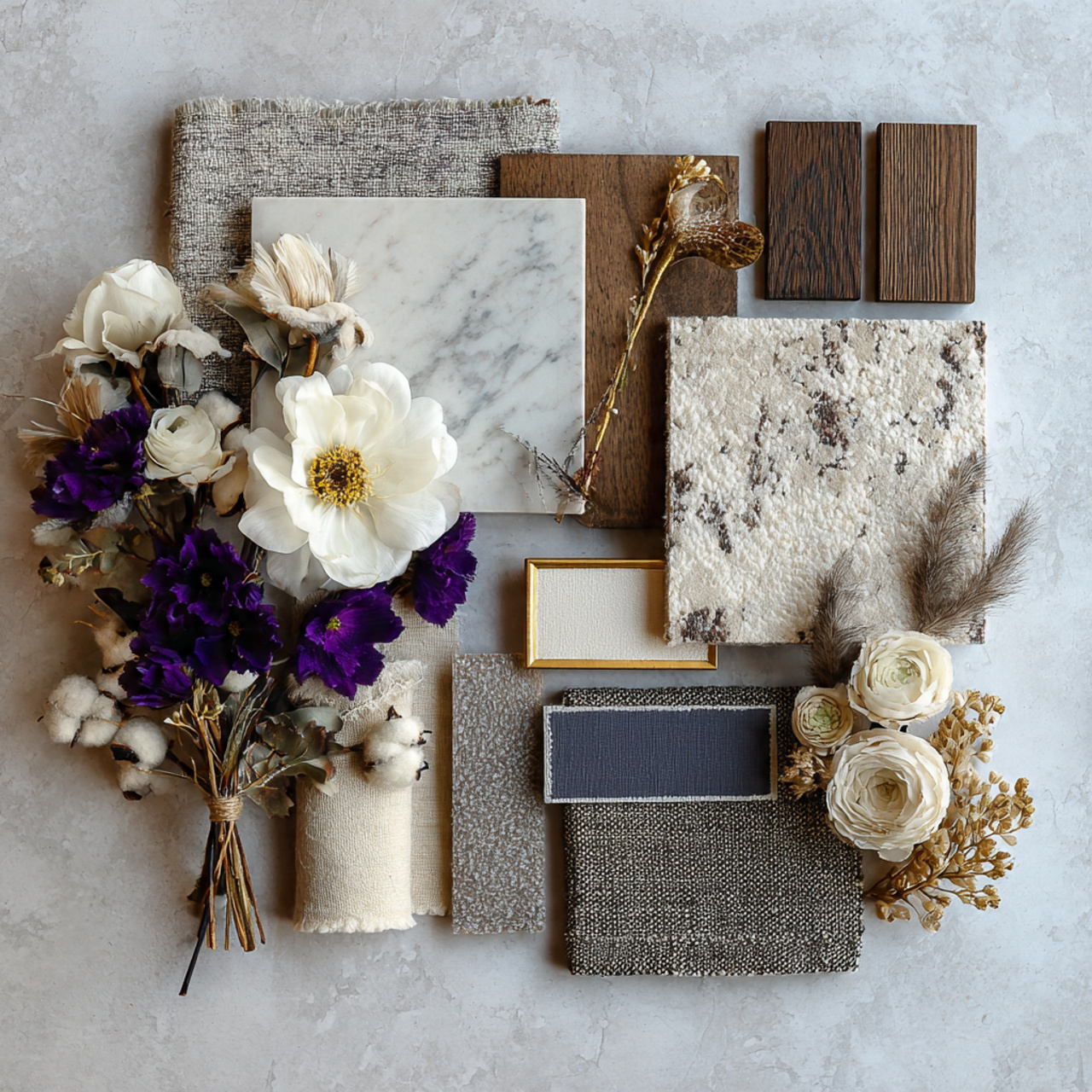
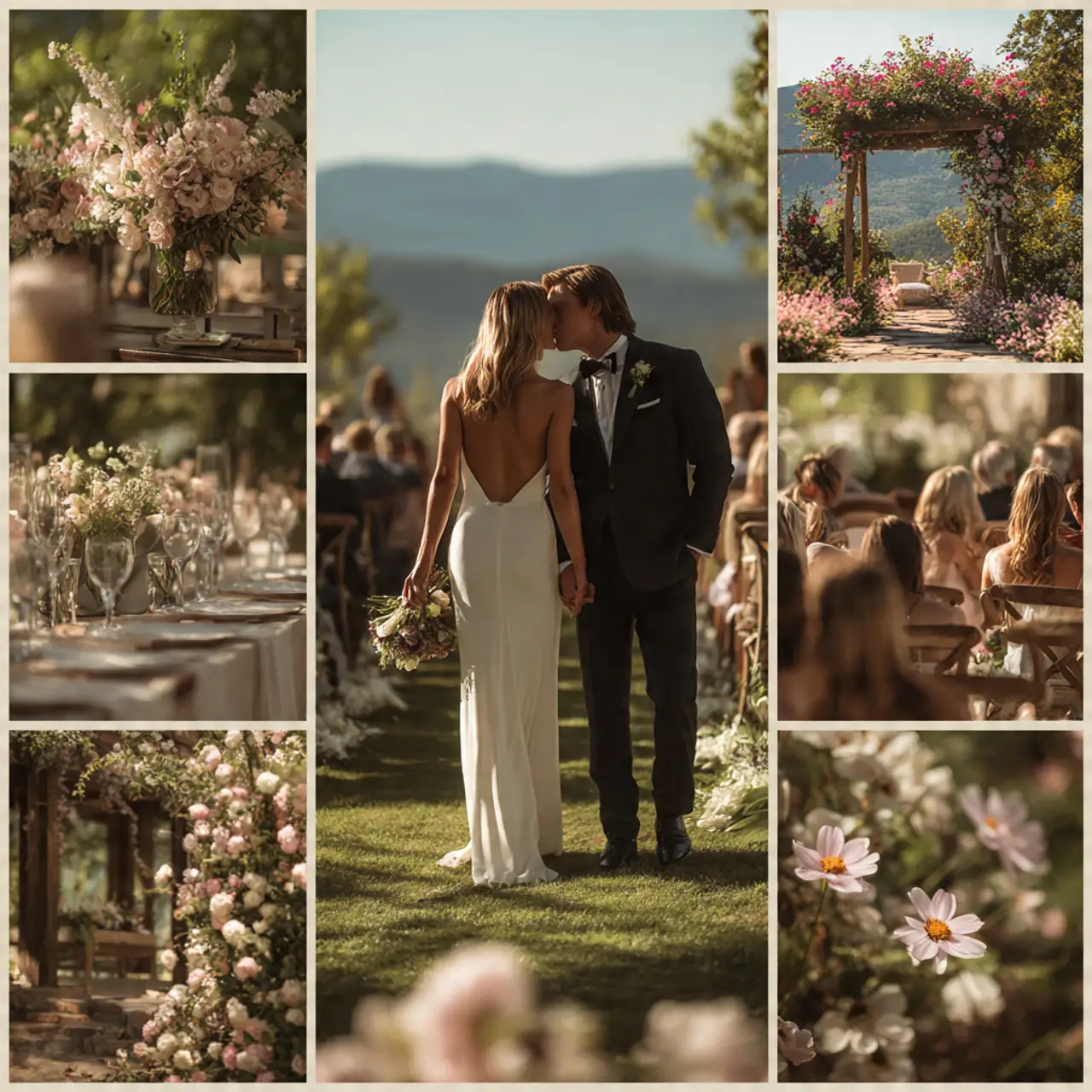
Understanding how to choose wedding flowers begins with defining your aesthetic. Your floral designer needs a clear sense of tone—modern, rustic, classic, bohemian, or romantic. When your style is established, the color palette, texture, and bloom choice naturally fall into place. Flowers become a seamless extension of your attire, décor, and venue rather than an afterthought.
Working With a Clear Color Palette
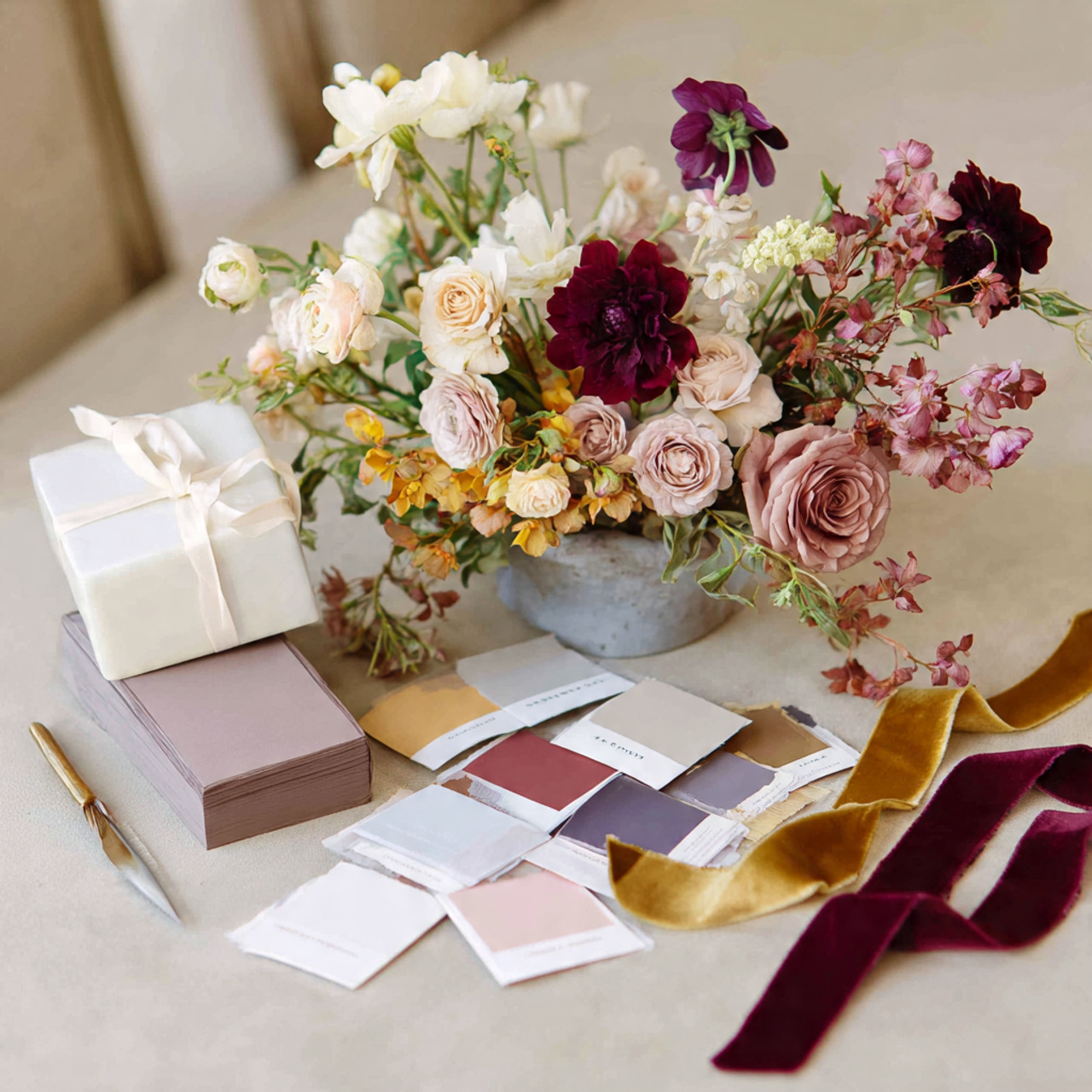
Color influences mood more than any other floral element, so determining it early is essential when deciding how to choose wedding flowers. Whether you choose soft neutrals, deep jewel tones, muted pastels, or bold contrasts, your palette sets the visual rhythm of your day.
By matching flowers to your main and accent shades, you create cohesion across bouquets, centerpieces, and ceremony décor. A unified palette ensures every floral element feels intentional and visually grounded.
Considering the Season of Your Wedding
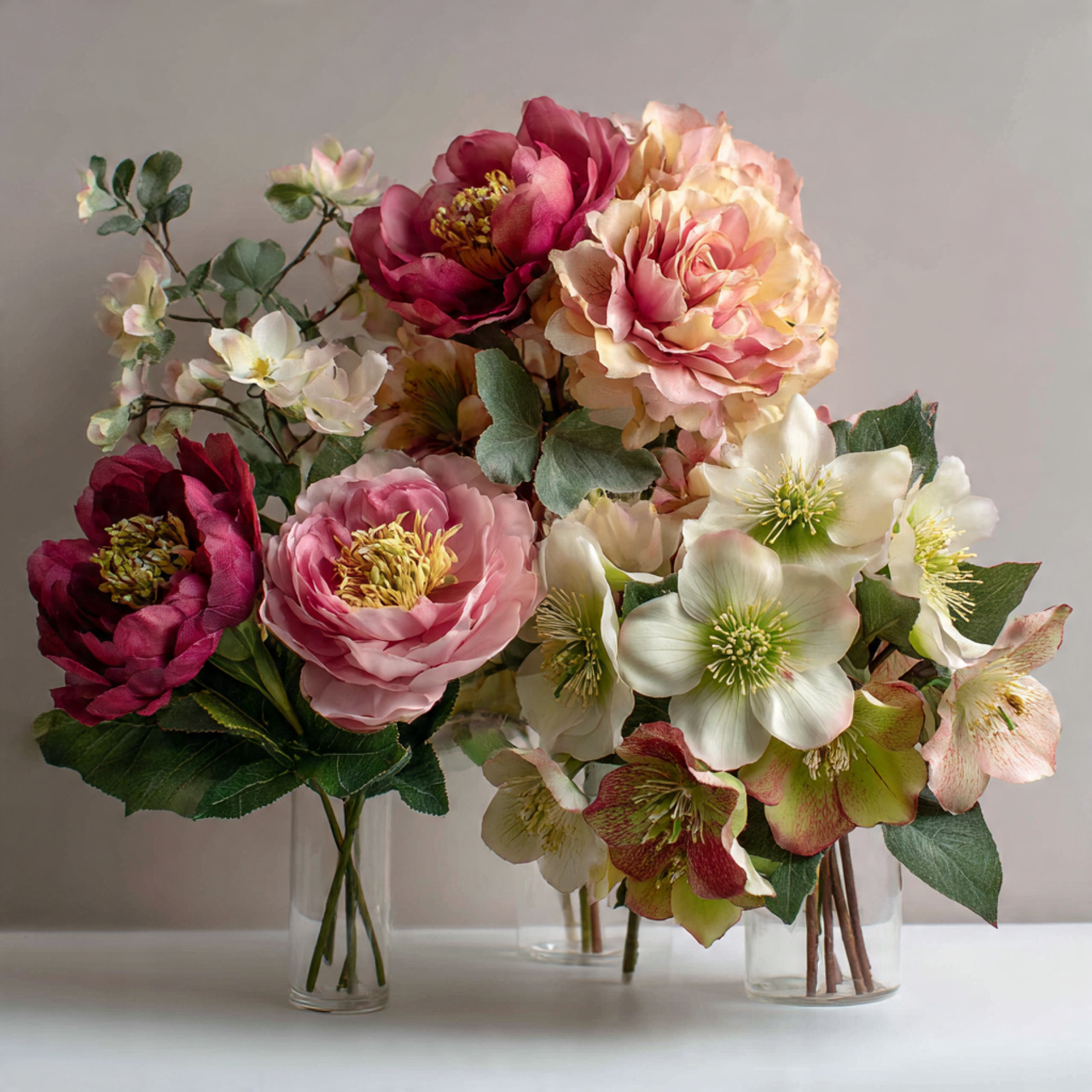
Seasonality is a core factor in how to choose wedding flowers because it determines availability, cost, and quality. Seasonal blooms are fresher, fuller, and more budget-friendly than out-of-season imports. Spring weddings welcome peonies, tulips, and sweet peas; summer brings roses and dahlias; autumn embraces chrysanthemums and amaranthus; winter suits hellebores and evergreens.
Choosing Flowers That Enhance Your Venue
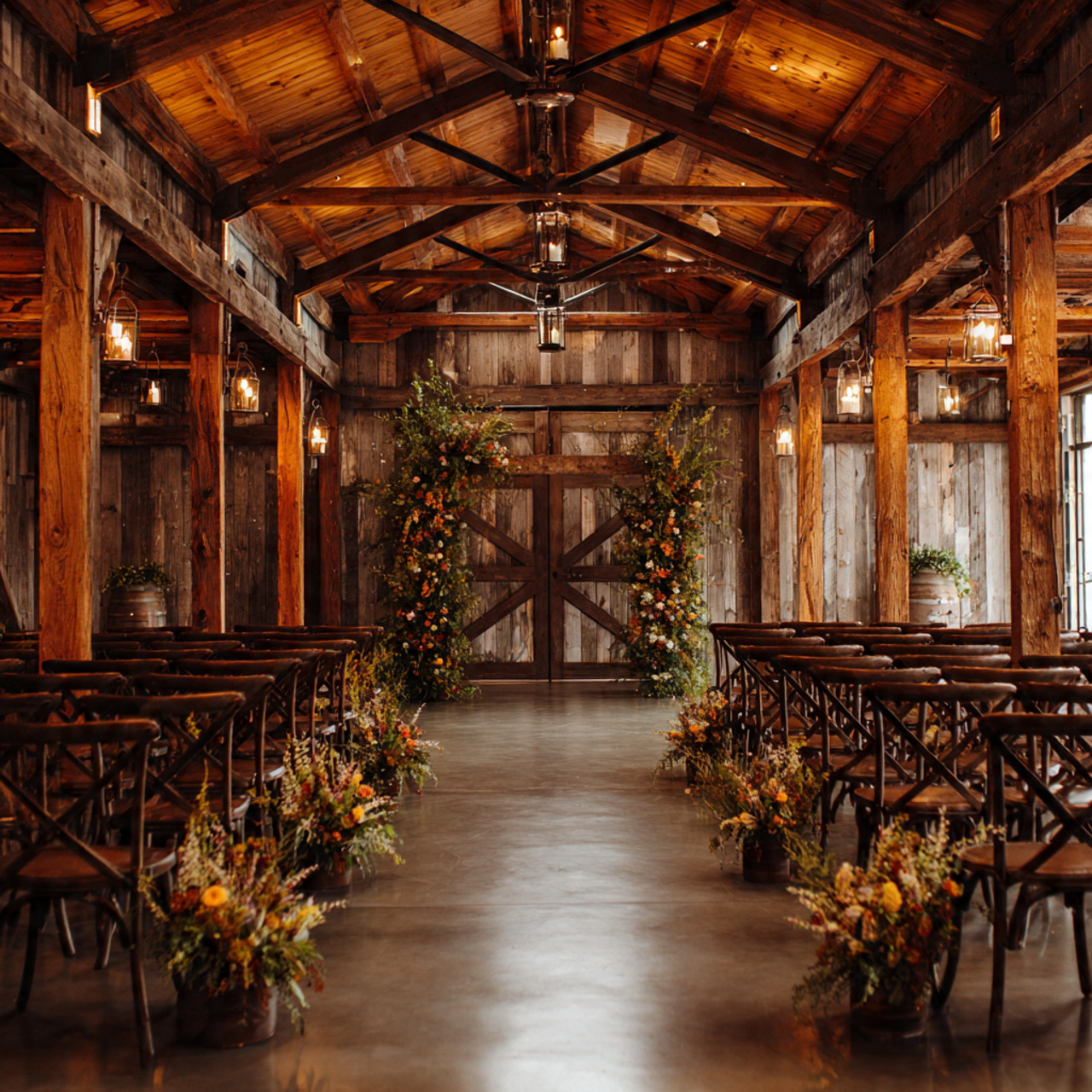
Your venue dictates scale, colors, and structure, so selecting arrangements that harmonize with the space is crucial when learning how to choose wedding flowers. Tall arrangements flatter grand ballrooms, while low designs suit intimate spaces. Natural settings like gardens may call for lighter, airy florals, while industrial venues benefit from sculptural greenery or bold hues.
Balancing Fresh Flowers and Greenery
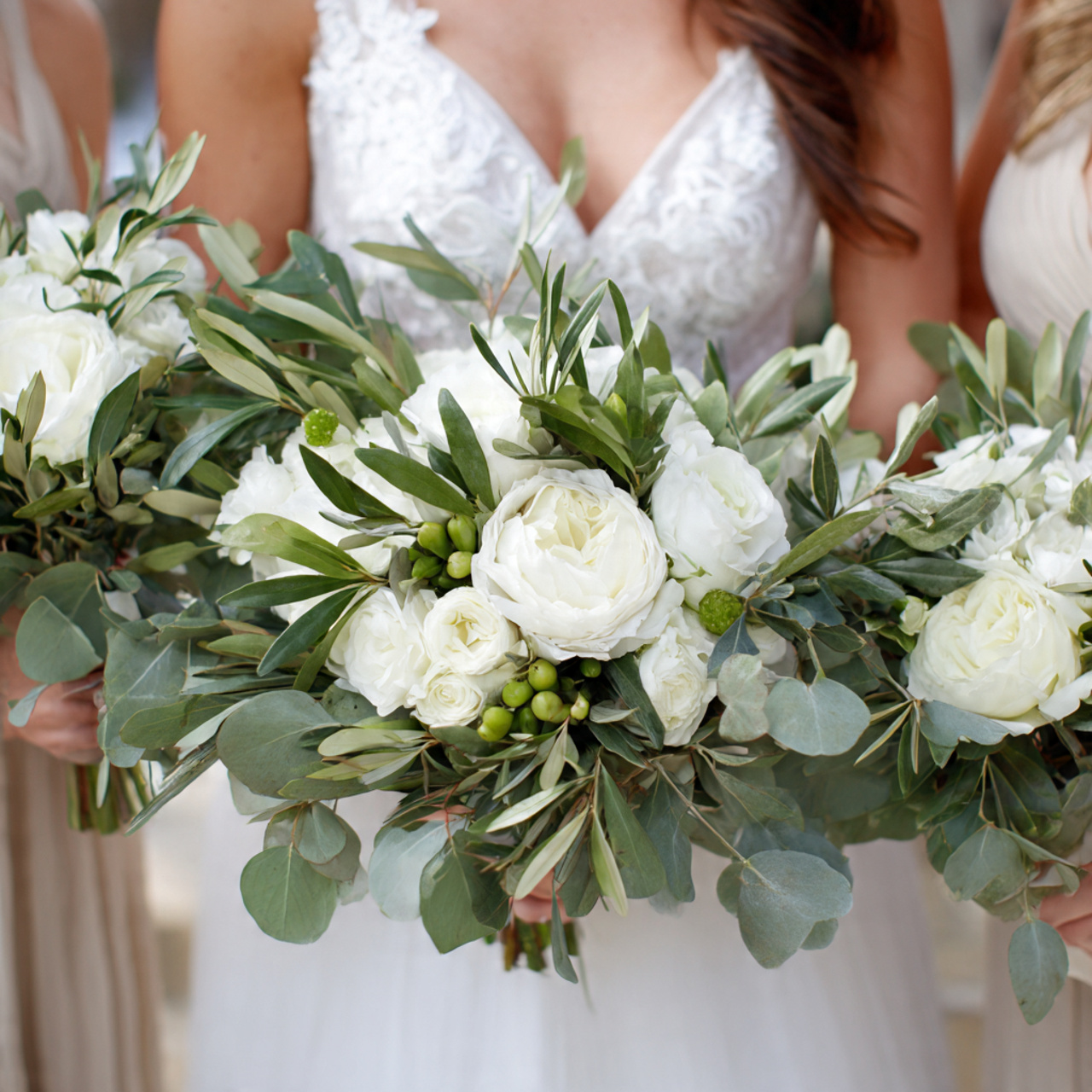
Greenery can stretch your budget and elevate texture, making it essential in evaluating how to choose wedding flowers wisely. Eucalyptus, ruscus, myrtle, and olive branches create lush fullness without relying solely on expensive blooms.
Mixing greenery with key flowers creates depth and movement, giving your arrangements a natural and organic feel. This balance allows your florals to feel abundant without straining your budget.
Prioritizing Flowers Based on Importance
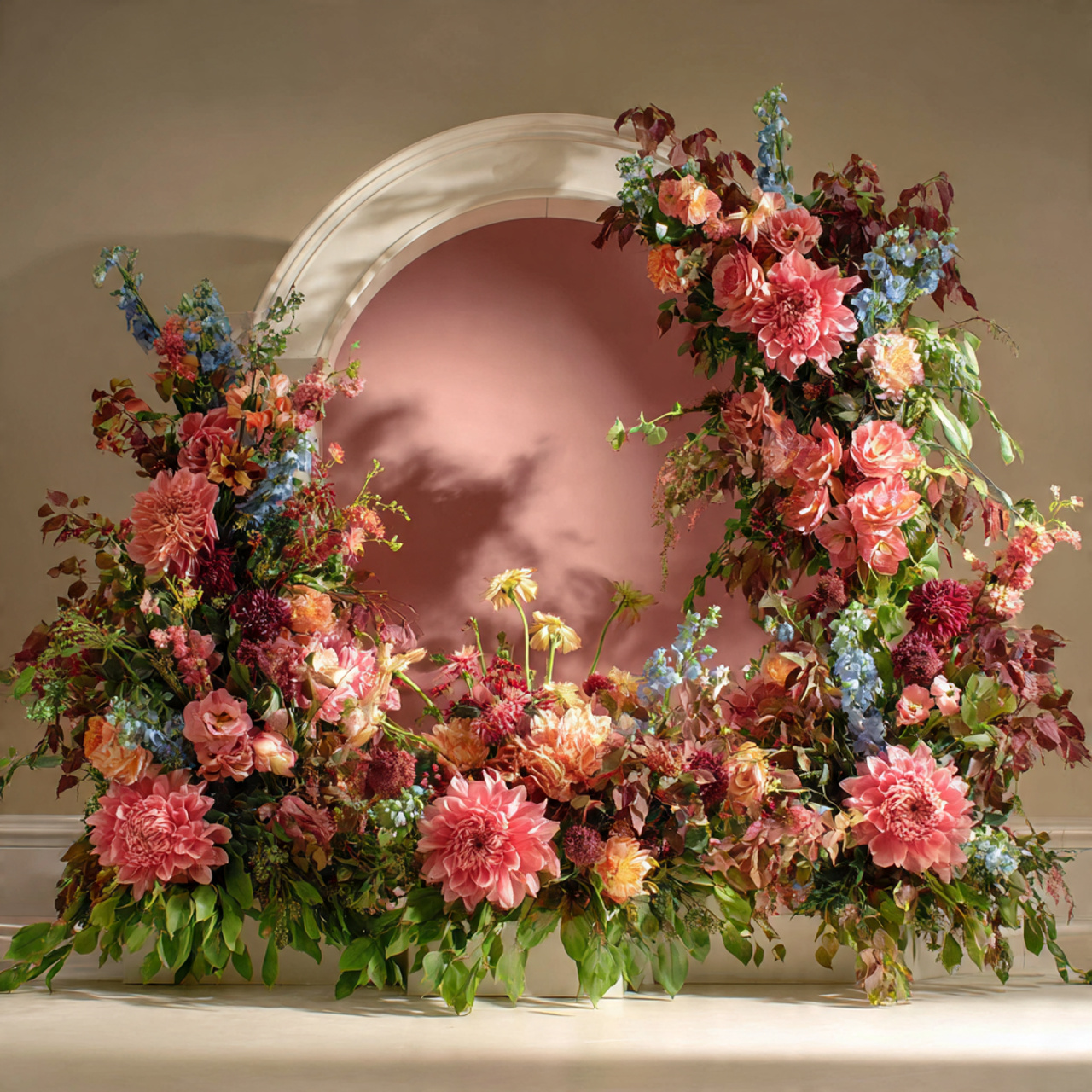
Learning how to choose wedding flowers means deciding where to invest the most. Your bridal bouquet, ceremony focal installations, and reception centerpieces typically matter more than boutonnières or cocktail table décor. Allocating your budget strategically ensures your most visible flowers make the strongest impact.
Focusing on high-impact areas prevents your budget from being spread too thin. Intentional choices make your overall floral design feel cohesive and purposeful
Understanding the Shapes You Prefer
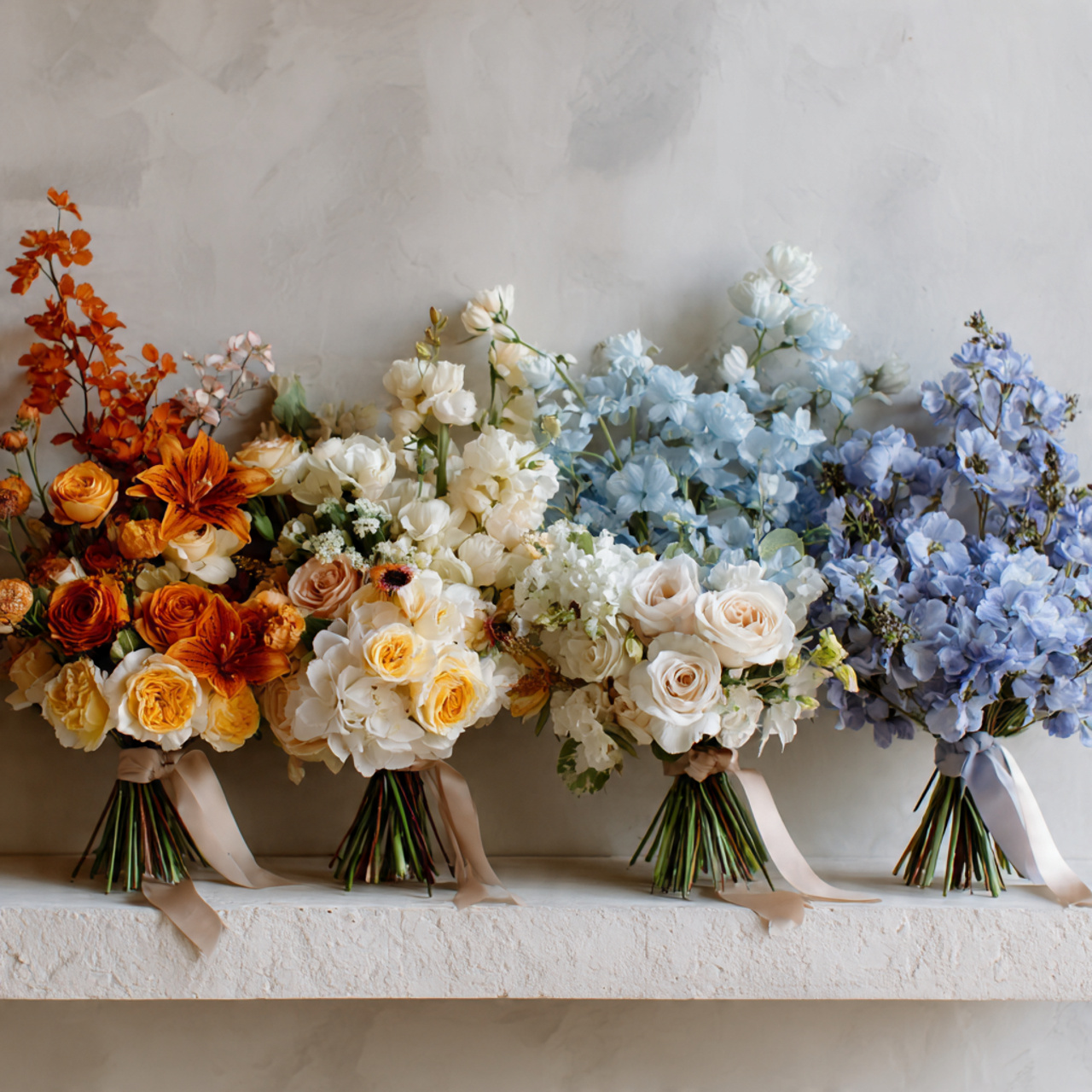
Shape influences the personality of your floral design, making it a significant consideration in how to choose wedding flowers. You may lean toward cascading bouquets, tightly rounded arrangements, airy garden-style shapes, or structured architectural lines. When you choose shapes that suit your style, the flowers feel intentional and balanced.
Selecting Flowers That Photograph Well
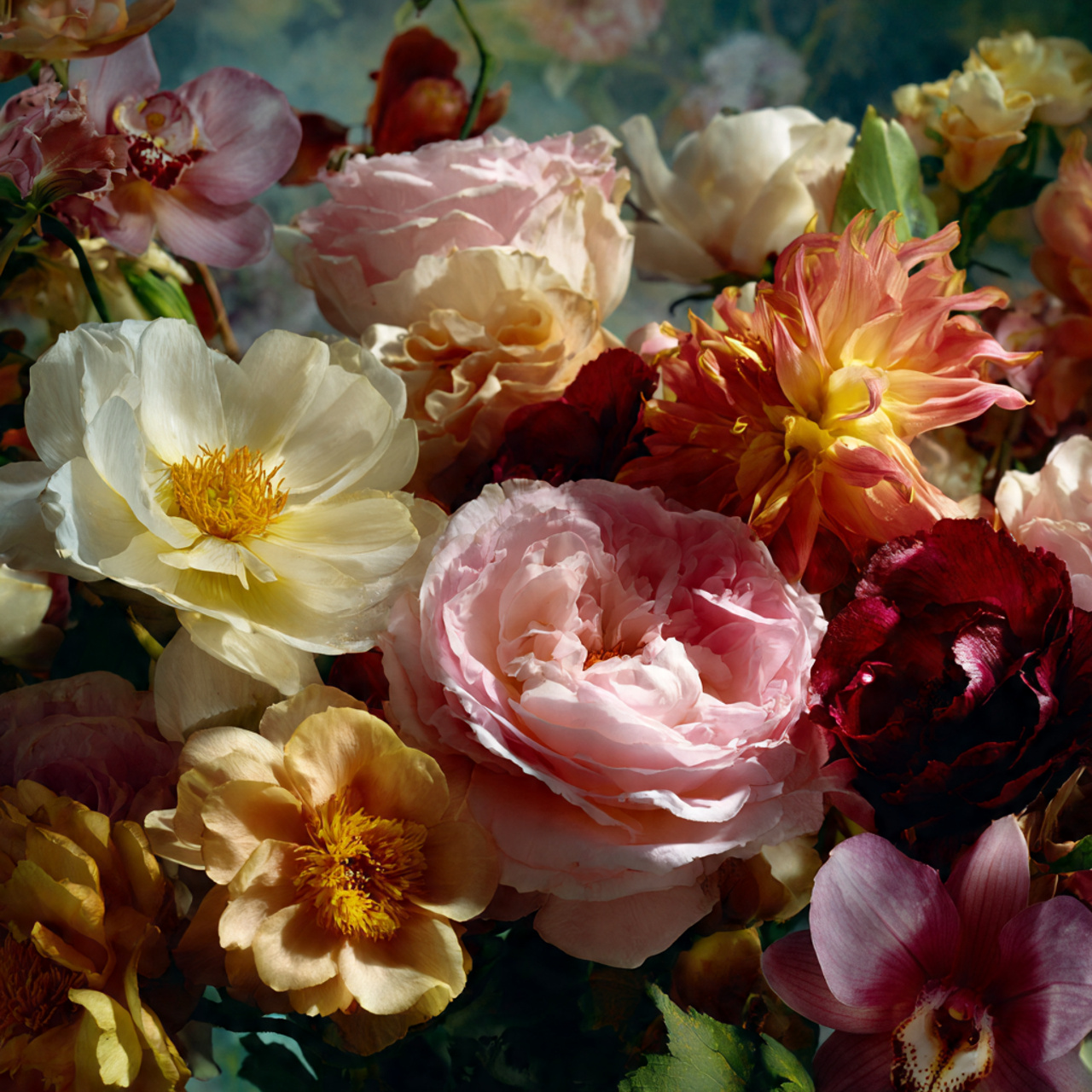
Some blooms photograph better than others, which matters when you’re researching how to choose wedding flowers. Garden roses, orchids, ranunculus, dahlias, and hydrangeas hold structure during photos and look stunning from multiple angles. Their color saturation and petal layers provide rich visual depth on camera.
Aligning Flowers With Your Dress and Bridal Party Attire
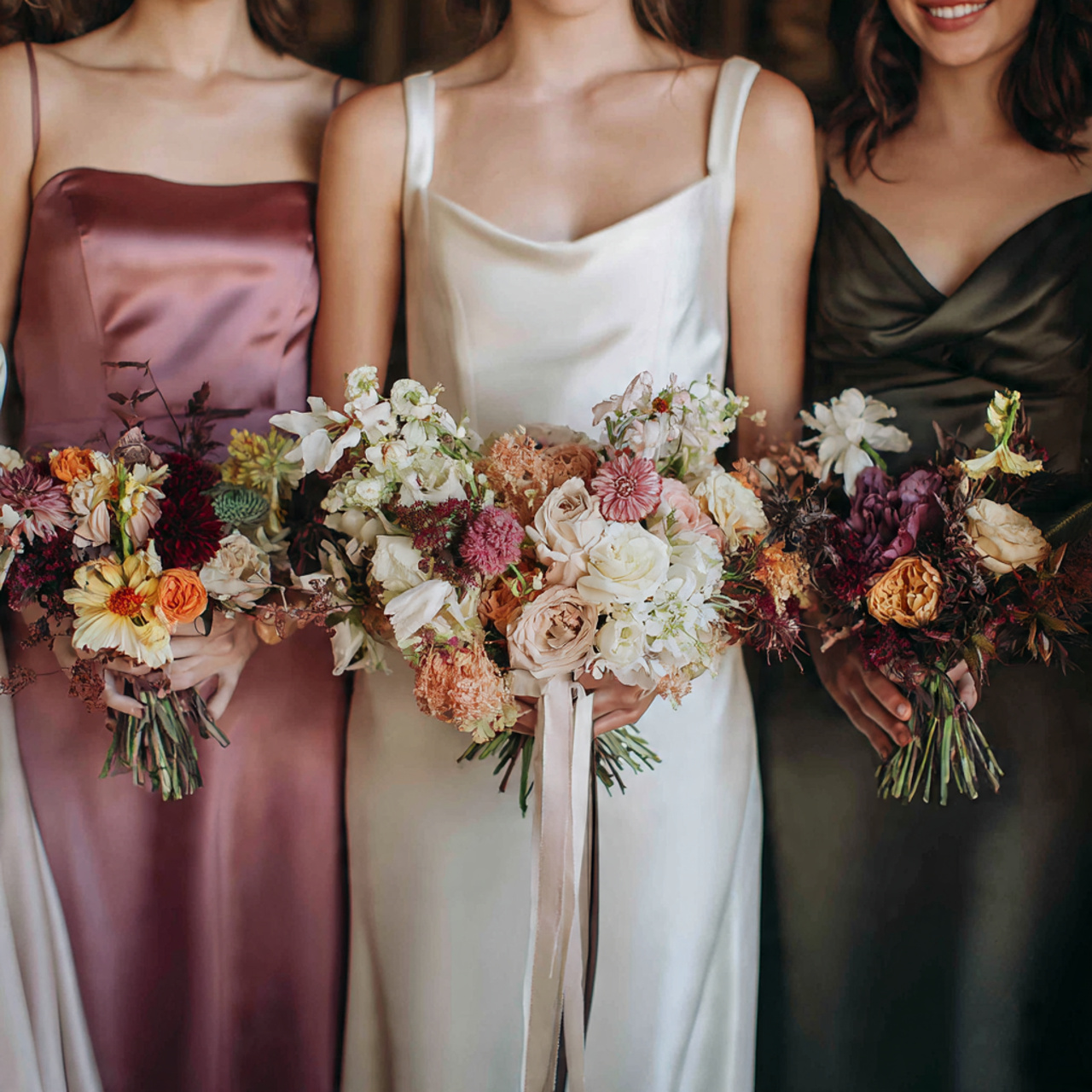
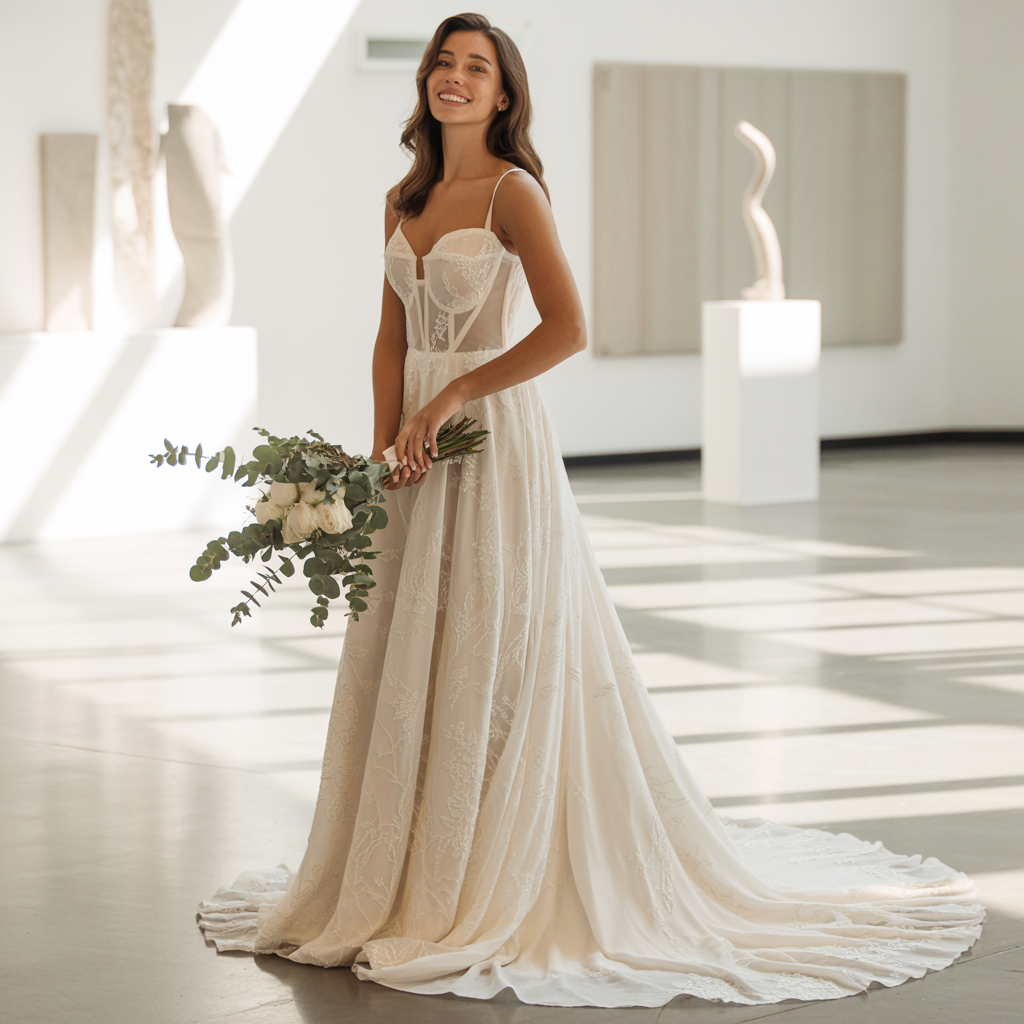
Your attire influences how to choose wedding flowers because the bouquet becomes part of the overall silhouette. Minimal dresses pair well with bold bouquets, while intricate gowns often look best with softer, understated arrangements. Bridesmaid dress colors also guide floral choices—coordinating but not matching creates visual harmony.
Factoring in Floral Scent
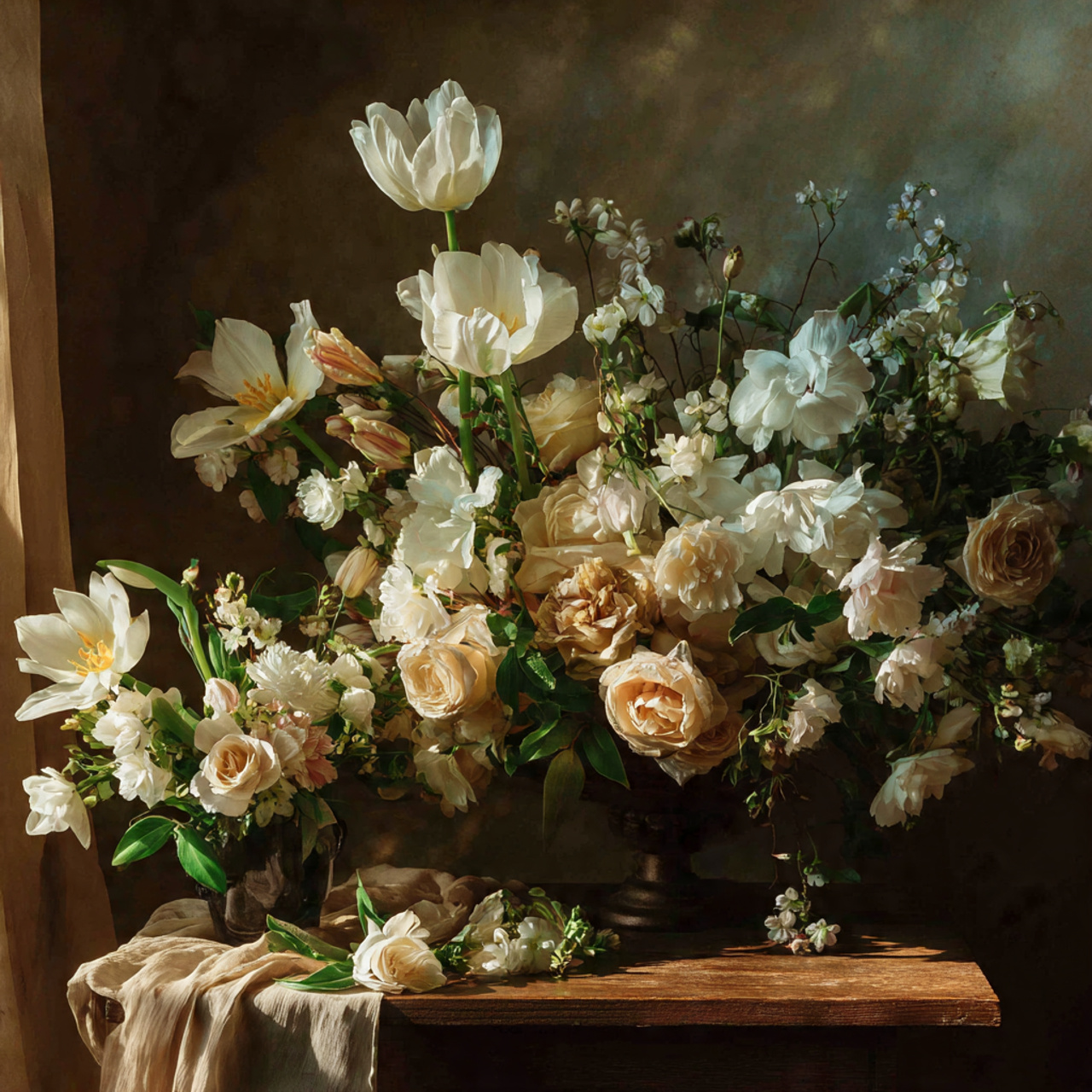
Fragrance can elevate your wedding atmosphere or overwhelm sensitive guests, making it part of how to choose wedding flowers strategically. Gardenias, lilies, and tuberose offer strong scents, while roses, carnations, and tulips are milder. Choosing the right level of fragrance ensures comfort and elegance throughout the event.
Budgeting Realistically for Floral Needs
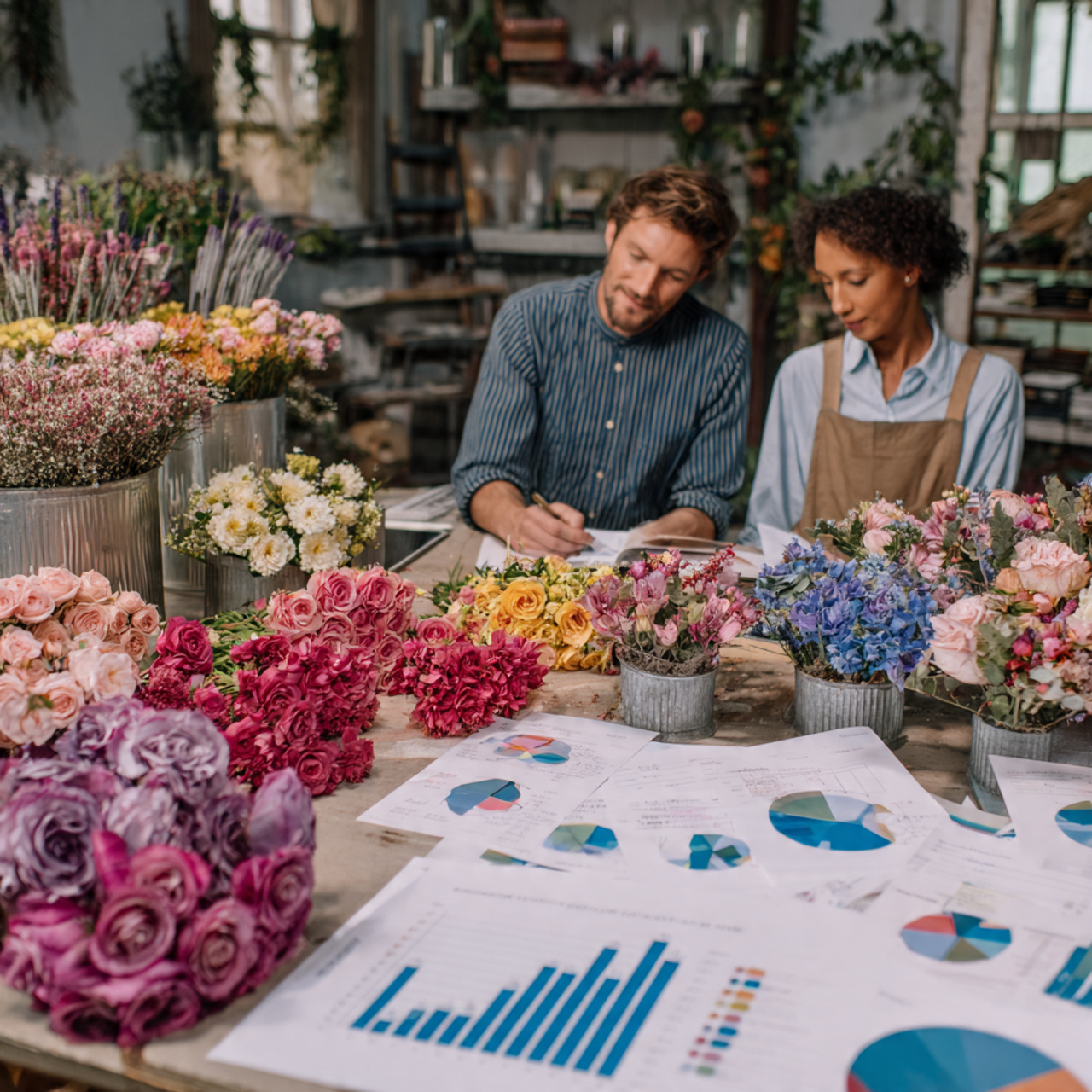
A major step in learning how to choose wedding flowers is budgeting honestly. Flowers typically claim 8–12% of the total wedding budget. Your designer can create a plan that maximizes impact while staying within limits. Transparent conversations about must-haves, substitutions, and priorities help maintain clarity from the start.
Choosing Long-Lasting Blooms
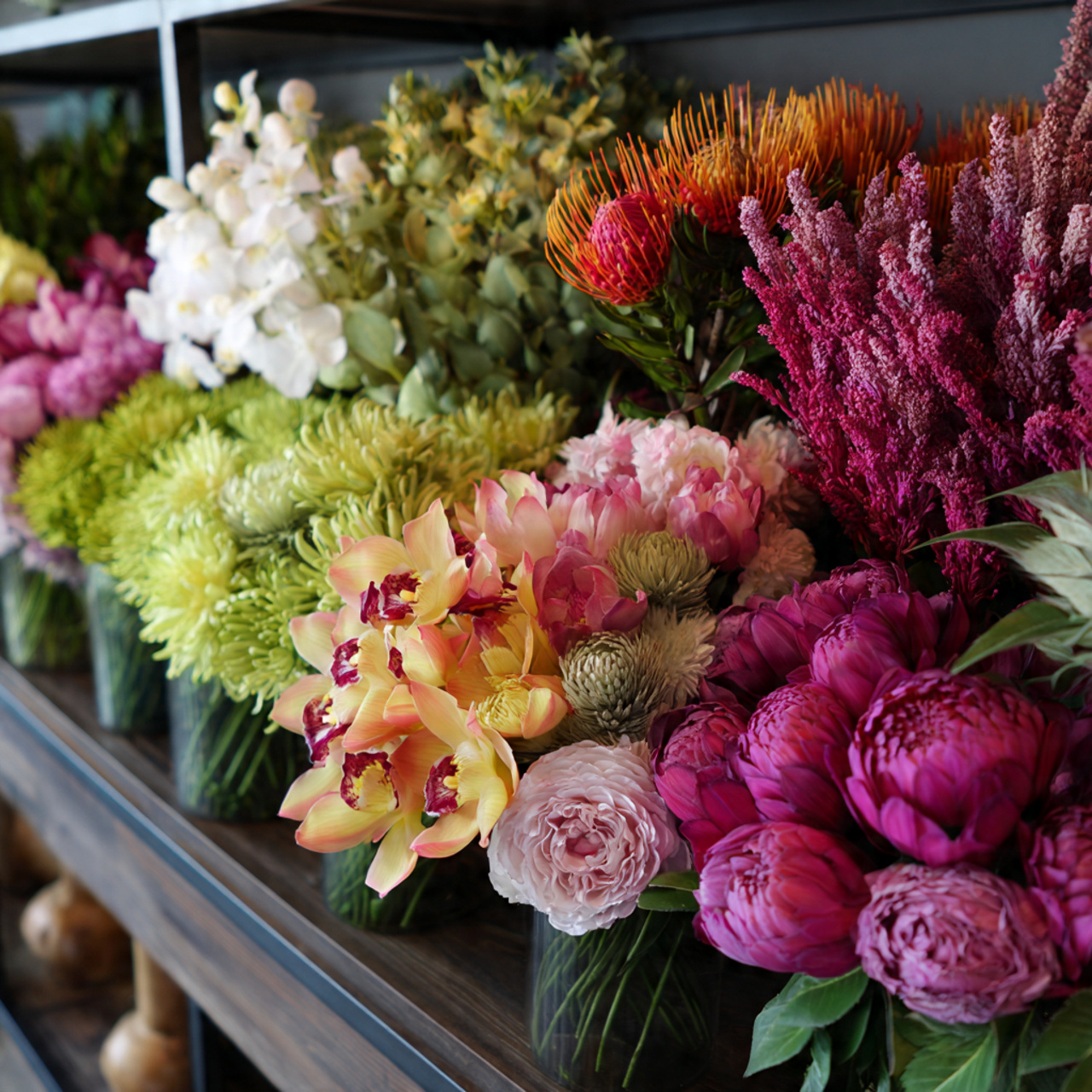
Durability matters, especially for warm weather or long photoshoots, making it important in how to choose wedding flowers. Chrysanthemums, orchids, roses, carnations, and proteas hold up well throughout the day. Fragile flowers like poppies or anemones may need reinforcement or limited use to maintain freshness.
Incorporating Meaningful or Symbolic Flowers
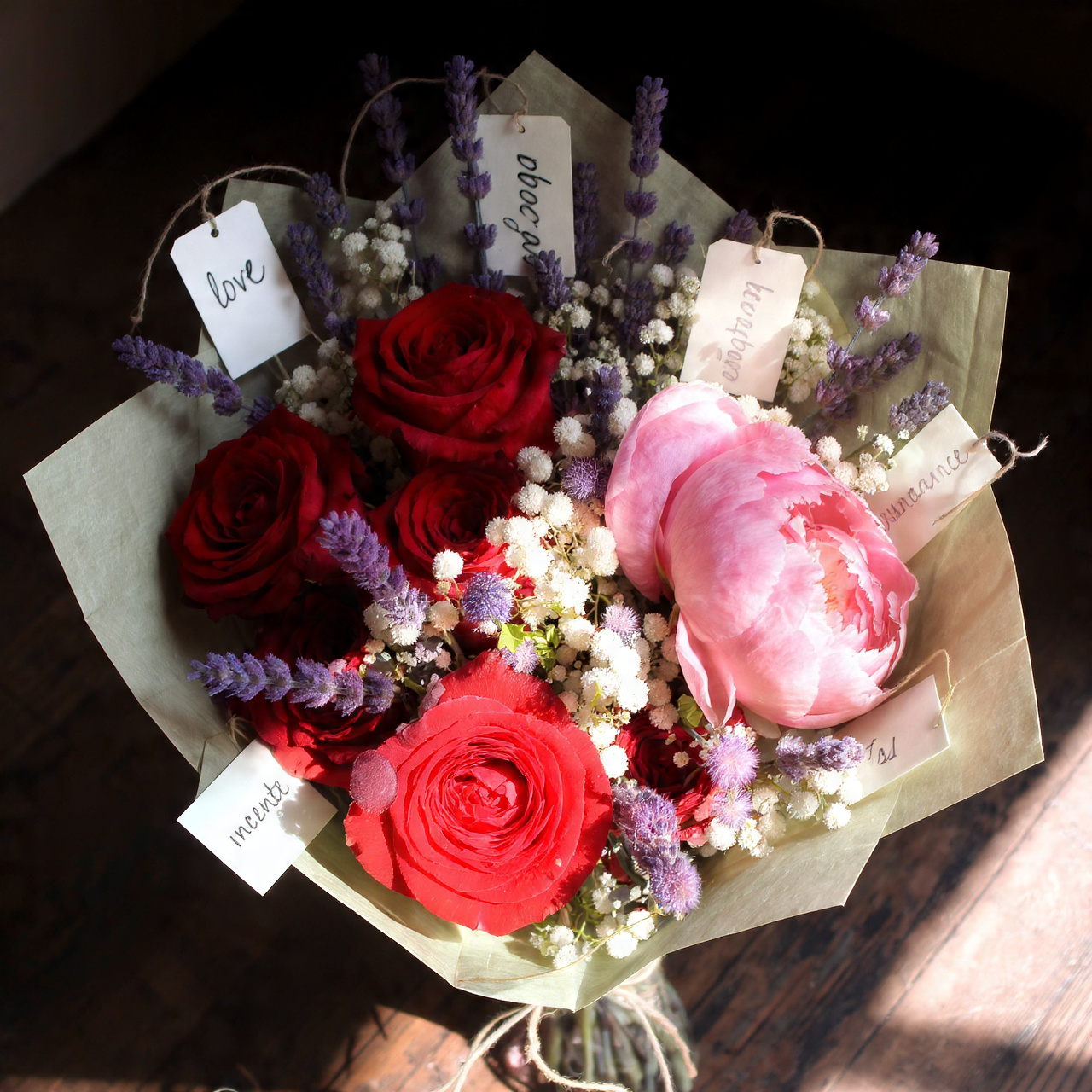
Symbolism can enrich your floral story and guide how to choose wedding flowers that feel personal. Roses express love, baby’s breath symbolizes purity, lavender signifies devotion, and peonies represent prosperity. Using meaningful blooms adds emotional depth to your design without altering its aesthetic.
Balancing Trends With Timeless Choices
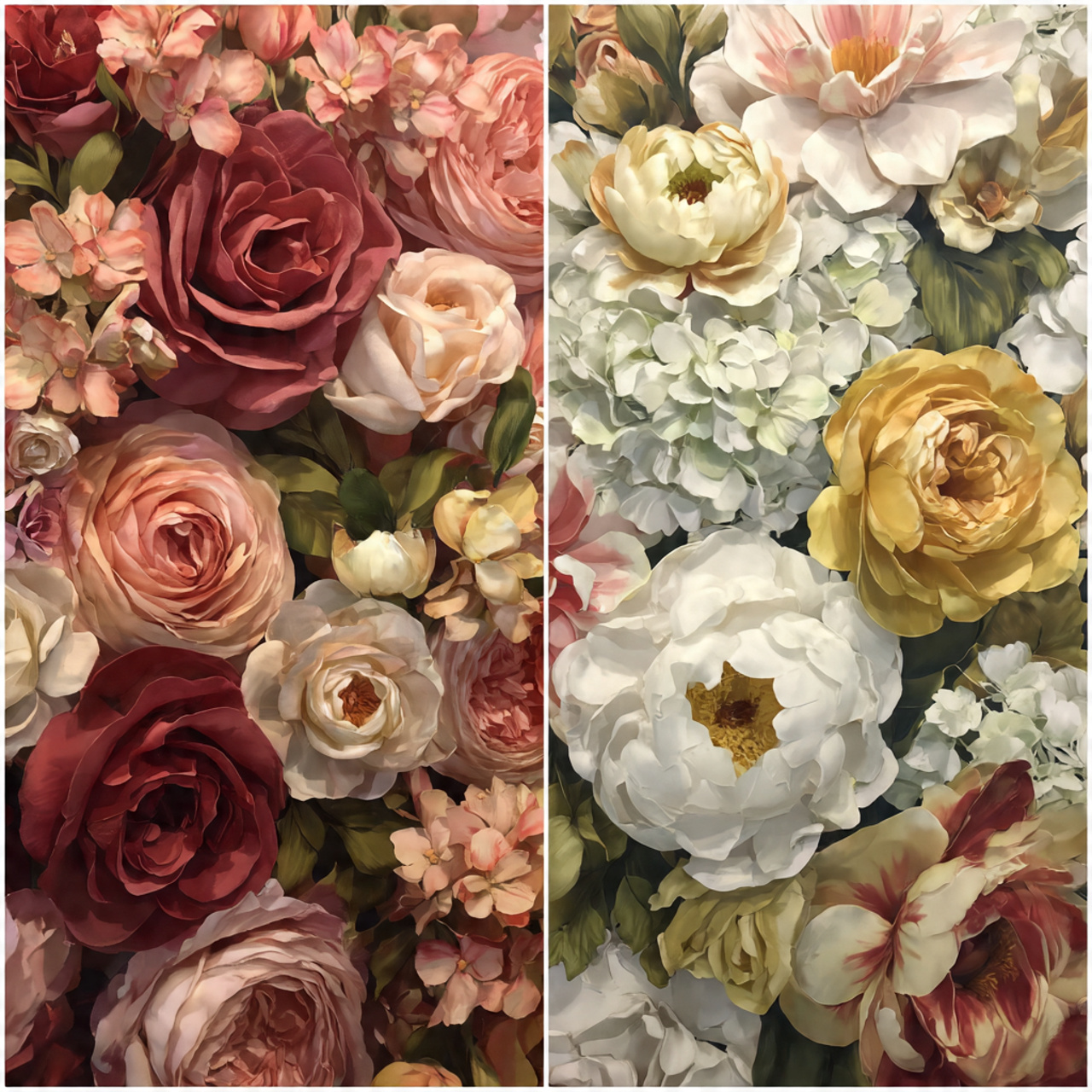
Trends inspire creativity, but timeless blooms ensure your photos age gracefully—something crucial to how to choose wedding flowers. While dyed flowers, sculptural stems, and color-blocked arrangements may be trending, classic flowers like roses, peonies, hydrangeas, and orchids maintain their appeal over decades.
Exploring Texture and Structural Contrast
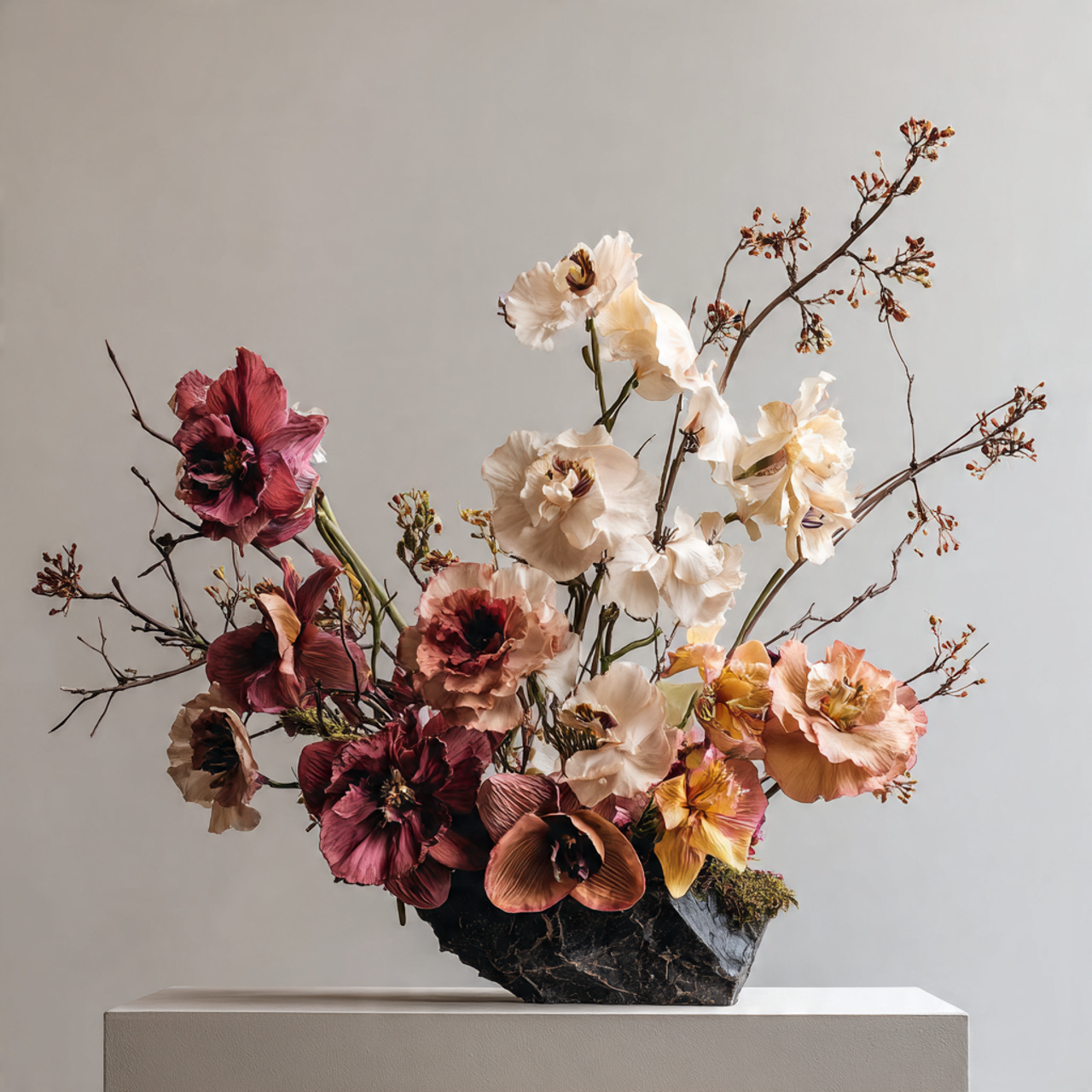
Texture elevates your floral design and is central to understanding how to choose wedding flowers that feel multidimensional. Mixing ruffled petals with smooth blooms, delicate stems with bold shapes, or airy greenery with firm accents creates compositions with depth. Texture turns simple arrangements into art.
Selecting the Right Floral Designer
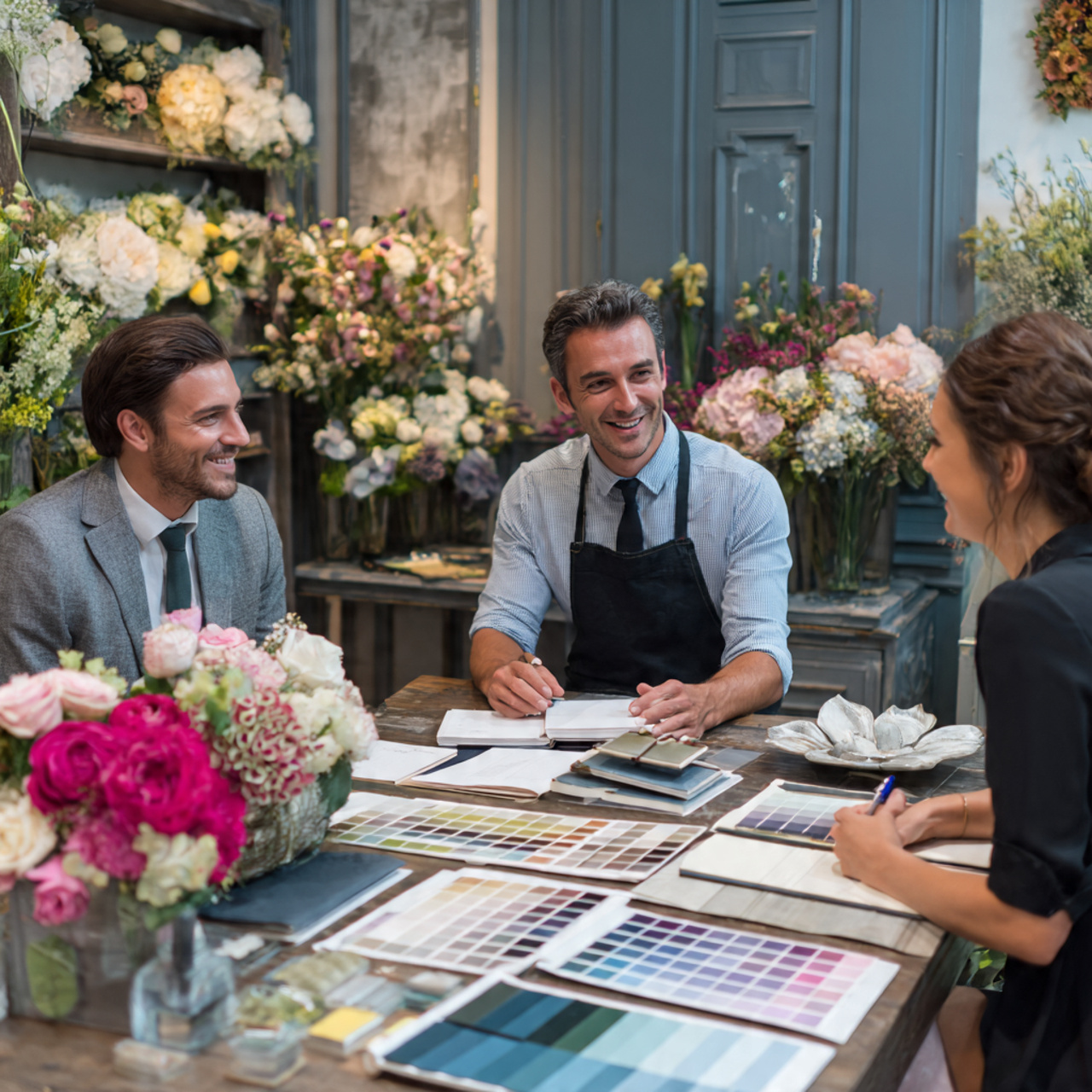
Your florist becomes a creative partner, and choosing the right one influences how to choose wedding flowers successfully. Look for designers whose portfolios align with your aesthetic and who communicate clearly. A good florist interprets your inspirations with creativity while guiding your choices with expertise.
Considering Sustainability and Local Sourcing
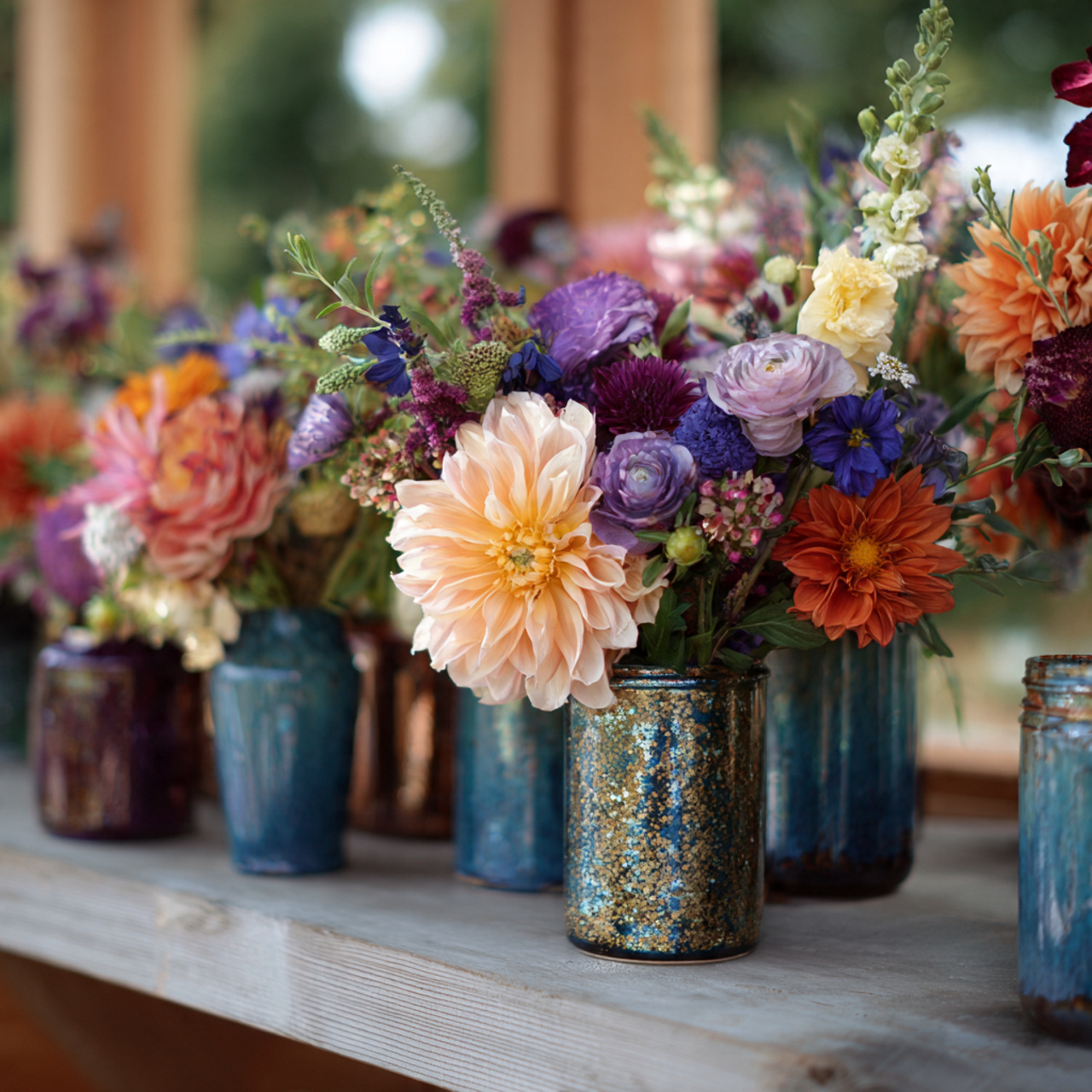
Eco-friendly couples often explore sustainable options as part of how to choose wedding flowers. Locally grown blooms lower environmental impact and support small farms. Reusable installations, foam-free designs, and repurposing ceremony flowers for the reception reduce waste without compromising beauty.
Planning for Weather and Climate
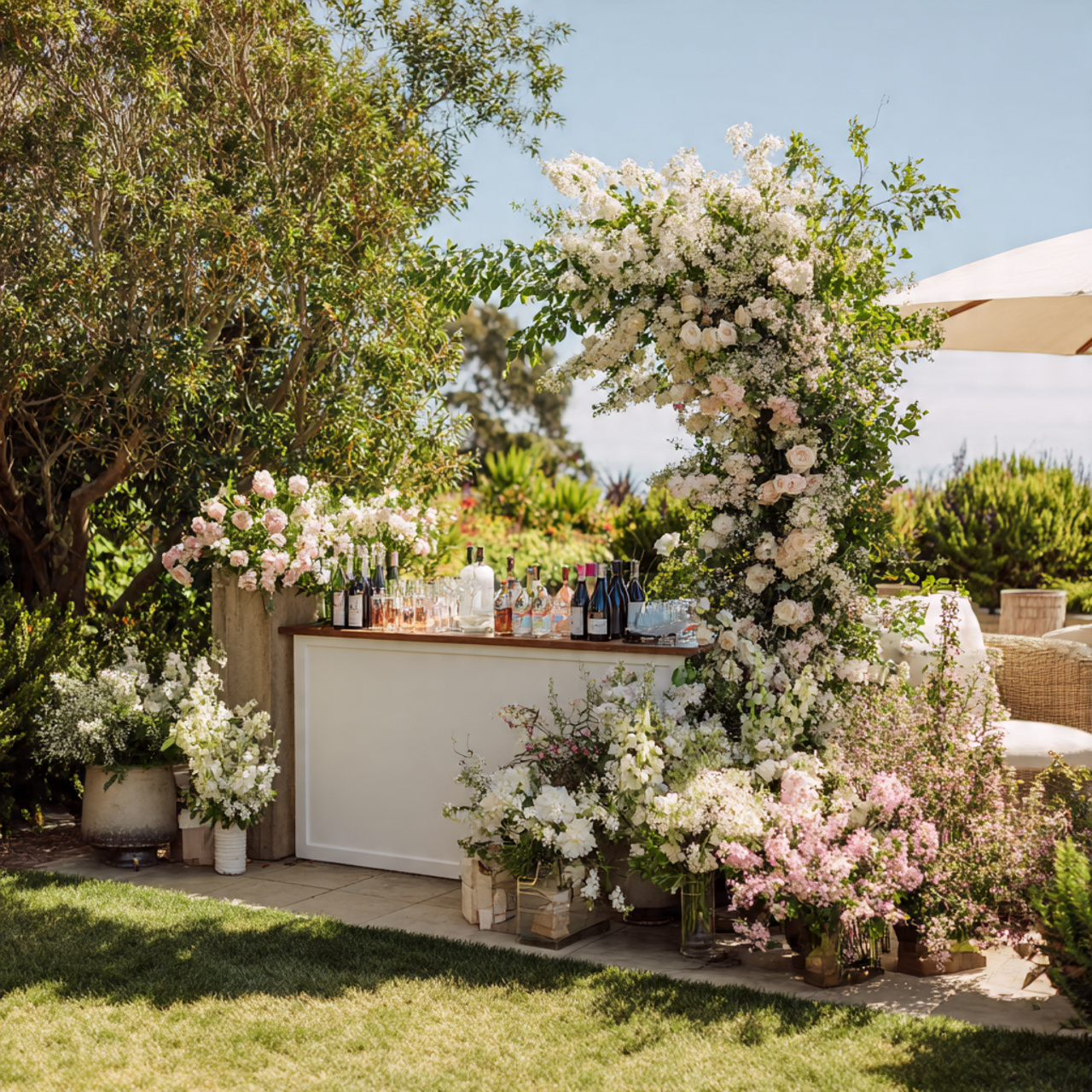
Weather affects freshness, especially outdoors, so it plays a role in how to choose wedding flowers. Heat requires hardy blooms and hydration strategies, while cold may call for insulated transportation. Understanding climate challenges allows your florist to select flowers that remain lush throughout the event.
Coordinating Ceremony and Reception Designs
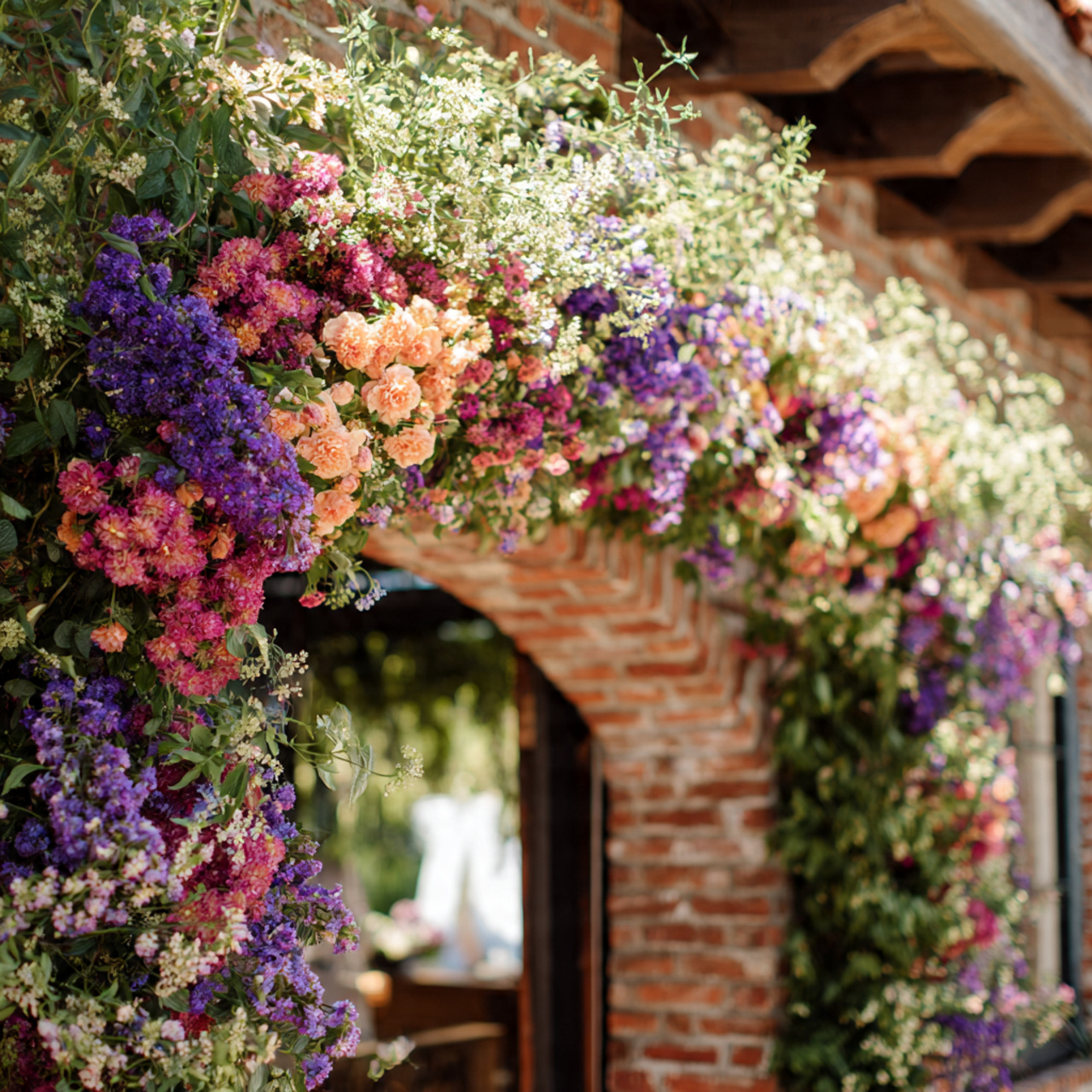
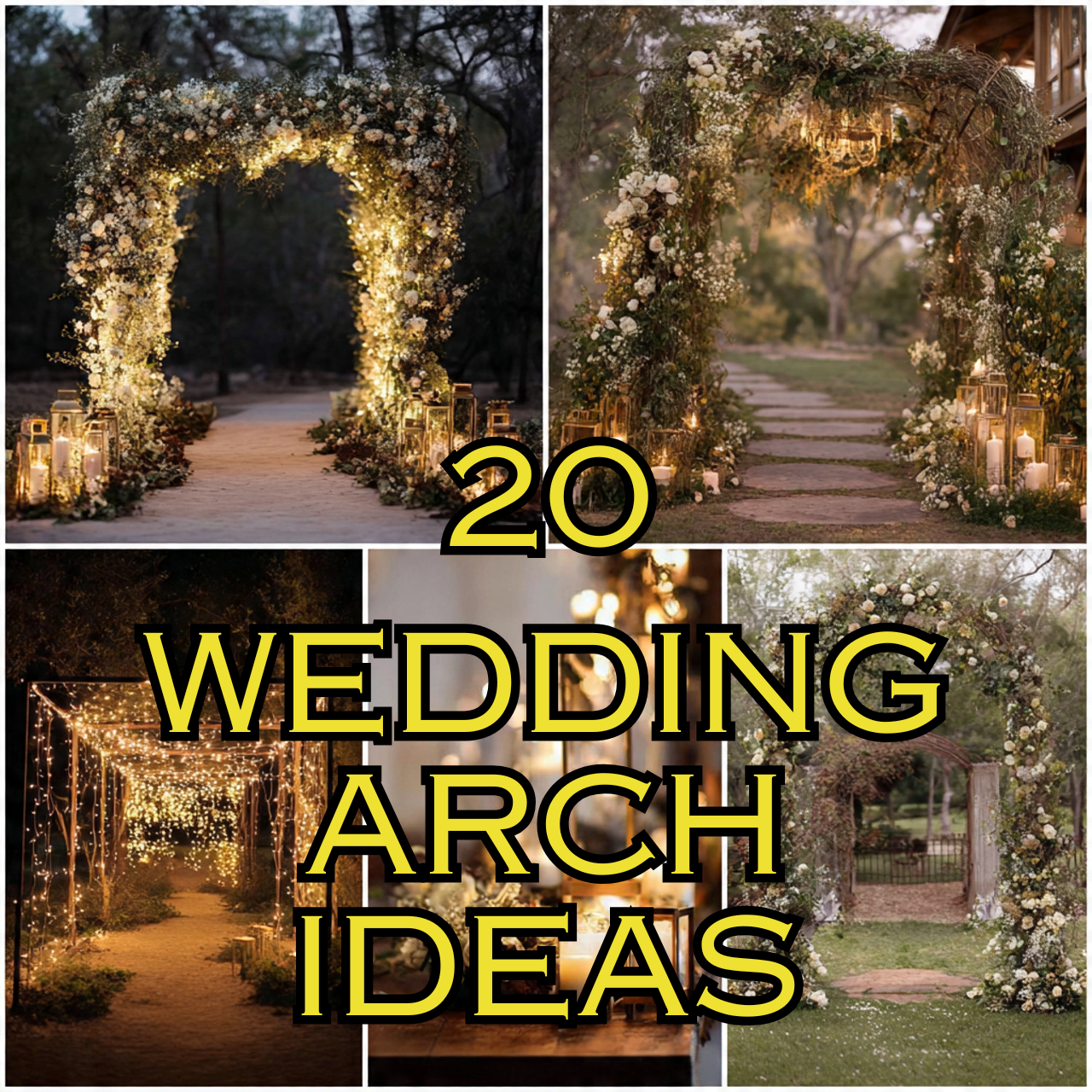
Your ceremony sets the initial mood, while the reception extends it—so coordinating them is part of how to choose wedding flowers with intention. Repurposing aisle arrangements, altar flowers, or arches saves money while maintaining a cohesive design. Flow between the spaces reinforces your theme.
Creating a Vision Board for Clarity
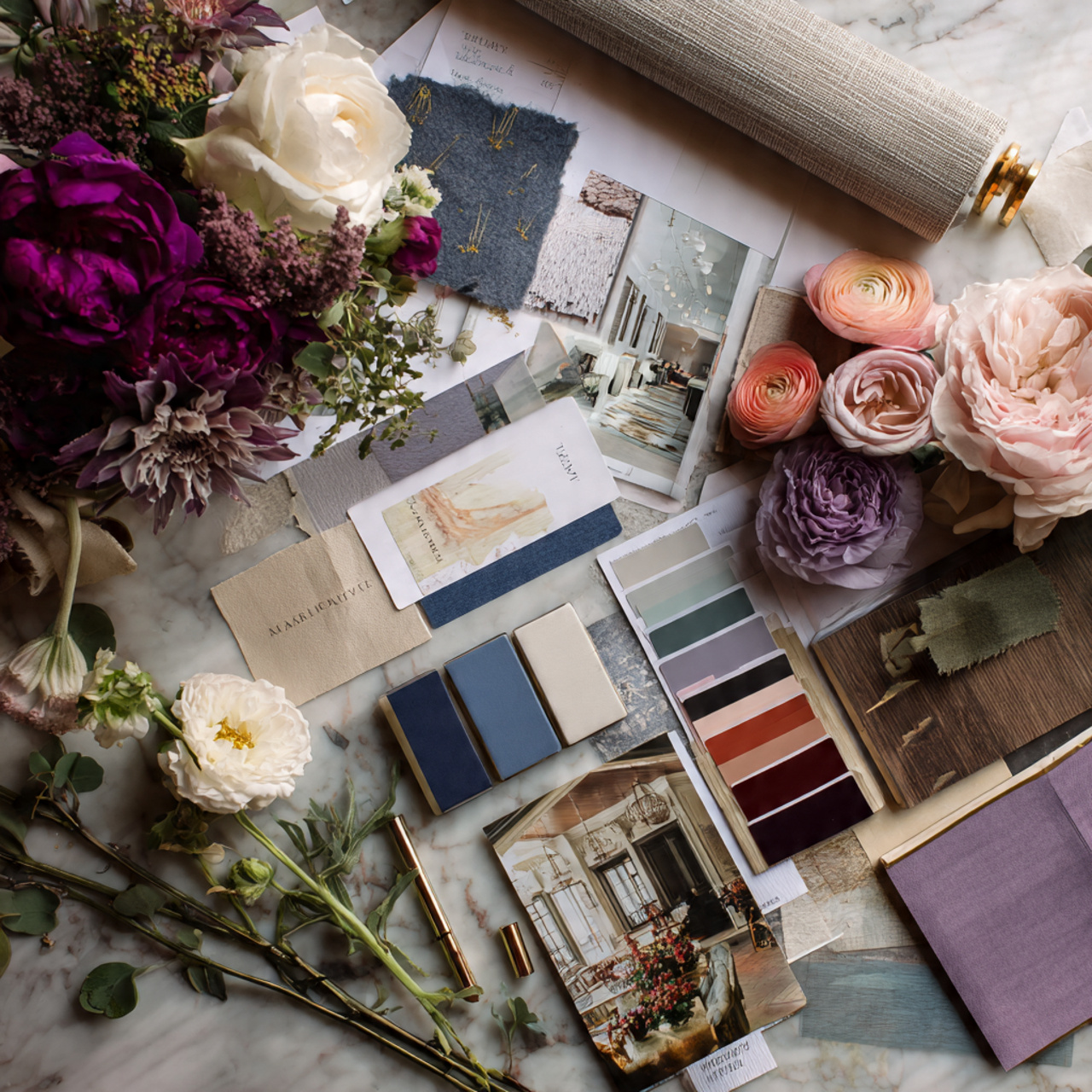
A vision board condenses your ideas into one guide, making it extremely useful when determining how to choose wedding flowers. Photos, color swatches, textures, dress images, and venue details help your florist understand your direction instantly. This tool reduces miscommunication and keeps the design anchored to your goals.
Frequently Asked Questions
How far in advance should I book my wedding florist?
Most couples book their florist 6–12 months before the wedding. Popular florists and peak-season dates fill quickly, so earlier booking increases your chances of securing your top choice and allows ample time to refine your floral plan.
Are fake or silk flowers a good alternative?
Silk flowers can work well for destination weddings, allergy concerns, or budget limitations. However, high-quality faux flowers cost nearly as much as fresh blooms, so it’s essential to compare quality and price before deciding.
How much should I budget for wedding flowers?
Most weddings allocate 8–12% of the total budget to florals. Large installations, elaborate centerpieces, and luxury blooms like peonies or orchids may push costs higher. Your florist can help prioritize based on your vision.
Can I reuse ceremony flowers for the reception?
Yes, repurposing flowers is a smart way to stretch your floral budget. Arches, aisle arrangements, and altar pieces can be moved to entrances, sweetheart tables, or reception corners, provided your florist has a team to assist.
How do I make sure my bouquets last all day?
Choose durable flowers, keep bouquets hydrated before the ceremony, and store them in a cool environment. Your florist may also reinforce delicate blooms with wire or hydration tubes to preserve freshness during photos.
Conclusion
Understanding How To Choose Wedding Flowers is about balancing style, season, budget, and practicality. When you know your aesthetic, stay mindful of seasonality, and communicate clearly with your florist, your arrangements become a powerful extension of your celebration. Each idea in this guide helps you approach floral planning with clarity and precision. By staying intentional with color, texture, and meaning, your flowers will elevate your wedding day with beauty that feels authentic, personal, and timeless.