Wedding Dress Too Small :20 Stress-Busting Alteration Strategies and Essential Guide to Fix Instantly
Wedding Dress Too Small can trigger panic faster than almost anything in the planning timeline. It disrupts confidence, adds stress, and creates pressure when you need calm the most. But this scenario is more common than brides expect, and the solutions are wider, more flexible, and more forgiving than you might imagine. Whether your gown arrived snug, no longer fits after body changes, or feels unexpectedly tight during final fittings, you are never without options. This guide explores practical, realistic, and expert-approved strategies to handle a wedding dress too small with clarity and control.
Normalizing body changes throughout the planning journey

Brides experience many physical changes during engagement—stress, lifestyle shifts, travel, and emotional highs all impact the body. A wedding dress too small should never be interpreted as failure but as a normal part of human fluctuation. Normalizing this reality removes shame and supports healthier planning. The goal is always a comfortable, confident, and joyful wedding day experience.
Letting out the seams for extra space Wedding Dress Too Small
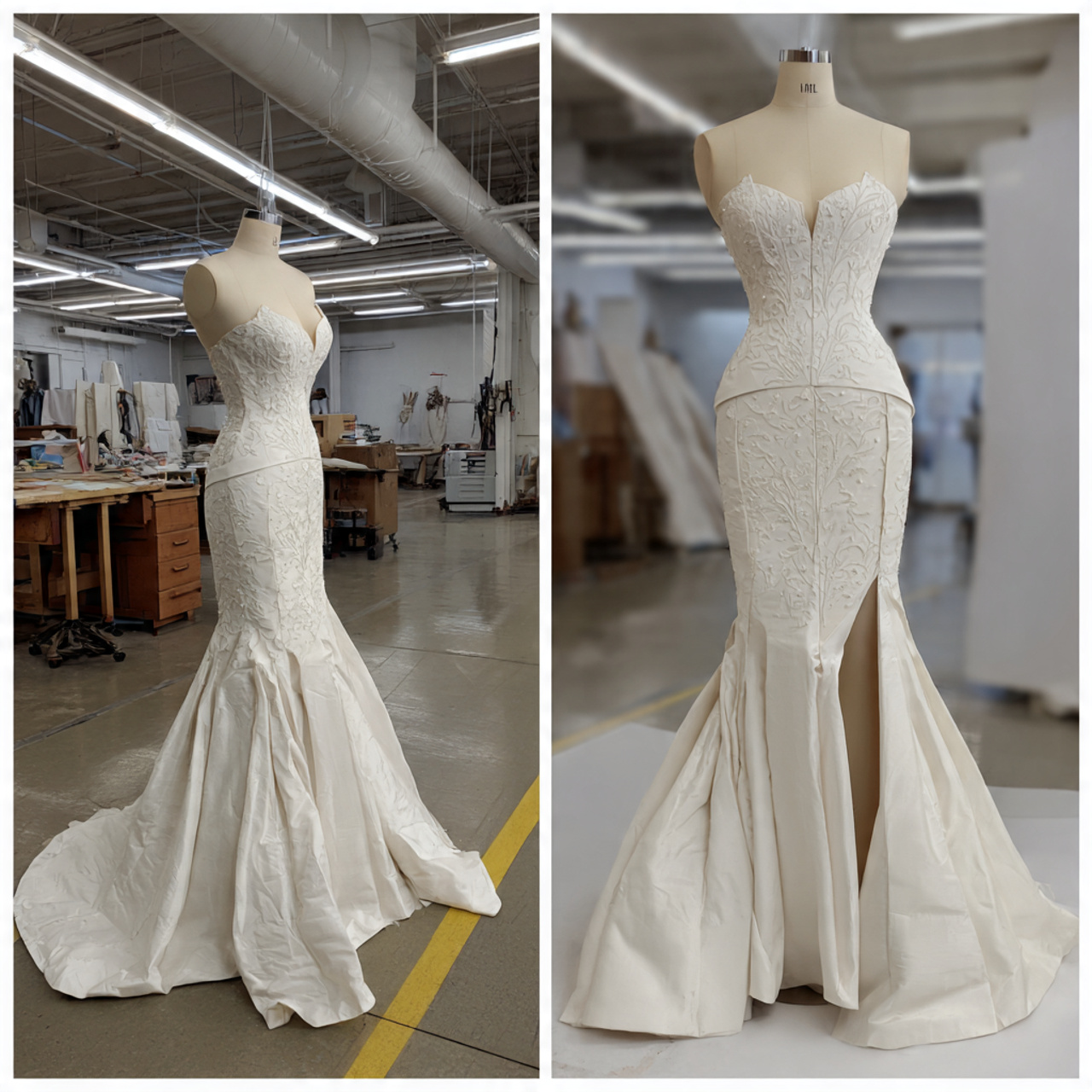
Letting out seams is one of the most common solutions when a wedding dress too small becomes a problem. Most gowns contain seam allowance hidden inside the structure, allowing a skilled seamstress to expand the dress by one to three inches depending on the design. This option works well for silk, satin, chiffon, and crepe gowns. The results look seamless, restore comfort, and preserve the original silhouette without compromising elegance.
Adding a corset back for flexible sizing
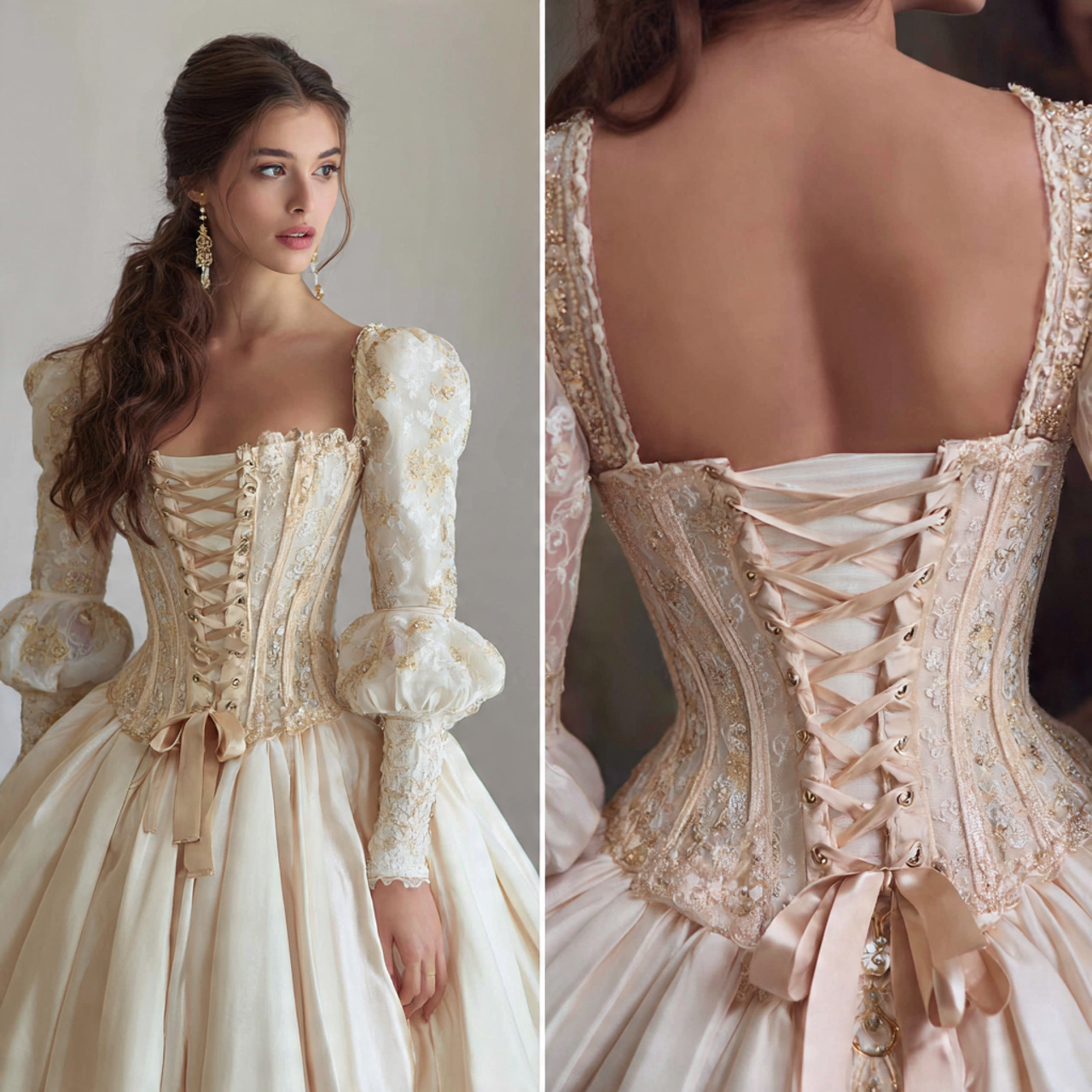
Transforming a zipper closure into a corset back can salvage a wedding dress too small with dramatic success. This alteration gives adjustable flexibility, allowing the gown to fit perfectly even if your body fluctuates slightly before the wedding day. Corset backs also enhance structure, shape, and support. This solution is ideal for brides needing more than two inches of extra room or dealing with gowns that have minimal seam allowance.
Using side panels to expand the dress invisibly
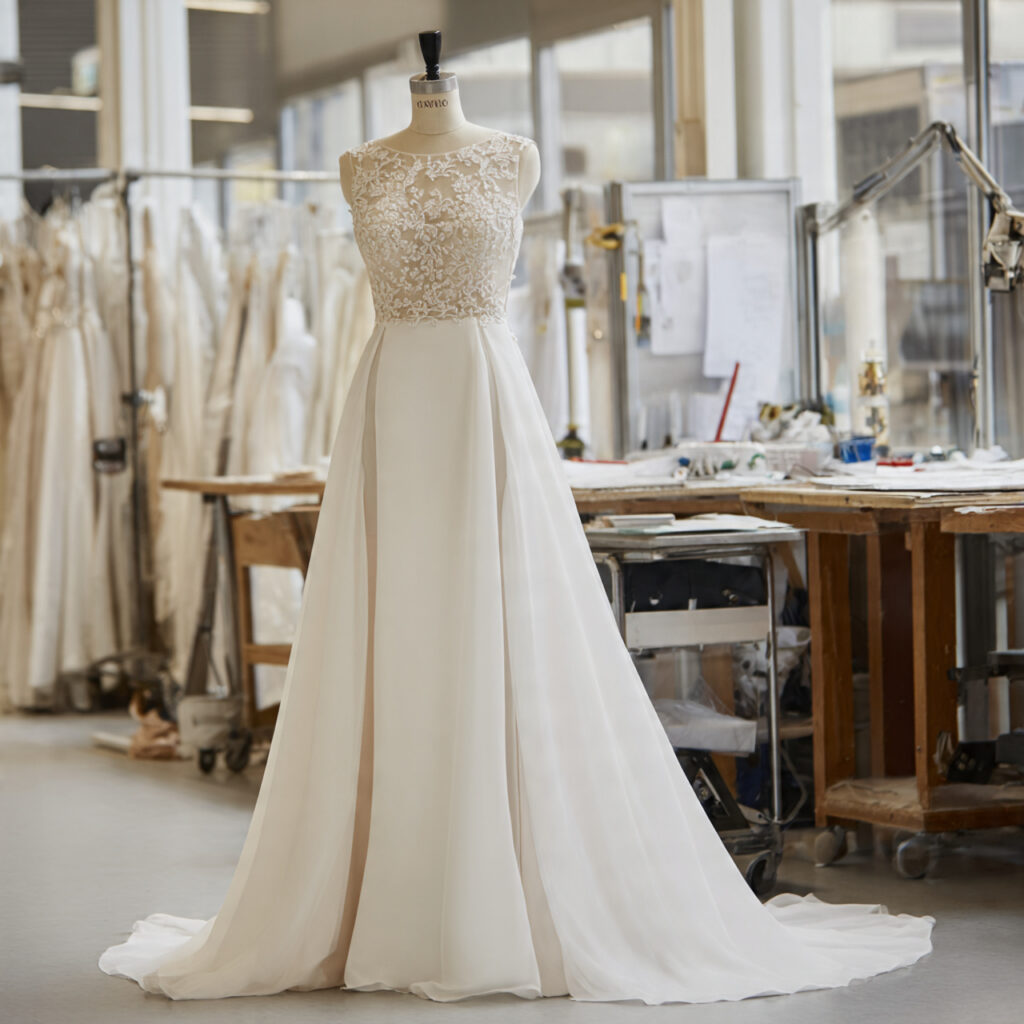
Side panels blend additional fabric into the gown, making a wedding dress too small fit smoothly without appearing altered. A skilled tailor strategically inserts matching or complementary fabric to preserve style and shape. This method works especially well for lace, beaded styles, and gowns with intricate designs where seam allowance may be limited. The added width improves comfort, mobility, and breathing room.
Adjusting the closure system for easier fastening
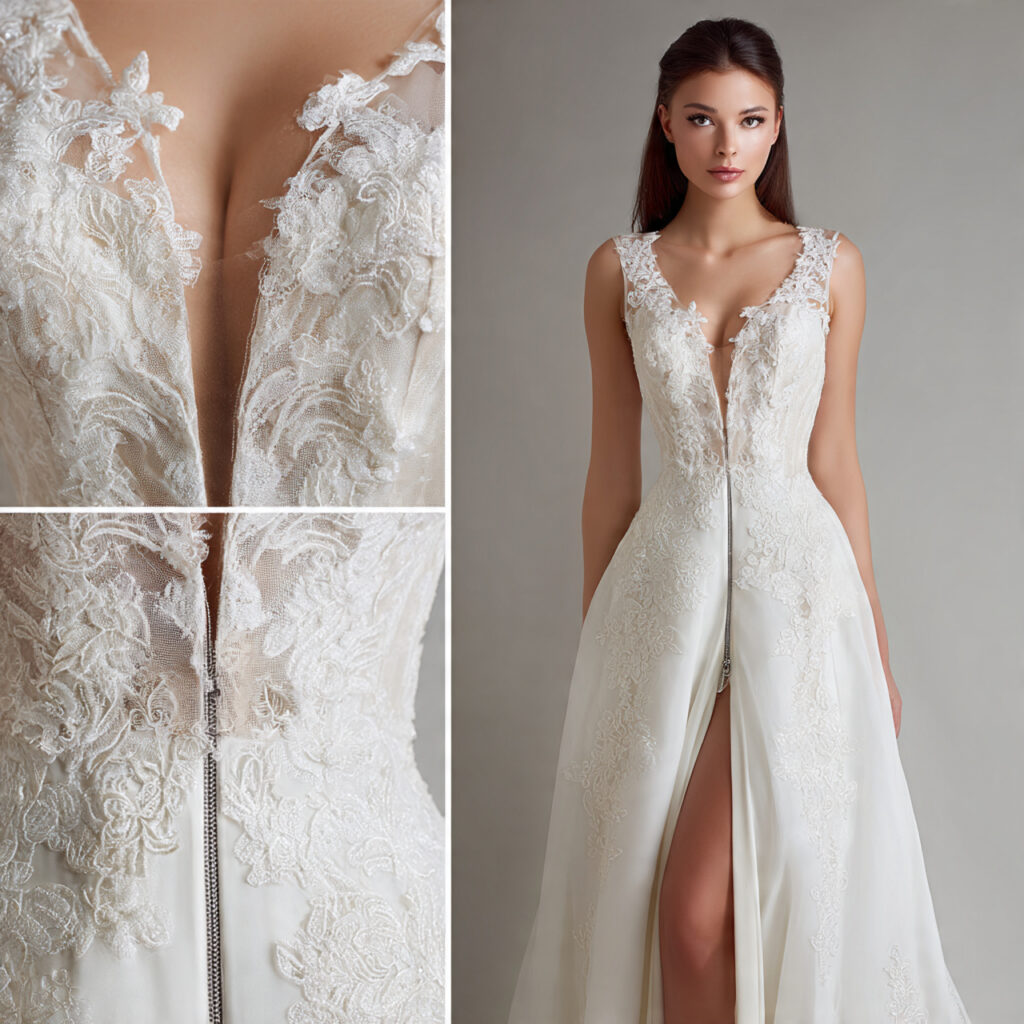
When a wedding dress too small becomes difficult to zip or button, modifying the closure can relieve pressure. Tailors can replace rigid zippers with more flexible ones, add hidden gussets for extra give, or install micro-elastic panels inside the bodice. These small adjustments can create enough expansion to eliminate strain without altering the external appearance. Brides often find the dress suddenly wearable with just this subtle modification.
Reinforcing structure when the dress strains
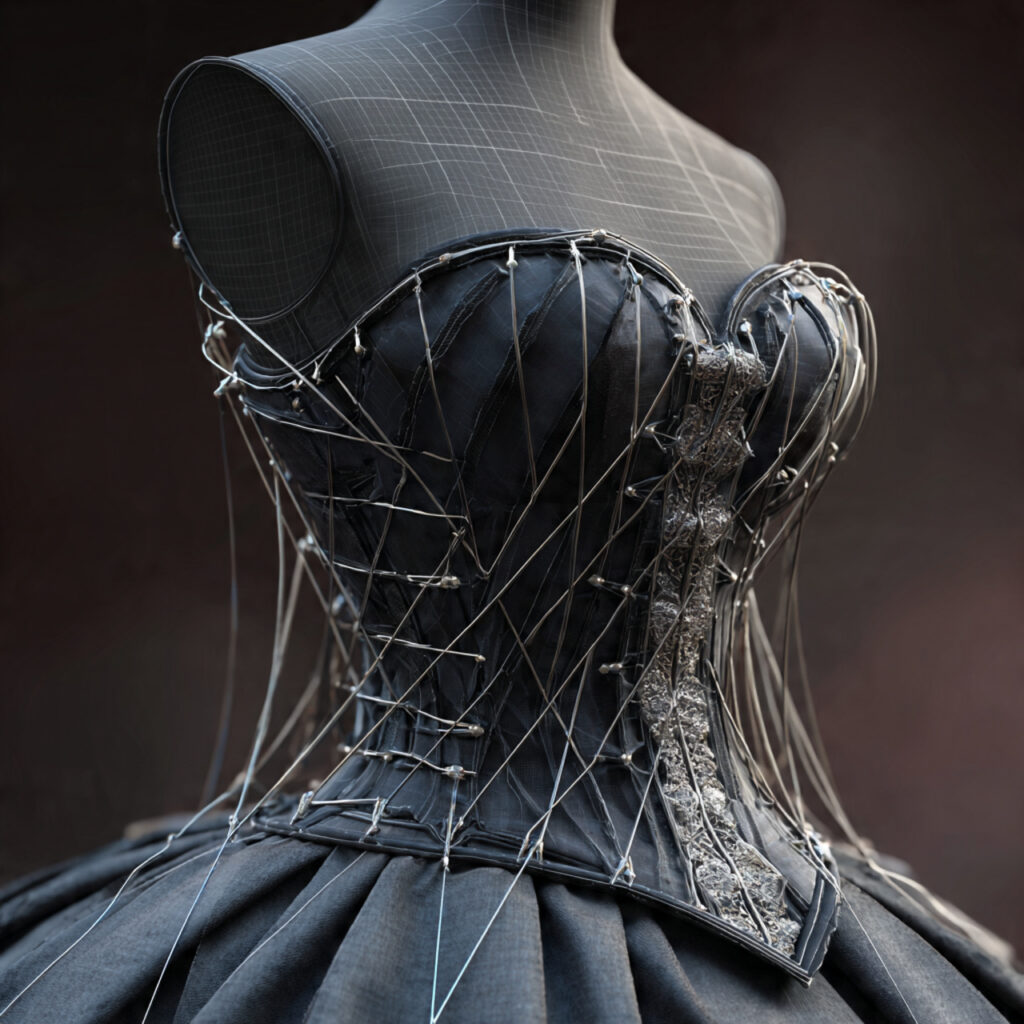
Sometimes a wedding dress too small begins to strain at stress points such as the bust, hips, or waist. Reinforcing these areas with extra lining, discreet boning, or supportive interfacing prevents tearing and ensures the gown maintains shape under tension. Tailors use structural reinforcements to protect delicate fabrics like lace, organza, and tulle. Reinforcement keeps the dress securely fitted while minimizing risk.
Choosing shapewear that actually helps
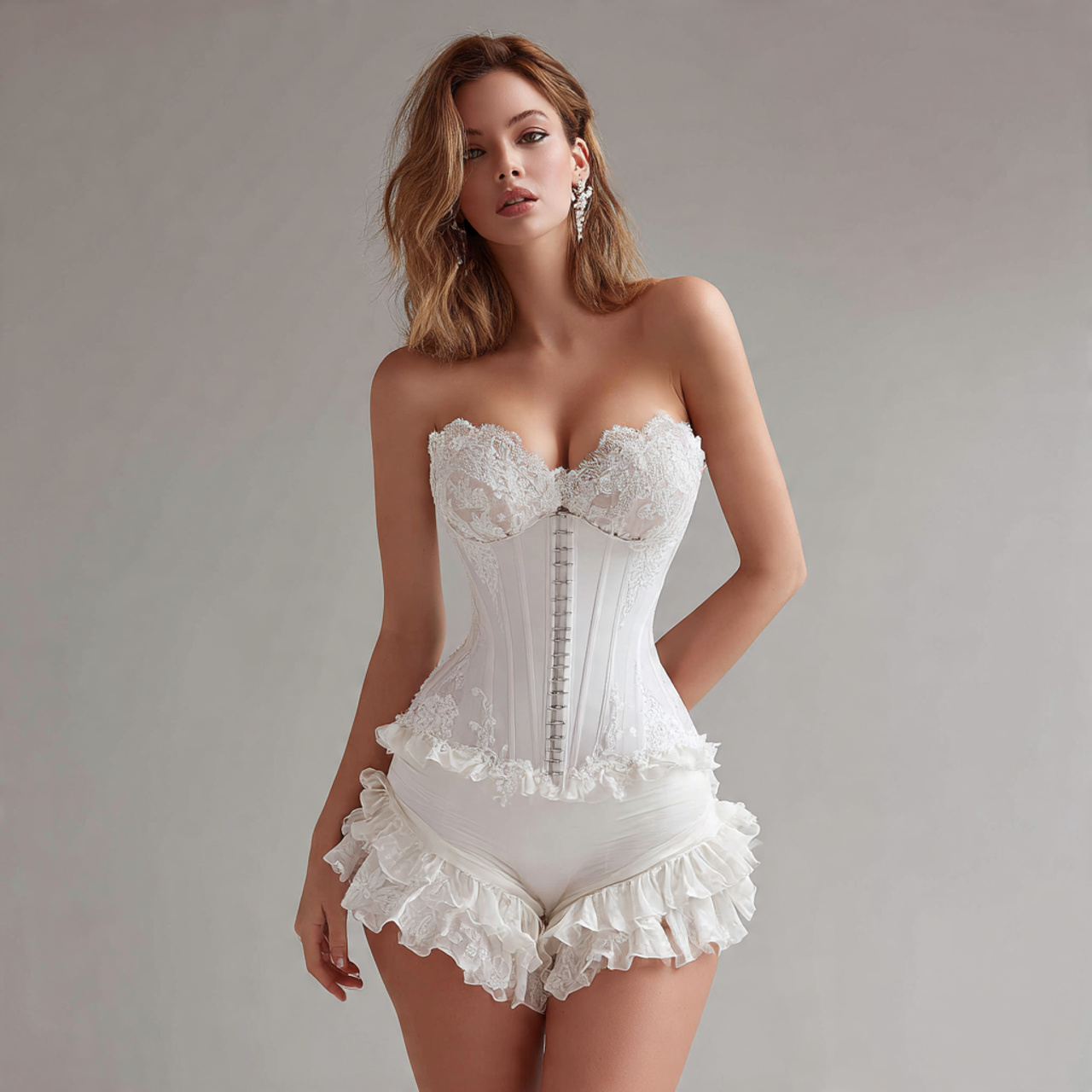
Shapewear can offer relief, but only if chosen correctly for a wedding dress too small. The right piece should smooth rather than squeeze, offering structure without cutting off breath or mobility. High-quality compression garments redistribute rather than restrict, creating a slimmer profile that helps the dress slide on more comfortably. Seamless bodysuits, high-waisted shorts, and corset-style shapewear are often the most effective choices.
Avoiding last-minute weight loss pressure
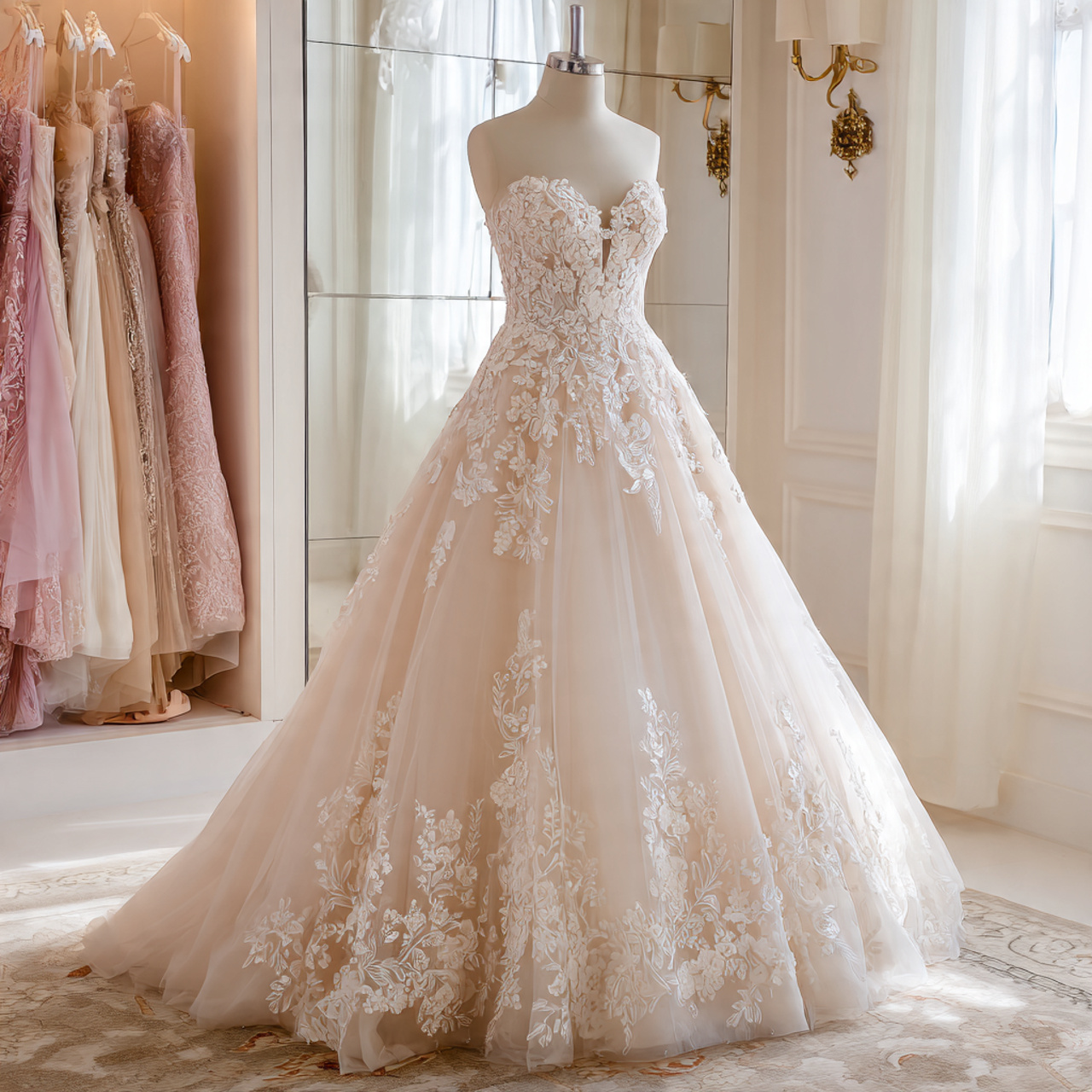
Many brides assume a wedding dress too small means they must suddenly lose weight. In reality, rapid weight loss can cause exhaustion, dehydration, and imbalance during an already stressful planning stage. Dresses should adapt to you—not the other way around. Tailors exist to help the garment accommodate your body safely and realistically. Avoid crash diets and prioritize alterations over unrealistic deadlines.
Using steaming techniques to relax the fabric

Some fabrics relax naturally when steamed, easing tightness in a wedding dress too small. Professional steaming techniques soften fibers, allowing them to settle and mold subtly to your shape. While steaming cannot add inches, it can reduce stiffness in areas like the bodice or hips. This technique is especially effective with satin, crepe, and lightweight silks.
Exploring professional bodice restructuring
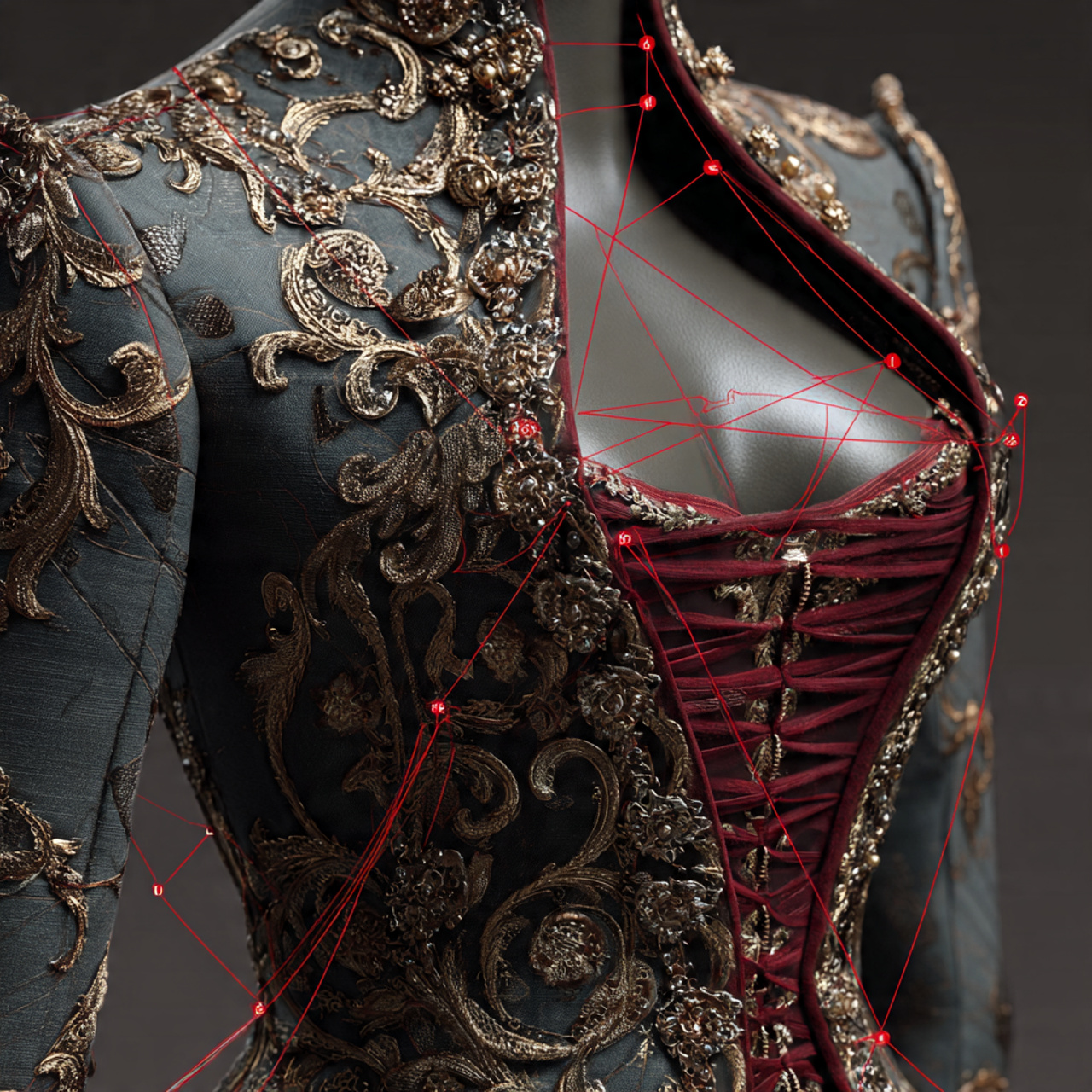
When a wedding dress too small affects the entire upper body, full bodice restructuring may be required. This process involves opening internal seams, adjusting boning placement, modifying lining, and reshaping support elements. Though more labor-intensive, it produces precise comfort and a custom fit. It is a reliable solution for dresses that feel constricting at the ribs or bust.
Understanding how cup size changes dress fit

Cup size fluctuations—often influenced by stress, hormones, or lifestyle changes—can make a wedding dress too small unexpectedly. Even a half-cup increase can impact bodice fit. Addressing the bust area through alterations, cup replacements, or supportive undergarments helps redistribute tension. Brides who experience swelling close to the event may need minor last-minute adjustments.
Using creative lace appliqués to hide expansions
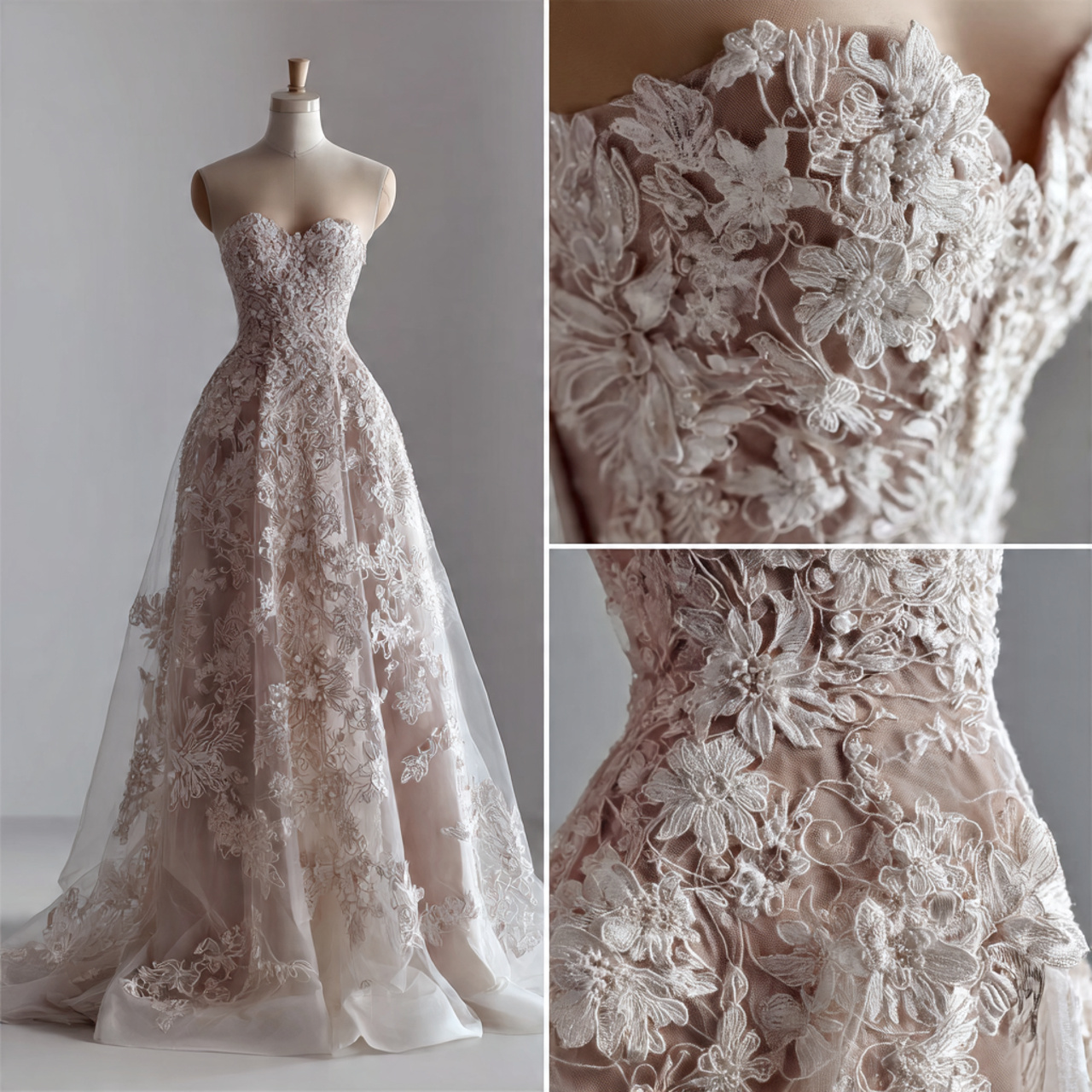
When a wedding dress too small requires visual coverage, lace appliqués offer an artistic solution. They conceal extension panels, gussets, or widened seams while blending authenticity into the design. Lace embellishments can enhance beauty while disguising structural adjustments. This approach works well with vintage gowns, romantic silhouettes, and heavily decorated bodices.
Turning to underarm gussets for subtle expansion
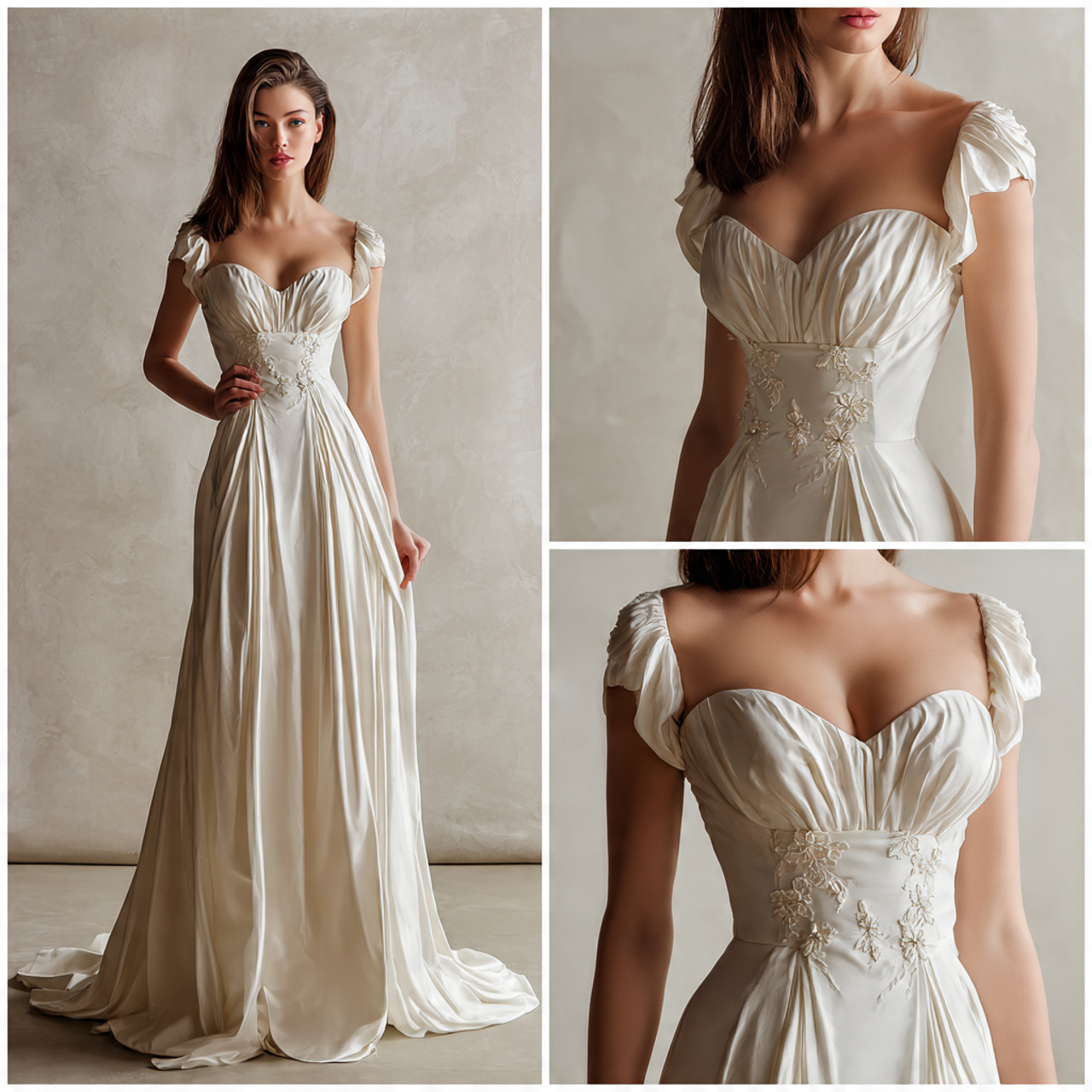
Underarm gussets are discreet, effective, and barely noticeable when installed correctly. They increase mobility, relieve pressure, and add breathing space around the upper torso. Brides dealing with a wedding dress too small in the armhole, bust, or shoulder area benefit significantly from gussets. The expansion enhances comfort without altering the overall aesthetics of the gown.
Modifying the skirt to relieve hip pressure

A wedding dress too small at the hips may benefit from skirt modifications that redistribute volume. A tailor can adjust pleats, ease out fabric, or add minimal invisible inserts in structured skirts. A-line, ball gown, and trumpet silhouettes respond especially well to these techniques. The adjustments maintain shape while creating smoother movement.
Accounting for bloating and timing before the wedding

Many brides underestimate how bloating, stress, or hormonal cycles affect the body leading up to the wedding. A wedding dress too small sometimes stems from temporary swelling rather than long-term size changes. Planning fittings around your natural cycle, minimizing sodium, and managing stress can help reduce discomfort. Timed fittings prevent surprises and ensure a realistic final fit.
Choosing alteration specialists instead of general tailors
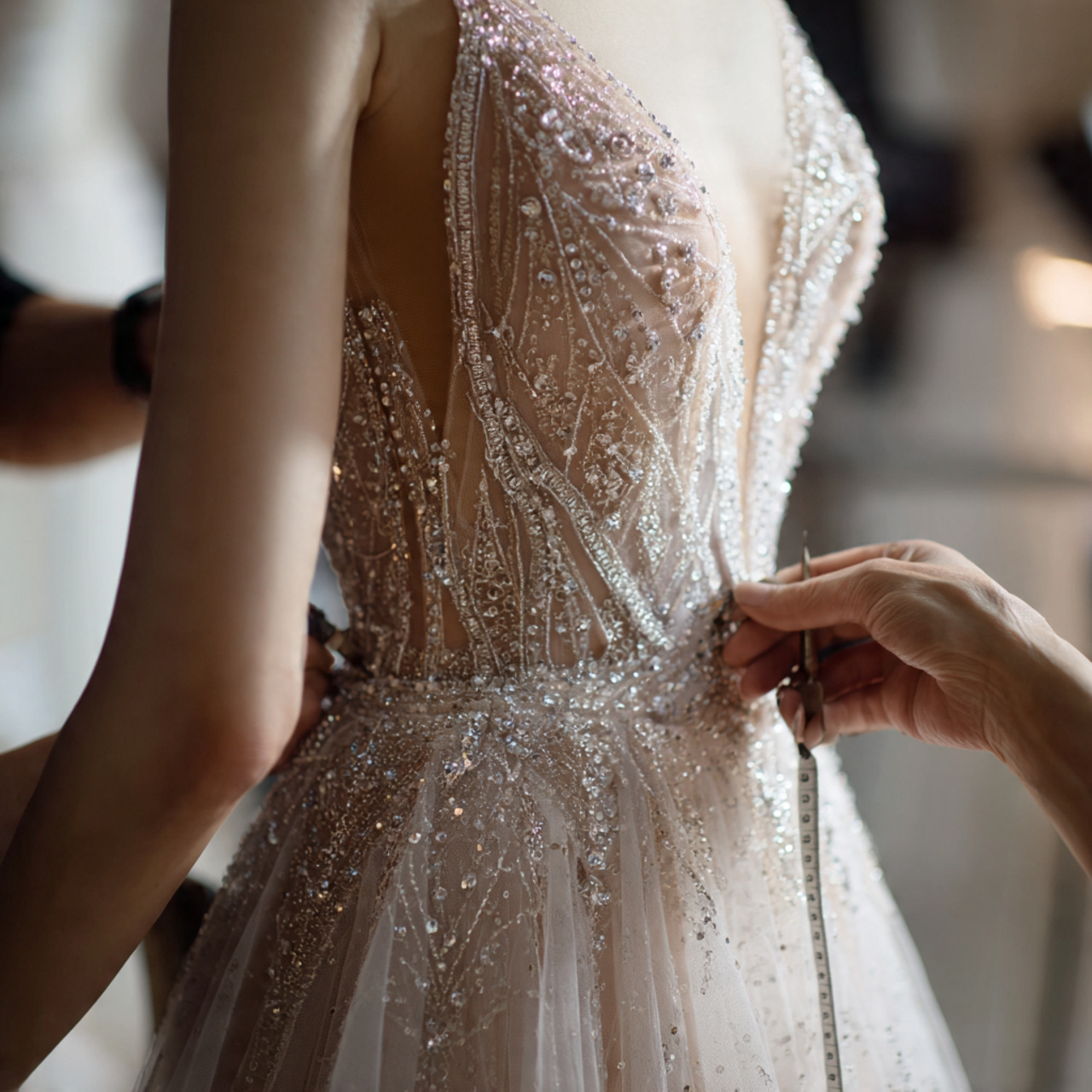
A wedding dress too small should always be handled by bridal alteration specialists, not general tailors. Wedding gowns require precision due to boning, delicate fabrics, structure, and beading. Specialist seamstresses understand how much fabric can safely be released and how expansion will affect the silhouette. Their expertise ensures safer, cleaner, and more reliable results.
Considering temporary fixes on the wedding day
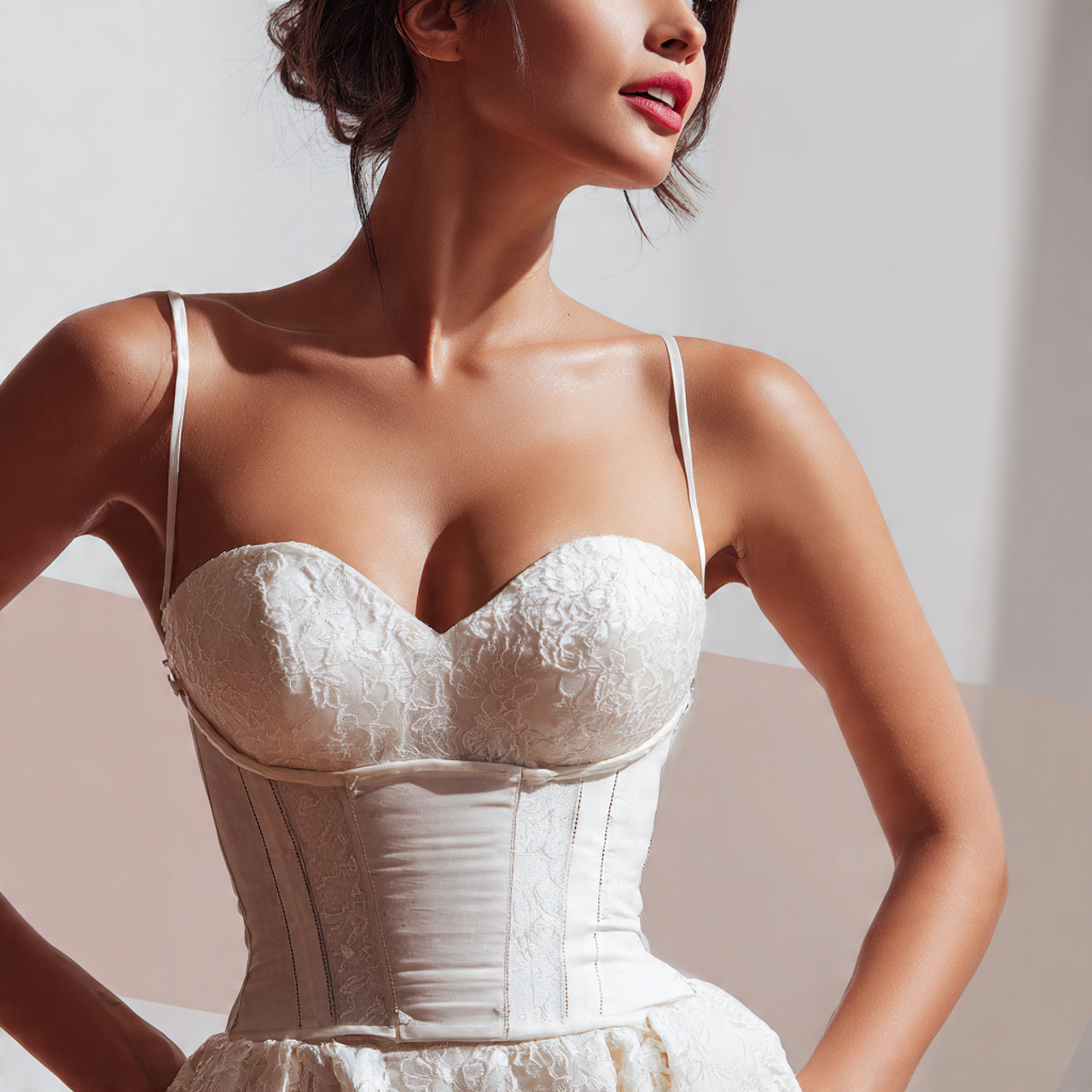
If a wedding dress too small becomes an issue on the actual wedding day, temporary solutions such as body tape, safety gussets, hook extenders, or supportive shapewear can save the moment. These fixes are not long-term but provide enough relief to move, breathe, and enjoy the ceremony. Emergency kits should always be on hand for fast adjustments.
Working with the dress rather than forcing it
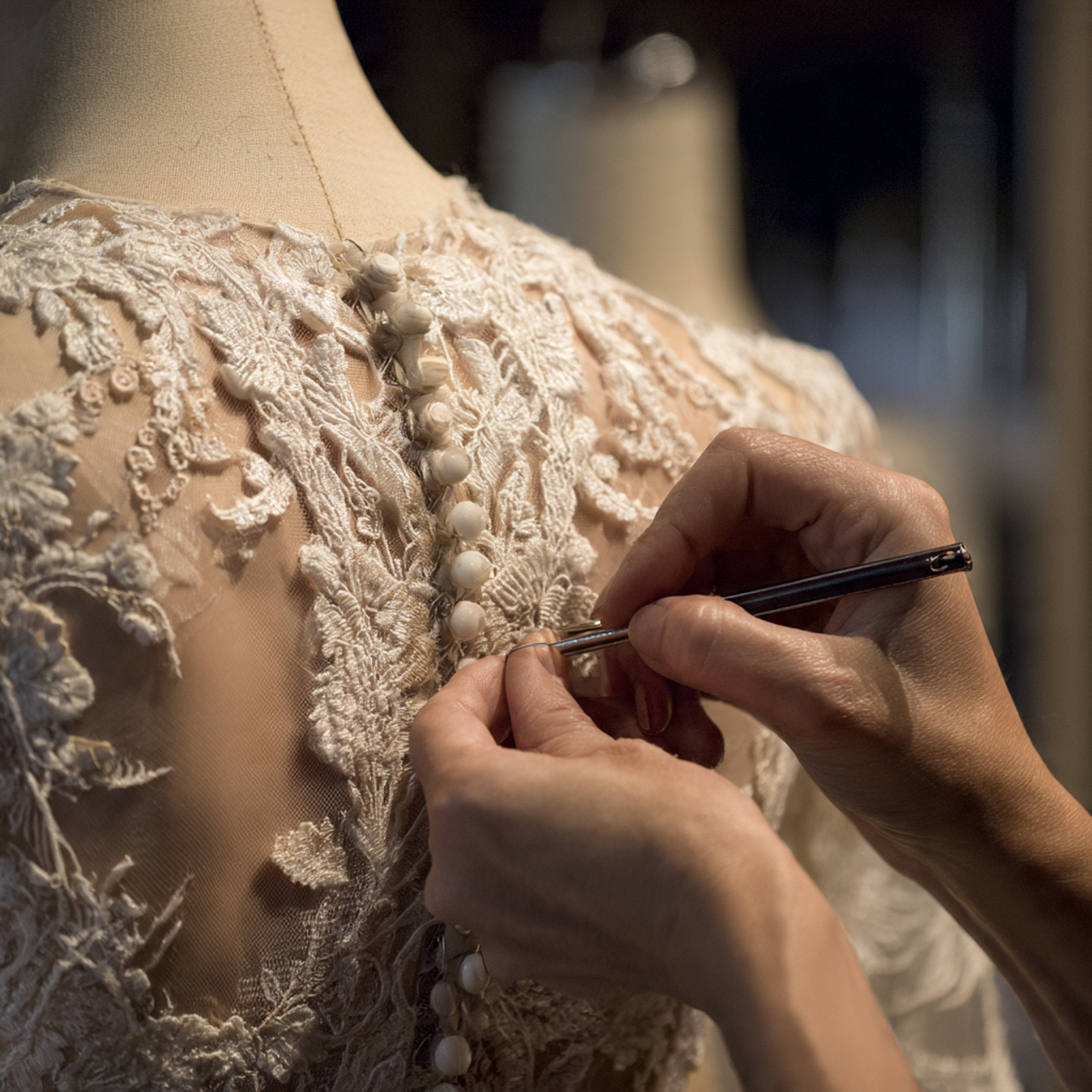
Forcing a wedding dress too small increases risk of ripped seams, broken zippers, or permanent fabric damage. Instead, work with the dress gradually. Step into it slowly, adjust fabrics gently, and allow helpers to manage closures without pulling aggressively. A calm dressing routine prevents mishaps and preserves the gown’s structure.
Adding breathable lining for comfort
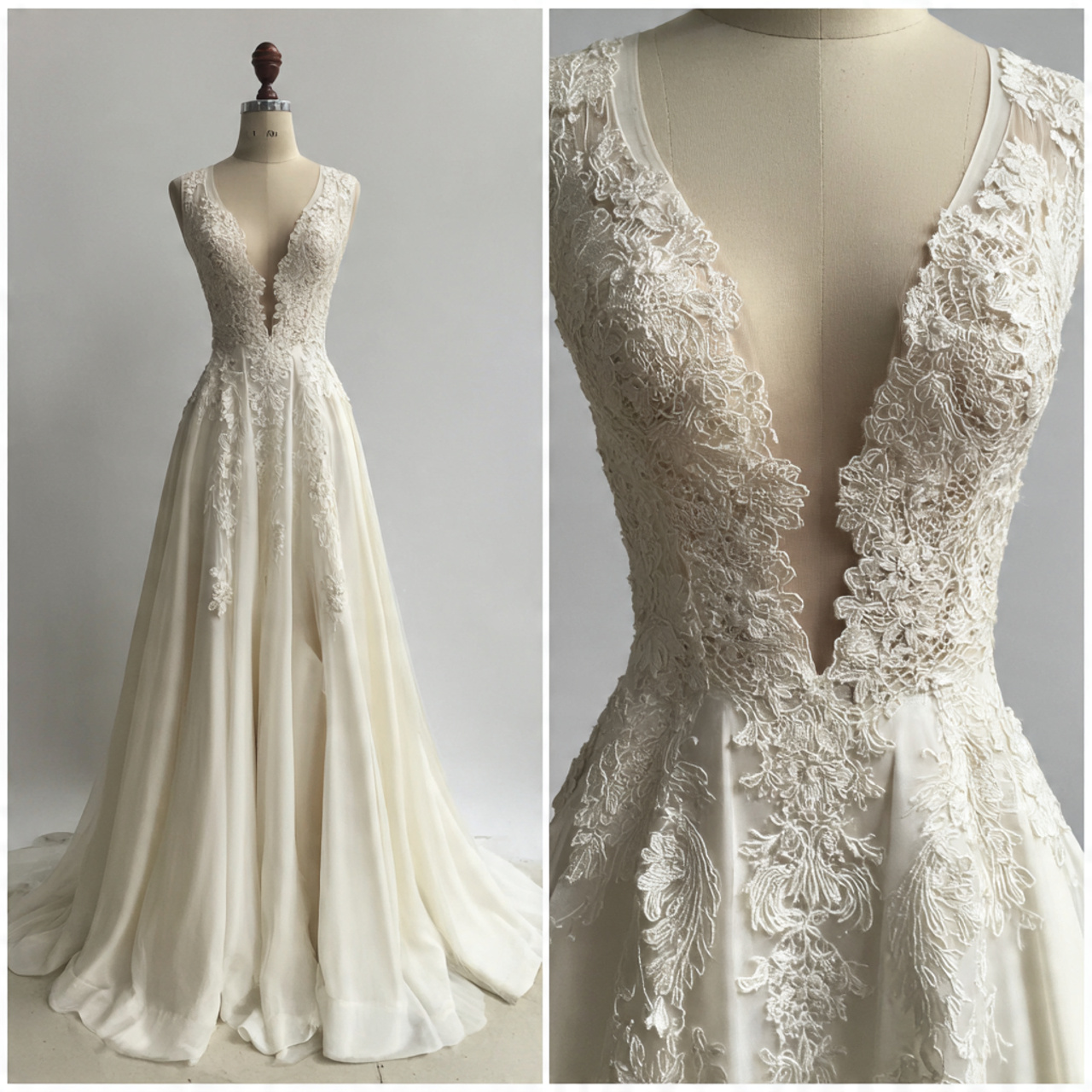
When a wedding dress too small feels suffocating due to stiff or non-stretch lining, replacing it with breathable material makes a major difference. Stretch-lining fabrics give subtle flexibility without altering the dress’s external shape. These updates relieve pressure, especially in fitted mermaid or sheath silhouettes. Breathable lining prevents chafing and reduces heat buildup.
Recognizing when to size up or reorder
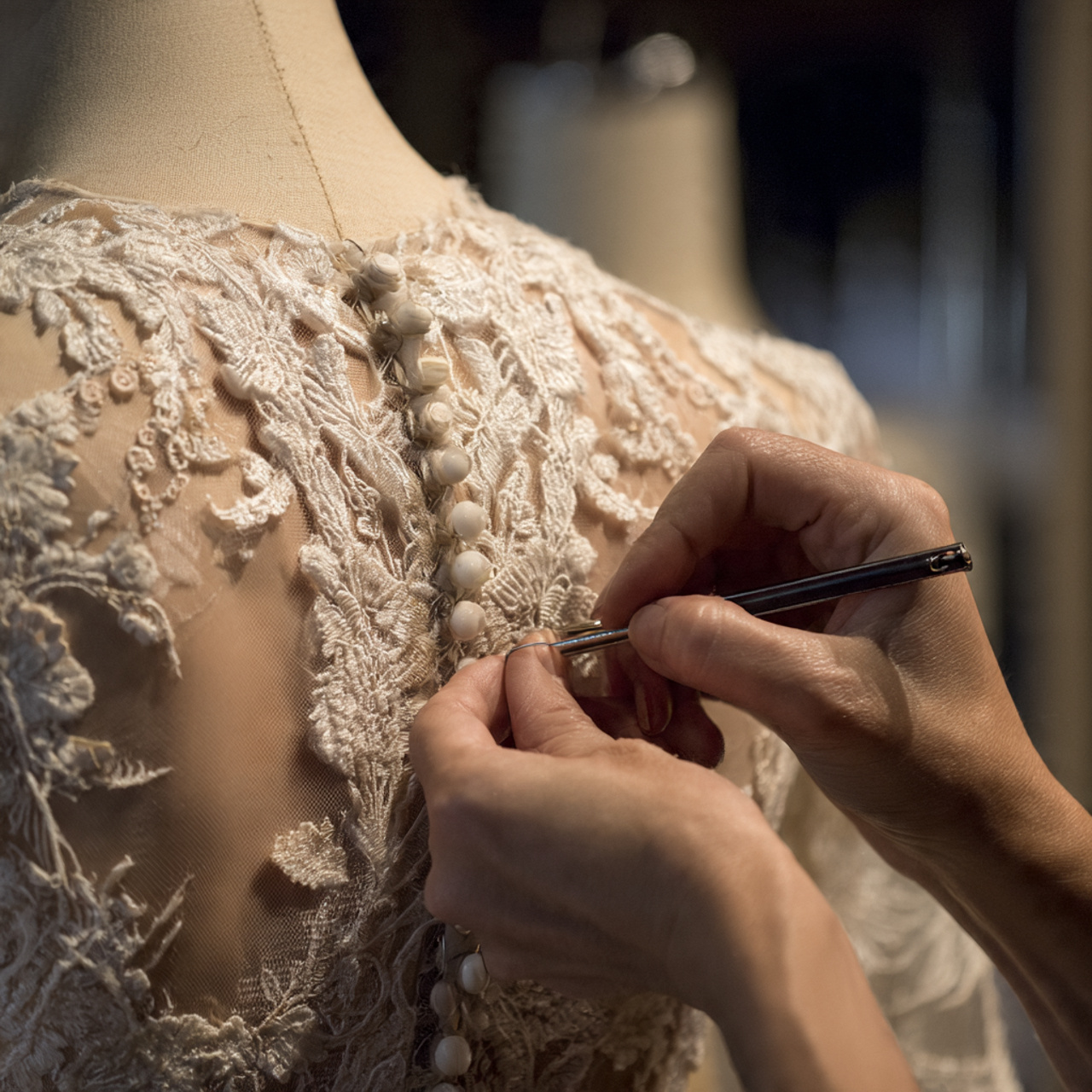
Sometimes alterations are not enough, especially when a wedding dress too small requires more than structural expansion can safely provide. In these cases, reordering or sizing up the gown becomes the best option. Designers prefer working from a larger canvas because gowns can always be taken in more easily than they can be let out. Making this decision early avoids rushed fixes.
FAQs
Why did my wedding dress suddenly become too small?
Your dress may feel too small due to natural body fluctuations, stress-induced bloating, hormonal changes, or discrepancies between measurement timing and dress arrival.
Can a wedding dress too small be fixed two weeks before the wedding?
Yes, many dresses can be adjusted even close to the wedding. Tailors can let out seams, add corset backs, install gussets, or make closure tweaks.
How many sizes can a wedding dress be let out?
Most gowns can be let out one to three inches depending on seam allowance. Lace, satin, and crepe typically allow more flexibility. Dresses with no seam allowance may require corset or panel solutions instead.
Will shapewear help if the dress is too tight?
Shapewear can help smooth and support, but it won’t replace proper alterations. High-quality compression pieces may improve comfort, but the dress must still fit safely without excessive strain.
Should I reorder the dress if the fit is too small?
Reordering is recommended only if the gown is more than a few inches too small or requires structural changes that exceed safe alteration limits. Sizing up is usually more reliable than over-expanding a garment.
Conclusion
Wedding Dress Too Small is not a catastrophe—it is a solvable, common, and manageable situation. With expert alterations, thoughtful preparation, and a calm approach, your gown can be reshaped into a comfortable, confident, and beautiful fit. Whether you expand seams, add a corset, insert panels, or choose supportive shapewear, your dress can evolve with you. Every solution leads you back to the same goal: feeling strong, elegant, and fully present on your wedding day. Your dress should fit your body, not the other way around—and with the right steps, it always can.