23 ideas How to Create a Mexican Wedding Aesthetic Full of Color and Culture
A mexican wedding aesthetic is rooted in color, heritage, craft, and lived tradition. It is not about excess. It is about intention. Every texture, flavor, sound, and symbol carries meaning shaped by land, family, and history. This aesthetic works because it is grounded in real rituals and practical design choices, not surface-level decoration.
Below are twenty-three distinct ideas that define and elevate a mexican wedding aesthetic. Each idea can stand alone or combine naturally with the others. The goal is coherence, not spectacle.
Vibrant Color Palettes Inspired by Mexico
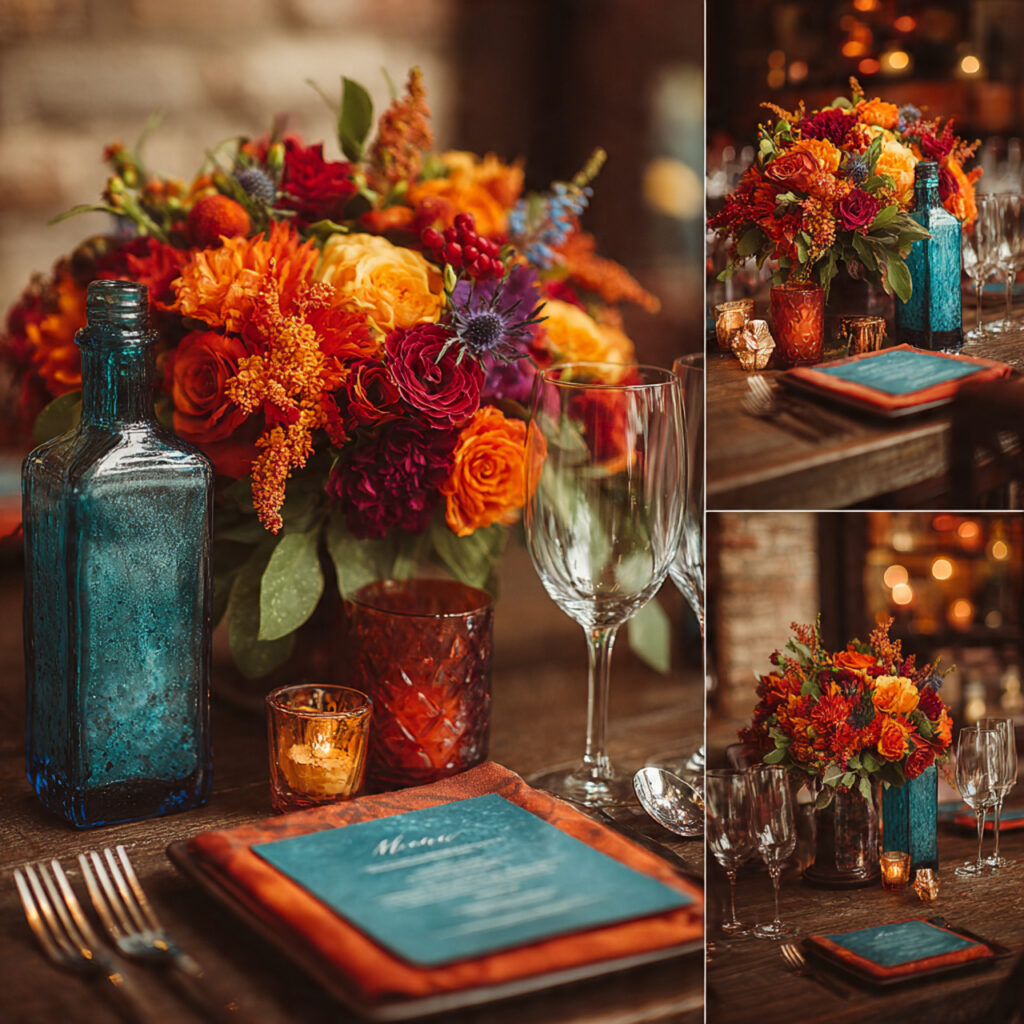
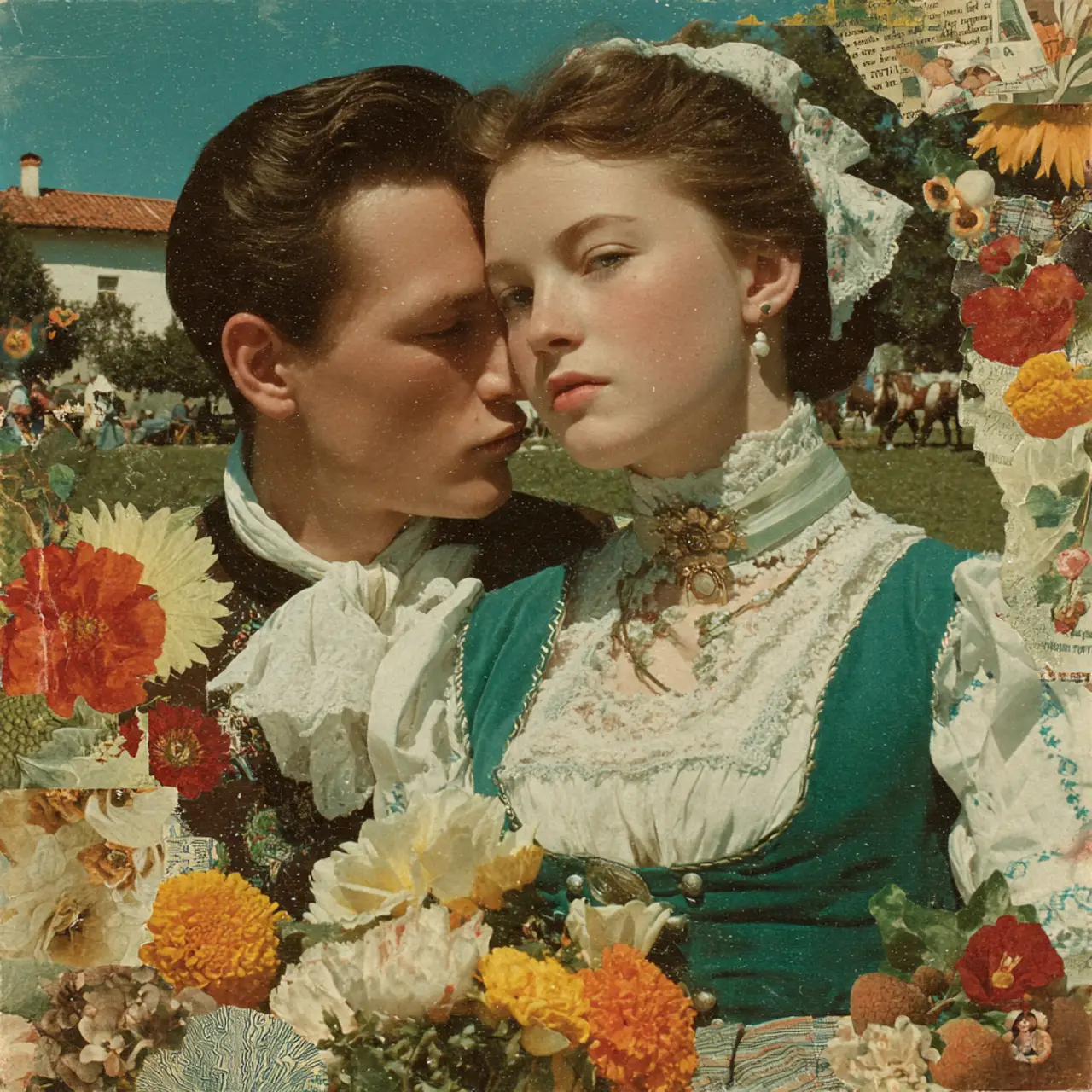
Color is the backbone of a mexican wedding aesthetic. Traditional Mexican celebrations reject muted tones in favor of confident color stories. Deep reds, marigold orange, cobalt blue, turquoise, fuchsia, and emerald green dominate.
These colors are not random. They reflect markets, textiles, festivals, and folk art. When applied to weddings, they appear in table linens, florals, paper goods, and attire accents.The key is restraint through repetition. Choose three or four dominant colors and repeat them consistently. Avoid dilution with neutral-heavy palettes. Let color lead the visual experience.
Papel Picado as Statement Decor
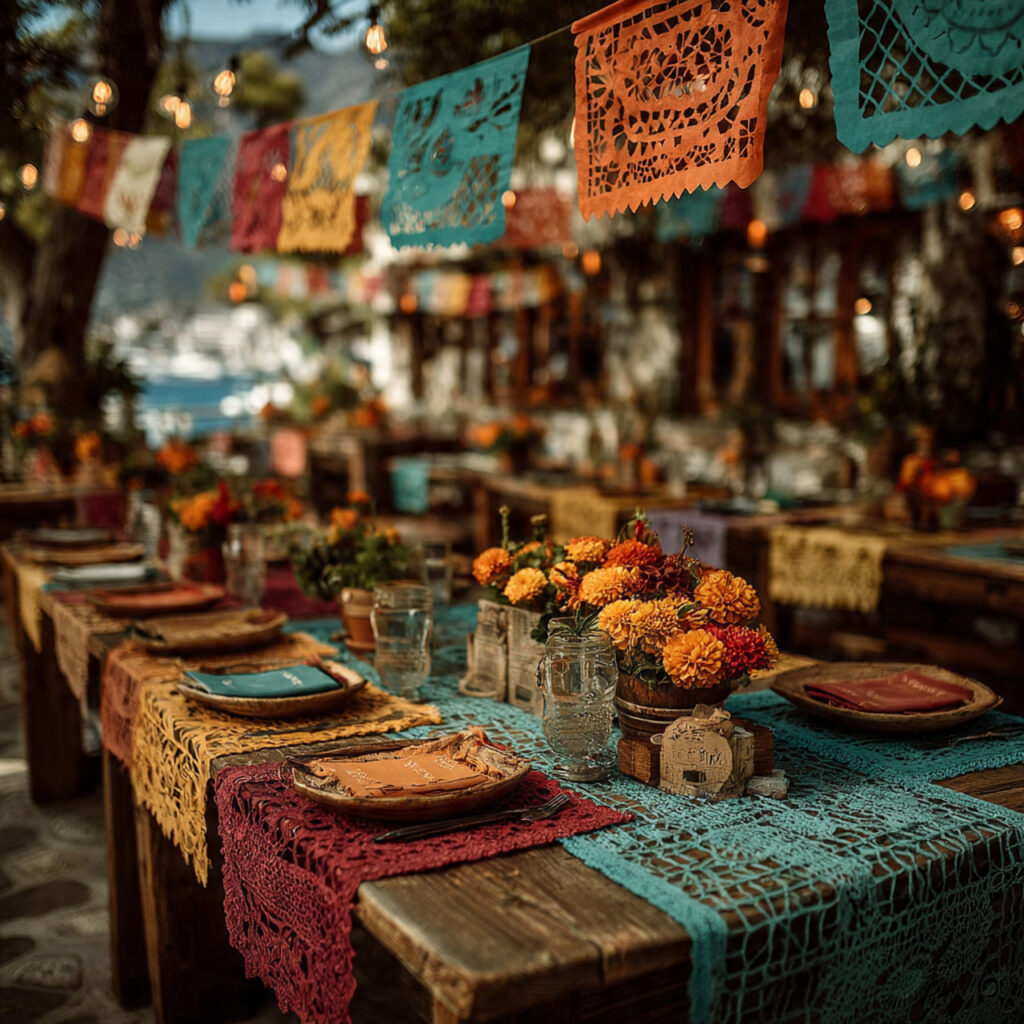
Papel picado is more than decoration. It is a cultural symbol used in celebrations and remembrance. In a mexican wedding aesthetic, it creates instant authenticity.
Hung above ceremony aisles, reception tables, or dance floors, papel picado introduces movement and shadow. It softens open spaces and defines areas without heavy structures. Use tissue paper or recycled paper for sustainability. Custom designs with initials or wedding dates add personalization without breaking tradition.
Talavera Pottery Details
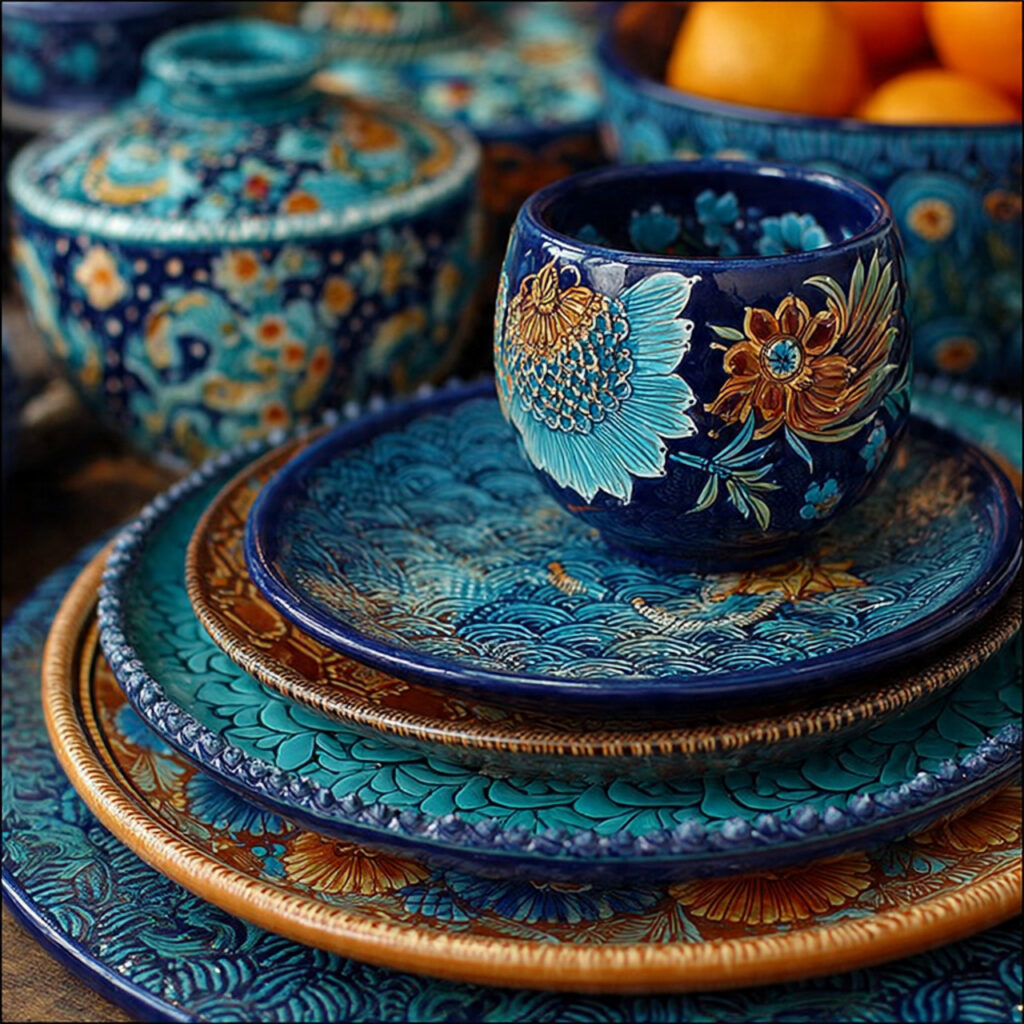
Talavera pottery brings handcrafted weight to the aesthetic. These hand-painted ceramics feature intricate patterns and bold color combinations rooted in Mexican history. In weddings, talavera works best in functional roles. Use plates, chargers, tile table numbers, bar fronts, or escort card displays. Avoid overusing it purely as ornament. Authenticity matters. Source real talavera when possible. The imperfections are part of its value.
Marigold-Centered Floral Design
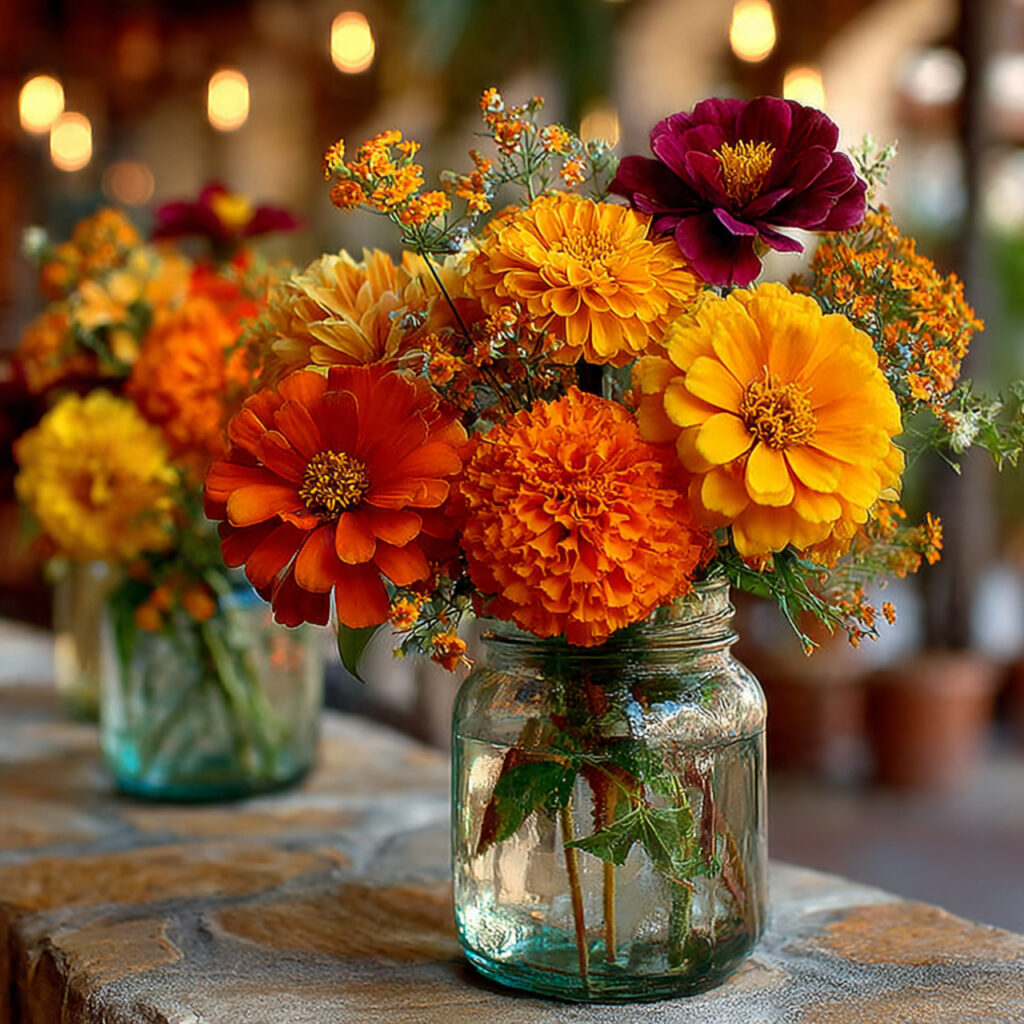
Marigolds hold deep significance in Mexican culture. Their color and scent are associated with celebration, remembrance, and guidance. In a mexican wedding aesthetic, marigolds create warmth without softness. They are bold, structured, and grounded. Combine them with greenery, bougainvillea, or wildflowers for balance. Use marigolds in ceremony arches, aisle borders, centerpieces, and hair adornments. They photograph honestly in natural light.
Traditional Mexican Textiles
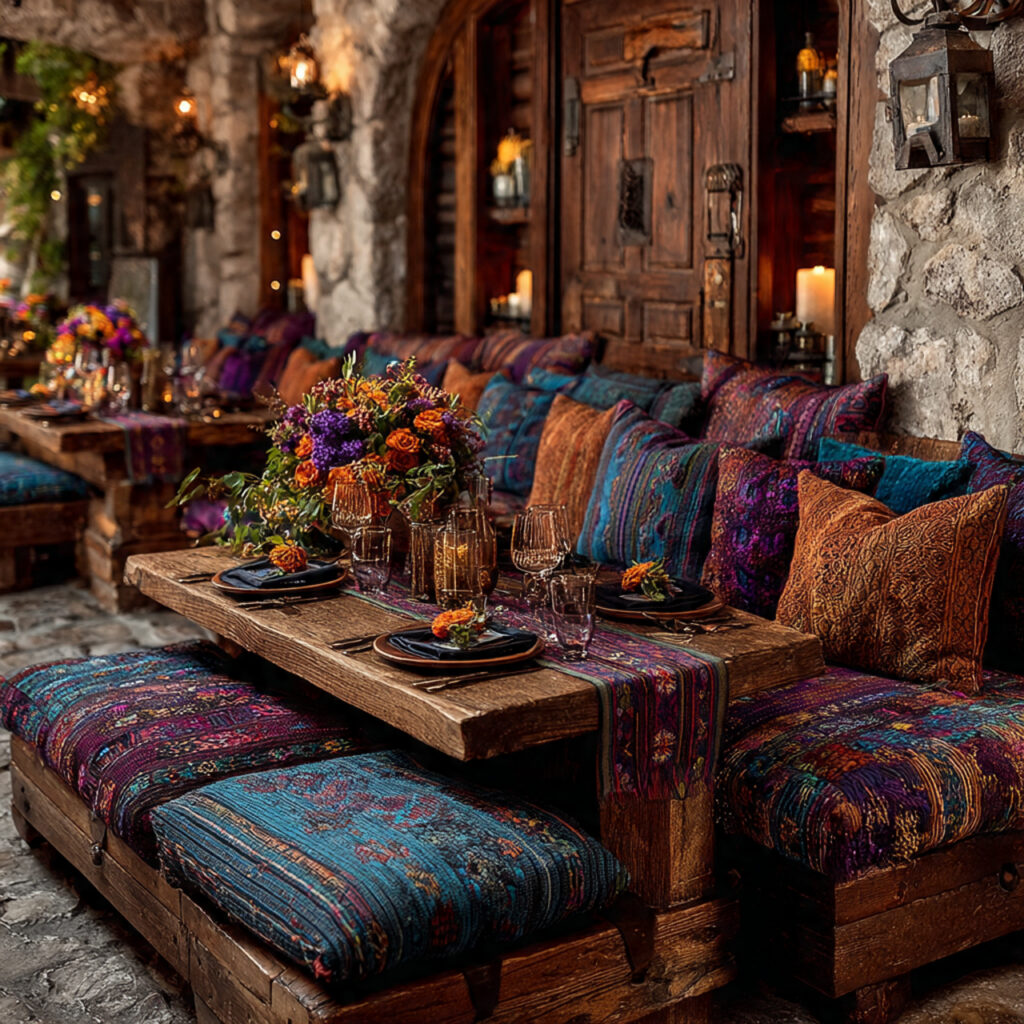
Mexican textiles carry regional identity. From Otomi embroidery to Zapotec weaves, these fabrics tell stories through pattern and thread. Use textiles as runners, backdrops, chair accents, or lounge upholstery. Avoid cutting or altering antique pieces. Let them exist as they are. Layering textiles adds depth. Keep furniture and flatware simple to avoid visual overload.
Rustic Hacienda Venues
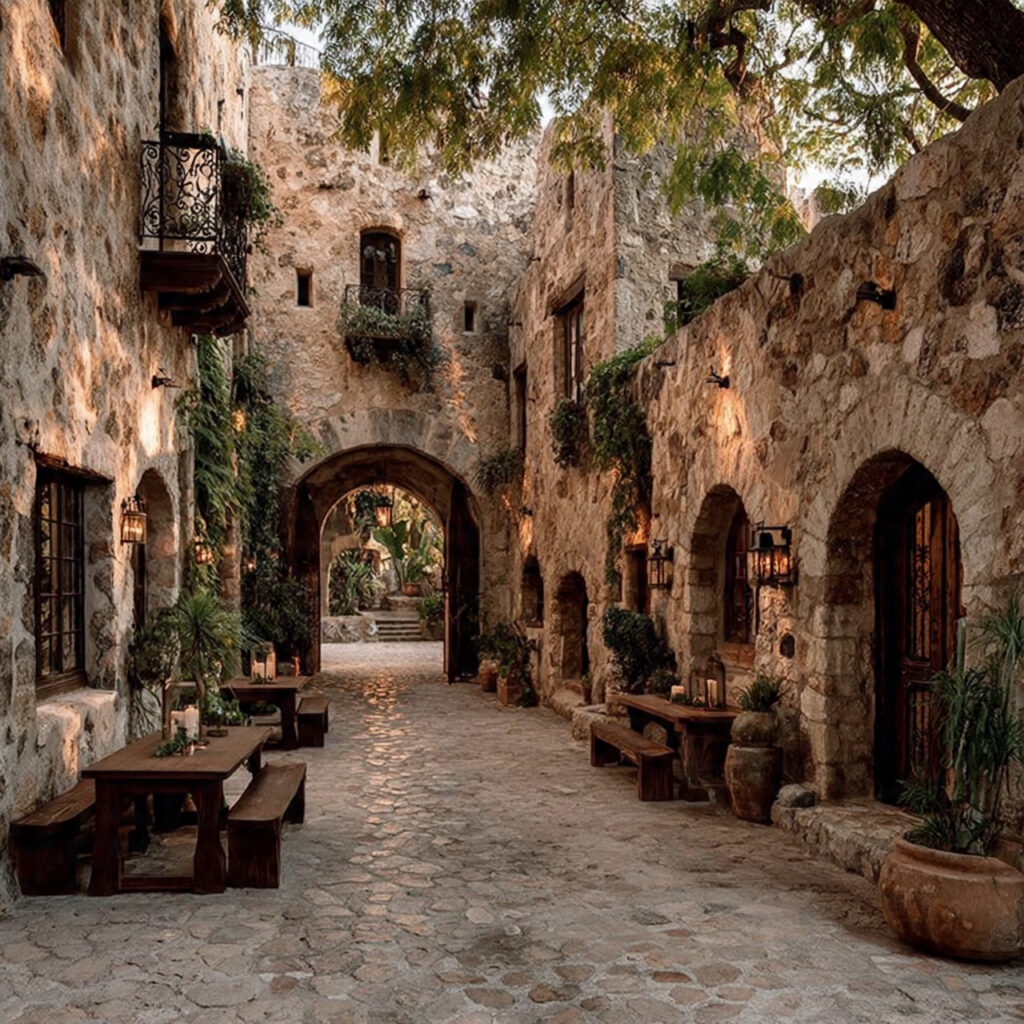
Haciendas naturally support a mexican wedding aesthetic. Their architecture, courtyards, stone walls, and ironwork eliminate the need for heavy styling. If a real hacienda is unavailable, replicate the feel through materials. Use wood, clay, wrought iron, and plaster textures. Avoid glossy finishes. The venue should feel lived-in, not staged. Wear shows character.
Handcrafted Wedding Invitations
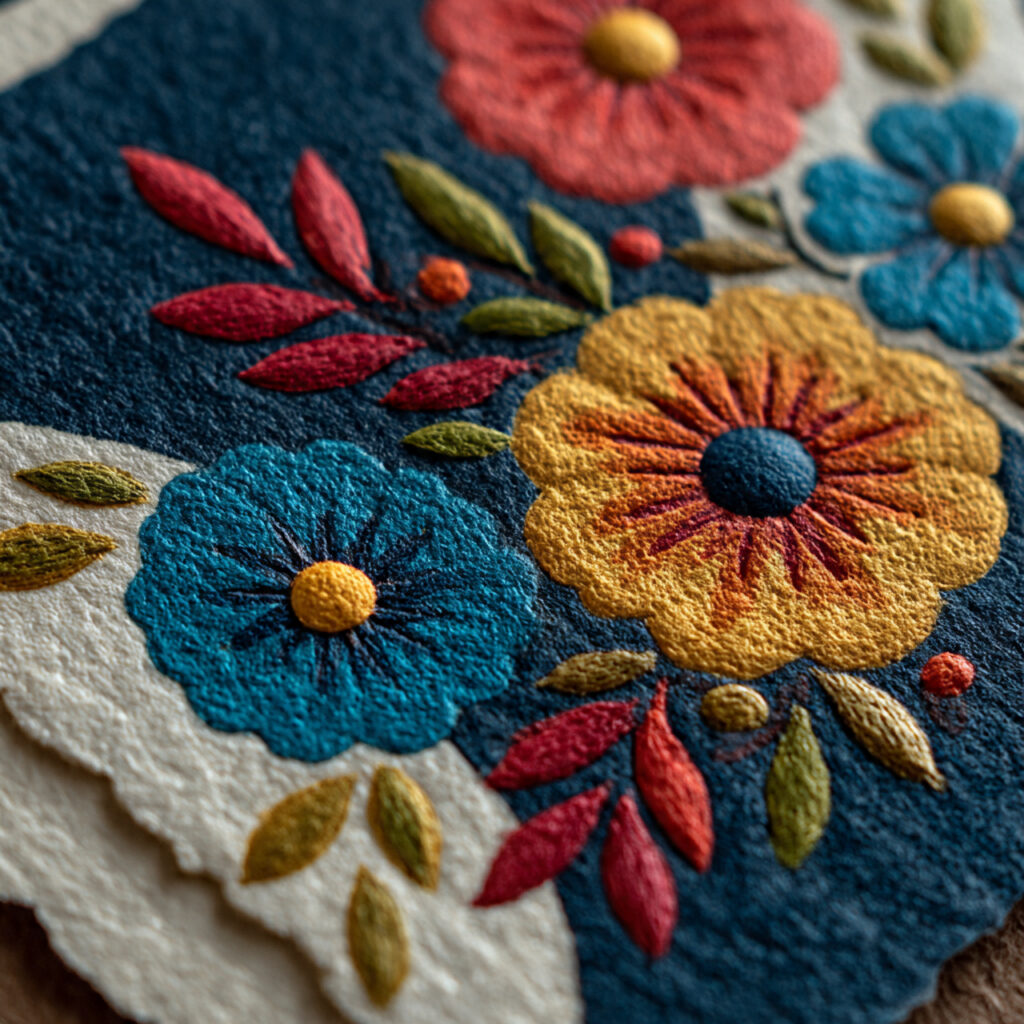
Stationery sets the tone early. A mexican wedding aesthetic favors tactile materials and hand-done techniques. Cotton paper, deckled edges, letterpress, block printing, and hand-painted motifs align well. Spanish or bilingual text adds cultural clarity. Avoid minimalist typography trends that disconnect from the theme. Simplicity is welcome, sterility is not.
Authentic Mexican Cuisine Experience
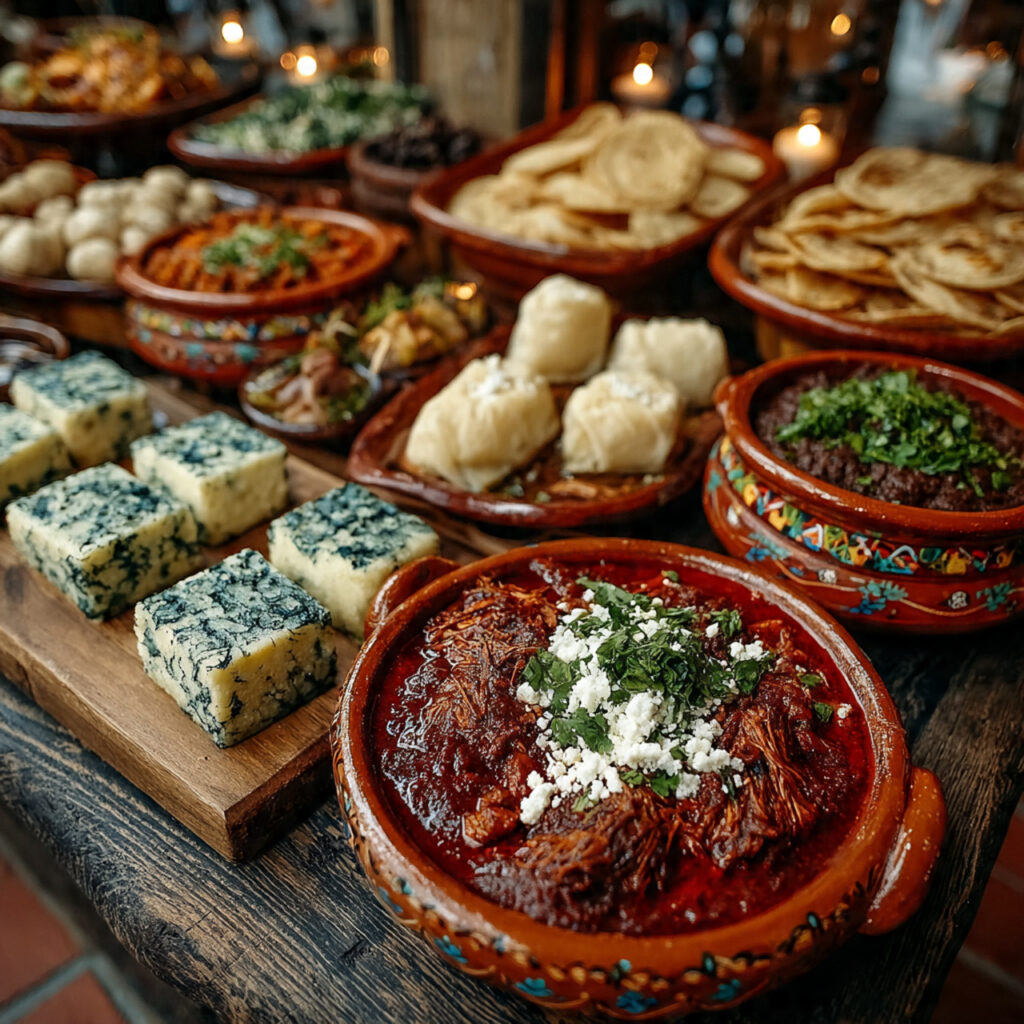
Food is central, not supportive. A mexican wedding aesthetic demands respect for real Mexican cuisine, not diluted interpretations. Offer regional dishes. Consider mole, cochinita pibil, birria, tamales, or pozole. Use family-style service or food stations to encourage sharing. Presentation should feel generous. Clay serving dishes and wooden boards reinforce authenticity.
Mezcal and Tequila Rituals
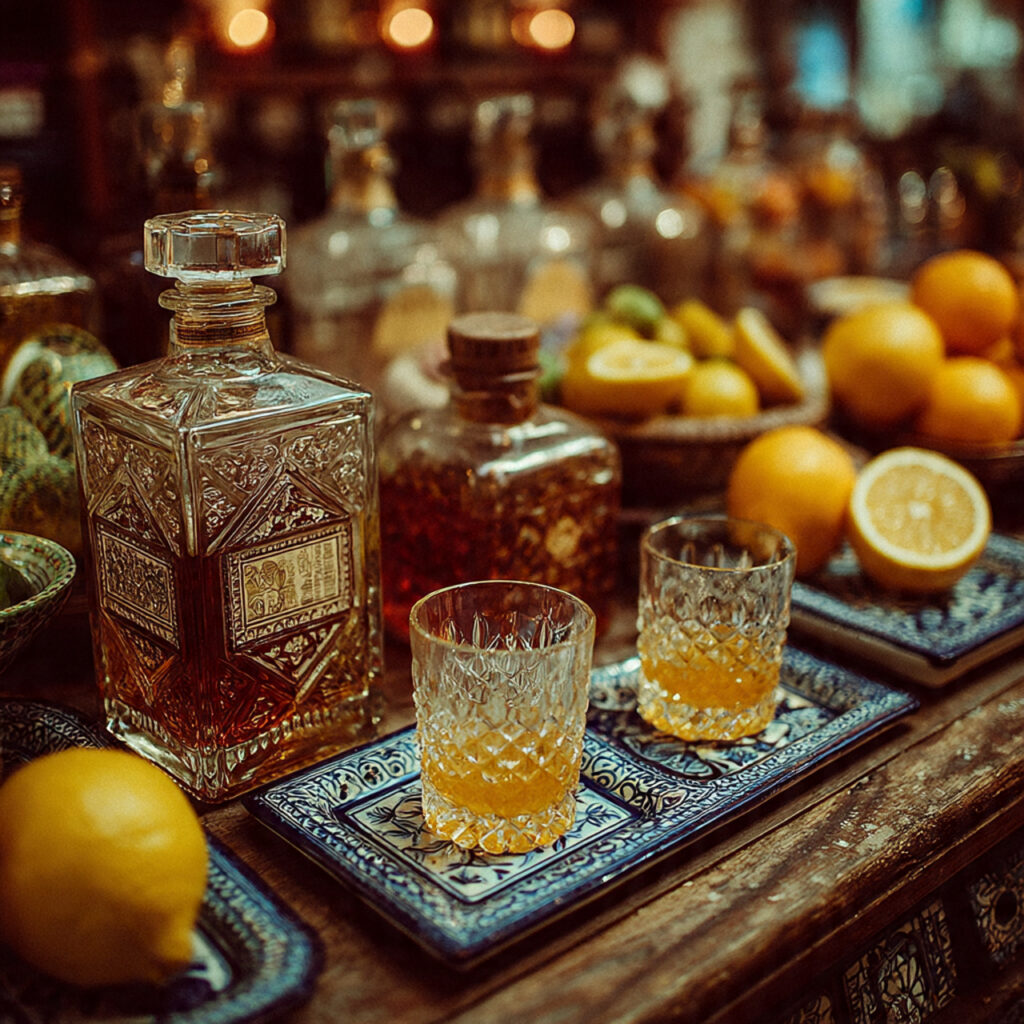
Bars are cultural spaces. In a mexican wedding aesthetic, mezcal and tequila are treated with respect, not novelty. Offer guided tastings or curated selections. Include flavor notes and origins. Use citrus, sal de gusano, and traditional glassware. This approach elevates the experience and educates guests naturally.
Live Mariachi or Folk Music
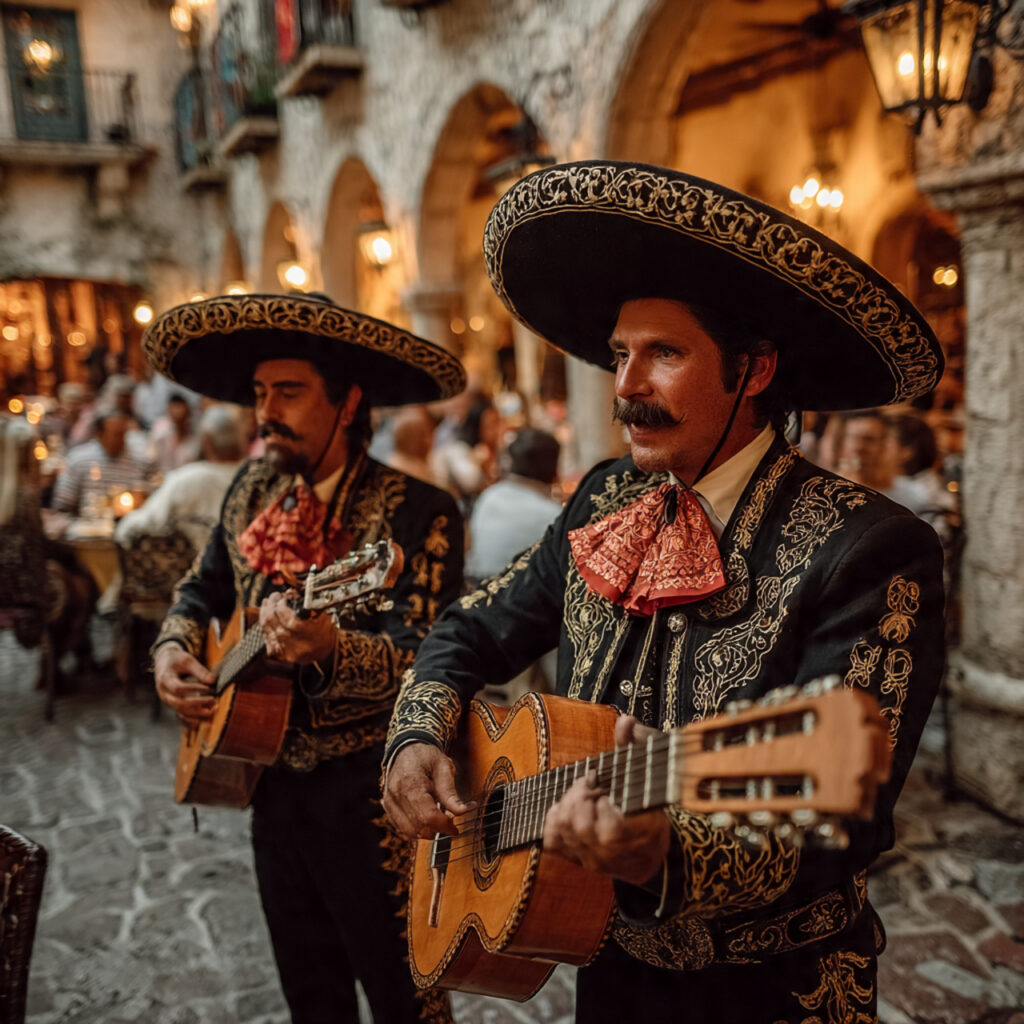
Sound defines memory. Live music anchors a mexican wedding aesthetic in real emotion. Mariachi, trio romántico, or regional folk musicians bring authenticity. Use recorded music sparingly. Timing matters. Live music during the ceremony entrance, cocktail hour, or first dance creates lasting impact without overwhelming the event.
Mexican Wedding Dress Details
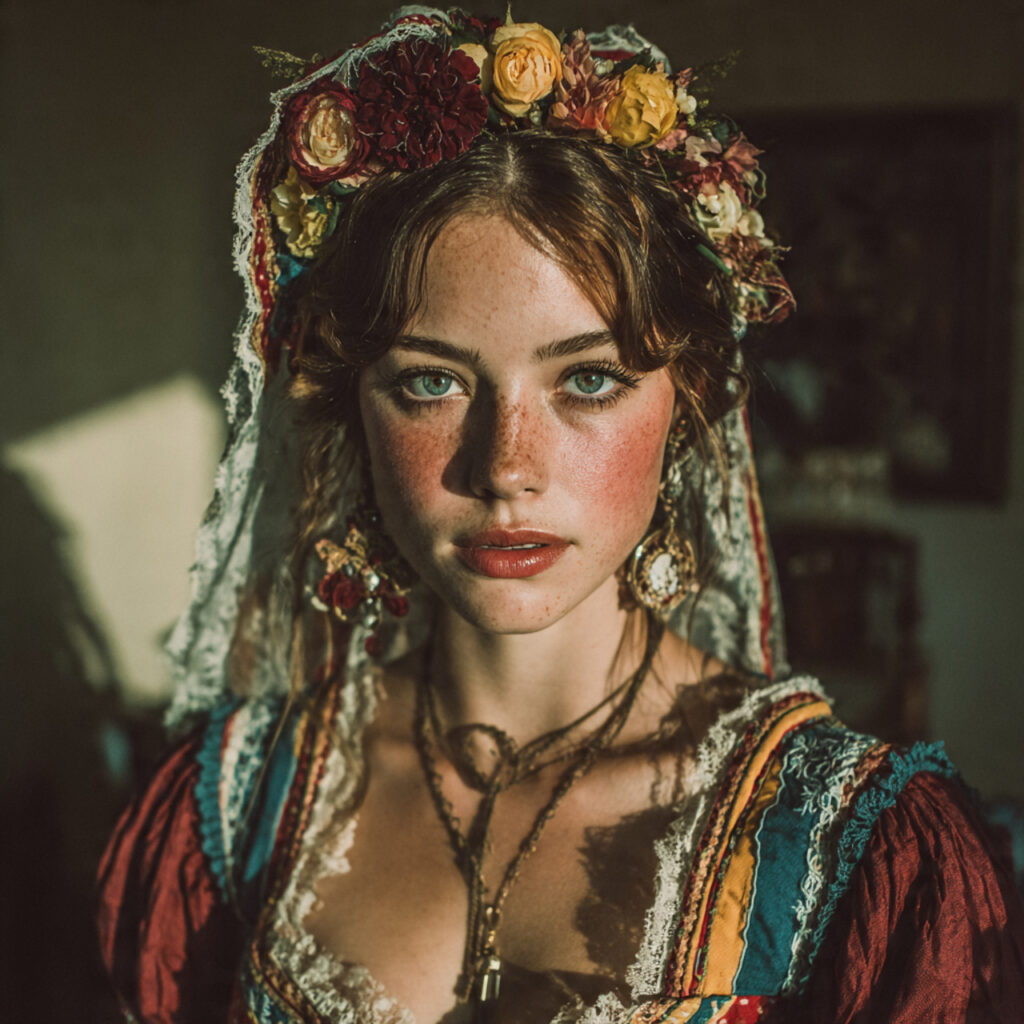
Bridal attire can subtly reference tradition without costume. Embroidery, lace, and silhouette do the work. Some brides choose traditional Mexican dresses. Others integrate elements like embroidered veils, rebozos, or floral crowns. The focus is craftsmanship, not exaggeration.
Groom Attire with Cultural Texture
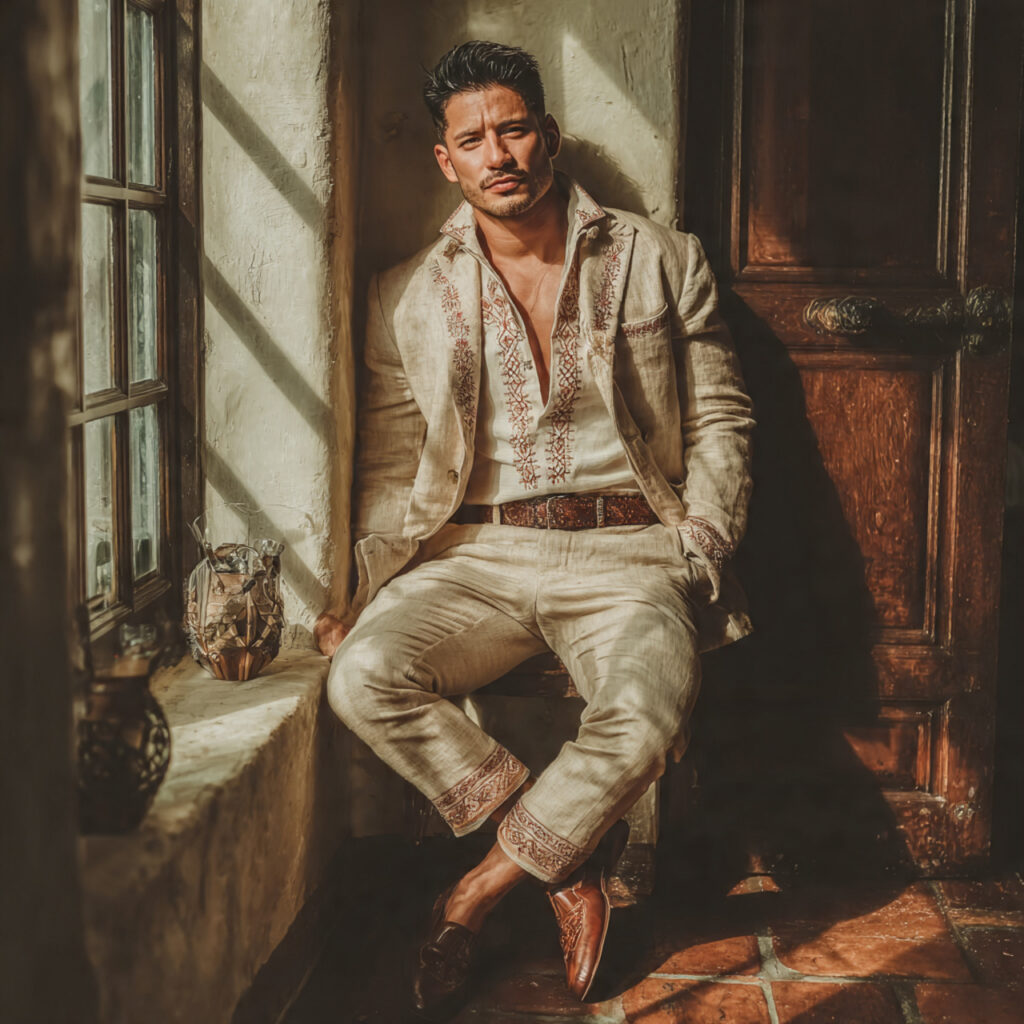
Groom styling often gets overlooked. A mexican wedding aesthetic benefits from thoughtful choices here. Guayabera shirts, linen suits, leather huaraches, or embroidered accessories add regional character. Neutral tones allow texture to stand out. Comfort and climate should guide decisions.
Day of the Dead Influences Used Tastefully
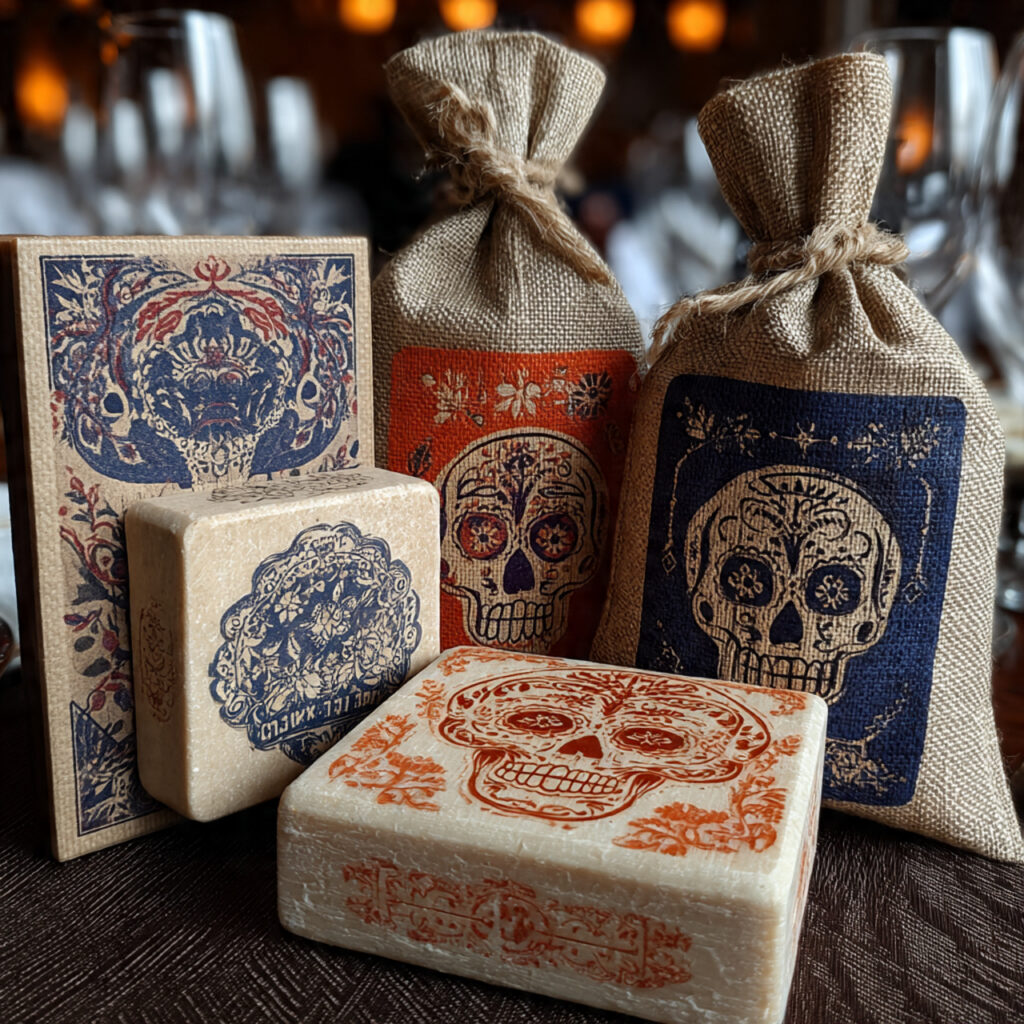
Day of the Dead elements require restraint. When used correctly, they add symbolism without misrepresentation. Use calavera motifs in stationery, favors, or subtle decor accents. Avoid theatrical makeup unless the wedding intentionally aligns with the holiday. Respect context and meaning above visuals.
Courtyard Ceremony Layouts
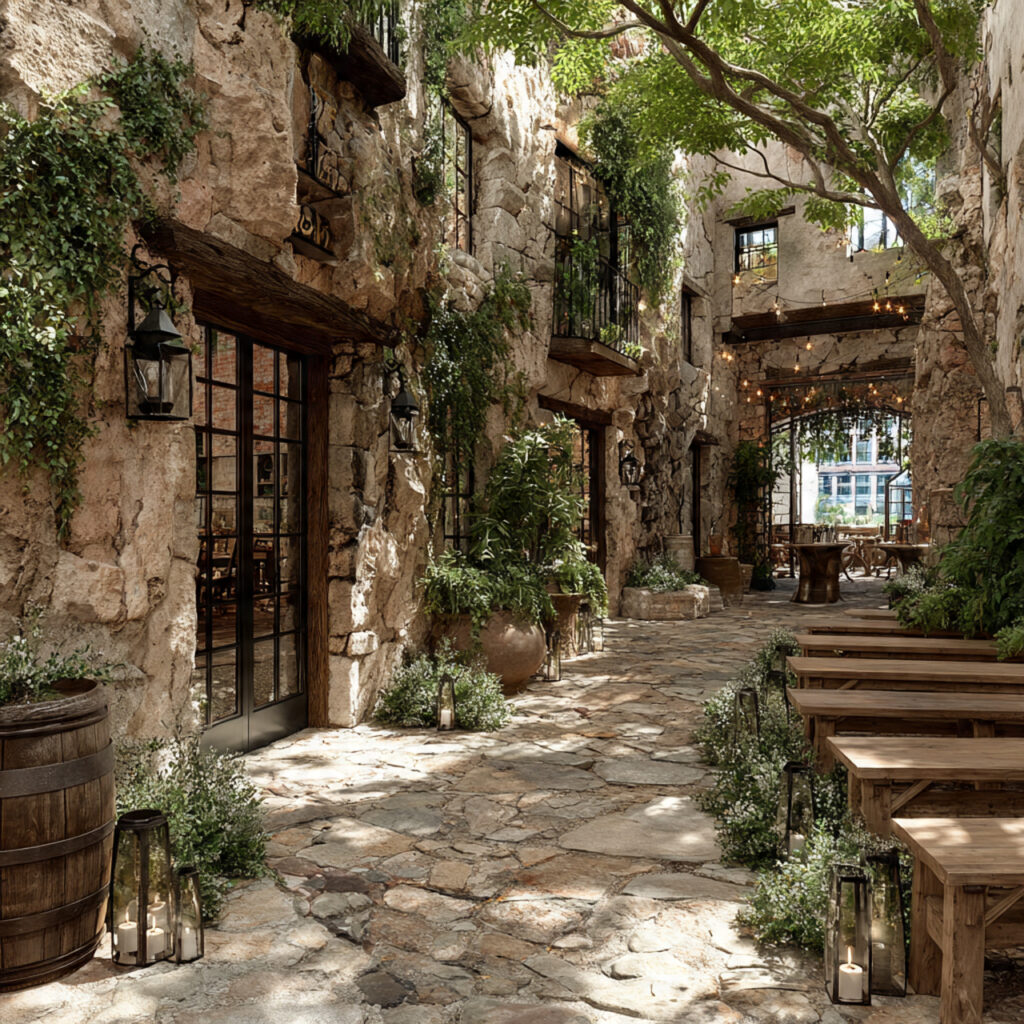
Open-air courtyards reflect Mexican social spaces. They encourage community and visibility. Arrange seating in semi-circles or close rows. Avoid long aisles that separate guests from the ceremony. This layout supports intimacy and shared presence.
Mexican Wedding Favors with Purpose
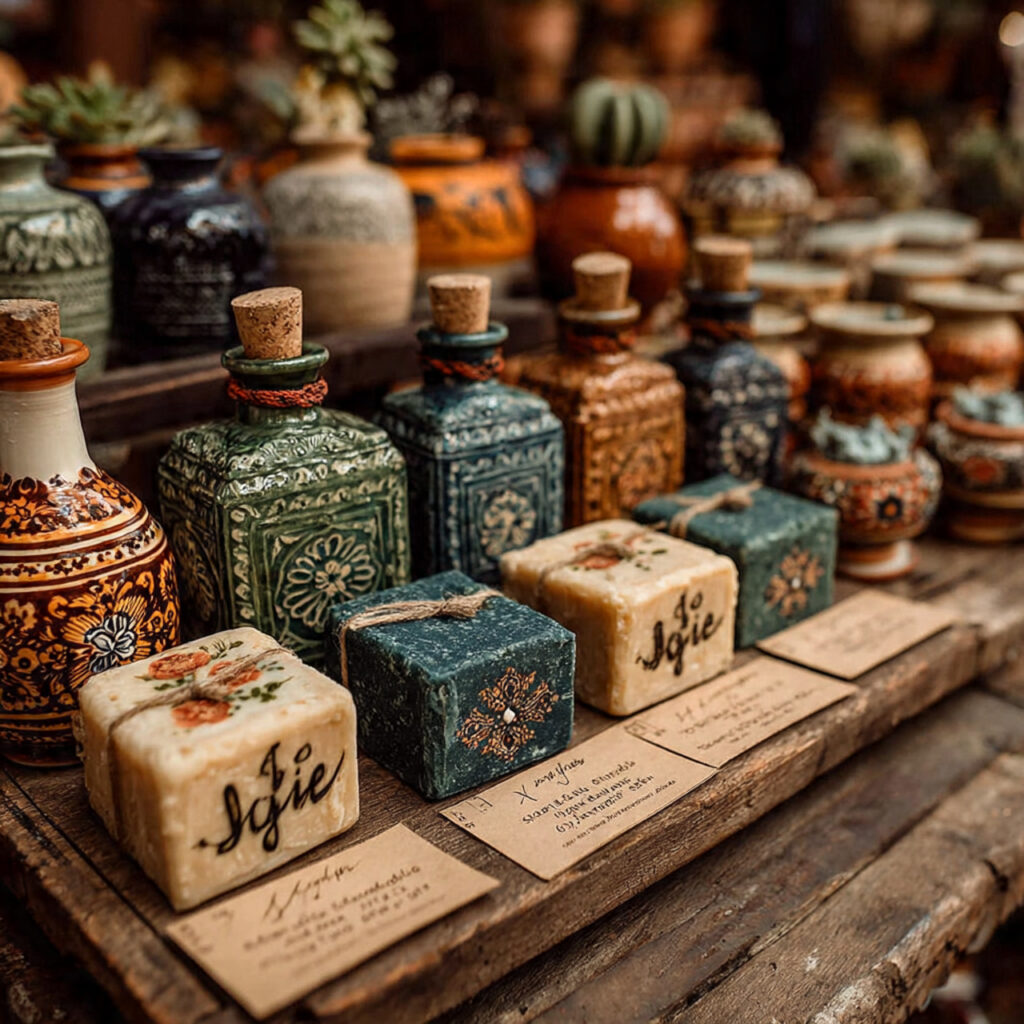
Favors should be useful or consumable. In a mexican wedding aesthetic, common choices include artisanal soaps, mini bottles of mezcal, handmade candles, or ceramic keepsakes. Include a brief story card explaining origin or craft. This adds value without cost. Avoid mass-produced items.
Earthy Table Settings
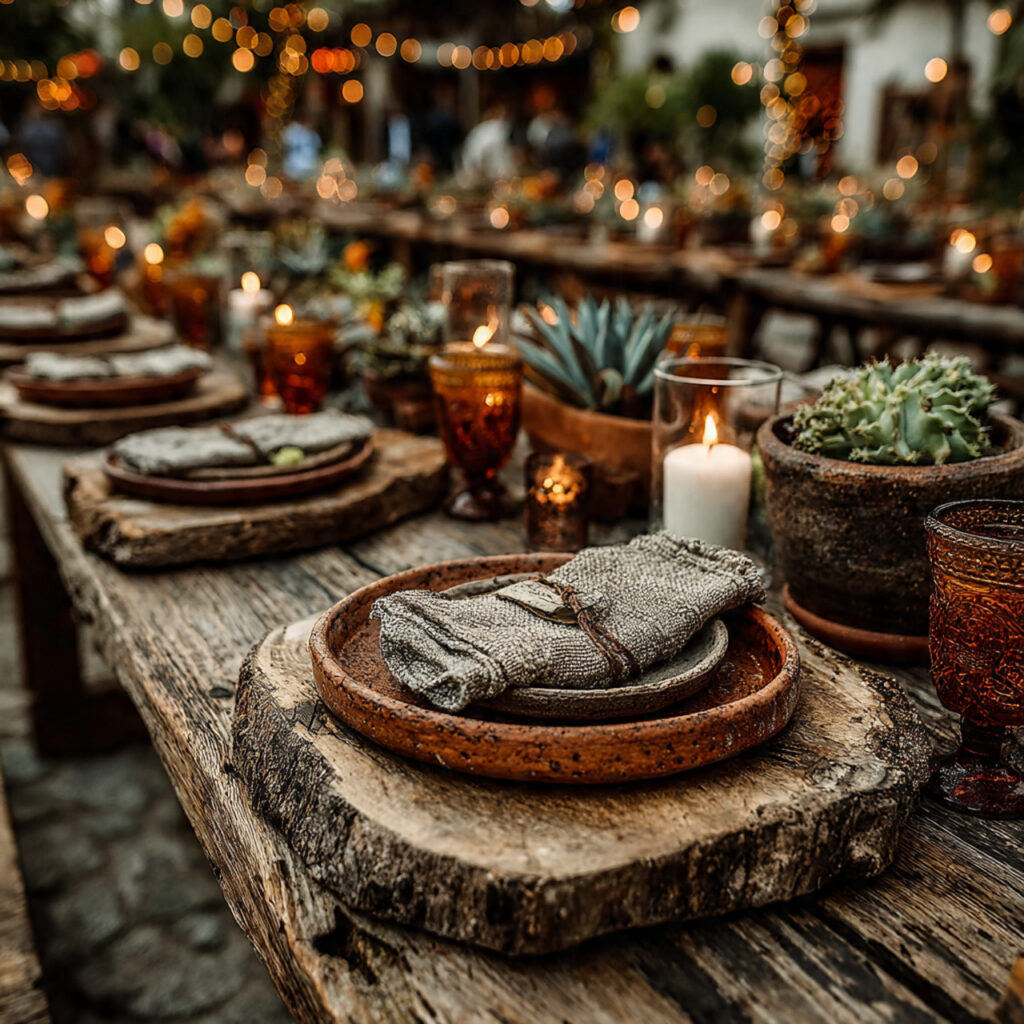
Table settings should feel grounded. Use clay plates, wooden chargers, linen napkins, and mismatched glassware. Avoid metallic overload. Let texture replace shine. Candles in simple holders provide warmth without distraction.
Natural Materials Throughout the Design
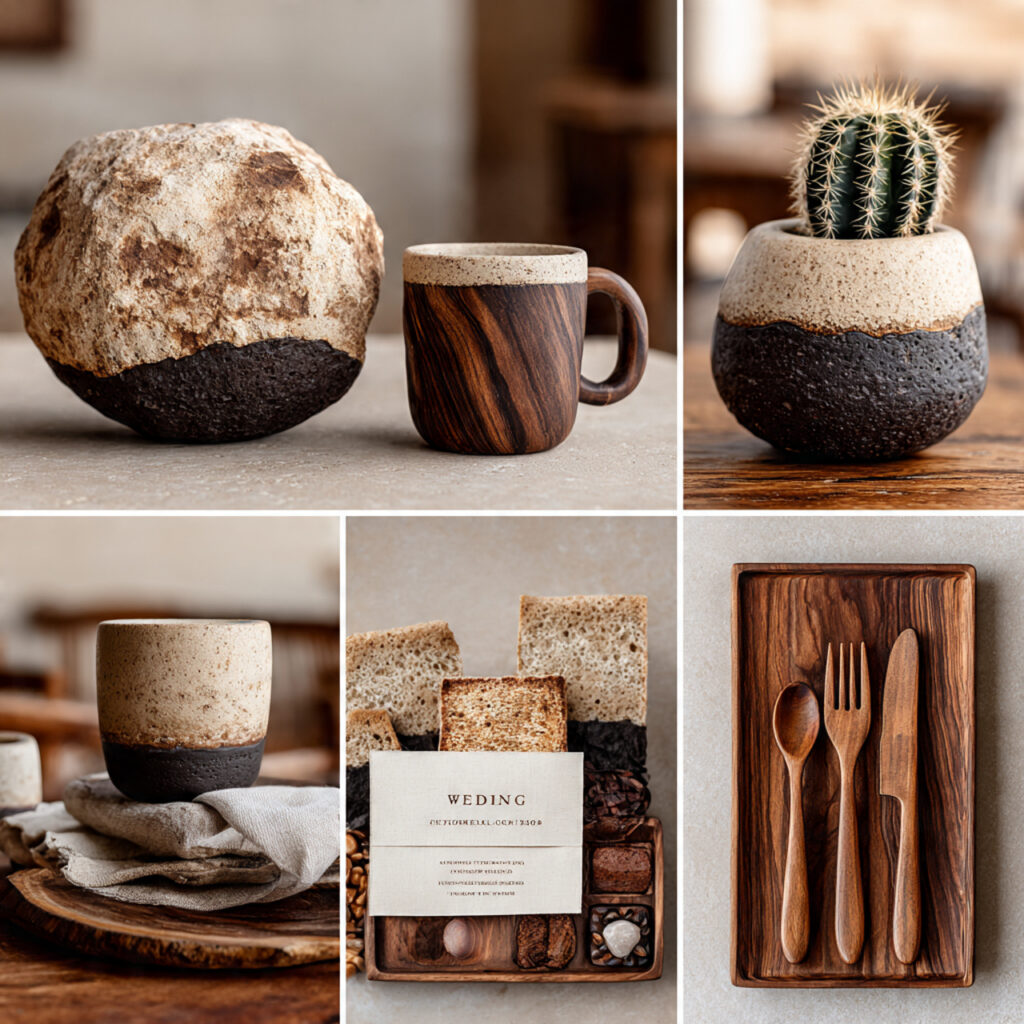
Wood, clay, stone, leather, and cotton form the material palette of a mexican wedding aesthetic. Avoid acrylics, mirrored surfaces, and plastic elements. They break immersion. Consistency matters more than quantity.
Symbolic Wedding Ceremony Elements
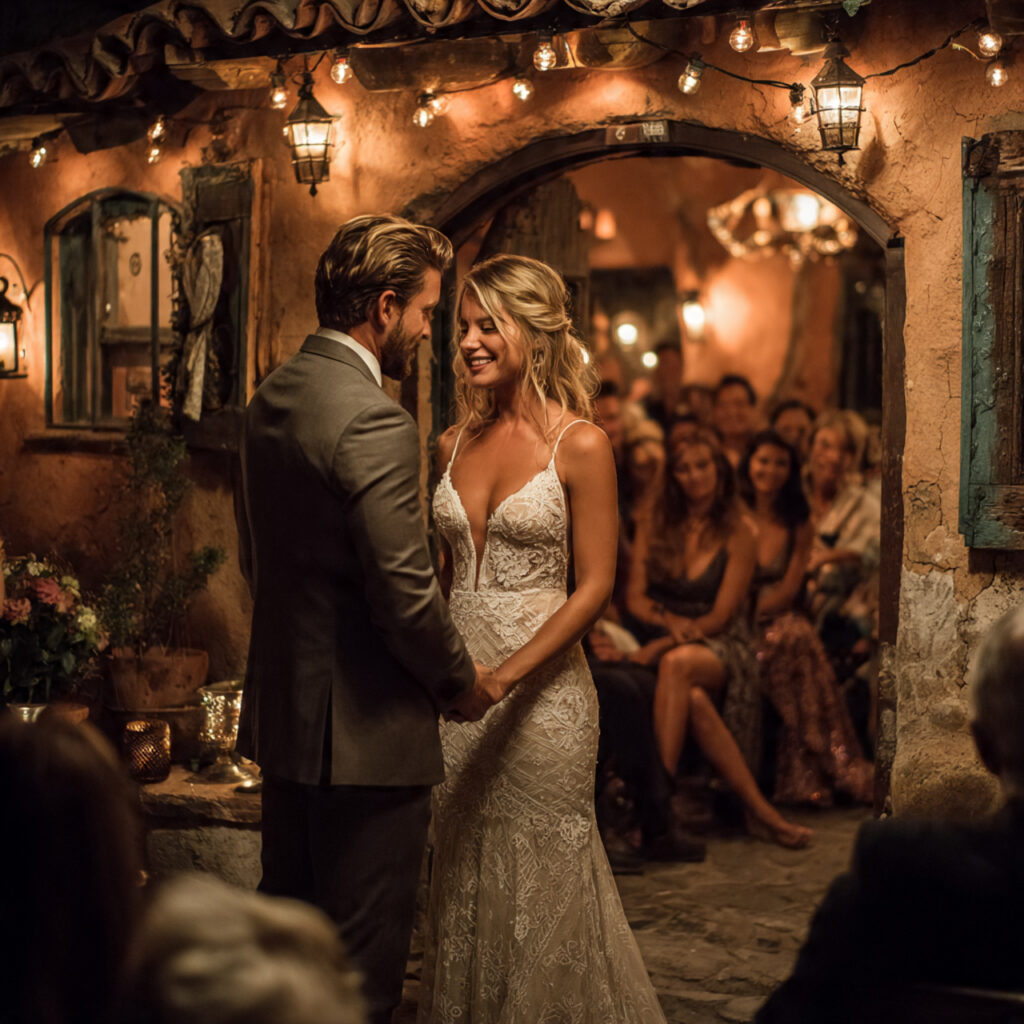
Mexican weddings often include meaningful rituals like lazo ceremonies, coin exchanges, or blessings from elders. Incorporate rituals that align with your beliefs and family traditions. Explain them briefly to guests when appropriate. This deepens emotional resonance.
Cactus and Succulent Styling
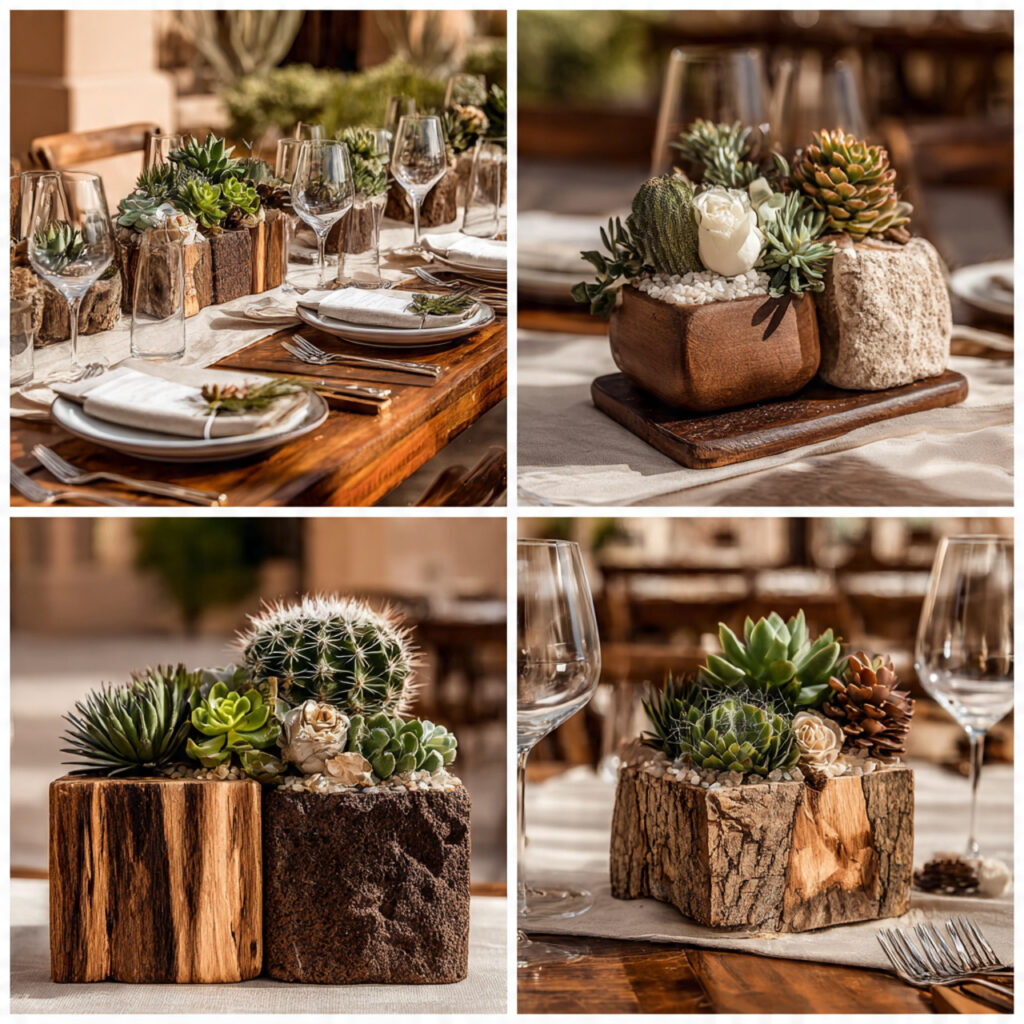
Cacti and succulents reflect Mexican landscapes. They work well in centerpieces, escort displays, and favors. Choose real plants when possible. Keep arrangements minimal.These plants reinforce place without overwhelming florals.
Warm Lighting Choices
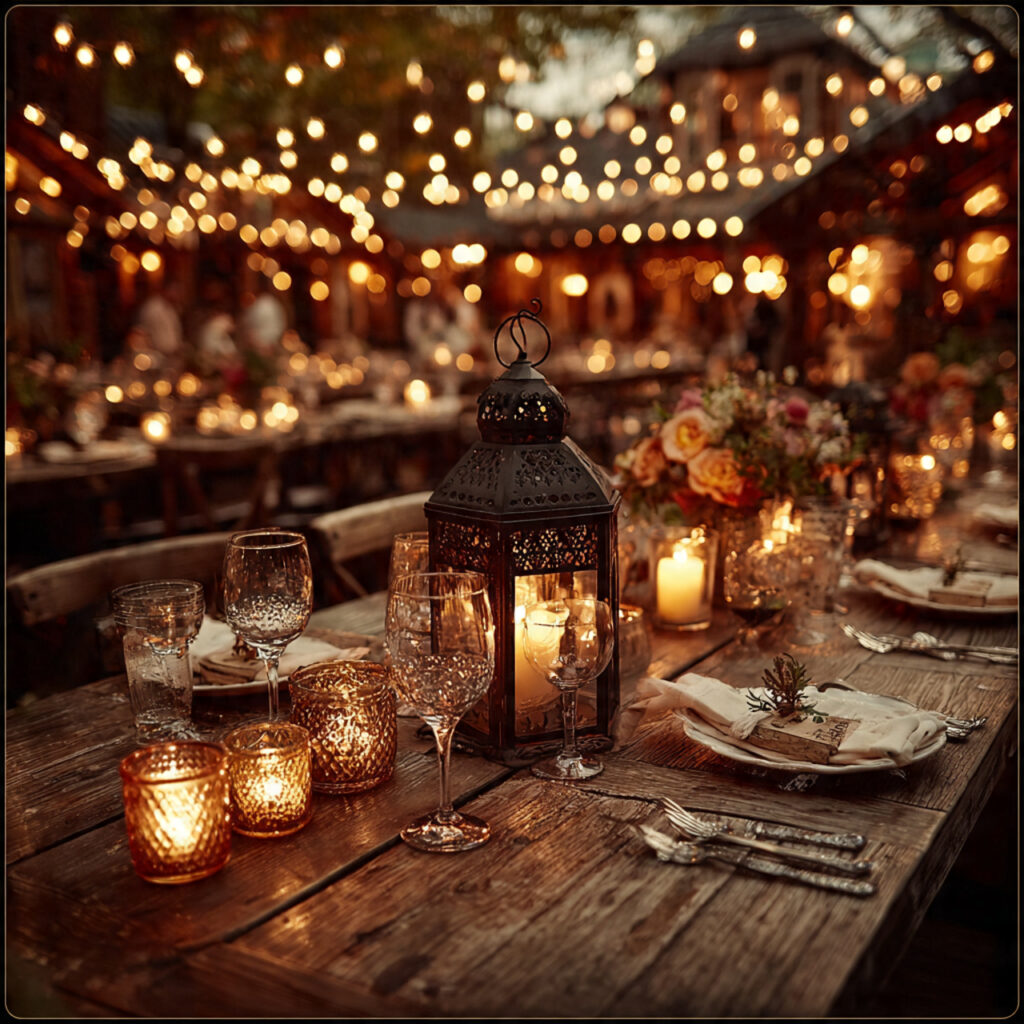
Lighting should feel like evening sun or candle glow. Use string lights, lanterns, and candles. Avoid cool or bright white lighting. It flattens texture and color. Lighting should support mood, not visibility alone.
Regional Mexican Design Focus
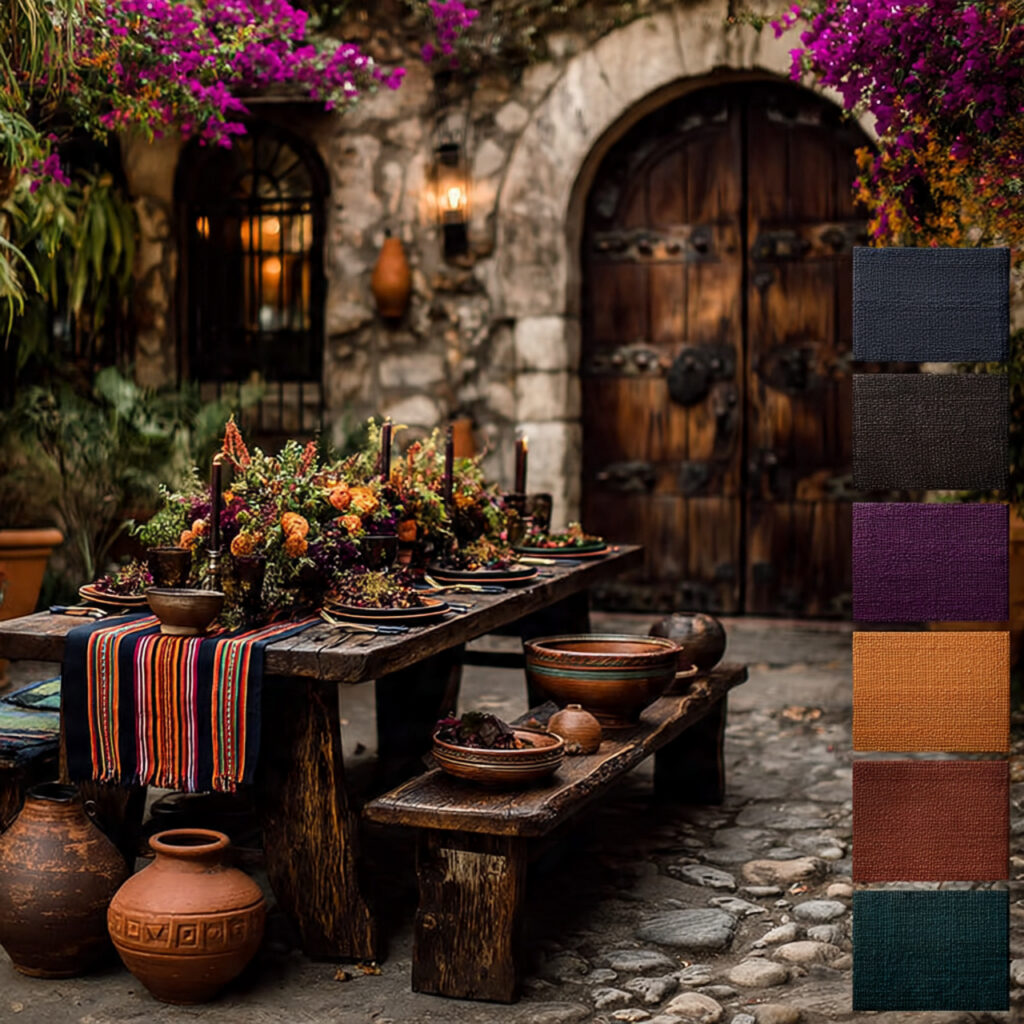
Mexico is not monolithic. A strong mexican wedding aesthetic often draws from a specific region. Oaxaca, Jalisco, Yucatán, Puebla, and Michoacán all offer distinct influences. Choose one as a reference point. This prevents aesthetic confusion.
Handwritten Signage and Calligraphy
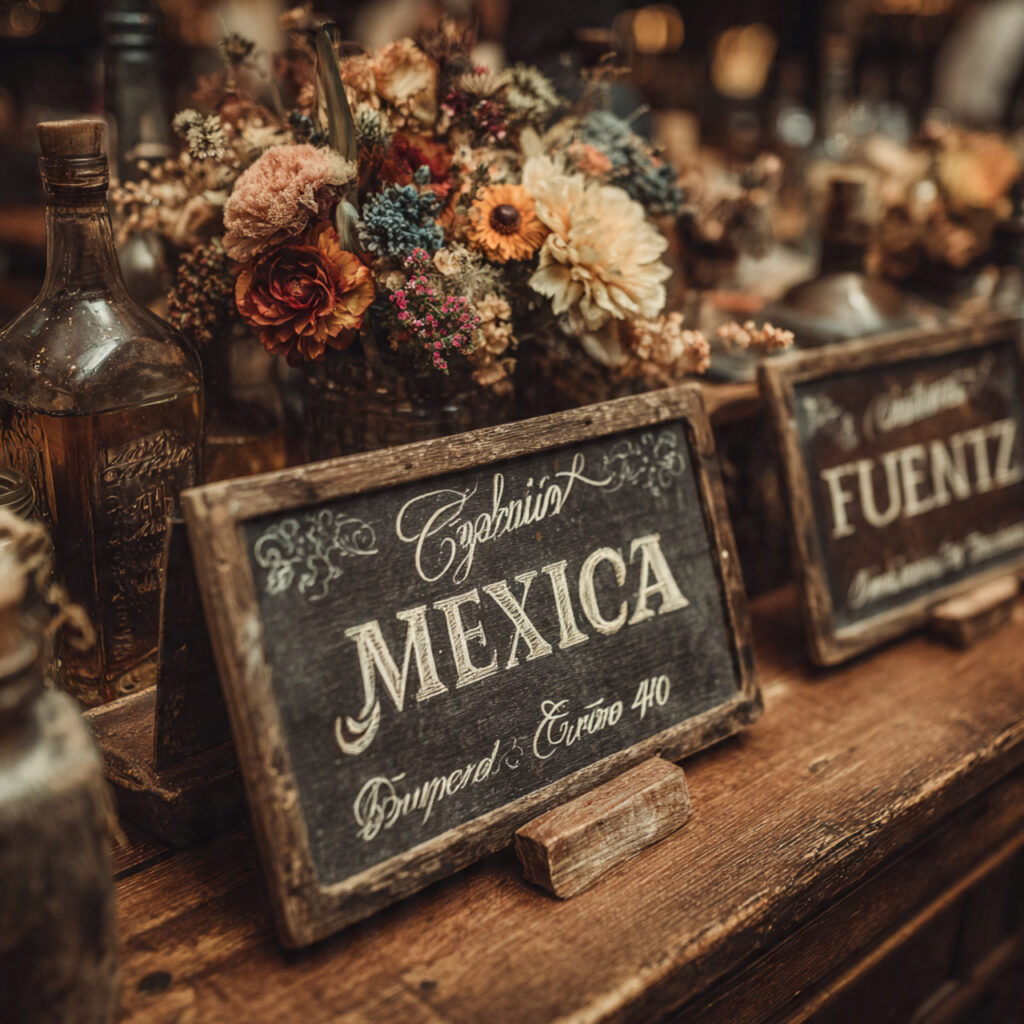
Handwritten elements add humanity. Chalkboards, painted wood signs, and calligraphed paper feel personal. Use Spanish phrases naturally. Avoid forced translations. Imperfection is welcome.
Dance-Centered Reception Flow
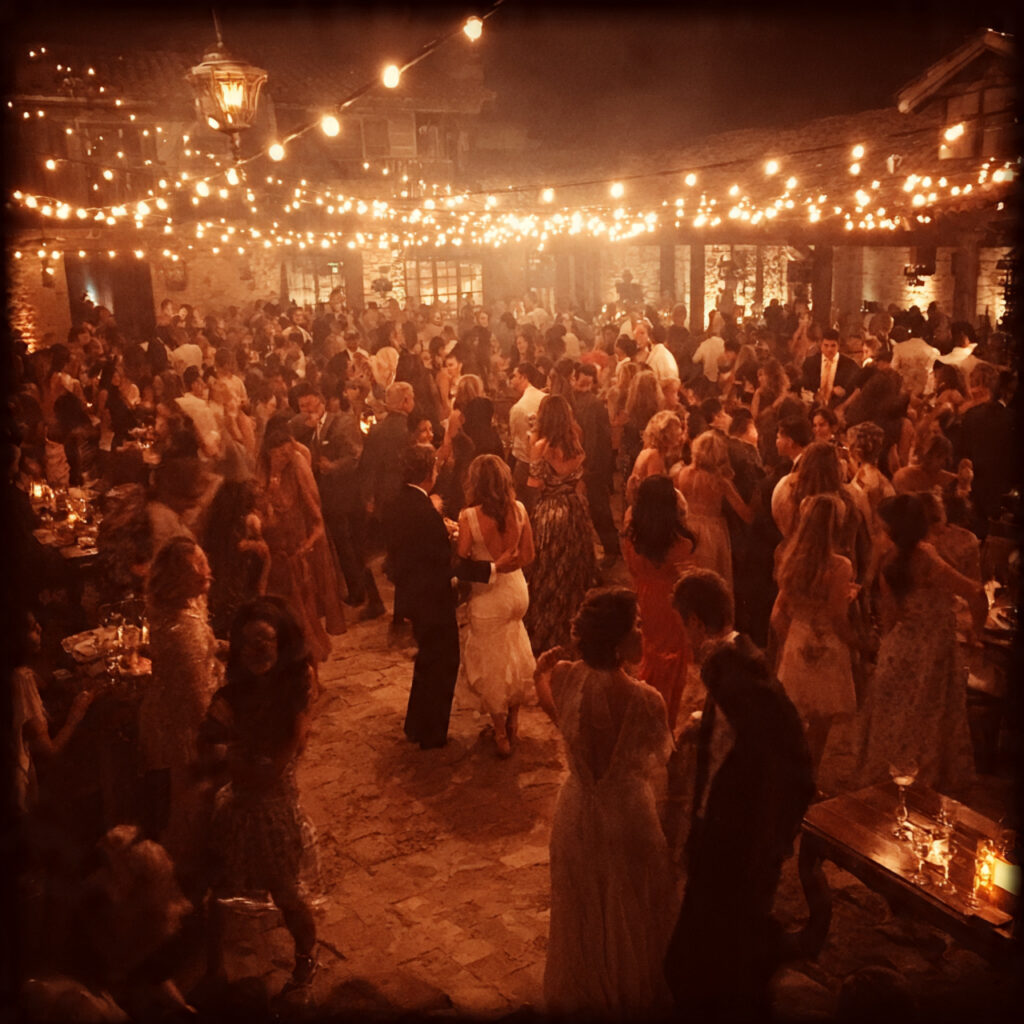
Dance is not optional. A mexican wedding aesthetic prioritizes movement and rhythm. Design the reception layout to support dancing early and often. Keep the dance floor accessible. Music should progress naturally, not follow rigid timelines.
FAQs
Is a mexican wedding aesthetic appropriate for non-Mexican couples?
Yes, when approached with respect. Focus on authentic elements, proper sourcing, and cultural understanding. Avoid stereotypes and costume-driven choices.
Can this aesthetic work on a small budget?
Yes. Prioritize materials, food, and music. Handmade decor, local florals, and simple venues support this aesthetic naturally.
Does the aesthetic require bright colors everywhere?
No. Color should be intentional. Neutral backdrops with concentrated color moments often work best.
Is outdoor space necessary?
Not required, but helpful. Indoor spaces can work when materials, lighting, and layout support warmth and texture.
How do you avoid making it feel themed?
By focusing on function and meaning. Use elements that serve a purpose rather than decorative filler.
Conclusion
A mexican wedding aesthetic succeeds when it is honest. It values craft over polish, meaning over trend, and presence over performance. It is not about replicating an image. It is about honoring culture through thoughtful choices.m When done correctly, this aesthetic feels grounded, generous, and alive. It leaves guests with a sense of place and connection long after the celebration ends.