25 Wedding Ceremony Ideas That Are Simple, Meaningful, and Timeless
Planning a wedding ceremony is less about impressing strangers and more about creating a moment that feels honest, smooth, and memorable for the people who matter. Many couples feel pressure to copy viral trends or luxury weddings that don’t match their budget, venue, or personalities. That pressure usually leads to stress, wasted money, and decisions that feel forced on the actual day.
The best wedding ceremony ideas are grounded in intention. They respect time, guests, logistics, and emotions. They don’t rely on gimmicks. They don’t break under real-world conditions like heat, delays, or tight schedules. They work because they are simple, thoughtful, and well planned. This guide focuses on ceremony concepts that translate well in real settings—indoors, outdoors, large crowds, small gatherings, cultural blends, and modern weddings. Each idea can stand alone or be adapted. None require perfection to succeed.
Intimate Circular Seating
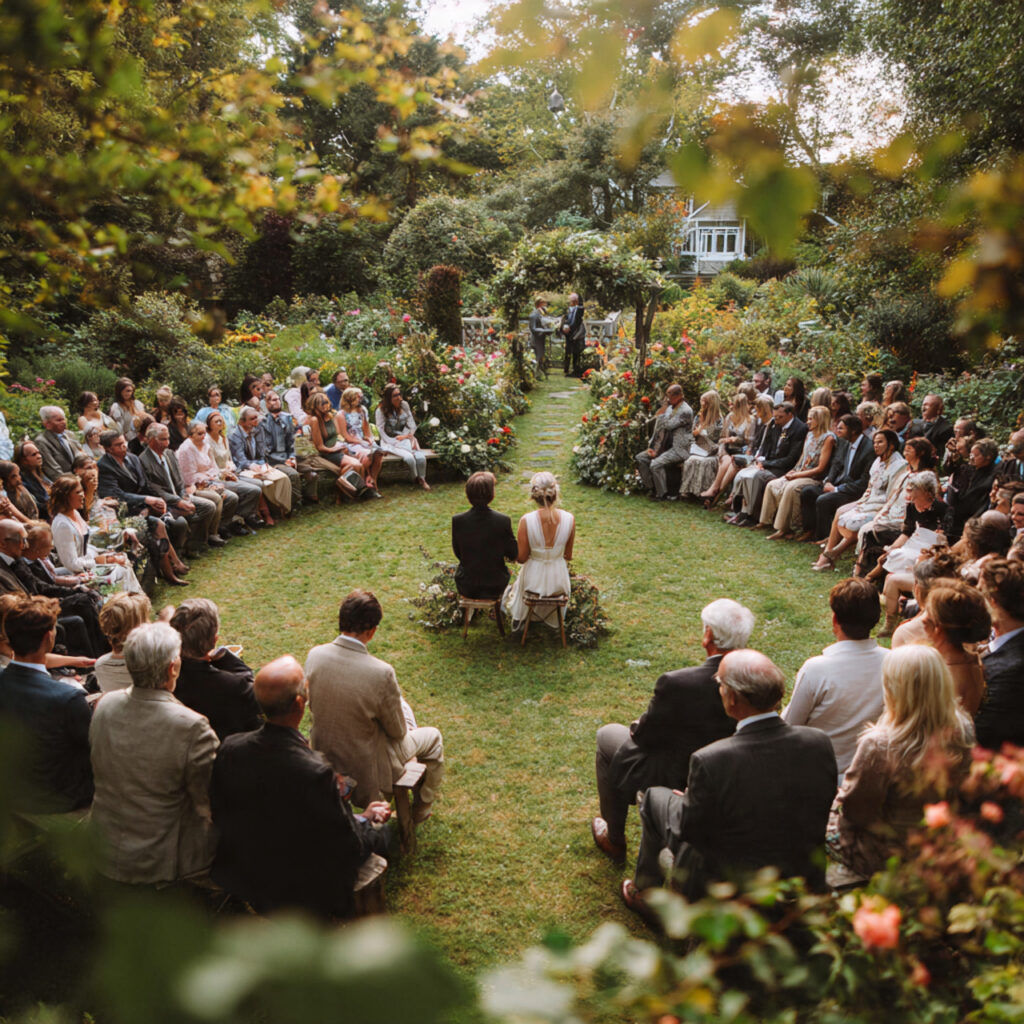
For wedding ceremony ideas, Circular seating removes hierarchy. Guests don’t feel like spectators; they feel included. This setup works especially well for small to mid-size weddings where connection matters more than formality.
The couple stands in the center or slightly offset, surrounded by chairs arranged in a full or partial circle. This eliminates the long aisle and creates closeness without forcing intimacy. Everyone can see facial expressions, not just backs. Logistically, this layout works best in flat spaces like gardens, courtyards, or indoor halls without fixed seating. It also shortens walking time and keeps the ceremony focused. For couples looking for grounded wedding ceremony ideas, circular seating encourages presence rather than performance.
Short and Focused Ceremonies

For wedding ceremony ideas, Length does not equal meaning. Many guests remember how a ceremony felt, not how long it lasted. A concise ceremony keeps energy high and avoids discomfort, especially in outdoor or warm climates.
Aim for fifteen to twenty minutes. Remove repetitive readings. Keep vows tight. Choose one strong ritual instead of several weak ones. This approach respects guests’ time and keeps the couple emotionally present instead of exhausted. It also reduces risks from weather, sound issues, or delays. A focused ceremony often feels more intentional than an overextended one.
Natural Landscape as the Backdrop
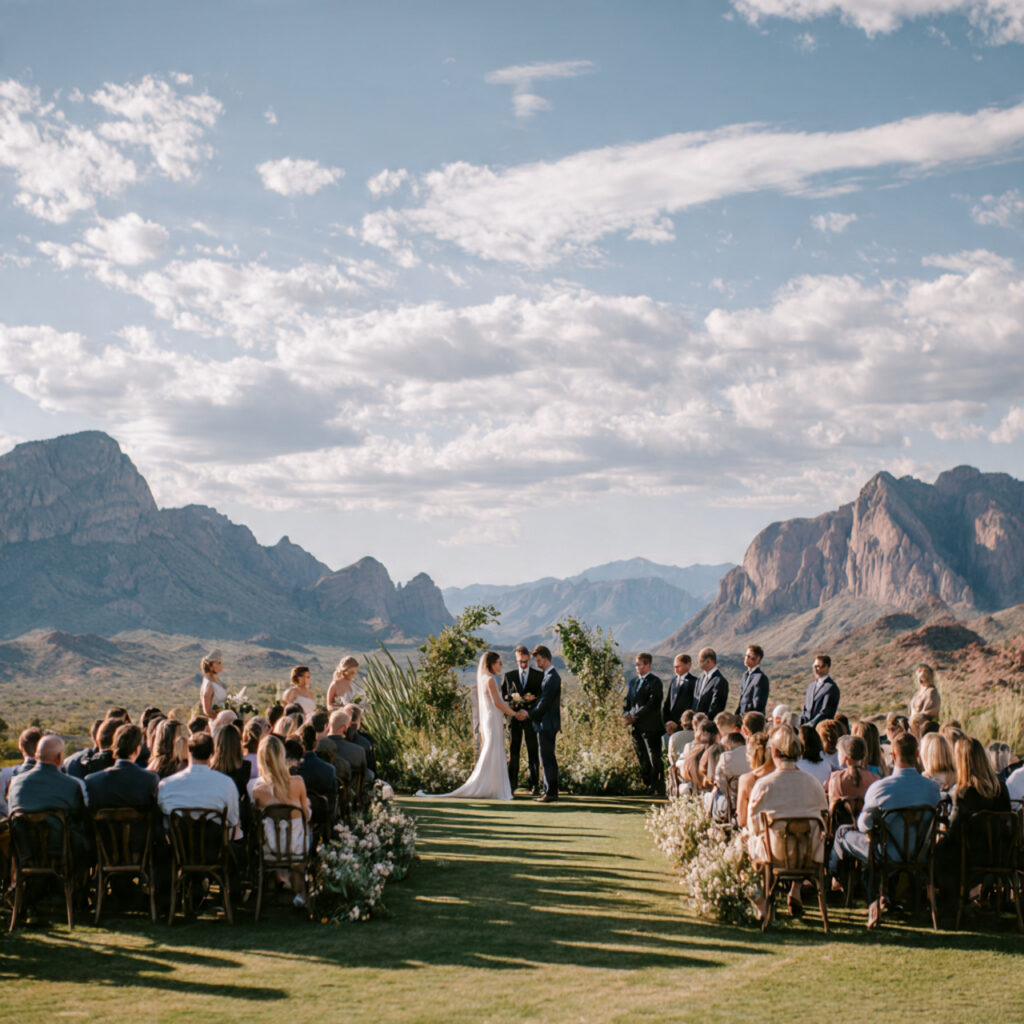
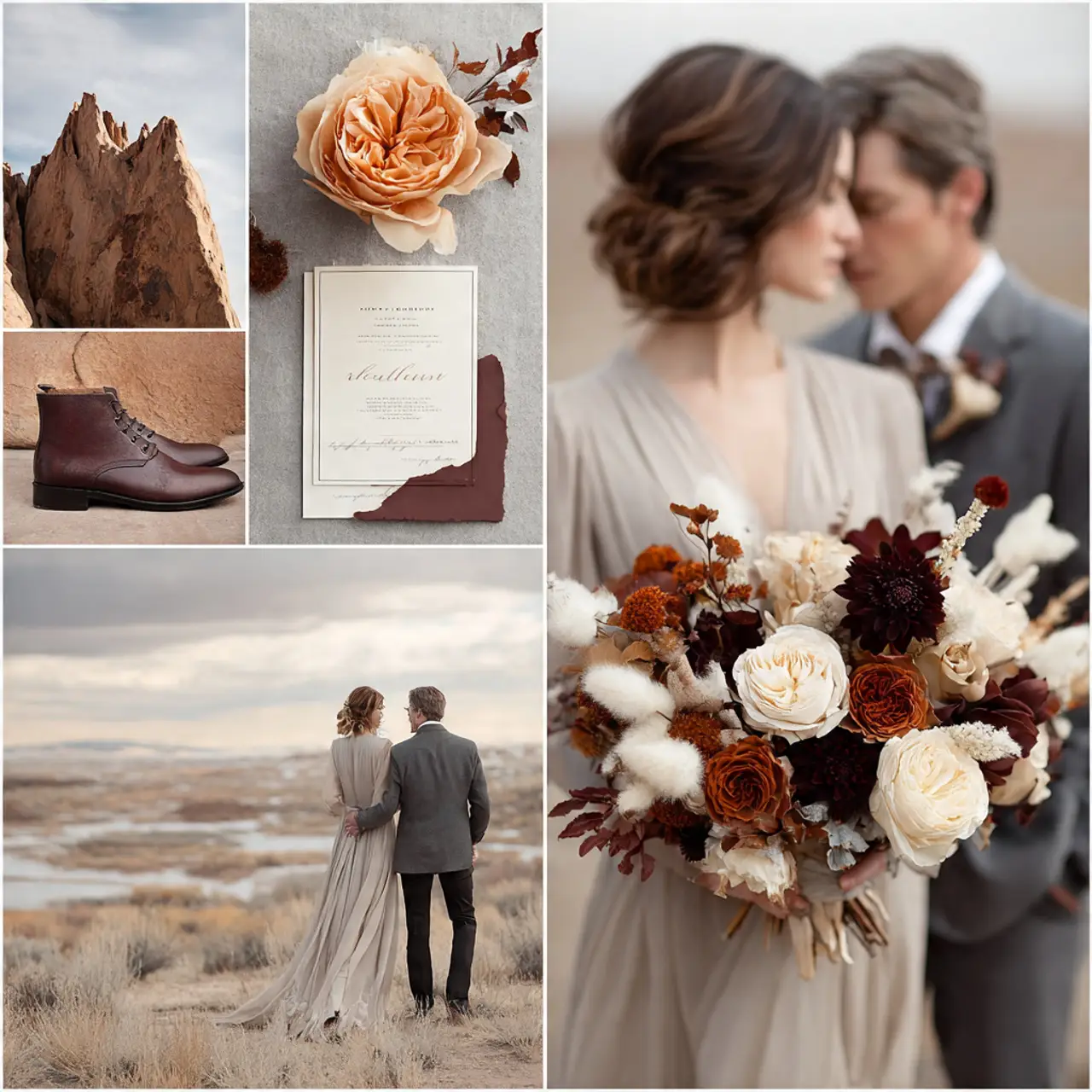
For wedding ceremony ideas, Let the environment do the work. Mountains, open fields, beaches, courtyards, forests, or even minimalist indoor architecture can replace heavy décor. This approach reduces costs and visual clutter. It also makes photos feel timeless rather than trend-driven. When choosing this option, ensure visibility and sound are addressed. Guests should see and hear clearly without straining. Using the natural setting as a frame is one of the most reliable wedding ceremony ideas for couples who value simplicity.
Personalized Opening Words
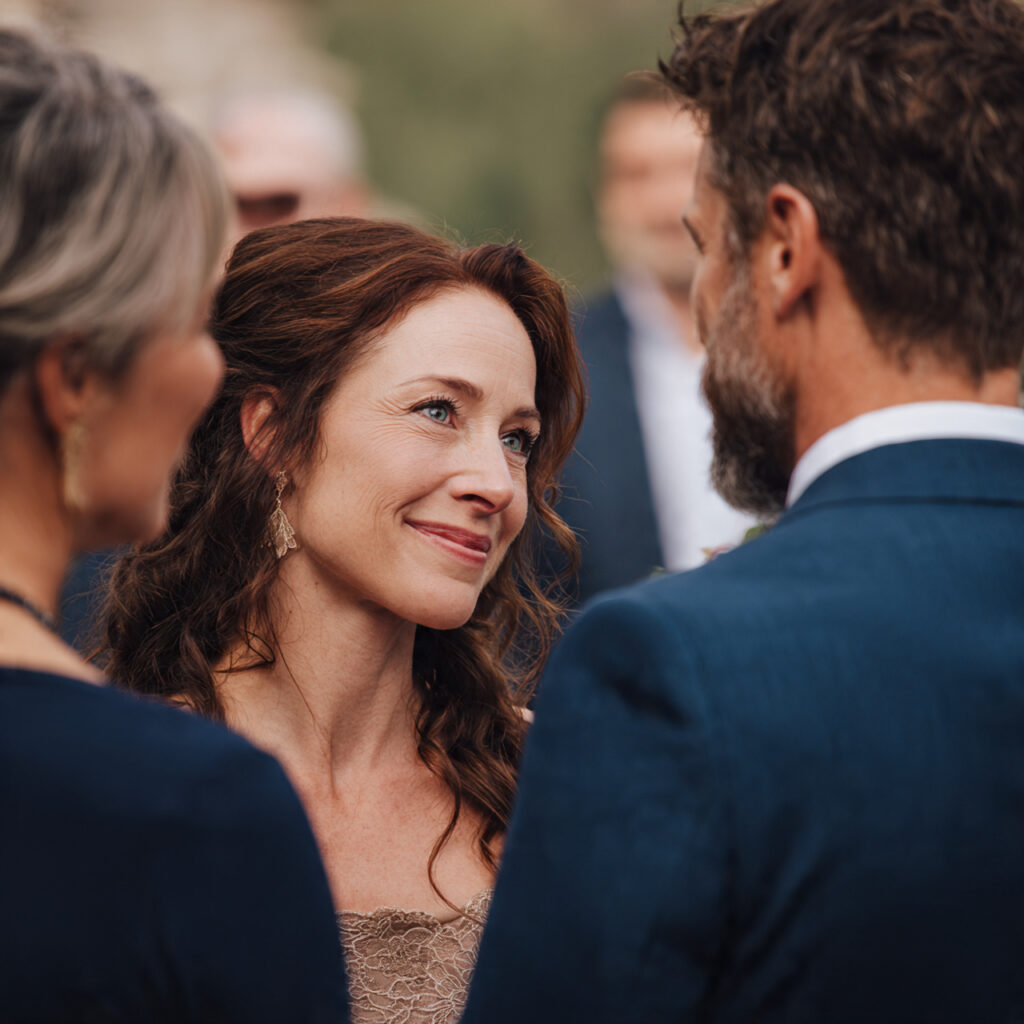
For wedding ceremony ideas, The opening sets the emotional tone. A brief, personal introduction by the officiant can immediately ground the room. This is not the place for long biographies or jokes. One or two meaningful sentences about the couple’s values or journey is enough. When guests feel oriented early, they stay engaged throughout. The ceremony feels intentional instead of generic. This small detail often has more impact than elaborate rituals.
Family Processional Inclusion

For wedding ceremony ideas, Traditional processions often focus only on the couple and wedding party. Including parents, grandparents, or chosen family members in the processional acknowledges shared history. This can be done subtly, without adding length. It also helps guests emotionally connect to the moment. This idea works across cultures and family structures. It signals respect without speeches or explanations. Among practical wedding ceremony ideas, this one adds meaning without complexity.
Meaningful Music Choices

For wedding ceremony ideas, Music should support the moment, not dominate it. Live or recorded, the choice matters less than relevance. Select songs that reflect shared values or calm energy. Avoid overly dramatic transitions that disrupt flow. Instrumental versions often age better than lyrical ones. They also avoid cultural or language disconnects among guests. Music should create continuity, not distraction.
Simple Vow Structure

For wedding ceremony ideas, don’t need to be long to be sincere. Clear structure helps avoid rambling or emotional overload. A good framework includes commitment, appreciation, and forward intention. Keep language plain. Speak slowly. Practicing once or twice prevents nerves from rushing the moment. Written vows are acceptable and often clearer. Strong vows anchor the ceremony emotionally.
Single Symbolic Ritual

For wedding ceremony ideas, Choose one ritual that aligns with your values. Unity candles, sand blending, handfasting, or cultural customs all work when done intentionally. Avoid stacking rituals just to fill time. Too many symbolic acts dilute meaning. Explain the ritual briefly so guests understand its purpose. Then execute it smoothly. One strong ritual is better than three forgettable ones.
Honest Cultural Blending
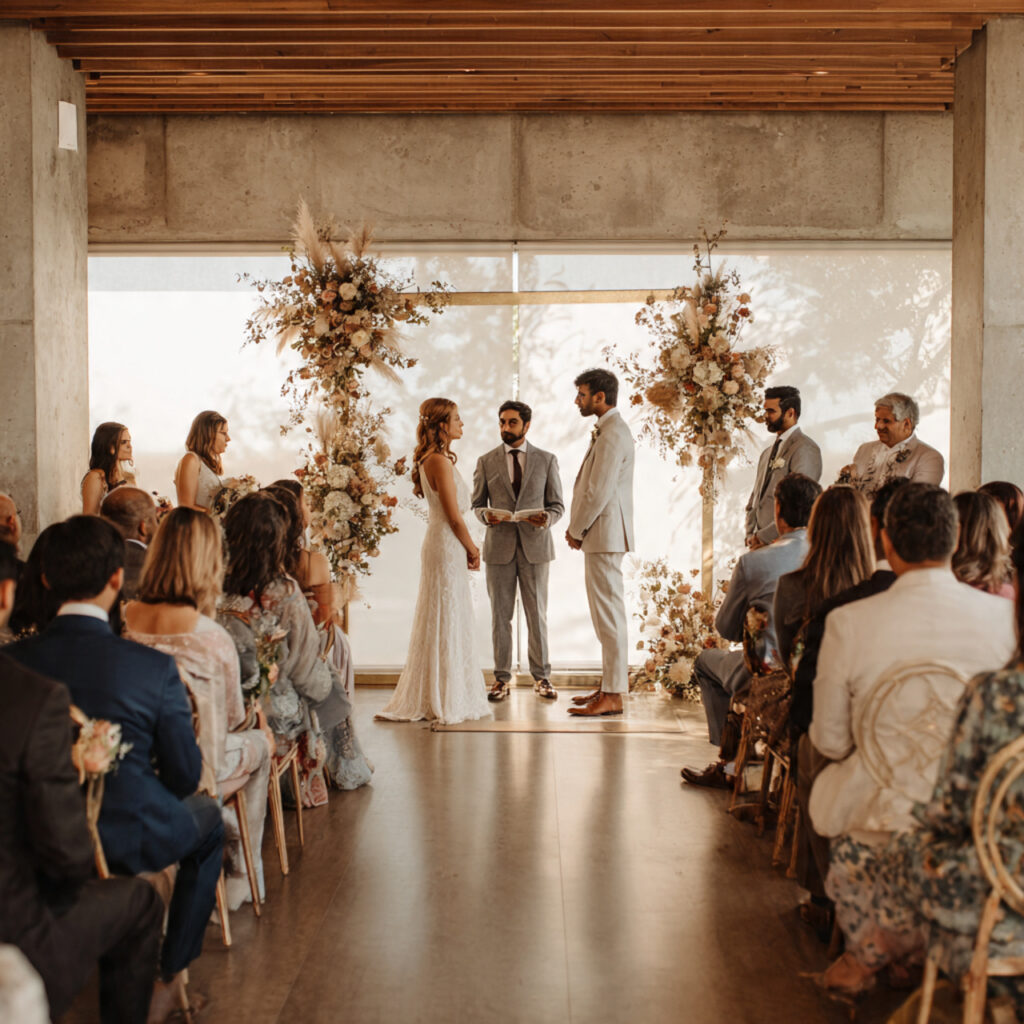
For wedding ceremony ideas, For couples from different backgrounds, cultural inclusion should feel balanced, not tokenized. Select elements that represent shared values rather than entire traditions. Consult family members early to avoid tension. Explain rituals clearly for guests unfamiliar with them. Clarity builds respect. This approach turns cultural blending into connection rather than confusion.
Minimalist Altar Design
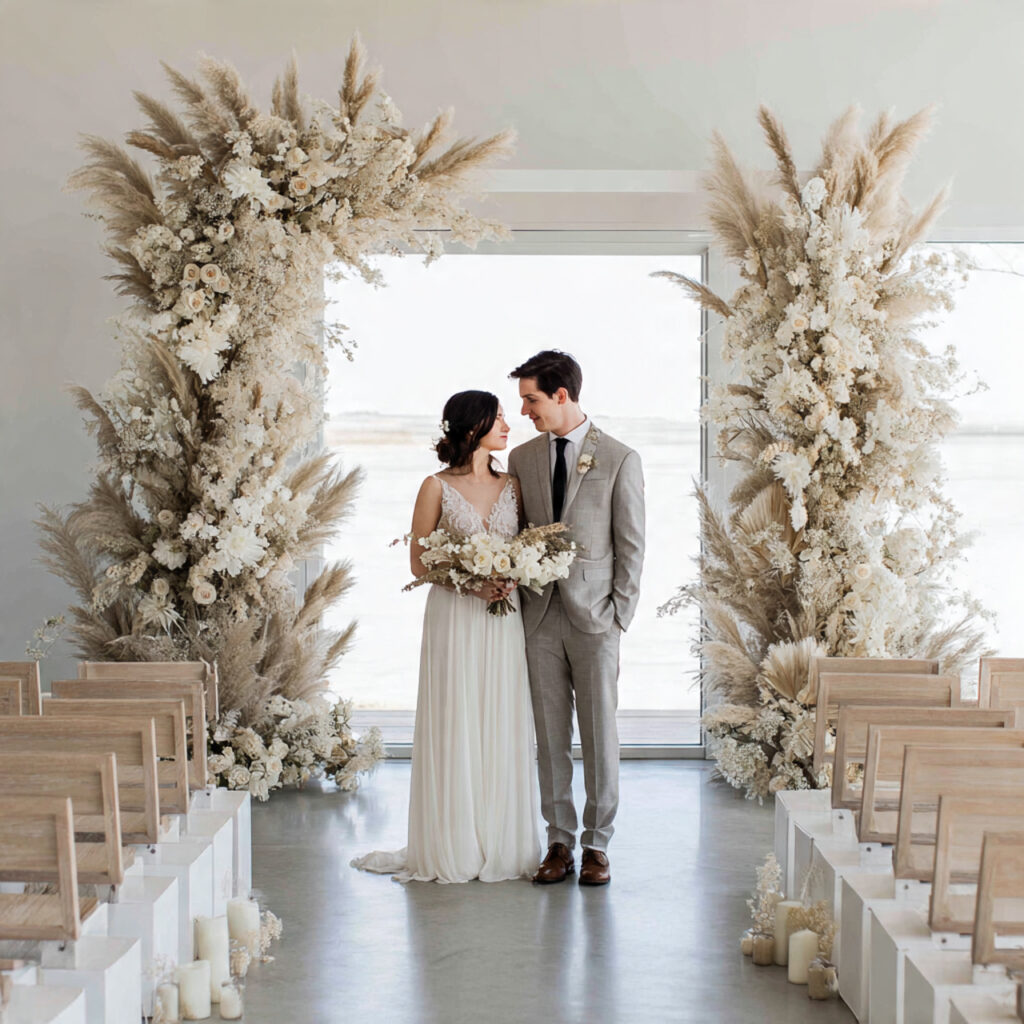
For wedding ceremony ideas, An altar does not need excess florals or heavy structures. Clean lines, open space, and subtle accents keep focus on the couple. This works well for modern venues and outdoor settings. It also adapts easily to different lighting conditions. Minimalism reduces setup time and visual noise. It also photographs well across seasons. For many couples, this becomes the most practical of all wedding ceremony ideas.
Natural Light Timing
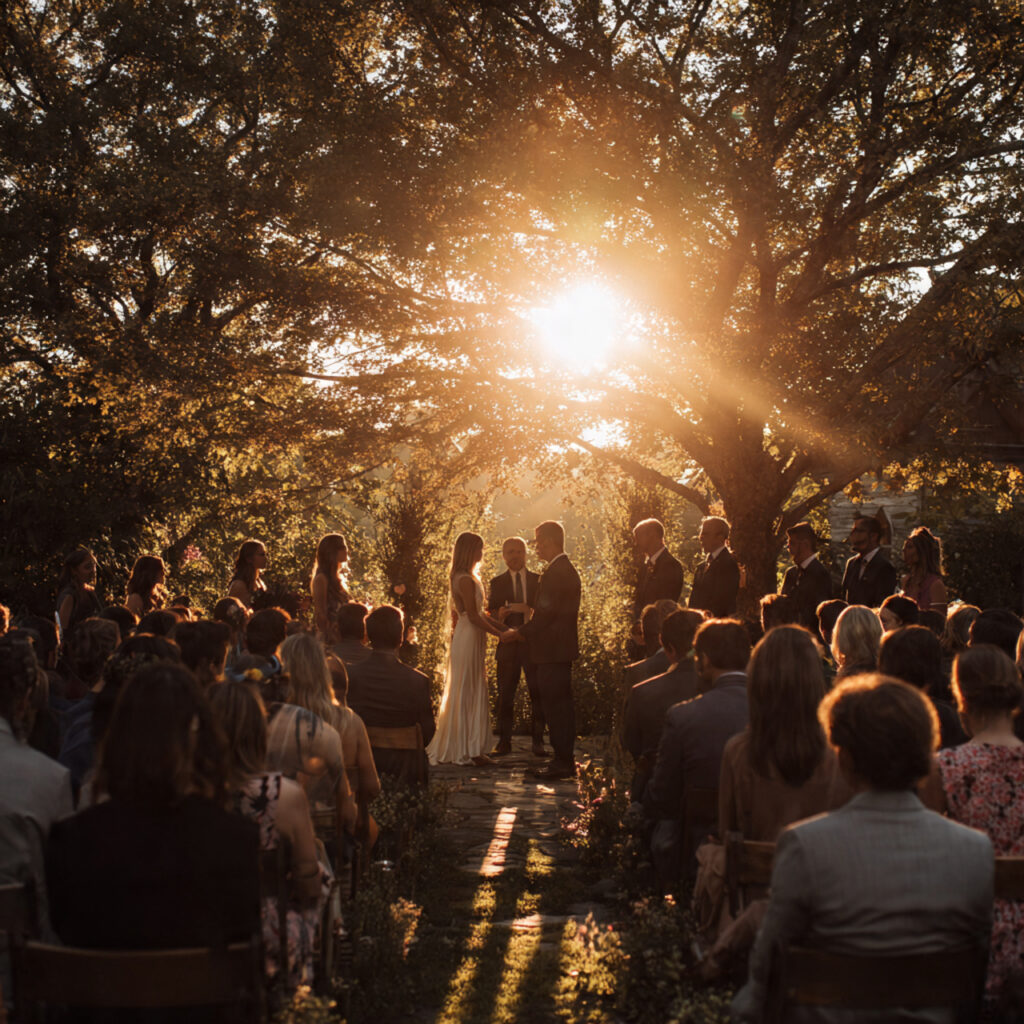
For wedding ceremony ideas, Timing the ceremony around natural light improves comfort and photography. Late afternoon often offers softer light and cooler temperatures. This is especially important for outdoor ceremonies. Harsh midday sun causes squinting and discomfort. Work with your venue to align timing with the environment rather than tradition alone. Light shapes mood more than décor.
Guest Comfort First Approach
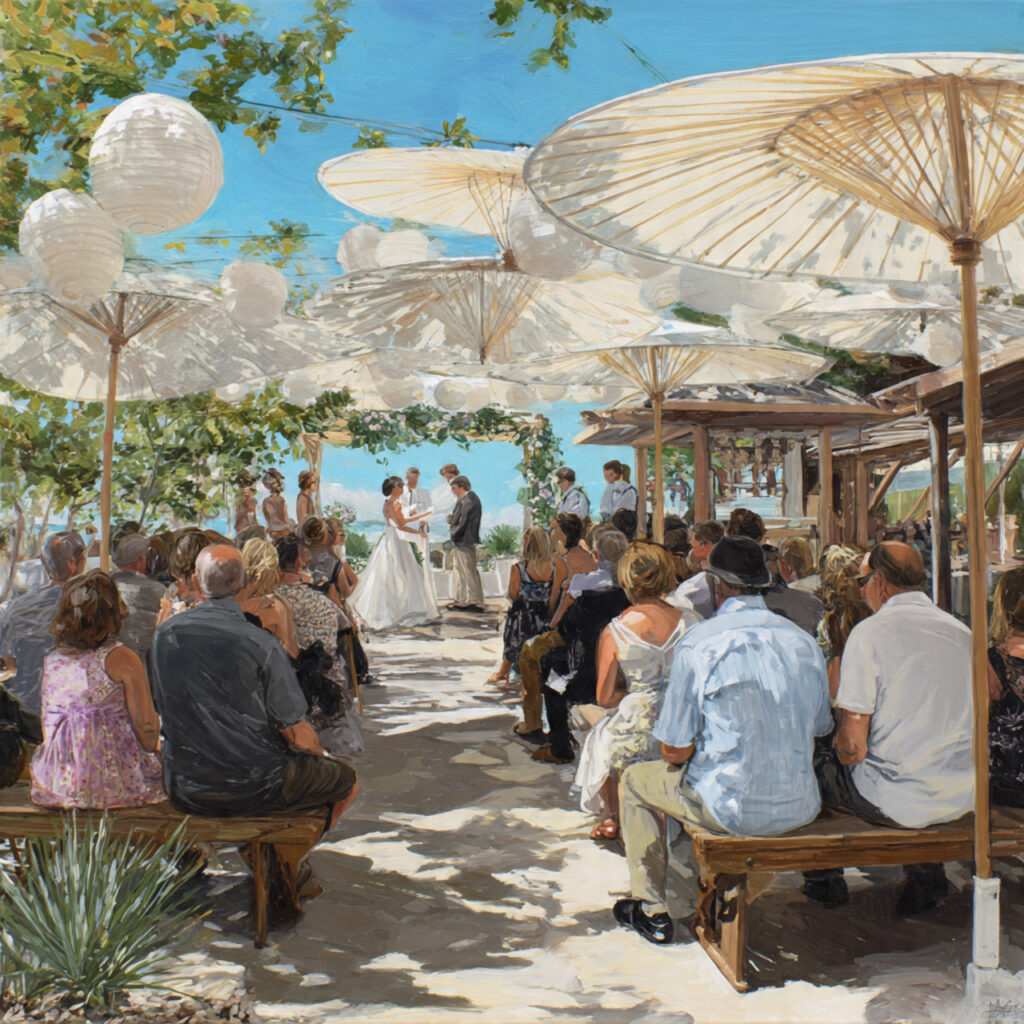
Comfort should never be an afterthought. Shade, seating, water, and clear instructions matter. If guests are uncomfortable, they disengage emotionally. Simple solutions prevent this. Consider signage, ushers, or programs that guide guests without confusion. Comfort creates presence. Presence creates meaning.
Clear Ceremony Flow
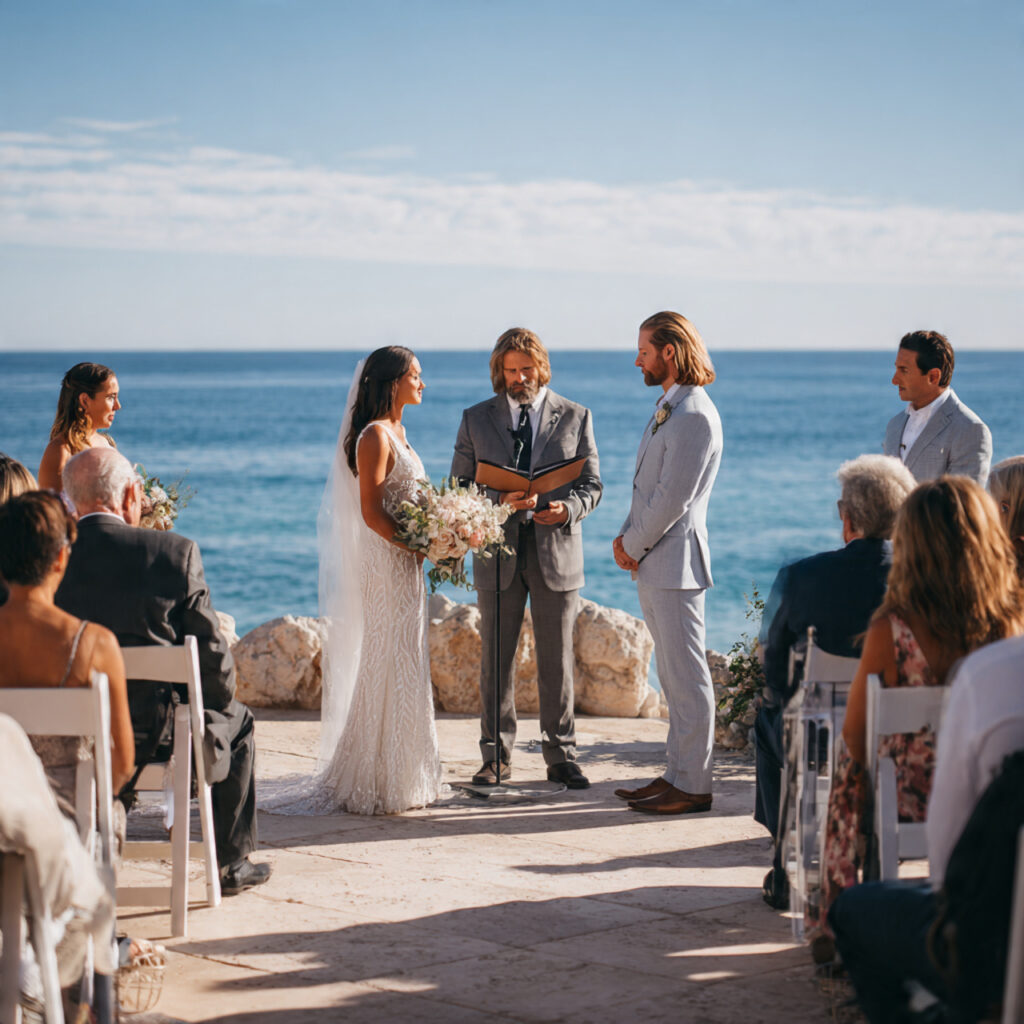
For wedding ceremony ideas, A ceremony should feel seamless. Guests should not wonder what is happening next. Transitions between readings, music, and vows should be planned, not improvised. Silence should feel intentional. This requires rehearsal or at least a detailed outline shared with participants.Flow turns moments into memory.
Officiant Alignment
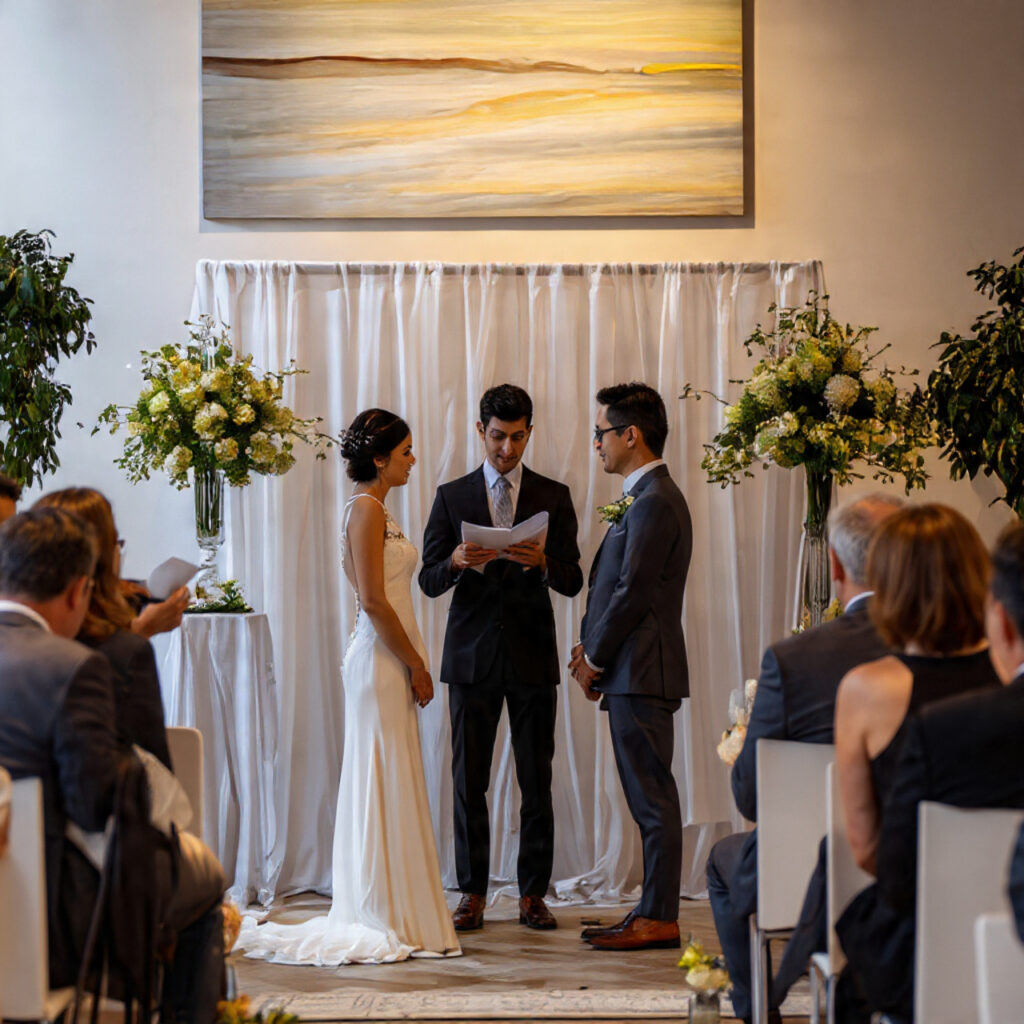
For wedding ceremony ideas, The officiant sets tone and pace. Choose someone who understands your values and respects boundaries. This can be a professional or a trusted individual with guidance. What matters is preparation. Discuss expectations clearly. Avoid surprises. A grounded officiant keeps the ceremony centered.
Subtle Guest Participation

Participation does not require group chanting or forced interaction. Simple acknowledgments work better. Examples include a collective moment of silence, a shared intention, or a brief blessing. Guests feel included without pressure. This balances intimacy and respect.
Thoughtful Exit Moment
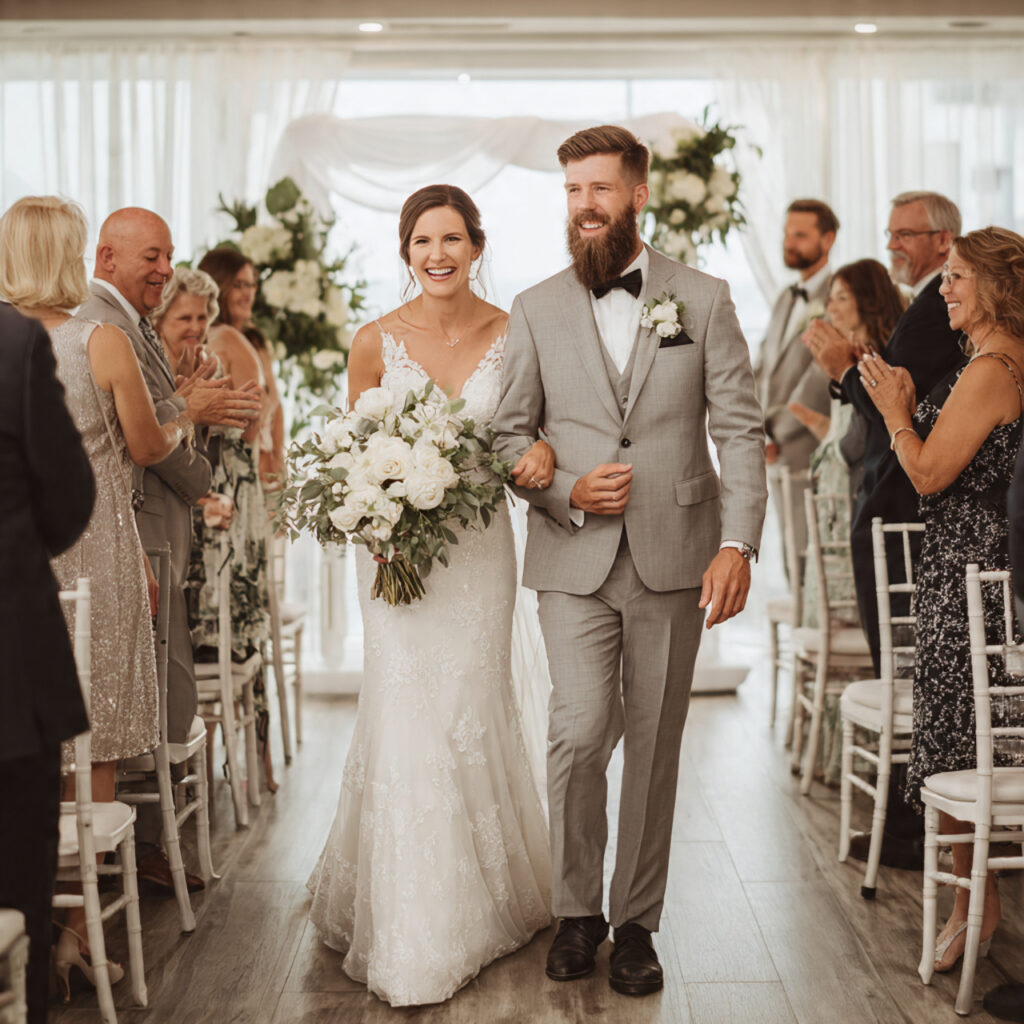
The ceremony exit sets emotional tone for what follows. Keep it joyful but controlled. Avoid exits that create chaos or delays. Confetti alternatives should be venue-approved and easy to manage. Music should match the mood you want to carry into the reception. A clean exit feels intentional.
Indoor Ceremony with Outdoor Feel
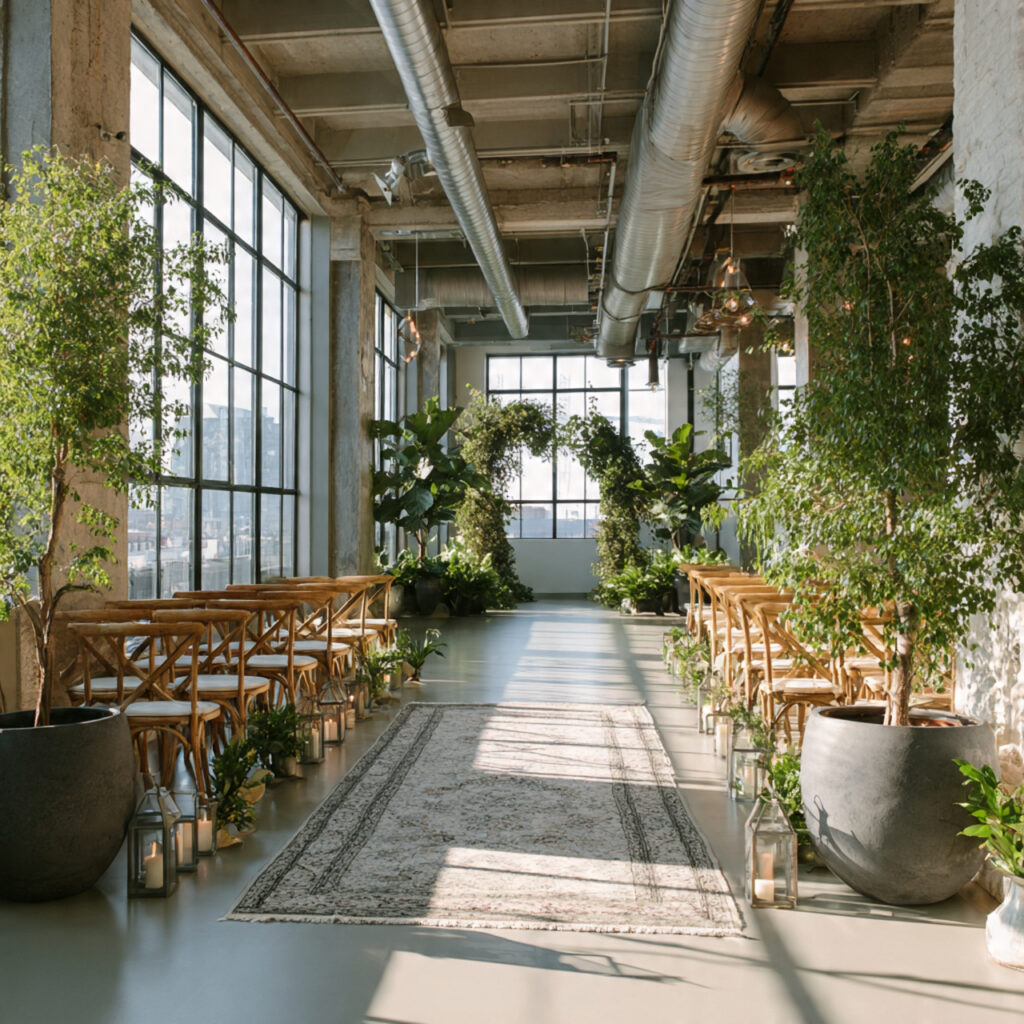
Indoor ceremonies can still feel open and natural. Use light fabrics, greenery, and neutral palettes. This approach works well in unpredictable climates. It also ensures sound and seating consistency. Indoor doesn’t have to mean formal. Flexibility is often underrated in wedding ceremony ideas.
Minimal Spoken Readings
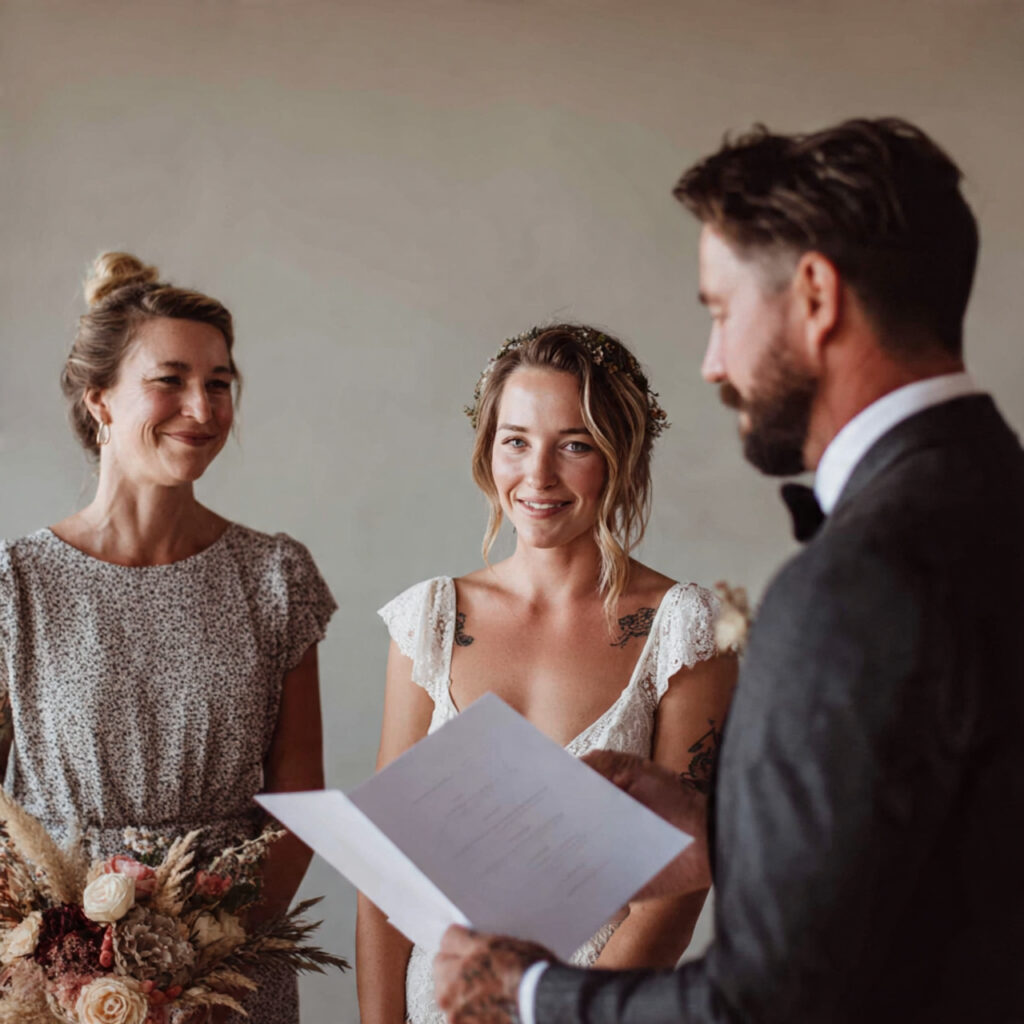
Readings should serve the couple, not tradition. Choose one that resonates and keep it brief. Avoid inside jokes or obscure references that alienate guests. One strong reading is enough. Clarity beats quantity.
Ceremony in the Round with Aisle
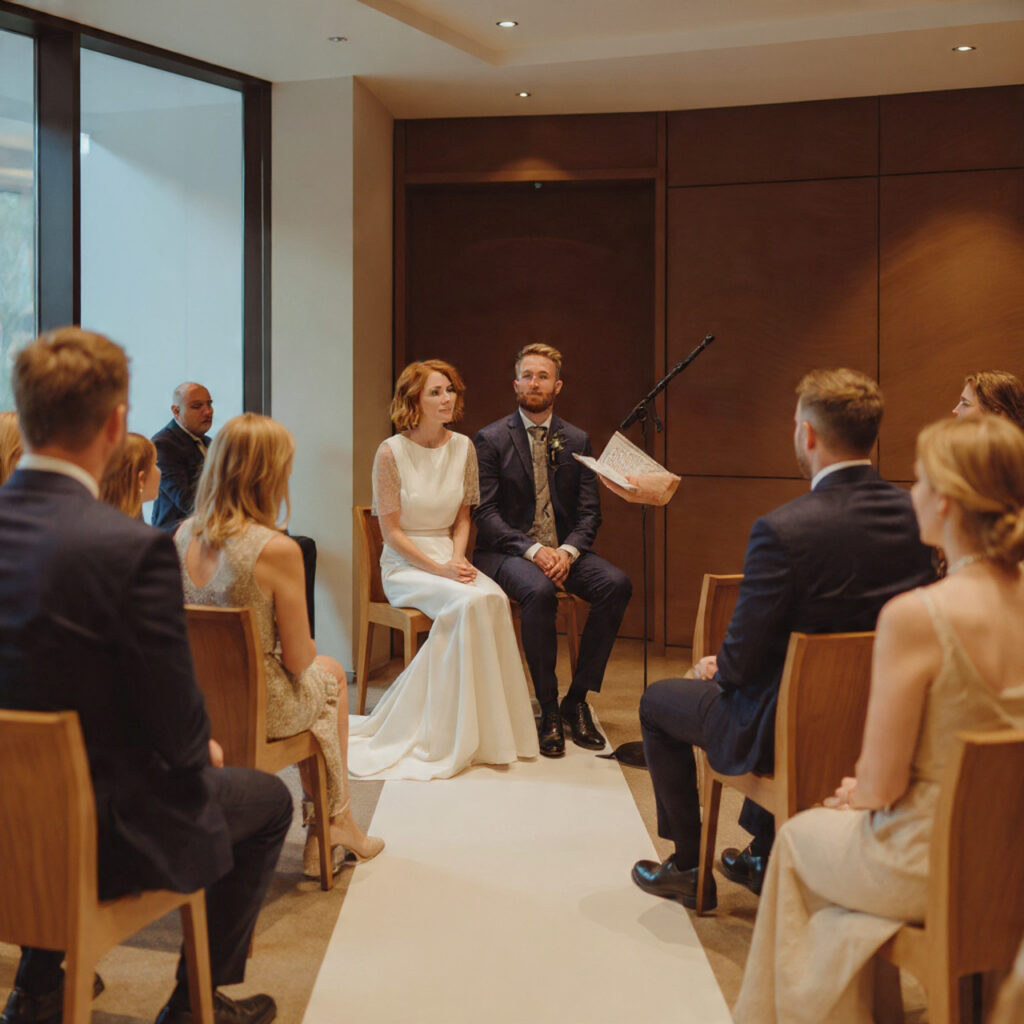
A hybrid setup allows a short aisle leading into circular seating. This keeps tradition without distance. It also improves visibility and movement flow. This layout adapts well to medium guest counts. Balance tradition and intimacy.
Neutral Color Palette
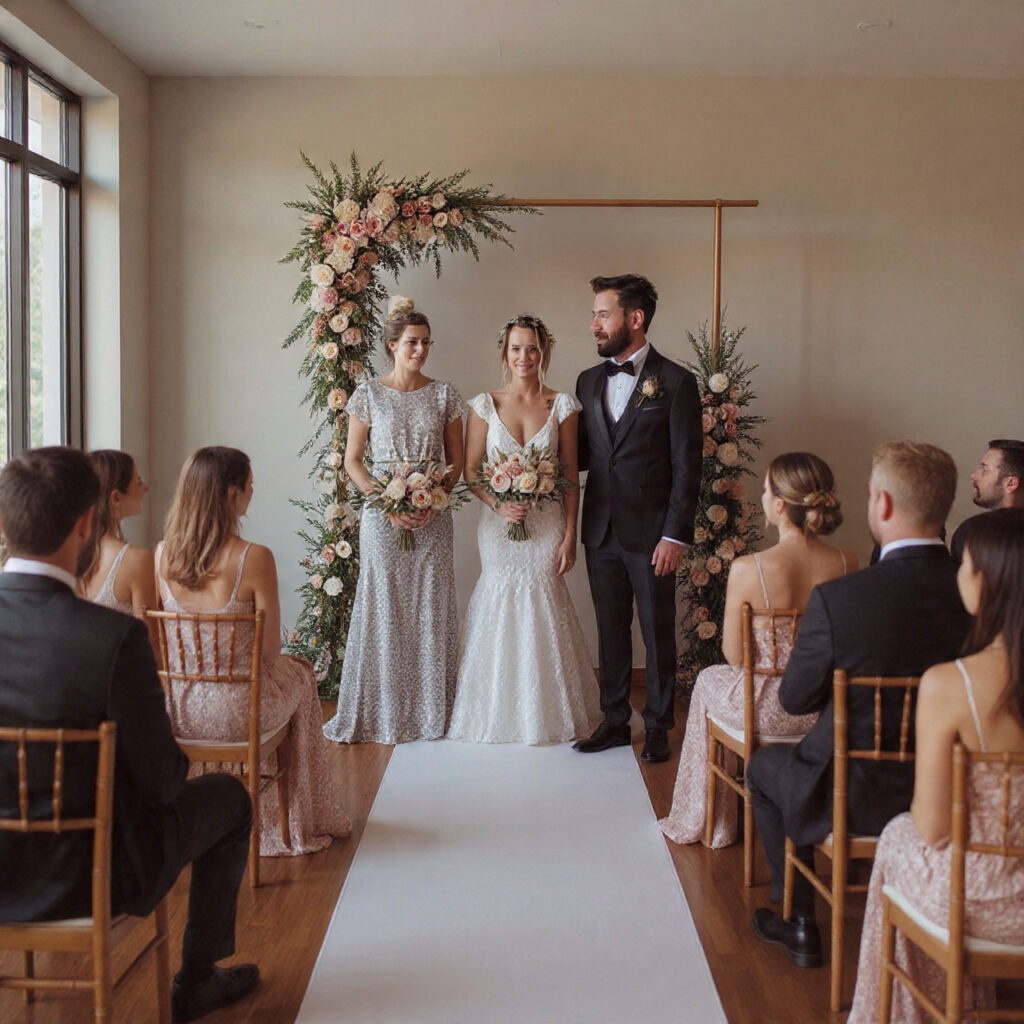
Neutral tones age well and adapt to different lighting. They also reduce visual distraction. This allows the couple to stand out naturally. Neutral doesn’t mean boring. It means controlled. Consistency matters more than trend.
Ceremony Program with Purpose
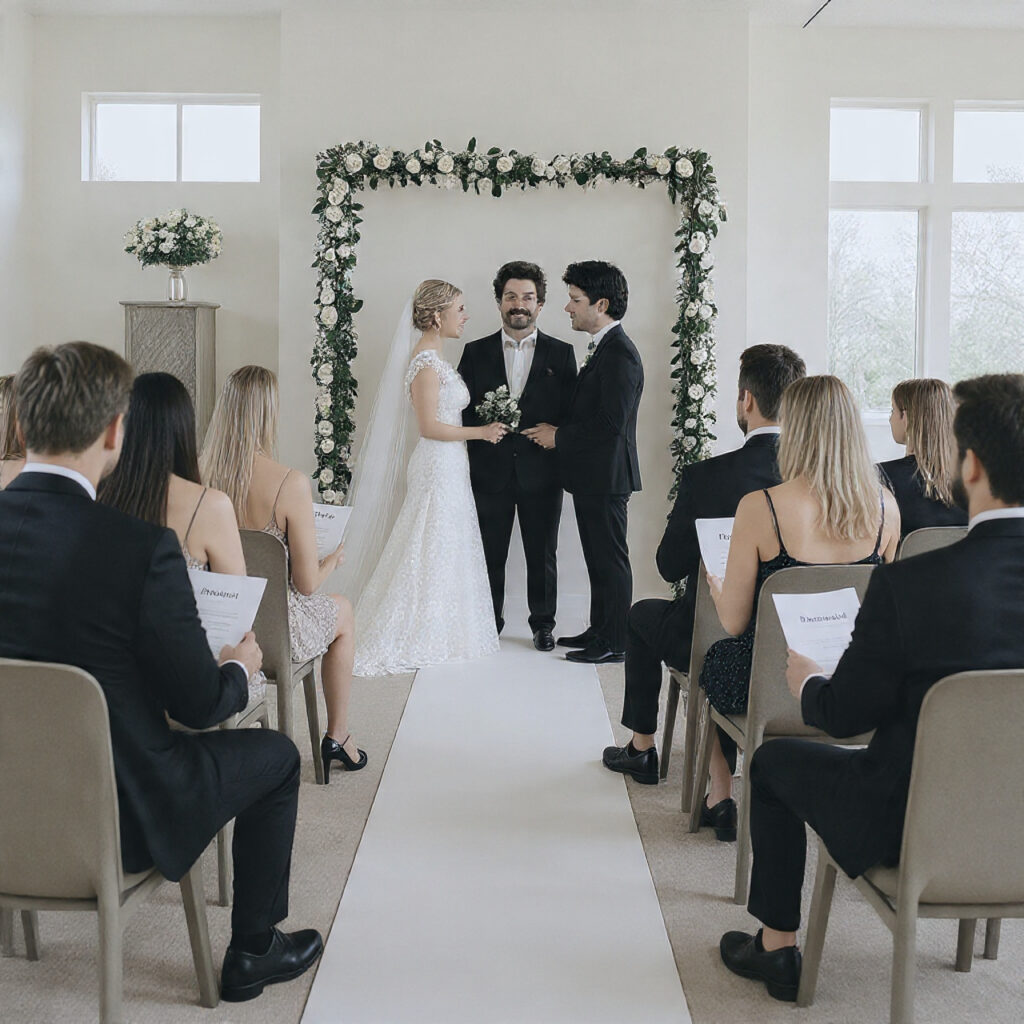
Programs should inform, not overwhelm. Include order, participants, and brief explanations. Avoid long biographies or cluttered layouts. Clear programs reduce confusion and help guests stay engaged. Less text. More clarity.
Audio Preparedness
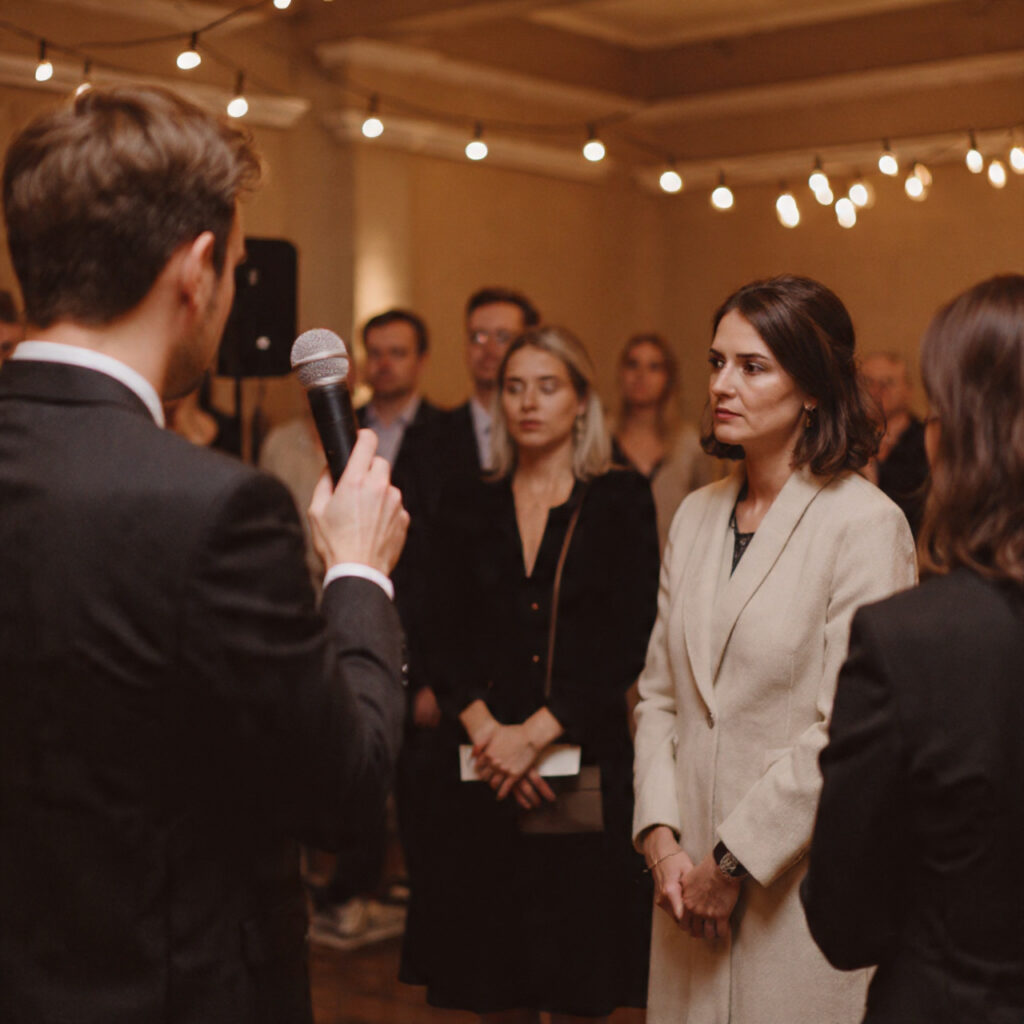
Sound issues ruin otherwise perfect ceremonies. Test microphones and speakers in advance. Outdoor settings require extra attention. Wind and distance affect sound. Have backups ready. Being heard matters.
Private Pre-Ceremony Moment
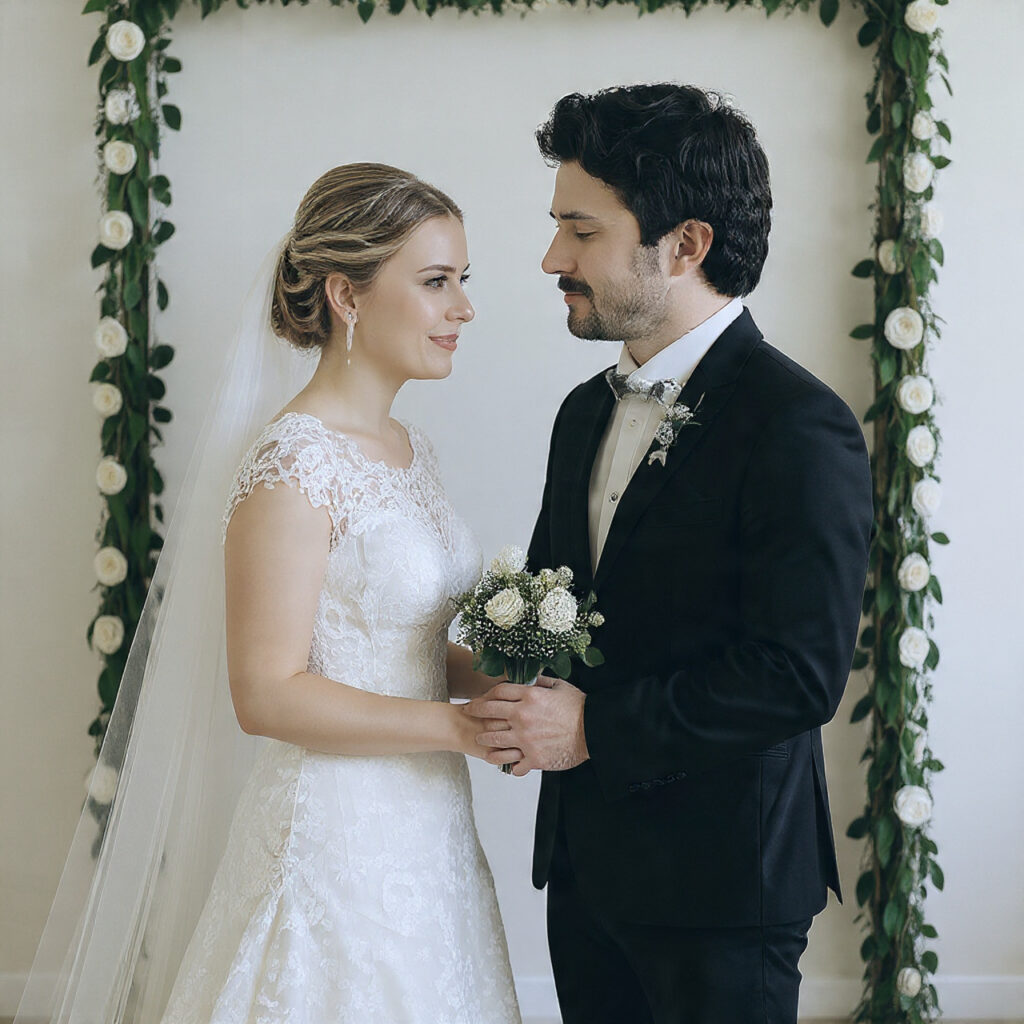
A brief private moment before the ceremony helps regulate emotions. This can be a first look or quiet pause. It reduces nerves and grounds the couple. This moment doesn’t replace the ceremony. It supports it. Emotional readiness matters.
Ceremony Aligned with Reception Flow

The ceremony should lead naturally into the reception. Timing, location, and exit direction matter. Avoid long gaps or confusing transitions. Guests should know where to go next without announcements. Flow improves experience.
Ceremony That Reflects Real Life

The strongest ceremonies reflect who the couple actually is. Not who they think they should be. Honesty outlasts trends. This is the foundation of meaningful wedding ceremony ideas.
Frequently Asked Questions
How long should a wedding ceremony realistically be?
Most guests stay engaged for fifteen to twenty minutes. Longer ceremonies require strong pacing and comfort planning to avoid fatigue.
Are outdoor ceremonies always better than indoor ones?
No. Outdoor ceremonies offer atmosphere but introduce weather risks. Indoor ceremonies offer control. Choose based on priorities, not trends.
Do we need a rehearsal?
A full rehearsal helps but is not mandatory. A clear outline shared with participants is often enough to ensure smooth flow.
Can we skip traditional elements without offending guests?
Yes. Clear communication and intentional choices reduce confusion. Most guests appreciate authenticity over rigid tradition.
What matters more than décor in a ceremony?
Clarity, comfort, sound, and emotional intention matter far more than visual details.
Conclusion
A wedding ceremony does not need excess to be meaningful. It needs clarity, intention, and respect for real conditions. The best ceremonies work because they are honest and well considered, not because they follow trends. When evaluating wedding ceremony ideas, ask one question: does this serve the moment or distract from it? If it serves the moment, it belongs. If it doesn’t, let it go. Simplicity holds weight. Meaning comes from presence. That is what guests remember long after the day ends.