Stunning 25 Wedding Dress Styles for Every Bride
A wedding dress styles is more than fabric and thread. It carries memory, promise, and presence. Choosing a gown is rarely about trends alone—it is about finding a design that reflects personality, culture, and the emotional significance of the day.
For many brides, the dress becomes one of the most meaningful pieces of clothing they will ever wear. It appears in photographs, memories, and family stories for decades. Because of this, the right gown must balance comfort, style, cultural symbolism, and venue suitability.
Across cultures and generations, certain silhouettes continue to define bridal fashion. Some evoke classic elegance, others celebrate modern minimalism, and many blend heritage with contemporary creativity.
Below are 25 wedding dress styles that continue shaping ceremonies around the world, each explained with fabric ideas, styling inspiration, seasonal considerations, and venue suggestions to help brides make thoughtful choices.
Ball Gown Wedding Dress Style
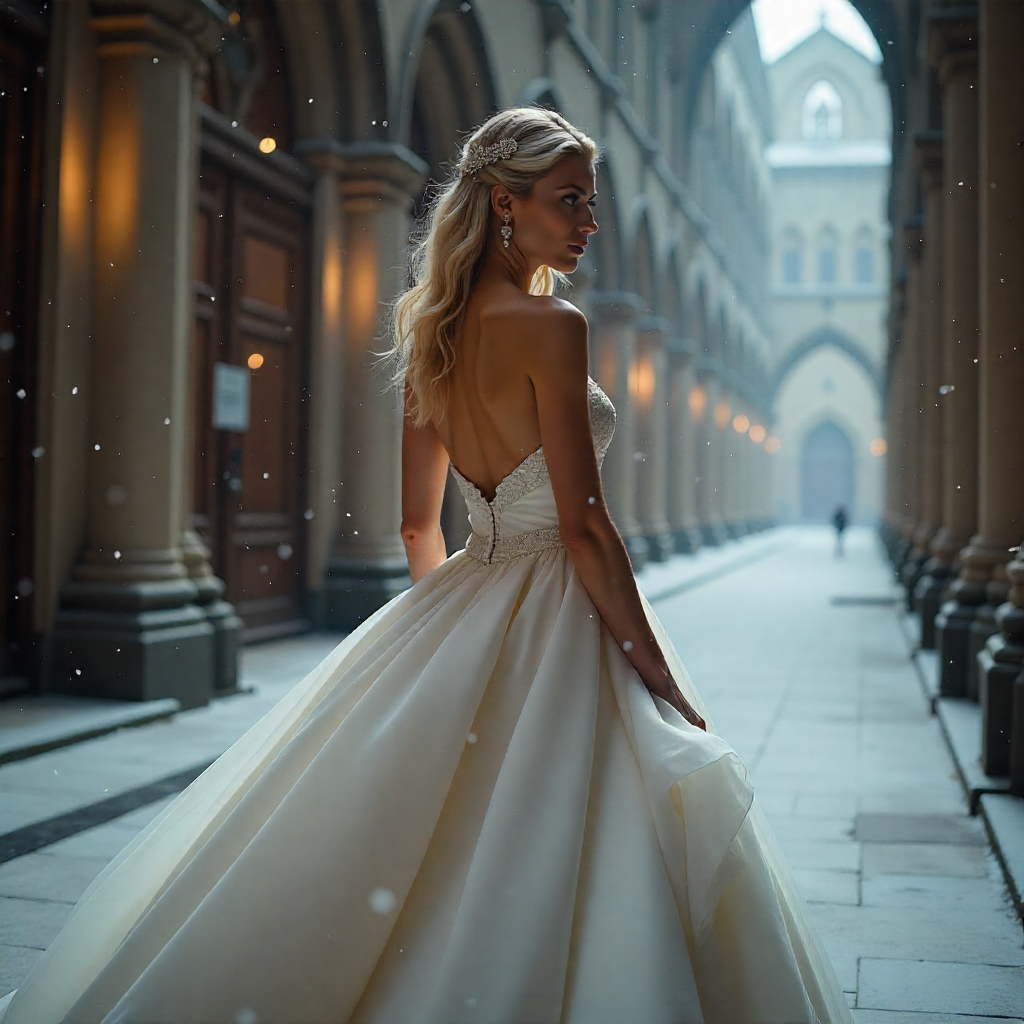
This wedding dress styles is perfect for brides who want a grand entrance. The structured bodice highlights the waist, while the wide skirt creates movement and elegance as the bride walks down the aisle.
Common fabrics include satin, mikado, tulle, and organza, often enhanced with lace overlays, embroidery, or intricate beadwork. Ball gowns pair beautifully with cathedral veils, tiaras, and chandelier earrings, amplifying the fairytale aesthetic.
This wedding dress styles works best in cathedrals, large banquet halls, or traditional venues where dramatic silhouettes feel at home. Because the fabrics tend to be heavier, ball gowns are especially comfortable for autumn or winter weddings.
For more related visit : Black Bridesmaid Dresses
A-Line Wedding Dress Style
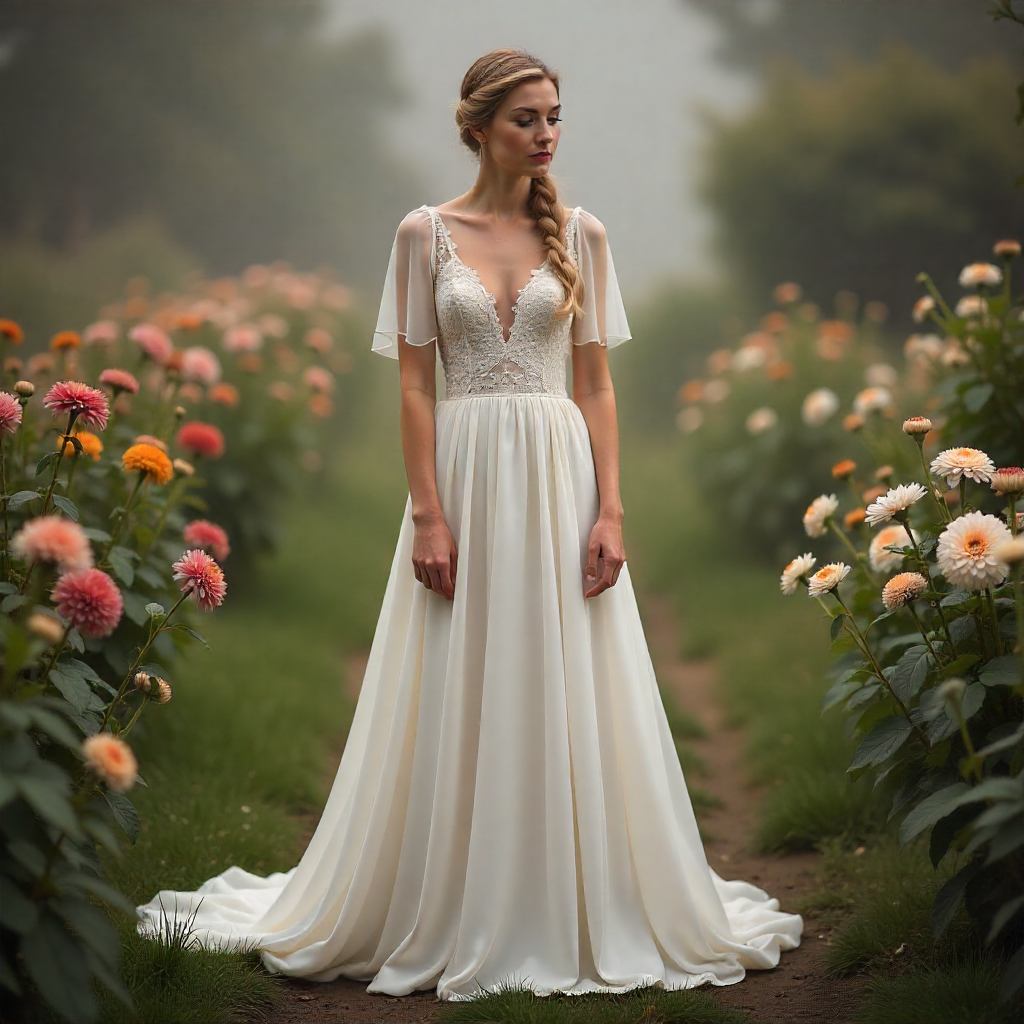
The A-line silhouette is often considered the most universally flattering wedding dress styles.
Narrow at the shoulders and gently widening toward the hem, it creates a balanced shape that complements many body types—particularly pear-shaped and hourglass figures.
Fabrics such as chiffon, satin, lace, or organza can change the overall feel of the dress. Flowing chiffon creates a romantic softness, while satin or mikado adds structure and formality.
This versatility allows A-line dresses to work in garden weddings, seaside ceremonies, chapels, and ballrooms alike. Brides can personalize the design with floral embroidery, lace sleeves, or delicate beadwork. Its adaptability makes the A-line a timeless option for brides seeking both elegance and comfort.
Mermaid Wedding Dress Style
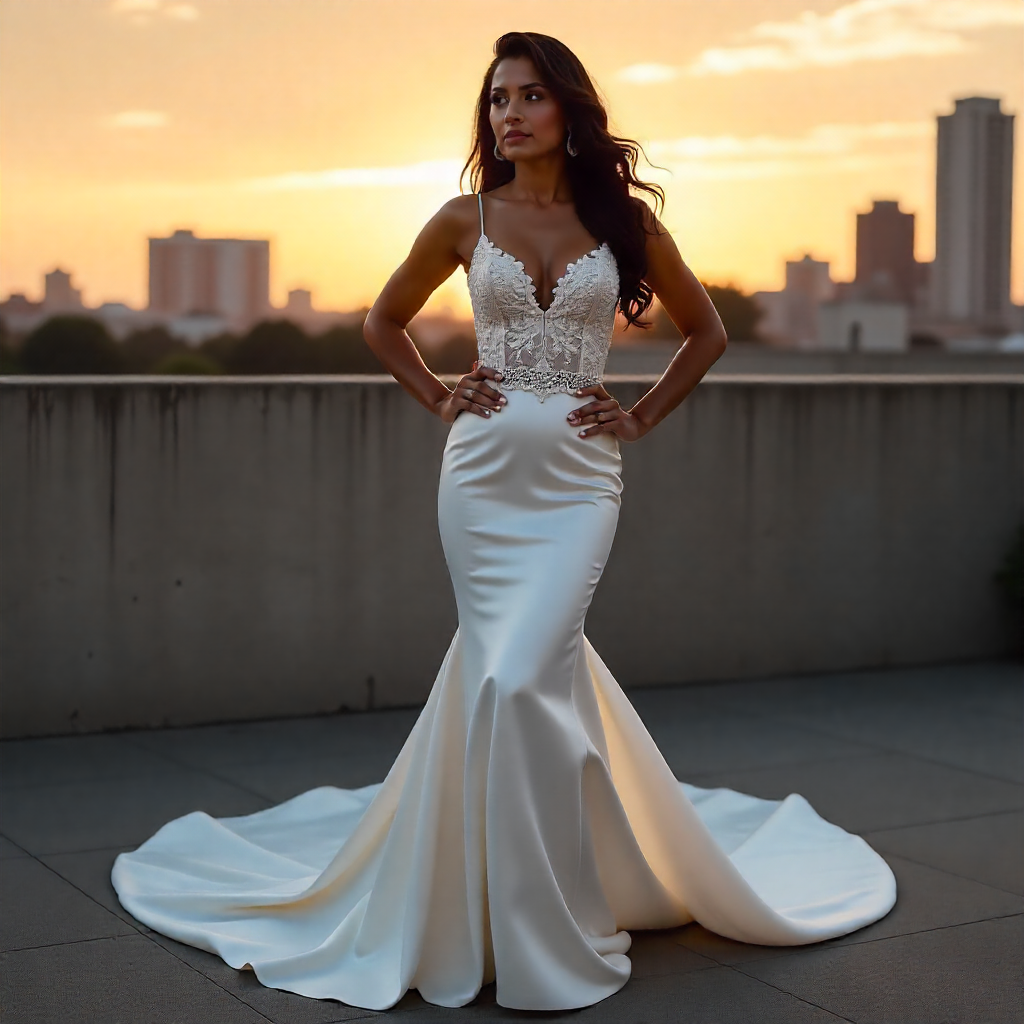
The mermaid silhouette is bold, dramatic, and undeniably glamorous.
This wedding dress styles hugs the body from bodice to knee before flaring outward into a dramatic skirt. The shape emphasizes curves and creates a striking hourglass profile.
Popular fabrics include stretch lace, satin, crepe, and silk blends that allow movement while maintaining structure.
Mermaid gowns shine in formal venues, evening receptions, and luxury ballrooms where dramatic silhouettes match the setting.
Styling often includes plunging necklines, statement trains, and high heels, which enhance posture and emphasize the gown’s sculpted shape.
Sheath Wedding Dress Style
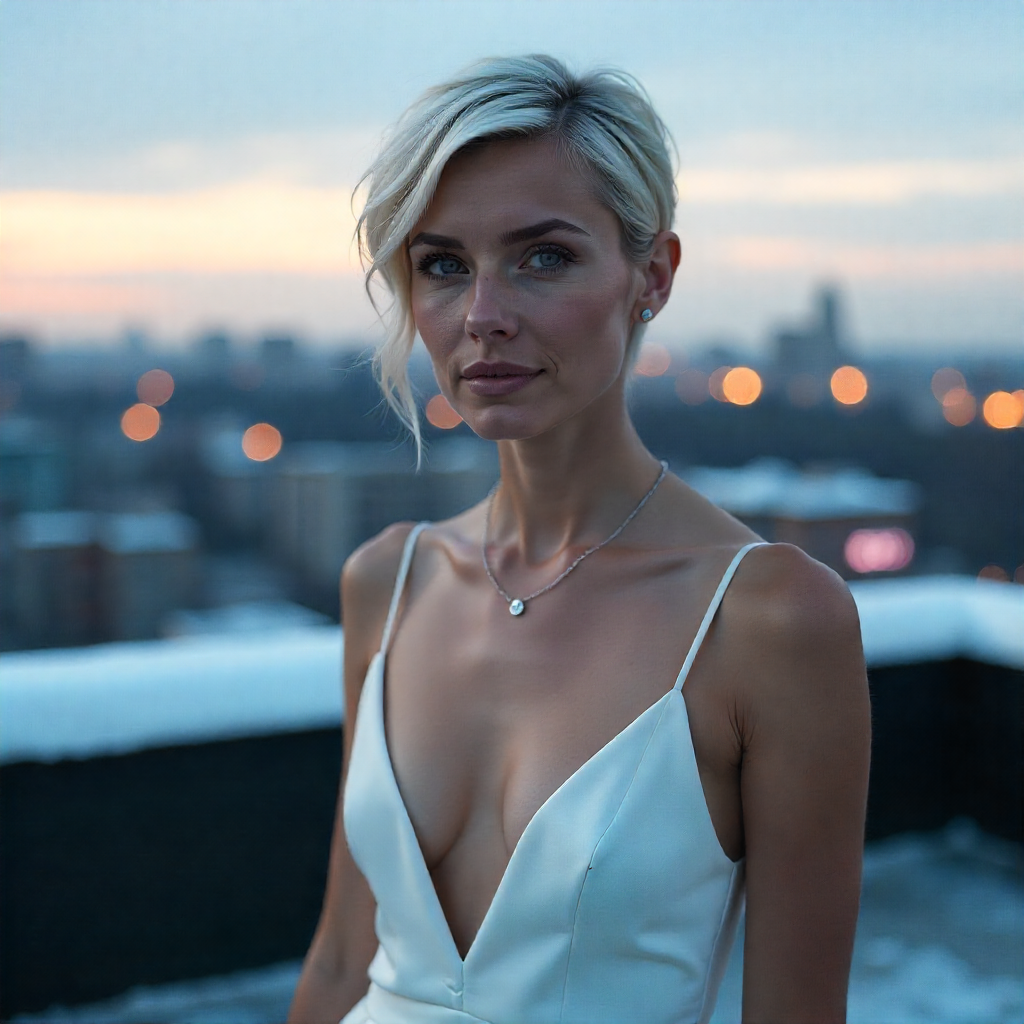
A sheath dress follows the body’s natural line without heavy structure or volume. The result is a minimalist silhouette that feels modern, elegant, and effortless.
This wedding dress styles is typically crafted from silk charmeuse, chiffon, crepe, or lightweight satin, allowing the fabric itself to become the main visual feature.
Sheath gowns are popular for destination weddings, beach ceremonies, and intimate celebrations where simplicity feels more appropriate than grand drama.
Accessories remain subtle—delicate jewelry, flowing veils, or soft hairstyles. The beauty of the sheath lies in its restraint.
Empire Waist Wedding Dress Style
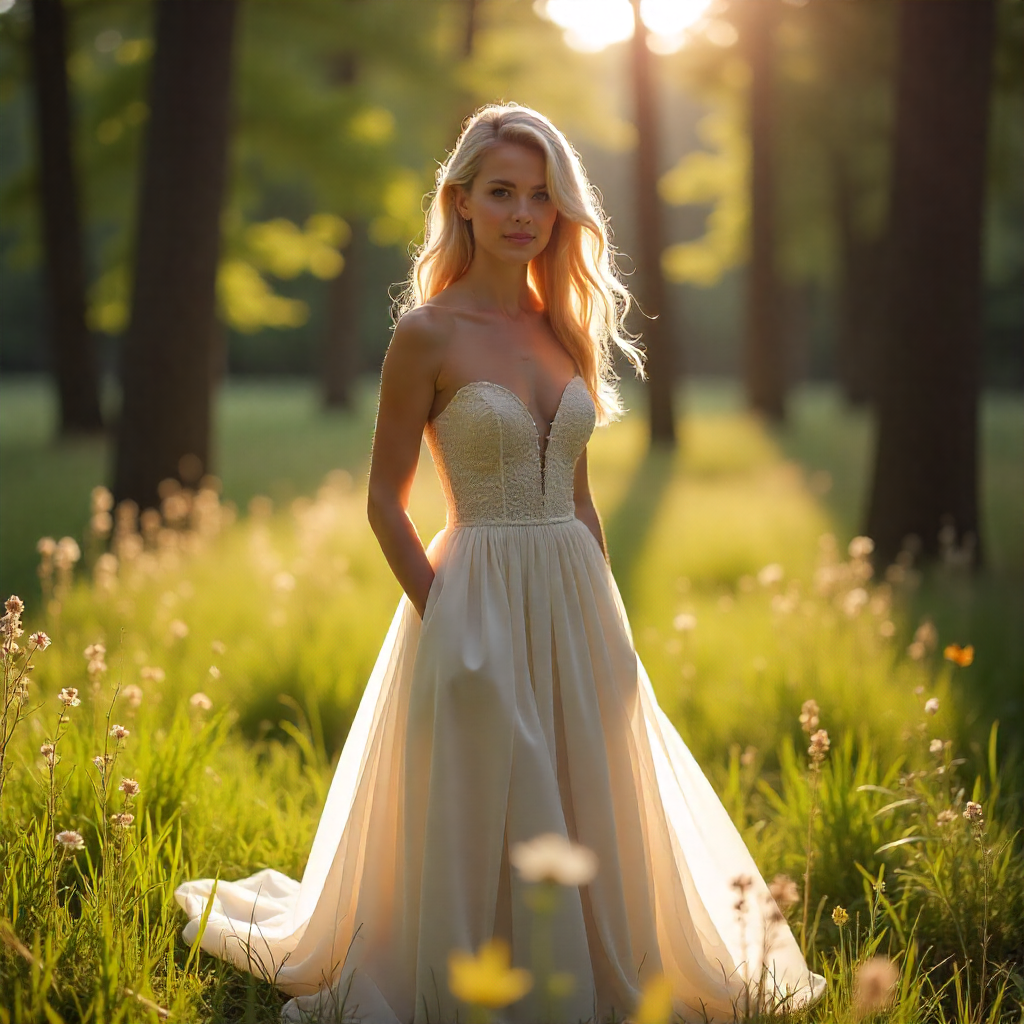
An empire waist gown begins just below the bust and flows softly to the hem. This design creates a long, graceful silhouette that emphasizes comfort and movement.
Light fabrics like chiffon, georgette, and soft tulle help maintain the dress’s airy and romantic feel.
Historically inspired by Regency-era fashion, this wedding dress style works beautifully in garden venues, historical estates, or romantic outdoor ceremonies.
Empire waist gowns are also popular among brides seeking extra comfort or flexibility, making them a thoughtful option for expectant brides or warm-weather weddings.
Floral crowns, delicate tiaras, and loose curls enhance the ethereal aesthetic.
Tea-Length Wedding Dress Styles
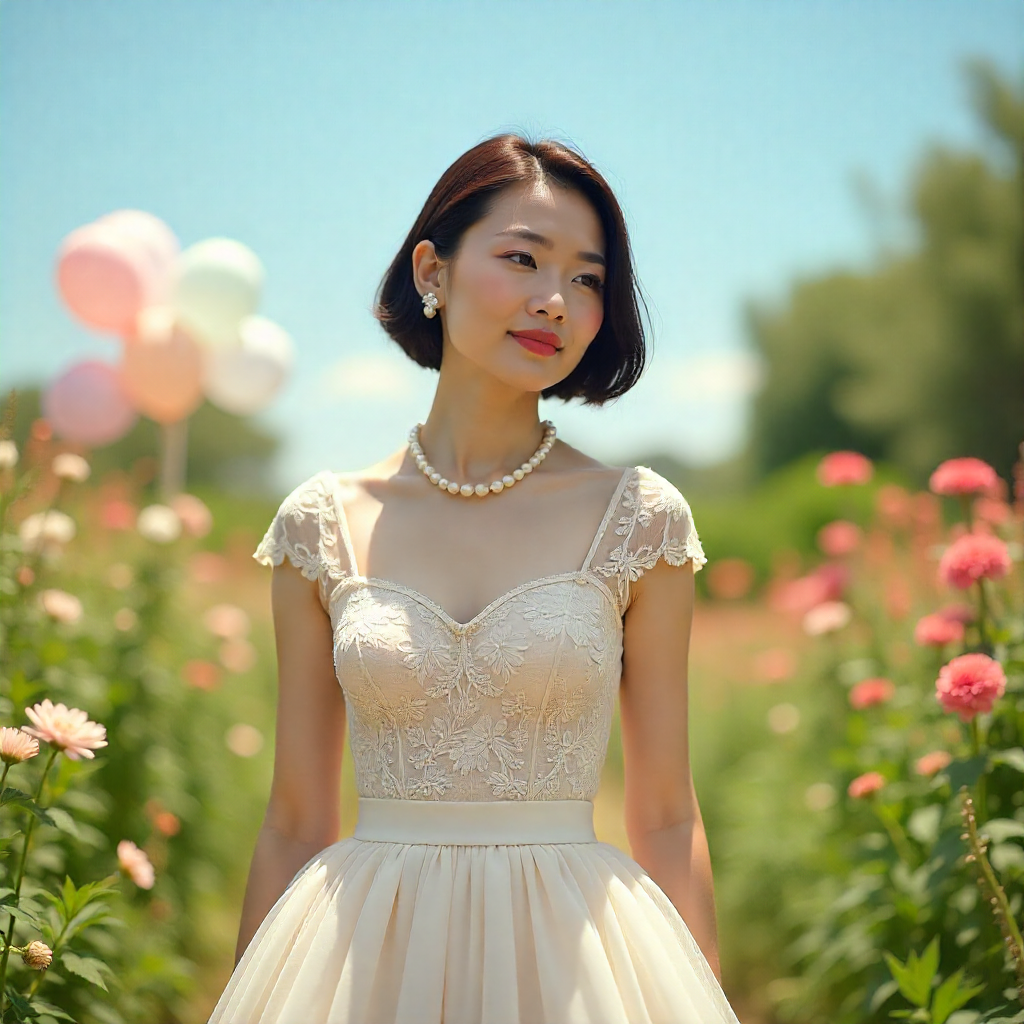
Tea-length wedding dresses fall between the knee and ankle, creating a playful and vintage-inspired silhouette.
This wedding dress styles gained popularity during the 1950s, reflecting retro charm and joyful movement.
Fabrics such as tulle, lace, and organza add volume and lightness, while structured satin creates a more polished appearance.
Tea-length gowns are ideal for outdoor weddings, civil ceremonies, retro-themed receptions, and summer celebrations.
Because the hemline reveals the bride’s shoes, many brides choose statement heels or colorful footwear to complete the look.
Slip Wedding Dress Styles
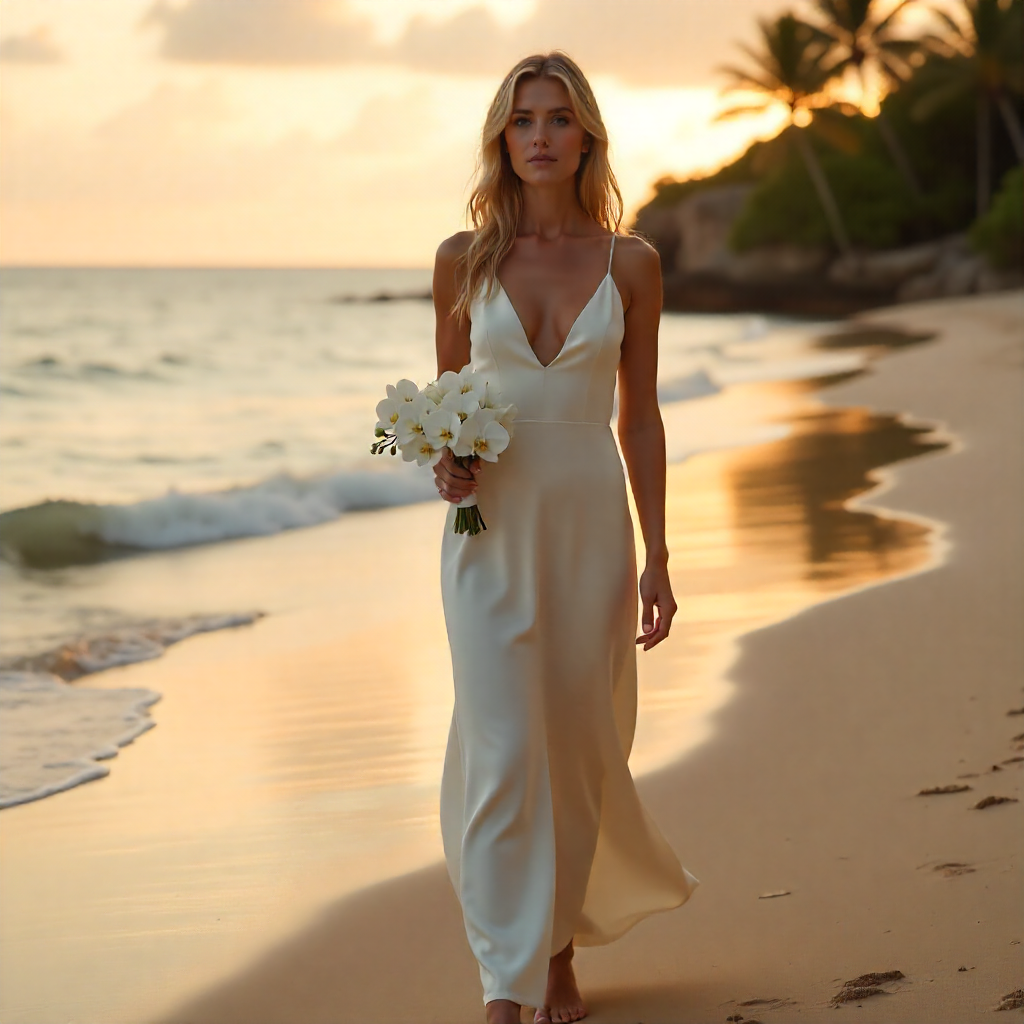
The slip wedding dress is defined by simplicity. Inspired by 1990s minimalism, it often features a bias-cut silhouette, thin straps, and smooth silk or satin fabric.
This wedding dress styles emphasizes natural movement and understated elegance.
Slip gowns are particularly popular for beach ceremonies, rooftop weddings, and modern destination celebrations.
Styling can vary dramatically. Brides may choose sleek buns and bold lipstick for a modern look or loose waves and barefoot styling for a bohemian atmosphere.
Off-the-Shoulder Wedding Dress Styles
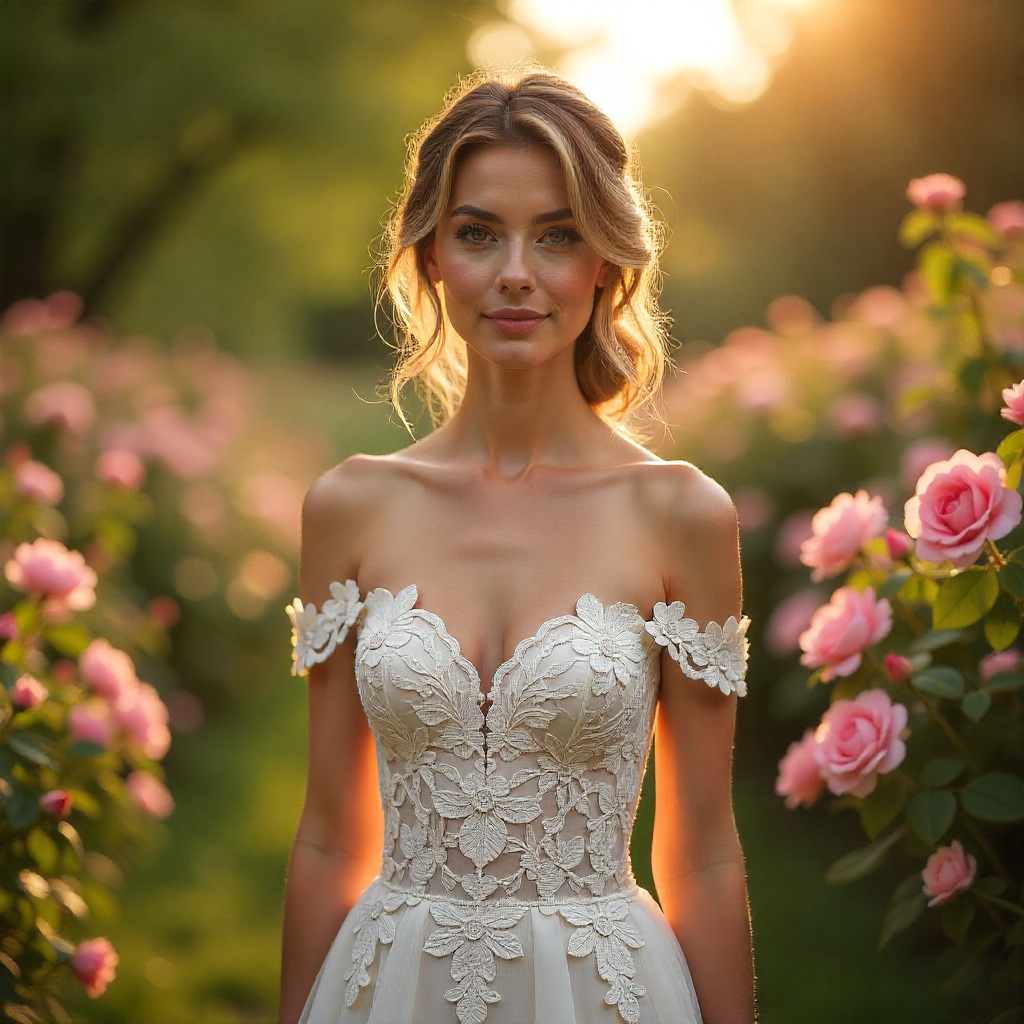
The off-shoulder design frames collarbones and neck. Romantic and poised. Works in all silhouettes, from ball gowns to fitted sheaths. Fabrics vary—lace sleeves for tradition, satin for modern minimalism.
This wedding dress styles flourishes in spring and summer weddings. Pair with statement necklaces or chandelier earrings. It balances elegance and sensuality without excess.
Halter Neck Wedding Dress Style
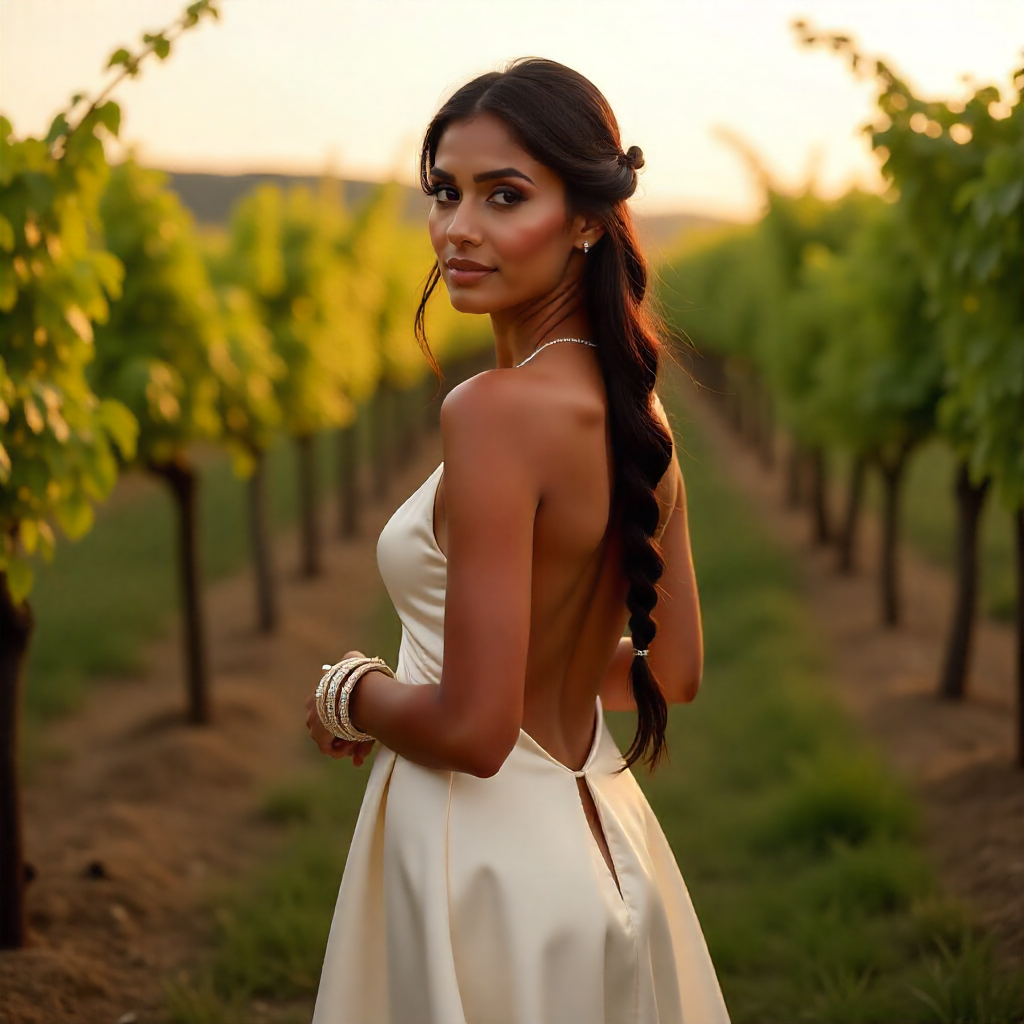
The halter neckline wraps around the neck, leaving shoulders exposed while creating a sleek upper silhouette.
This wedding dress styles conveys confidence, modernity, and athletic elegance.
Common fabrics include satin, crepe, chiffon, and silk blends.
Halter gowns work beautifully for outdoor ceremonies, beach weddings, and contemporary venues, especially when paired with an open back design. Minimal jewelry keeps the look balanced.
High-Neck Wedding Dress Style
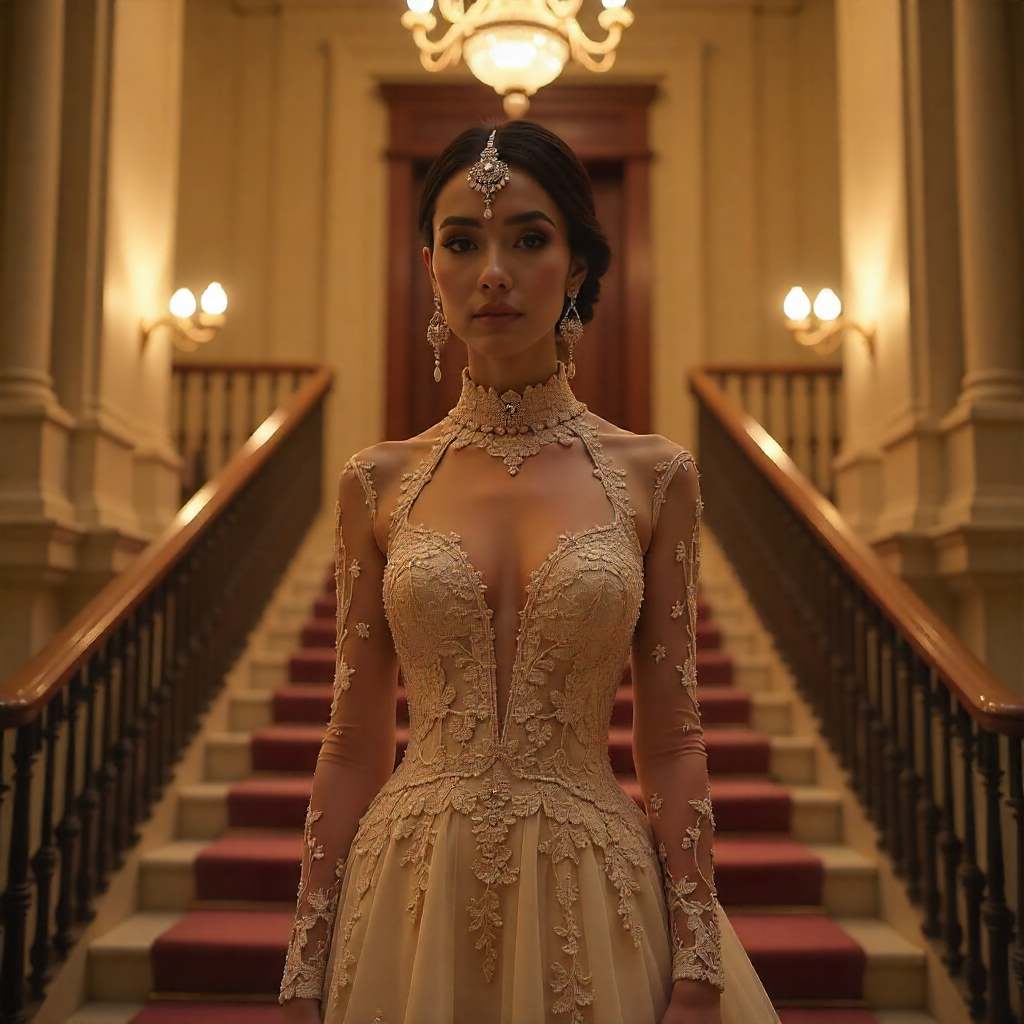
The high neckline is regal. Often crafted from lace or illusion mesh, paired with satin or tulle skirts. This wedding dress styles suits winter weddings or heritage venues.
Inspired by Victorian gowns, it carries history yet feels modern with sleek silhouettes. Hair in an updo enhances the neckline.
Styling tip: keep accessories minimal to highlight the detail.
Strapless Wedding Dress Styles
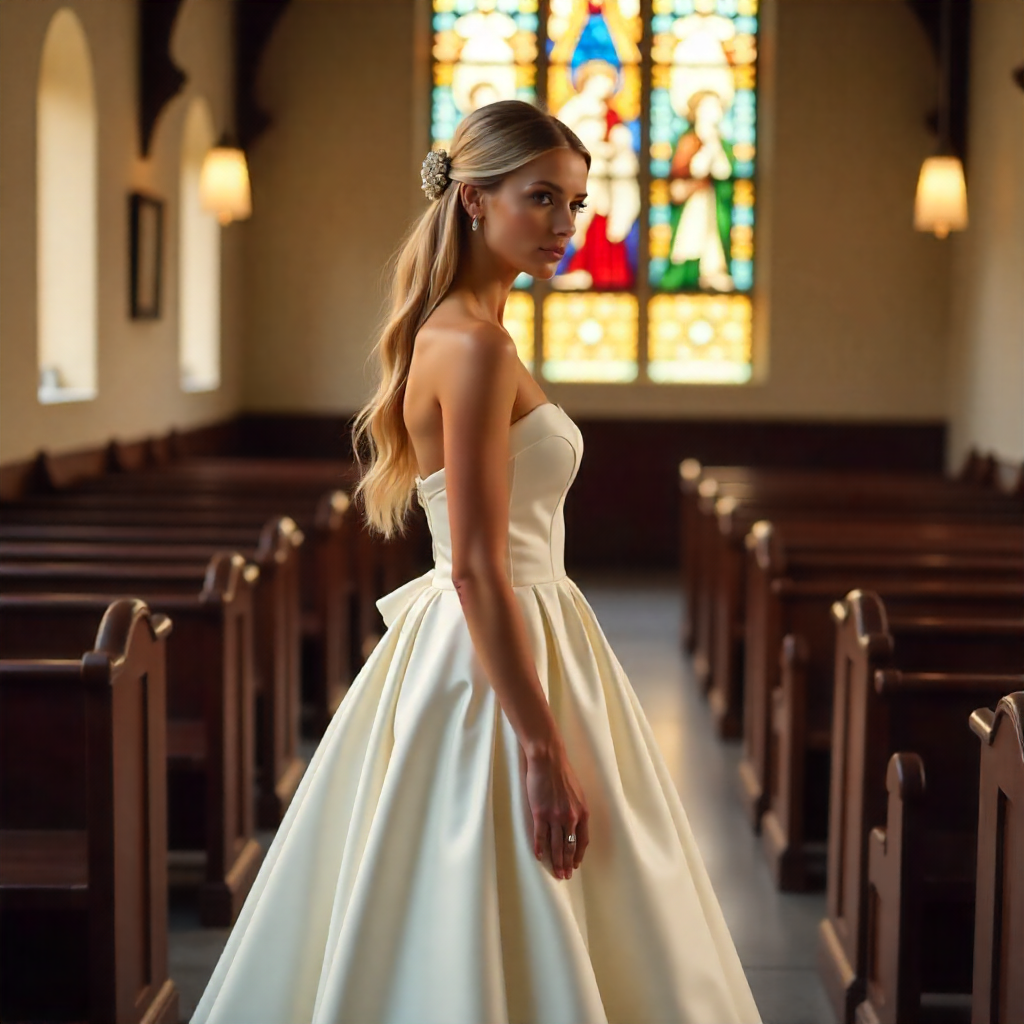
The strapless design endures. Clean across the chest, it emphasizes shoulders and arms. It adapts to all silhouettes—ball gown, mermaid, A-line. Fabrics like satin or mikado give structure, while lace overlays soften the form. Strapless gowns work in nearly all venues. Secure tailoring is essential for comfort. Pair with veils or bold necklaces to balance bare shoulders.
Accessories like statement necklaces or dramatic veils can enhance the open neckline.
Long-Sleeve Wedding Dress Style
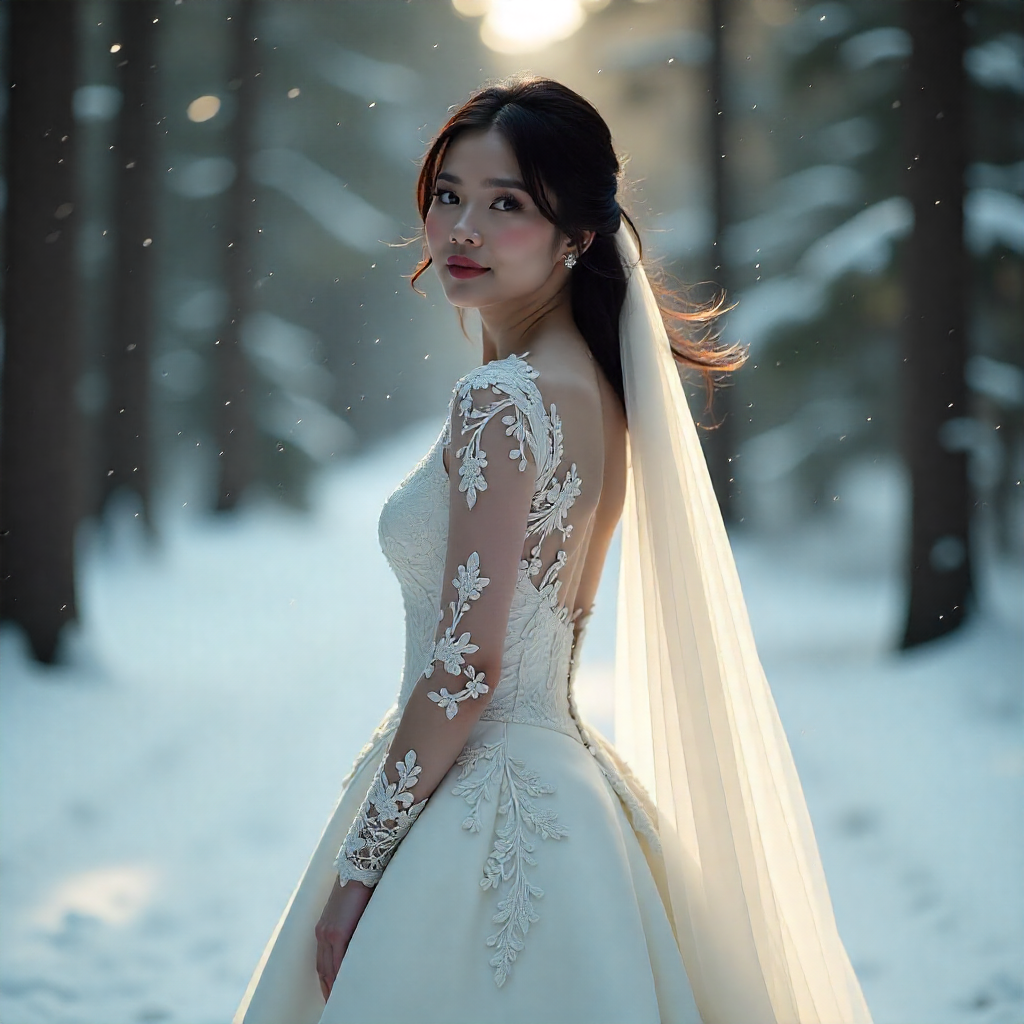
Long sleeves carry power. Crafted in lace, illusion fabric, or silk, they elongate arms and add refinement. This wedding dress styles is perfect for autumn and winter weddings. Iconic brides like Grace Kelly and Kate Middleton proved its timeless impact. Styling works best with tiaras or cathedral veils. Sheer sleeves with floral appliqués or embroidered lace create modern interpretations of this classic look.
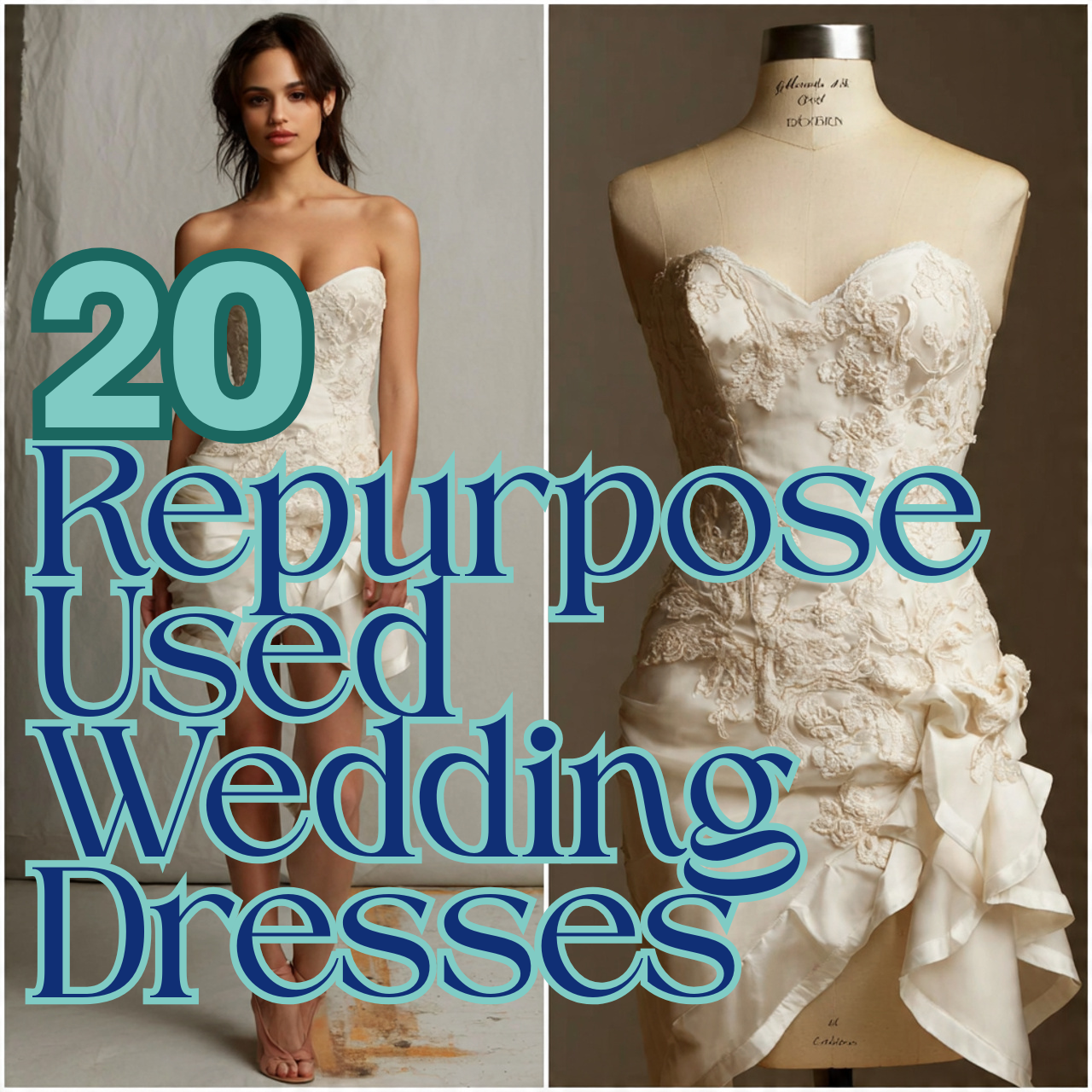
Short Wedding Dress Style
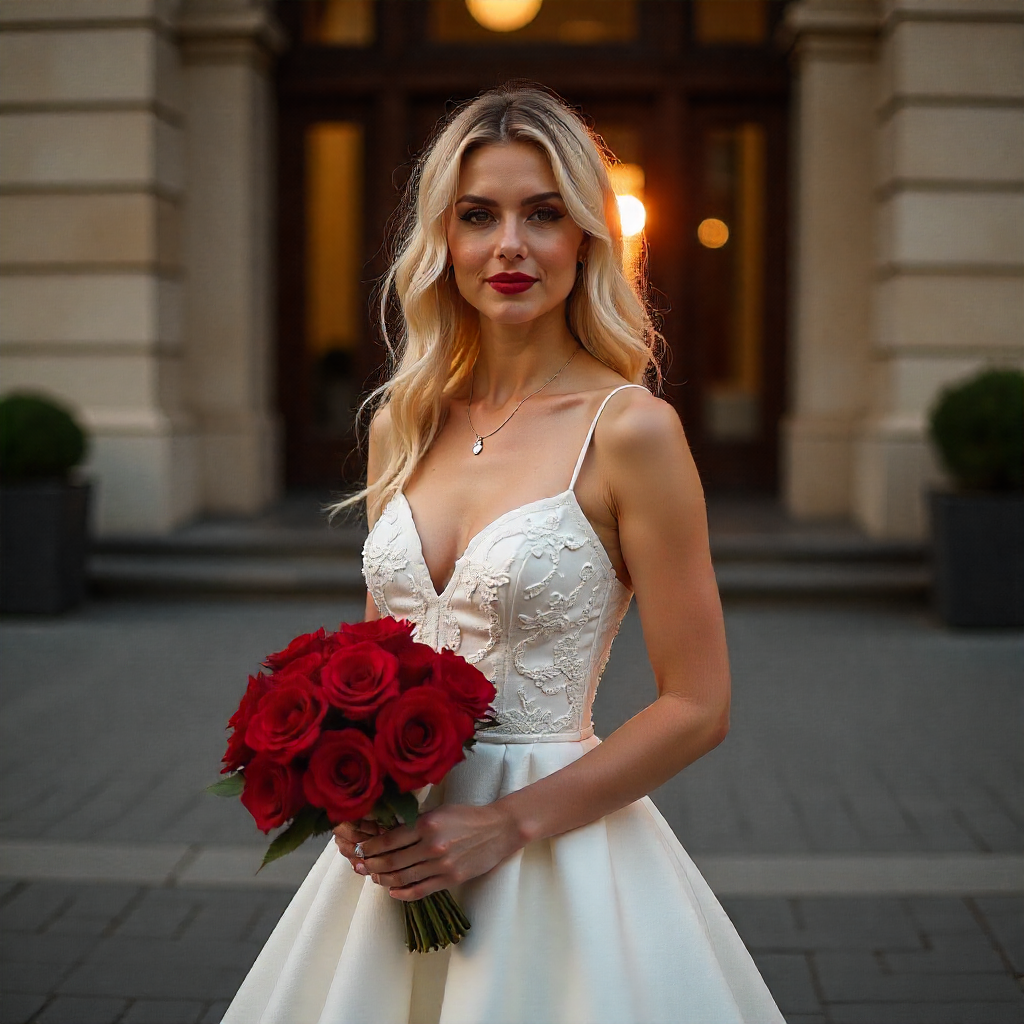
The short dress is fearless. Hem above knee or mid-thigh. Crafted in satin, lace, or tulle, this wedding dress styles works for elopements, city hall weddings, or casual outdoor settings. Brides often pair short dresses with bold shoes or colorful accessories. Perfect for summer weddings where freedom outweighs tradition.
They also allow brides to showcase colorful heels or statement footwear.
Corset Wedding Dress Style
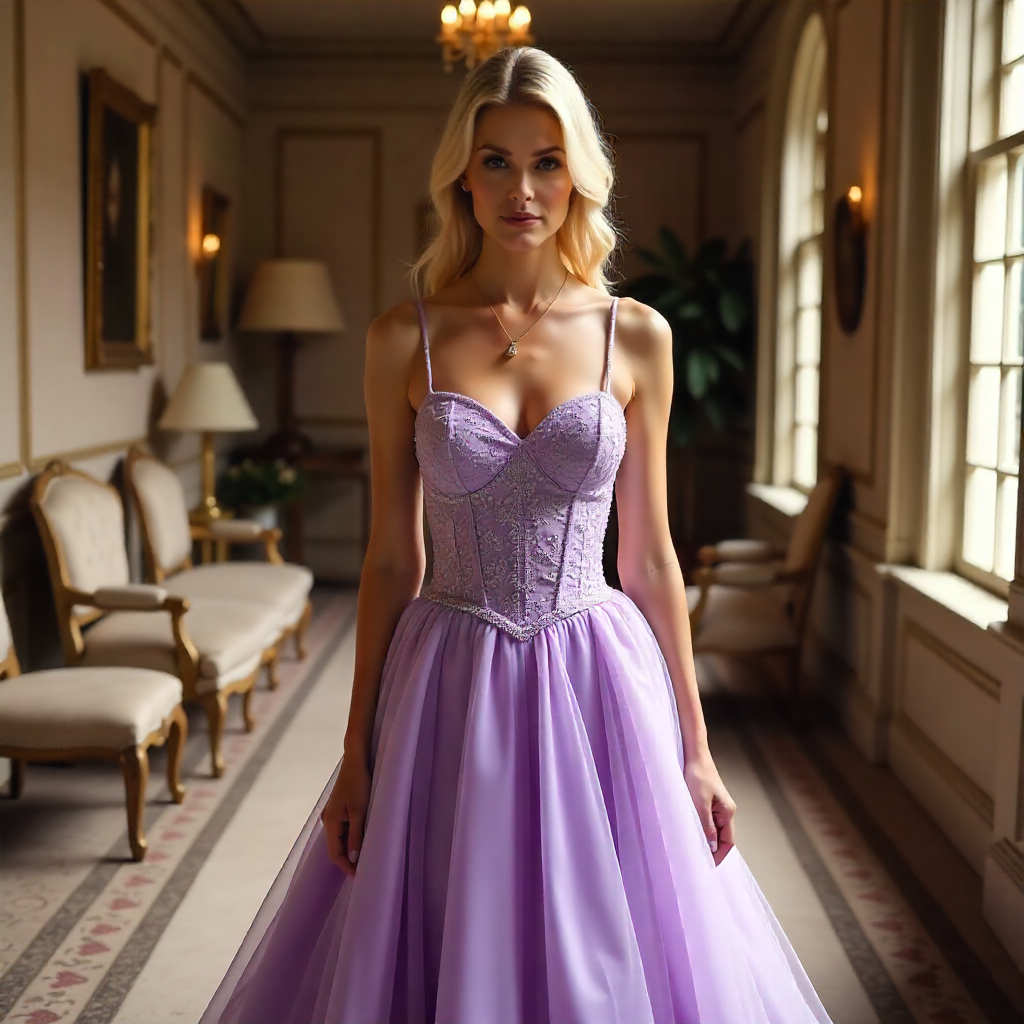
A corset bodice sculpts. Lacing, boning, structure—each element adds drama. Fabrics like satin or brocade heighten its presence. This wedding dress styles merges historic craft with modern femininity. Corsets can be paired with flowing skirts or mermaid silhouettes.
Styling tip: emphasize waistlines with belts or jewel detailing. Works for brides who love bold structure.
Brides who enjoy dramatic silhouettes and defined waistlines often gravitate toward corset designs.
Minimalist Wedding Dress Style
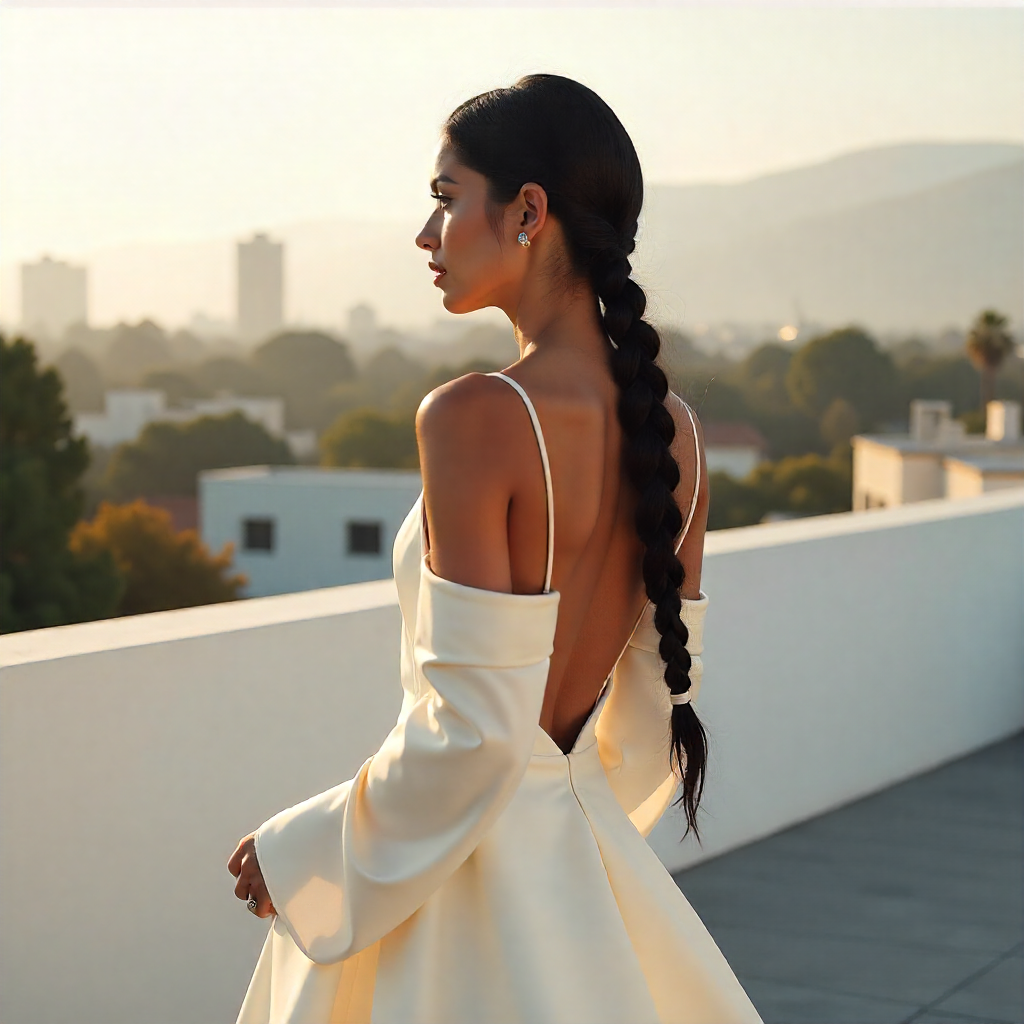
Minimalism is sharp lines, pure fabric, no excess. Silk crepe and satin dominate. This wedding dress style highlights silhouette rather than ornament. Perfect for contemporary spaces, museums, or urban rooftops. Styling is refined—slick hairstyles, simple earrings, or bare necks. Minimalist dresses photograph beautifully in monochrome.
Accessories remain subtle—simple earrings, sleek hairstyles, or natural makeup.
Bohemian Wedding Dress Style
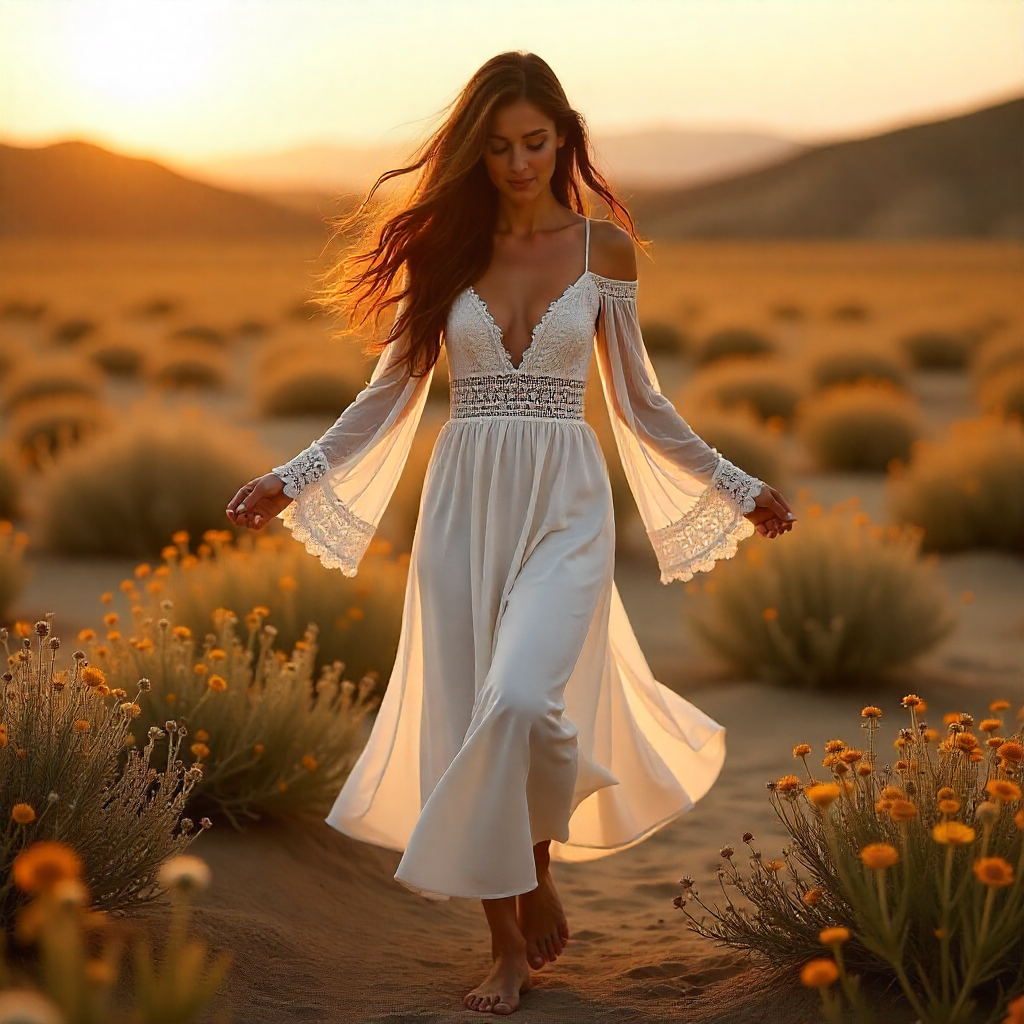
Bohemian design flows free. Crochet lace, bell sleeves, macramé details, and soft fabrics define this wedding dress style. It belongs in meadows, beaches, and forests. Comfort is key. Pair with flower crowns, barefoot sandals, or braided hairstyles.
It reflects spirit more than formality. Works best in spring and summer when nature itself becomes the backdrop.
This wedding dress style prioritizes comfort and individuality over strict formality.
Vintage Wedding Dress Style
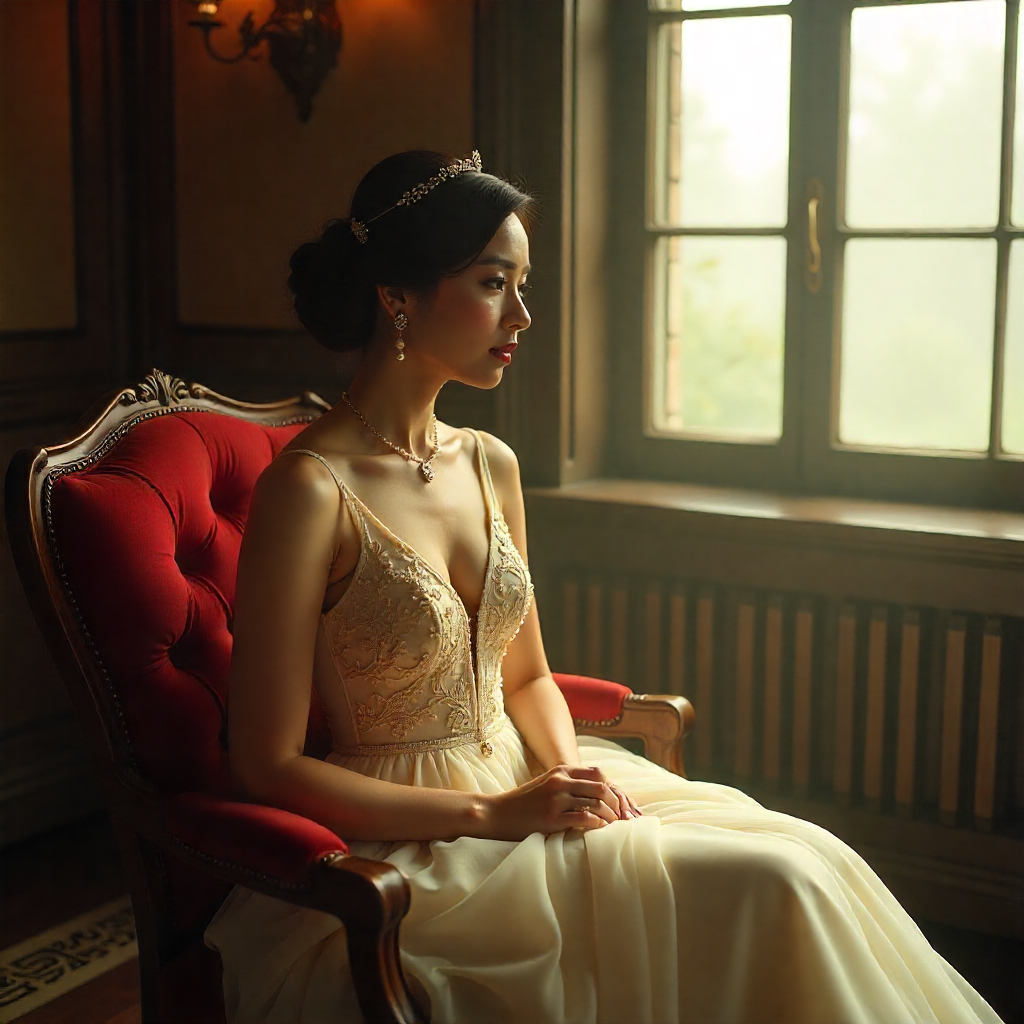
Vintage recalls another era. 1920s flapper beading, 1950s tea-length, 1970s bell sleeves. This wedding dress style connects past to present. Many brides use heirloom gowns altered for modern fit. Fabrics like velvet, lace, or organza highlight authenticity.
Styling should match era—pearls for 1920s, gloves for 1950s. Vintage brings heritage into the moment.
Vintage styles create a strong emotional connection between past and present.
Gothic Wedding Dress Style
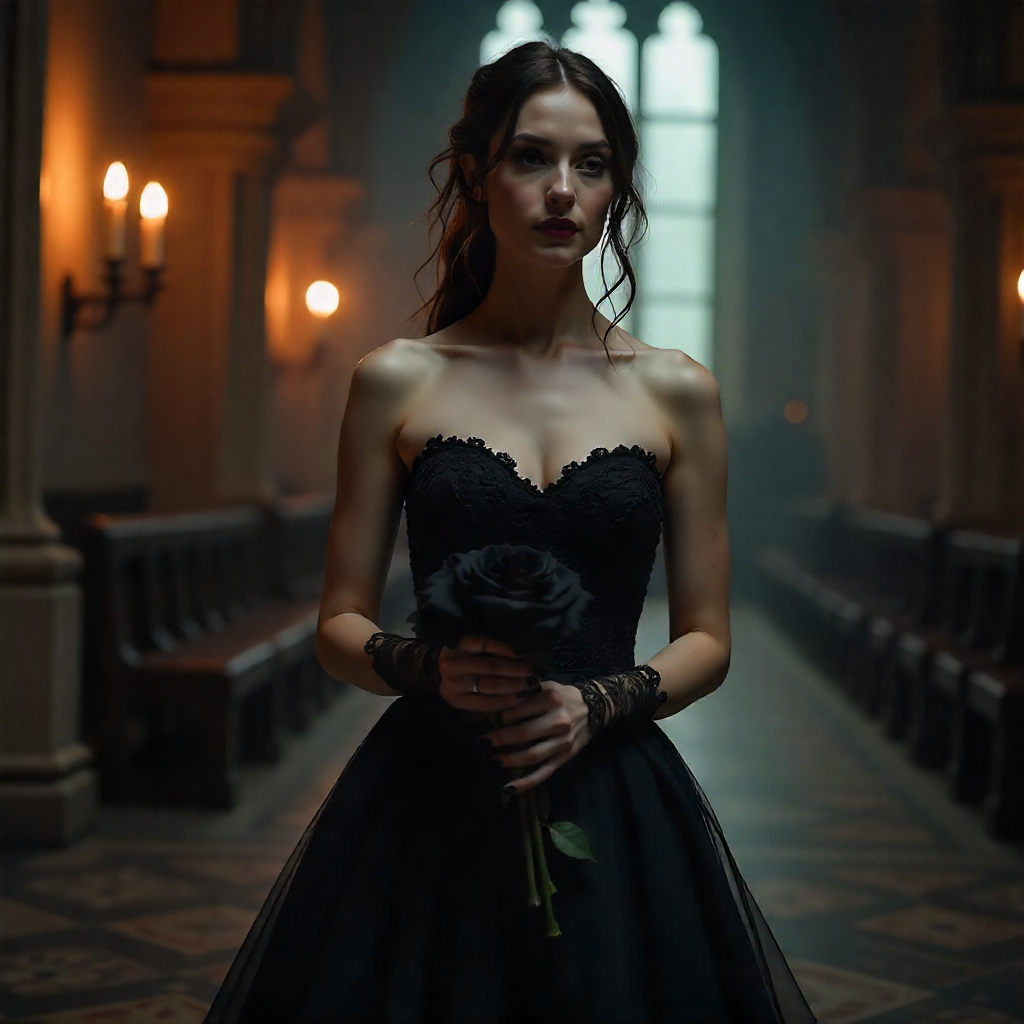
Gothic weddings embrace mood and mystery. Darker palettes, cathedral trains, and dramatic lace define this wedding dress style. Black velvet, deep burgundy satin, or intricate lace work well. It suits candlelit ceremonies, medieval venues, or evening vows.
Styling includes chokers, dark florals, or bold makeup. Gothic bridal looks redefine elegance.
Two-Piece Wedding Dress Style
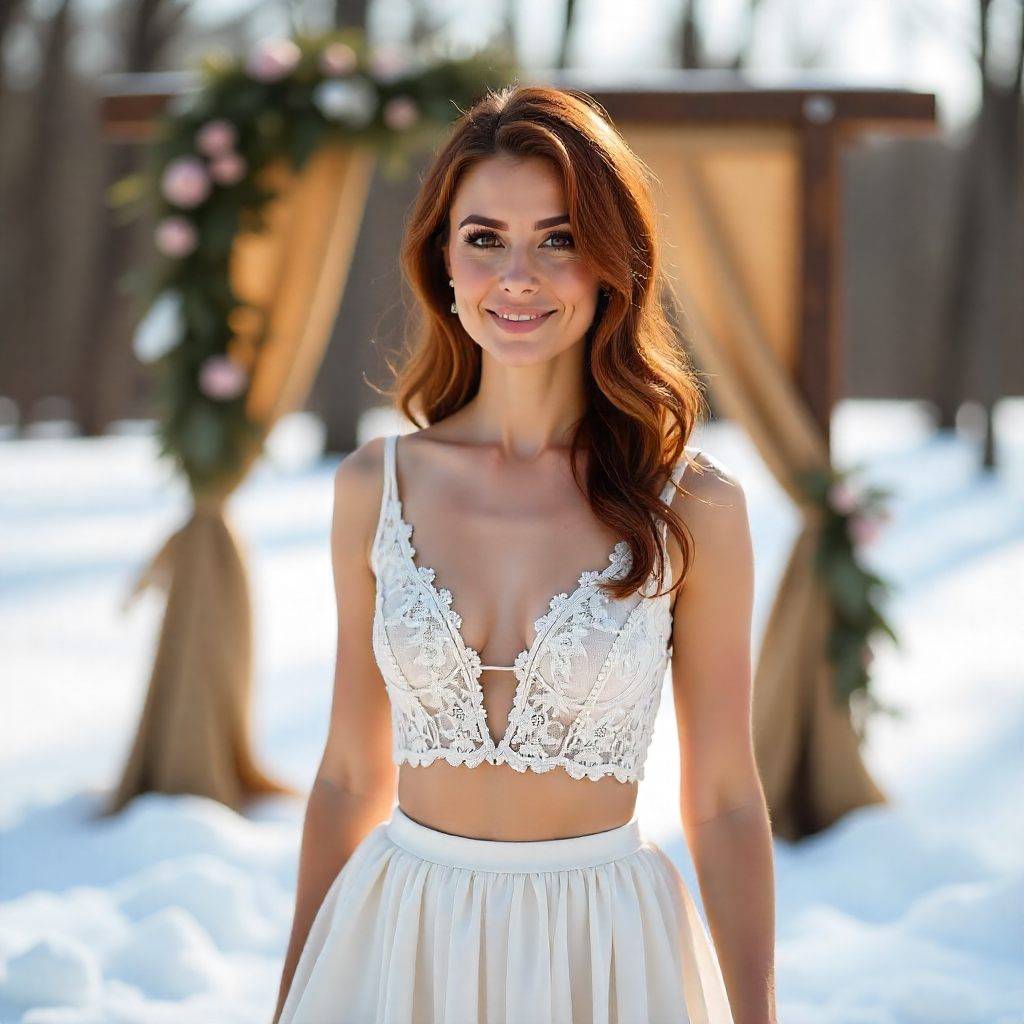
A two-piece design separates top and skirt. Modern and versatile. Brides may pair lace crop tops with flowing chiffon skirts or satin bodices with tailored trousers.
This wedding dress style allows customization and practicality. Works for young, unconventional brides. Styling tip: statement jewelry elevates simplicity. It is both playful and sophisticated.
Jumpsuit Wedding Dress Style
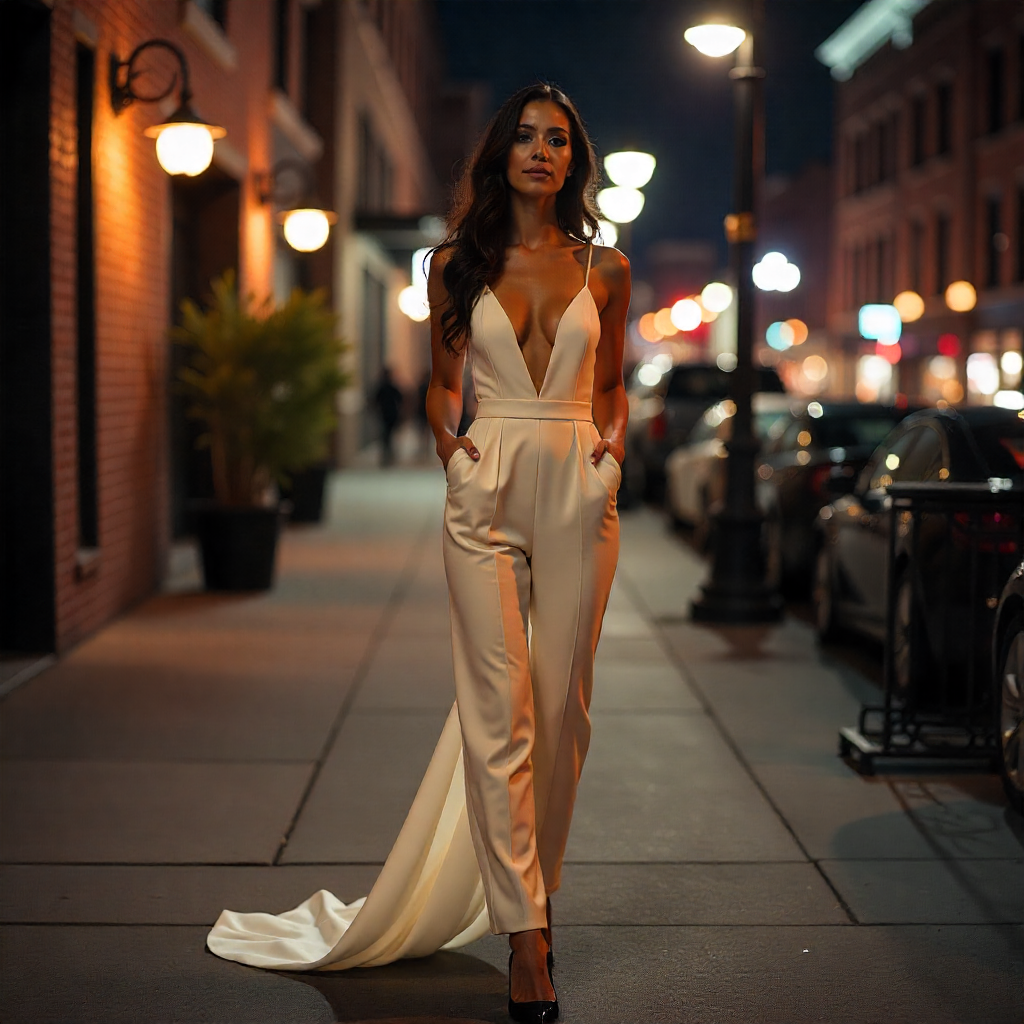
The bridal jumpsuit is sleek and empowering. Tailored cuts in crepe or satin create modern sophistication. This wedding dress style is ideal for city hall weddings, receptions, or post-ceremony celebrations.
Styling can vary—minimalist heels, bold earrings, or even capes for drama. It symbolizes independence and contemporary spirit.
High-Low Wedding Dress Style
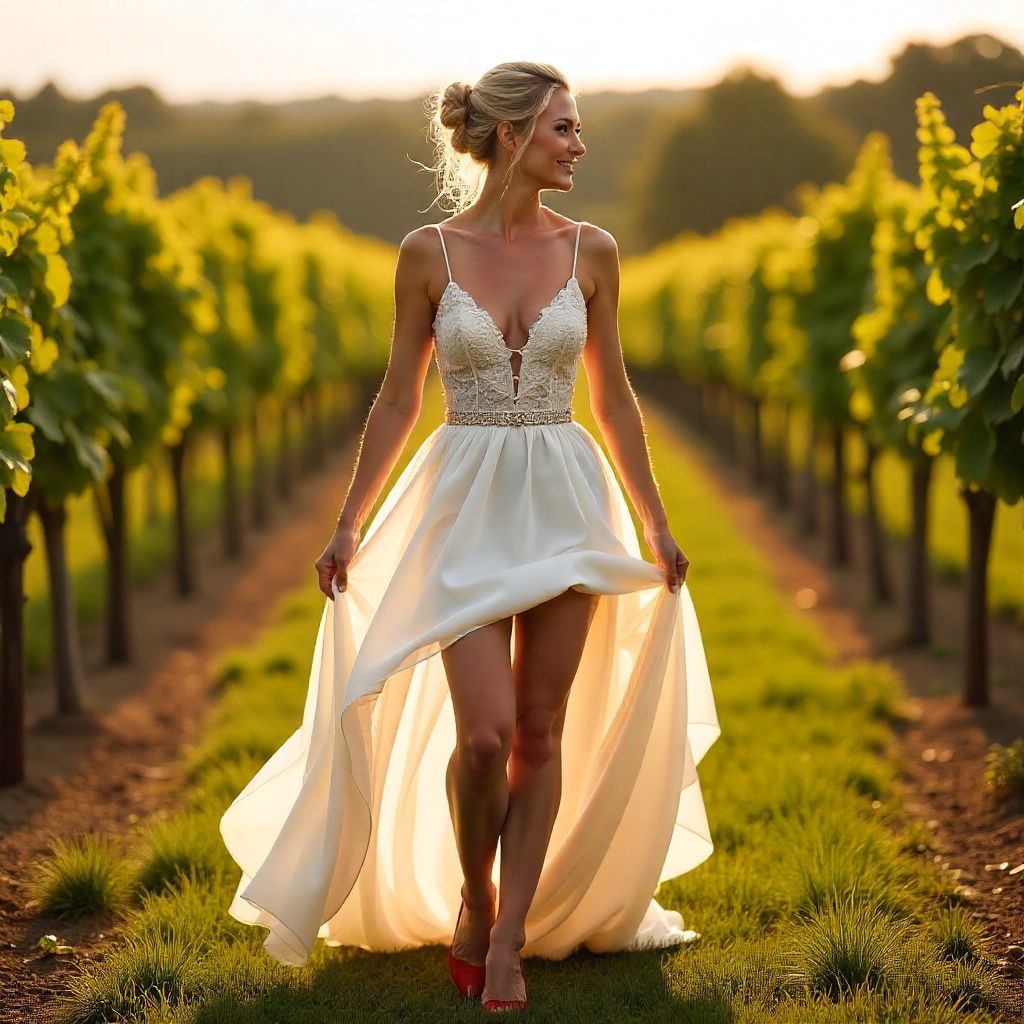
High in front, low in back. Fabrics like organza, satin, or tulle create cascading movement. This wedding dress style is perfect for brides who want both practicality and flair.
Shoes take center stage here. Works best for outdoor or destination weddings where movement is key. Styling tip: pair with bold heels or boots.
Asymmetrical Wedding Dress Style
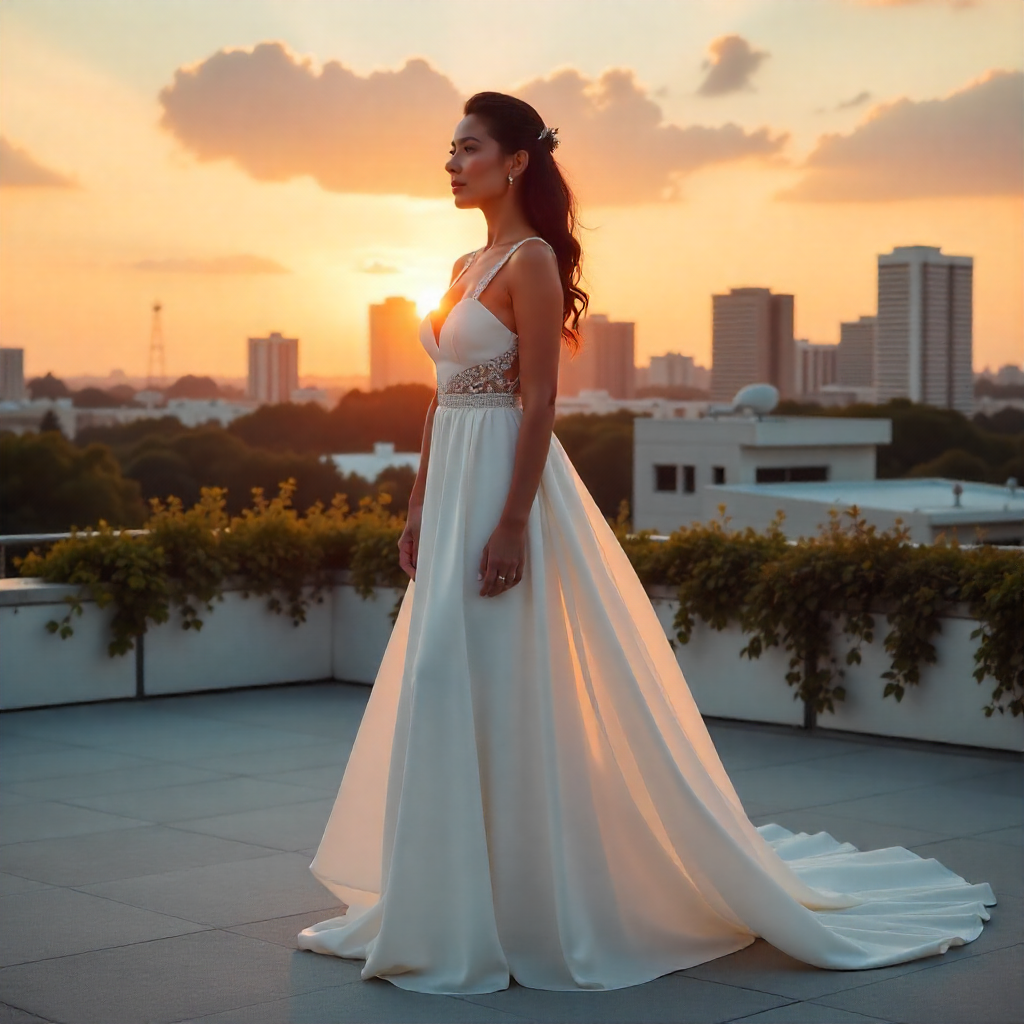
An asymmetrical cut breaks rules. One-shoulder bodices, uneven hems, layered fabrics. This wedding dress style is contemporary artistry. Works best in modern venues, rooftop ceremonies, or nontraditional themes.
Fabrics like crepe and silk amplify its clean edges. Styling can be bold—geometric jewelry, slick hairstyles, or dramatic makeup.
Detachable Train Wedding Dress Style
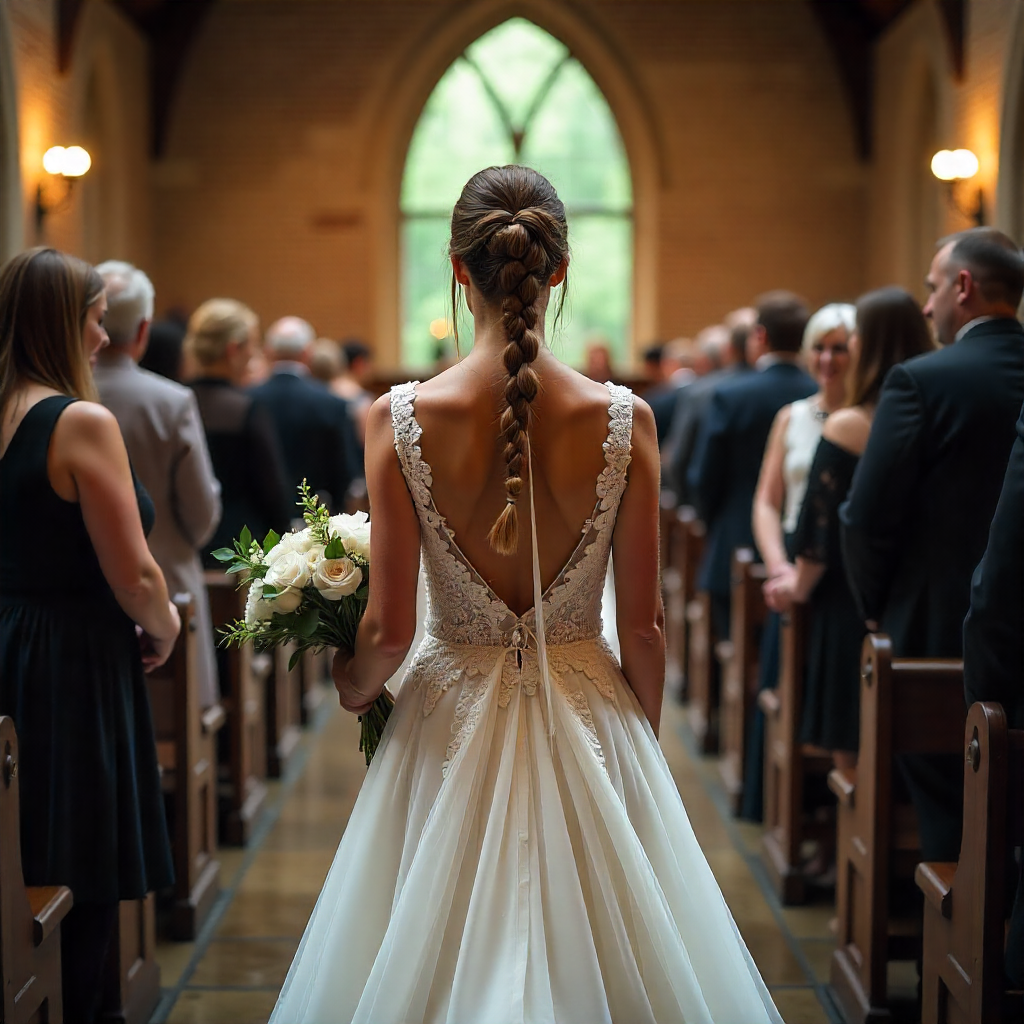
A detachable train offers duality. Ceremony grandeur, reception freedom. Trains crafted in tulle or satin clip seamlessly into skirts. This wedding dress style adapts across moods.
Pair with cathedral veils for ceremony, then remove for dance. Styling ensures continuity—belts or overskirts can disguise transitions. It balances drama with function.
Illusion Wedding Dress Style
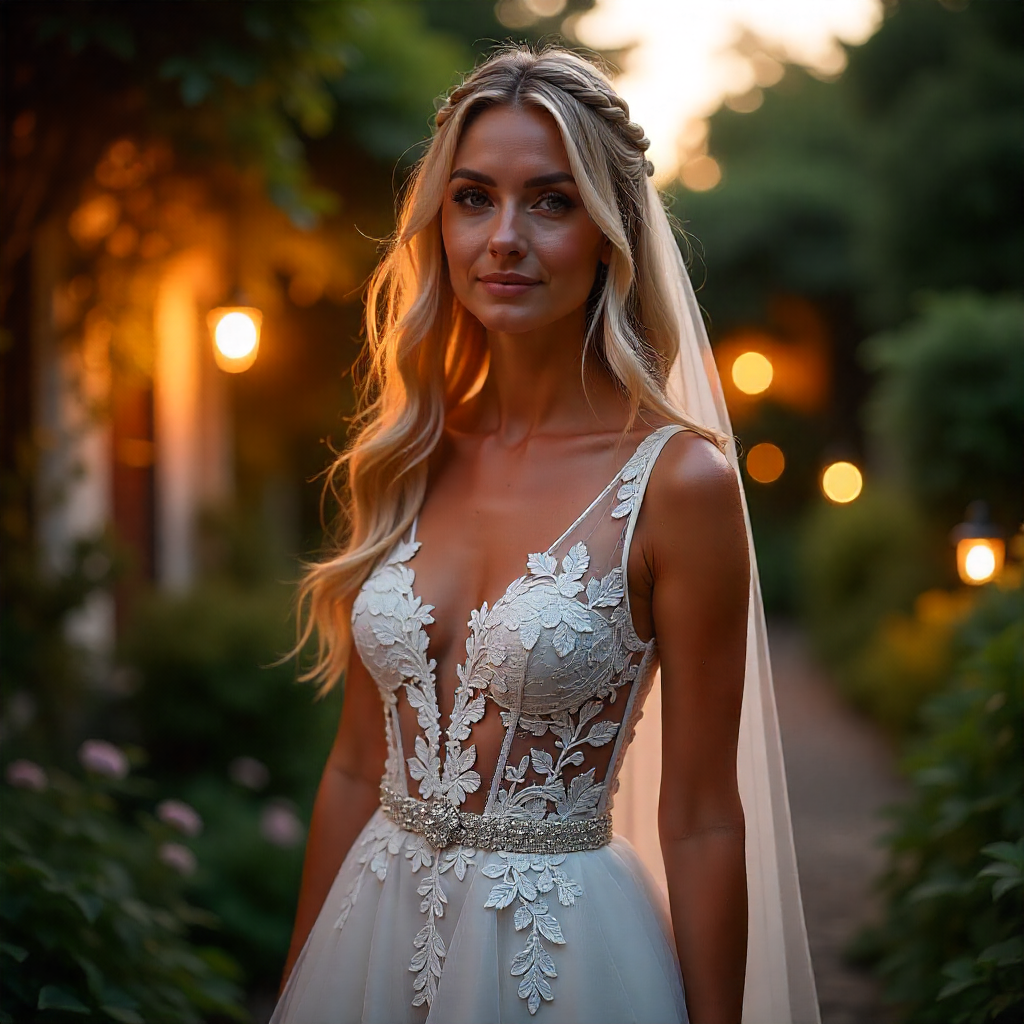
Illusion fabric creates magic. Sheer panels, lace appliqué, near-invisible seams. This wedding dress style plays with light and skin. Fabrics like tulle or organza hold delicate embroidery.
Works in all silhouettes—ball gowns, sheaths, mermaids. Best styled with subtle jewelry and soft hairstyles. It is delicate yet daring.
Colorful Wedding Dress Style

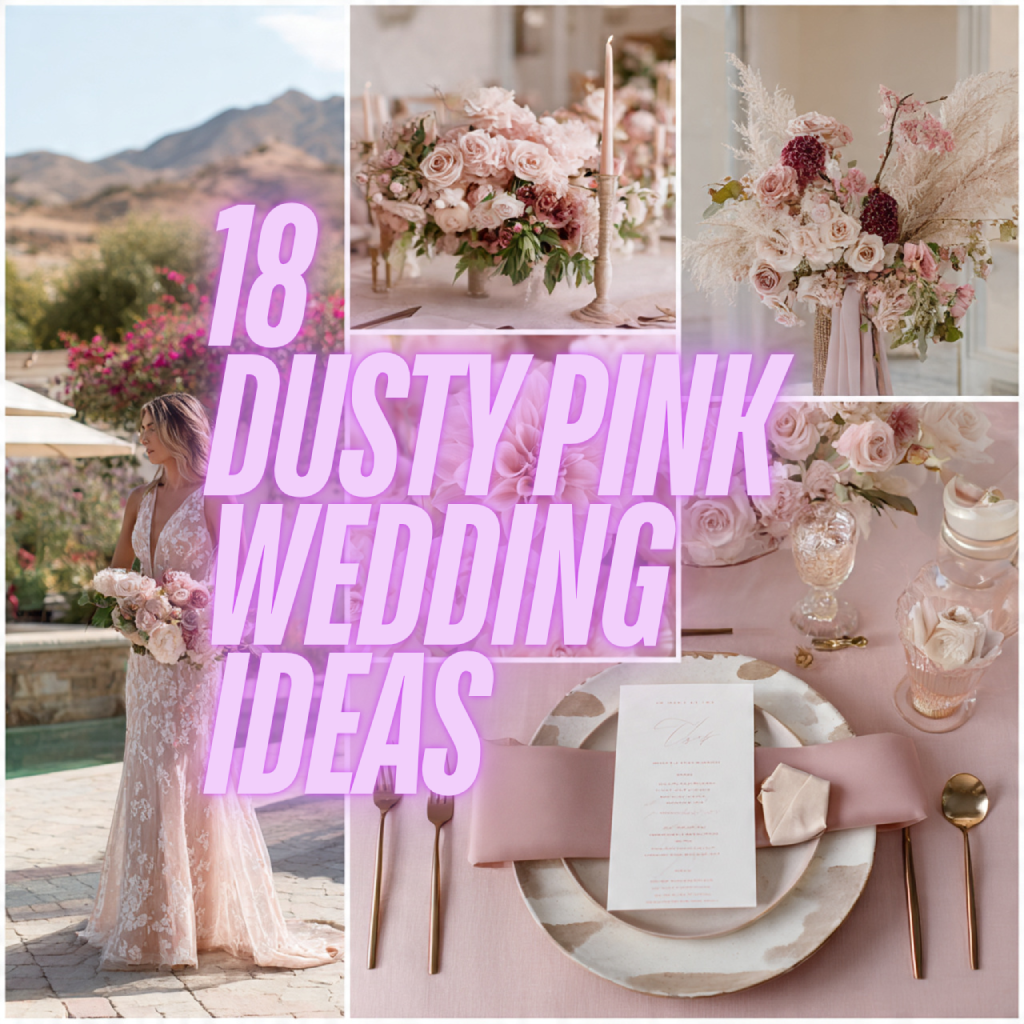
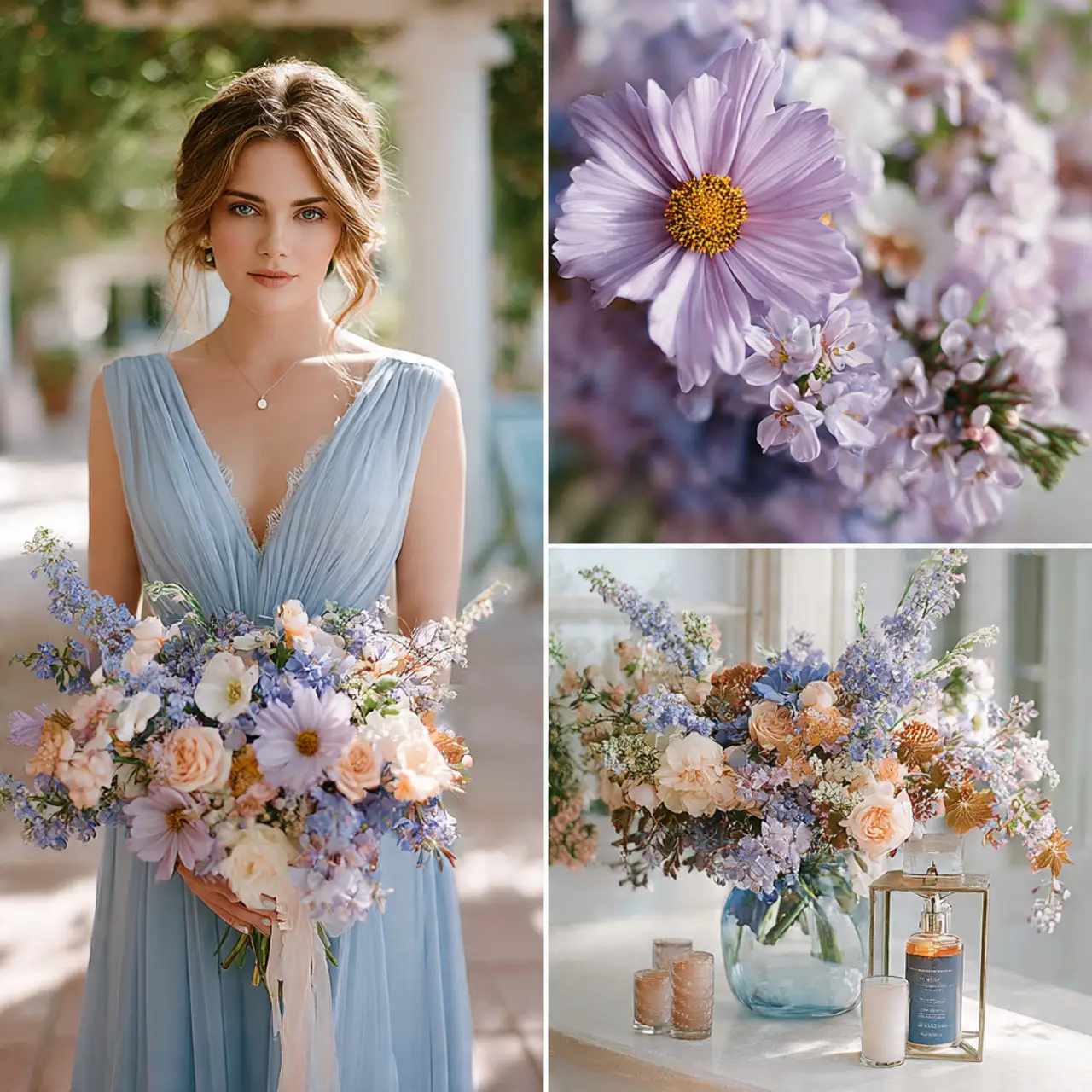
White is tradition, but color expands the palette. Blush, champagne, powder blue, scarlet, or even ombré gowns redefine bridal norms. This wedding dress style is deeply cultural—red in Chinese weddings, green in Celtic traditions, gold in Indian ceremonies. Modern brides embrace these shades for individuality.
Styling tip: coordinate flowers and décor with gown tones. Colorful dresses prove that love is not bound to ivory.
Frequently Asked Questions
What is the most flattering wedding dress style for all body types?
The A-line is widely known to flatter every shape. Its gradual flare balances proportion and creates movement without restricting comfort. Fabrics like chiffon or satin work well to create balance across all figures.
Which wedding dress style works best for a beach ceremony?
Lightweight styles like sheath, slip, or bohemian dresses work best. They handle wind, sand, and heat with ease. Fabrics such as chiffon, georgette, or silk crepe allow breathability.
Are non-white wedding dress styles acceptable?
Yes. Brides now choose blush, champagne, or bold colors. Many cultures never centered white at all. Red, gold, or green dresses have long carried meaning in Asian, Middle Eastern, and African traditions. Acceptance is growing everywhere.
How do I choose between modern and vintage wedding dress styles?
Consider venue, theme, and personal story. Vintage carries heritage, while modern embraces simplicity and current design. Both are timeless when chosen with intention. A bride’s emotional connection to the gown matters more than its era.
Do detachable train wedding dress styles look unfinished without the train?
No. They are designed with balance in mind. Without the train, they become sleek reception-ready gowns, not incomplete ones. Many designers craft the base gown with intentional structure so it stands on its own.
Conclusion
Wedding dress styles represent far more than fashion. Each silhouette, neckline, and fabric tells a story about identity, culture, and personal expression.
From the dramatic sweep of a ball gown to the quiet elegance of a minimalist sheath, from the romance of bohemian lace to the bold individuality of a bridal jumpsuit, every design offers its own vision of bridal beauty.
Modern brides are no longer limited by tradition alone. They can choose gowns that reflect heritage, creativity, comfort, and individuality.
Ultimately, the most meaningful wedding dress is not the one dictated by trends—it is the one that allows a bride to step into her moment with confidence, authenticity, and joy.