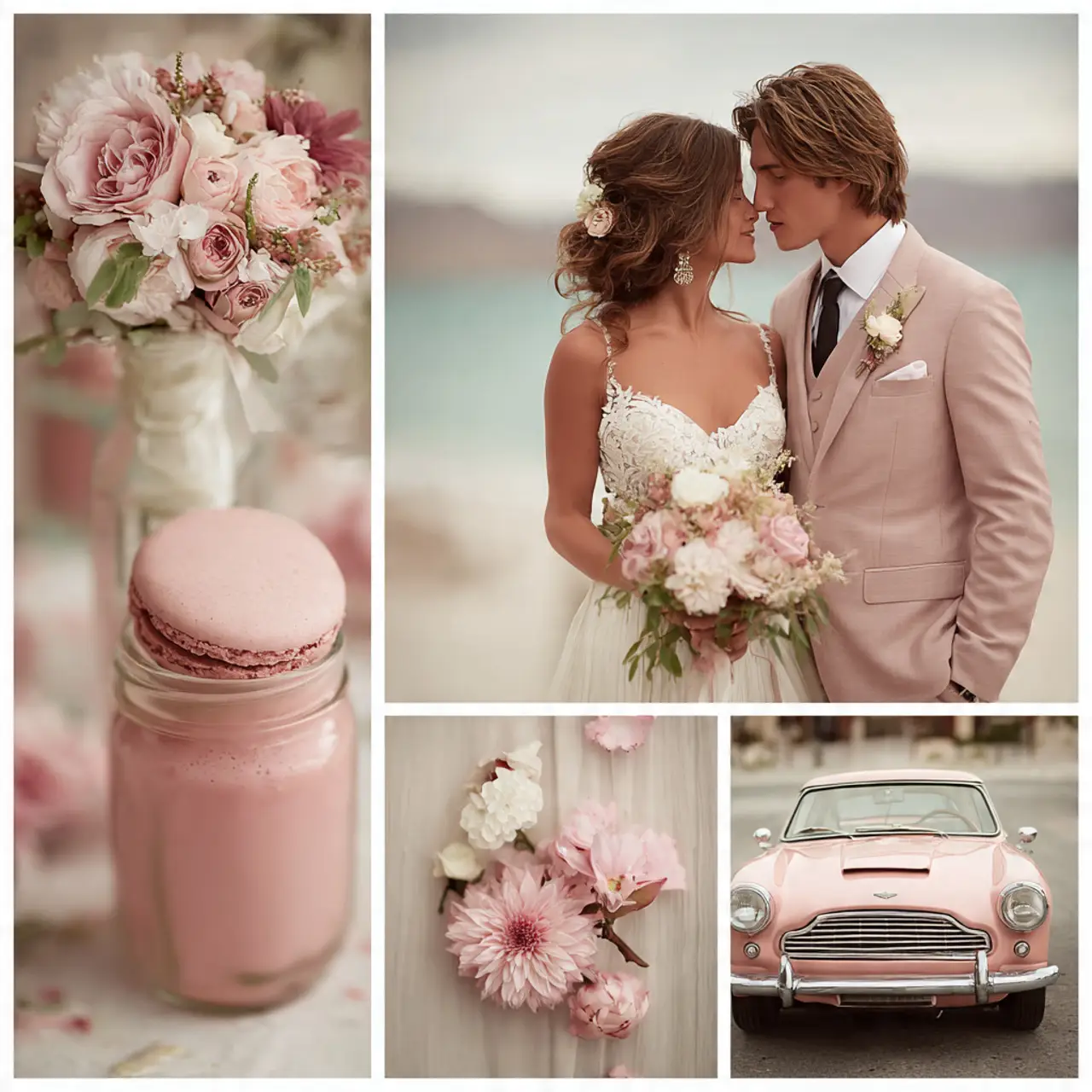
26 Wedding Themes That Create a Cohesive and Memorable Celebration
Choosing from different wedding themes is one of the most important planning decisions a couple makes. A theme defines the atmosphere, visual language, and emotional tone of the celebration. It shapes décor, attire, venue selection, stationery, and even guest expectations. A well-chosen theme creates cohesion. A poorly chosen one creates confusion.
themes are not about trends alone. They are about alignment—between personality, budget, venue, and culture. Some themes work best outdoors. Others demand controlled indoor environments. Some rely on minimal styling. Others require heavy design investment. Understanding these differences helps couples make practical choices rather than aesthetic guesses. This guide explores a wide range of themes, from classic and traditional to creative and unconventional. Each theme is explained with clarity, realism, and usability in mind. The focus is not fantasy but execution.
Classic Elegance theme
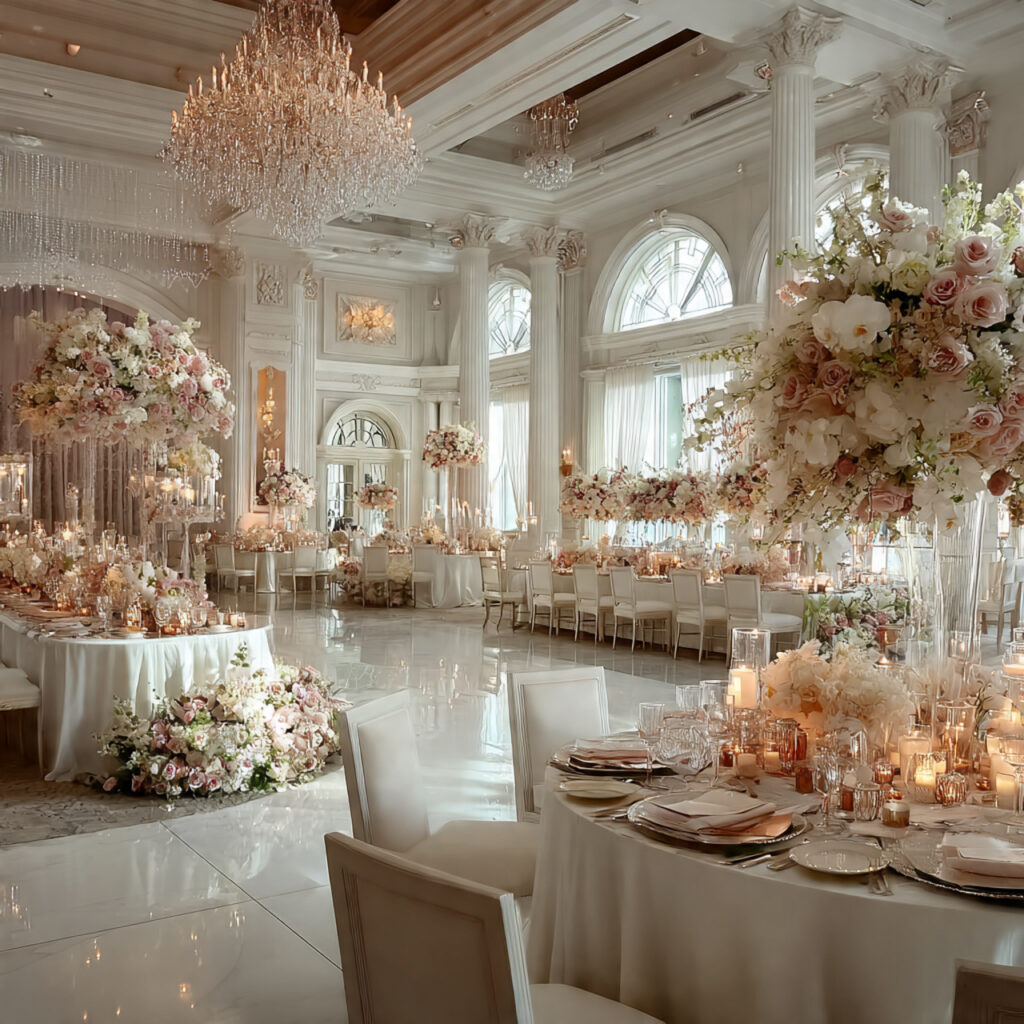
Classic elegance remains one of the most enduring themes because it prioritizes balance, formality, and restraint. This theme is rooted in symmetry, neutral color palettes, and time-tested traditions rather than bold experimentation.
Venues that support this theme include ballrooms, heritage hotels, country clubs, and historic estates. Architectural details such as columns, chandeliers, and grand staircases naturally enhance the setting without requiring excessive décor. Colors typically include ivory, champagne, soft gold, white, and muted pastels. Metallic accents are used sparingly to add polish rather than shine. Floral arrangements are structured and symmetrical. Roses, peonies, hydrangeas, and orchids are common choices. Table settings are formal, with crisp linens, classic china, and understated centerpieces. Lighting is warm and even, avoiding dramatic shadows or colored uplighting.
Attire follows traditional expectations. The bride often wears a structured gown with clean lines, lace details, or a long train. The groom typically wears a tuxedo or formal suit in black, navy, or charcoal. Bridesmaids and groomsmen are coordinated but not identical, maintaining visual harmony without uniformity. Classic elegance works well for couples who value tradition, formality, and timeless photography. It is also one of the safest themes for mixed guest lists, including older relatives and conservative family members.
Rustic Charm theme
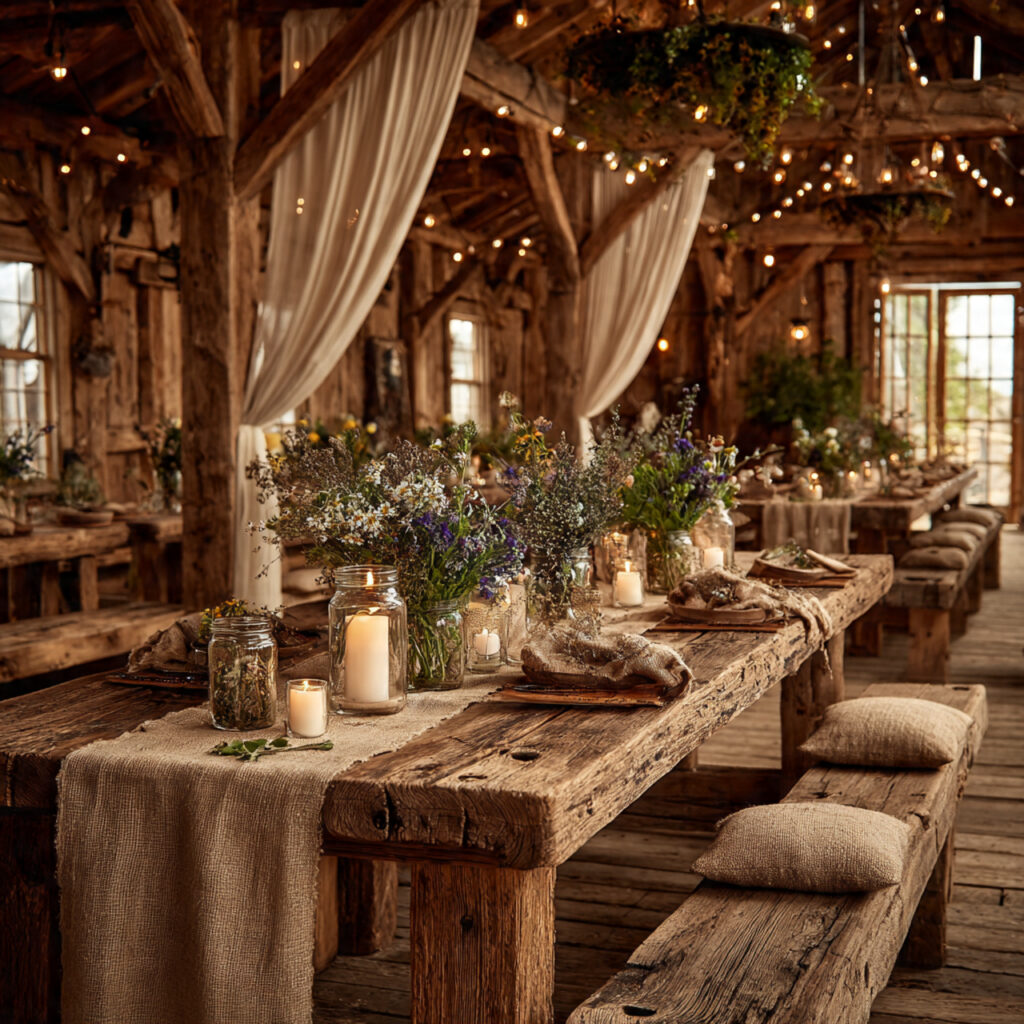
Rustic charm themes focus on warmth, texture, and a relaxed sense of intimacy. They are inspired by nature, countryside living, and handcrafted details. This theme works best in barns, farms, vineyards, gardens, and outdoor venues with natural surroundings. Wood is the dominant material. Exposed beams, wooden tables, crates, and signage create an organic foundation. Color palettes lean toward earthy tones such as sage green, taupe, cream, dusty blue, and soft browns. Linen fabrics, burlap, and lace are often layered to add softness.
Floral design favors wildflowers, greenery, and loosely arranged bouquets. Imperfection is part of the aesthetic. Mason jars, lanterns, and candles are commonly used, especially for evening receptions. Lighting is warm and ambient, often achieved with string lights or Edison bulbs. Attire is relaxed but intentional. Brides may choose flowing dresses, bohemian lace, or minimal silhouettes. Grooms often wear suspenders, vests, or rolled-sleeve shirts instead of full suits. Footwear may include boots or flats rather than formal shoes.
Modern Minimalist theme

Modern minimalist themes are built on simplicity, negative space, and deliberate restraint. This style rejects excess in favor of clean lines, limited color palettes, and purposeful design choices.
Venues with strong architectural features work best for this theme. Art galleries, lofts, modern hotels, and industrial spaces provide a neutral canvas. White, black, beige, gray, and muted neutrals dominate the color scheme. When color is used, it is often a single accent shade repeated consistently. Décor is sparse but high quality. Furniture is sleek. Floral arrangements are sculptural rather than abundant. Greenery may replace traditional flowers entirely. Table settings are uncluttered, often featuring monochrome linens and modern tableware.
Typography plays a major role. Invitations, signage, and menus use modern fonts with generous spacing. Paper quality and print finish matter more than embellishment. Lighting is clean and intentional, highlighting form rather than creating atmosphere. Attire reflects the same principles. Brides often choose structured gowns with minimal embellishment. Grooms wear tailored suits in solid colors.
Romantic Garden theme
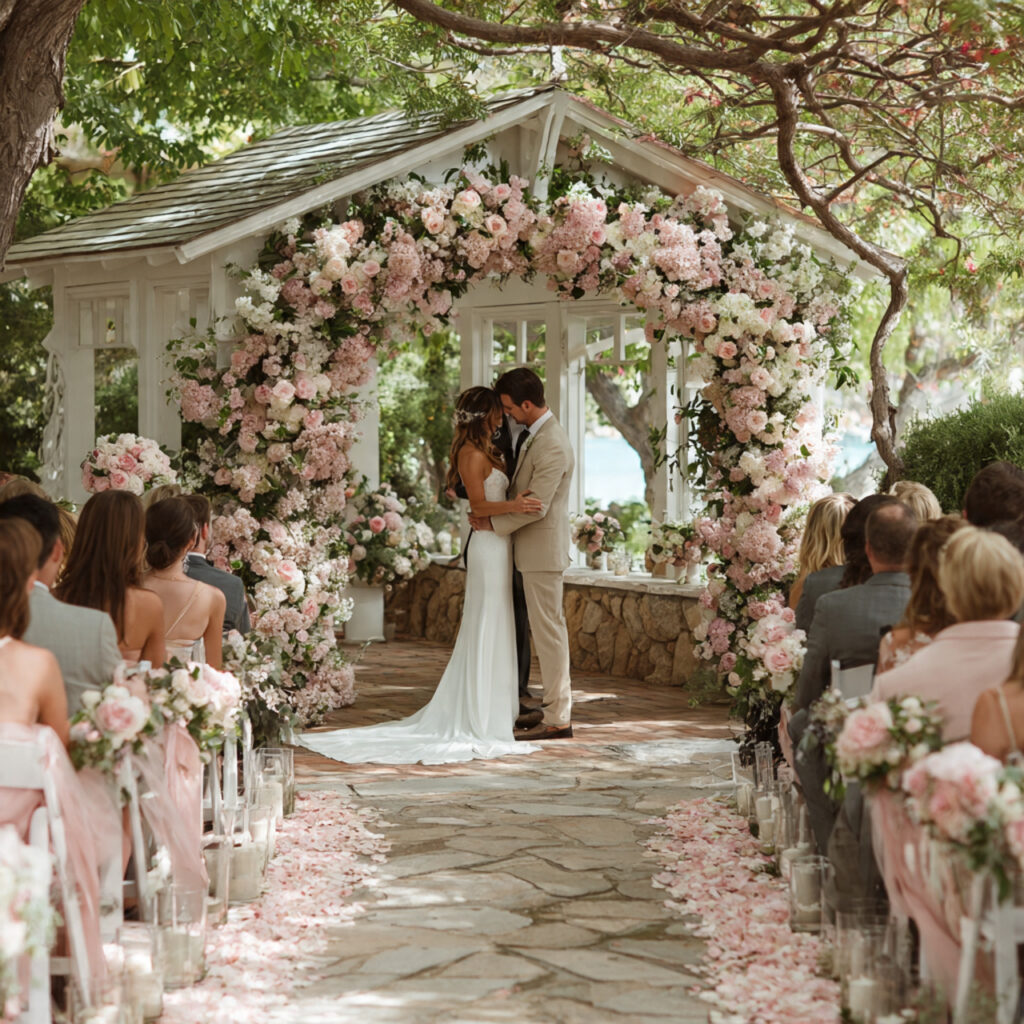
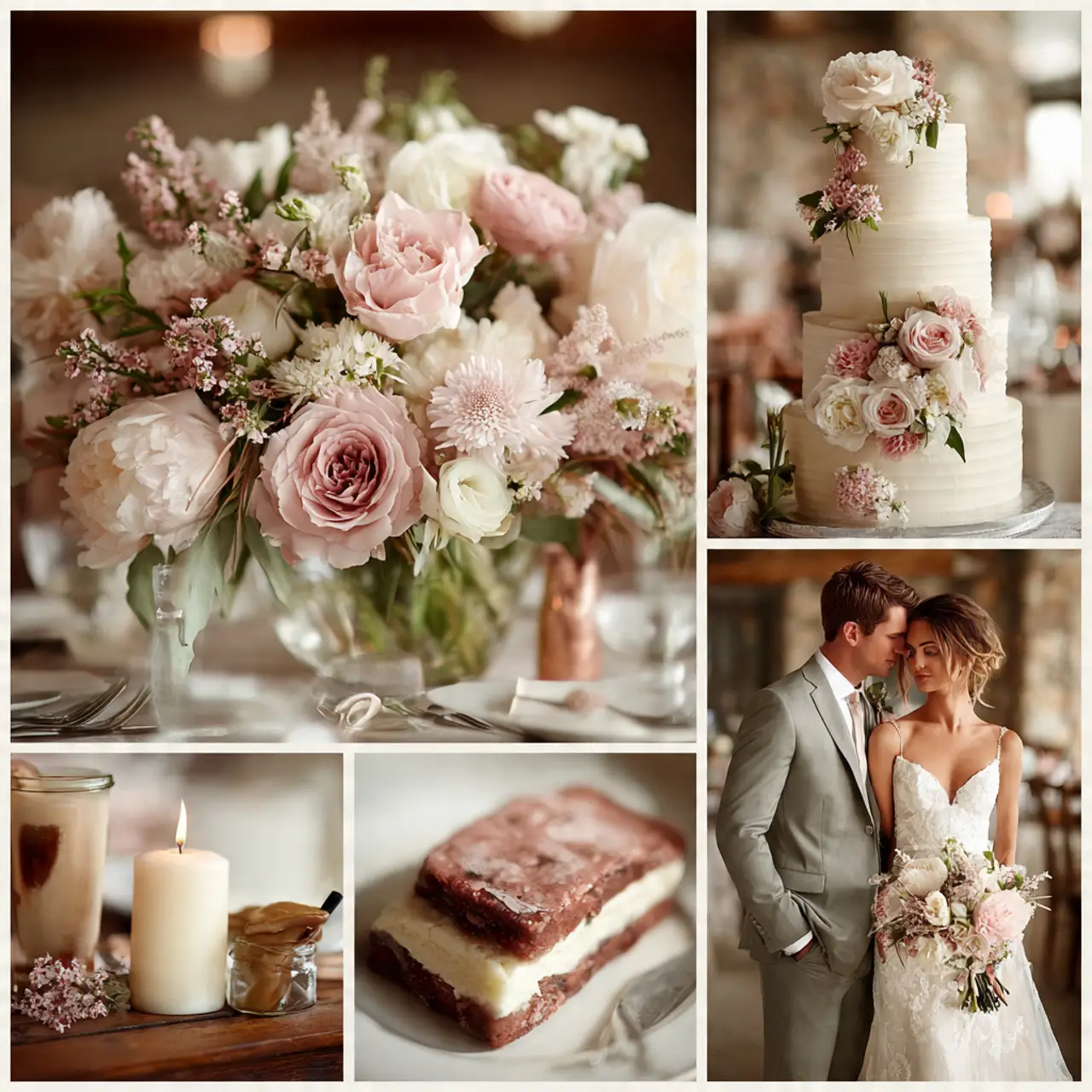
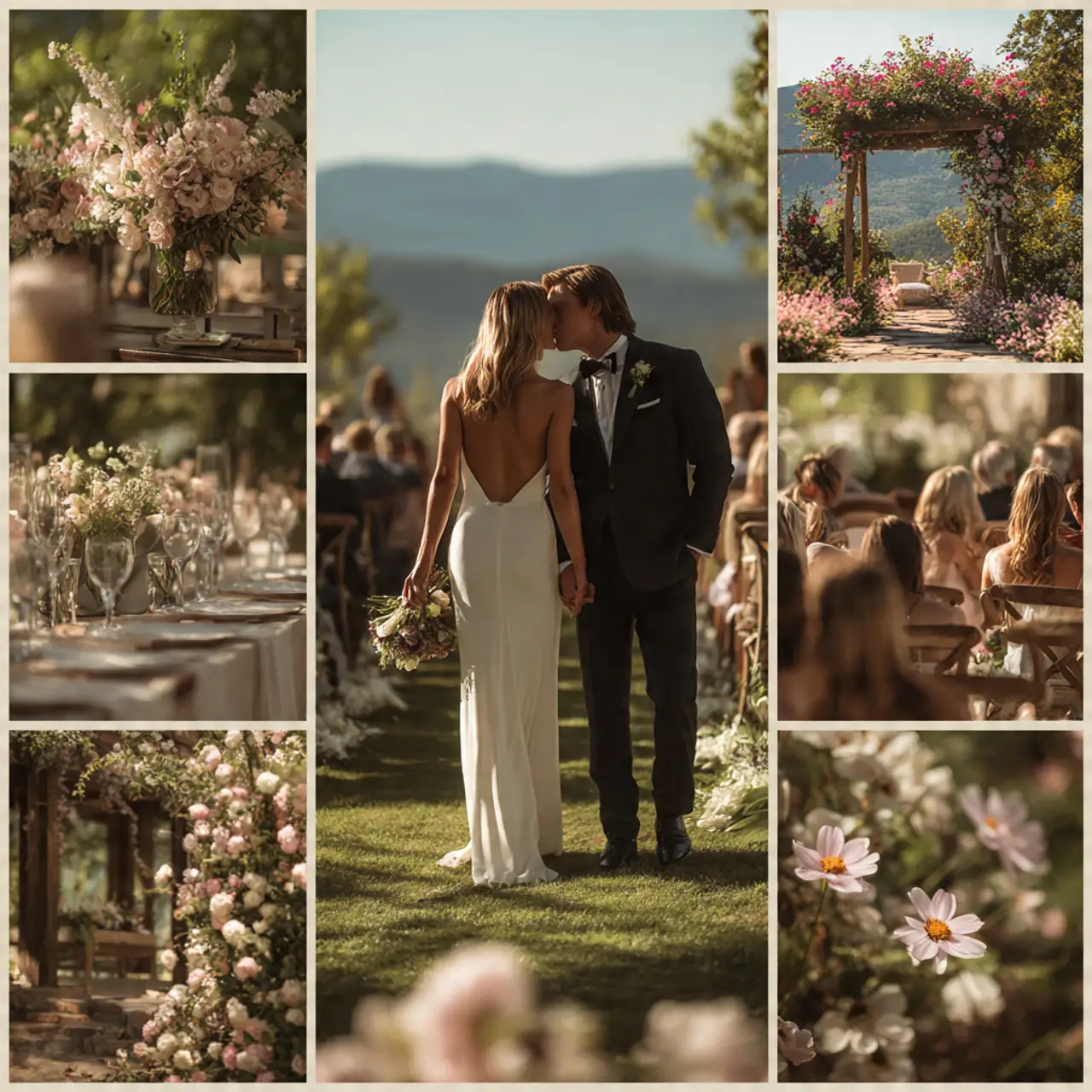
Romantic garden wedding themes celebrate softness, florals, and natural beauty. They are ideal for outdoor ceremonies and receptions surrounded by greenery, flowers, and open skies. Venues include botanical gardens, private estates, vineyards, and landscaped outdoor spaces. The natural environment serves as the primary décor, allowing couples to focus on enhancement rather than transformation.
Color palettes are gentle and layered. Blush, lavender, peach, sage, cream, and soft blue are common choices. Floral design is abundant and organic, featuring seasonal blooms arranged in loose, flowing compositions. Greenery such as eucalyptus, ivy, and ferns adds depth and movement. Fabric elements play a key role. Draped linens, chiffon runners, and fabric backdrops add softness. Seating may include wooden chairs or cross-back chairs to maintain a natural look. Lighting is subtle during the day and romantic at night, often using candles or soft string lighting.
Attire is traditionally romantic. Brides wear flowing dresses with lace, tulle, or floral appliqués. Hair and makeup are soft and natural. Grooms wear lighter suits in gray, tan, or soft blue.
Vintage Inspired theme
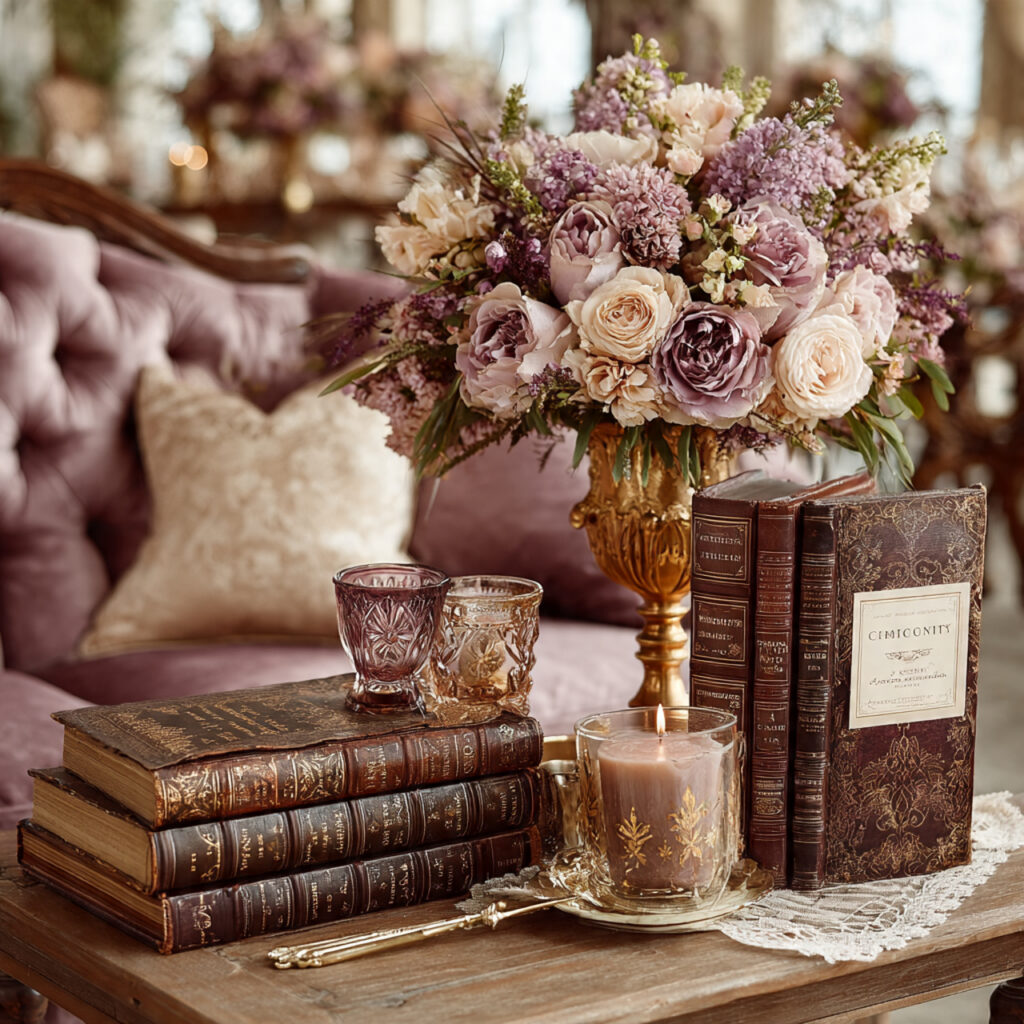
Vintage inspired themes draw from the aesthetics of past decades without fully recreating a specific era. The goal is nostalgia rather than historical accuracy. Venues with character work best, such as historic homes, theaters, or old hotels. Décor elements include antique furniture, mismatched china, lace linens, and vintage frames. Color palettes vary but often include muted tones like dusty rose, mint, cream, and sepia.
Stationery plays an important role. Invitations may feature aged paper, classic fonts, or letterpress printing. Signage often mimics old-world styles. Table settings are layered, combining textures and patterns. Floral arrangements are soft and unstructured, often using garden roses, ranunculus, and seasonal blooms. Candles, books, and heirloom objects add personal meaning. Attire reflects vintage silhouettes. Brides may wear tea-length dresses or gowns with retro detailing. Grooms might choose suspenders, bow ties, or tweed jackets. Vintage inspired themes require careful editing.
Bohemian Free-Spirited theme

Bohemian wedding themes emphasize individuality, creativity, and a relaxed atmosphere. They are less about rules and more about expression. Outdoor venues are common, including beaches, deserts, forests, and open fields. Color palettes are warm and eclectic, featuring rust, terracotta, mustard, plum, and natural neutrals. Patterns and textures are layered freely. Décor includes rugs, floor seating, macramé, dreamcatchers, and handmade elements. Floral design is wild and asymmetrical, often incorporating dried flowers and unconventional materials.
Attire is nontraditional. Brides may wear lace dresses, two-piece outfits, or floral crowns. Grooms often dress casually, sometimes without jackets or ties. Bohemian themes work best for small to medium-sized weddings where intimacy and atmosphere matter more than formality. Clear boundaries are still necessary to avoid visual chaos.
Glamorous Luxury theme
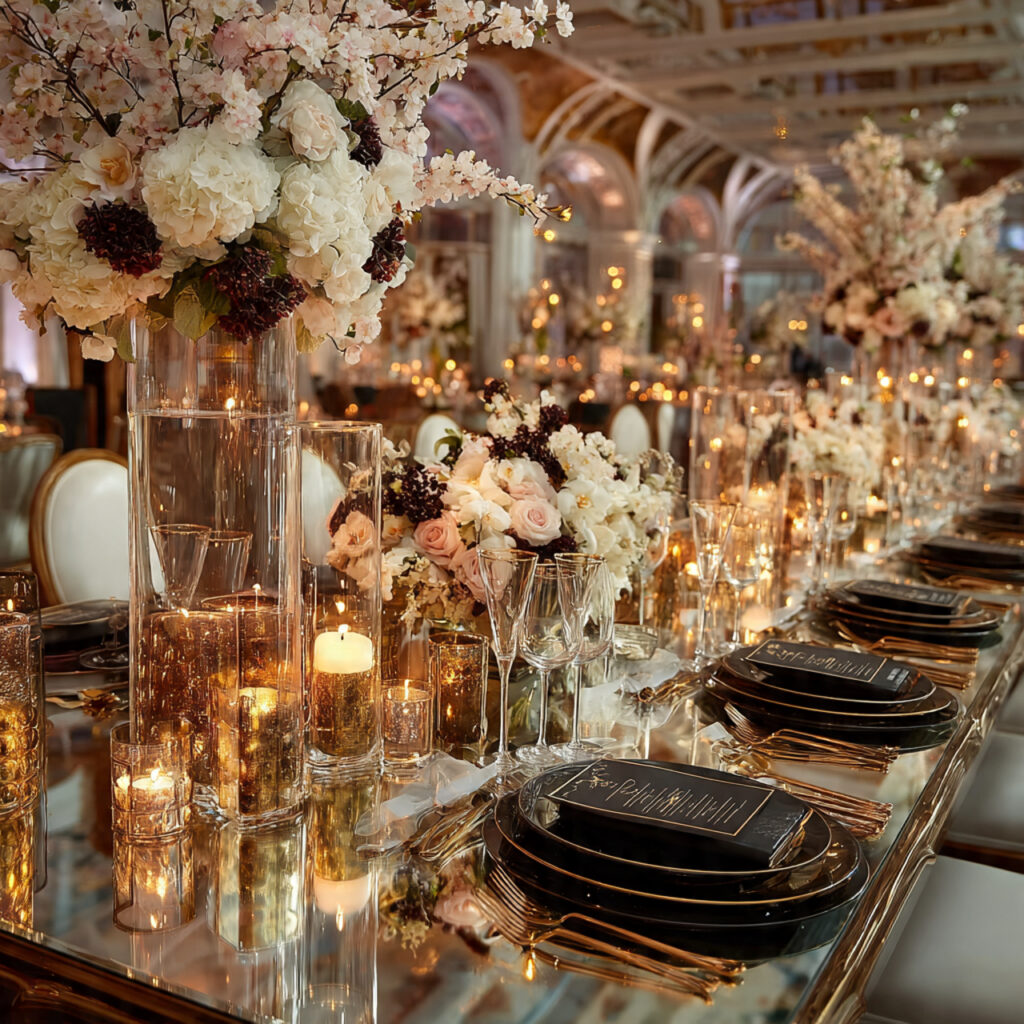
Glamorous luxury wedding themes are defined by opulence, drama, and high-impact design. They prioritize visual spectacle and polished execution. Venues include luxury hotels, grand ballrooms, and formal event spaces. Color palettes often feature black, white, gold, silver, and jewel tones. High-quality materials such as crystal, mirrored surfaces, and metallic finishes are common.
Floral arrangements are large and structured. Lighting is layered, using chandeliers, uplighting, and candlelight to create depth. Table settings are formal and coordinated. Attire is statement-driven. Brides wear dramatic gowns. Grooms wear tuxedos or custom suits. Hair and makeup are polished and bold. Glamorous luxury themes require significant budgeting and professional coordination. When done correctly, they create unforgettable experiences. When underfunded, they can feel forced.
Beach Wedding Themes
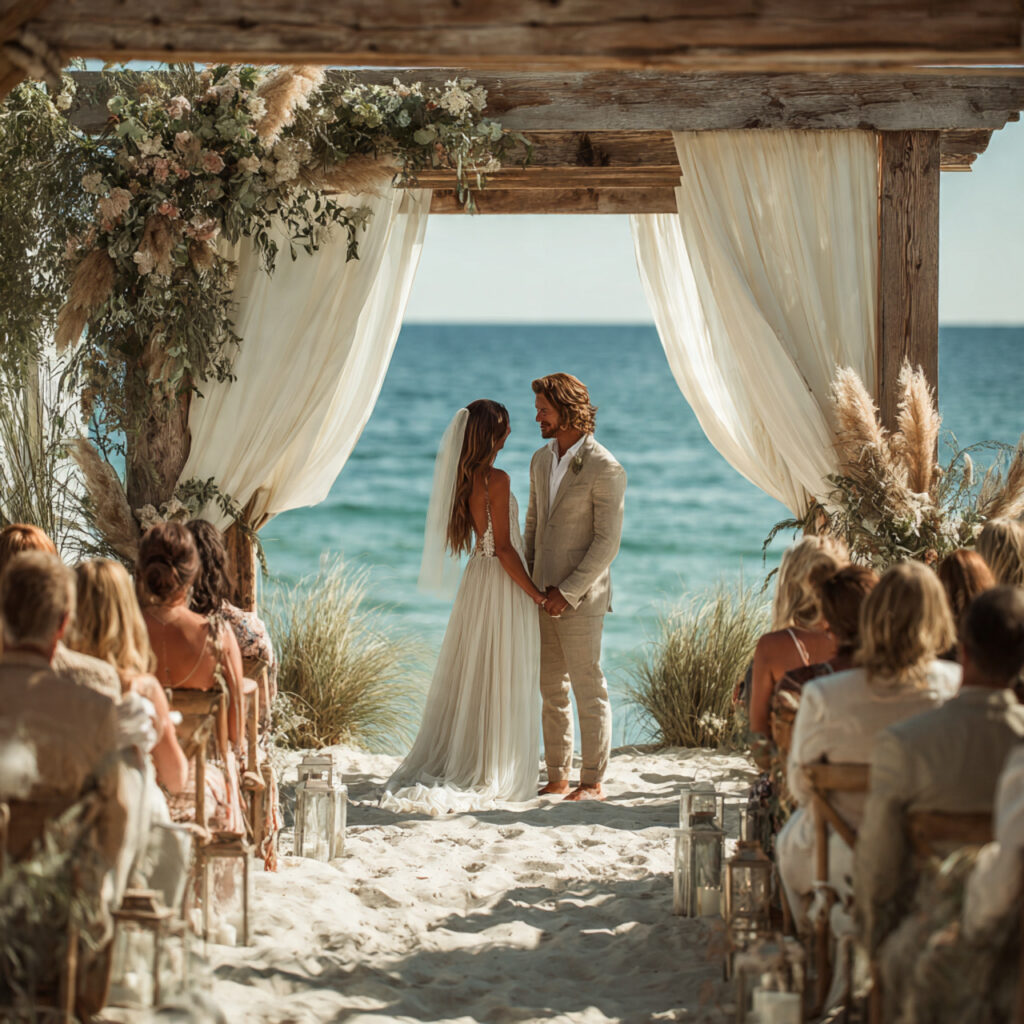
Beach wedding themes focus on ease, natural beauty, and coastal influences. They are best suited for seaside locations where the environment sets the tone. Color palettes include whites, blues, sand tones, and soft pastels. Décor is minimal to allow the setting to shine. Natural materials such as driftwood, shells, and linen are common.
Ceremonies are often barefoot or semi-formal. Seating may be simple. Floral arrangements are light and wind-resistant. Attire is breathable and relaxed. Brides often choose lightweight fabrics. Grooms may wear linen suits or open-collar shirts. Beach themes require planning around tides, wind, and sun exposure. Comfort is as important as aesthetics.
Destination theme
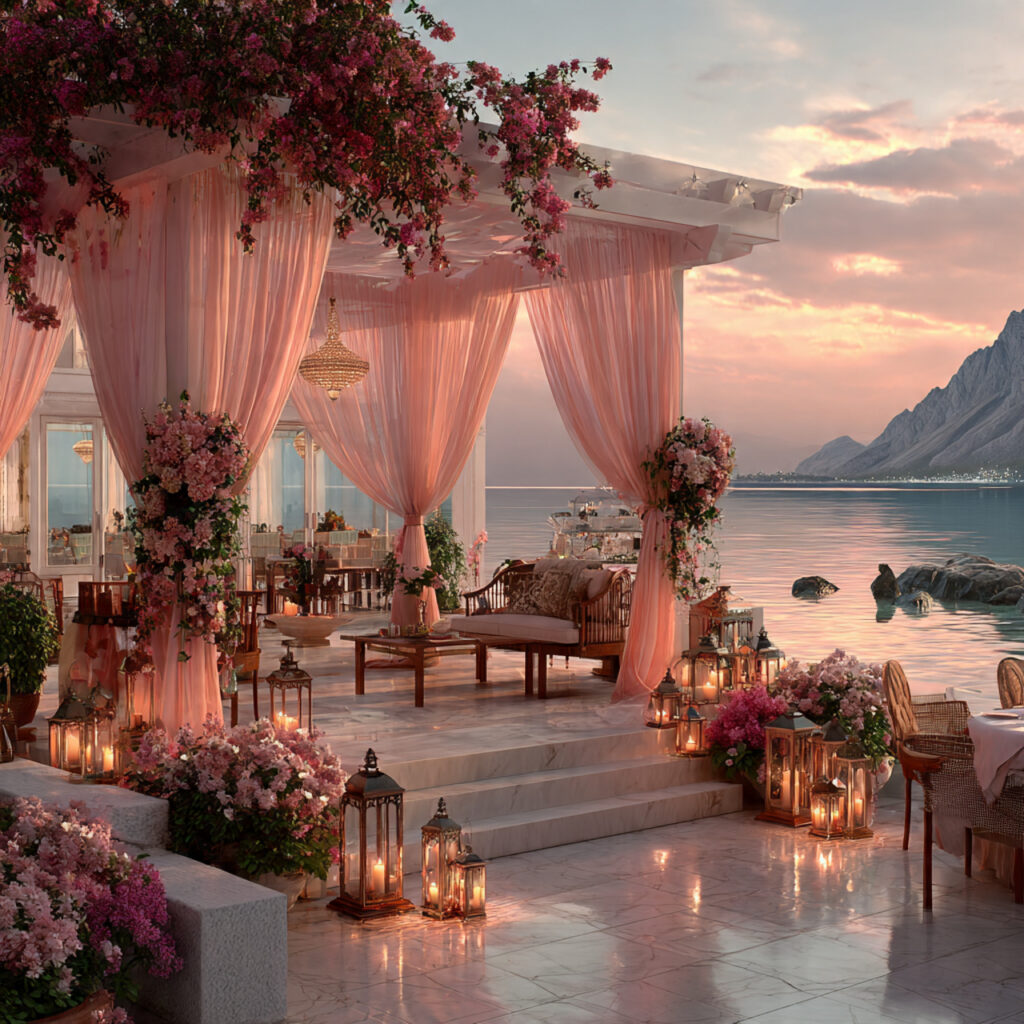
Destination wedding themes are shaped by location. The theme often reflects local culture, climate, and architecture. Venues range from resorts to historic sites. Décor is influenced by regional materials and traditions. Color palettes often reflect the surrounding environment. Logistics are more complex. Guest experience becomes a priority. Attire is chosen with travel and weather in mind. Destination themes work best when simplicity is prioritized. Over-the-top décor is often unnecessary.
Cultural Fusion theme
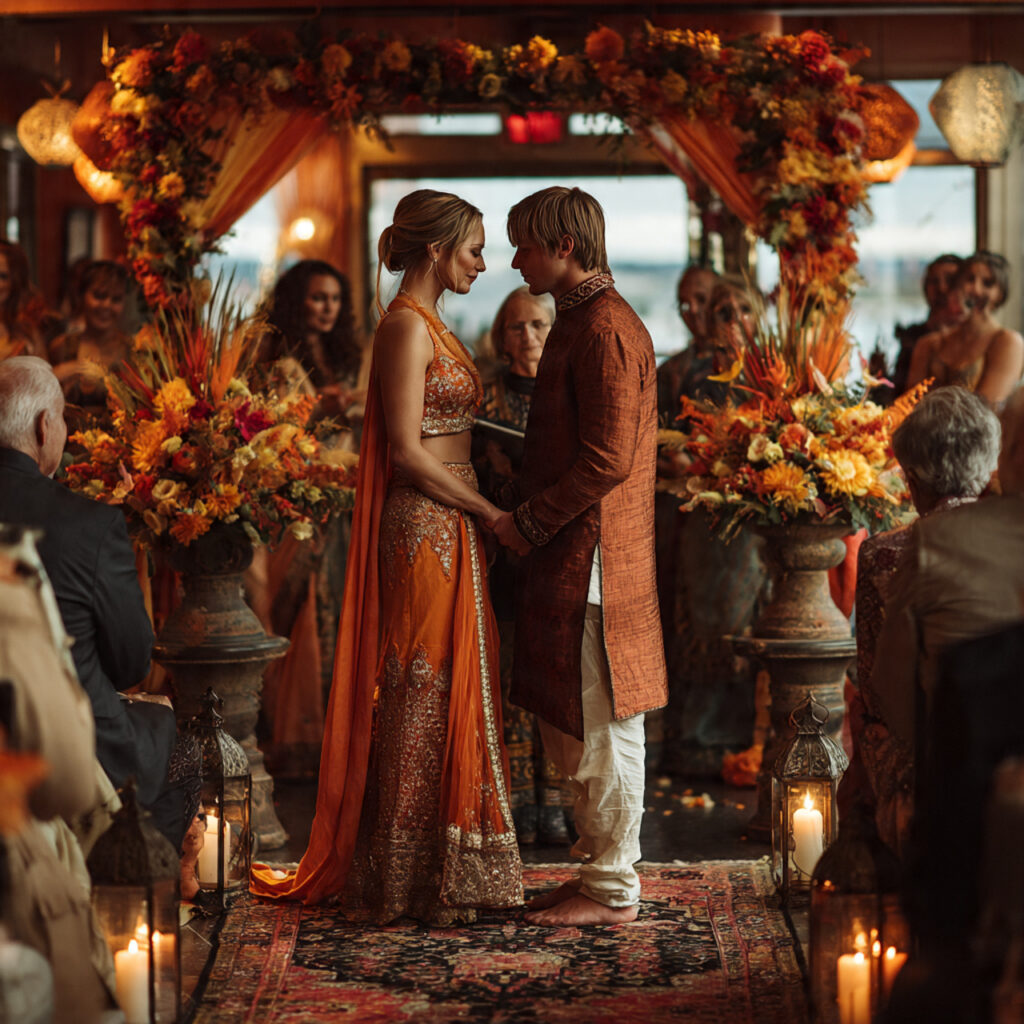
Cultural fusion wedding themes blend traditions from different backgrounds. The goal is respect, balance, and authenticity. Ceremonies may include multiple rituals. Color palettes often combine symbolic elements from each culture. Attire may change throughout the event. Clear communication with vendors is essential. Cultural fusion themes succeed when meaning is prioritized over aesthetics.
Seasonal Autumn theme
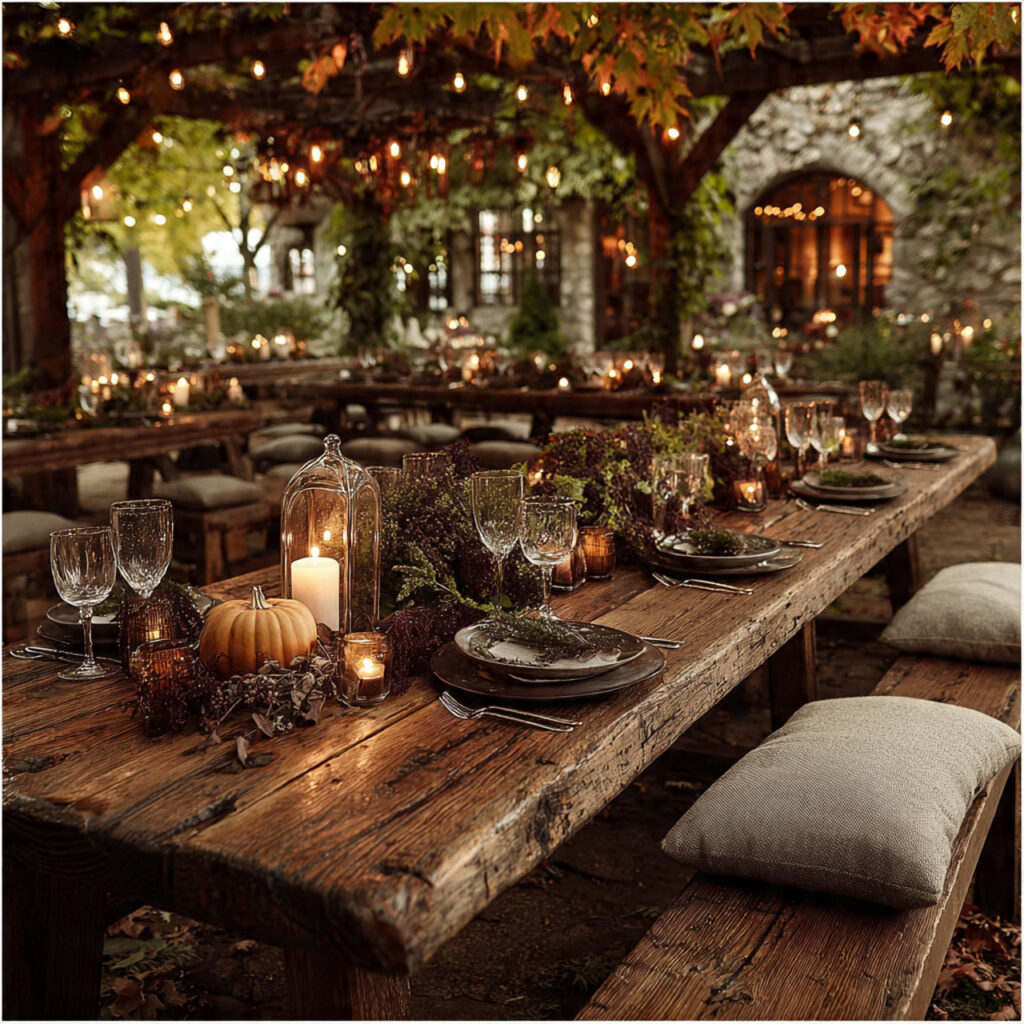
Autumn wedding themes embrace warmth, texture, and seasonal color. Venues include barns, vineyards, and outdoor spaces. Color palettes feature rust, burgundy, mustard, and deep green. Décor includes foliage, candles, and seasonal florals. Attire often includes layers. Lighting is warm and ambient. Autumn themes benefit from natural seasonal beauty but require weather planning.
Winter Wonderland theme
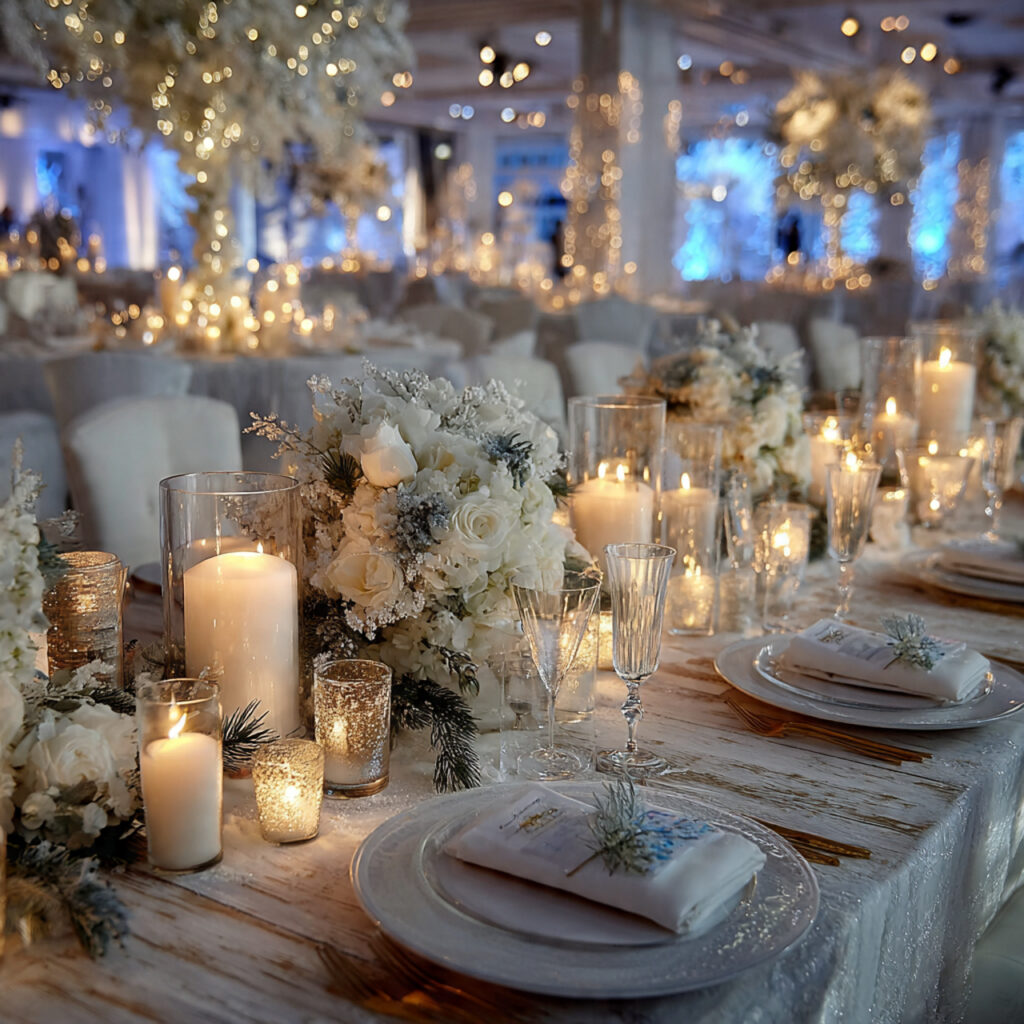
Winter wedding themes focus on contrast, coziness, and elegance. Venues are typically indoors. Color palettes include white, silver, deep blue, and emerald. Décor features candles, greenery, and metallic accents. Attire includes heavier fabrics. Guest comfort is a priority. Winter themes feel intimate and dramatic when executed thoughtfully.
Spring Blossom theme
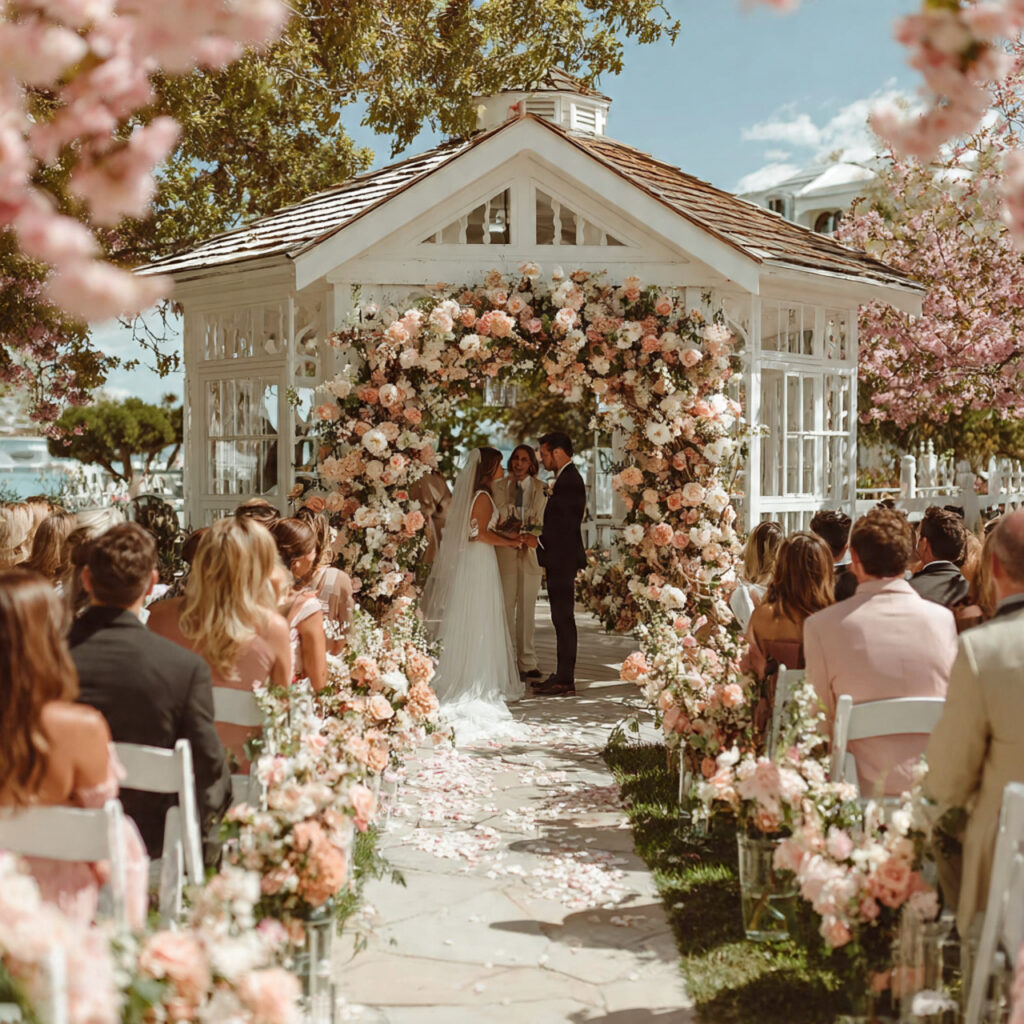
Spring wedding themes highlight renewal and freshness. Pastel colors and seasonal flowers dominate. Outdoor venues are popular. Weather variability must be considered. Spring themes feel light and optimistic.
Summer Celebration theme
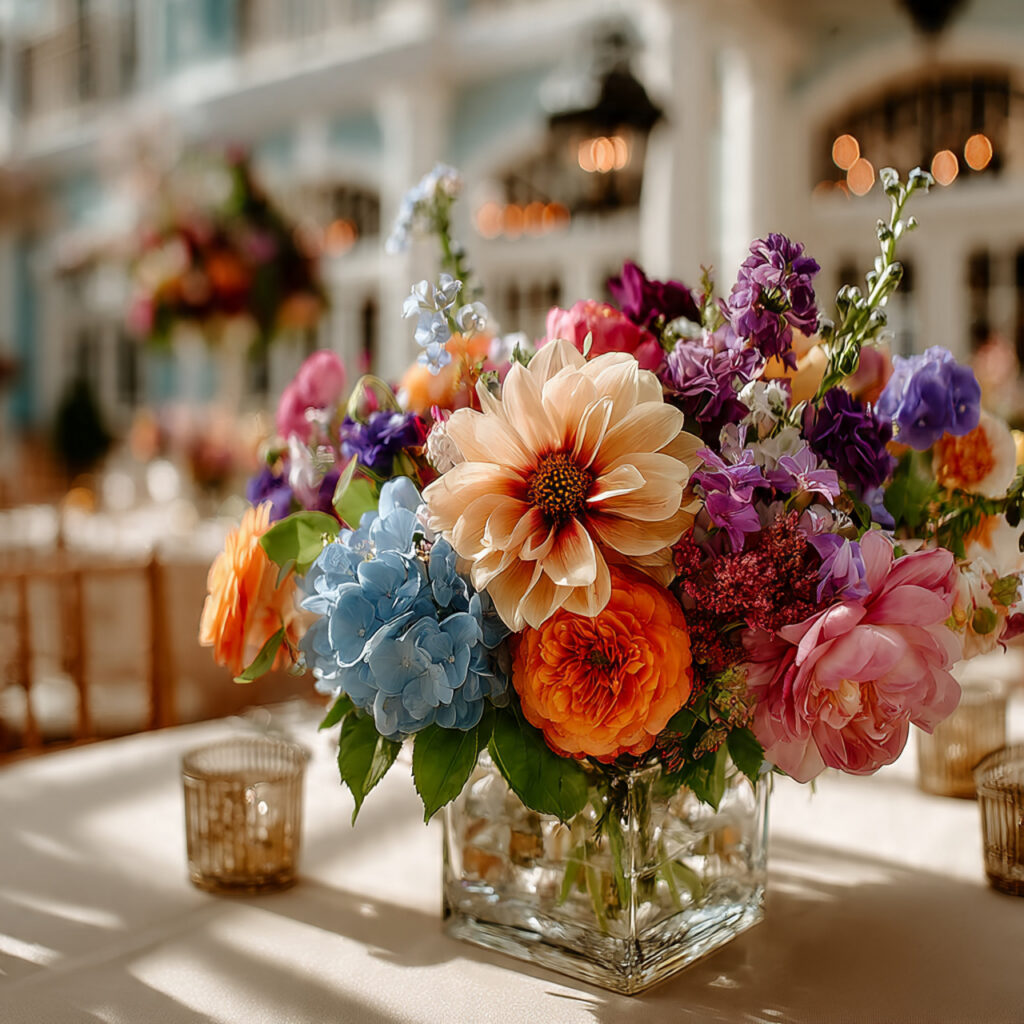
Summer wedding themes emphasize brightness and energy. Bold colors and open spaces are common. Heat management is critical. Timing and shade matter. Summer themes thrive on simplicity and comfort.
Industrial Chic theme
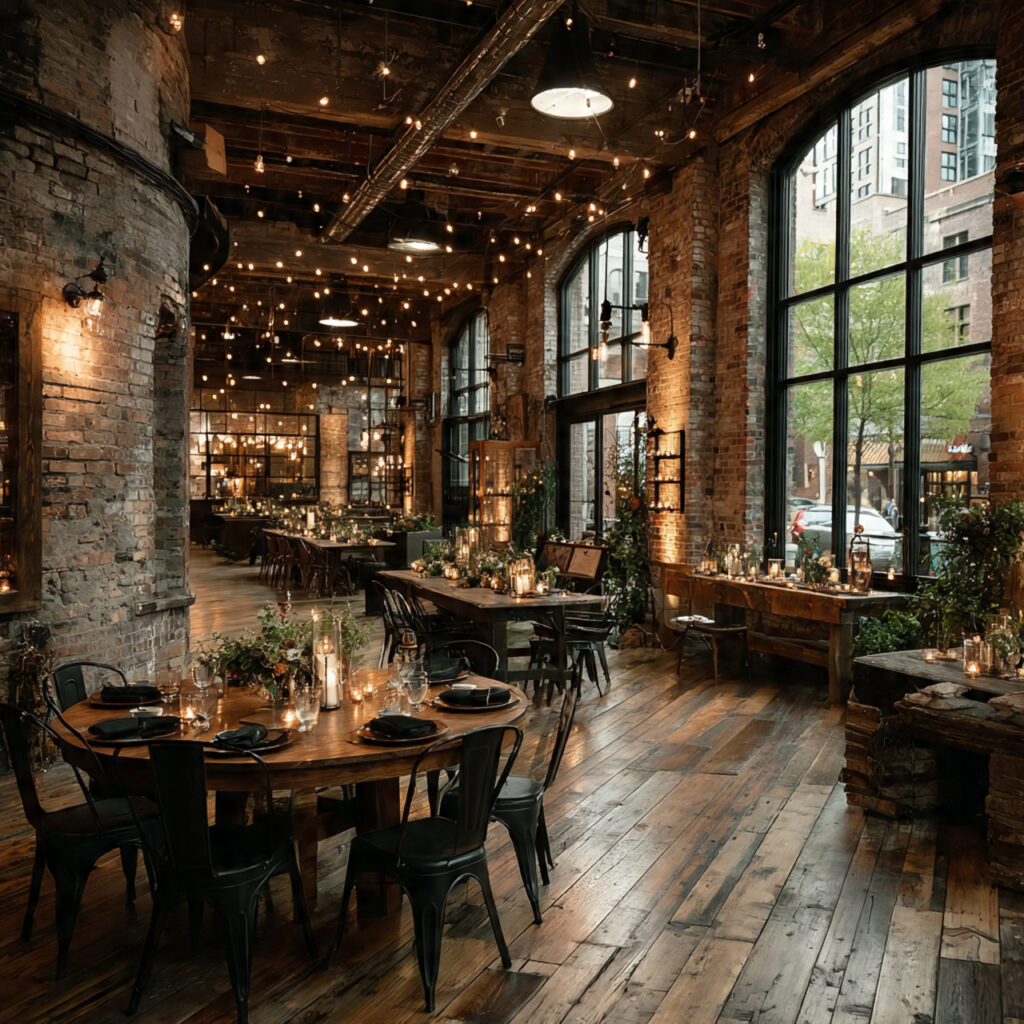
Industrial wedding themes use raw materials and urban spaces. Brick, metal, and concrete define the aesthetic. Minimal décor balances the rough environment. Industrial themes suit modern couples who prefer edge over softness.
Whimsical Storybook theme
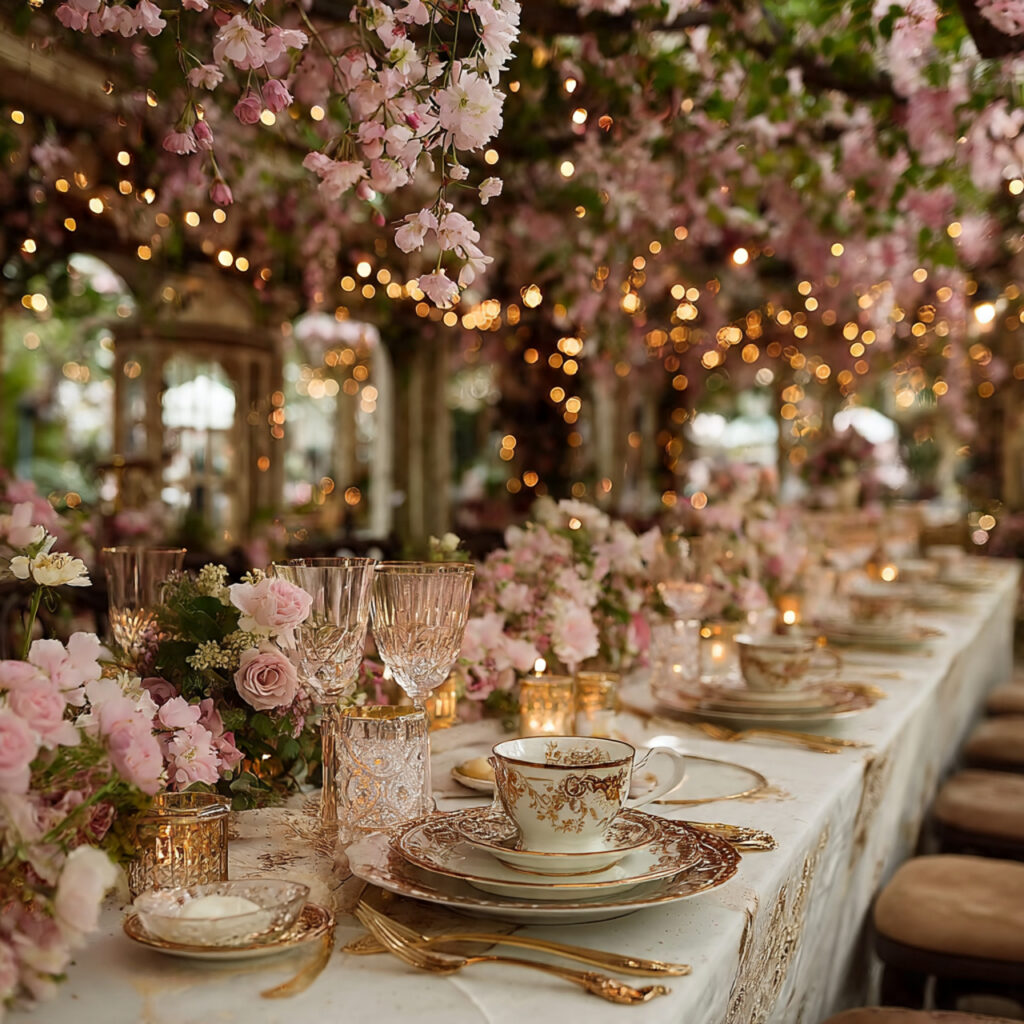
Whimsical wedding themes embrace imagination and playfulness. Custom details and storytelling are central. Venues are often unique or transformed creatively. Whimsical themes require clear vision to avoid appearing childish.
Fairytale Inspired theme
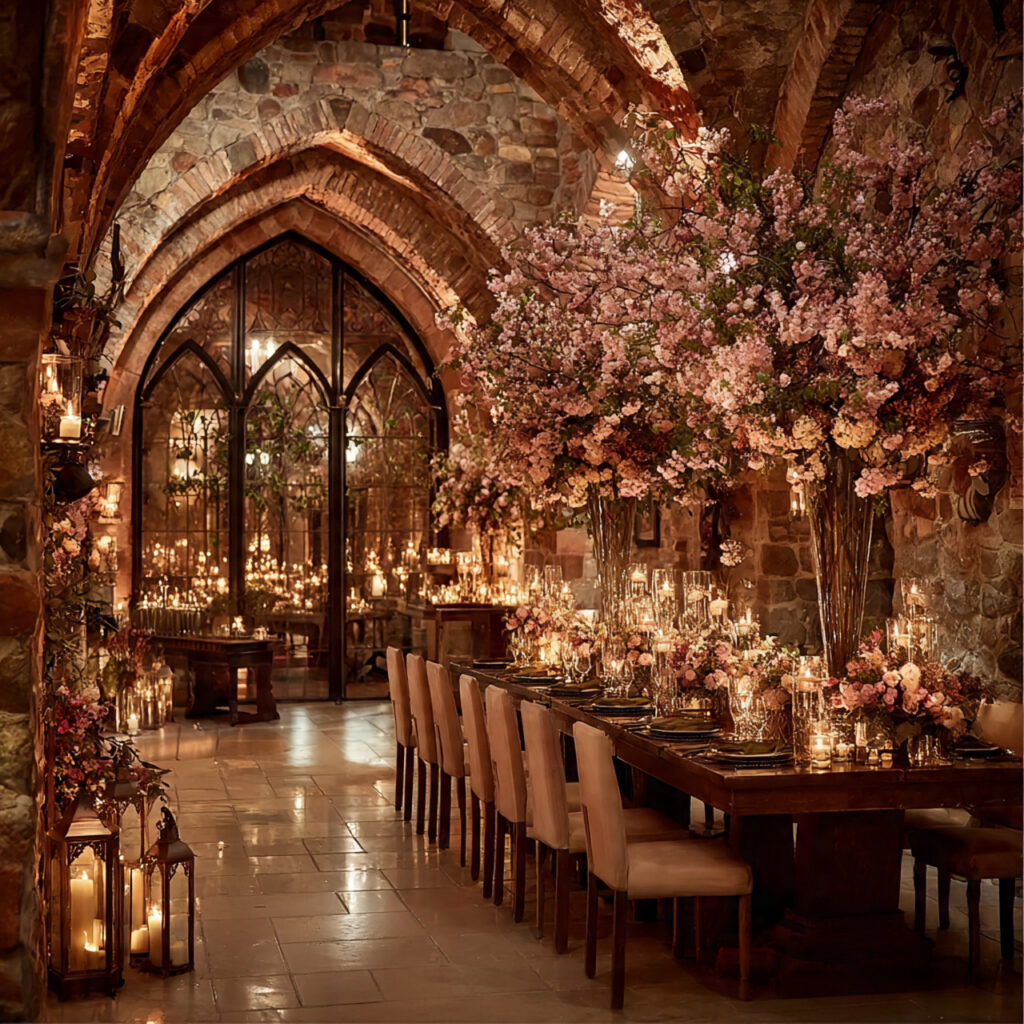
Fairytale wedding themes focus on romance and fantasy. Dramatic venues and lighting are key. Décor is lush and layered. Fairytale themes require scale and coordination.
Tropical Paradise theme
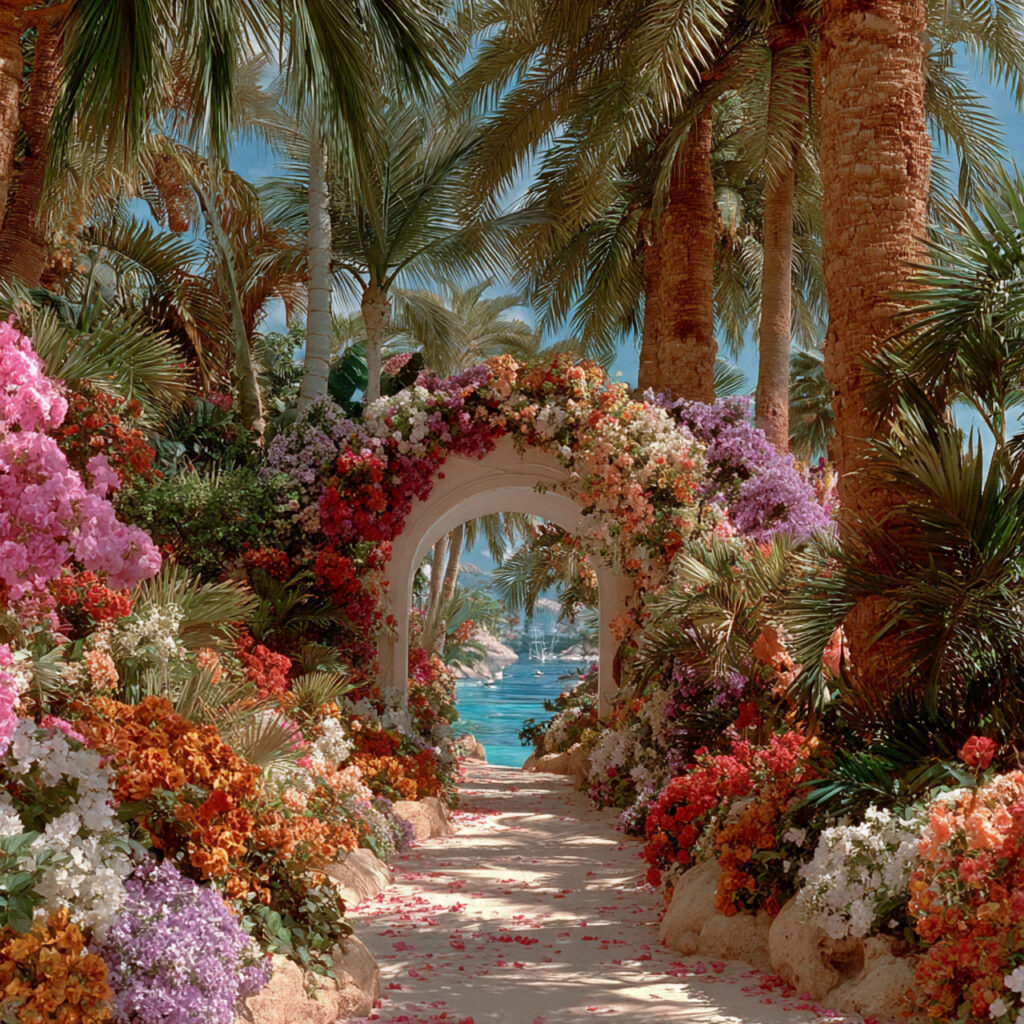
Tropical wedding themes highlight bold color and natural vibrancy. Palms, bright florals, and outdoor settings dominate. Weather and humidity must be considered. Tropical themes feel festive and relaxed.
Eco-Friendly Sustainable theme

Sustainable wedding themes prioritize ethical choices. Local vendors and reusable décor are central. Minimal waste is the goal. Eco-friendly wedding themes align values with celebration.
Artistic Creative theme

Artistic wedding themes showcase personal expression. Color, form, and unconventional elements are common. Venues often support creative freedom. Artistic wedding themes are best for couples comfortable with nontraditional choices.
Monochrome theme

Monochrome wedding themes use a single color family. Texture and tone variation prevent flatness. Design precision is critical. Monochrome wedding themes feel modern and cohesive.
Intimate Micro theme
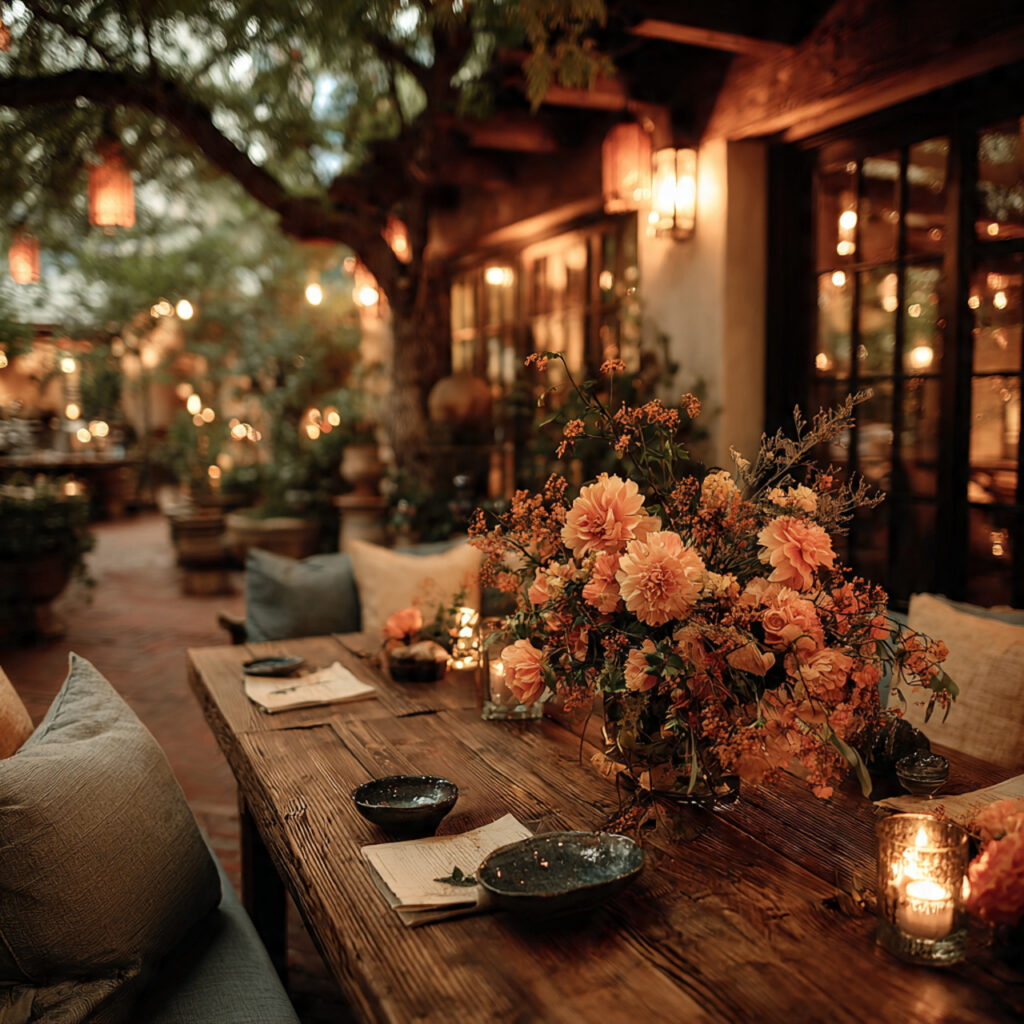
Micro wedding themes focus on connection rather than scale. Guest counts are small. Venues can be unconventional. Intimate wedding themes allow higher quality per guest.
Luxury Estate theme
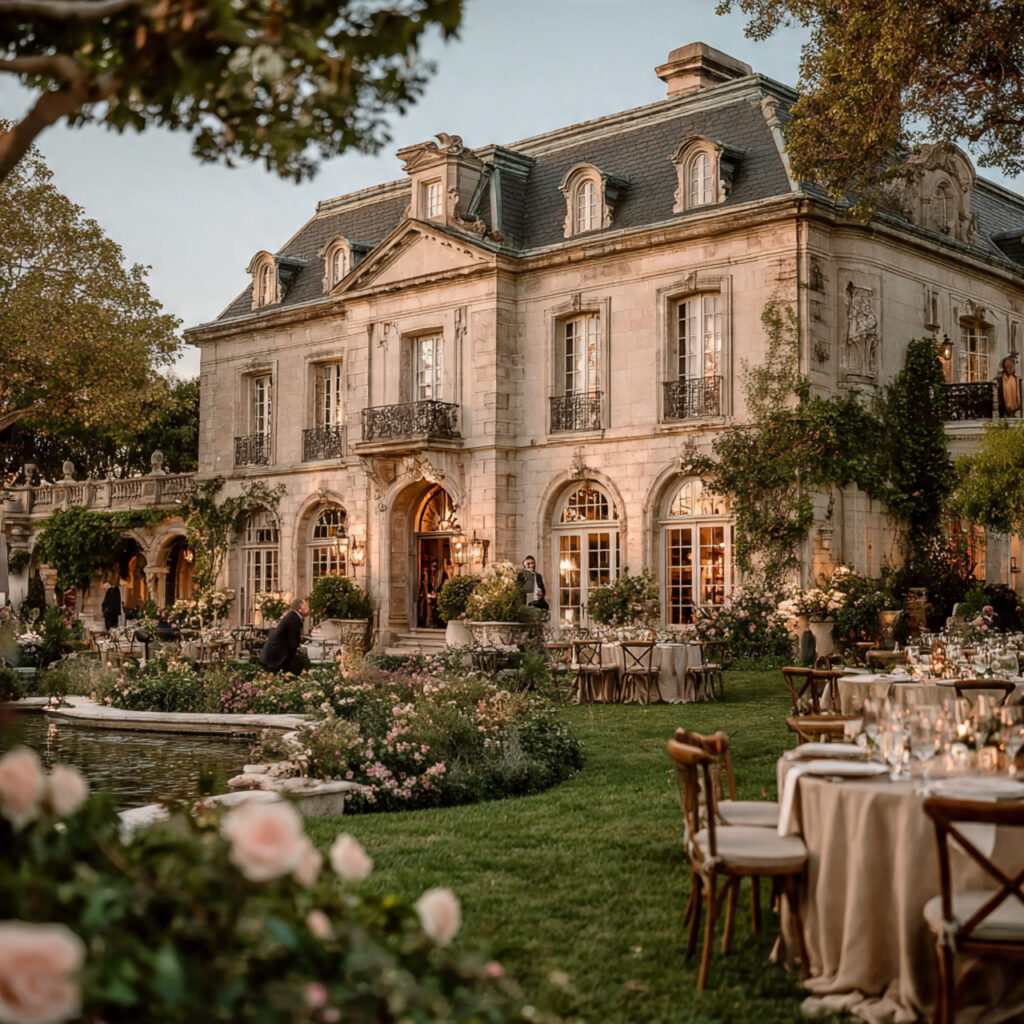
Estate wedding themes combine privacy and grandeur. Outdoor and indoor spaces are used together. Coordination is complex. Estate wedding themes feel exclusive and immersive.
Festival Inspired theme
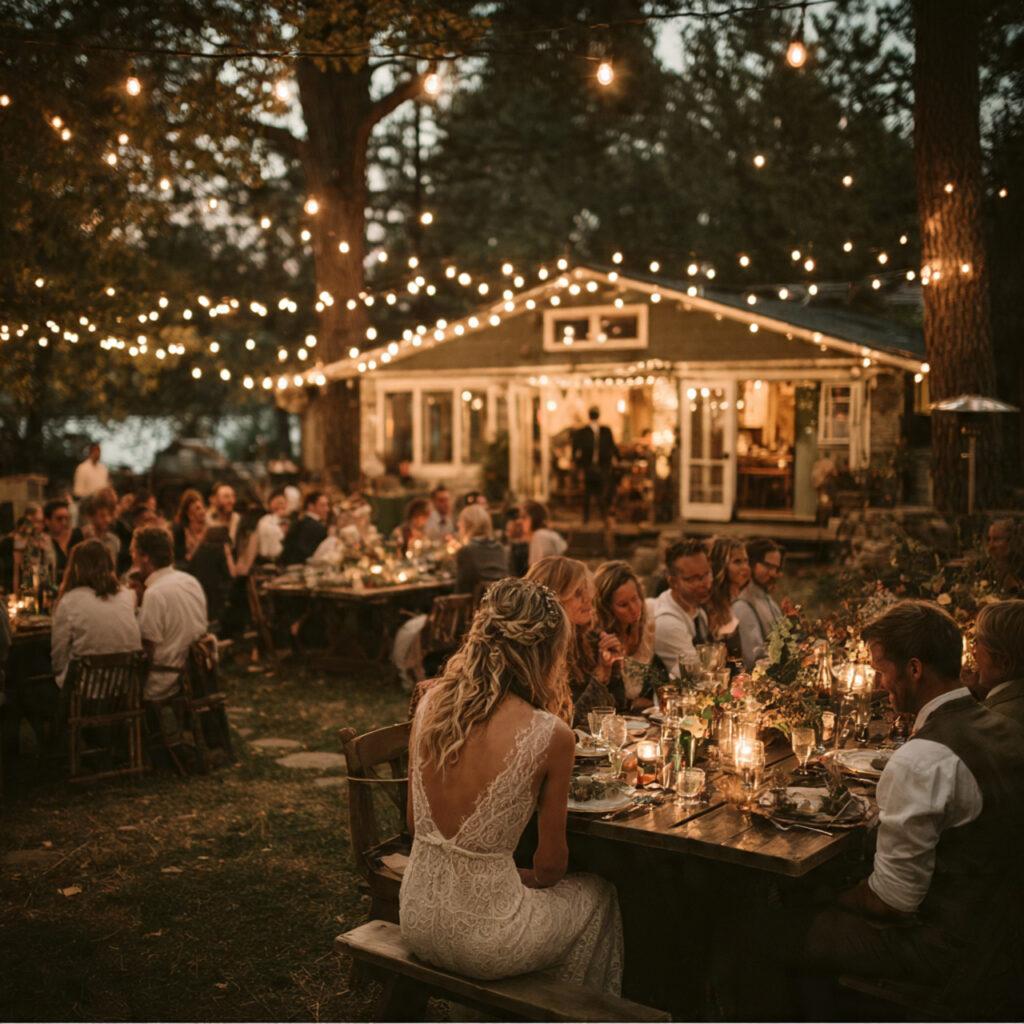
Festival wedding themes are energetic and informal. Music and guest interaction are central. Logistics require careful planning. Festival wedding themes prioritize experience over formality.
Traditional Formal theme
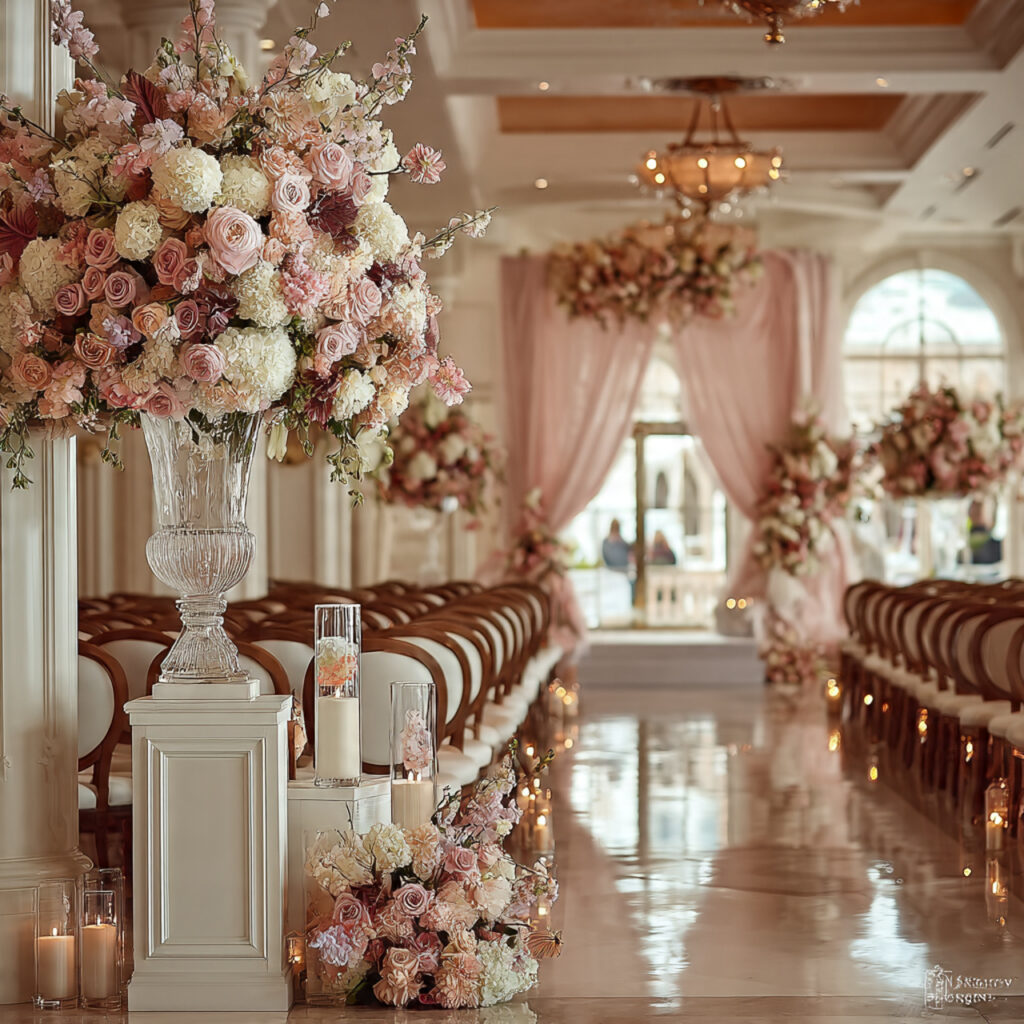
Traditional wedding themes honor customs and structure. Formal venues and schedules are common. Guests know what to expect. Traditional wedding themes are reliable and widely accepted.
Urban City theme
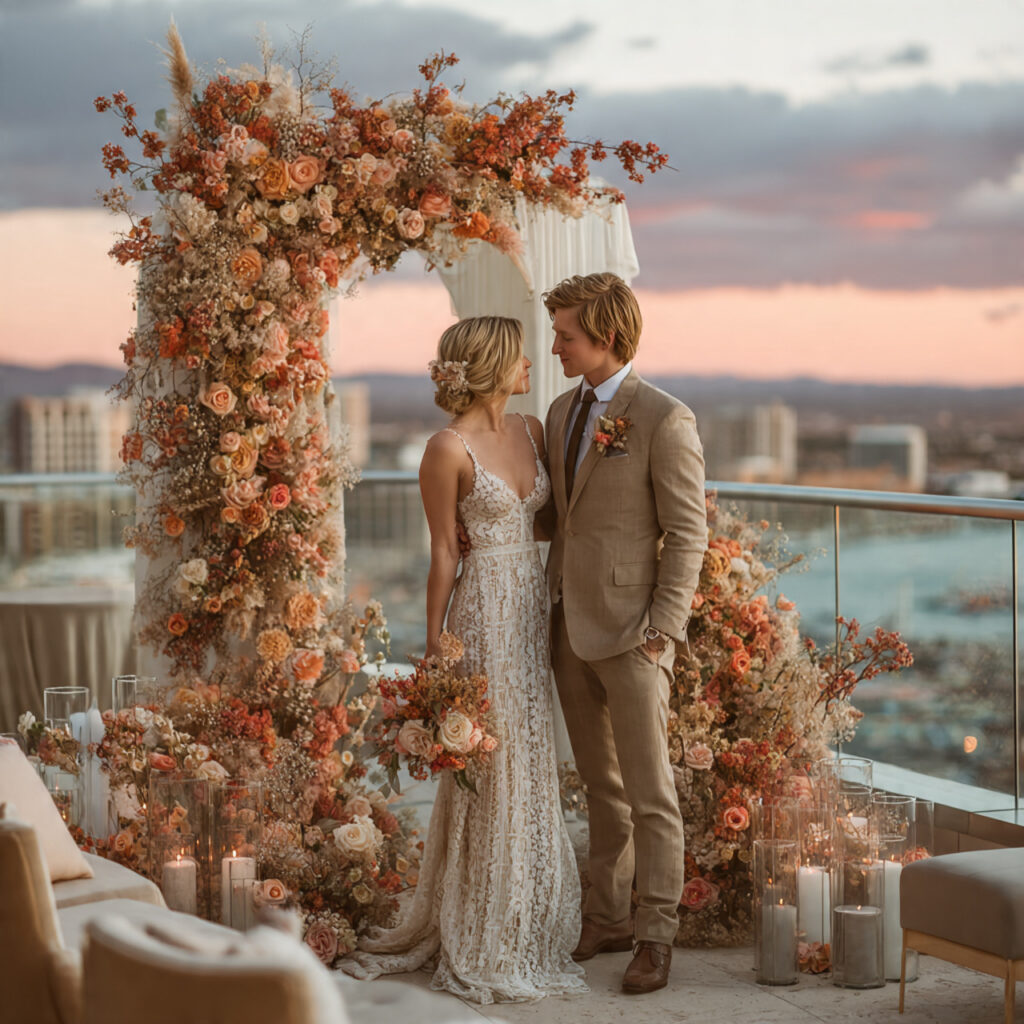
City wedding themes embrace metropolitan energy. Rooftops, lofts, and skyline views are common. Modern styling fits best. Urban wedding themes feel current and efficient.
Frequently Asked Questions
How early should wedding themes be finalized?
Ideally, a theme should be chosen before booking major vendors. It influences venue, décor, and attire decisions.
Can wedding themes change during planning?
Minor adjustments are normal, but major changes increase cost and complexity.
Are wedding themes necessary for small weddings?
Even small weddings benefit from a loose theme to guide decisions and maintain cohesion.
How do budgets affect wedding themes?
Some themes require heavy décor investment. Others rely on venue and natural elements.
Can multiple wedding themes be combined?
Yes, but combinations must be intentional. Too many influences reduce clarity.
Conclusion
Wedding themes are not about copying trends or social media aesthetics. They are frameworks for decision-making. A strong theme simplifies planning, aligns expectations, and creates a unified experience for guests. The best themes are practical, personal, and well-executed. They reflect who the couple is and how they want their day to feel. When clarity guides creativity, the result is not just a beautiful wedding, but a meaningful one.