19 Wedding Speeches ideas Real Ideas for Words That Matter
Wedding days move fast. Guests arrive, food is served, music plays, and suddenly someone stands up with a microphone. This moment matters more than people admit. Wedding speeches are not filler. They are memory anchors. Years later, couples forget centerpieces and chair covers, but they remember words spoken in front of everyone they love.
A good speech does not need poetry. It needs honesty, clarity, and restraint. Below are grounded ideas that help speakers avoid embarrassment and create something meaningful. These ideas apply whether the speaker is a best friend, sibling, parent, or the couple themselves.
The Personal Story That Explains the Bond for Wedding Speeches
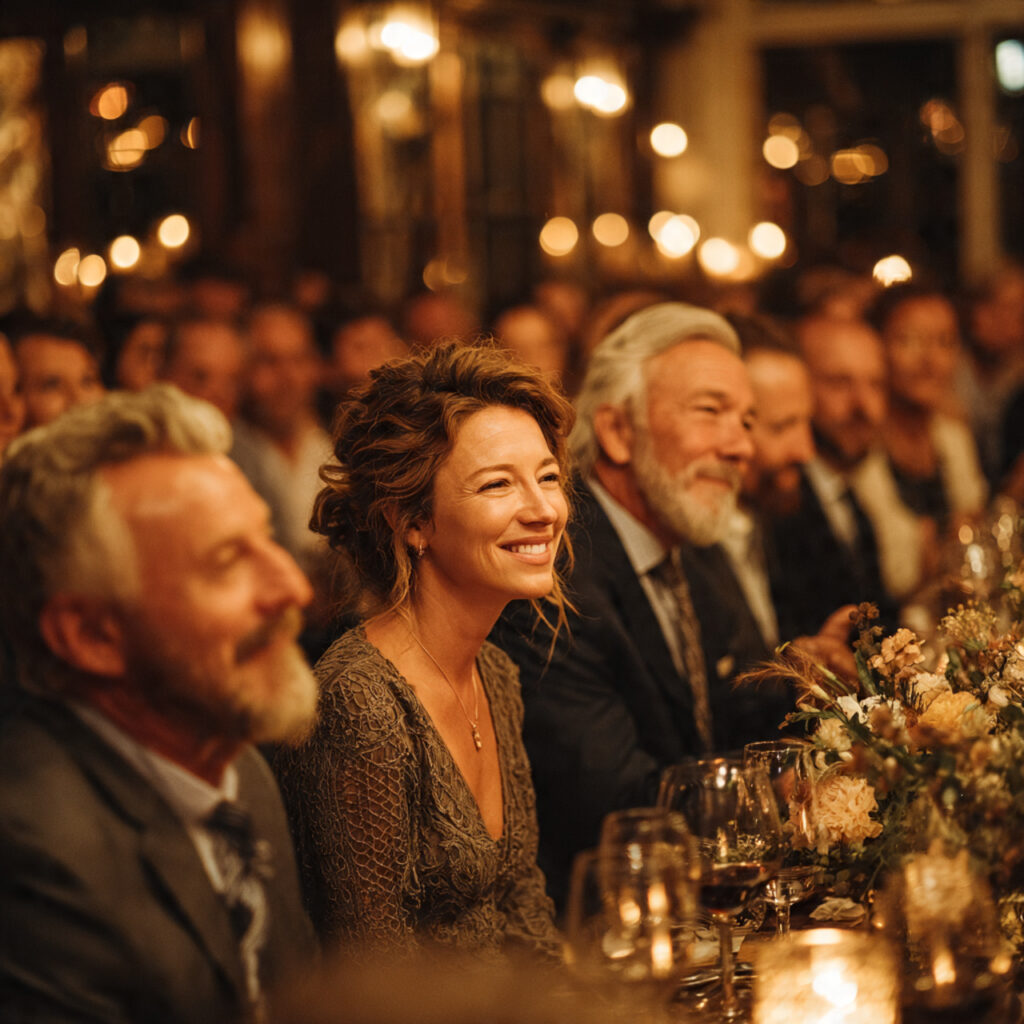
A speech works when it answers one quiet question in the room: why does this person matter to the couple? The simplest way to answer that is through a single personal story. Choose one moment that shows connection, not history overload. A short, specific memory carries more weight than a timeline of shared years. The story should explain how trust was built, how loyalty showed up, or how love was proven when it counted.
Strong wedding speeches focus on meaning, not entertainment. Humor can exist, but it should serve the story rather than distract from it. Avoid inside jokes that isolate guests. If the story needs too much explanation, it is the wrong one. End the story by tying it directly to the marriage. Show how that same trait or moment predicts the couple’s future together.
The Speech That Centers on Character
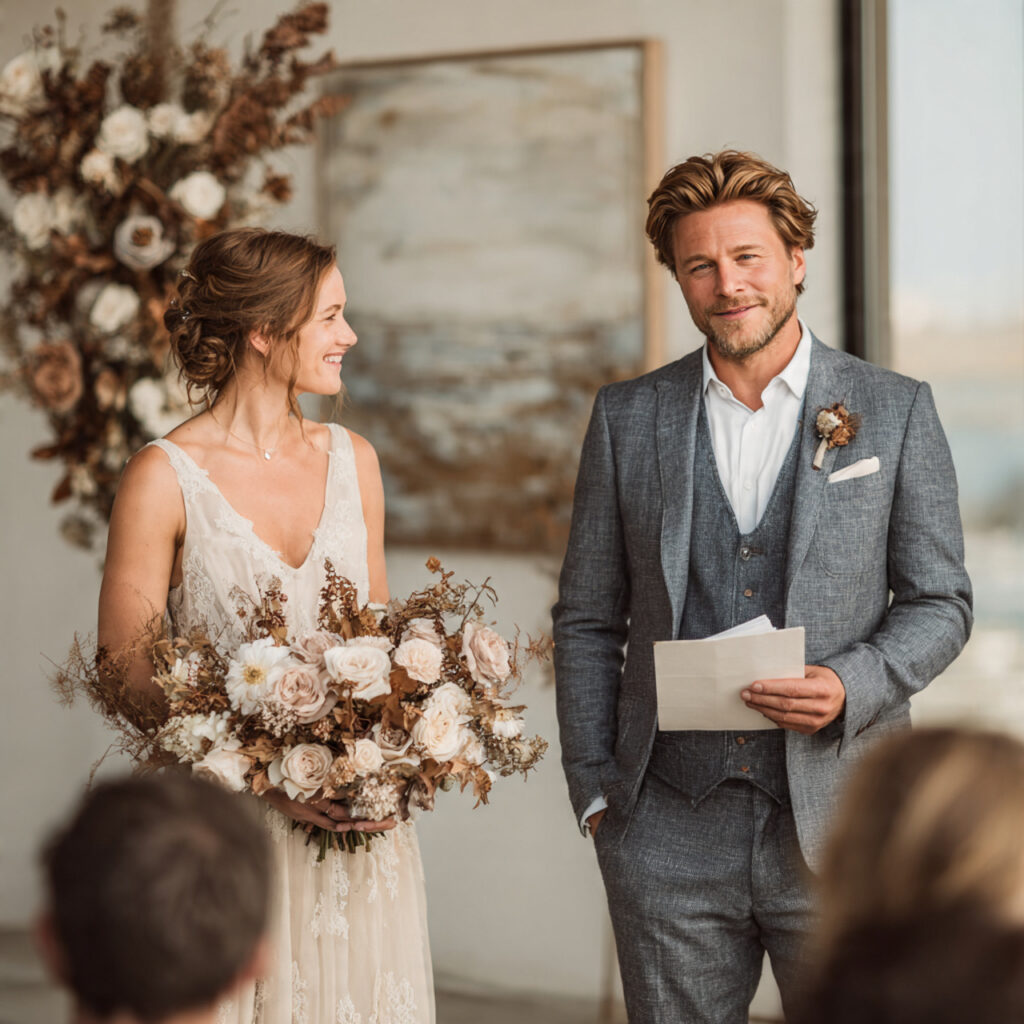
Character-based speeches feel calm and confident. They do not chase laughs. They name qualities and back them up with proof. Pick three traits. Not five. Not ten. Discipline matters. For example: reliability, generosity, patience. For each trait, give one short example that shows it in action. This approach works especially well for parents and mentors. It gives guests insight without oversharing. It also avoids embarrassing details that may feel funny to the speaker but uncomfortable to the couple. Wedding speeches built on character feel timeless because values do not expire.
The Best Friend Perspective Without Chaos

Best friend speeches often fail because they try to cover everything. Years of friendship cannot fit into five minutes. Choose a single angle. It might be how the friendship changed after the relationship began, or how the partner fit naturally into an existing bond. Focus on transition rather than nostalgia. Speak with loyalty, not ownership. A wedding is not the moment to remind the couple who came first. Strong wedding speeches from friends show support for the future, not attachment to the past.
The Parent Speech That Respects Adulthood
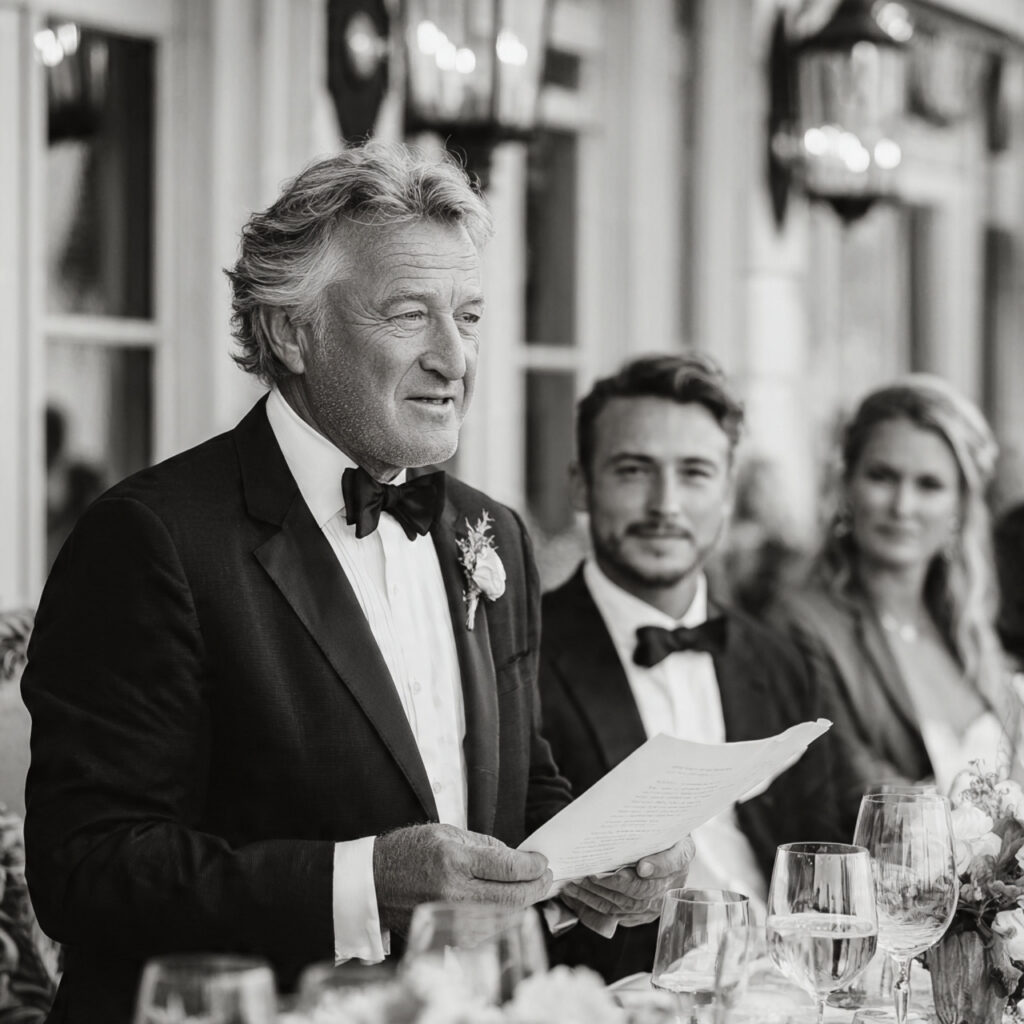
Parents sometimes struggle to let go of authority in speeches. Advice-heavy monologues can feel dated and uncomfortable. The most effective parent speeches treat the couple as adults making their own choices. Instead of instruction, offer observation. Share what you have learned from them, not what they should learn from you. One short childhood reference is enough. The rest should focus on who the person has become and why their partner complements that growth. Wedding speeches from parents work best when they feel proud, not protective.
The Sibling Speech That Balances History and Present
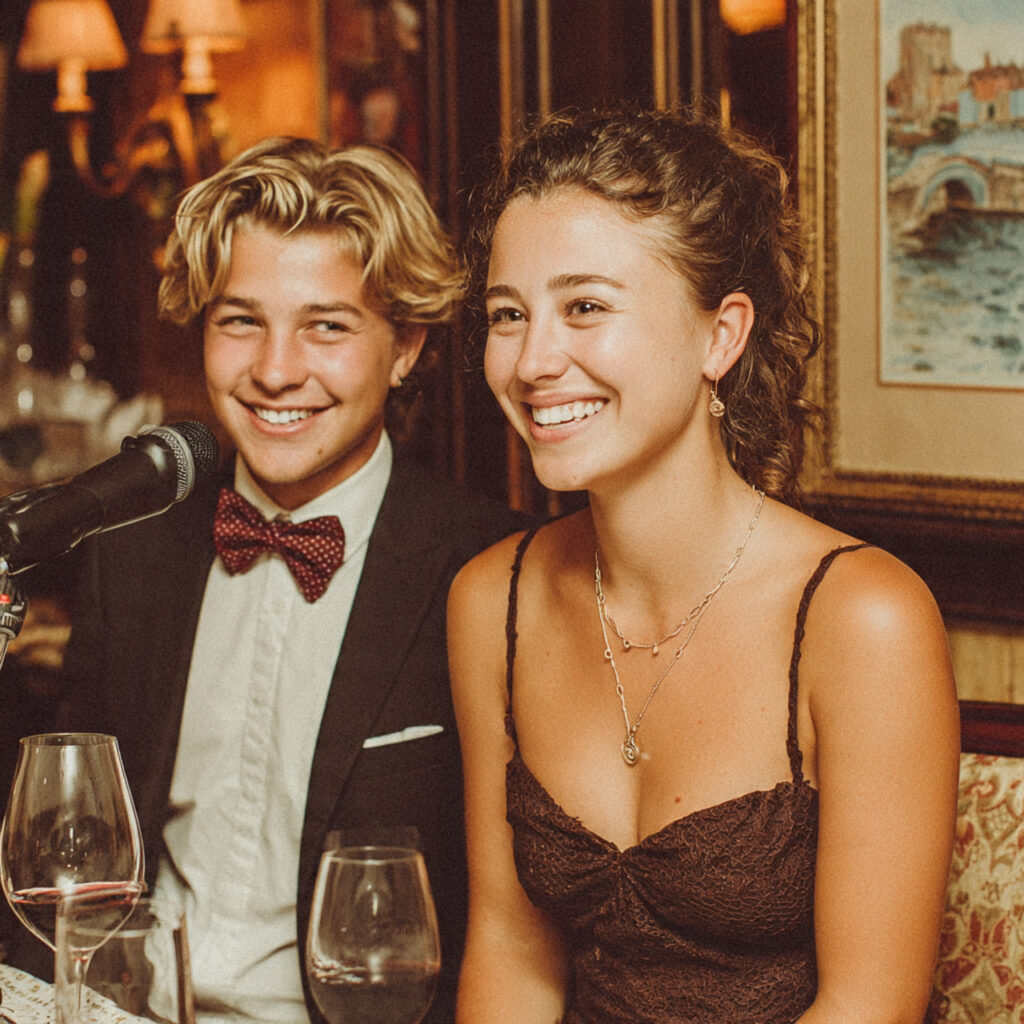
Sibling speeches have a natural advantage. They come with shared history, rivalry, and honesty. The key is balance. Acknowledge the shared past, but do not trap the person in it. People grow, and weddings celebrate that growth. Choose moments that show evolution. How did your sibling change when they met their partner? How did their priorities shift? How did they become better? Wedding speeches that show growth feel earned and real.
The Short Speech That Leaves Impact
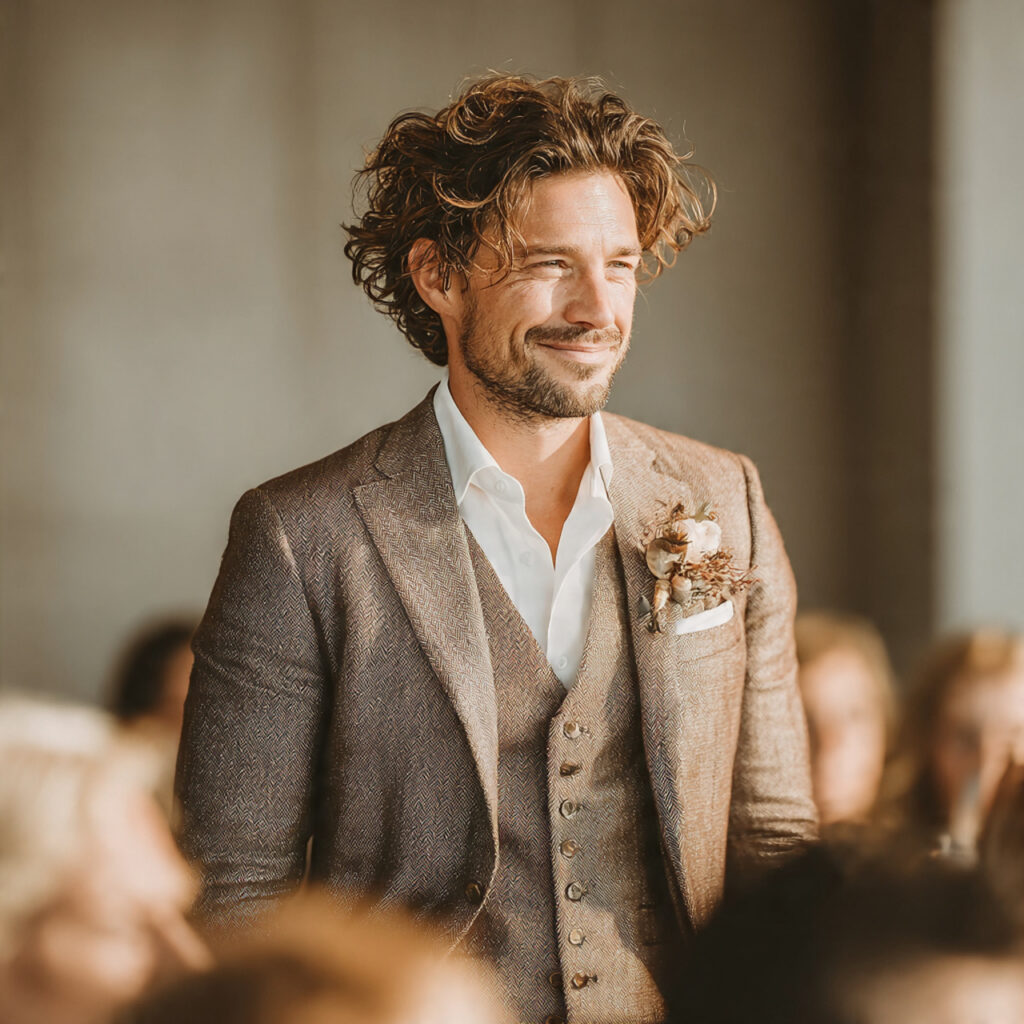
Length is not strength. Many of the most memorable speeches are under three minutes. A short speech needs structure. One opening line, one core idea, one closing wish. Remove everything else. Silence is powerful. Pausing instead of filling space with jokes shows confidence. In wedding speeches, restraint often feels more meaningful than performance.
The Speech That Honors Both Partners Equally
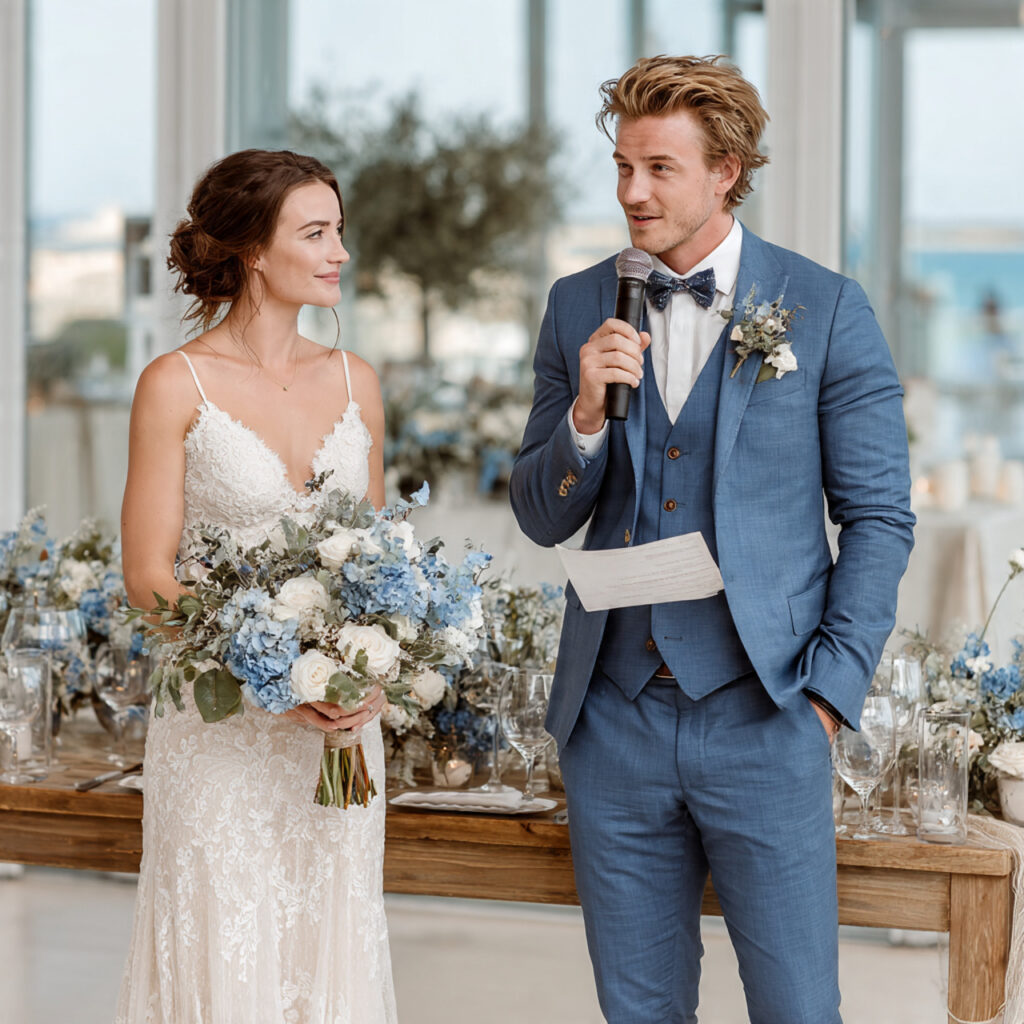
Some speeches lean heavily toward one person and treat the other as an accessory. This creates imbalance in the room. A strong speech speaks to both partners with equal respect. Even if you know one better, make the effort to acknowledge the other’s role, character, and contribution. Guests should leave understanding why these two people make sense together. Wedding speeches succeed when they reflect partnership, not favoritism.
The Humor That Does Not Age Poorly
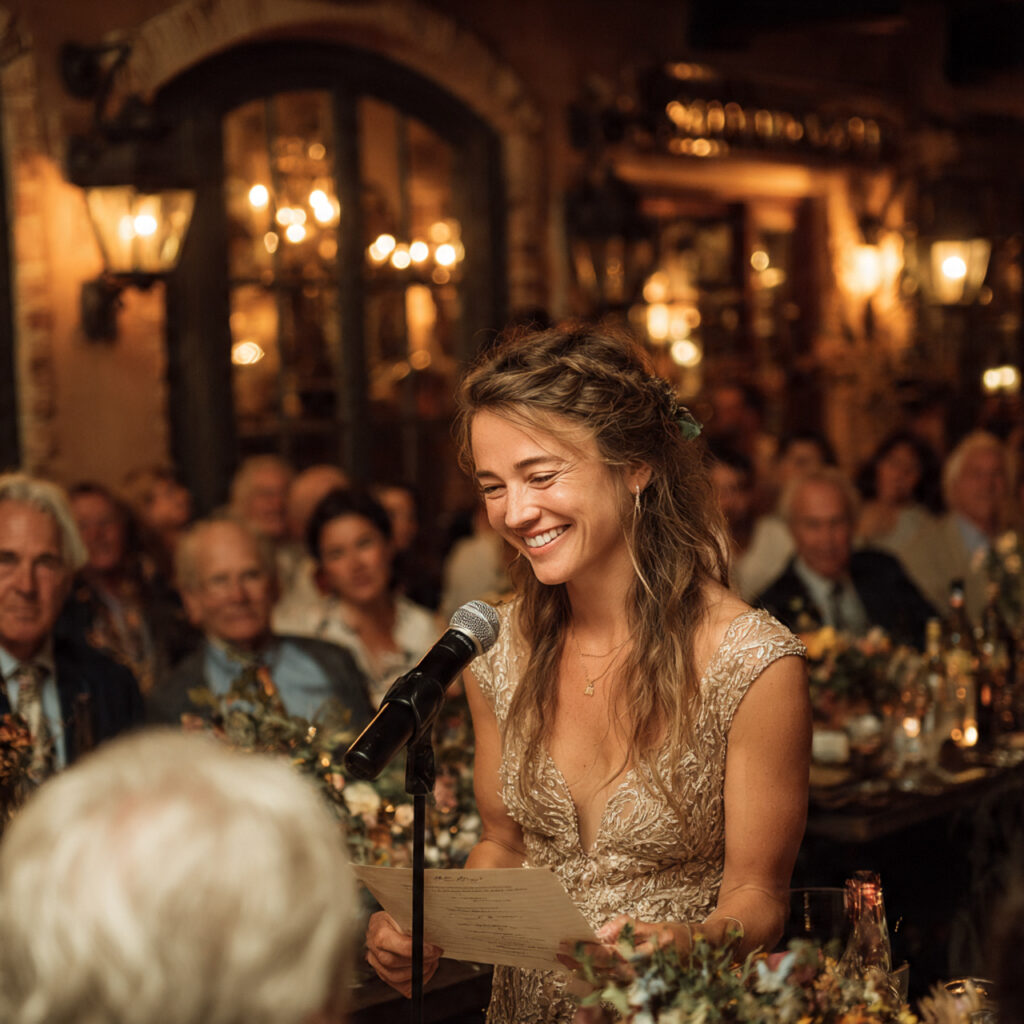
Humor is risky because weddings are recorded and remembered. What feels funny today may feel careless later. Avoid stories involving past relationships, wild behavior, or humiliation. These jokes age badly and distract from the purpose of the moment. If humor is used, let it come from recognition, not exposure. Gentle self-deprecation works better than pointing at the couple. In wedding speeches, laughter should feel warm, not sharp.
The Speech That Speaks for the Community
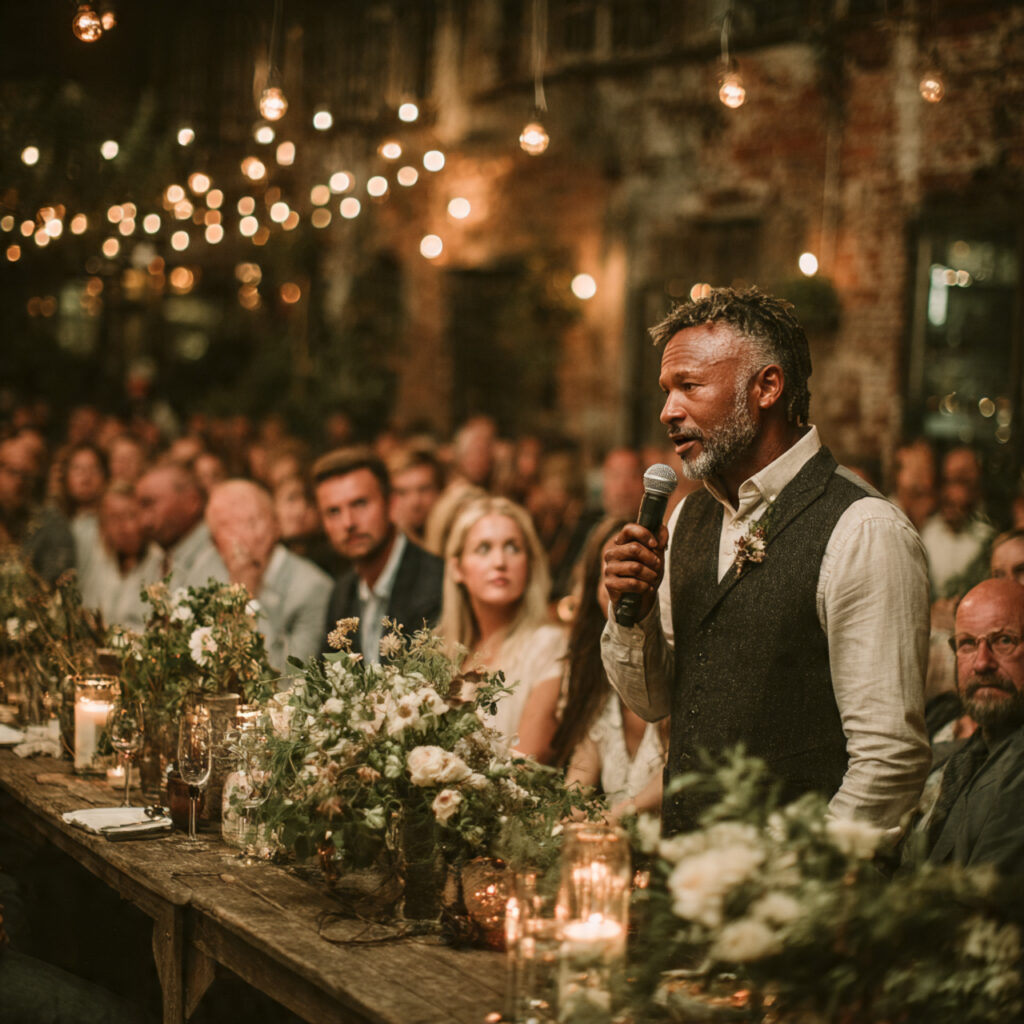
Some speakers represent more than themselves. They speak for families, cultural groups, or shared communities. In these cases, the speech should acknowledge collective support without turning into a roll call. Focus on shared values and collective hopes. This approach works well in multicultural or large family weddings where unity matters. Wedding speeches that reflect community make the couple feel held, not isolated.
The Speech Built Around Gratitude
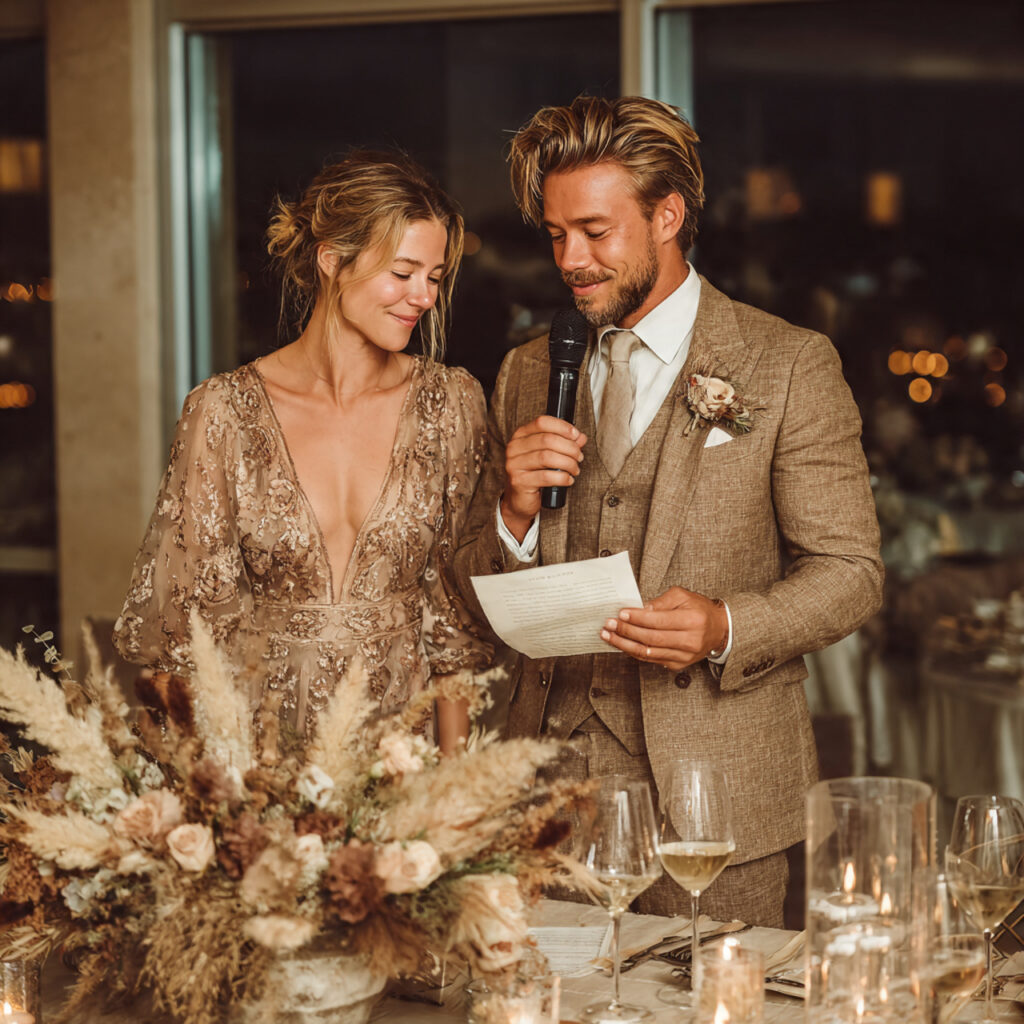
Gratitude creates emotional grounding. A speech that thanks people feels generous and stable. Thank the hosts, the families, and the guests briefly. Then focus gratitude on the relationship itself. Express appreciation for witnessing the couple’s journey. Avoid turning gratitude into obligation. Keep it sincere and specific. Wedding speeches rooted in gratitude feel calm and inclusive.
The Speech That Uses One Strong Metaphor
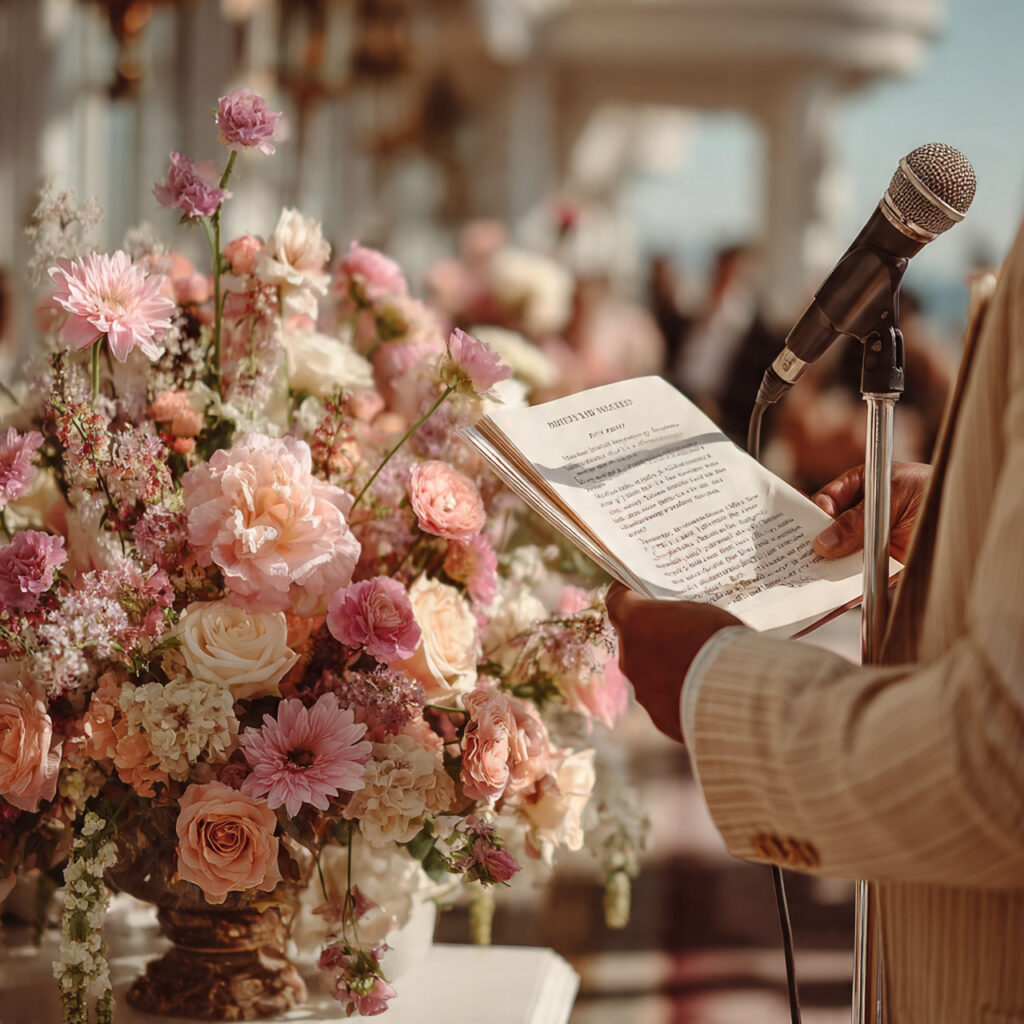
A single metaphor can give a speech shape. It might be about building, traveling, or growing. Choose a metaphor that fits the couple naturally. Do not force cleverness. Keep it simple and consistent. Return to the metaphor at the end to create closure. Wedding speeches with structure are easier to follow and remember.
The Speech That Acknowledges Real Life
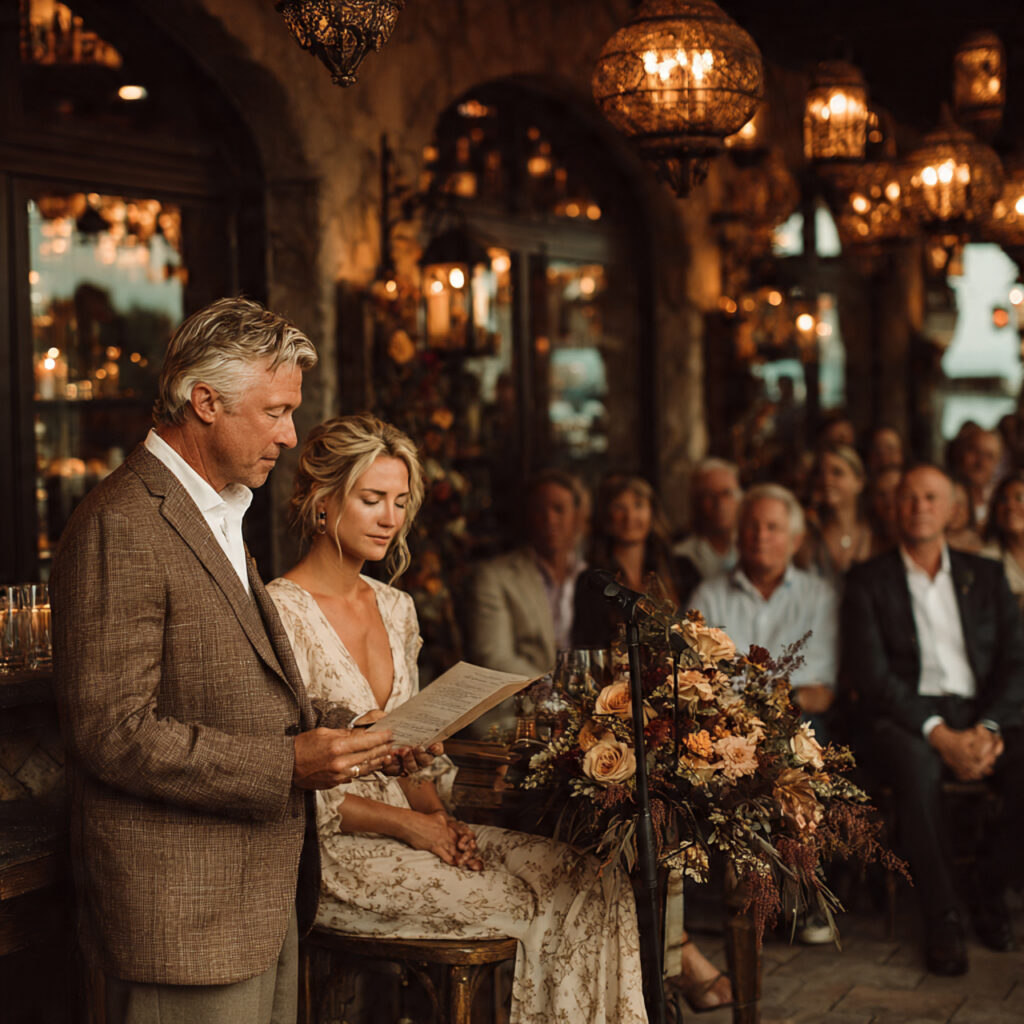
Perfect love stories feel distant. Honest acknowledgment of real life feels grounding. This does not mean sharing problems. It means recognizing that commitment includes effort, patience, and choice. Speak about partnership as something practiced daily, not something magically achieved. Wedding speeches that recognize reality feel mature and respectful.
The Quiet Speech That Holds the Room
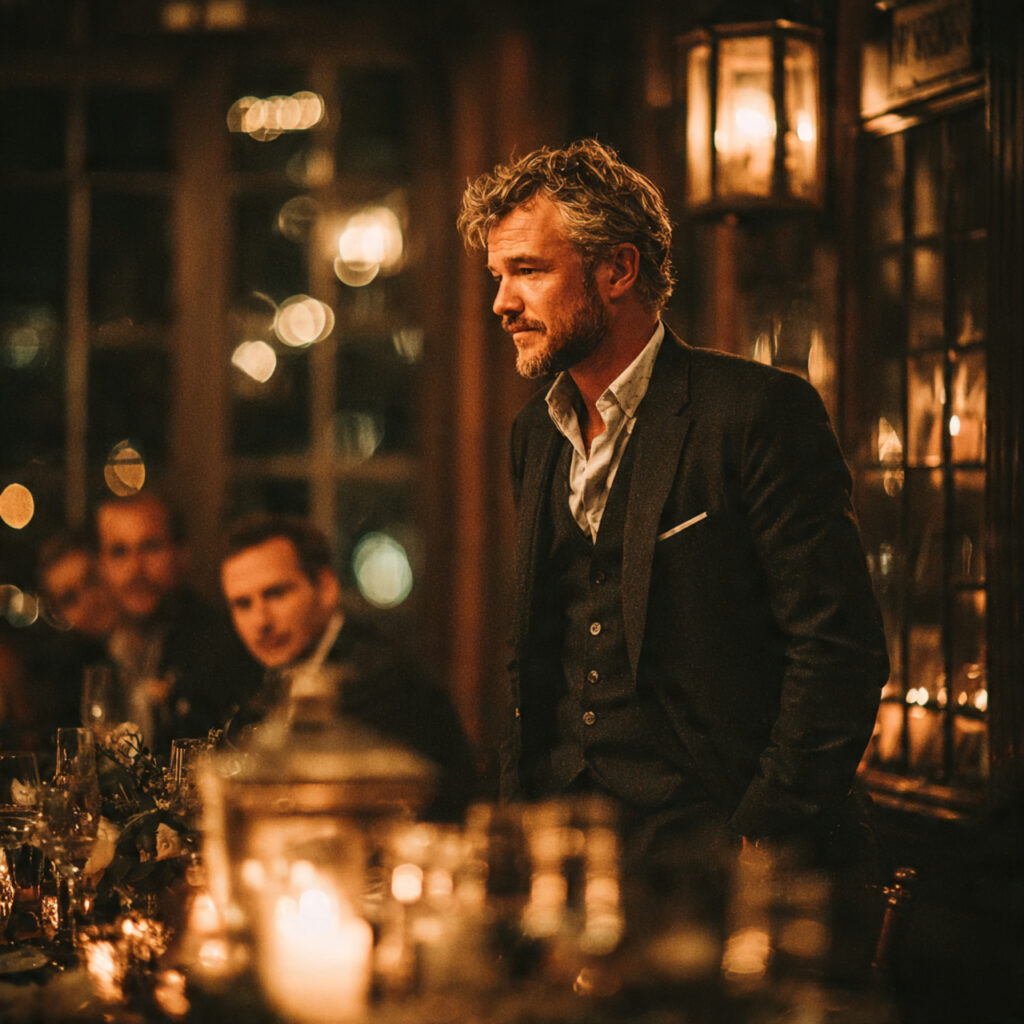
Not all speeches need energy. Some need presence. A calm voice, steady pacing, and thoughtful pauses can command attention without performance. This style works well for introverted speakers or serious moments. In wedding speeches, confidence often comes from stillness.
The Cultural or Traditional Speech Done Thoughtfully
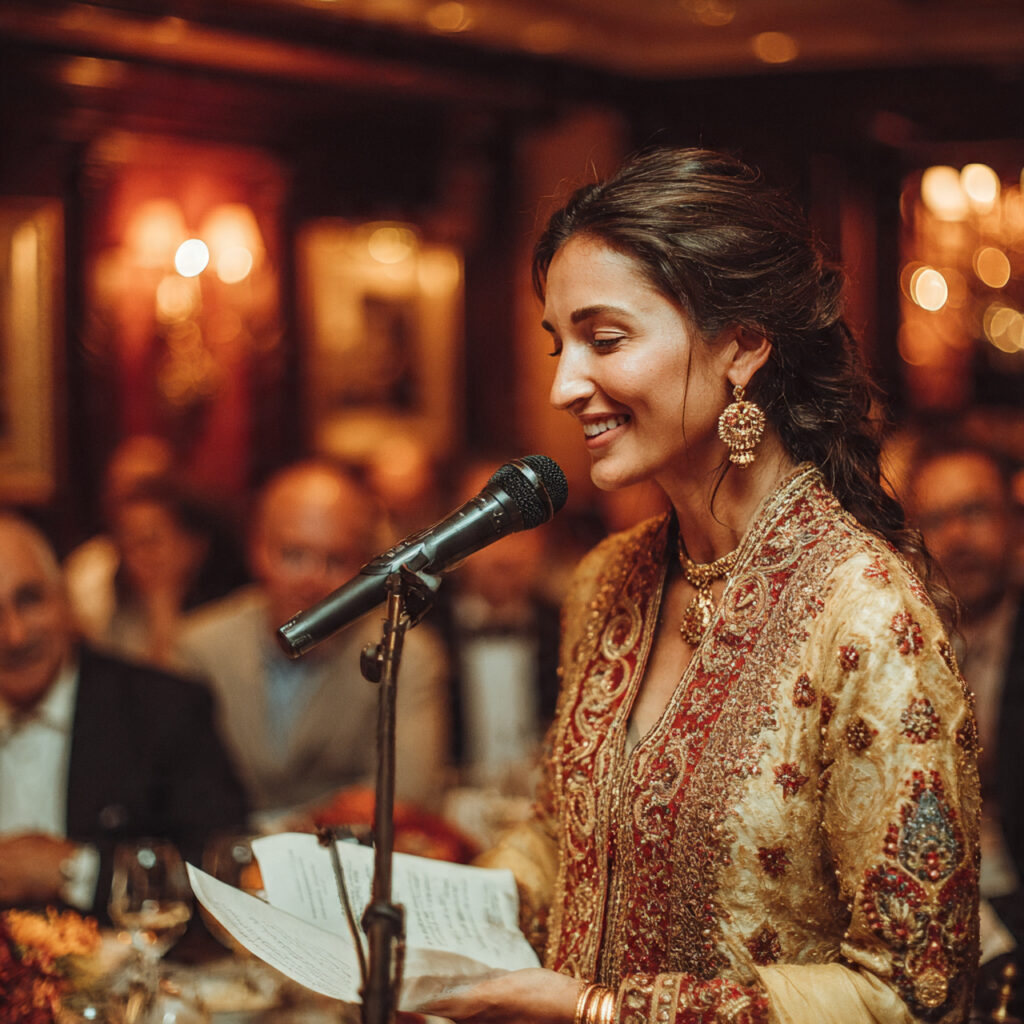
Cultural references add depth when done with care. Explain traditions briefly so all guests can follow. Avoid long explanations. Focus on meaning rather than ritual detail. Honor tradition without excluding those unfamiliar with it. Wedding speeches that bridge cultures feel inclusive and intentional.
The Speech That Avoids Advice but Offers Hope
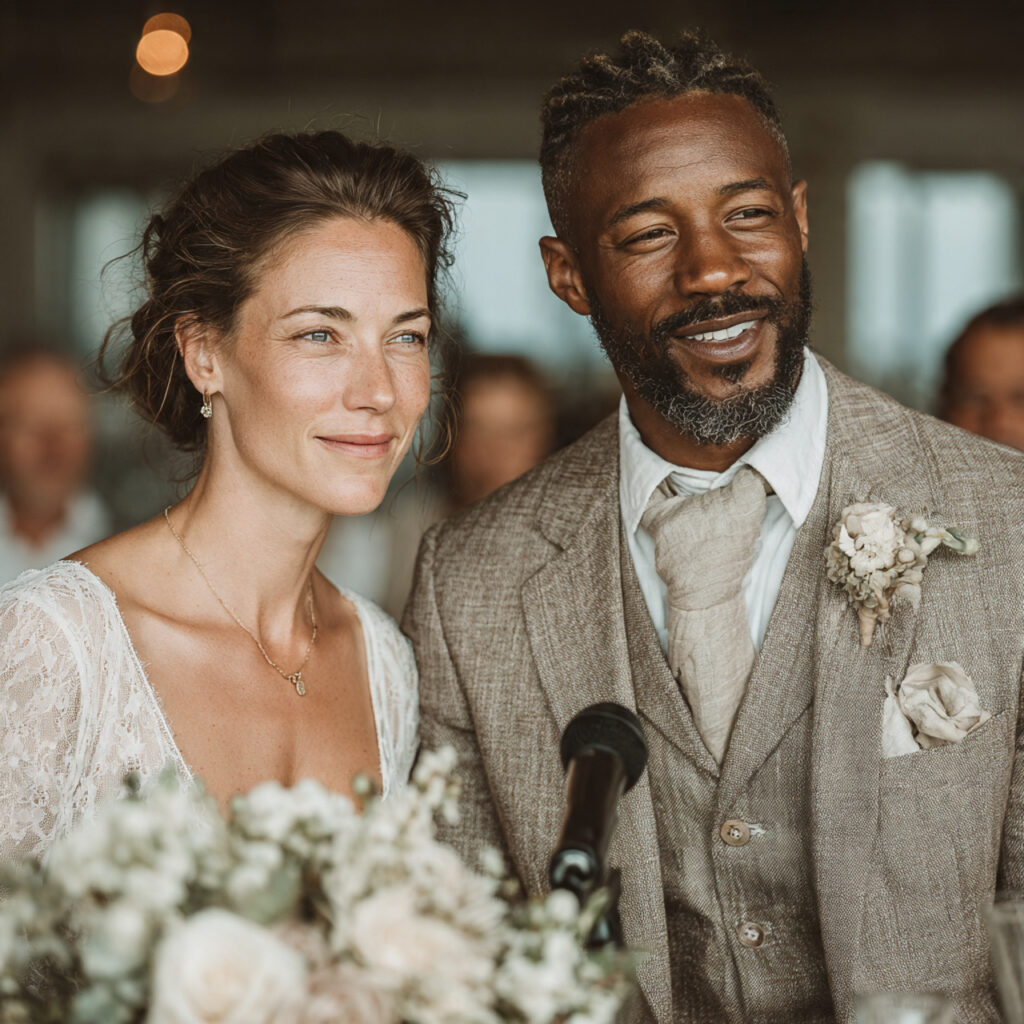
Advice is tempting but risky. People tune out instruction during celebrations. Instead of telling the couple what to do, express belief in their ability to figure things out together. Hope feels lighter than guidance and more appropriate for the moment. Wedding speeches should uplift, not instruct.
The Couple’s Own Speech to Guests
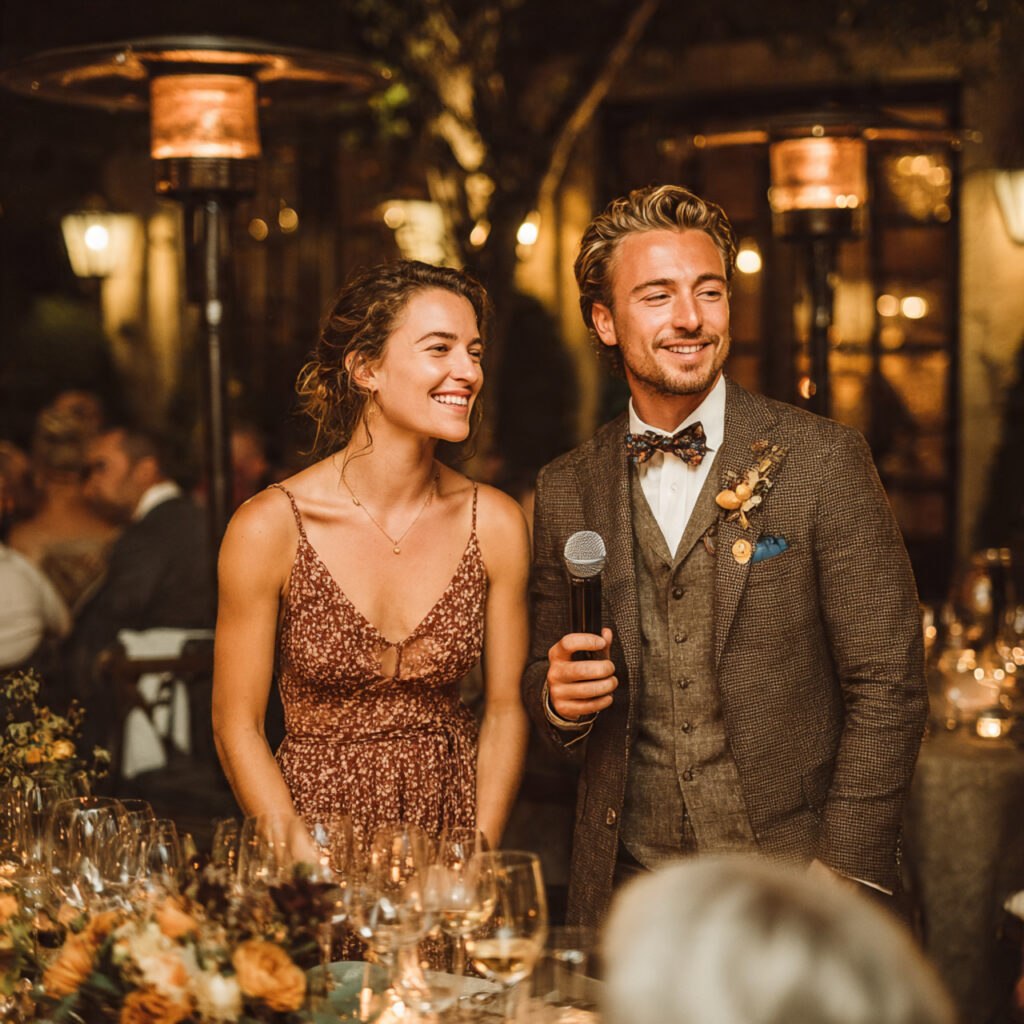
When couples speak together, unity matters. Plan the speech as one voice, not two separate monologues. Alternate lines or speak together briefly. Keep it short and focused on gratitude. Avoid retelling your love story. Guests already know why they are there. Wedding speeches from couples work best when they feel shared and grounded.
The Speech That Ends with a Clear Toast
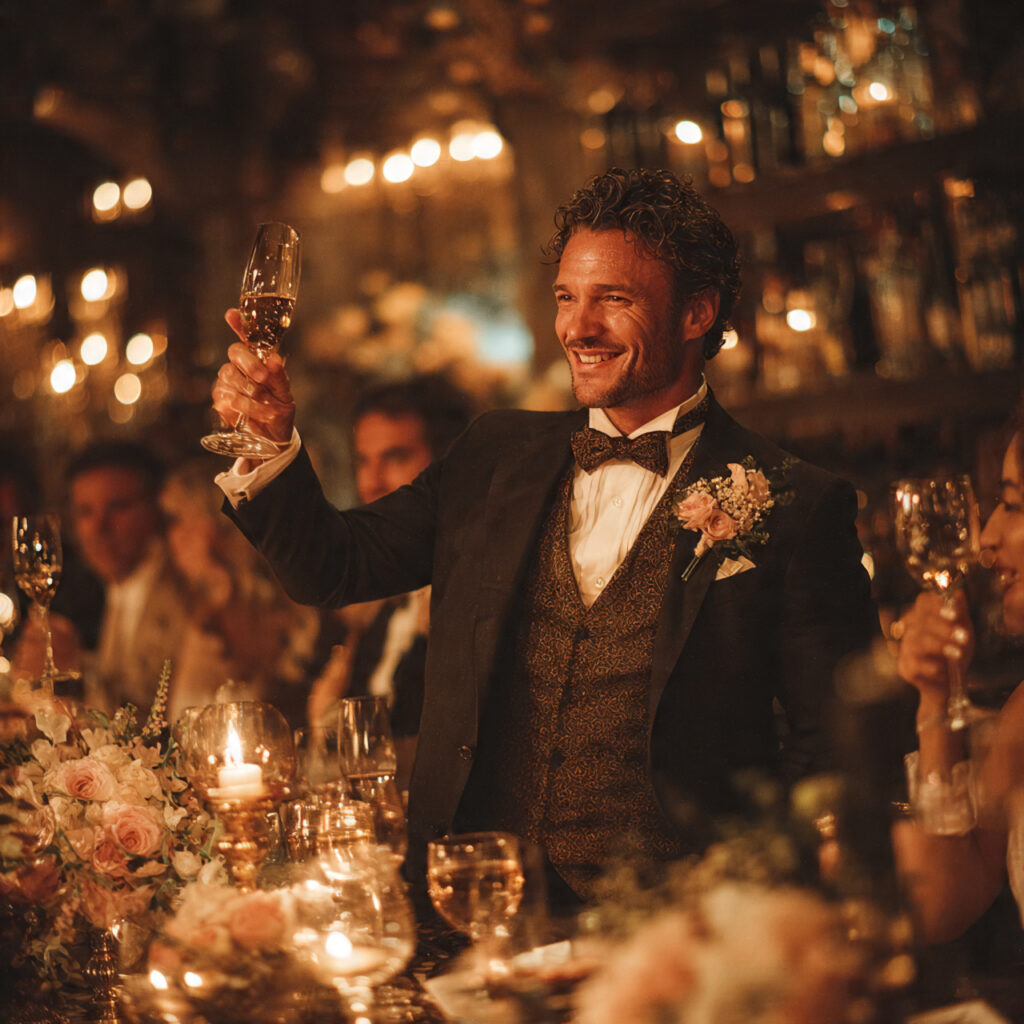
A speech without a clear ending feels unfinished. Always signal the toast clearly. Summarize the core message in one sentence. Then invite guests to raise their glasses. Confidence in the ending matters as much as the opening. Wedding speeches should conclude cleanly, not fade out.
The Speech Written for the Couple, Not the Crowd
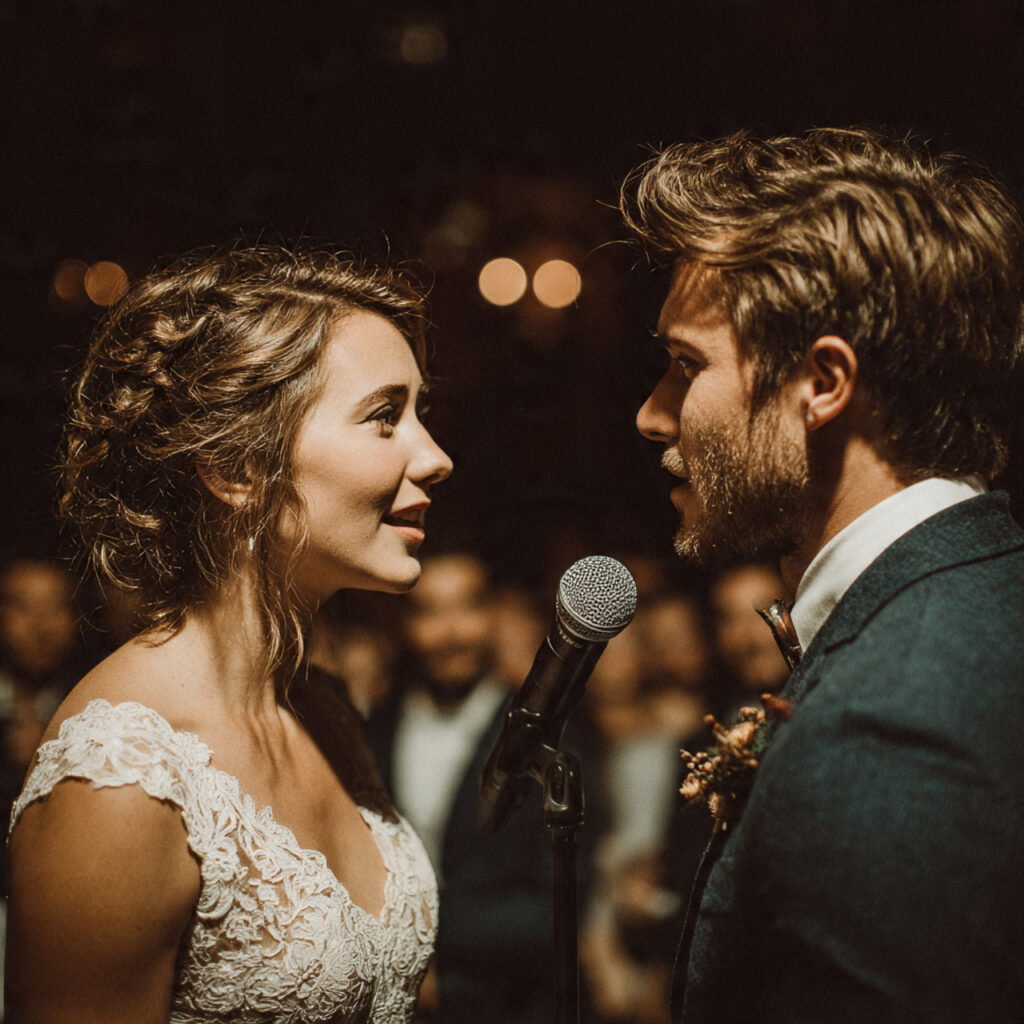
It is easy to perform for the room and forget the couple. Write the speech as if you are speaking directly to them, even with others listening. This mindset changes tone. It becomes more sincere and less performative. Wedding speeches succeed when they prioritize meaning over applause.
The Speech That Respects Time and Setting

A beautiful speech can fail if it ignores context. Consider the schedule, the energy in the room, and the moment it is delivered. Dinner speeches should be lighter. Ceremony-adjacent speeches should be shorter and calmer. Respect the flow of the day. Wedding speeches that fit the moment feel effortless.
Frequently Asked Questions
How long should wedding speeches be in real life?
Most effective speeches fall between three and five minutes. Longer speeches risk losing attention and disrupting the flow of the event.
Is it okay to read from notes?
Yes. Reading from notes is better than rambling. Practice enough to maintain eye contact, but do not memorize if it causes stress.
Should jokes be included at all?
Light humor is fine if it does not embarrass anyone. Avoid jokes that rely on past mistakes, private stories, or shock value.
Who should give speeches at a wedding?
This depends on the couple. Common speakers include parents, siblings, and close friends. Fewer speakers often result in a better experience.
What is the biggest mistake people make?
Trying to impress instead of connect. Wedding speeches are not performances. They are moments of recognition and support.
Conclusion
Wedding speeches matter because words shape memory. The best speeches are not clever. They are clear. They respect the couple, the guests, and the moment itself.
When speakers choose honesty over humor, structure over excess, and meaning over performance, the room feels it. These are the speeches people remember quietly, years later, when the music has faded and the day feels far away. A good speech does not steal attention. It gives it back to the couple where it belongs.