22 Wedding Dance Songs That Create Unforgettable Reception Moments
Music shapes memory. At a wedding, dance songs do more than fill silence; they define emotion, timing, and connection. The right wedding dance songs guide guests from anticipation to joy, from quiet reflection to full celebration. The wrong choices can stall the energy or feel disconnected from the couple’s story.
This guide focuses on clarity and realism. It avoids hype and trends for their own sake. Each idea below explains how a specific category of wedding dance songs works in real settings, why it matters, and how to choose songs that feel intentional rather than random. The goal is not to impress everyone. The goal is to create moments that feel right and last.
First Dance Songs That Feel Natural for Wedding Dance Songs

The first dance sets the emotional tone. It does not need to be dramatic or perfectly choreographed. What matters is authenticity. Couples often feel pressure to choose a song that sounds “romantic enough,” but forced romance feels obvious.
A natural first dance song reflects how the couple actually interacts. For some, that means soft and slow. For others, it means relaxed and warm. Lyrics should align with commitment, not heartbreak or longing. Tempo should allow movement without stress. If the couple is not comfortable dancing, a gentle rhythm is better than a sweeping ballad that demands performance. Practice matters less than comfort. A song that feels familiar will ease nerves. Guests respond to that ease. They remember the feeling, not the footwork.
Upbeat First Dance Songs for Light Energy
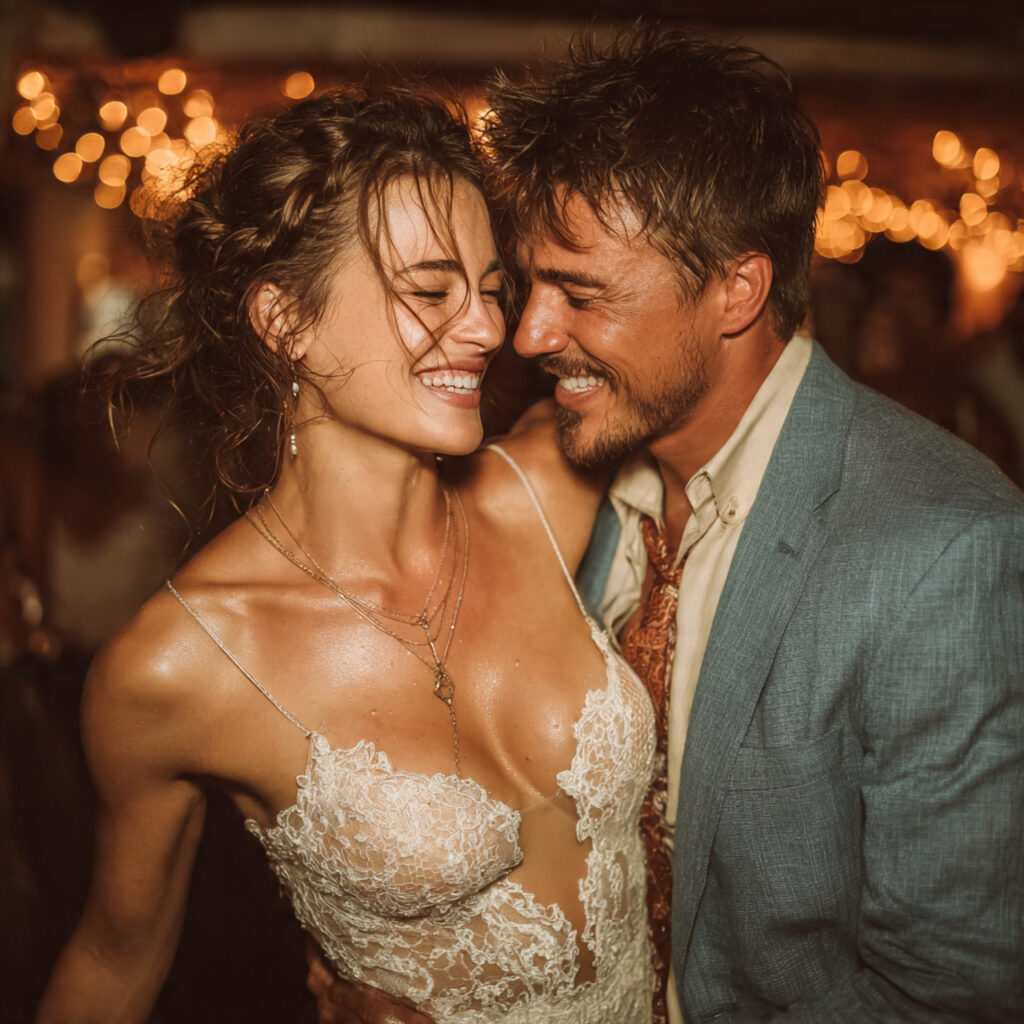
Not every first dance needs to be slow. Upbeat choices work well for couples who want to signal fun from the start. These songs keep the mood light and prevent the room from becoming overly sentimental too early.
An upbeat first dance still needs emotional clarity. Lyrics should support partnership, joy, or shared life. Avoid songs that are playful but vague. The energy should feel intentional, not casual. These wedding dance songs also shorten the gap between formal moments and open dancing. Guests transition more easily into celebration. For couples who dislike long spotlight moments, this approach feels efficient and honest.
Classic Love Songs That Never Age
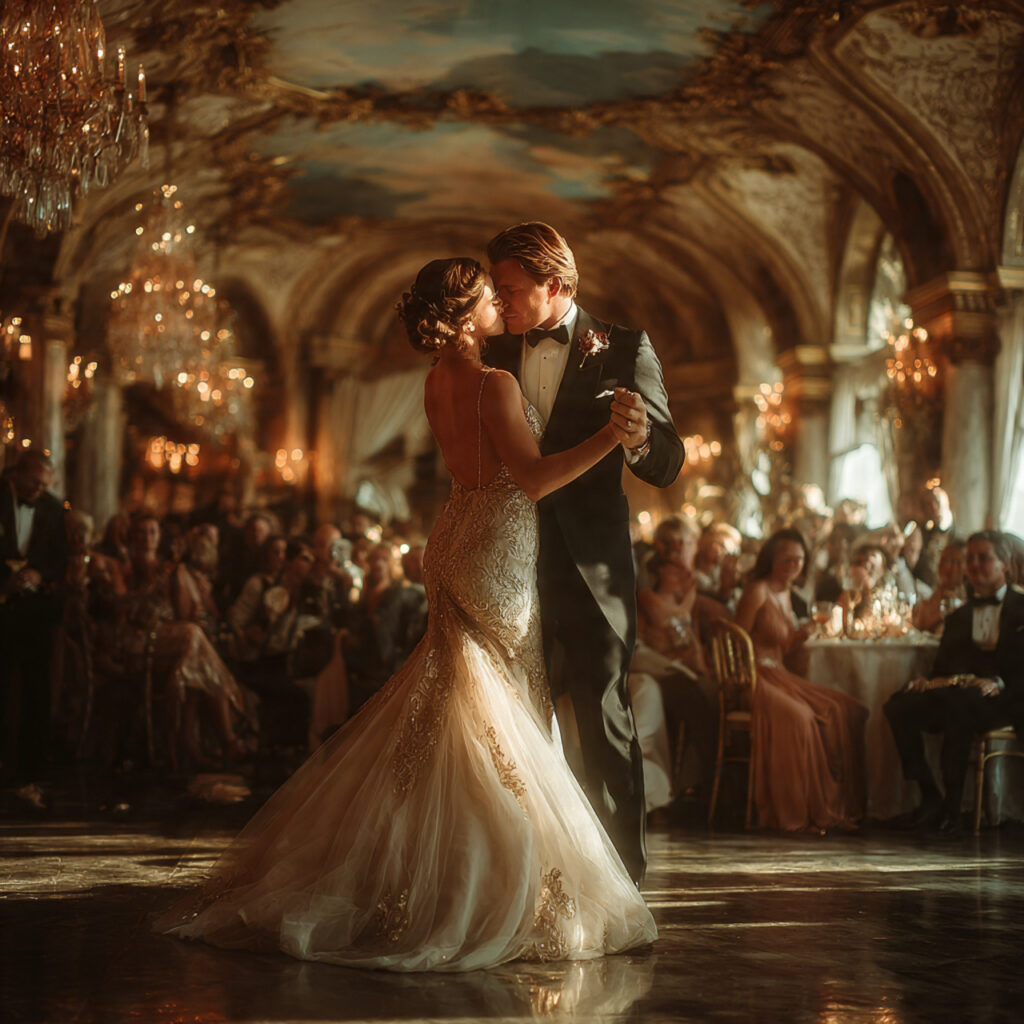
Some songs endure because they are simple and direct. Classic love songs work across generations. They connect parents, grandparents, and younger guests without explanation.The strength of classic wedding dance songs lies in familiarity. Guests recognize them within seconds. This shared recognition creates collective attention and respect for the moment. Classics also tend to have clear structure and steady tempo, making them easier to dance to without rehearsal. The key is relevance. A classic should match the couple’s tone. Not every timeless song fits every relationship. Choose one that feels sincere rather than ceremonial.
Modern Love Songs with Emotional Clarity
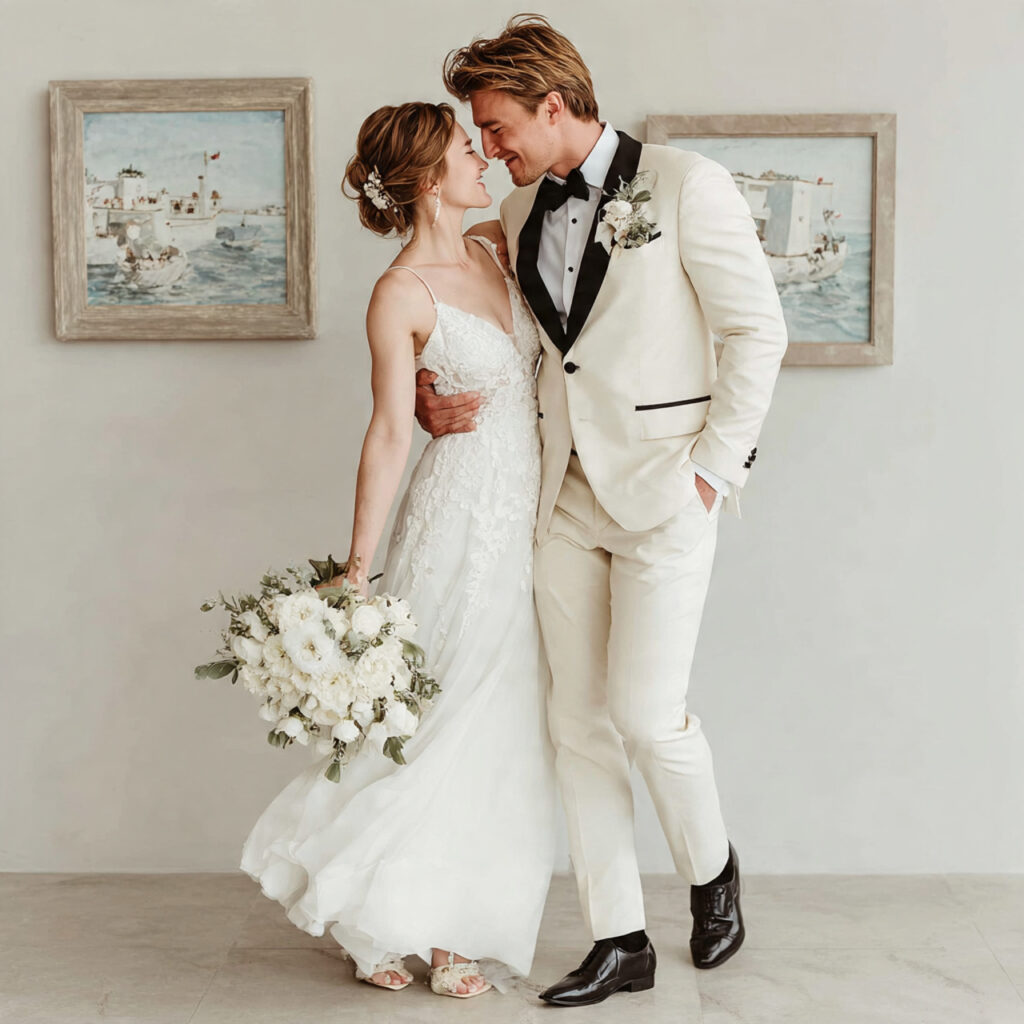
Modern songs offer fresh language and current sound. They work well for couples who want relevance without irony. The challenge is filtering through music that sounds romantic but carries unstable themes. Modern wedding dance songs should be examined closely. Lyrics matter more than melody. Avoid songs about uncertainty, breakups, or longing for what might be. Focus on songs that express commitment, gratitude, or shared growth. Production style also matters. Overly complex arrangements can distract from the moment. Simpler tracks allow the focus to stay on the couple, not the sound system.
Parent Dance Songs That Honor Relationships
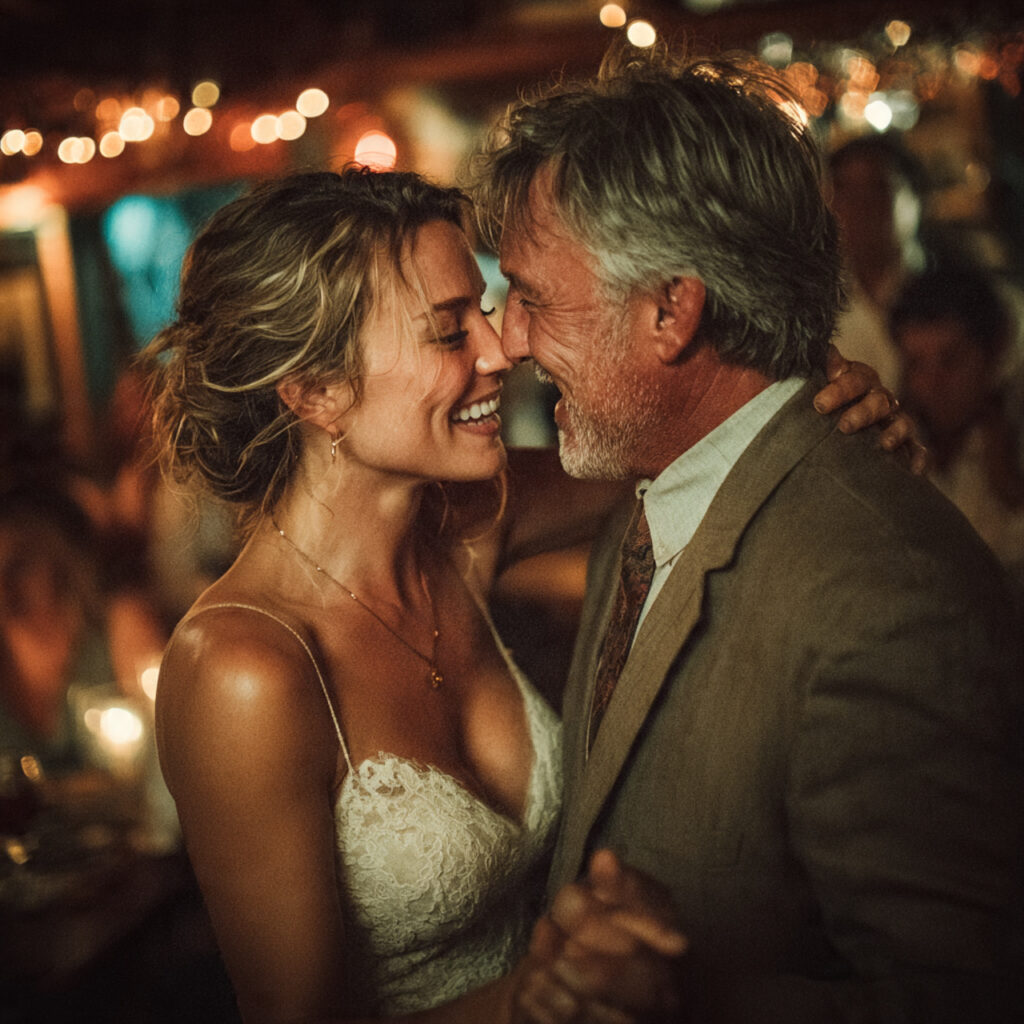
Parent dances are emotional by nature. They acknowledge years of care, guidance, and support. The music should reflect gratitude rather than loss. Avoid songs that frame the moment as an ending. Weddings are transitions, not separations. The best parent dance songs emphasize pride, connection, and ongoing relationship. Tempo should be manageable. Parents may not want to sway for several minutes. Shorter edits are acceptable and often appreciated. The goal is respect, not endurance.
Songs for Group Family Dances
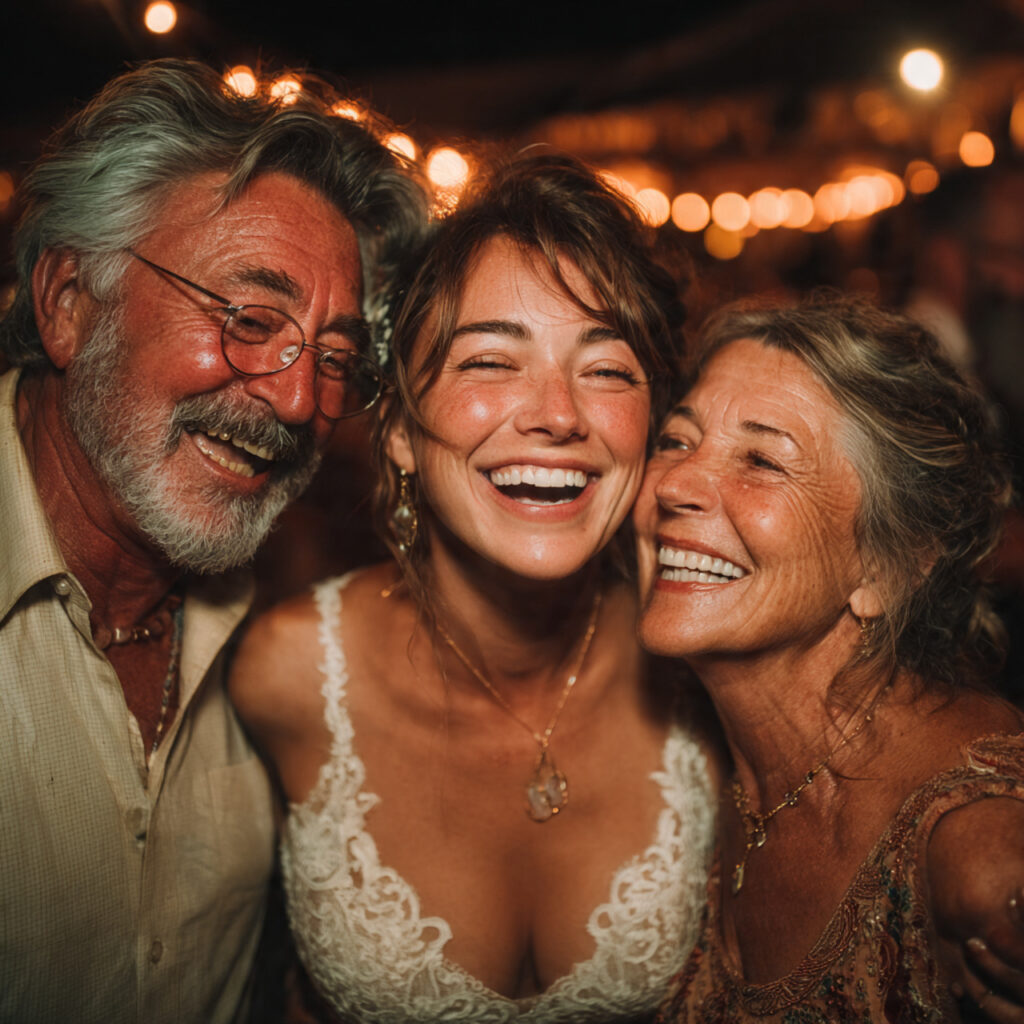
Some families prefer inclusive moments rather than spotlight dances. Group family dances reduce pressure and increase warmth. These moments work best with songs that are familiar and easy to move to. Lyrics should be neutral or broadly positive. Avoid songs that imply romantic exclusivity. The focus is shared experience, not individual narrative. These wedding dance songs help blend families. They signal unity without speeches. For multicultural weddings, they can also bridge traditions when chosen carefully.
Wedding Party Entrance Dance Songs
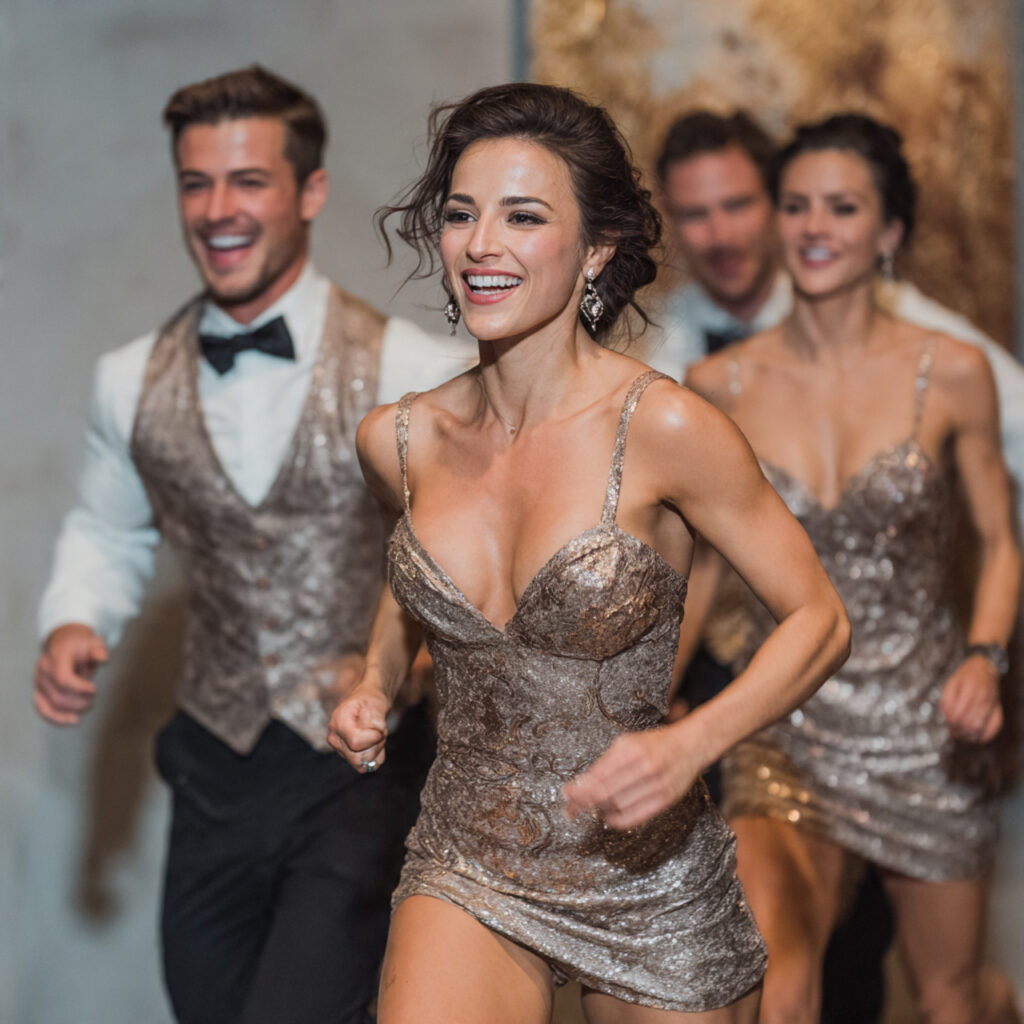
The wedding party entrance is a shift in energy. It marks the move from ceremony to celebration. Songs here should be confident, upbeat, and clear. The best choices have strong openings. Guests should recognize the song quickly. Rhythm matters more than lyrics in this context. The goal is movement and mood, not message.Consistency helps. If multiple groups enter, the same song keeps the moment cohesive. Short segments prevent fatigue. This is a transition, not a performance.
Reception Opening Dance Floor Songs
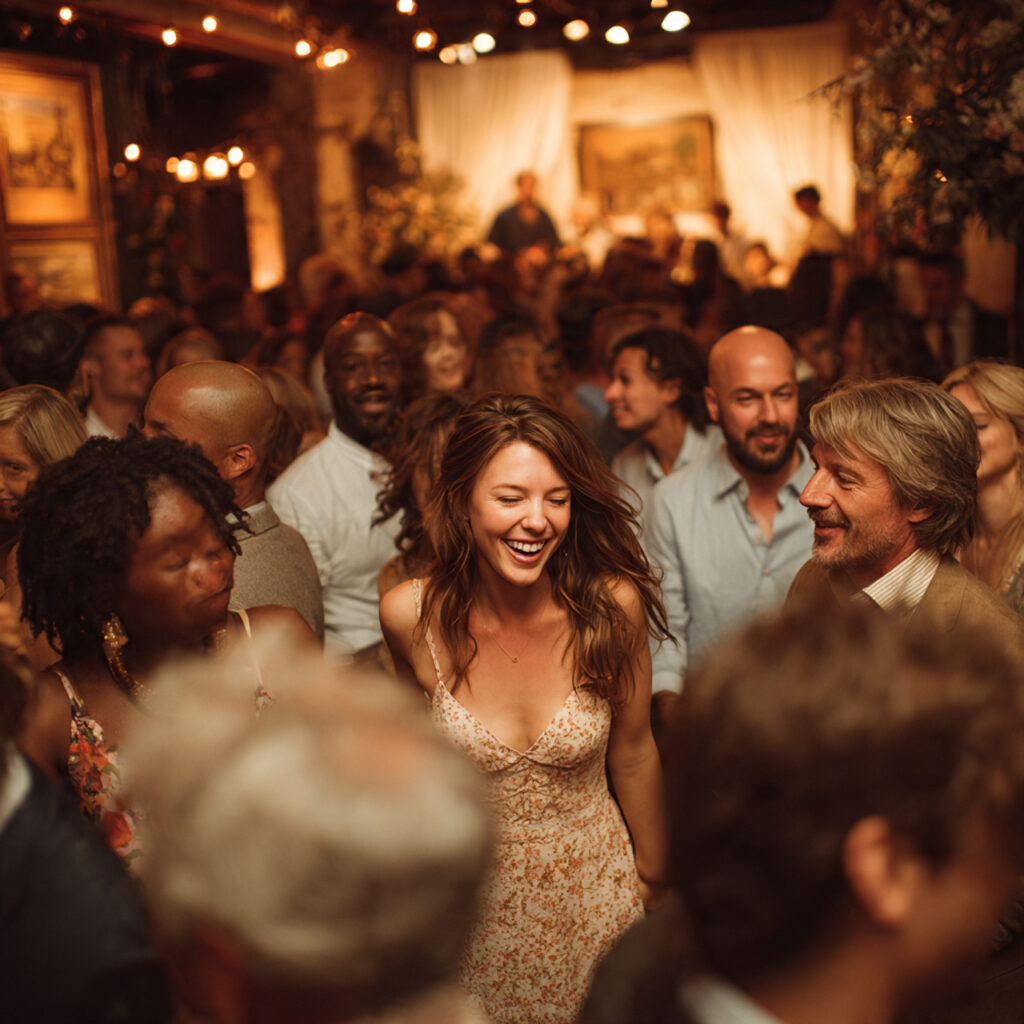
The first open dance floor song determines guest participation. Too slow, and energy drops. Too aggressive, and guests hesitate. Effective wedding dance songs for this moment are mid-tempo and familiar. They invite movement without demanding it. Lyrics should be positive or neutral. Avoid songs with abrupt changes or long intros. This song sets expectations. If it feels accessible, guests follow. If it feels exclusive, they wait. Simplicity wins.
High-Energy Party Songs for Peak Moments
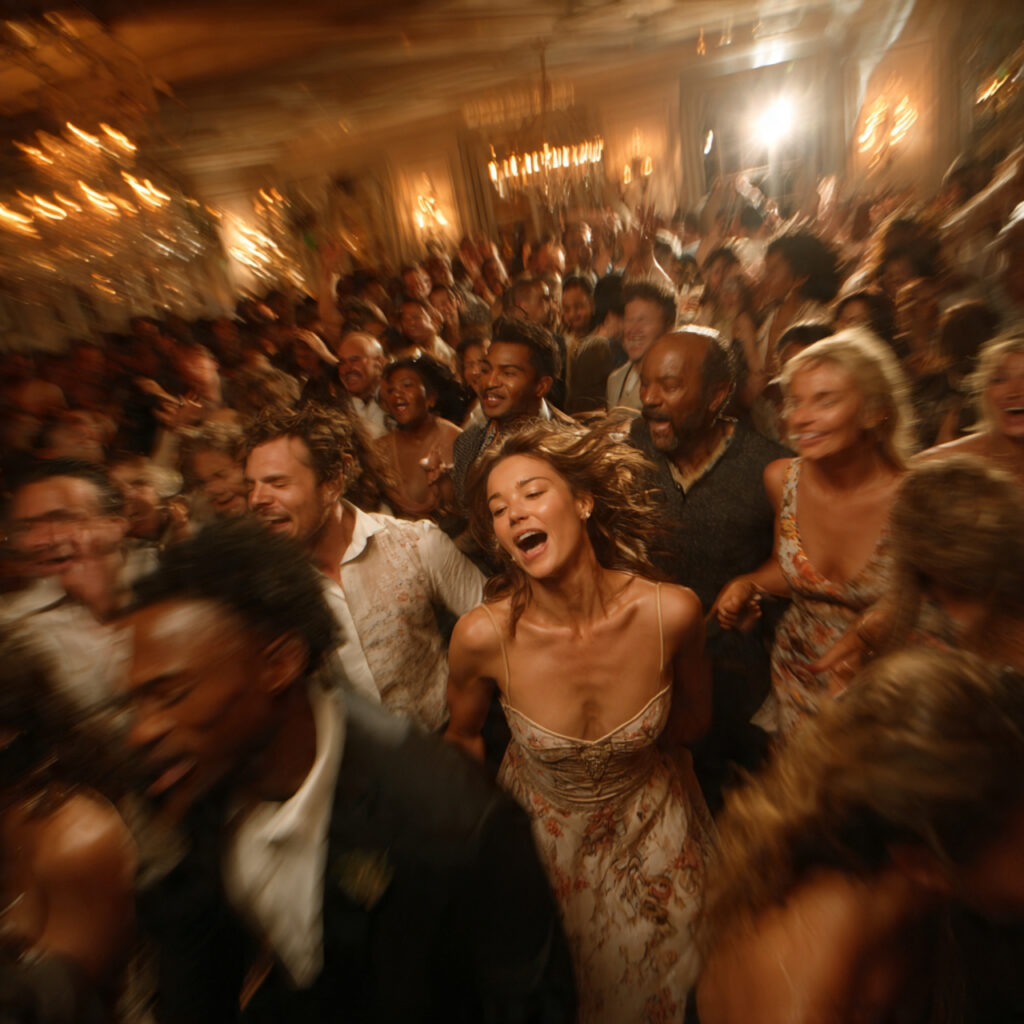
Every reception has a peak. This is when the dance floor is full, and guests are fully engaged. High-energy songs belong here, not earlier. These songs should be rhythm-driven and widely recognized. Lyrics matter less than beat. Avoid songs with long breakdowns that stall momentum. Placement is critical. Played too early, they exhaust guests. Played too late, they miss the moment. A skilled DJ or planner reads the room and times them well.
Dance Songs That Work Across Generations
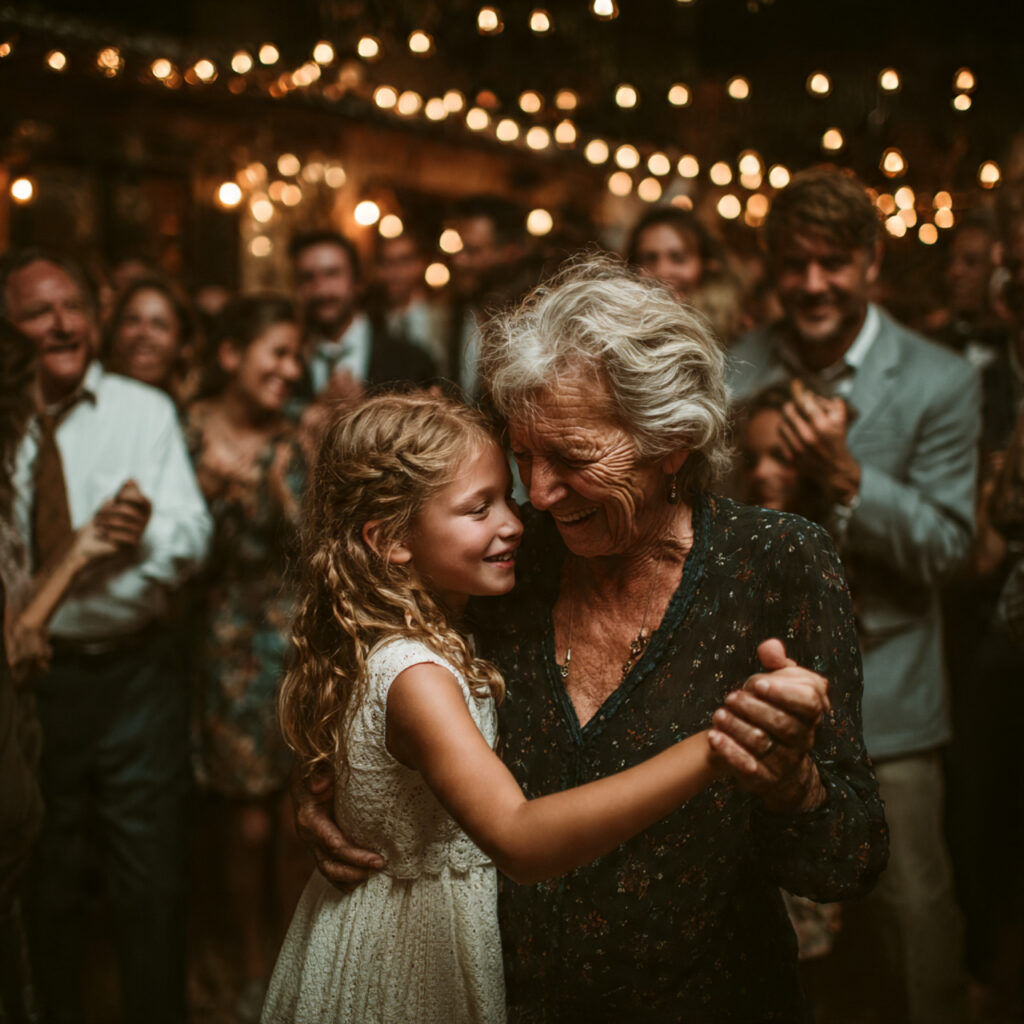
Mixed-age crowds require balance. Songs that appeal across generations keep the dance floor diverse. These tracks often blend familiar melodies with steady rhythms. Avoid niche genres or references that alienate parts of the room. The goal is inclusion. Lyrics should be clean and themes universal. These wedding dance songs are often overlooked because they feel safe. In practice, they are effective. They sustain energy without polarizing guests.
Slow Songs for Late-Night Moments
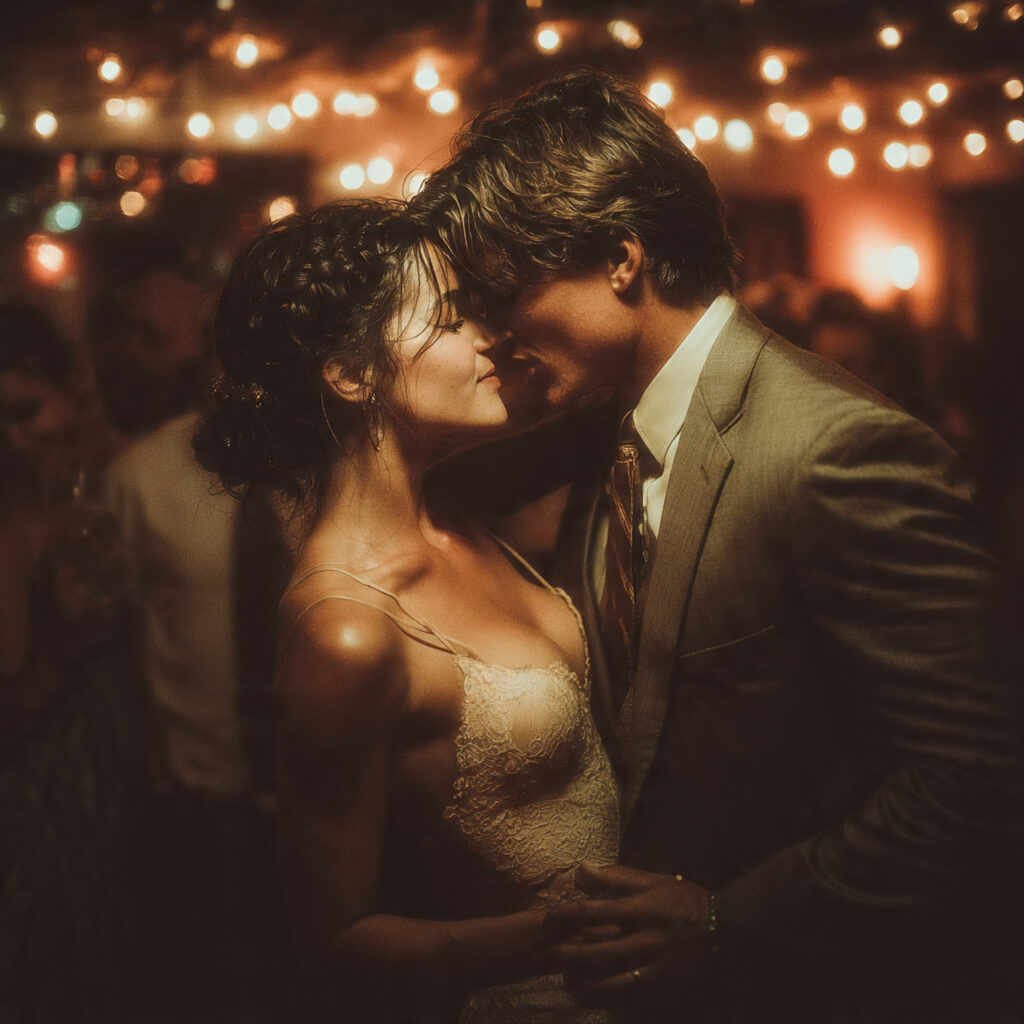
As the night progresses, energy shifts. Slow songs provide rest without ending the party. They create intimate moments amid celebration. These songs should be warm, not melancholy. Avoid lyrics about regret or endings. The tone should be reflective but hopeful. Late-night slow dances often become unexpected highlights. Guests remember the contrast. They feel grounded before the final push.
Songs for Cultural or Traditional Dances
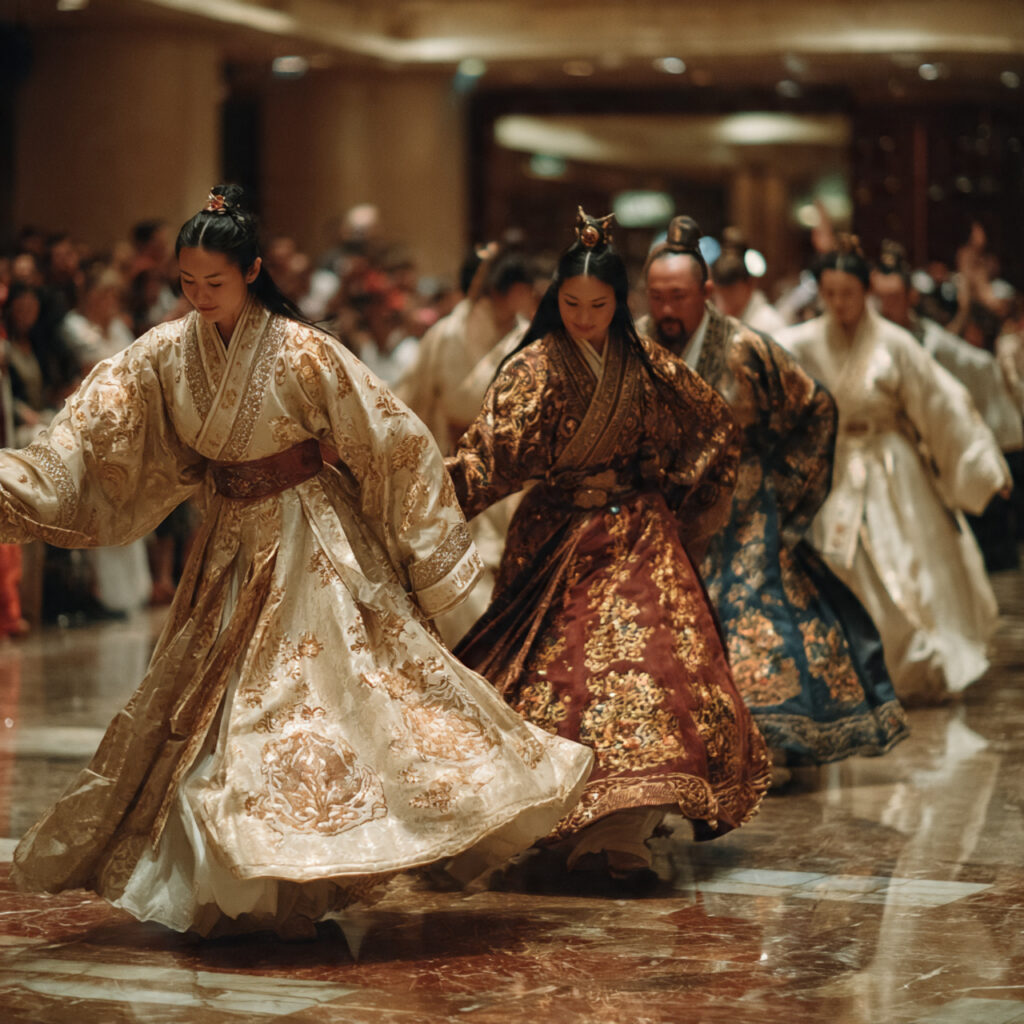
Cultural dances carry meaning beyond entertainment. Music choices should respect tradition while fitting the event’s flow. Consult family or community members when selecting these wedding dance songs. Accuracy matters. Timing matters. Placement within the reception affects reception and participation. When done well, cultural dances educate and include. When rushed or misplaced, they feel tokenized. Intentional planning prevents this.
Romantic Songs for Private Moments
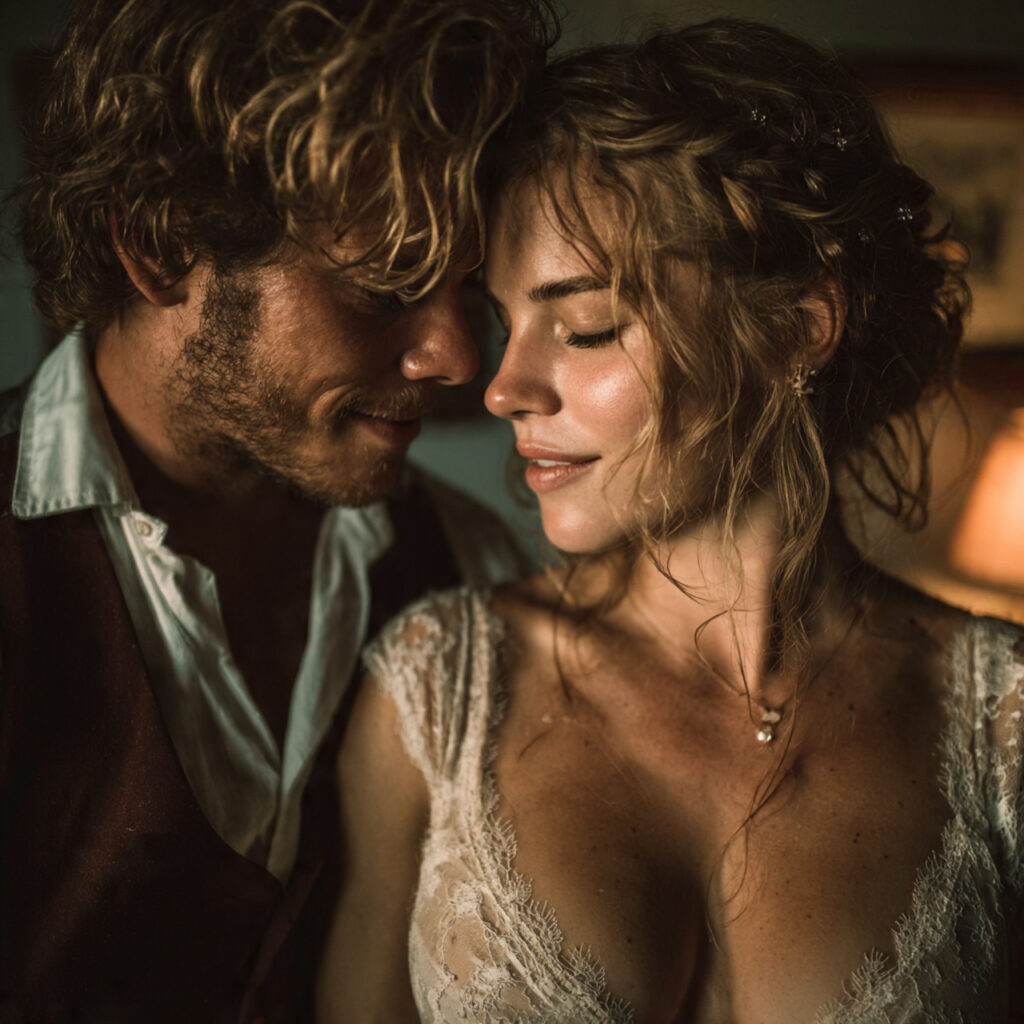
Not every dance needs an audience. Some couples choose songs for quiet moments, away from the crowd. These songs may never be heard by guests, but they matter. Private wedding dance songs can be deeply personal. Lyrics, tempo, and memory take priority over crowd appeal. These choices strengthen the couple’s experience without performance pressure. They also balance the public nature of weddings. Not everything needs to be shared.
Songs for Anniversary or Memory Dances

For Wedding Dance Songs, Some receptions include dances that honor long marriages or lost loved ones. Music here should be respectful and restrained. Lyrics should focus on endurance, love, or remembrance. Avoid songs that emphasize regret or sorrow. The tone should be honoring, not heavy. These moments add depth. They remind guests that marriage is long-term, not just a day.
Fun Dance Songs for Casual Guests
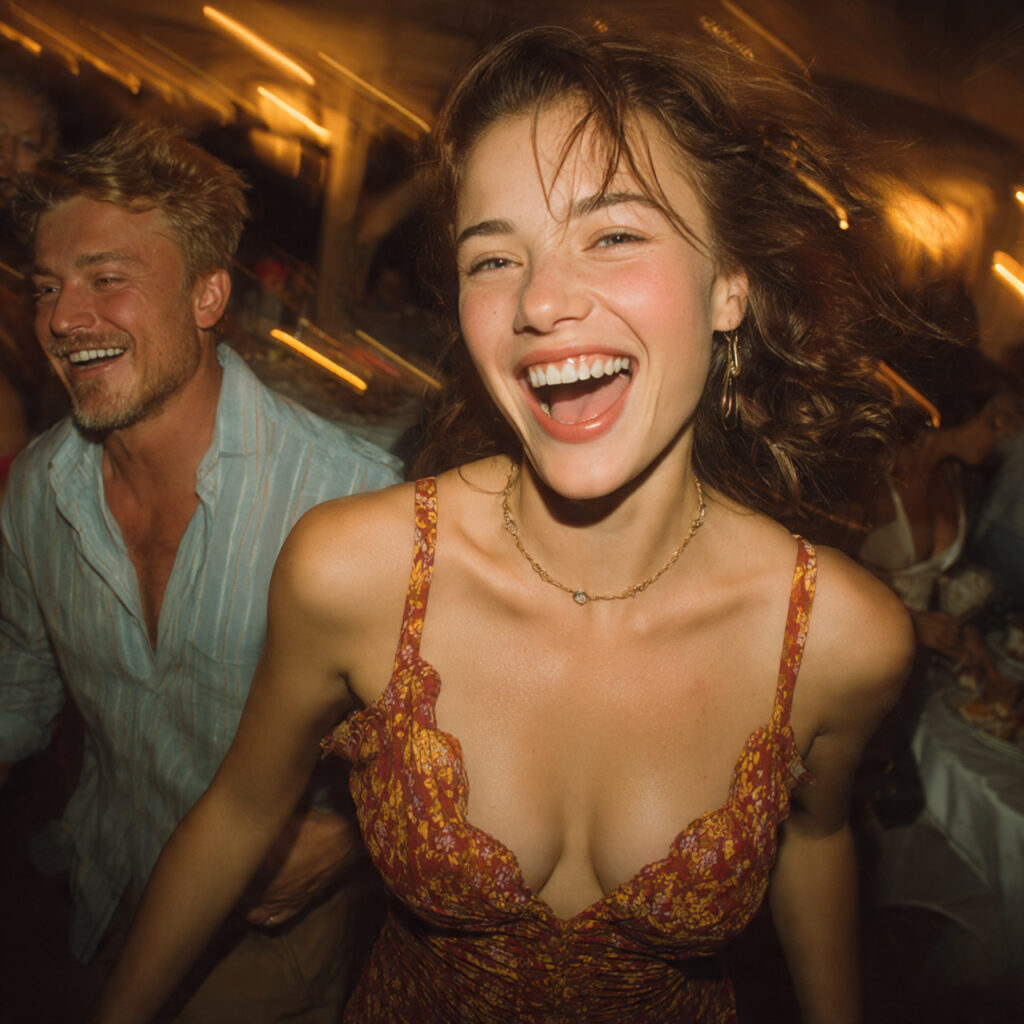
For Wedding Dance Songs, Not all guests want emotional depth. Some want fun. Casual dance songs serve this group without undermining the event. These songs should be playful but not novelty-driven. Avoid tracks that feel dated in a gimmicky way. Rhythm and familiarity matter most. Fun wedding dance songs keep momentum and prevent the reception from feeling overly curated.
Songs That Encourage Crowd Participation
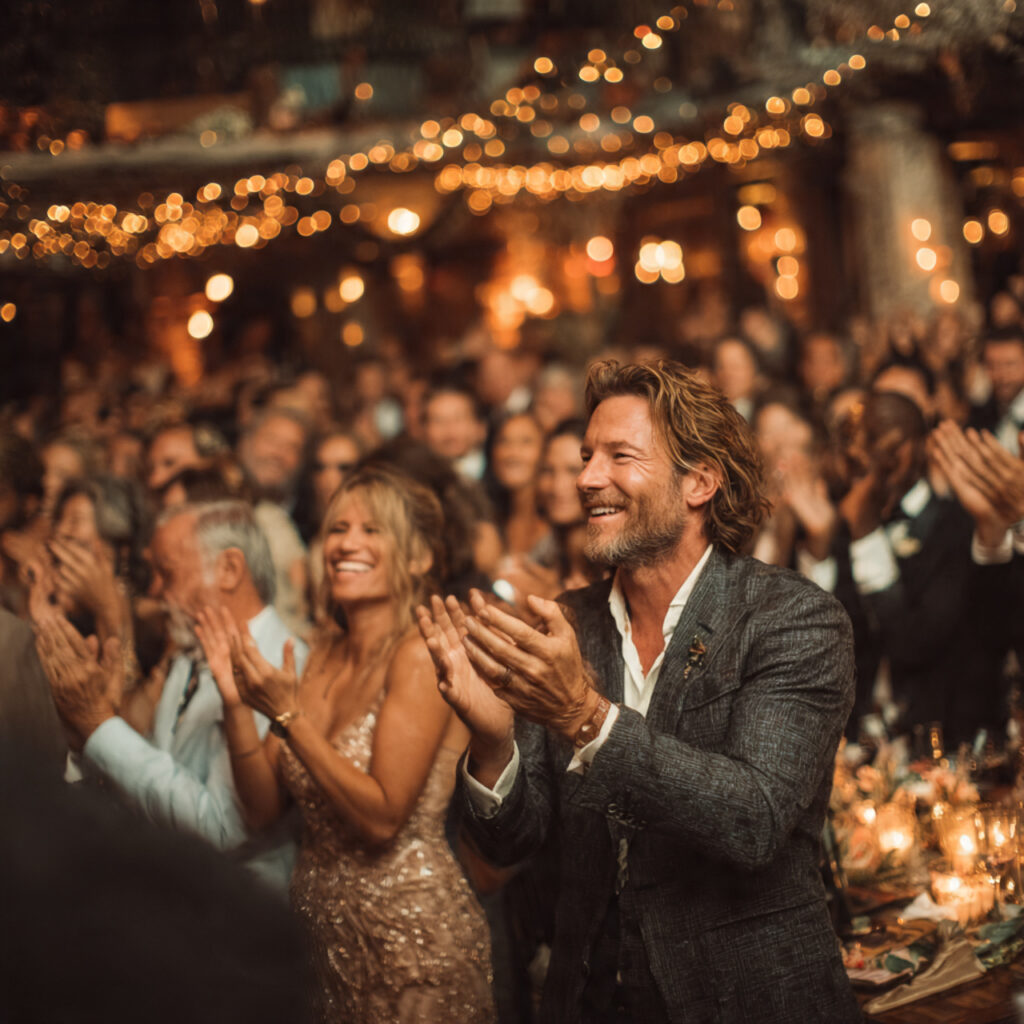
For Wedding Dance Songs, Call-and-response songs or tracks with simple movements can energize the room. Use them sparingly. Overuse feels forced. One or two well-timed participation songs can reset energy and include hesitant dancers. Lyrics should be appropriate. Instructions should be simple. The goal is unity, not chaos.
Dance Songs for Smaller Weddings
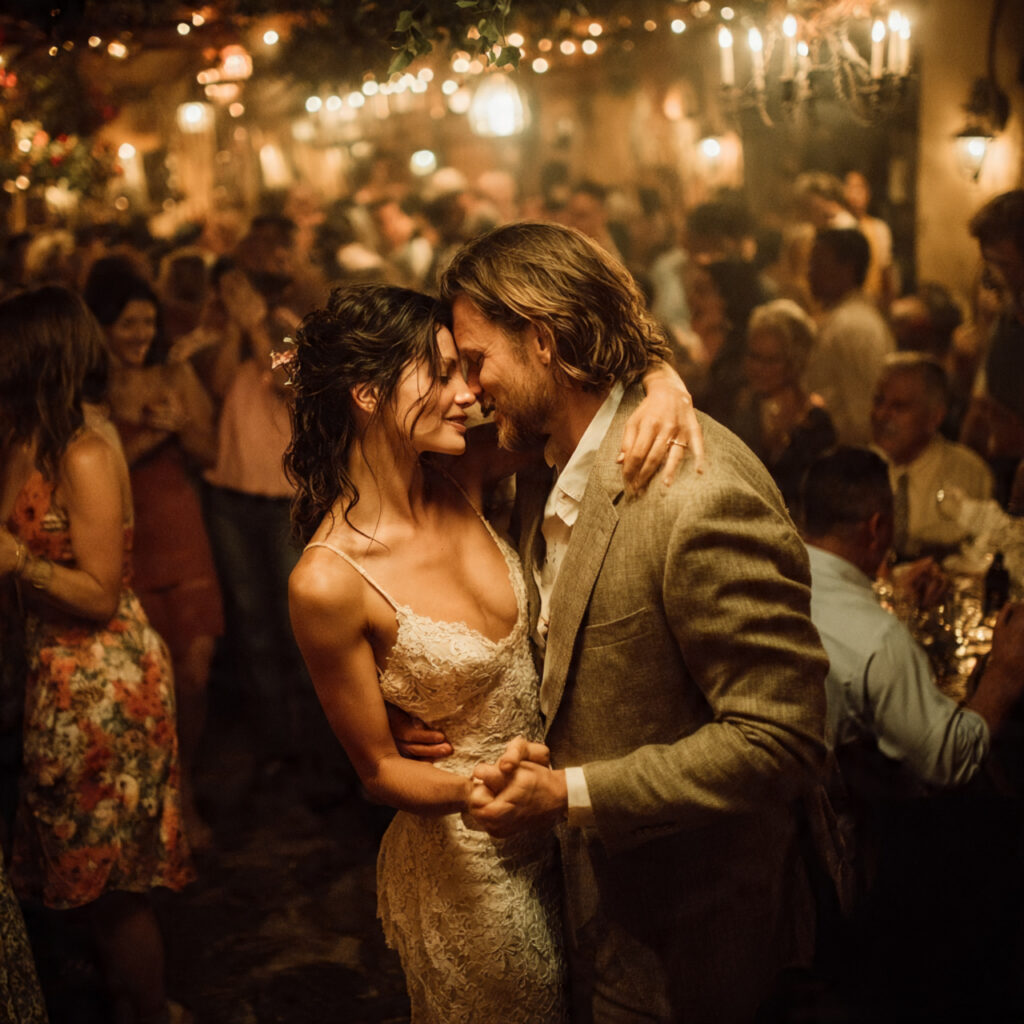
For Wedding Dance Songs, Intimate weddings require different choices. Songs that rely on crowd size may fall flat. Focus on warmth and connection. Mid-tempo songs with clear melody work well. Lyrics should feel conversational rather than grand. These wedding dance songs create closeness. They suit limited space and smaller groups.
Outdoor Wedding Dance Song Considerations
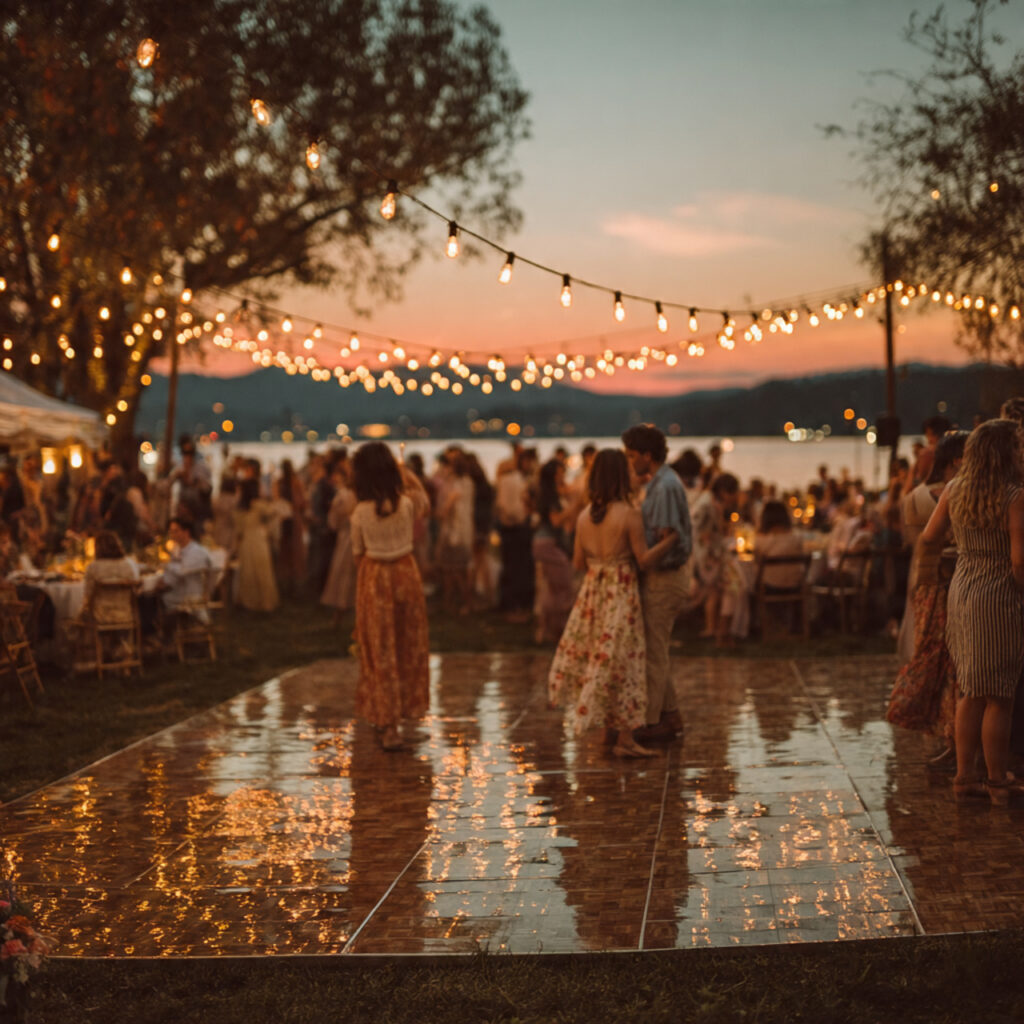
For Wedding Dance Songs, Outdoor settings change acoustics and atmosphere. Wind, space, and lighting affect how music is perceived. Choose songs with clear rhythm and strong vocals. Avoid tracks that rely on heavy bass or subtle instrumentation. Volume control matters. Songs should carry without overwhelming conversation or surroundings.
Songs That Transition Between Events
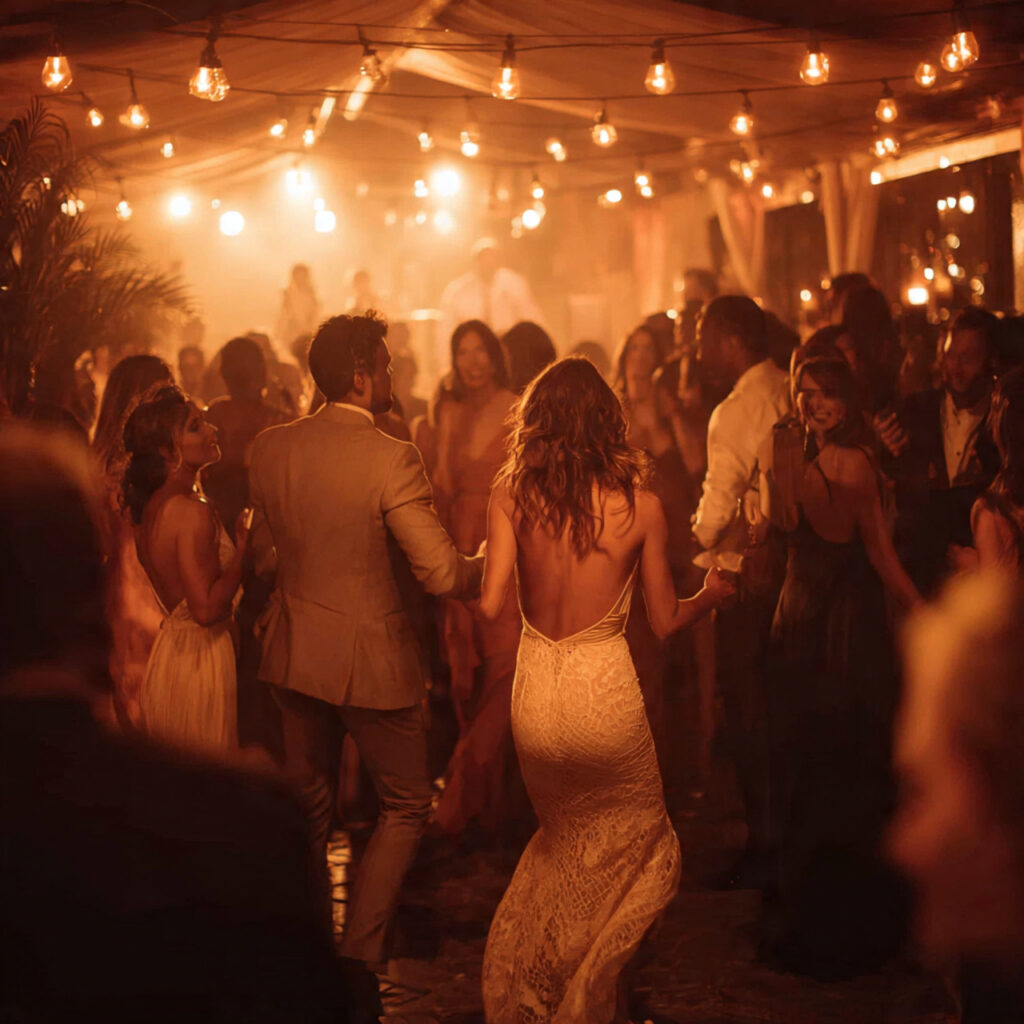
For Wedding Dance Songs, Transitions matter. Moving from dinner to dancing or from formal to casual requires musical cues. Transition songs should bridge tempo and mood. They prepare guests without abrupt shifts. These wedding dance songs often go unnoticed when done well. Their success lies in smoothness.
Songs to Avoid and Why
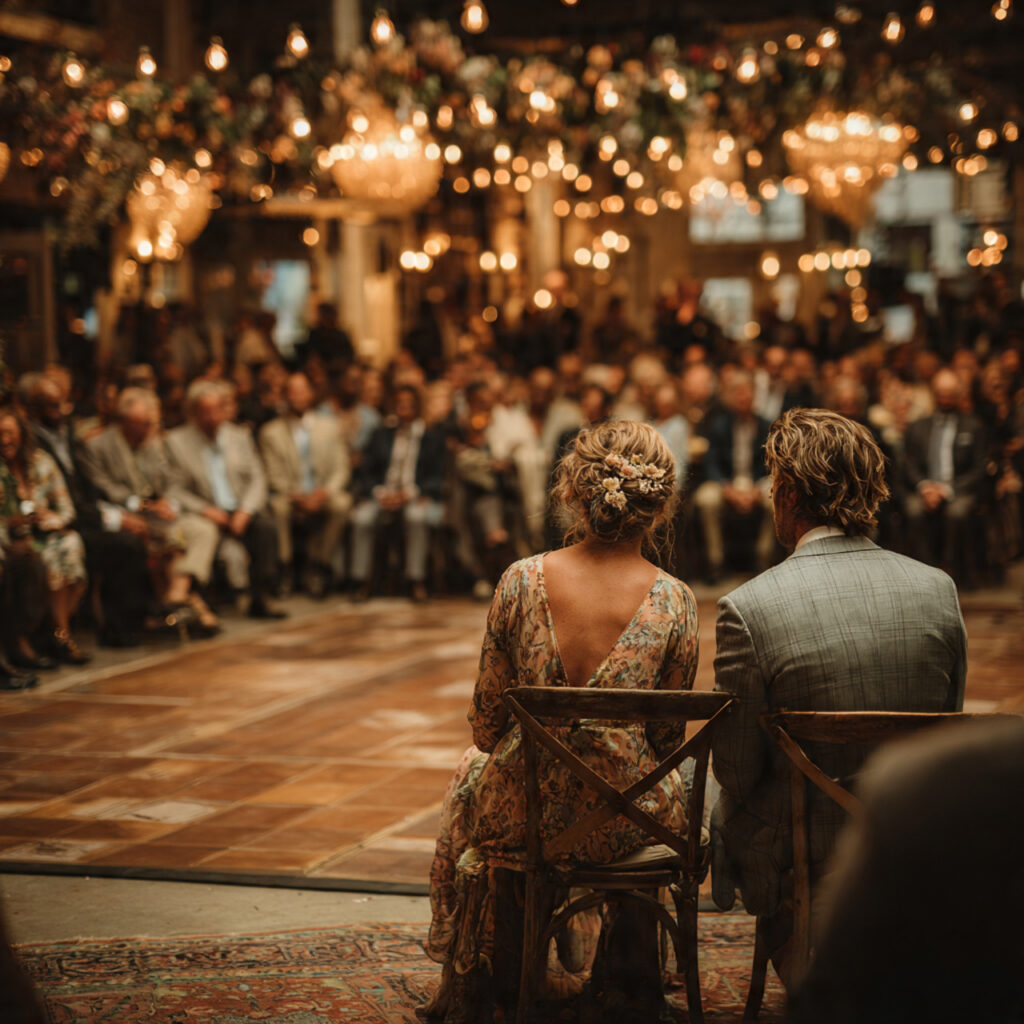
For Wedding Dance Songs, Some songs are popular but unsuitable. Lyrics about breakups, jealousy, or loss undermine the event. Overly explicit content alienates guests. Trend-driven songs may age quickly. What feels current now may feel dated later. Evaluate lyrics, context, and longevity. Popularity alone is not enough.
Custom Song Edits for Better Flow

For Wedding Dance Songs, Editing songs is practical. Shortening intros, removing verses, or blending tracks improves pacing. Custom edits allow couples to keep meaning without excess length. They also reduce awkward moments. Discuss edits with professionals early. Preparation prevents stress.
Building a Cohesive Wedding Dance Song List

For Wedding Dance Songs, Cohesion matters more than quantity. A well-curated list feels intentional. Random selection feels chaotic. Group songs by energy and purpose. Plan progression. Leave room for spontaneity. A cohesive approach respects guests’ experience and the couple’s story.
Trusting Instinct Over Trends
For Wedding Dance Songs, Trends change. Instinct endures. If a song feels right, it likely is. Ignore pressure to perform or impress. Weddings are personal, not showcases. The best wedding dance songs are chosen with clarity and confidence.
Frequently Asked Questions
How many dance songs should a wedding reception include?
The number depends on reception length and format. Most receptions include enough songs to fill two to three hours, allowing for breaks. Quality and flow matter more than quantity.
Is it acceptable to repeat a genre or artist?
Yes, if it fits the couple’s identity. Repetition becomes a problem only when it limits variety or excludes guests. Balance personal taste with accessibility.
Should lyrics be reviewed in advance?
Absolutely. Many songs sound romantic but contain conflicting themes. Reviewing lyrics prevents unintended messages.
Can couples skip formal dances entirely?
Yes. Formal dances are optional. Some couples replace them with group dances or casual moments. The key is clear communication with vendors.
How important is professional guidance?
Professional DJs or planners provide experience and timing. They help avoid common mistakes and adjust in real time. Their value lies in adaptability.
Conclusion
Wedding dance songs shape the emotional arc of the celebration. They guide guests, honor relationships, and reflect the couple’s values. Thoughtful selection prevents awkwardness and enhances memory. There is no universal playlist. There is only alignment between music, moment, and meaning. When choices are intentional, the dance floor becomes a shared experience rather than a performance. Choose with clarity. Trust what feels honest. Let the music support the day, not define it.