21 Wedding Planning Checklist ideas for a Stress-Free, Organized Wedding
Planning a wedding is less about fantasy and more about sequencing decisions under time, budget, and emotional pressure. A wedding planning checklist is not a rigid script. It is a working framework that helps couples avoid missed details, rushed choices, and unnecessary costs. This guide is written with a spartan tone and a practical lens. No fluff. No trends for the sake of trends. Just decisions that matter, in the order they tend to matter.
Below are twenty-one idea-based sections. Each section functions as a planning anchor. You do not need to follow them blindly. You need to understand why each exists and how it fits into the larger picture.
Establishing Priorities Early for Wedding Planning Checklist

A wedding planning checklist begins with clarity, not contracts. Before venues, outfits, or décor, couples need alignment. This stage is about defining what the wedding is for. Is it a family obligation? A cultural ceremony? A personal milestone? A social event? Most weddings try to serve all four and fail without priorities.
Sit down together and answer a few blunt questions. What do you care about most? What do you not care about at all? Where are you willing to compromise? Where are you not? This conversation saves money and conflict later. When decisions stack up, priorities become filters. If photography matters more than florals, the budget reflects that. If guest comfort matters more than aesthetics, the timeline shifts. Do not skip this step. Every later choice depends on it.
Defining the Real Budget

A wedding planning checklist without a realistic budget is a wish list. Start with the total amount available. Not the hoped-for amount. Not the amount you might receive as gifts. The actual money that can be spent without debt or stress. Break the budget into major categories: venue, food, attire, photography, décor, entertainment, and contingency. Expect costs to move. Build in flexibility. Weddings rarely stay within initial estimates unless buffers exist. Be honest about who is paying. If family is contributing, clarify expectations early. Money often comes with opinions. Transparency prevents later resentment. Once the budget is set, commit to it. A checklist works only if financial limits are respected.
Choosing the Wedding Scale
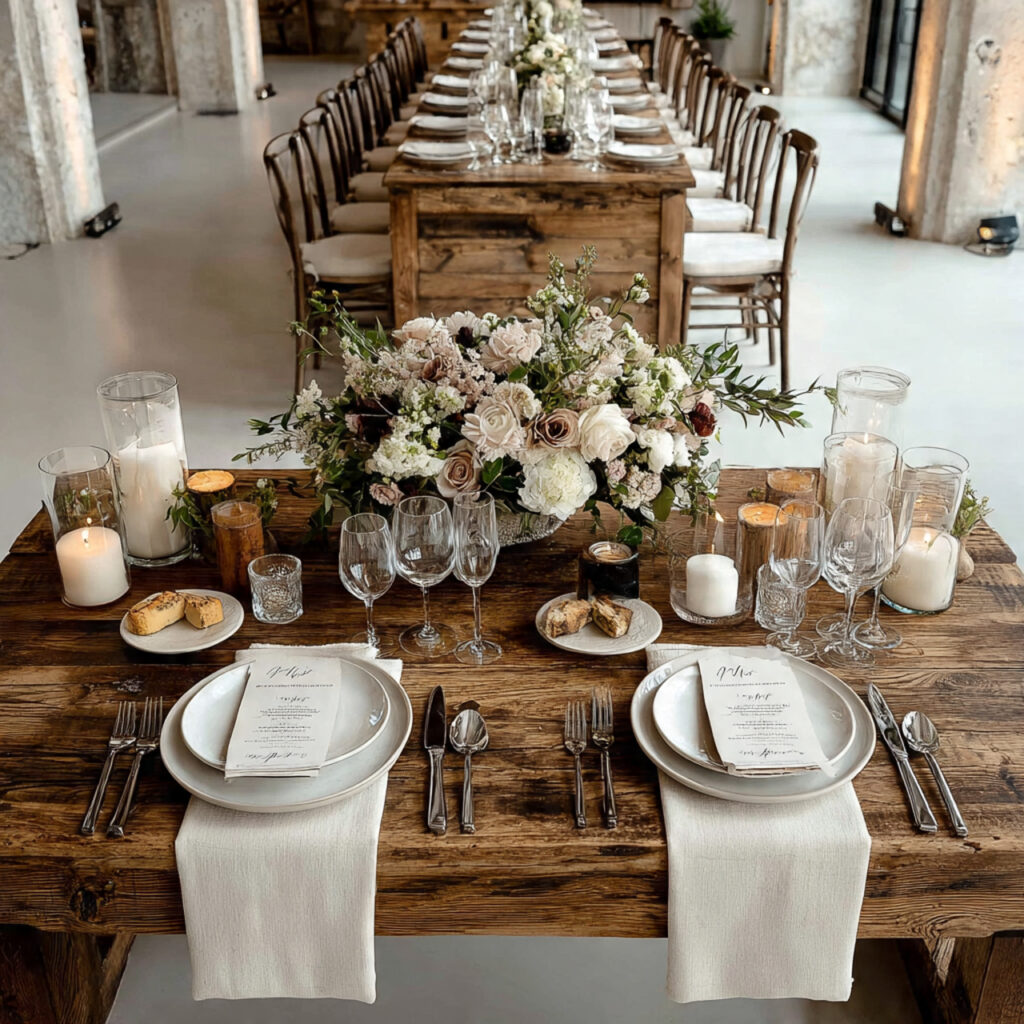
The size of the wedding determines almost everything else. This wedding planning checklist assumes that scale is intentional, not accidental. Guest count affects venue options, catering style, seating, timelines, and stress levels. A small wedding allows intimacy and flexibility. A large wedding requires structure and coordination. Do not finalize a venue before estimating guests. Do not finalize guests before considering budget. These decisions are linked. Be realistic about obligations. Cultural expectations matter, but so do limits. A controlled guest list reduces chaos. A bloated one increases cost without increasing meaning. Decide early. Adjustments later are harder.
Selecting the Date and Season

A wedding planning checklist treats the date as a logistical decision, not a romantic one. Consider weather, local events, holidays, and vendor availability. Peak seasons cost more. Off-seasons offer leverage but require flexibility. Think about guest travel. Think about work schedules. Think about cultural calendars. Do not rush this choice. Once the date is set, everything else locks in around it. Changing it later creates a domino effect. Pick a date that works, not one that looks good on paper.
Securing the Venue First
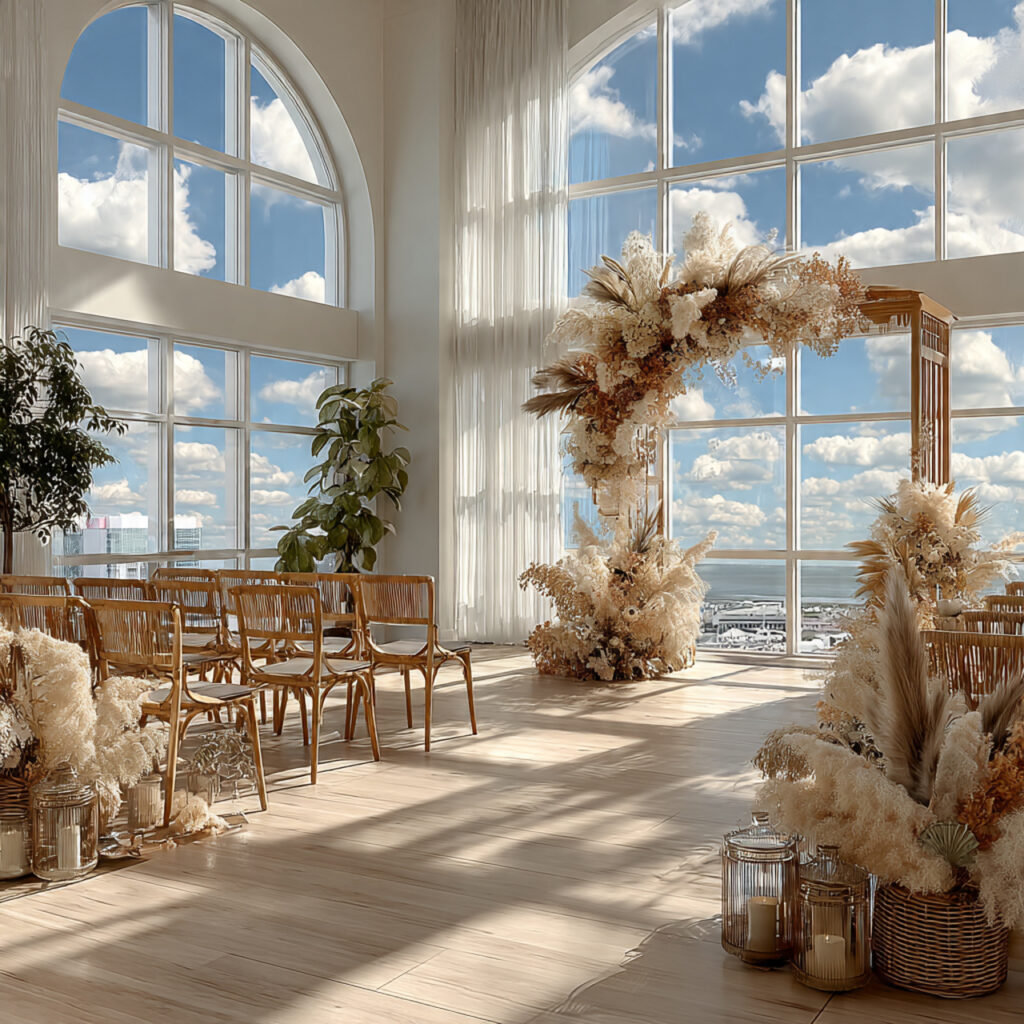
The venue anchors the entire wedding planning checklist. Once priorities, budget, scale, and date range are defined, venue selection becomes practical. Capacity, accessibility, restrictions, and cost matter more than aesthetics alone. Ask direct questions. What is included? What is excluded? What are the hidden fees? What is the cancellation policy? Understand setup and teardown times. Understand noise limits. Understand weather contingencies. Sign only after reading the contract carefully. Venues set the tone, but they also impose constraints. Know them before committing.
Building the Core Vendor Team

A wedding planning checklist is only as strong as the people executing it. Core vendors typically include catering, photography, videography if desired, entertainment, and coordination support. Book these early, especially in high-demand seasons.
Evaluate vendors on reliability, not just style. Ask about backup plans. Ask about timelines. Ask about communication habits. Cheap vendors are not always cost-effective. Missed moments and logistical failures cost more emotionally than money saved. Once booked, maintain clear communication. Vendors need timely decisions to perform well.
Managing Guest List and Invitations

Guest management is a central part of any wedding planning checklist. Create a master list early. Categorize guests by priority if needed. Track addresses, dietary needs, and RSVP status carefully. Invitation timelines matter. Too early and details change. Too late and guests cannot plan. Digital tools help, but they do not replace follow-ups. Expect non-responses. Build time for reminders. Guest clarity reduces last-minute chaos. Do not underestimate this step.
Designing the Ceremony Structure

The ceremony is the emotional core of the event. A wedding planning checklist treats it with respect and restraint. Decide on length, tone, and participants. Religious, civil, or hybrid ceremonies each have requirements. Clarify who speaks, who stands where, and who leads. Rehearse if possible. Even simple ceremonies benefit from practice. Avoid overloading the ceremony. Guests appreciate sincerity more than spectacle. Keep it focused. The ceremony sets the emotional temperature for the rest of the day.
Planning the Reception Flow
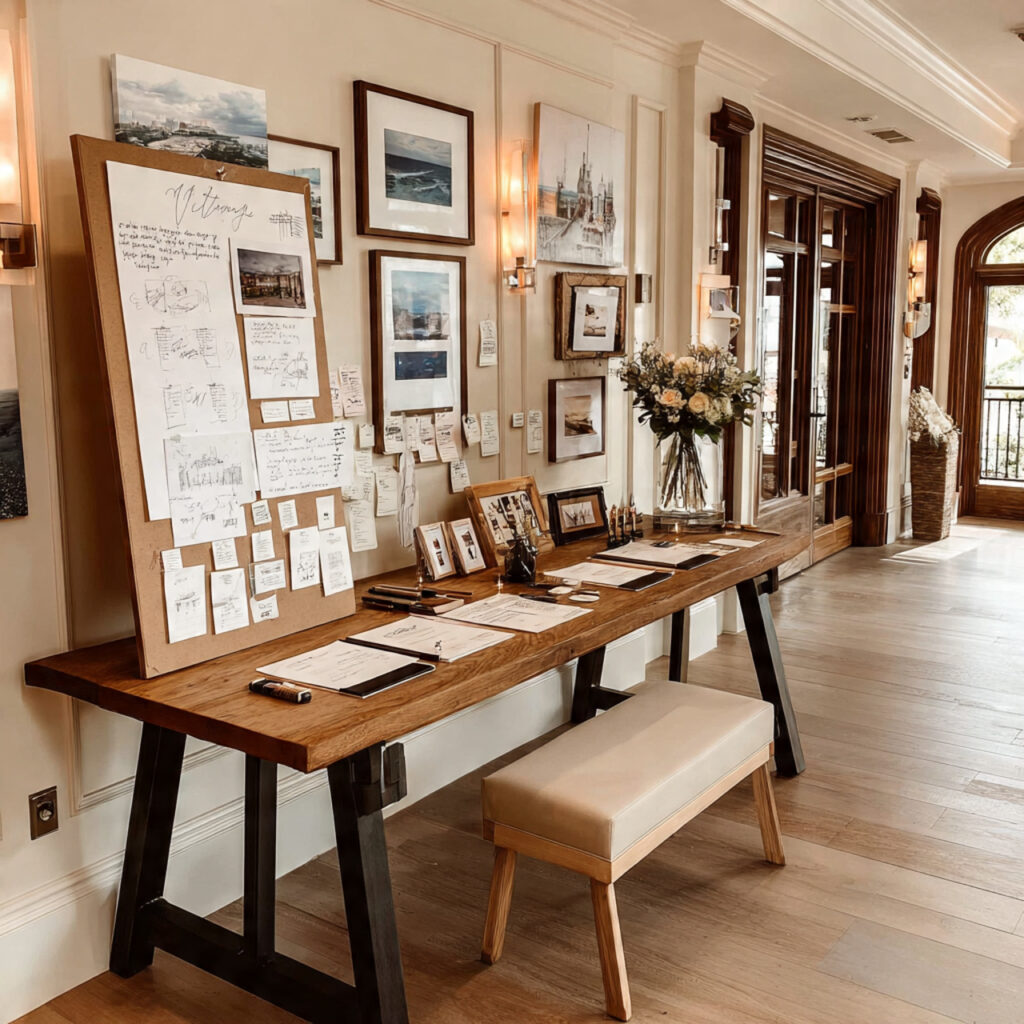
A wedding planning checklist looks at the reception as a sequence, not a party. Entrance, seating, meals, speeches, and transitions should follow a logical order. Long gaps create boredom. Overpacked schedules create fatigue. Coordinate with catering and entertainment. Food timing affects energy. Music affects movement. Plan for natural breaks. Guests need time to talk, eat, and rest. A smooth reception feels effortless. It is not. It is planned.
Handling Attire Decisions Pragmatically

Wedding attire is emotional. A wedding planning checklist keeps it practical. Choose outfits early enough for fittings and adjustments. Avoid last-minute changes. They create stress. Comfort matters. You will wear these clothes for hours. Movement, weather, and footwear are not secondary concerns. Coordinate attire across key participants without micromanaging. Consistency matters more than perfection. Plan for backups. Buttons break. Shoes fail. Prepare accordingly.
Organizing Hair and Makeup Logistics

Hair and makeup are not just aesthetic choices. In a wedding planning checklist, they are timing decisions. Schedule trials early. Finalize looks before the wedding week. Create a clear timeline for who goes when. Build buffer time. Delays here affect photography and ceremony start times. Confirm locations and power requirements. Confirm payment details. A calm morning sets the tone for the day. Rushed preparation undermines it.
Coordinating Photography and Media
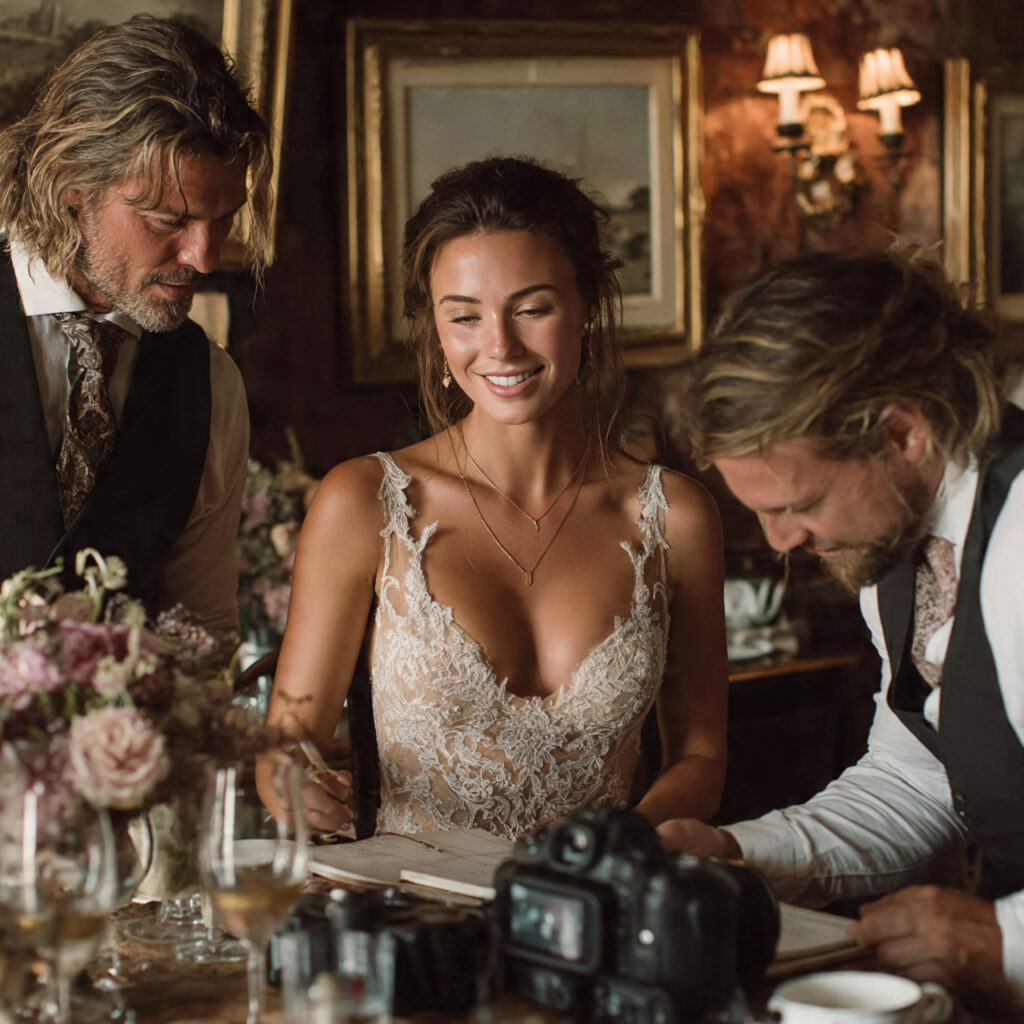
Photography preserves what planning cannot control. A wedding planning checklist treats it as documentation, not decoration. Share priorities with the photographer. What moments matter most? Who must be captured? Create a realistic shot list. Avoid excessive staging. Allocate time for portraits without isolating guests too long. Trust professionals to do their work. Over-direction disrupts flow. Good photography comes from planning and trust.
Structuring the Wedding Day Timeline
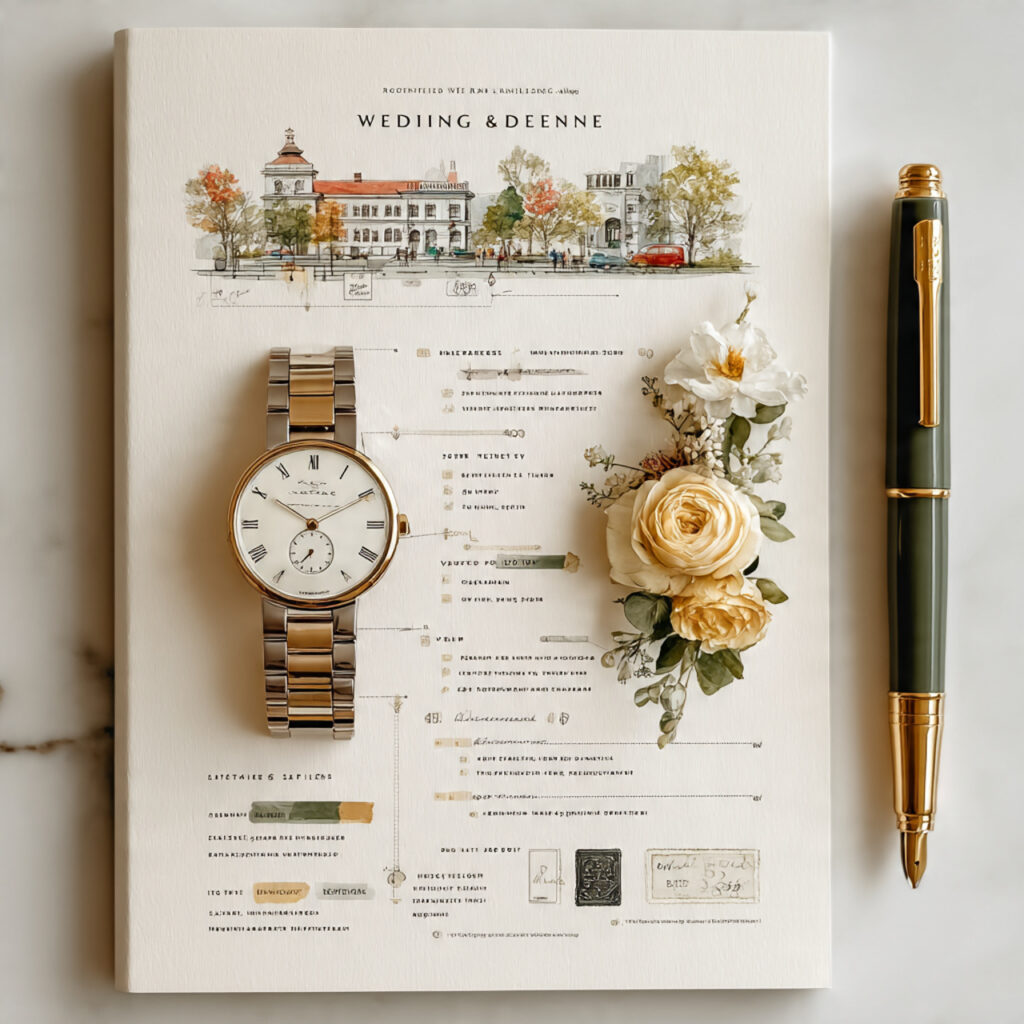
A wedding planning checklist lives or dies by the timeline. Build the day backward from the ceremony time. Include preparation, travel, setup, and buffers. Share the timeline with all vendors and key participants. Everyone should know where to be and when. Expect deviations. Plan flexibility. A realistic timeline reduces panic. It allows enjoyment.
Managing Décor with Restraint
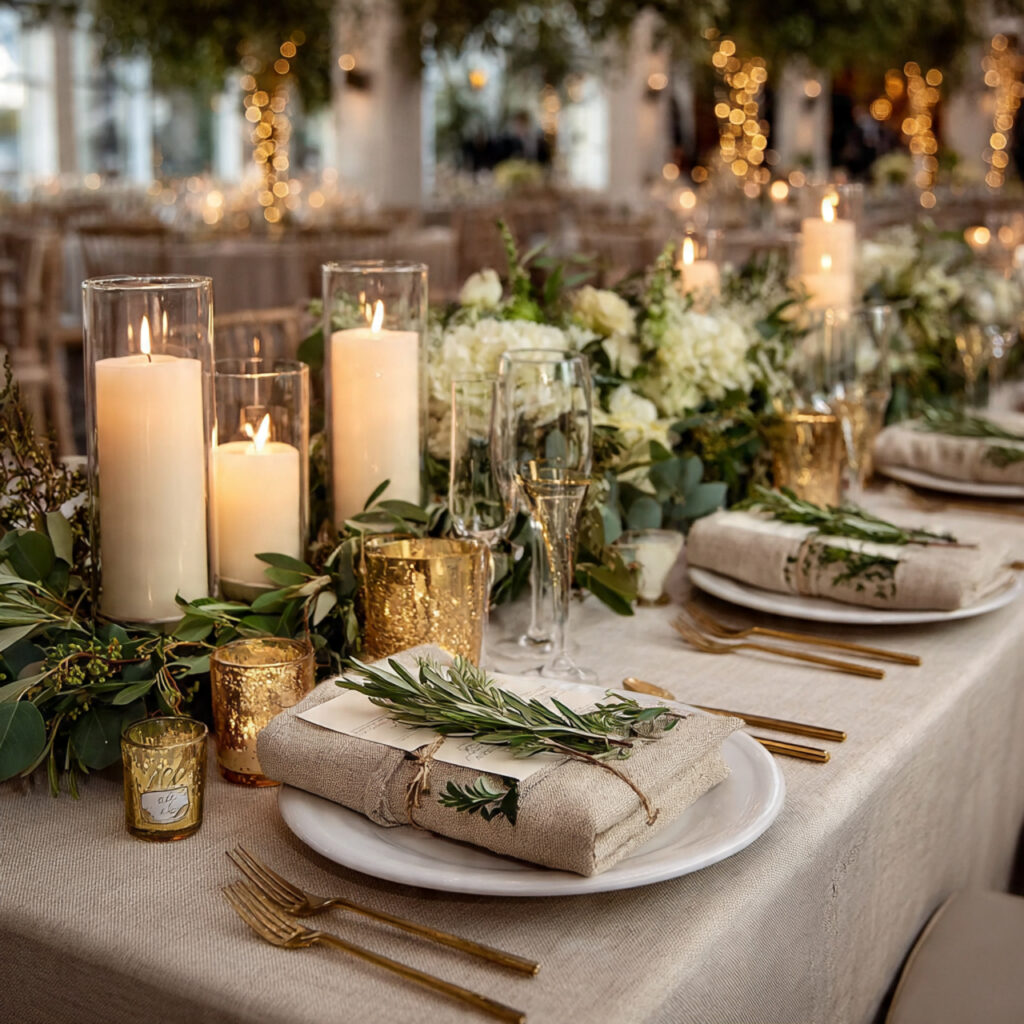
Décor enhances, but it does not define, a wedding. A wedding planning checklist prioritizes function over excess. Focus on high-impact areas: ceremony backdrop, tables, lighting. Avoid overbuying. Décor accumulates quickly and costs more in setup and teardown. Consider rentals over purchases. Consider reuse across ceremony and reception. Simplicity travels better than complexity.
Planning Food and Beverage Thoughtfully
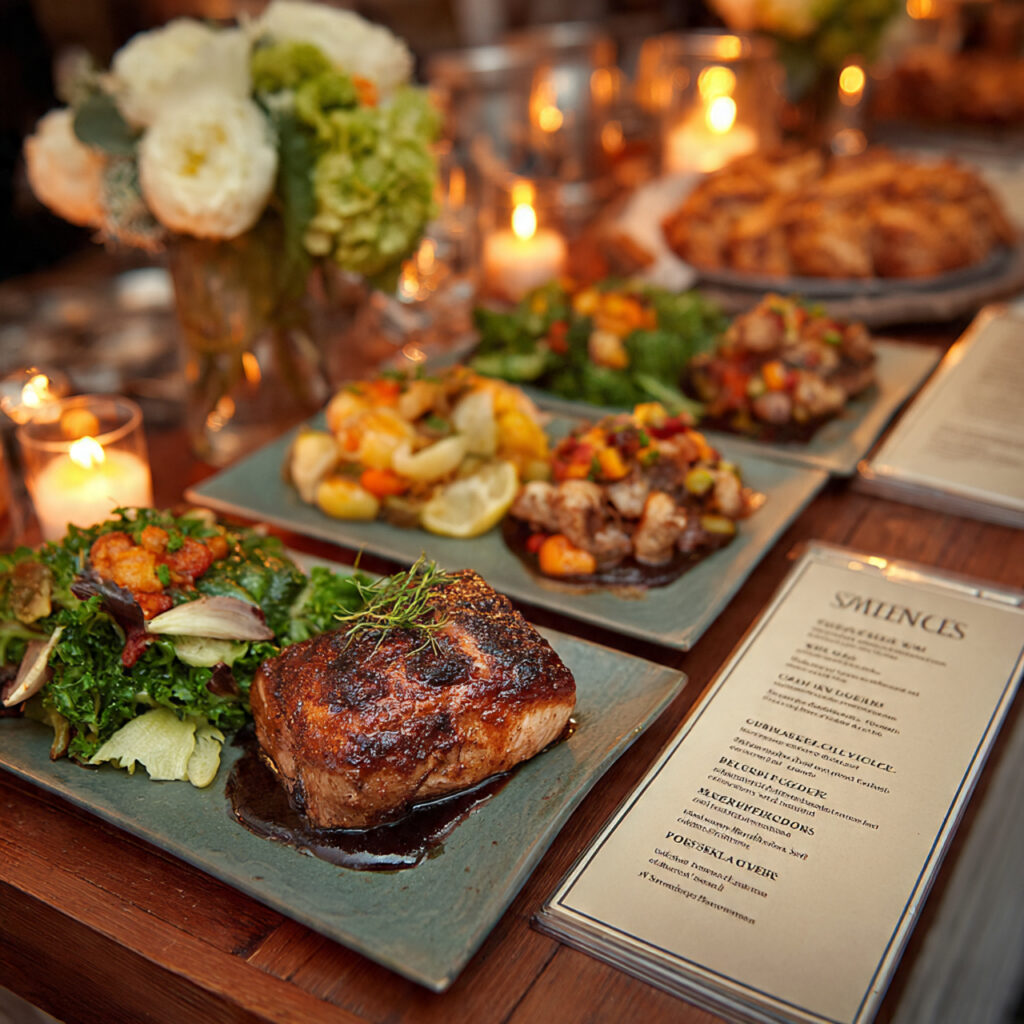
Food is remembered. A wedding planning checklist gives it attention. Choose menus that suit the guest profile. Cultural preferences matter. Dietary needs matter. Schedule tastings. Clarify portion sizes. Clarify service style. Alcohol decisions affect budget and atmosphere. Be intentional. Good food compensates for many other imperfections.
Handling Music and Entertainment Choices

Entertainment controls energy. A wedding planning checklist aligns music with audience and timing. Discuss must-play and do-not-play lists. Clarify equipment needs. Plan transitions between formal and informal segments. Volume matters. Guests want to talk. Entertainment should support the event, not dominate it.
Preparing for Legal and Administrative Tasks

Marriage is a legal act. A wedding planning checklist includes paperwork. Research license requirements. Understand timelines and documentation. Assign responsibility for submissions. Do not leave this to the last week. Legal clarity prevents post-wedding complications.
Assigning Roles and Responsibilities

No wedding runs on intention alone. A wedding planning checklist assigns tasks. Designate point persons for vendors, guests, and emergencies. Do not assume availability. Ask directly. Clear roles reduce confusion. They protect the couple’s attention.
Planning for Contingencies

Things go wrong. A wedding planning checklist accepts this. Weather changes. Vendors cancel. Guests get sick. Have backups. Indoor options. Emergency kits. Contact lists. Preparation reduces impact. Panic increases it.
Managing the Final Week Calmly

The last week tests planning discipline. A wedding planning checklist narrows focus. Confirm vendors. Finalize numbers. Prepare payments. Avoid new decisions. Stick to plans. Rest matters. Sleep matters. Arrive at the day clear-headed.
Conducting the Wedding Day with Presence
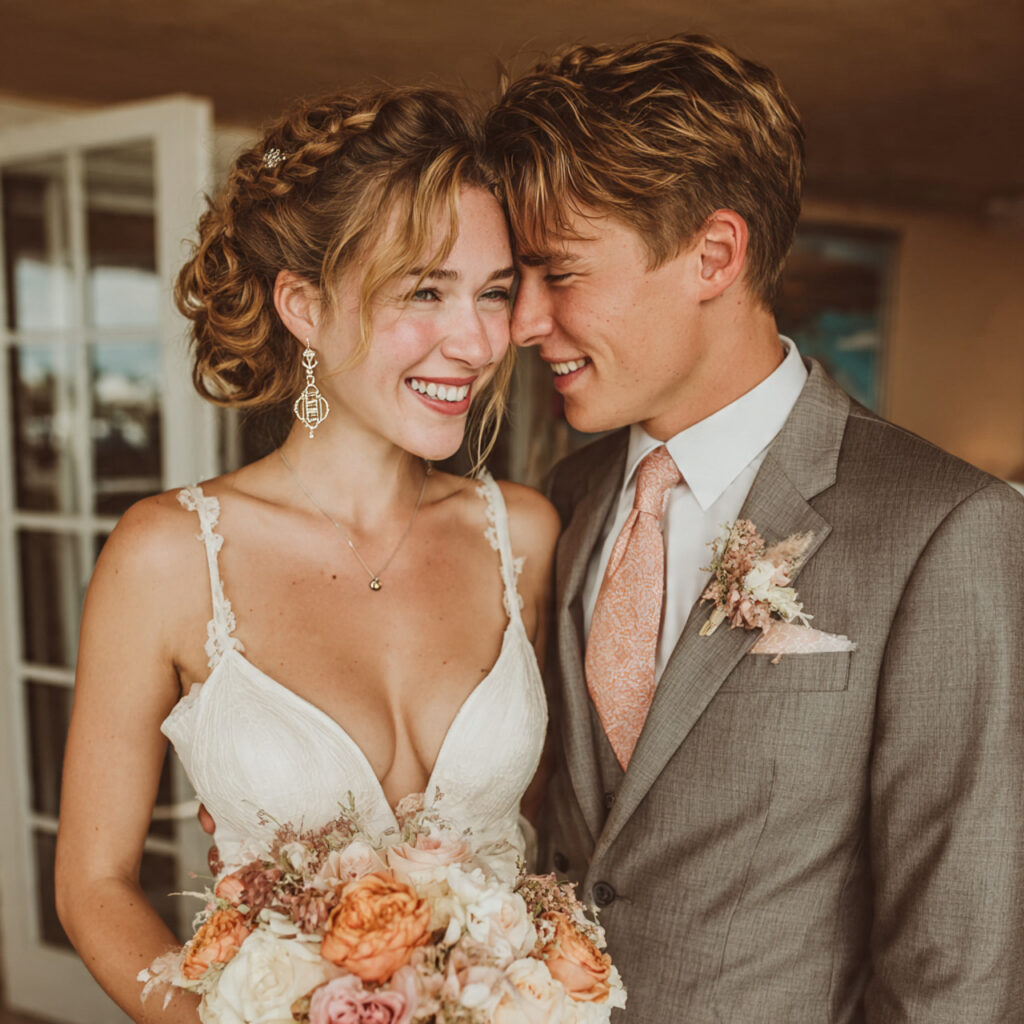
On the day, the checklist steps back. Trust preparation. Let go of control. Be present. Imperfections will occur. They will not matter later. The goal is not execution. It is experience.
Closing the Event Responsibly
A wedding planning checklist extends beyond the last song. Manage vendor payments. Retrieve personal items. Return rentals. Thank helpers. Closure matters.
Frequently Asked Questions
How early should a wedding planning checklist be started?
Ideally twelve months before the event. Smaller weddings can function on shorter timelines, but earlier planning offers better options and less stress.
Is a coordinator necessary if the checklist is detailed?
A checklist organizes decisions. A coordinator manages execution. For medium to large weddings, coordination support is strongly recommended.
What is the most commonly underestimated cost?
Catering-related expenses including service fees, rentals, and overtime. Transportation is another frequent surprise.
Can a wedding planning checklist reduce stress?
Yes, but only if it is used consistently. Ignored checklists add pressure instead of reducing it.
How flexible should the checklist be?
Structured but adaptable. The checklist guides decisions. It should not become a source of guilt or rigidity.
Conclusion
A wedding planning checklist is not about control. It is about clarity. It replaces guesswork with structure. It replaces panic with preparation. It does not eliminate emotion, but it creates space for it. Weddings are complex because they sit at the intersection of relationships, money, time, and expectation. A checklist does not simplify the meaning of a wedding. It simplifies the management of it. Use this guide as a framework. Adjust it to fit your reality. Strip away what does not apply. Strengthen what does. The goal is not perfection. The goal is a day that reflects intention, respects limits, and leaves you with memory instead of regret.