
20 Micro Backyard Wedding Ideas for Intimate Home Celebrations
A micro backyard wedding is not a compromise. It is a deliberate choice. It strips the wedding down to its essentials: commitment, presence, and people who matter. With fewer guests, smaller spaces, and tighter timelines, every decision carries weight. This format rewards clarity and punishes excess. The backyard becomes both venue and canvas, and every element must earn its place. Below are practical, experience-based ideas that work in real homes, real budgets, and real weather conditions.
Intimate Ceremony Layout for a Micro Backyard Wedding
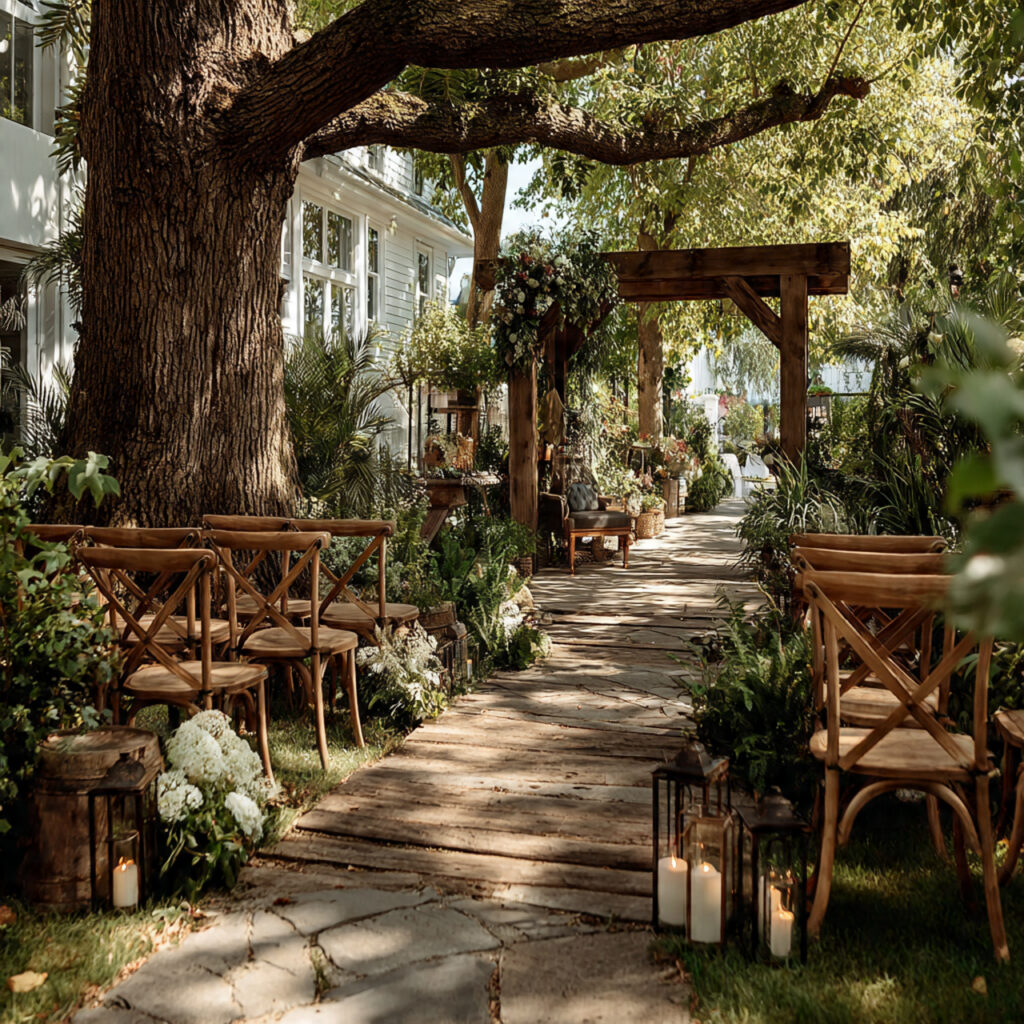
A micro backyard wedding begins with space awareness. Most backyards were not designed for events, and pretending otherwise leads to crowding and confusion. Start by identifying the natural focal point. This might be a mature tree, a fence line, or the cleanest open wall of the house. Chairs should be placed only after standing zones are mapped. Leave clear walking paths from the house to the ceremony area. Guests should never wonder where to go. Straight rows work better than curves in tight spaces. They waste less room and are easier to align.
The ceremony area does not need elevation. It needs visibility. A simple rug, wooden platform, or even a change in ground texture helps signal importance without construction. Sound matters more than décor. In a small yard, echoes bounce off walls. Test voices in advance. If amplification is needed, keep it minimal and directional.
Backyard Dining Experience
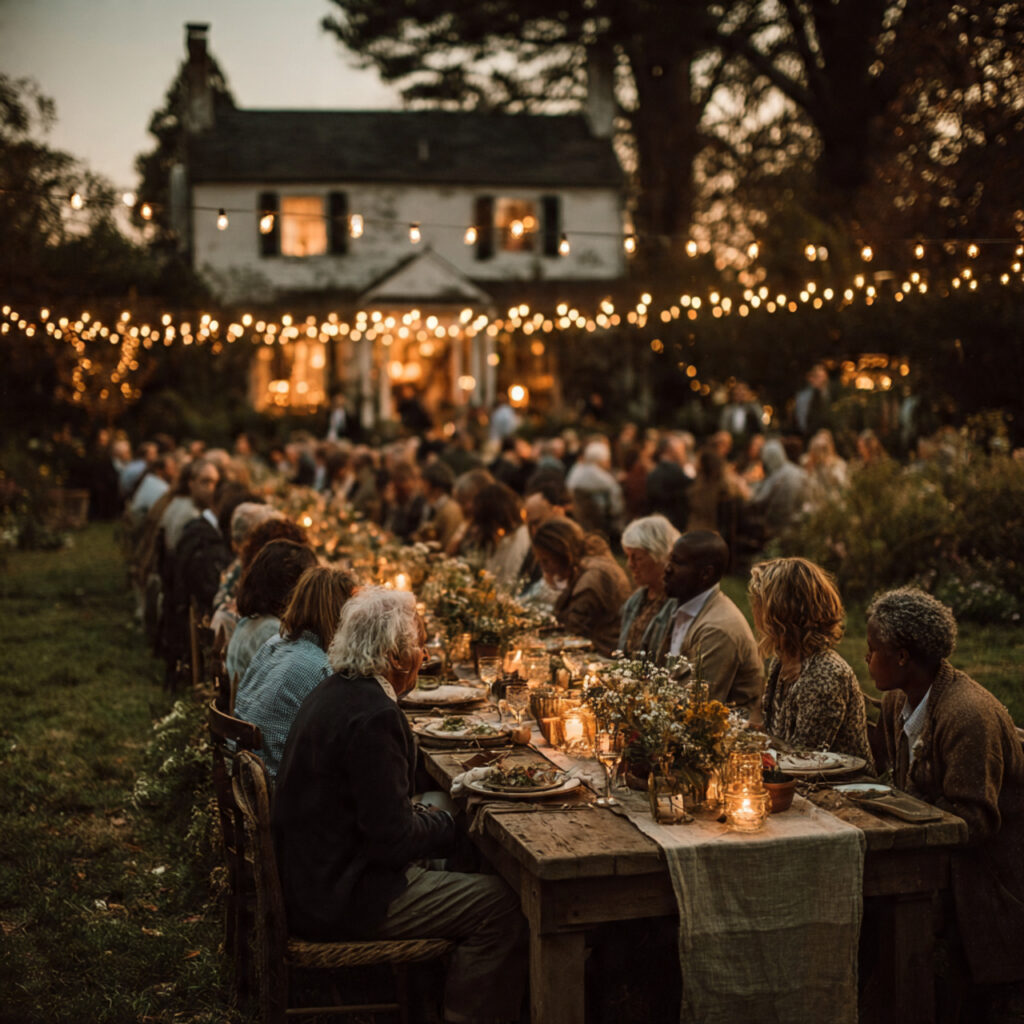
Food service defines comfort. In a micro backyard wedding, dining must be efficient and calm. Long communal tables reduce furniture needs and encourage conversation. They also eliminate awkward spacing issues that come with round tables.
Avoid plated service unless professional staff is available. Delays feel longer in small settings. Family-style or pre-set meals move faster and feel more natural. Table placement should respect circulation. Guests need to reach restrooms, drink stations, and exits without crossing through service zones. This is not optional. Lighting above tables should be functional first. Candles alone are insufficient. String lights or downward lanterns provide clarity without harshness. Weather planning belongs here. Shade for daytime meals and wind protection for evenings should be planned early, not improvised.
Minimal Floral Styling
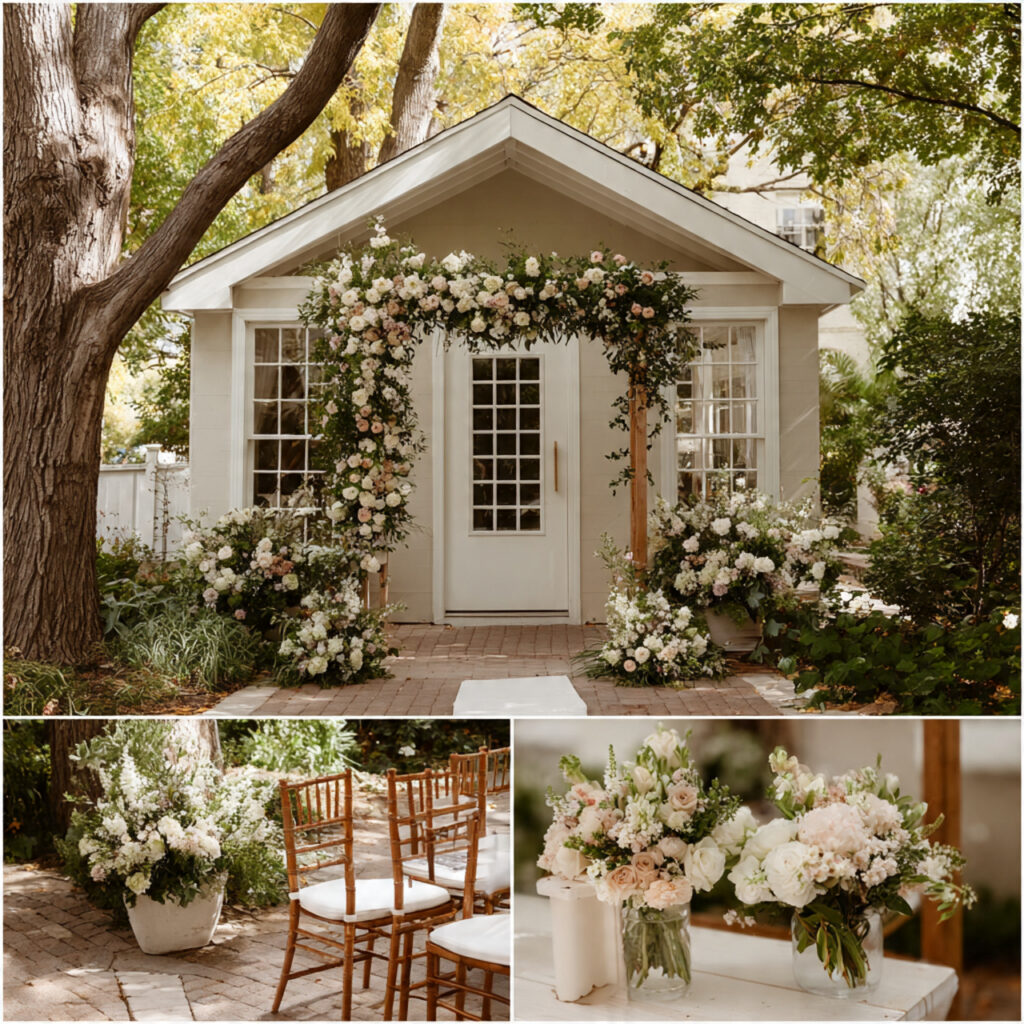
Flowers in a micro backyard wedding should support the environment, not fight it. Over-arranging creates visual clutter. Choose fewer arrangements and place them where the eye naturally rests.
Ceremony florals can be reused at the reception. This is not a cost-cutting trick; it is smart design. One strong installation carries more weight than many small ones. Local, seasonal flowers outperform imported varieties. They last longer outdoors and align better with informal settings. Greenery often works better than blooms. It handles heat, wind, and movement with less maintenance. Avoid floral scents that compete with food. In tight spaces, fragrance travels quickly.
Home Entrance Transformation
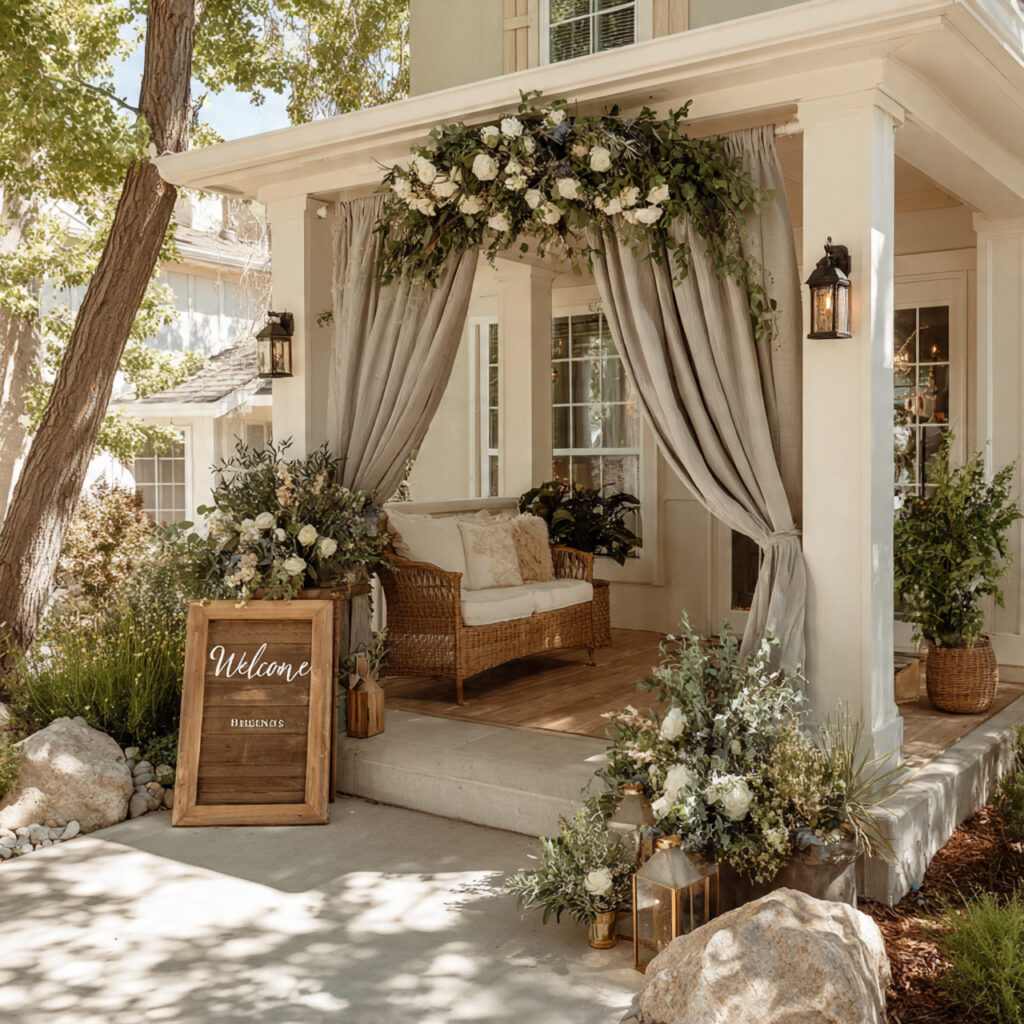
The entrance sets expectations. In a micro backyard wedding, guests often arrive through the home itself. This transition deserves attention. Clear the entryway completely. Remove shoes, coats, and personal clutter. What remains should feel intentional.
A simple sign, floral accent, or fabric drape signals that this is not an ordinary gathering. It does not need to be elaborate. It needs to be clear. Lighting at the entrance matters, especially for evening events. Guests should not step into darkness. If possible, designate one door for entry and another for exit. This controls flow and reduces congestion.
Backyard Bar Setup
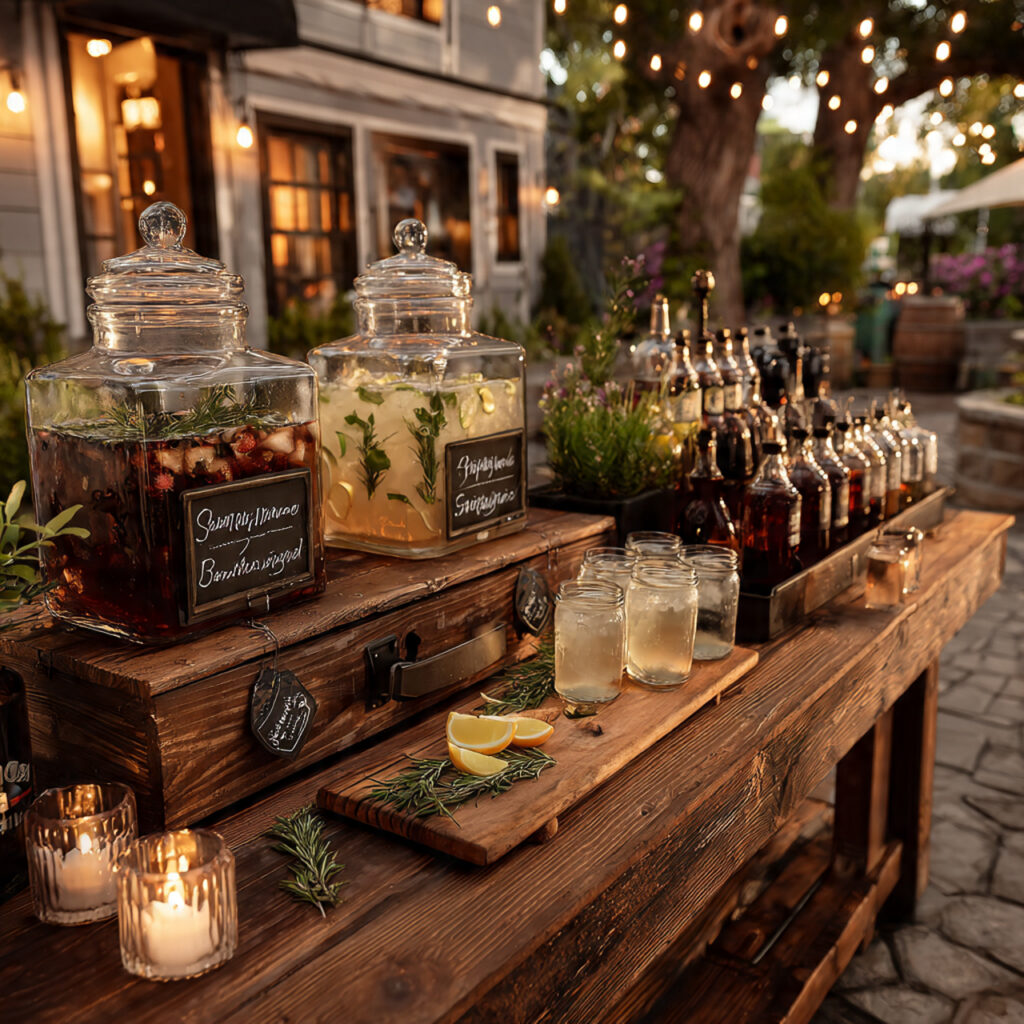
A micro backyard wedding does not require a full bar. It requires a controlled one. Limited menus reduce lines and waste. Choose two signature drinks, one non-alcoholic option, and basic wine or beer. Anything more slows service. The bar should be placed away from the ceremony and dining areas. Noise carries in small yards. Self-serve stations work only if clearly labeled and monitored. Otherwise, spills and confusion follow. Ice management is critical. It melts faster outdoors than expected. Plan for twice what seems necessary.
Lighting Strategy
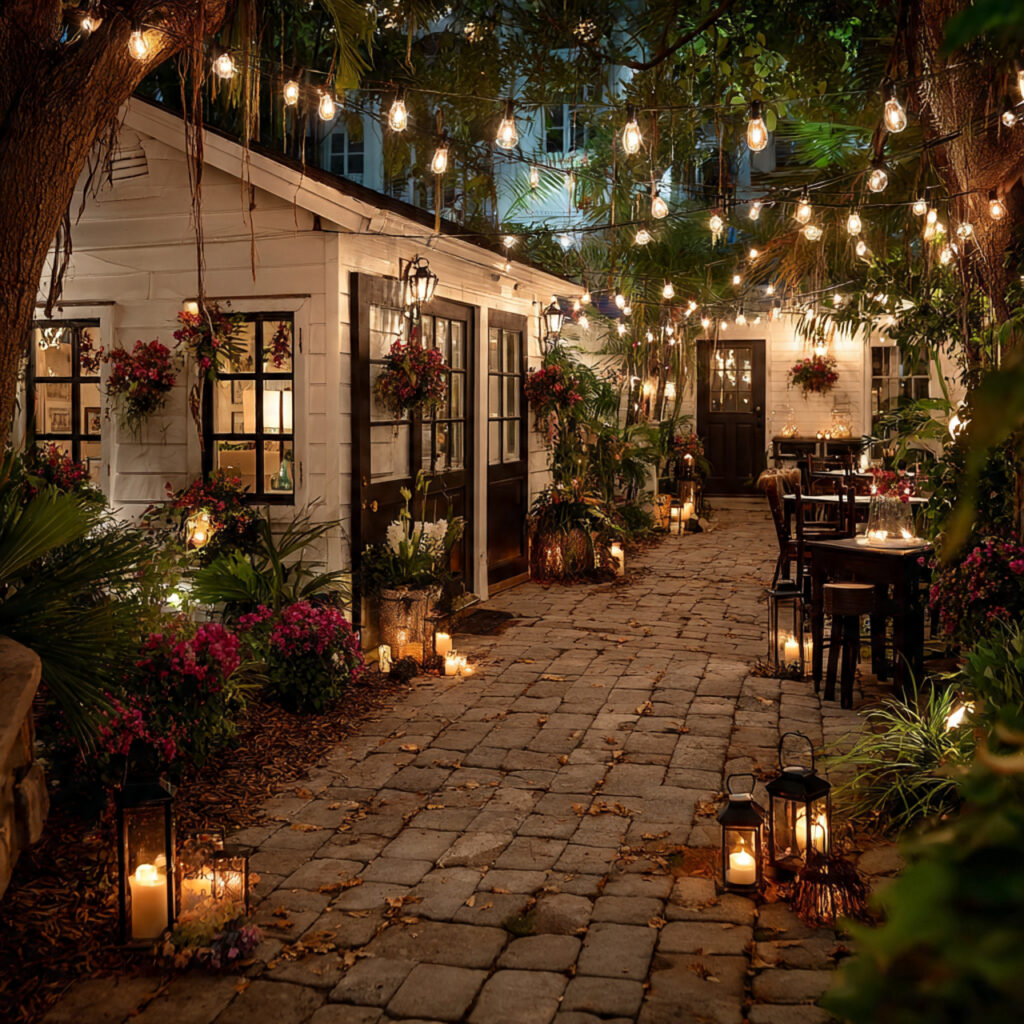
Lighting defines mood more than décor. In a micro backyard wedding, it also defines safety. Layer lighting. Overhead for visibility. Mid-level for warmth. Ground lighting for navigation. Avoid relying solely on string lights. They create atmosphere but not clarity. Supplement with lanterns or discreet floodlights. Test lighting after sunset before the event. What looks fine indoors often fails outside. Power sources should be secured and weather-protected. Extension cords must be taped down or buried.
Seating Comfort
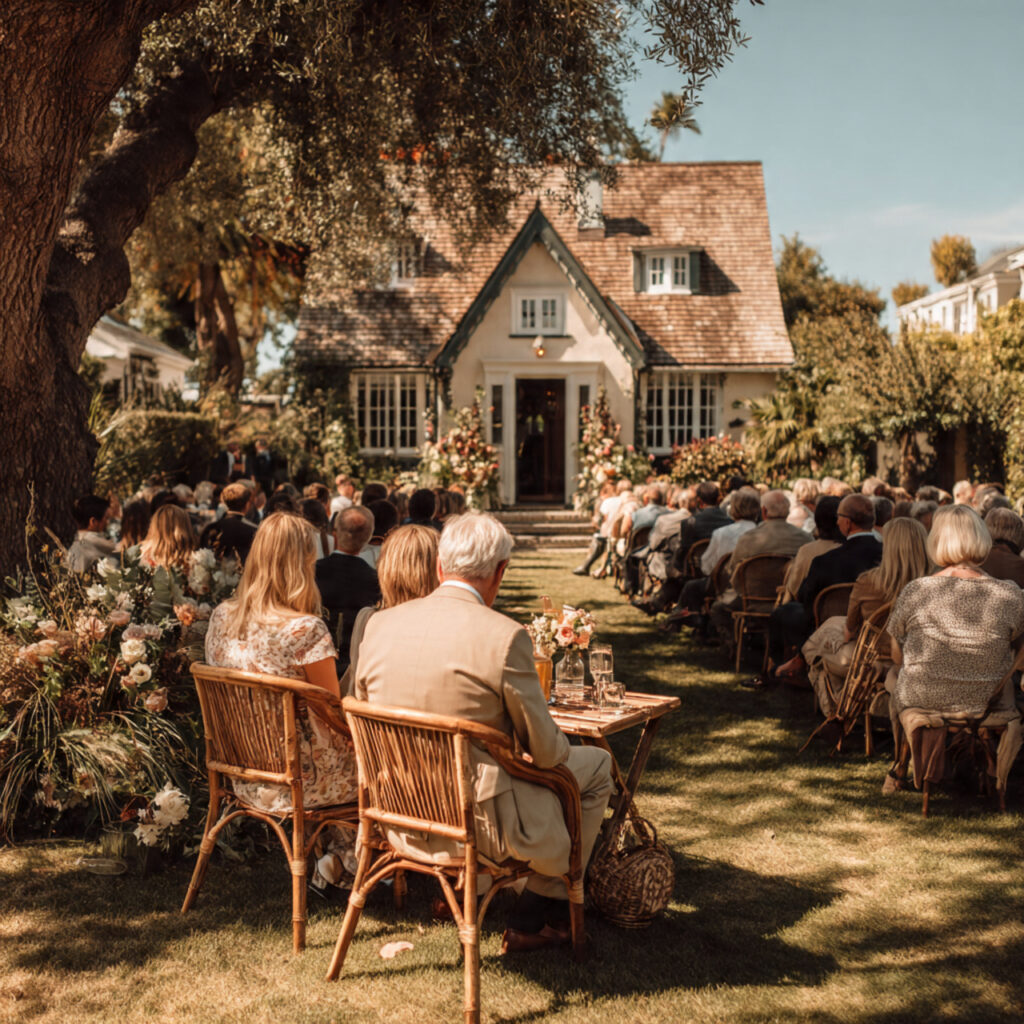
Comfort is not optional. In a micro backyard wedding, guests notice discomfort immediately. Choose chairs designed for outdoor use. Folding chairs are acceptable if padded and stable. Spacing matters. Guests should not touch elbows unless intended. Provide a few extra seats beyond the guest count. They will be used. For longer events, consider mixed seating. Benches, chairs, and stools create flexibility.
Weather Planning
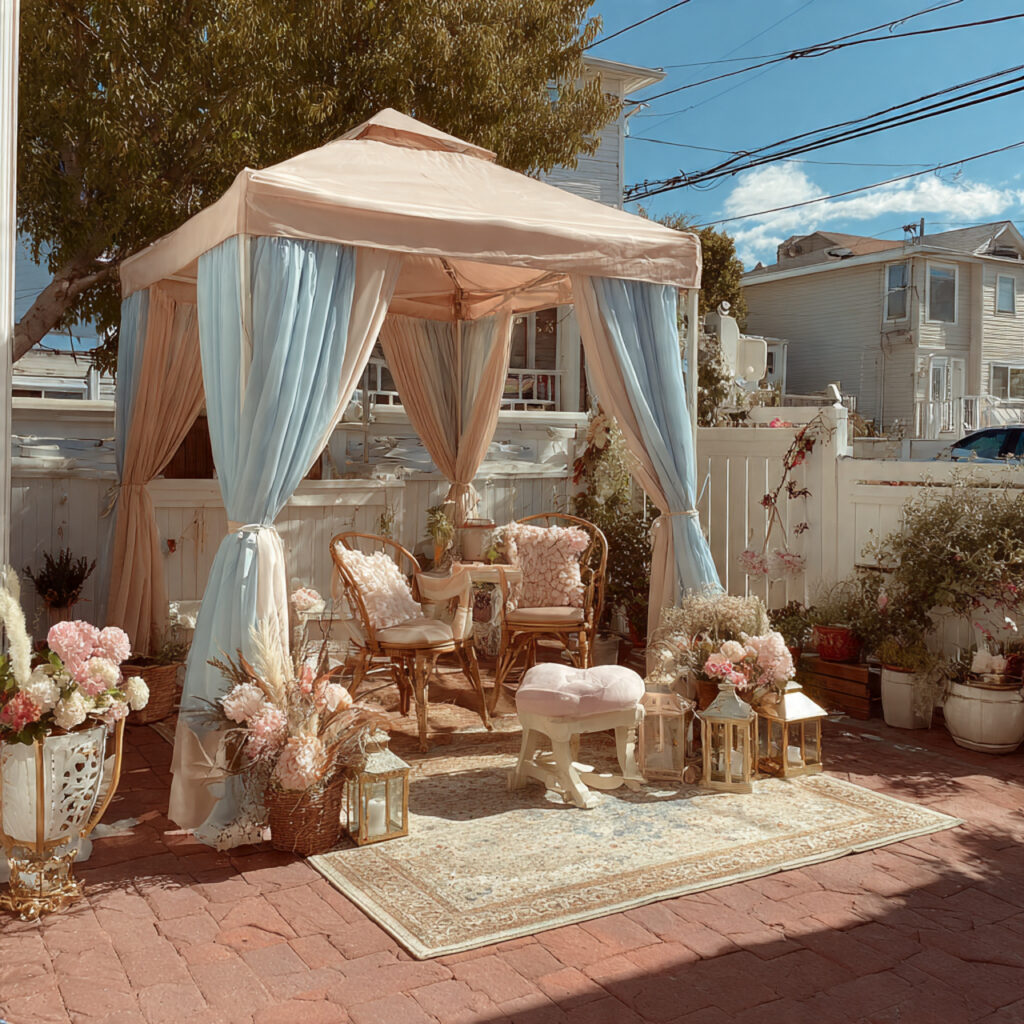
Weather is the biggest variable. In a micro backyard wedding, there is no backup venue unless planned. Tents should be considered early. They require permits, installation time, and ground assessment. Wind is often underestimated. Secure lightweight décor and signage. Heat management includes shade, hydration stations, and breathable fabrics. Cold evenings require blankets or heaters. These should be planned, not reactive.
Sound Management
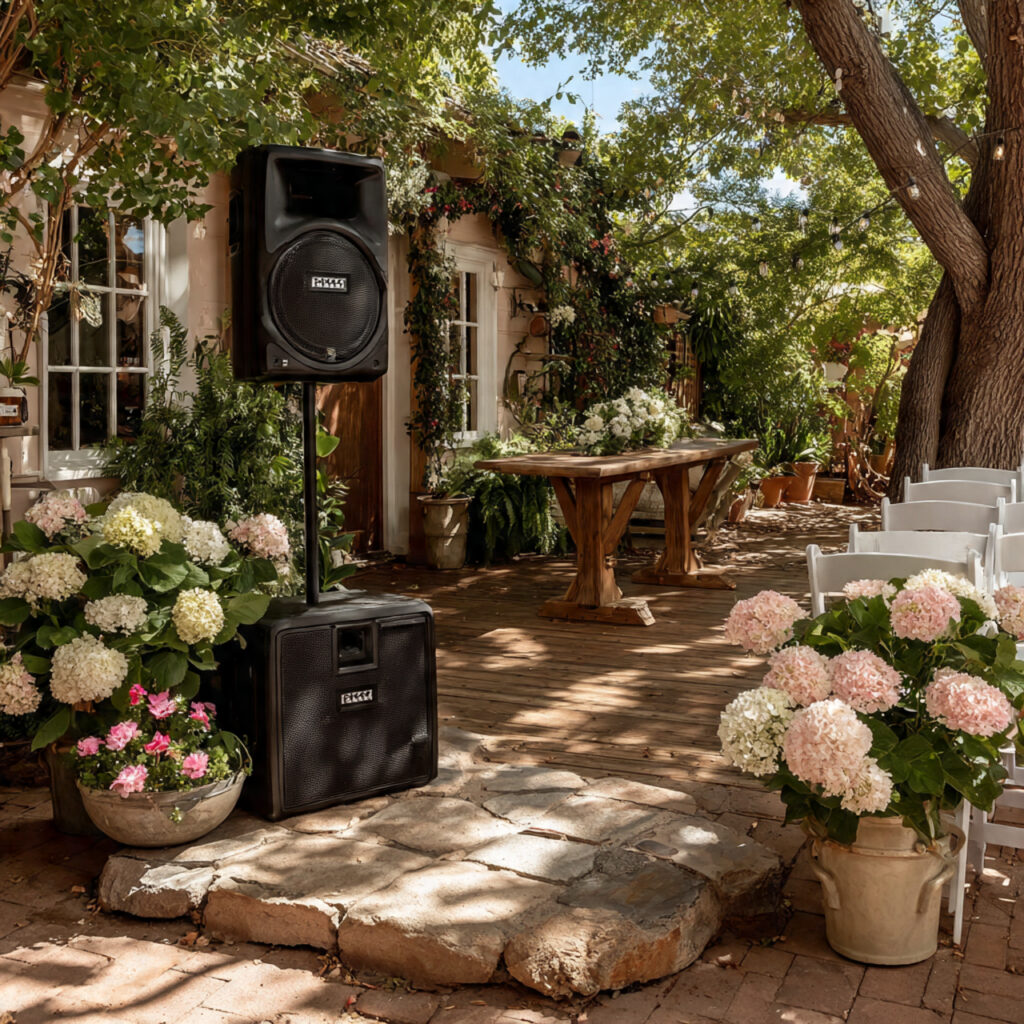
Sound travels differently in enclosed outdoor spaces. In a micro backyard wedding, this can work for or against you. Keep music volume low during conversation periods. There is no place to escape noise. Speeches should be brief and well-timed. Long speeches feel longer in small groups. Test microphones for feedback. Walls and fences amplify sound unexpectedly. Consider neighbors. Inform them in advance and respect local noise limits.
Backyard Dance Area
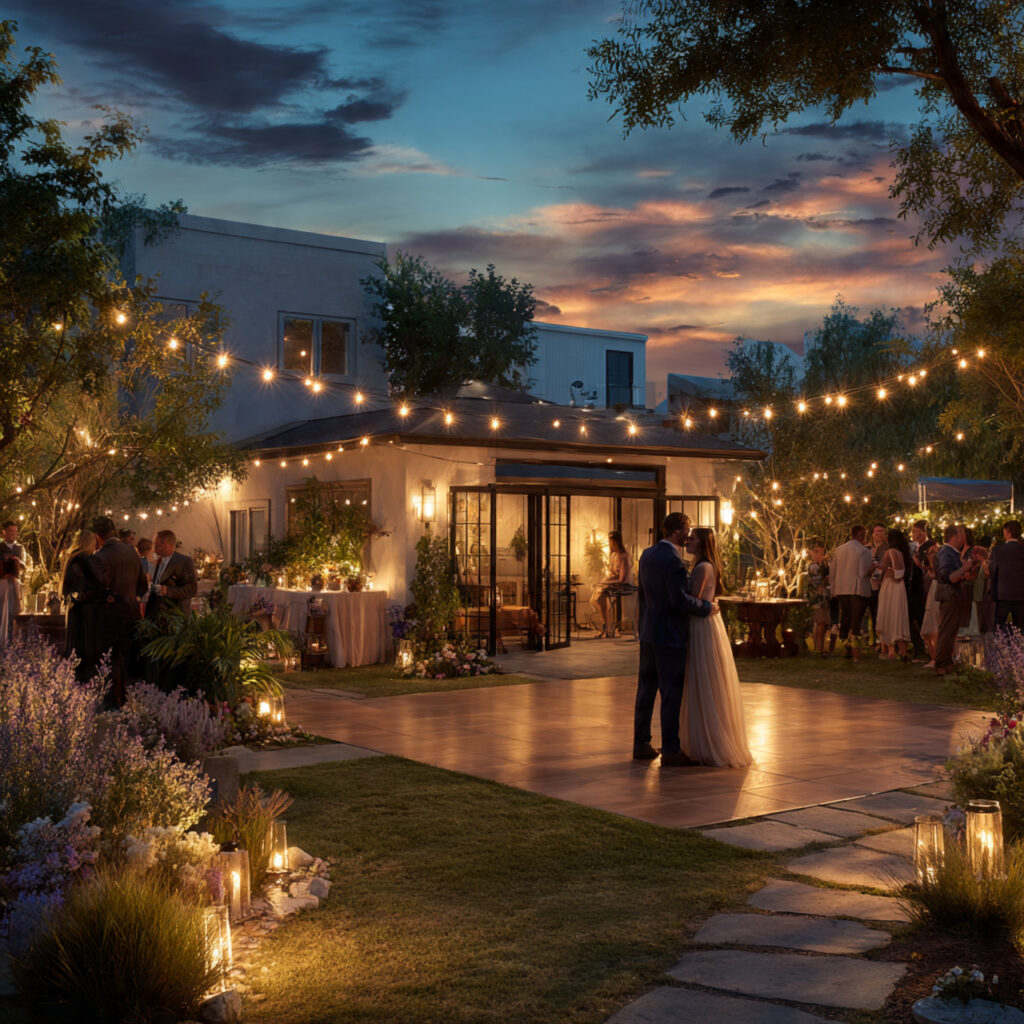
A dance floor is optional. Movement is not. In a micro backyard wedding, dancing often happens organically. Clear a defined space. Remove furniture temporarily if needed. Grass can work if flat and dry. Otherwise, a small platform prevents slips. Lighting here should be softer. Avoid blinding guests. Music transitions should be smooth. Abrupt changes feel harsher in intimate settings.
Ceremony Timing
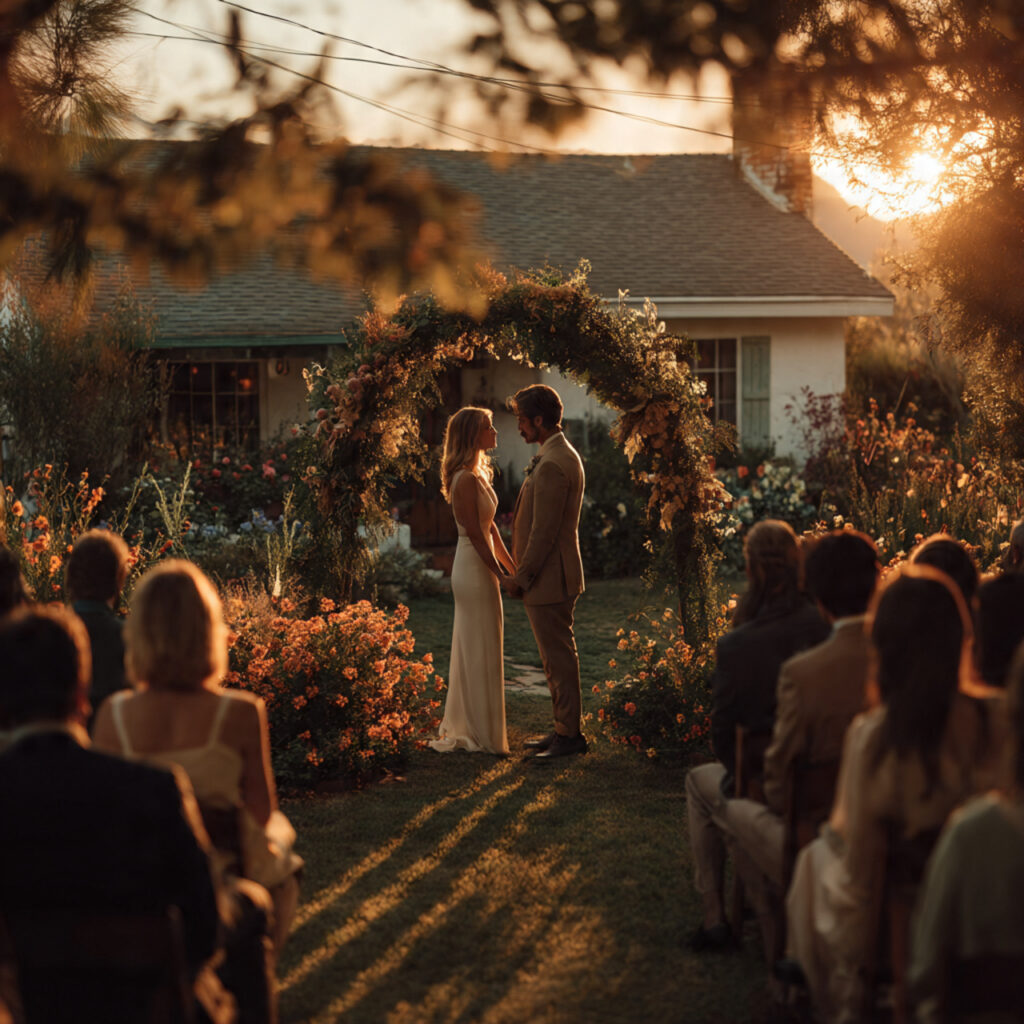
Timing controls flow. In a micro backyard wedding, delays are more noticeable. Start on time. Guests are already present and attentive. Keep the ceremony concise. Intimacy does not require length. Allow buffer time between ceremony and meal. This prevents crowding. Sun position should guide scheduling. Direct sunlight affects comfort and photography.
Guest Experience Focus

Guest experience defines success. In a micro backyard wedding, every interaction is personal. Clear signage prevents confusion. Guests should never ask where to go. Restroom access must be obvious and clean. Stock supplies generously. Provide seating for all ages. Standing-only events exclude. Small gestures matter more here. Welcome drinks, handwritten notes, or shared meals resonate.
Backyard Photography Approach

Photography in a micro backyard wedding benefits from familiarity. The space is known but must be seen differently. Identify best angles in advance. Cluttered backgrounds should be cleared. Natural light is an asset. Use it intentionally. Group photos are easier with fewer guests. Plan them efficiently. Avoid over-posing. Authentic moments suit the setting better.
Decor Restraint for a Micro Backyard Wedding
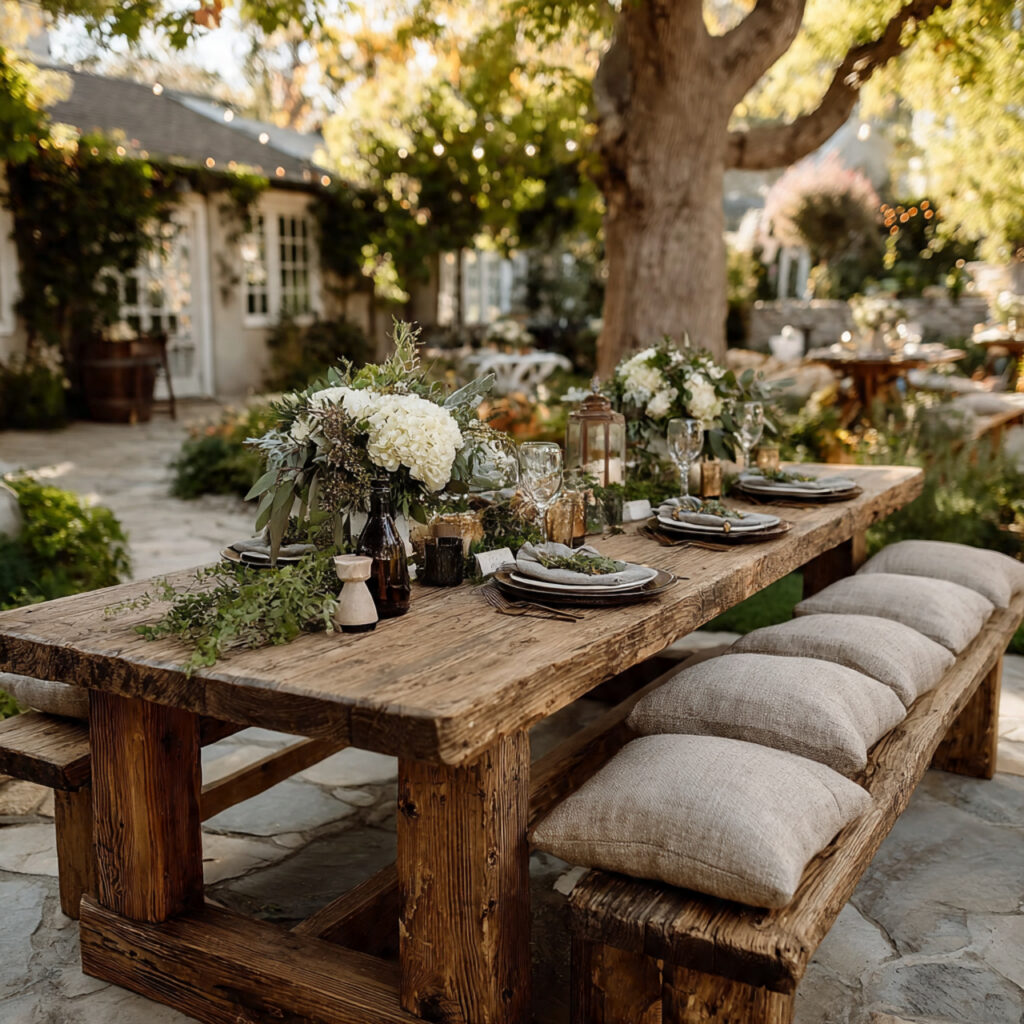
Restraint is strength. In a micro backyard wedding, excess overwhelms. Choose a limited color palette. Two or three tones suffice. Repeat materials rather than introducing new ones. Let the backyard remain recognizable. Transformation should enhance, not erase. Remove décor that does not serve a function or focal point.
Budget Allocation for a Micro Backyard Wedding
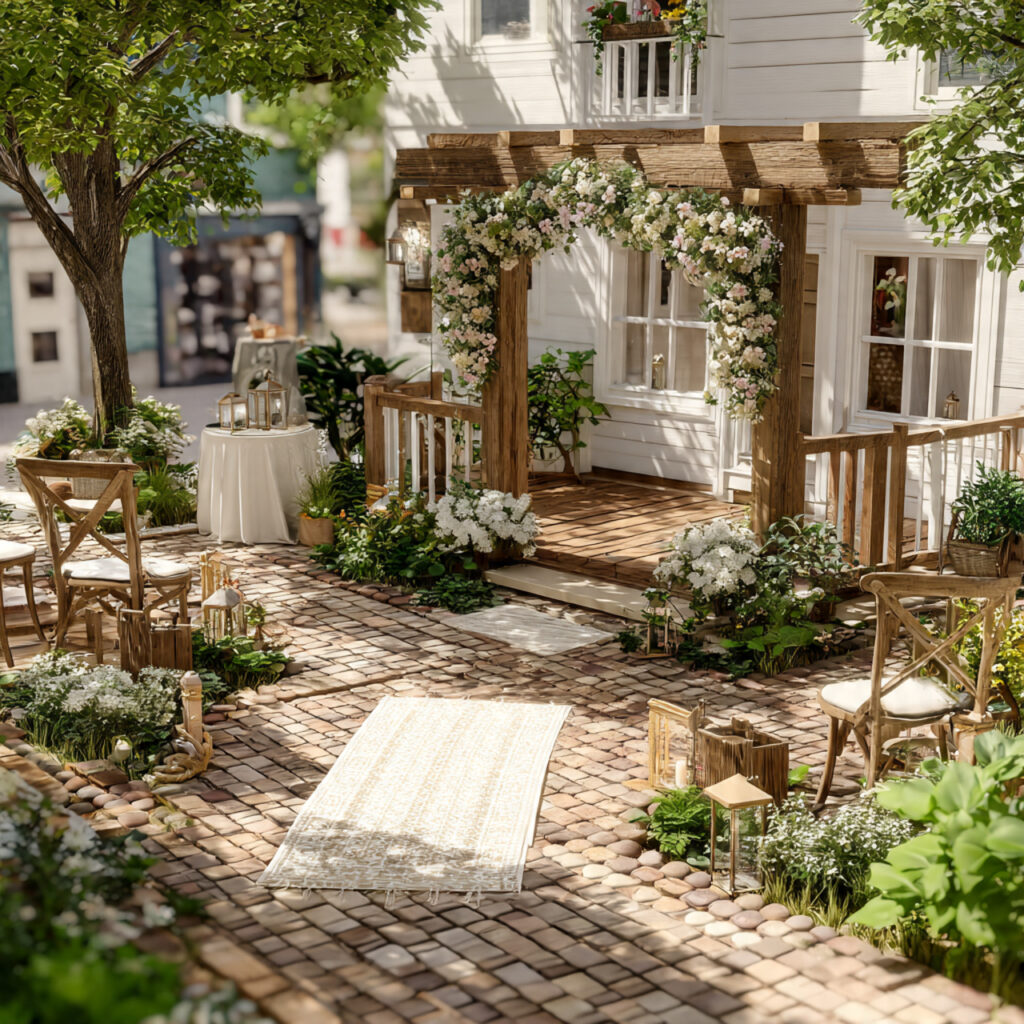
Smaller does not always mean cheaper. A micro backyard wedding shifts costs rather than eliminates them. Prioritize food, comfort, and logistics over decoration. Rentals often consume more budget than expected. Track them carefully. DIY saves money only when time and skill exist. Contingency funds are essential. Unexpected needs arise outdoors.
Neighbour Relations in a Micro Backyard Wedding
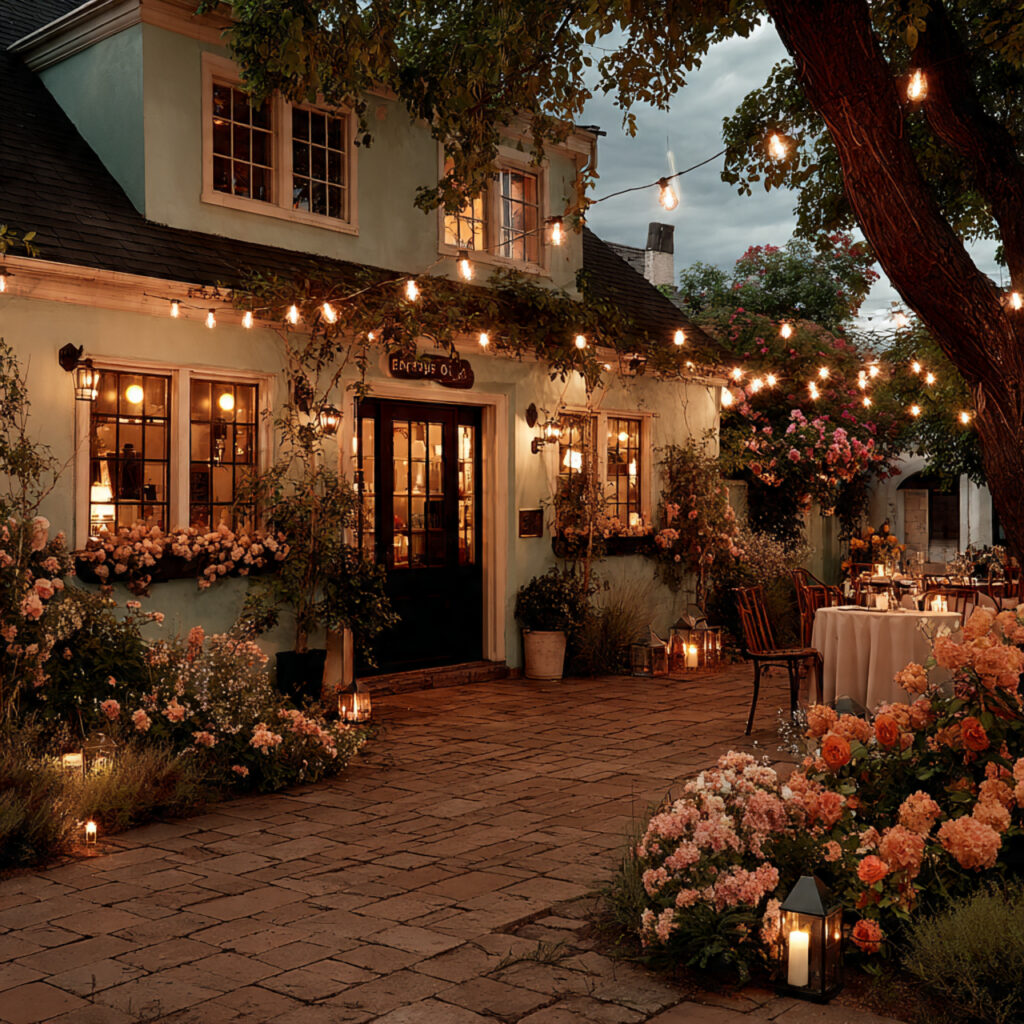
Neighbours are part of the environment. Ignoring them causes problems. Inform them early. Share timing and contact information. Respect property lines. Do not assume shared space. Manage parking responsibly. Blocked driveways create conflict. End on time. Noise complaints escalate quickly.
Child Inclusion at a Micro Backyard Wedding
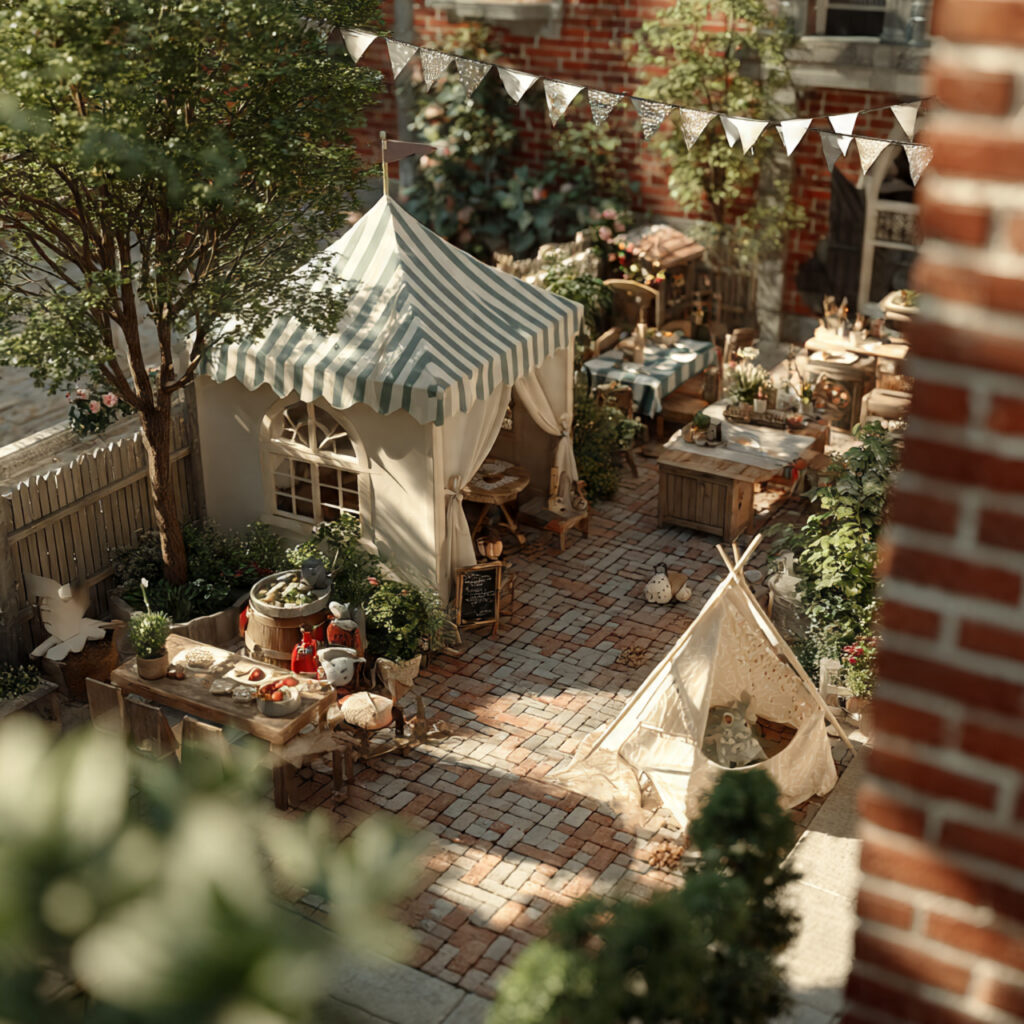
Children change dynamics. In a micro backyard wedding, their presence is felt. Provide activities or quiet zones if children attend. Safety checks are mandatory. Secure pools, tools, and hazards. Meal options should accommodate younger guests. If excluding children, communicate clearly and early.
Personal Touches for a Micro Backyard Wedding
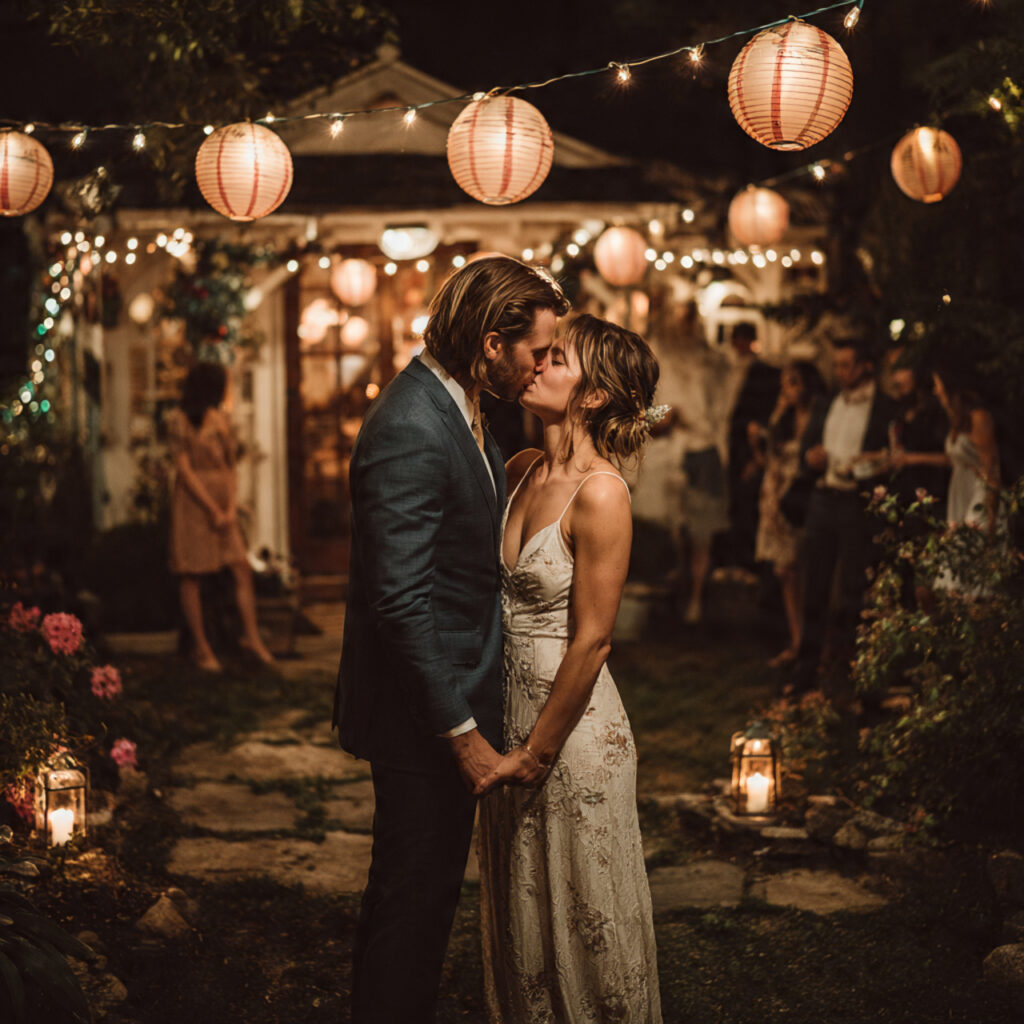
Personalization replaces scale. In a micro backyard wedding, authenticity matters. Shared history can be woven into décor subtly. Music choices should reflect taste, not trends. Vows carry more weight in intimate settings. Prepare them carefully. Avoid over-performing. Genuine moments resonate more than planned theatrics.
Defined Ceremony Area
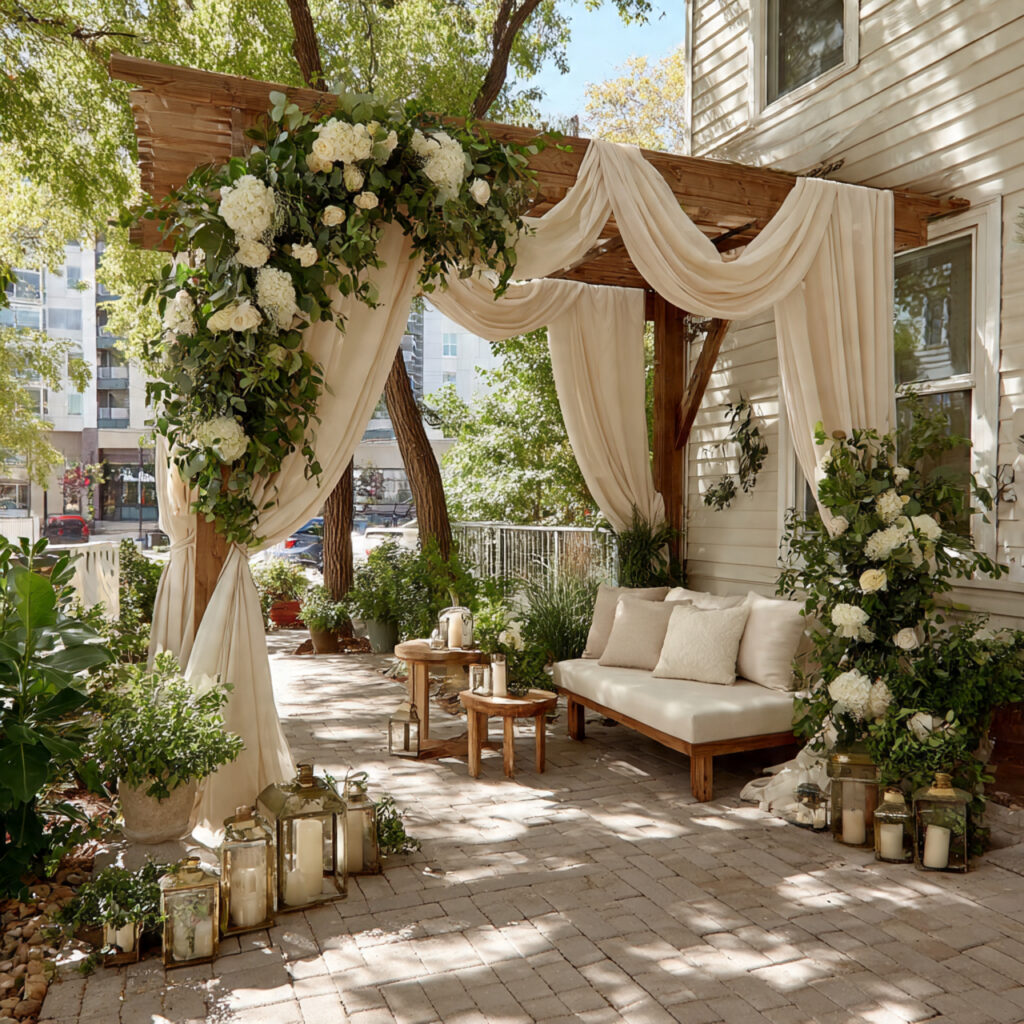
A defined ceremony area gives structure to a small space. Without it, a micro backyard wedding can feel informal to the point of confusion. Guests need a visual signal that tells them where to focus and when the ceremony begins. The ceremony zone should face away from distractions. Avoid pointing guests toward the house entrance, parked cars, or high-traffic paths. Even in a familiar yard, attention drifts when backgrounds are busy. Keep décor limited to what frames the couple. One focal element is stronger than several competing pieces. Chairs should align directly with this point to avoid awkward angles and blocked views.
Exit Moment for a Micro Backyard Wedding
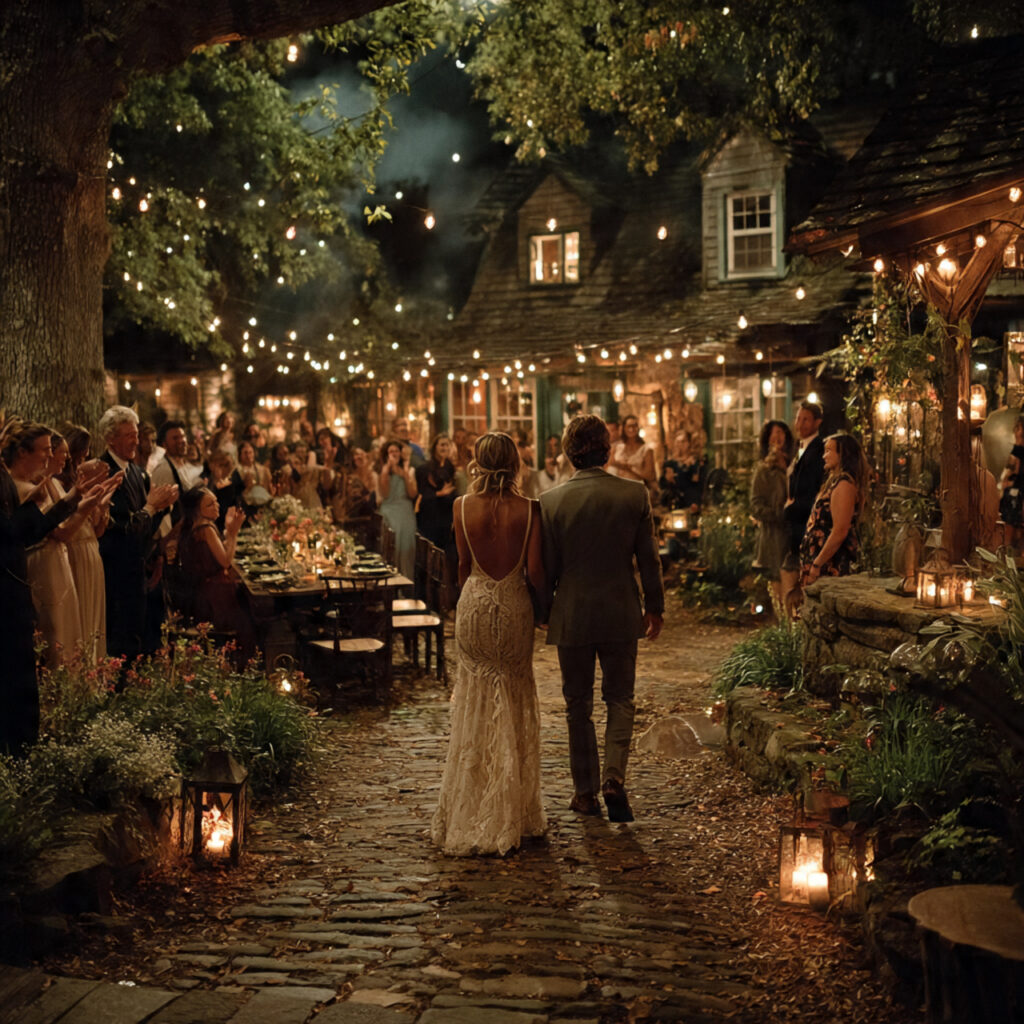
The ending matters. In a micro backyard wedding, exits are often informal. Plan a clear conclusion. Guests need closure. Sparklers require safety planning. Alternatives include lanterns or music cues. Cleanup should begin quietly. Do not rush guests. Thank attendees personally when possible. This is a strength of small gatherings.
FAQs
Is a backyard wedding really easier to plan?
Not always. It replaces venue rules with personal responsibility. Logistics increase even as guest count decreases.
How many guests is realistic for a backyard setting?
Most residential yards handle 20 to 40 guests comfortably. Beyond that, rentals and permits increase complexity.
Do I need permits for a backyard wedding?
Possibly. Noise, tents, alcohol service, and parking may require local approval.
Is professional help necessary?
At least partial coordination is recommended. Someone must manage timing and issues without involving the couple.
What is the biggest mistake couples make?
Underestimating infrastructure needs like restrooms, lighting, and power.
Conclusion
A micro backyard wedding rewards intention. It demands honesty about space, comfort, and priorities. When planned with restraint and clarity, it creates an experience that feels grounded rather than scaled down. This format works best for couples willing to engage with details rather than hide behind spectacle. It turns a familiar place into a meaningful setting without forcing it to become something it is not. Small does not mean simple. It means focused. And when done well, it leaves little room for regret.