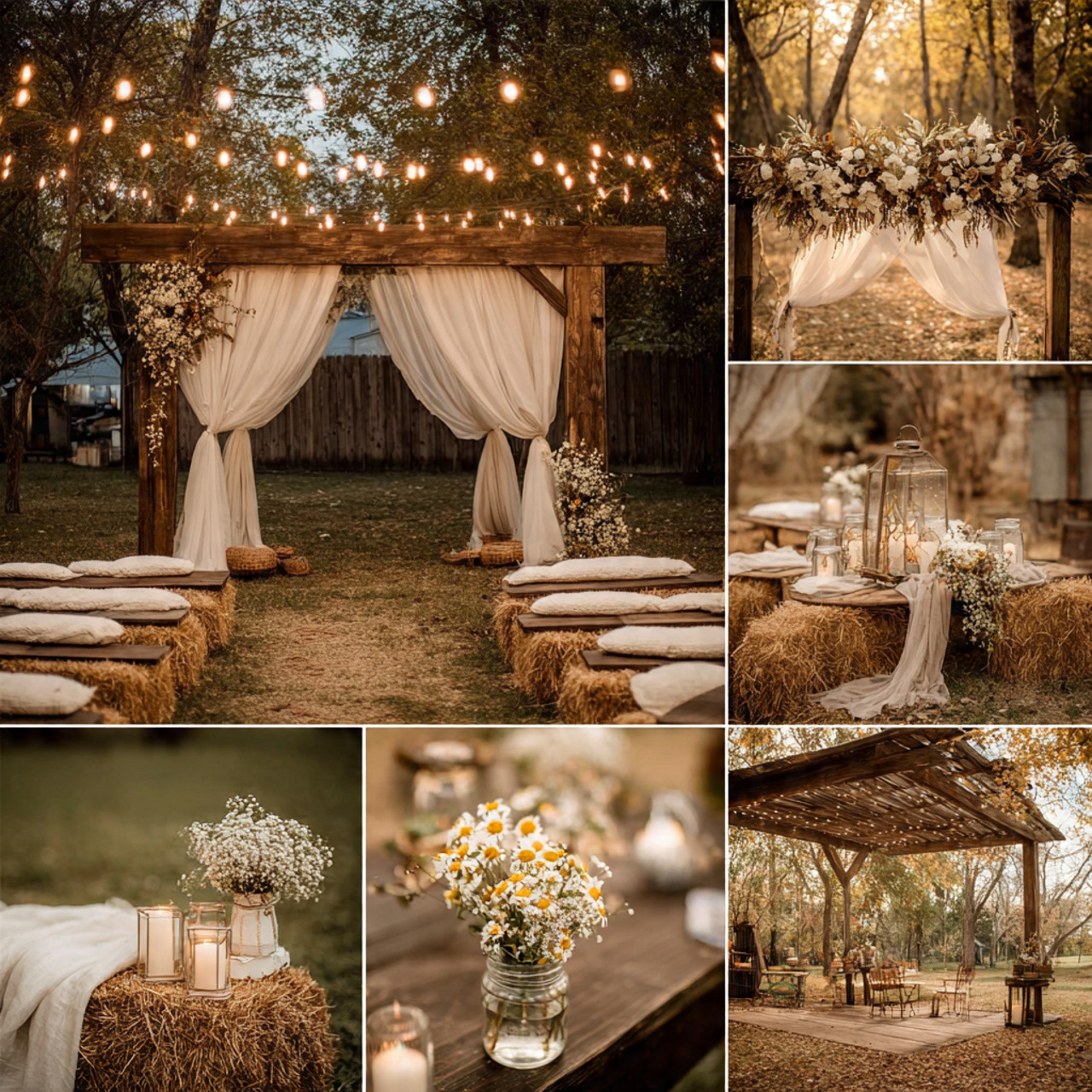
22 Outdoor Wedding Ceremony Ideas for Every Natural Setting
An outdoor wedding ceremony offers freedom that indoor venues cannot match. Natural light replaces artificial fixtures. Open air removes walls, ceilings, and limits. Landscapes become backdrops. Sounds feel softer. Moments feel wider. Yet outdoor settings are not effortless. They require planning, restraint, and decisions rooted in reality. Weather, terrain, acoustics, guest comfort, and logistics matter more than aesthetics alone.
This guide focuses on ideas that are workable, not just photogenic. Each idea below adapts to real environments, real budgets, and real guest needs—without excess decoration or unnecessary complexity.
Garden-Based Outdoor
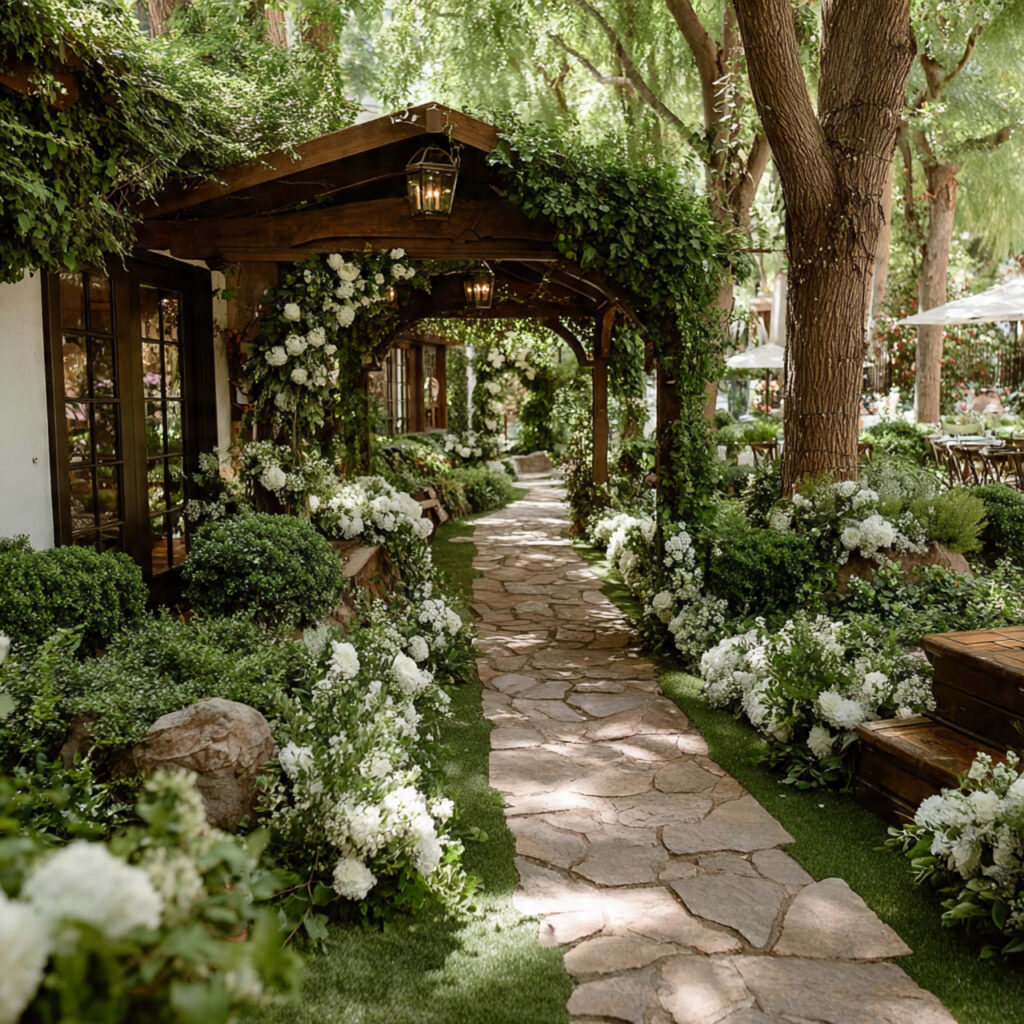
A garden setting supports an outdoor wedding ceremony with minimal structural work. Flowers already exist. Greenery softens every angle. The space feels intentional without added layers. Choose a garden with established paths and defined borders. This avoids crowding and keeps seating organized. Ceremony arches should stay light—wood, metal, or greenery only. Overbuilt structures compete with the environment. Time the ceremony when light is even. Late afternoon works best. Avoid midday sun unless shade trees are guaranteed. Gardens favor neutral attire and quiet music. Acoustic instruments travel better than amplified sound.
Beachfront Outdoor
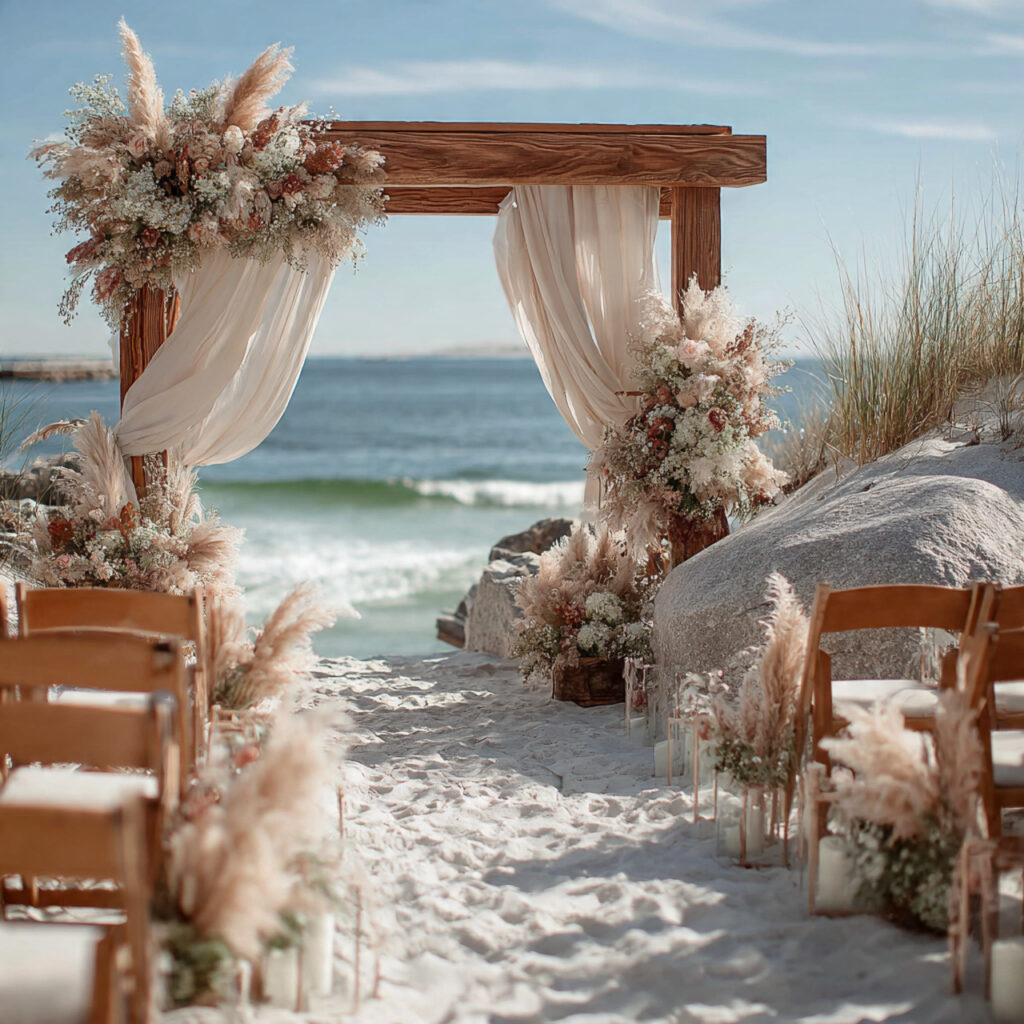
A beachfront outdoor wedding ceremony is visually simple but logistically demanding. Sand shifts. Wind interferes. Sound carries unevenly. Select a compact ceremony layout. Short aisles reduce walking difficulty. Weighted décor prevents movement. Chairs with wide legs perform better on sand. Footwear should be optional. Barefoot ceremonies reduce discomfort and look intentional. Plan timing around tides and wind patterns. Early morning or pre-sunset windows offer calmer conditions. Keep florals minimal. The ocean is the feature, not the arrangements.
Forest Clearing Outdoor
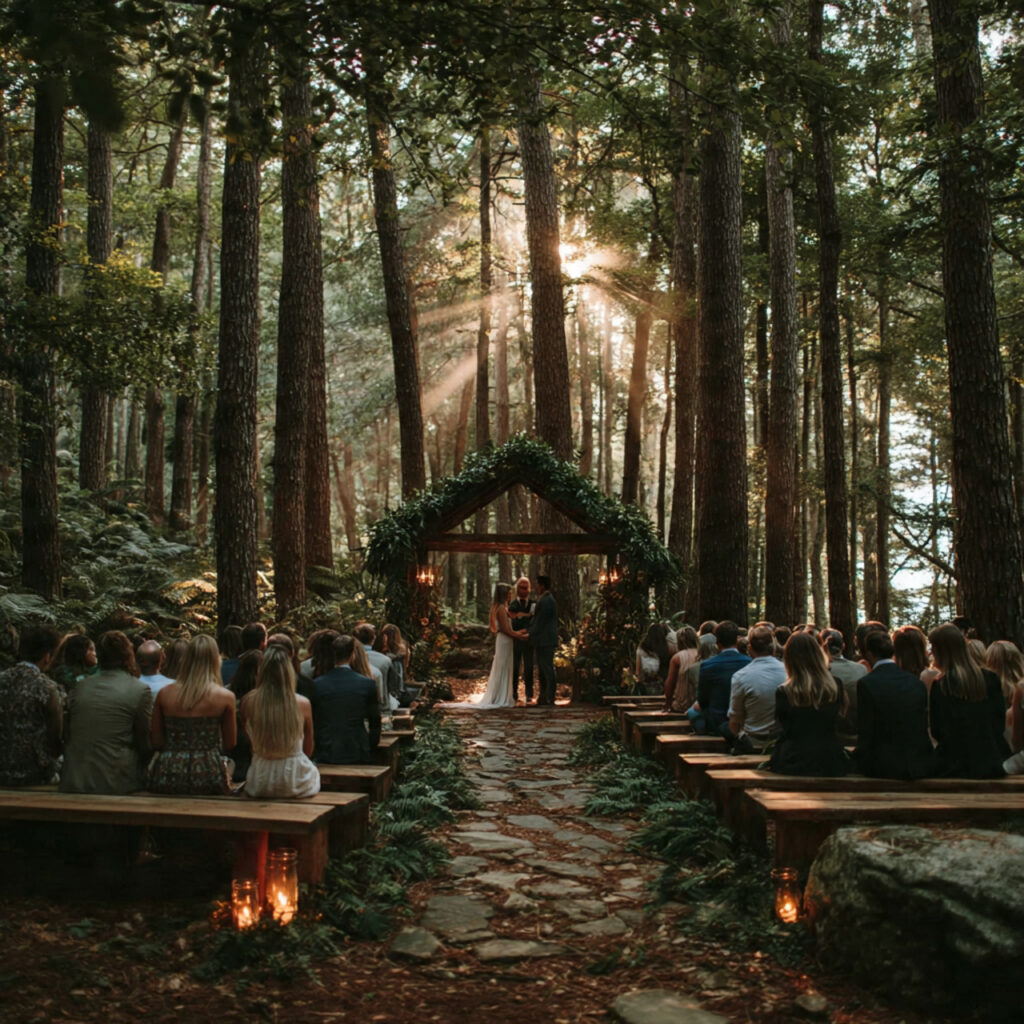
A forest clearing offers privacy and atmosphere for an outdoor wedding ceremony. Trees frame the space naturally. Shade regulates temperature. Sound feels contained. Confirm ground stability. Soft soil requires firm platforms for seating and officiant placement. Portable flooring may be necessary. Lighting matters more here. As daylight fades, forest areas darken quickly. String lights or lanterns are functional, not decorative extras. Avoid heavy décor. Let vertical space stay open. This preserves the forest’s scale.
Mountain View Outdoor
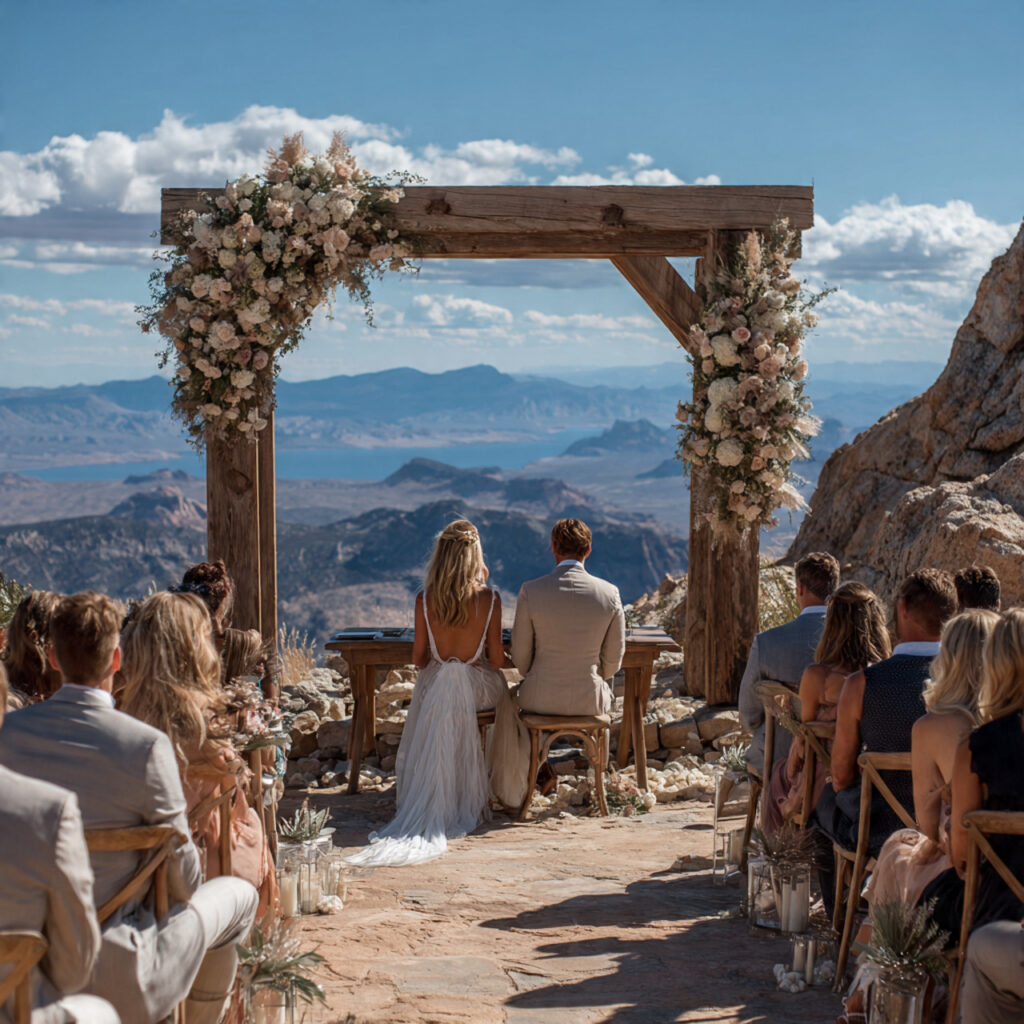
A mountain-view outdoor wedding ceremony relies on positioning, not decoration. Elevation and distance create visual impact. Face the ceremony toward the view, not against it. Guests should not squint into light or turn their backs to the landscape. Wind is common. Secure everything. Microphones need wind protection. Keep the ceremony short. Thin air and temperature shifts affect comfort. Provide wraps or shawls when altitude is involved.
Lakeside Outdoor
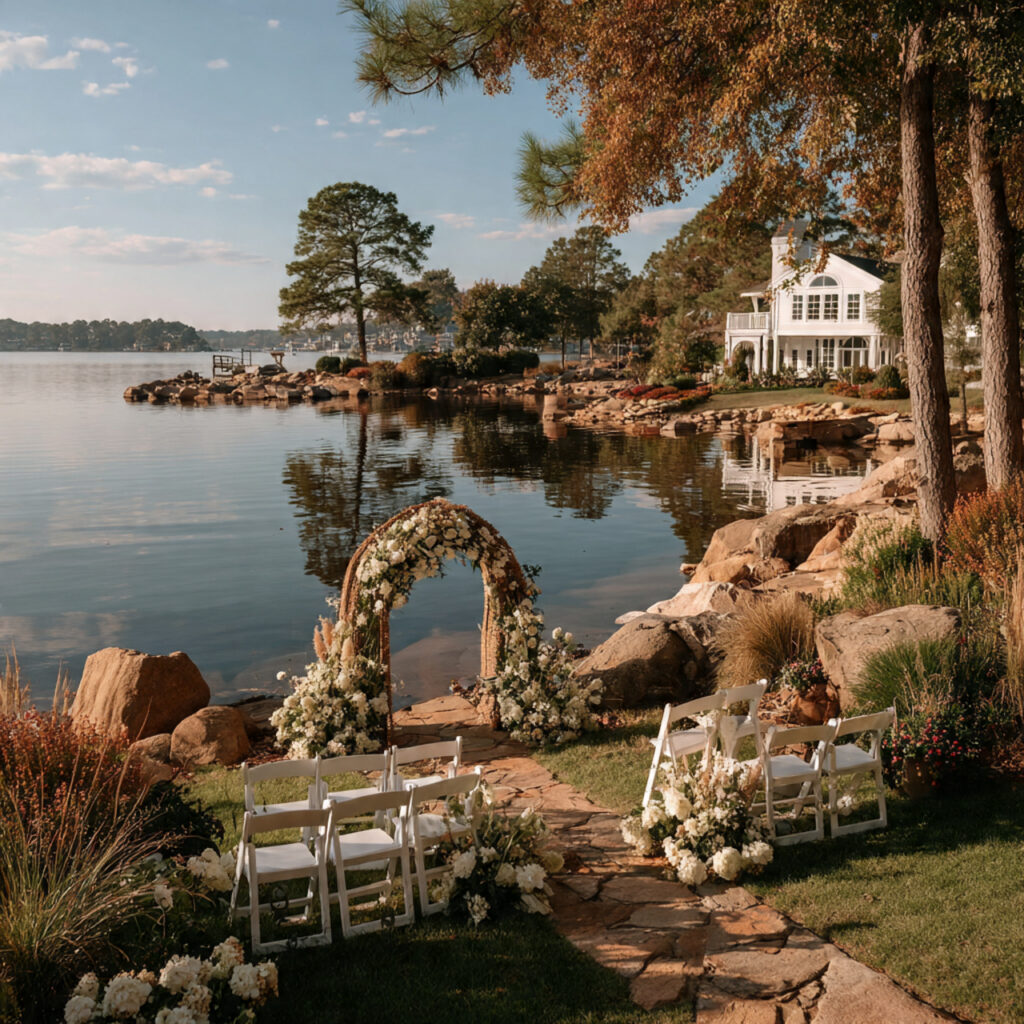
A lakeside outdoor wedding ceremony feels calm and balanced. Water reflects light and sound softly. Place the altar slightly back from the shoreline. This avoids glare and uneven footing. Mosquito control is essential. Discreet solutions like treated areas or natural repellents work better than visible devices. Choose seating that tolerates moisture. Wood and metal outperform fabric in damp environments.
Backyard Outdoor
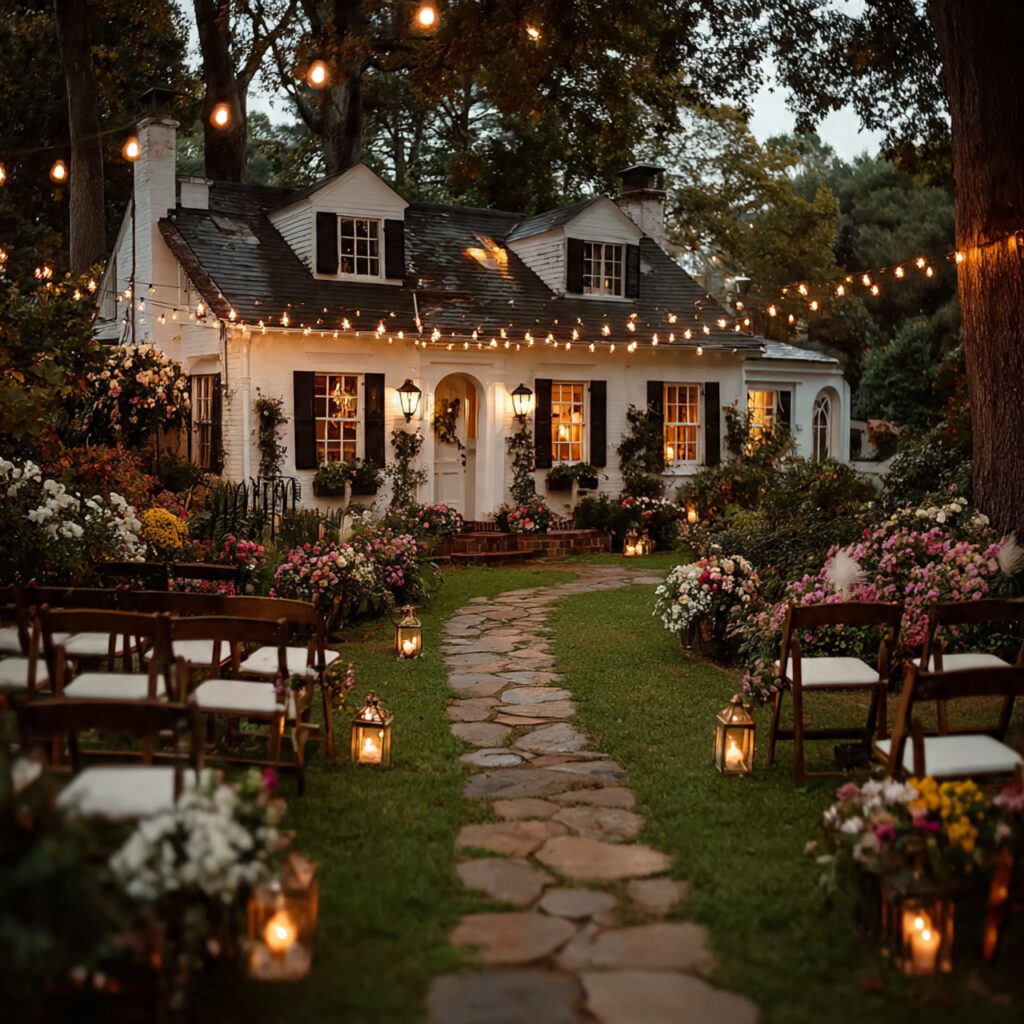
A backyard outdoor wedding ceremony offers control and familiarity. It works best with clear boundaries. Designate zones: ceremony, waiting area, exits. This prevents congestion and confusion. Level the ground early. Temporary platforms correct slope issues and improve comfort. Limit guest count to preserve space flow. Overcrowding eliminates the benefit of privacy. Backyards favor personal vows and simple sound systems.
Vineyard Outdoor
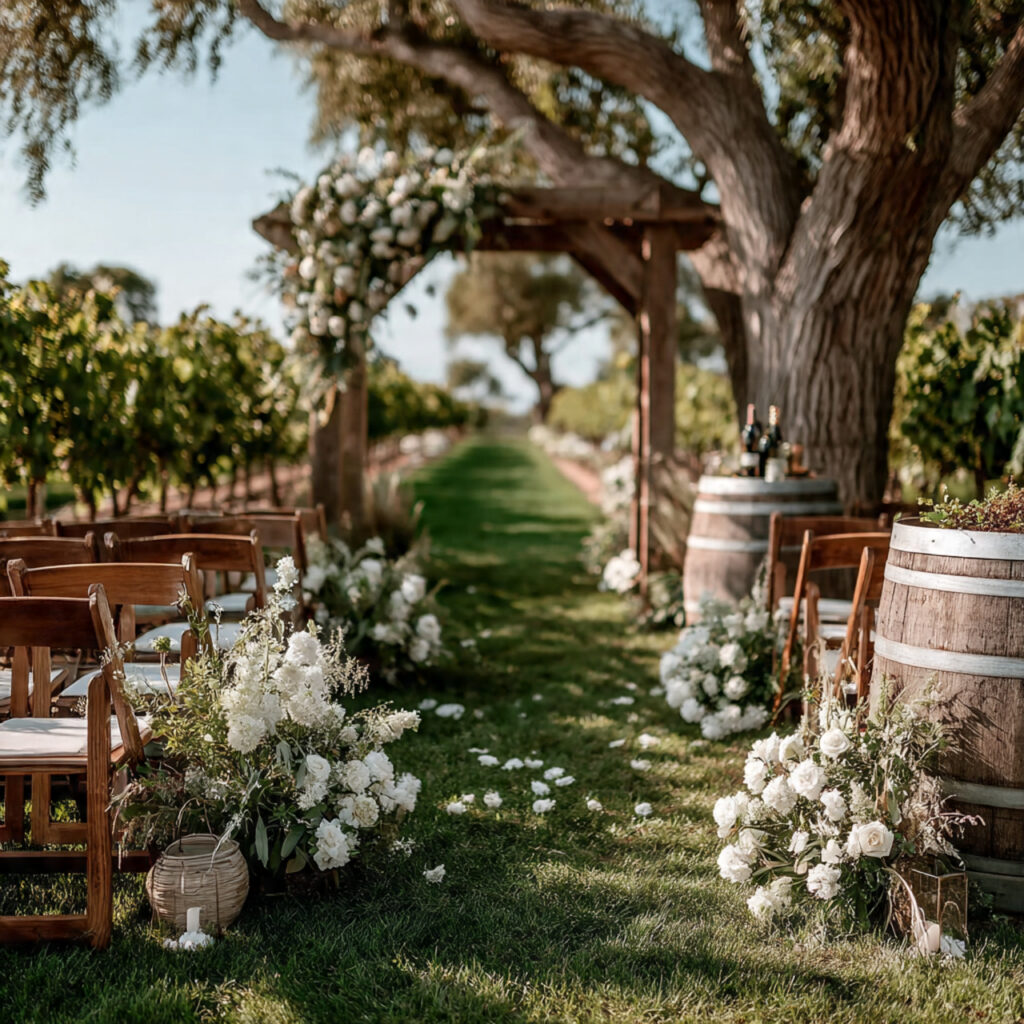
A vineyard outdoor wedding ceremony is structured and scenic. Rows provide alignment and depth. Avoid blocking operational areas. Vineyards function year-round, and layout matters. Schedule between harvest cycles. Foot traffic can damage vines during sensitive periods. Use neutral tones. Deep colors compete with natural greens and browns. Ceremony seating should follow the land’s lines, not disrupt them.
Desert Outdoor
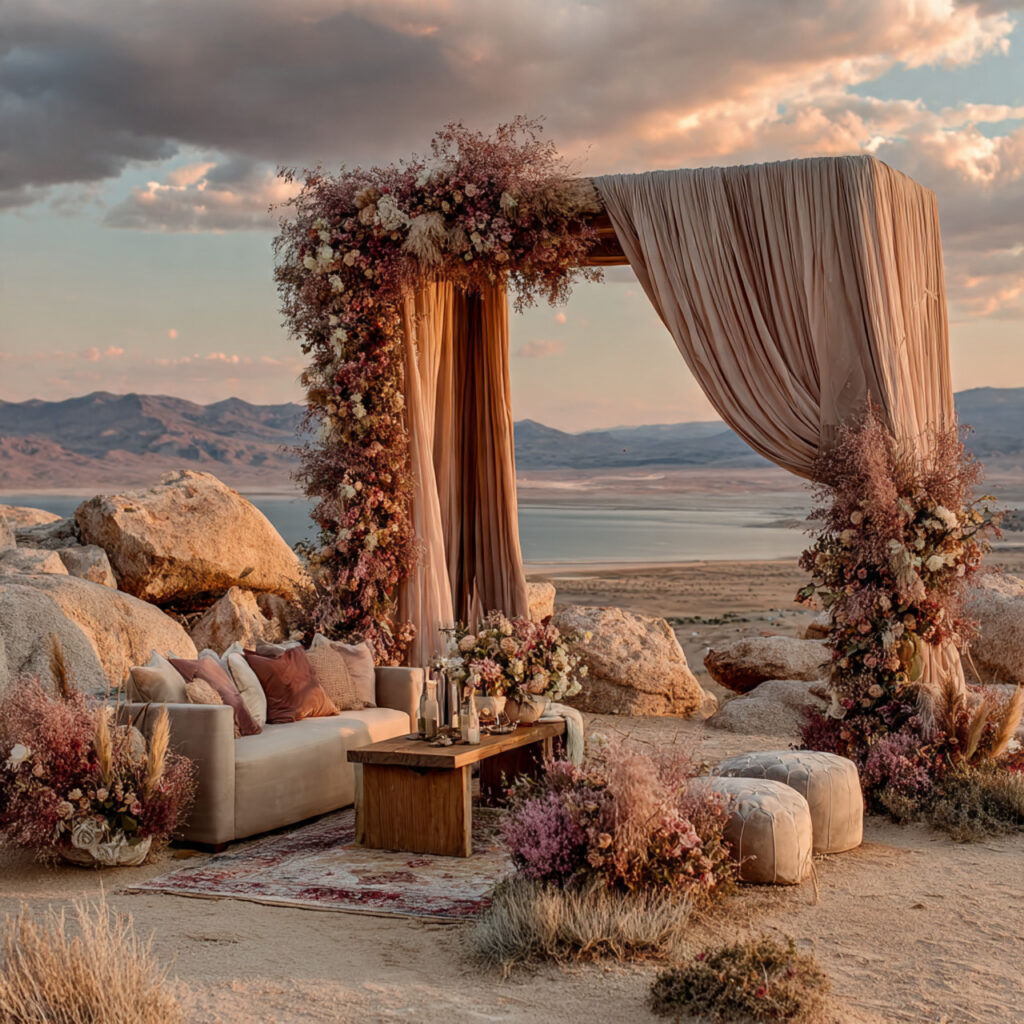
A desert outdoor wedding ceremony demands precision. Heat and light dominate the environment. Ceremony timing is non-negotiable. Sunrise or sunset only. Shade structures must be engineered, not decorative. Fabric alone is insufficient. Hydration stations should be visible and accessible. This is functional, not optional. Minimalism works best here. Let the landscape remain uninterrupted.
Park Pavilion Outdoor
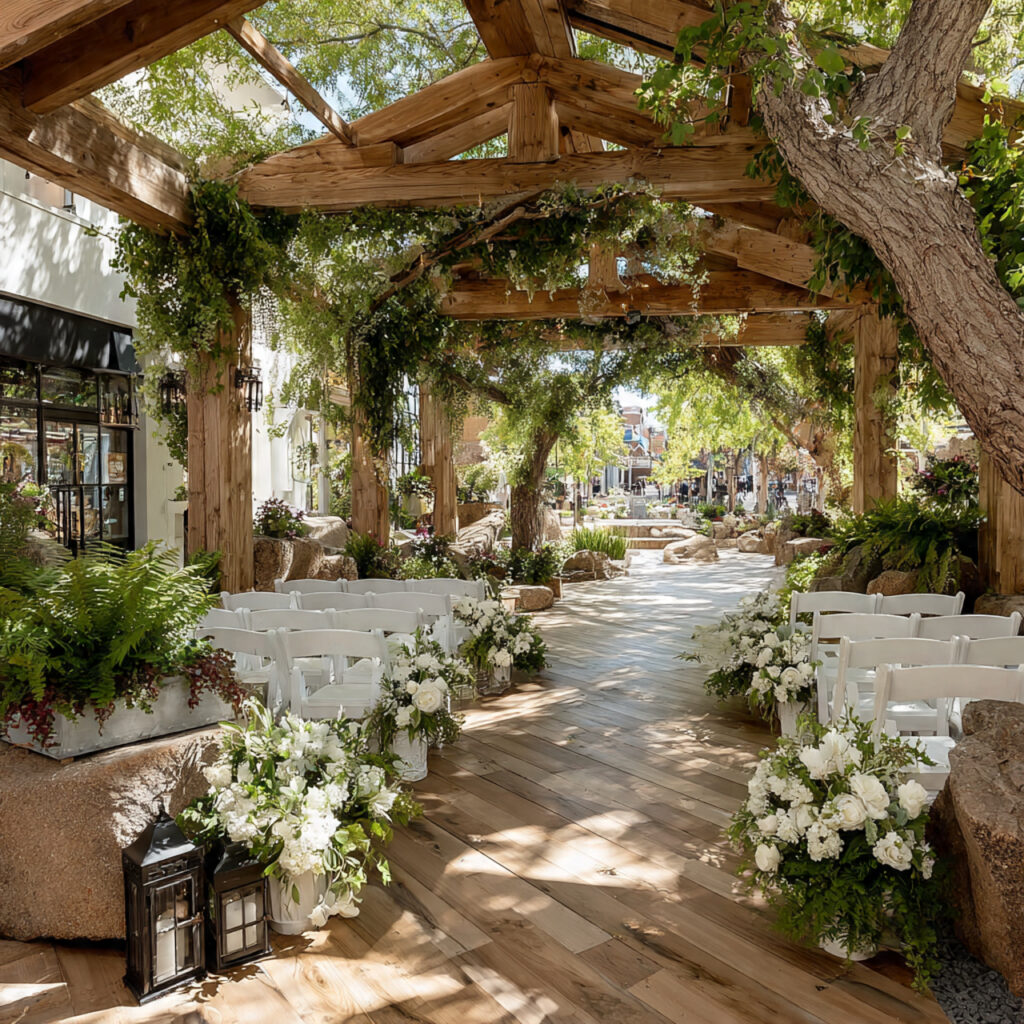
A park pavilion supports an outdoor wedding ceremony with built-in shelter. Confirm permit requirements early. Public spaces require documentation and time windows. Acoustics are often better under a roof. Use this advantage and reduce amplification. Keep décor removable and respectful of public use rules. Pavilions are ideal for mid-sized guest counts and variable weather.
Cliffside Outdoor
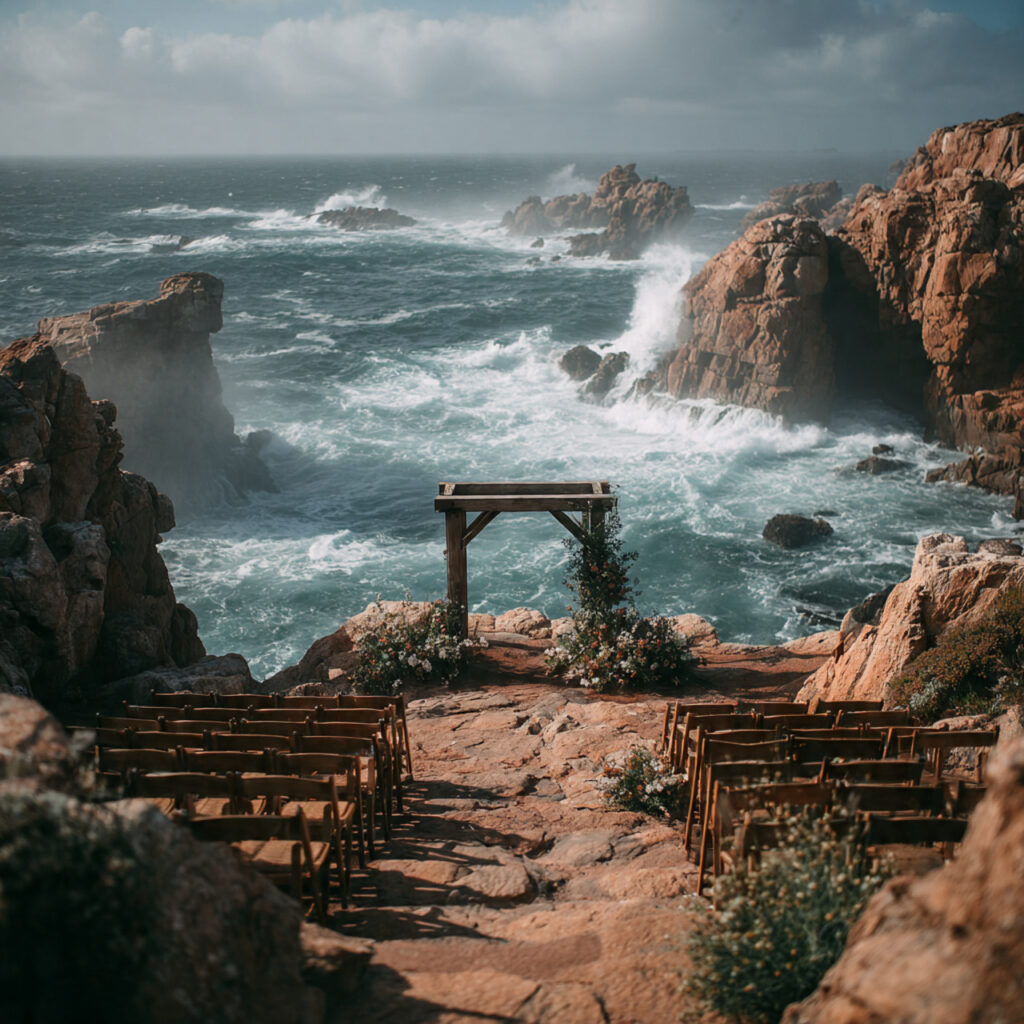
A cliffside outdoor wedding ceremony offers scale and drama but demands safety planning. Barrier placement must be discreet but effective. Guest safety overrides aesthetics. Wind exposure increases with elevation. Secure attire, décor, and sound equipment. Limit aisle length. Uneven ground complicates movement. Photography angles should be tested in advance due to light contrast.
Orchard Outdoor
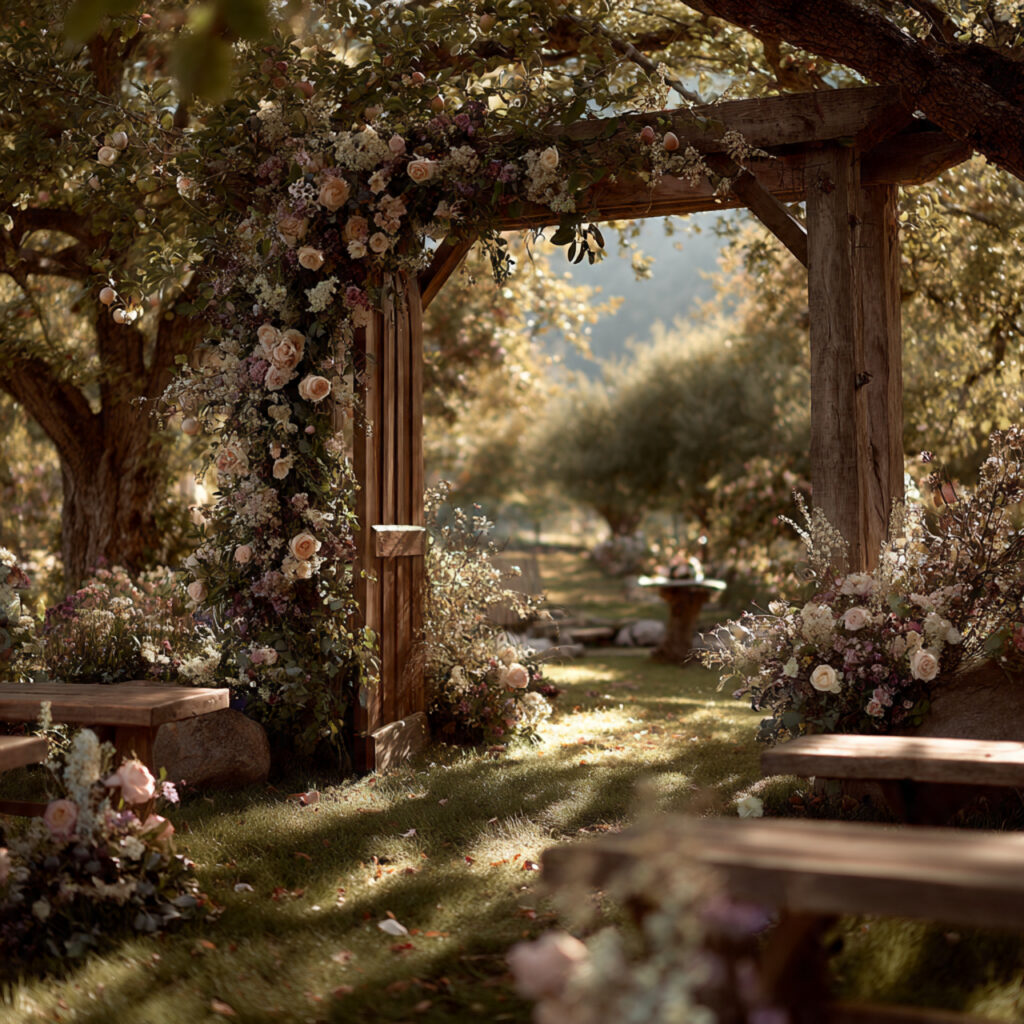
An orchard outdoor wedding ceremony feels intimate and grounded. Season matters. Blossoms, fruit, or bare branches each change the mood. Avoid heavy foot traffic near roots. Use existing paths. Low seating keeps sightlines clear beneath branches. Orchards pair well with natural fabrics and soft palettes.
Meadow Outdoor
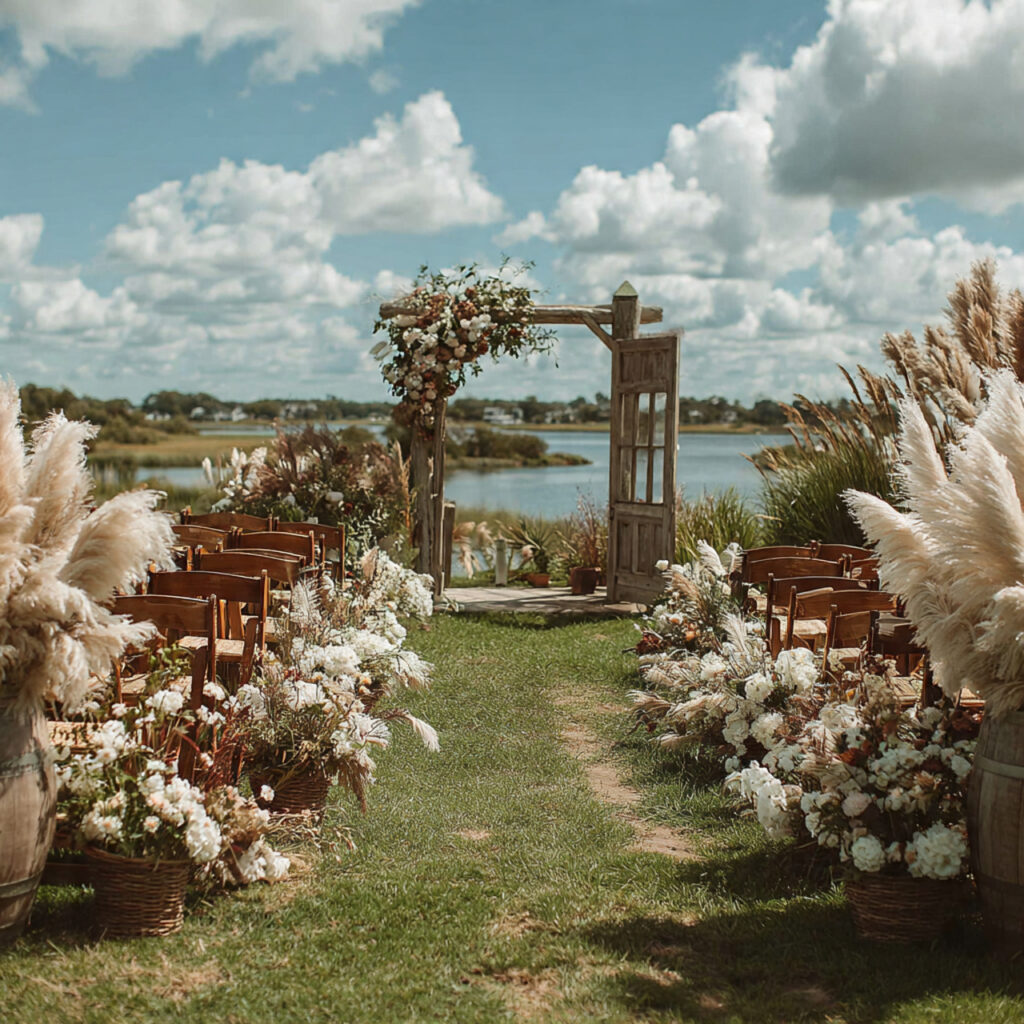
A meadow outdoor wedding ceremony provides openness and flexibility. Ground preparation is critical. Tall grass must be trimmed evenly. Wind direction influences seating arrangement and sound. Define the ceremony area clearly. Open fields lack natural borders. Minimal structures preserve the meadow’s scale.
Courtyard Outdoor
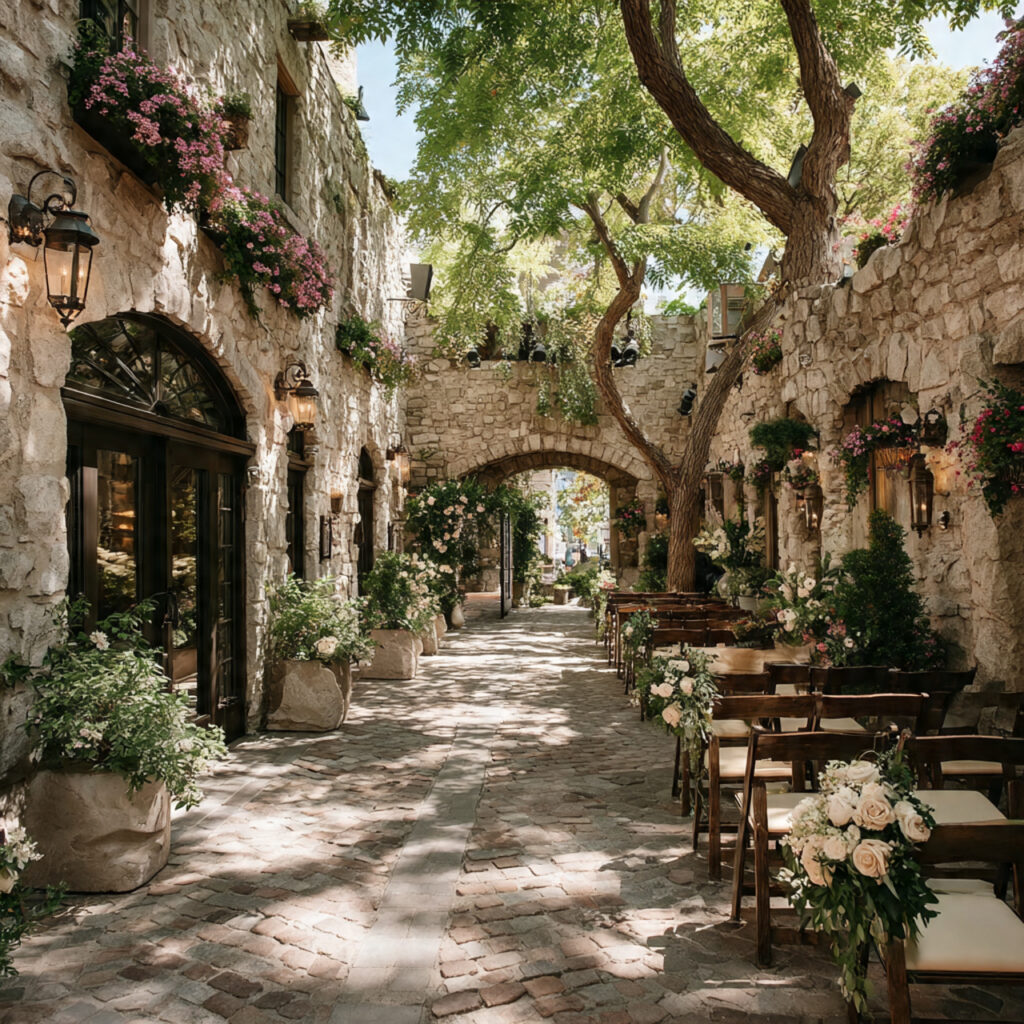
A courtyard outdoor wedding ceremony offers enclosure without a roof. Walls improve acoustics and block wind. Lighting reflects naturally, reducing equipment needs. Courtyards favor symmetrical layouts and controlled guest movement. Choose décor that complements architecture, not competes with it.
Riverside Outdoor
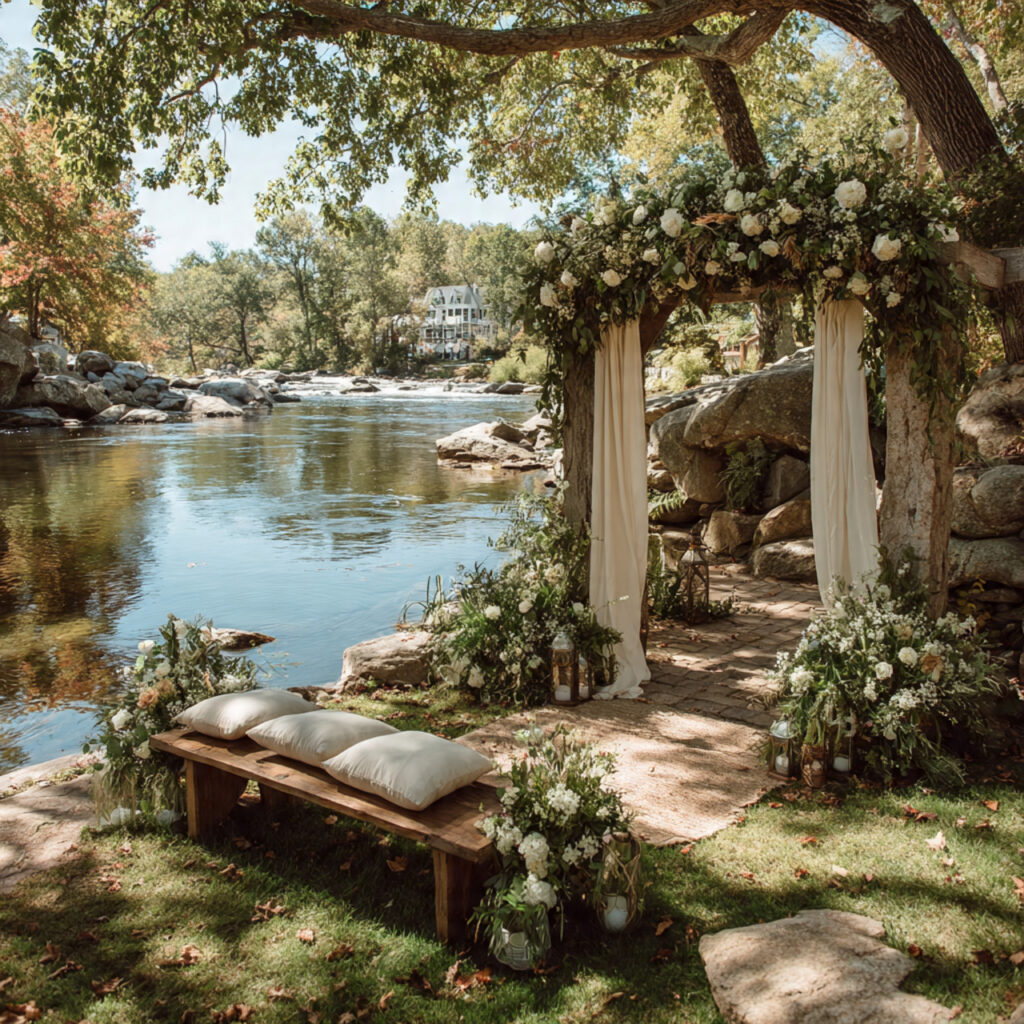
A riverside outdoor wedding ceremony carries movement and sound. Place seating at an angle to avoid glare from water. Flowing water affects microphone clarity. Test audio on-site. Monitor water levels seasonally. Riverbanks change. Keep décor lightweight and stable.
Farmstead Outdoor
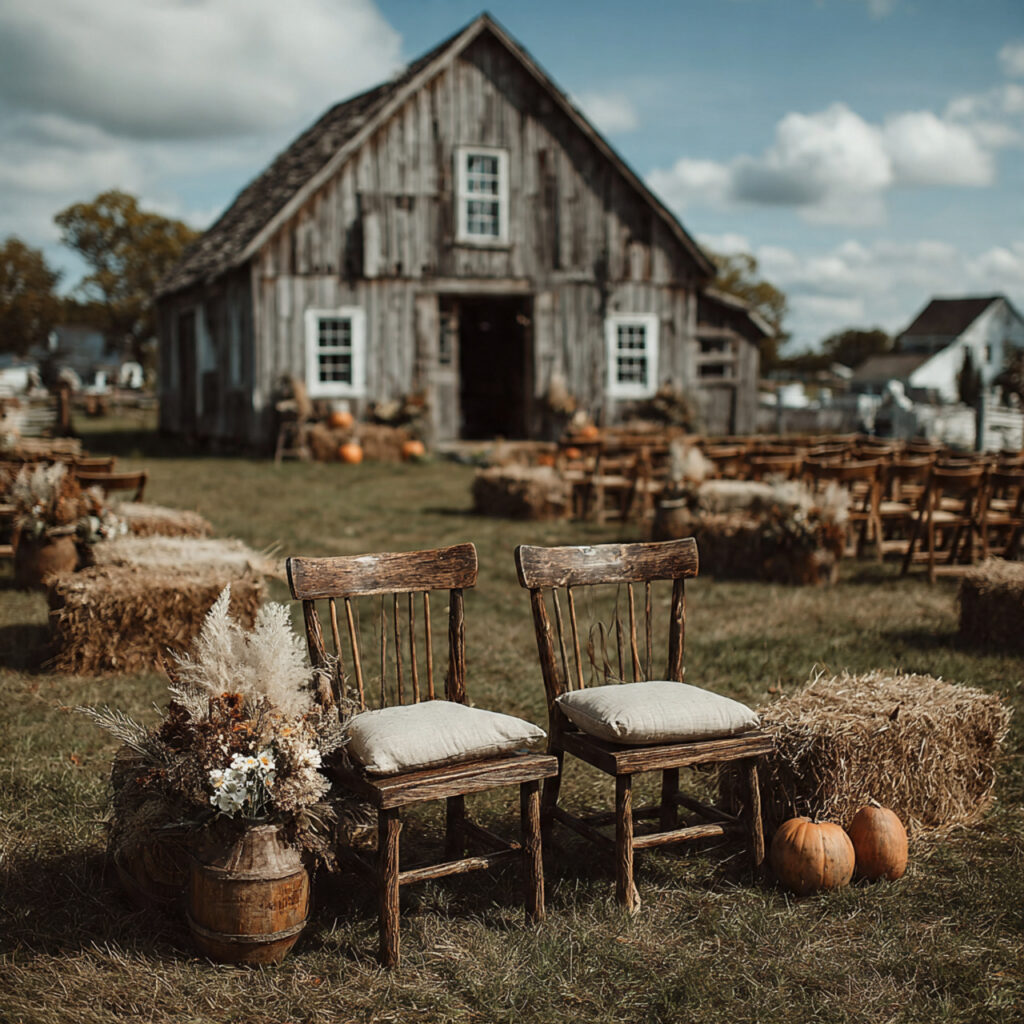
A farmstead outdoor wedding ceremony feels honest and utilitarian. Use existing structures as visual anchors. Respect operational areas. Farms remain functional properties. Neutral linens and simple florals align best with the environment. Plan for uneven terrain and dust control.
Rooftop Outdoor
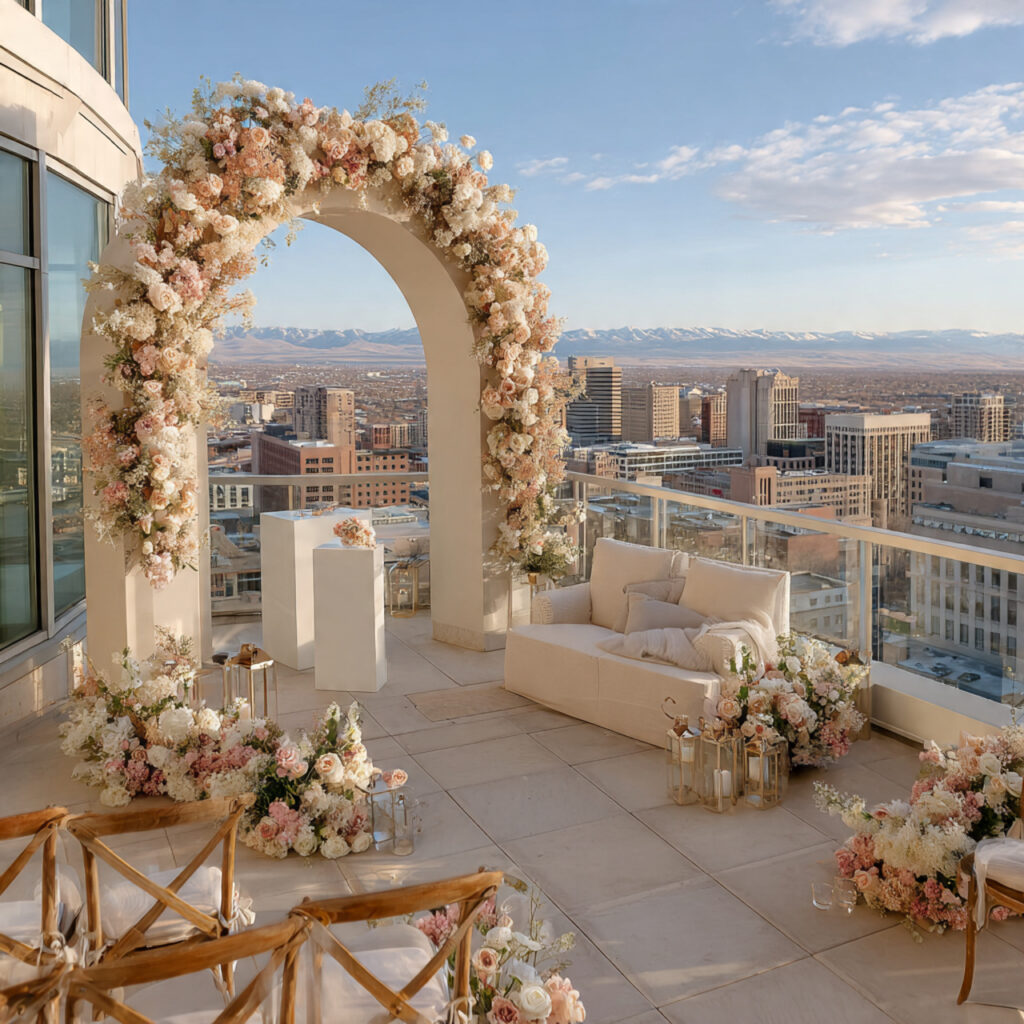
A rooftop outdoor wedding ceremony balances openness with urban control. Confirm weight limits for guests and equipment. Wind behaves differently at height. Secure everything. Sound carries upward and outward. Use directional speakers. Timing avoids harsh midday sun and city noise peaks.
Island Outdoor
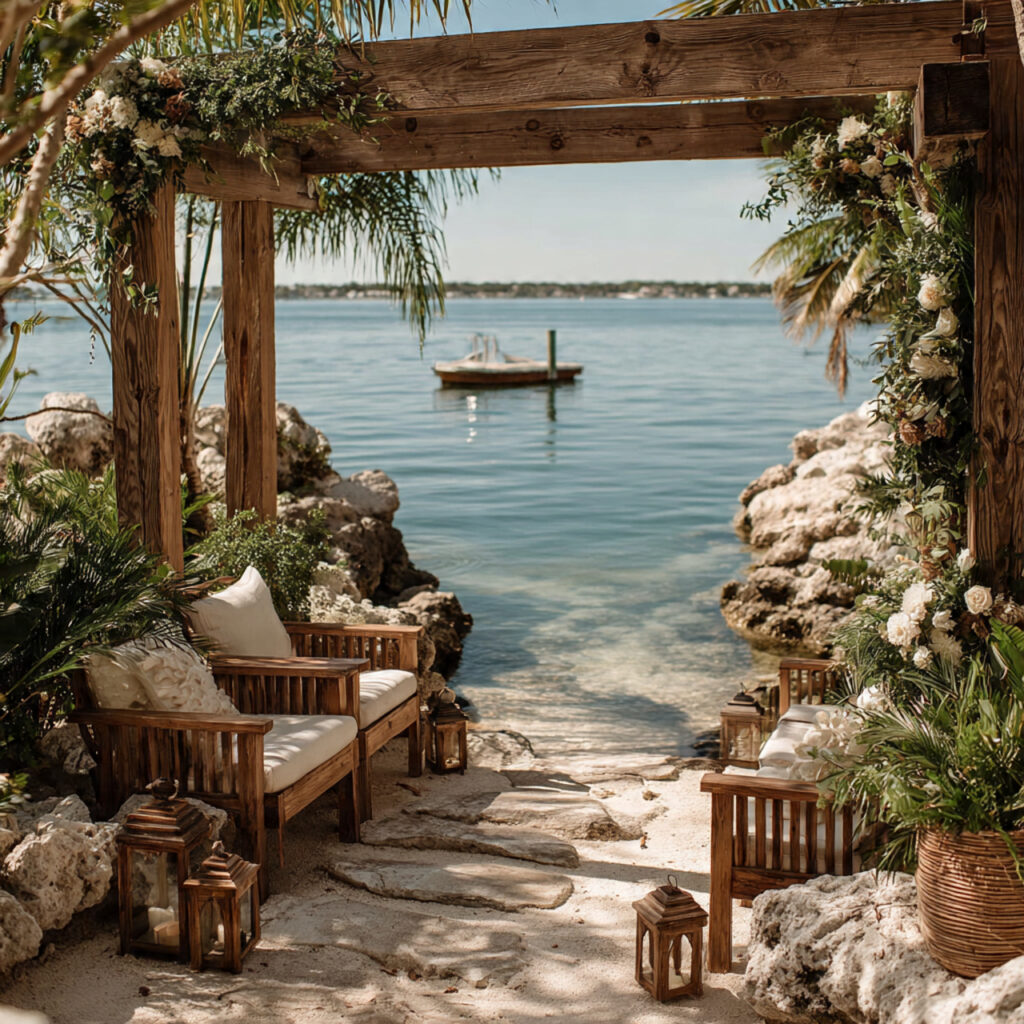
An island outdoor wedding ceremony requires logistical discipline. Transport schedules affect guest arrival and setup timing. Backup plans must be on-site, not remote. Weather changes faster near water. Monitor forecasts closely. Keep guest count aligned with infrastructure capacity.
Courthouse Lawn
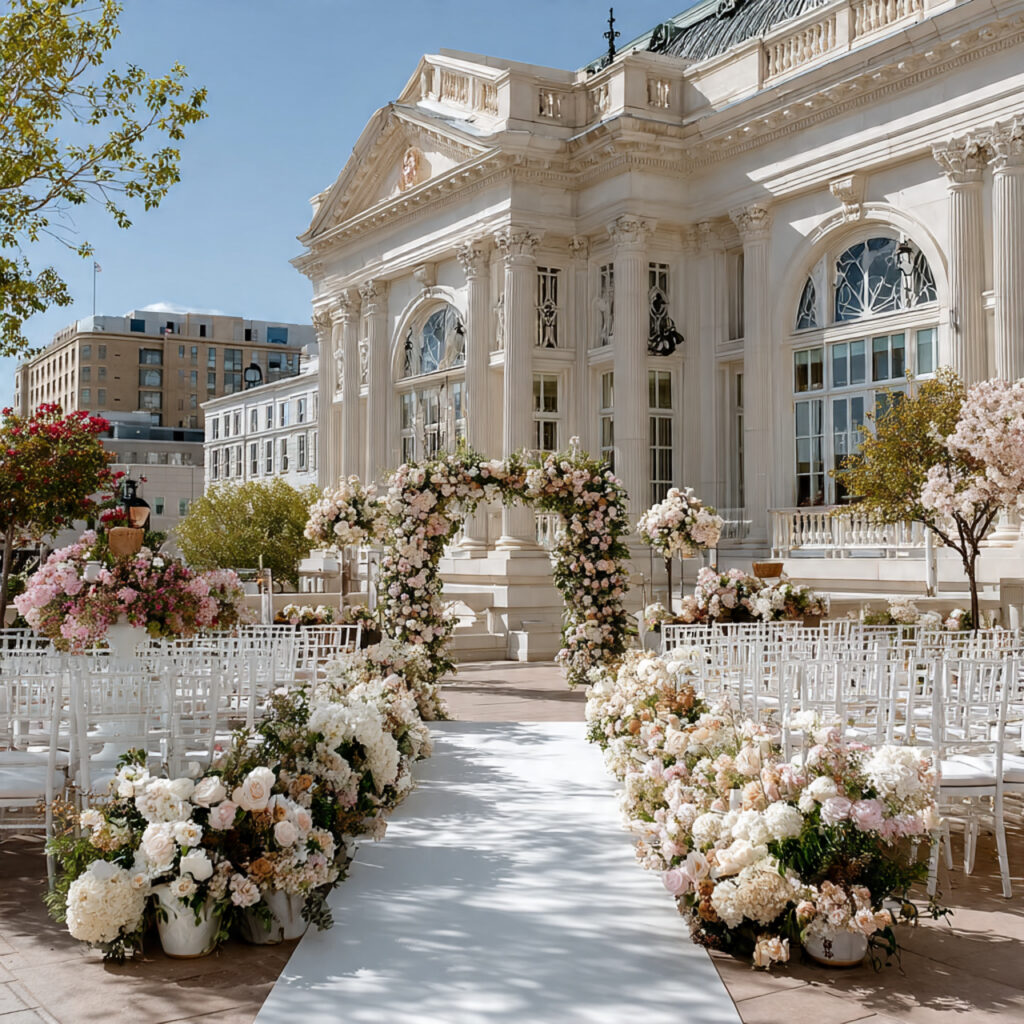
A courthouse lawn supports a restrained outdoor wedding ceremony. Public presence influences timing and privacy. Décor must be temporary and minimal. Sound amplification may require permission. This setting favors short, focused ceremonies.
Historic Estate
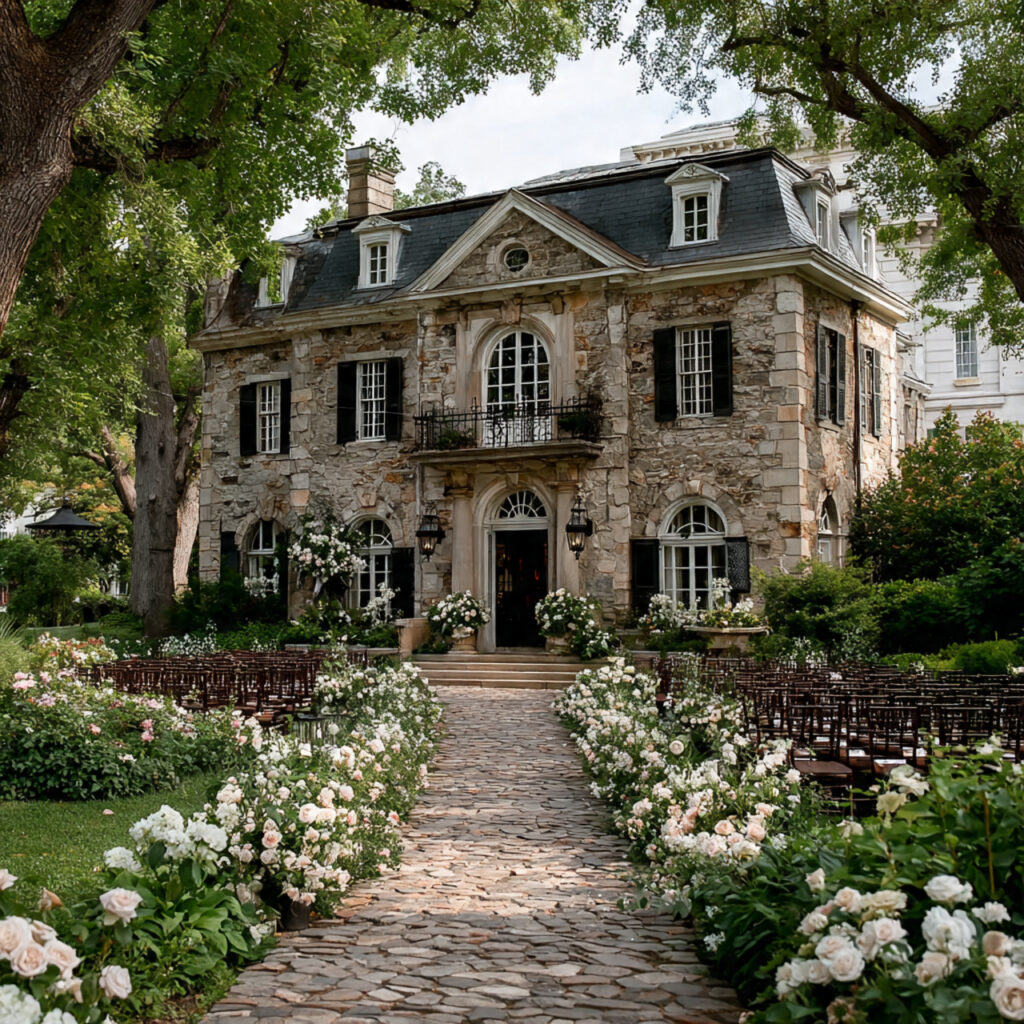
A historic estate outdoor wedding ceremony carries built-in authority. Preservation rules limit alterations. Respect them. Use existing symmetry in layout. Avoid modern décor that clashes with architecture. Work closely with site coordinators to prevent damage.
Botanical Reserve
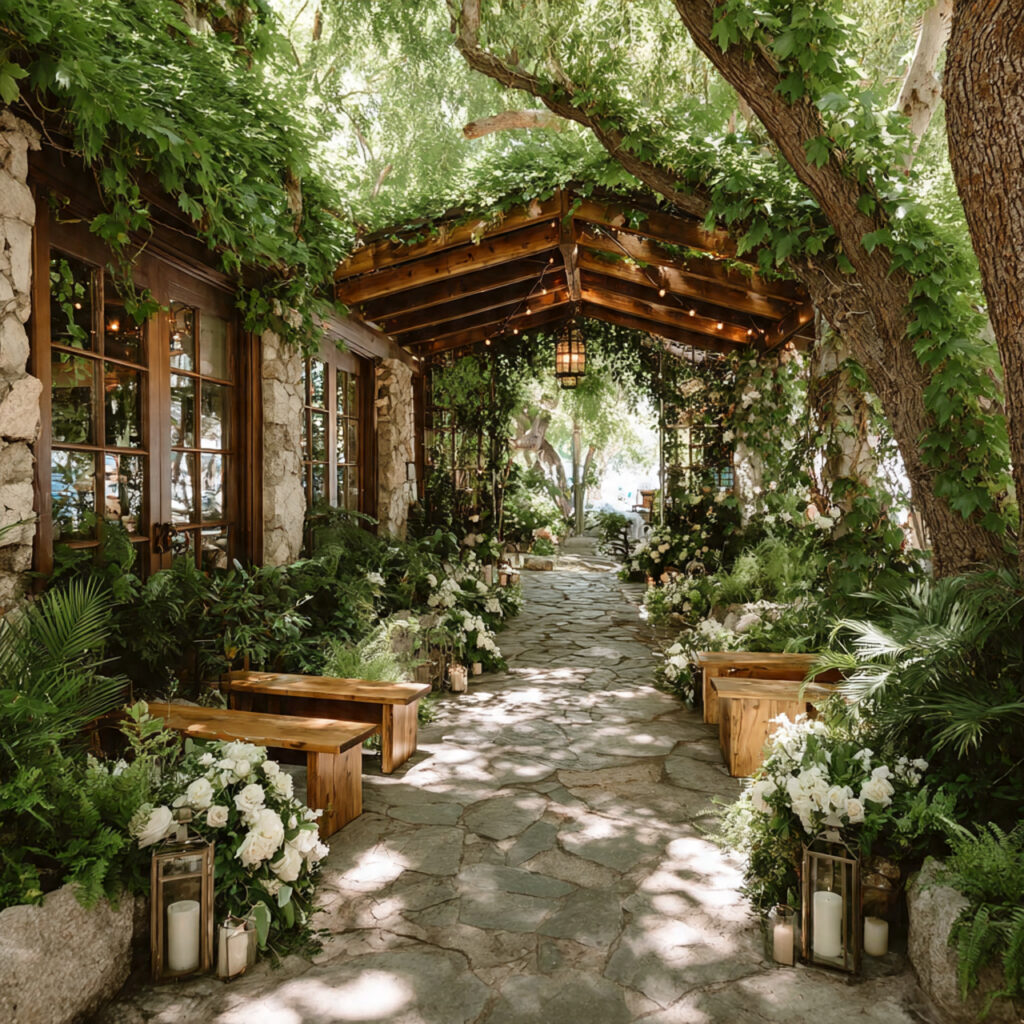
A botanical reserve outdoor wedding ceremony prioritizes conservation. Permits are strict. Follow guidelines exactly. Guest pathways are predetermined. Do not modify. Florals should be minimal or prohibited. Let the environment speak without interference.
Minimalist Field
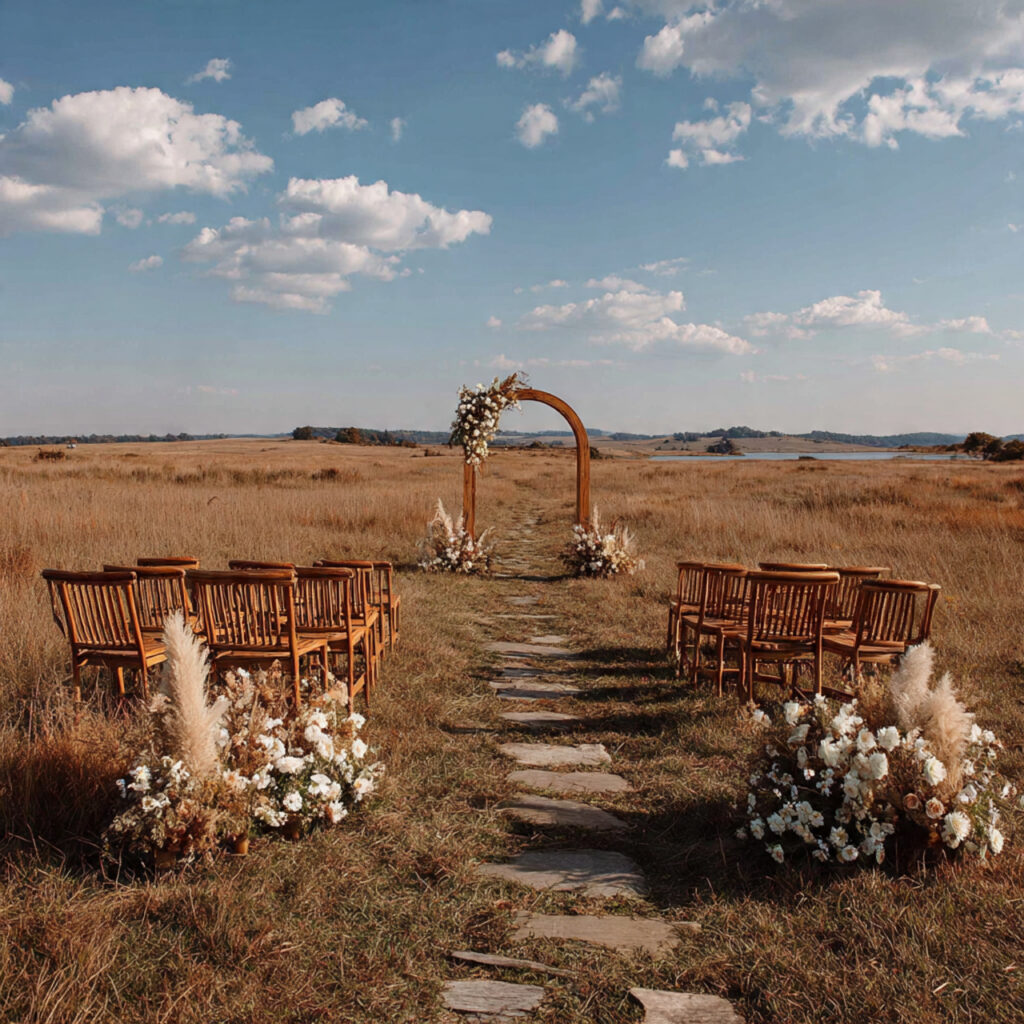
A minimalist field outdoor wedding ceremony is about restraint. One focal point. One aisle. One sound source. Avoid unnecessary structures. Seating can be mixed or sparse. This approach reduces cost and complexity.
Seasonal Outdoor Wedding Ceremony
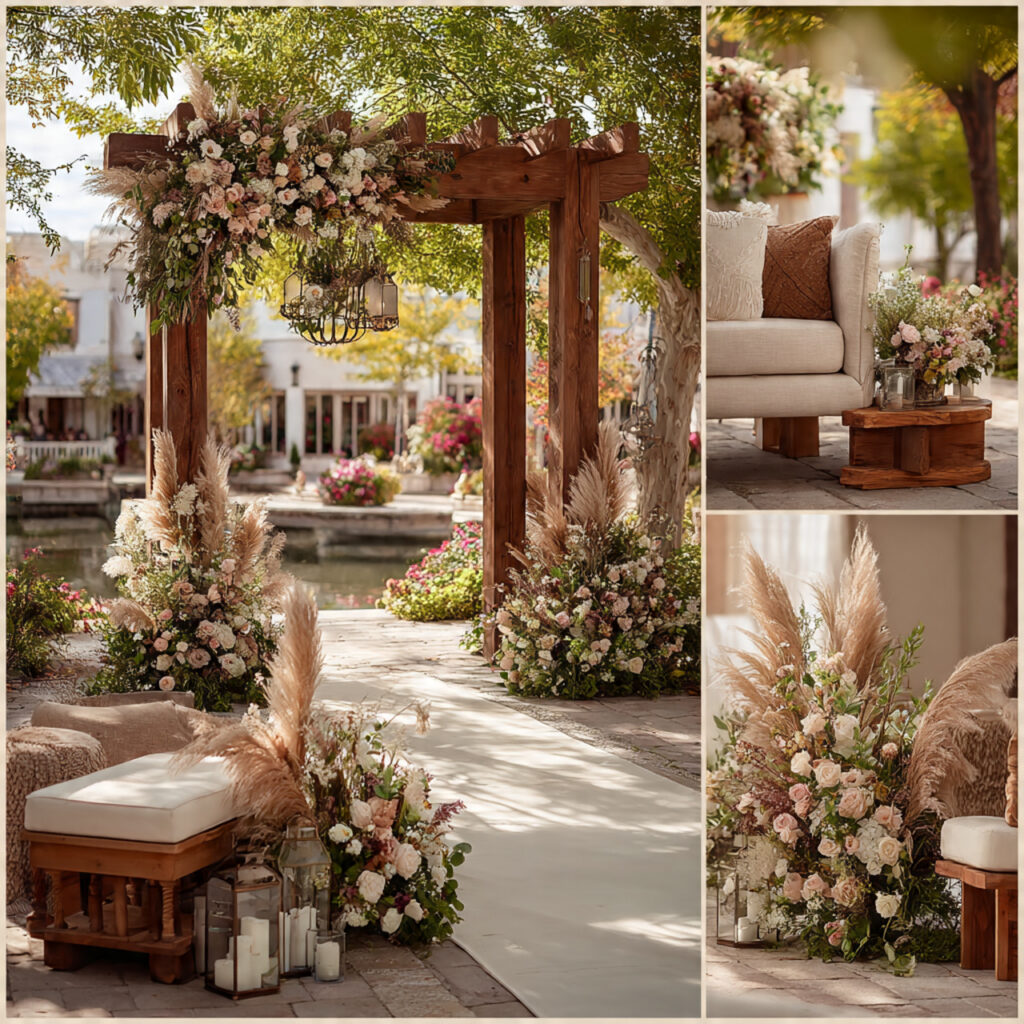
A seasonal outdoor wedding ceremony adapts to climate rather than fighting it. Spring favors softness and flexibility. Summer requires shade and hydration. Autumn allows texture and warmth. Winter demands brevity and shelter. Design choices should reflect season realities, not trends.
Frequently Asked Questions
Is an outdoor wedding ceremony more expensive than indoor?
Not always. Venue rental may be lower, but infrastructure costs like rentals and permits can offset savings.
How do you manage weather risks?
Backup plans must be realistic and immediate. Tents, alternate layouts, or rescheduling windows matter.
What is the best time of day for an outdoor wedding ceremony?
Late afternoon offers balanced light and moderate temperatures in most climates.
How many guests work best outdoors?
Comfort drops as numbers increase. Outdoor ceremonies function best with clear spacing and controlled counts.
Do outdoor ceremonies need amplification?
Yes, in most cases. Natural sound rarely carries evenly across open spaces.
Conclusion
An outdoor wedding ceremony is not about excess. It is about alignment—with land, climate, and purpose. The strongest ceremonies work because they respect the environment rather than overpower it. Choose settings that support your guest count. Plan for weather without denial. Strip décor to essentials. Prioritize comfort and clarity. When structure and simplicity guide decisions, outdoor ceremonies feel intentional, calm, and complete.