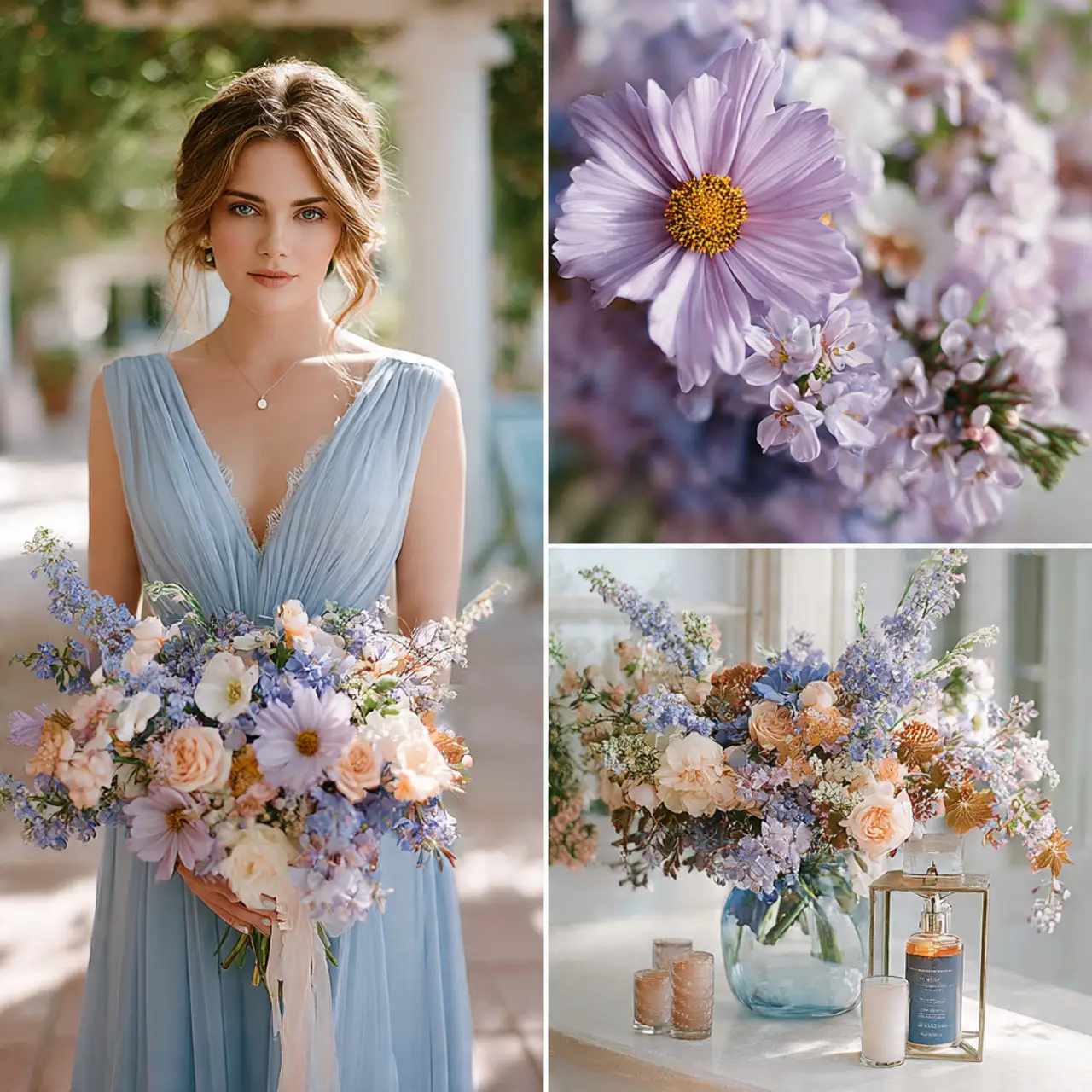
Wedding Dress Code Ideas: 17 Stylish Ways to Define Your Big Day
A clear wedding dress code removes confusion, elevates guest style, and aligns every visual detail with your theme. It’s not about control—it’s about coherence. The right dress code sets expectations, supports your venue, and improves photos. Below are refined, practical wedding dress code ideas that work in real settings, across budgets, cultures, and seasons.
Black Tie Wedding Dress Code Ideas
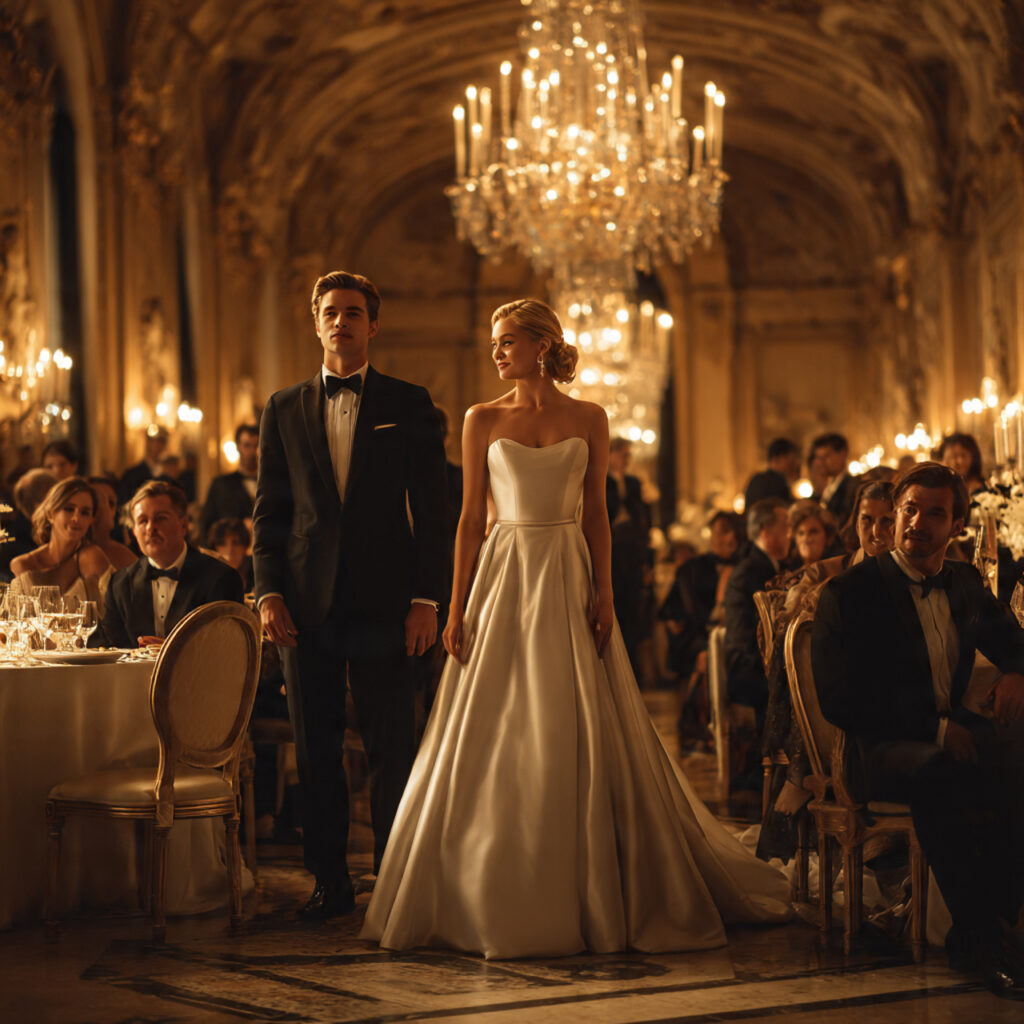
Black tie is the highest common standard for weddings. It signals formality, evening timing, and a polished atmosphere.Men wear tuxedos—black jacket, satin lapel, bow tie. Women wear floor-length gowns or refined evening dresses. Fabrics matter: silk, satin, chiffon. Footwear should match the tone—no casual shoes.
Use black tie if your venue supports it: ballrooms, luxury hotels, heritage buildings. Lighting should be soft and warm. Decor should avoid rustic elements—keep it clean, elegant. Clarity tip: State “Black Tie” and add a one-line guide for guests unfamiliar with the term.
Formal Wedding Dress Code Ideas
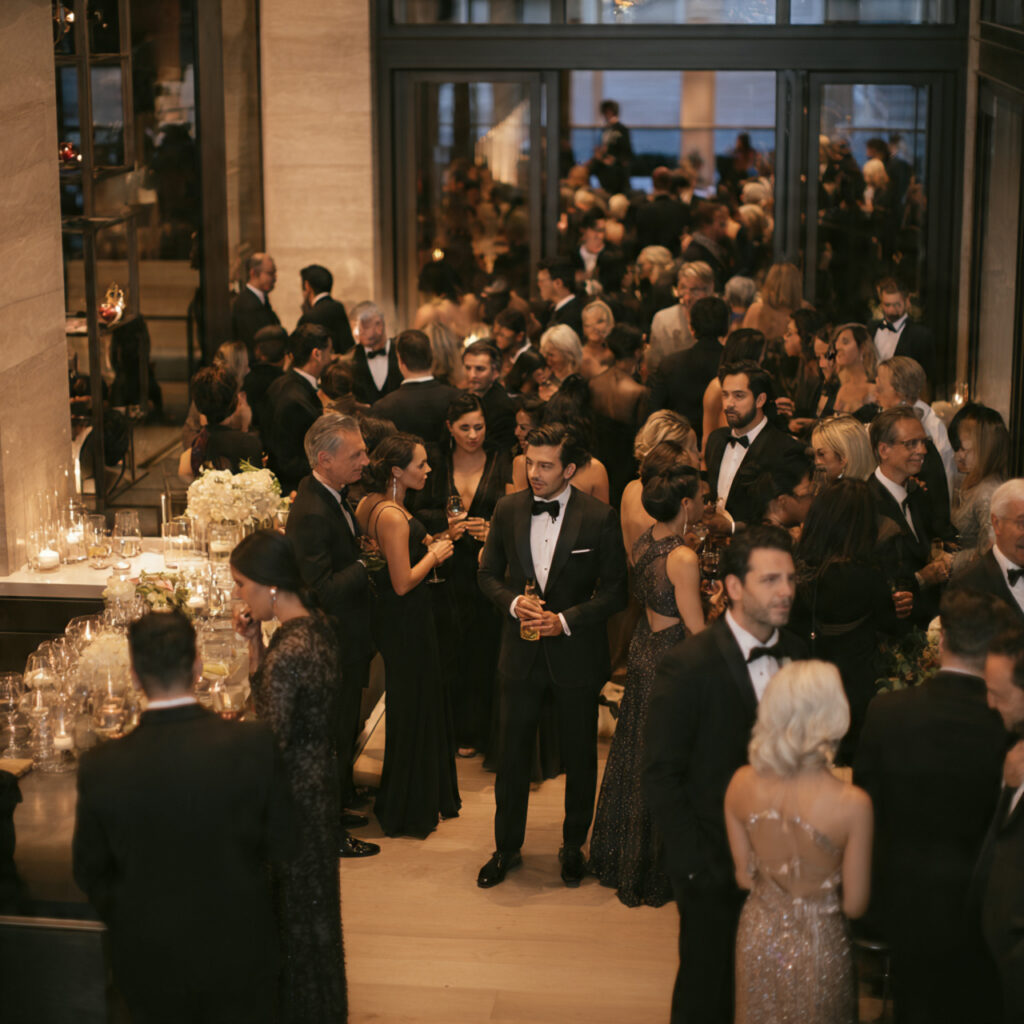
Formal (or black tie optional) offers structure without rigidity. It’s more flexible and widely accessible. Men can wear tuxedos or dark suits. Women can choose long gowns or polished cocktail dresses. Color palettes can expand—deep tones, metallics, neutrals. This works well for evening weddings where you want elegance without strict rules. It also suits mixed-age guest lists. Avoid over-explaining. A short note like “Formal attire: suits or tuxedos; long or cocktail dresses” is enough.
Semi-Formal Wedding Dress Code Ideas
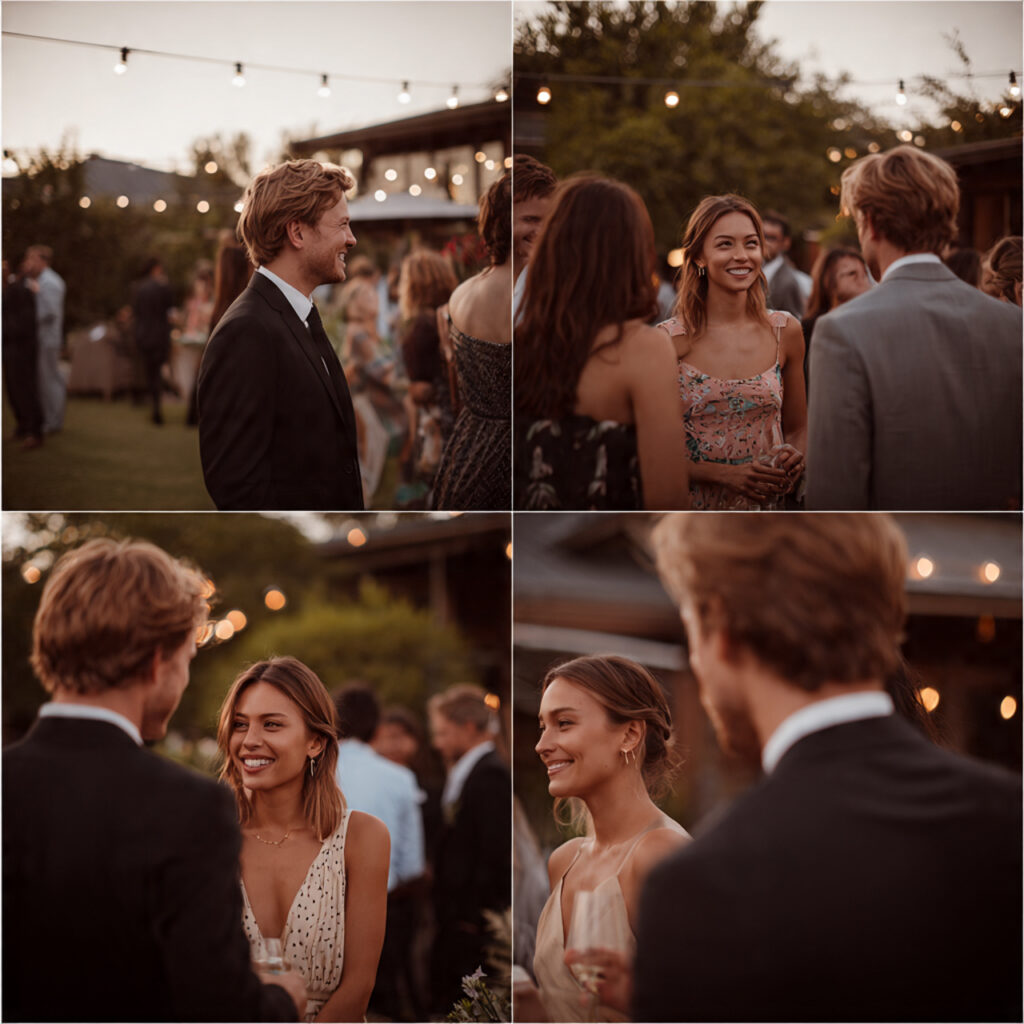
Semi-formal balances comfort and style. It’s practical for afternoon or early evening events. Men wear suits or dress shirts with trousers. Ties optional. Women wear cocktail dresses, midi dresses, or dressy separates. This dress code reduces guest stress. It’s also budget-friendly. Ideal for mid-sized venues, indoor-outdoor spaces, or garden settings. Keep expectations realistic—don’t pair semi-formal with overly luxurious décor. Consistency matters.
Cocktail Wedding Dress Code Ideas
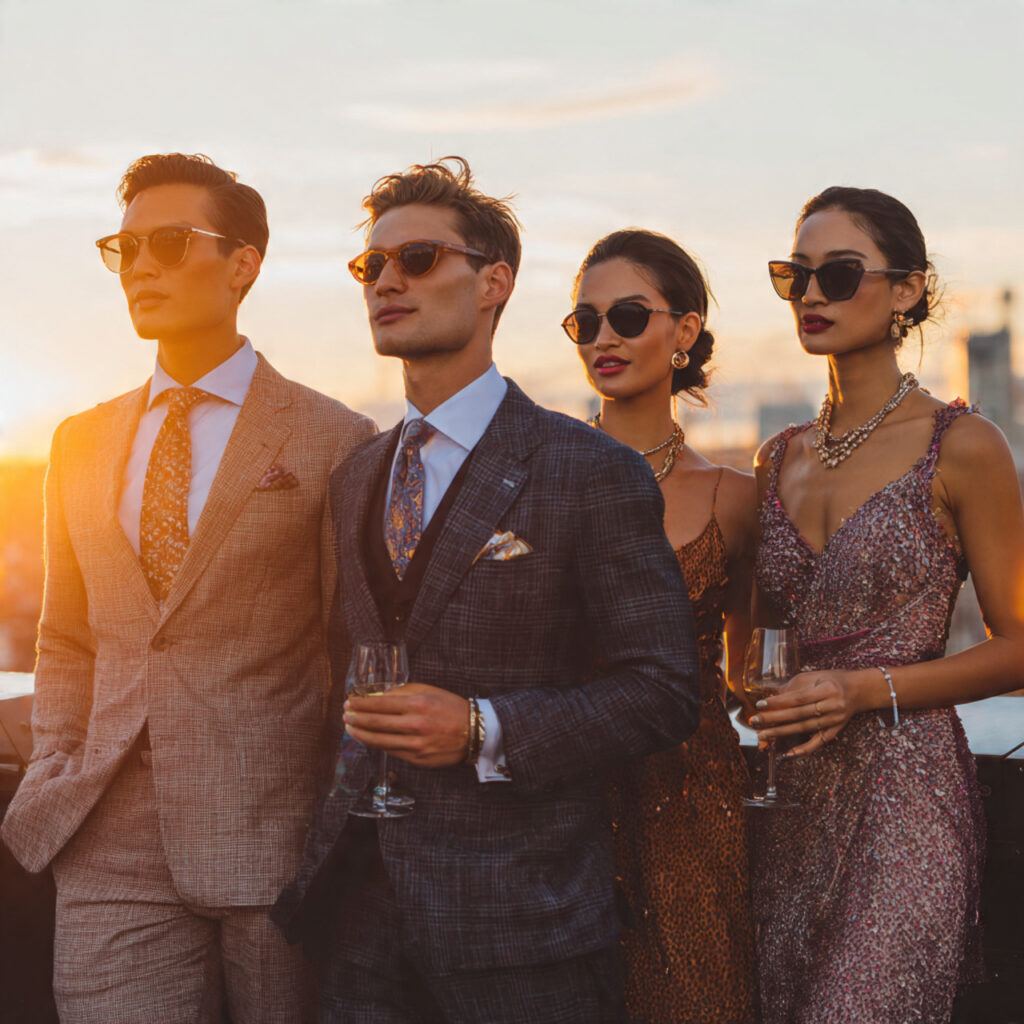
Cocktail attire is structured but modern. It’s social, stylish, and easy to follow. Men: tailored suits, no tux needed. Women: knee-length or midi dresses, statement accessories allowed. Best for evening receptions, city venues, rooftop settings. It supports movement—dancing, mingling. Define it simply: “Cocktail attire: suits and cocktail dresses.” Avoid long lists.
Casual Wedding Dress Code Ideas
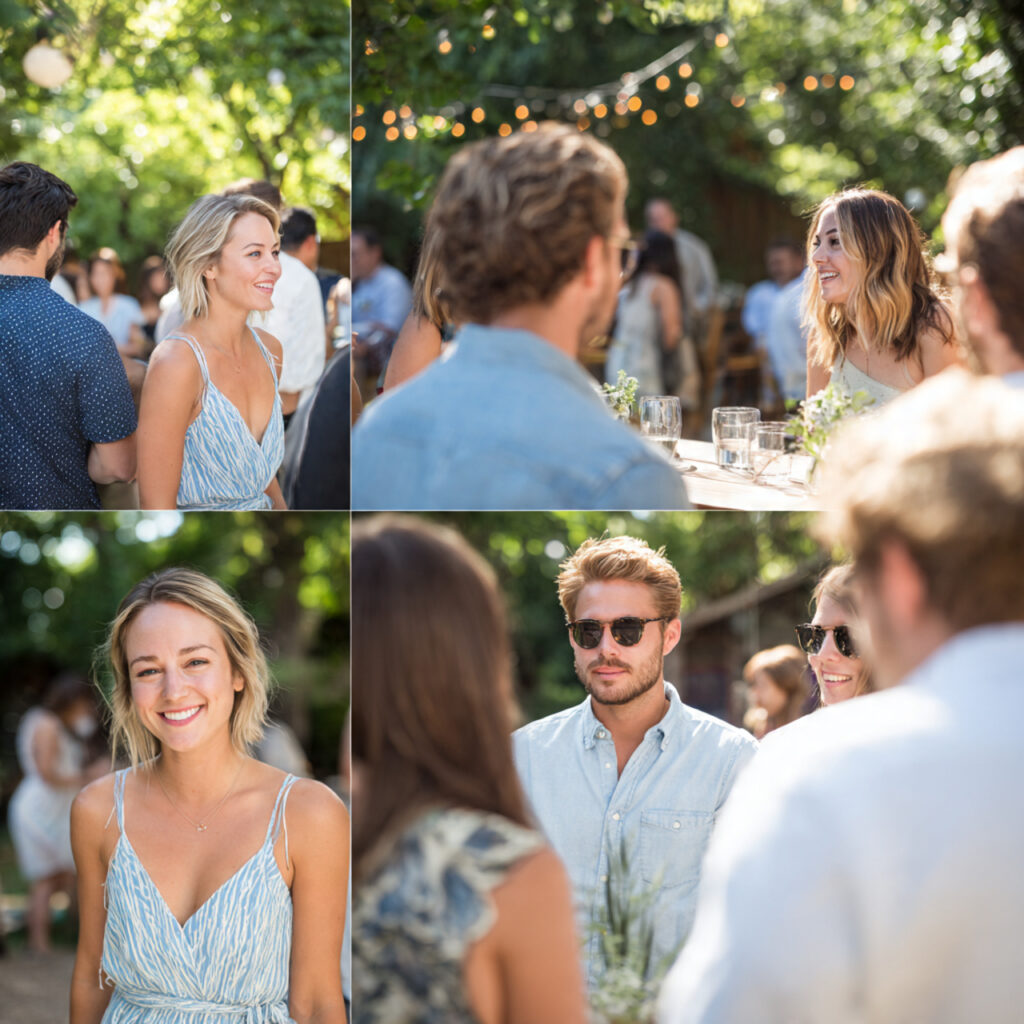
Casual doesn’t mean careless. It means relaxed and comfortable. Men can wear chinos, button-down shirts, loafers. Women can wear sundresses, maxi dresses, or simple jumpsuits. This suits backyard weddings, beach ceremonies, or daytime gatherings. It works best with minimal decor and natural settings. Set boundaries: add “no shorts, no flip-flops” if needed. Keep tone clear but not restrictive.
Beach Wedding Dress Code Ideas
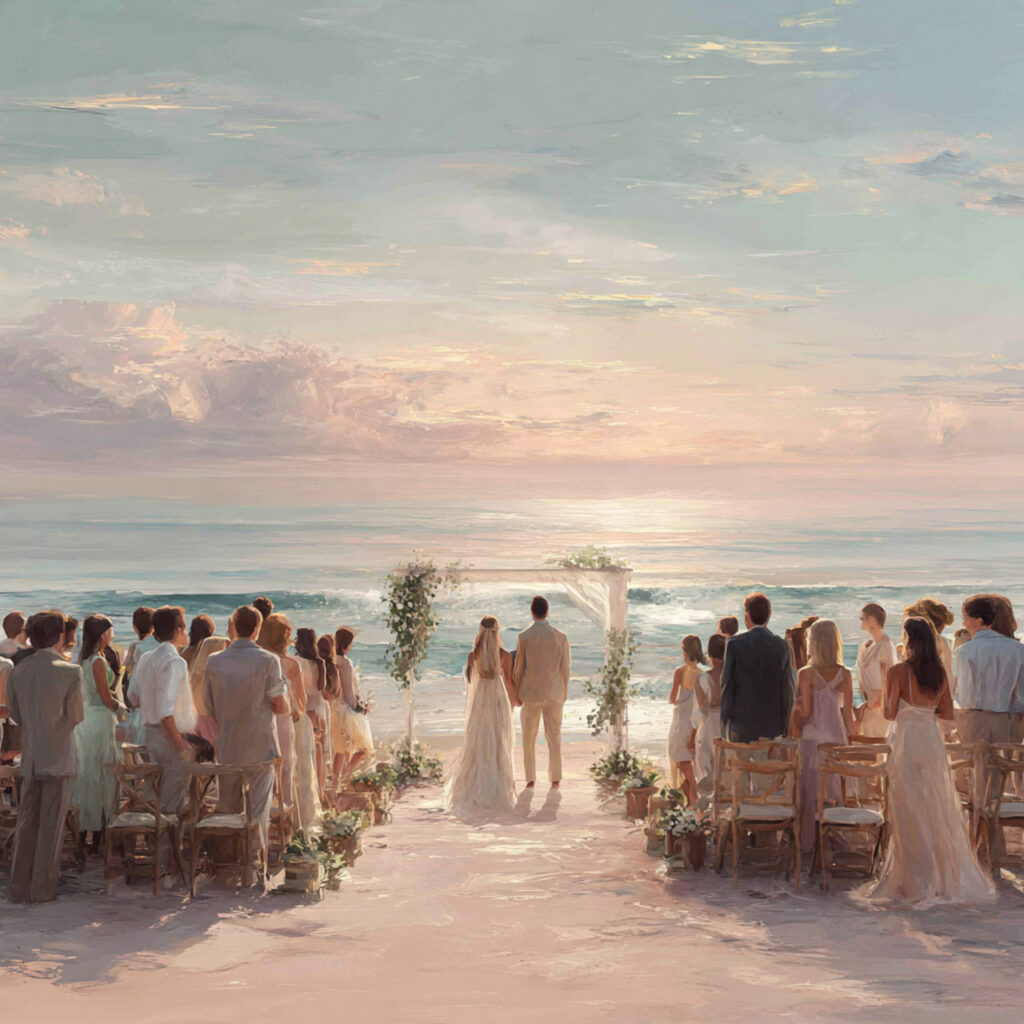
Beach settings require practical clothing. Sand, wind, and sun shape the dress code. Men: linen shirts, lightweight trousers, loafers or sandals. Women: flowy dresses, breathable fabrics, flat shoes. Avoid heavy fabrics, high heels, dark colors. Suggest light tones and comfort. Add functional notes: “Heels not recommended.” Guests appreciate specifics.
Garden Wedding Dress Code Ideas
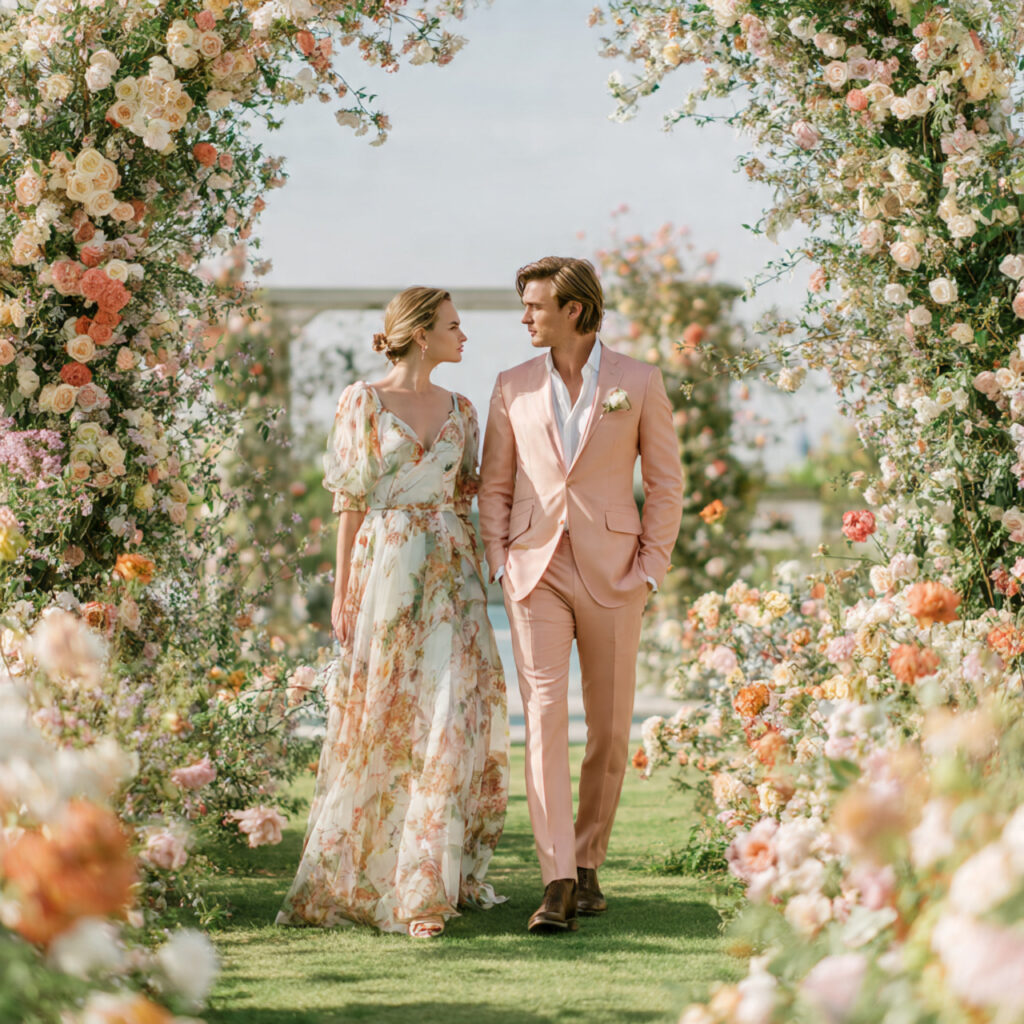
Garden weddings are soft and seasonal. The dress code should reflect that. Men: light suits, pastel shirts. Women: floral dresses, airy fabrics. Encourage color without forcing it. Use phrases like “spring tones” or “garden-inspired attire.” Consider terrain—grass and uneven ground. Mention footwear suggestions subtly.
Rustic Wedding Dress Code Ideas
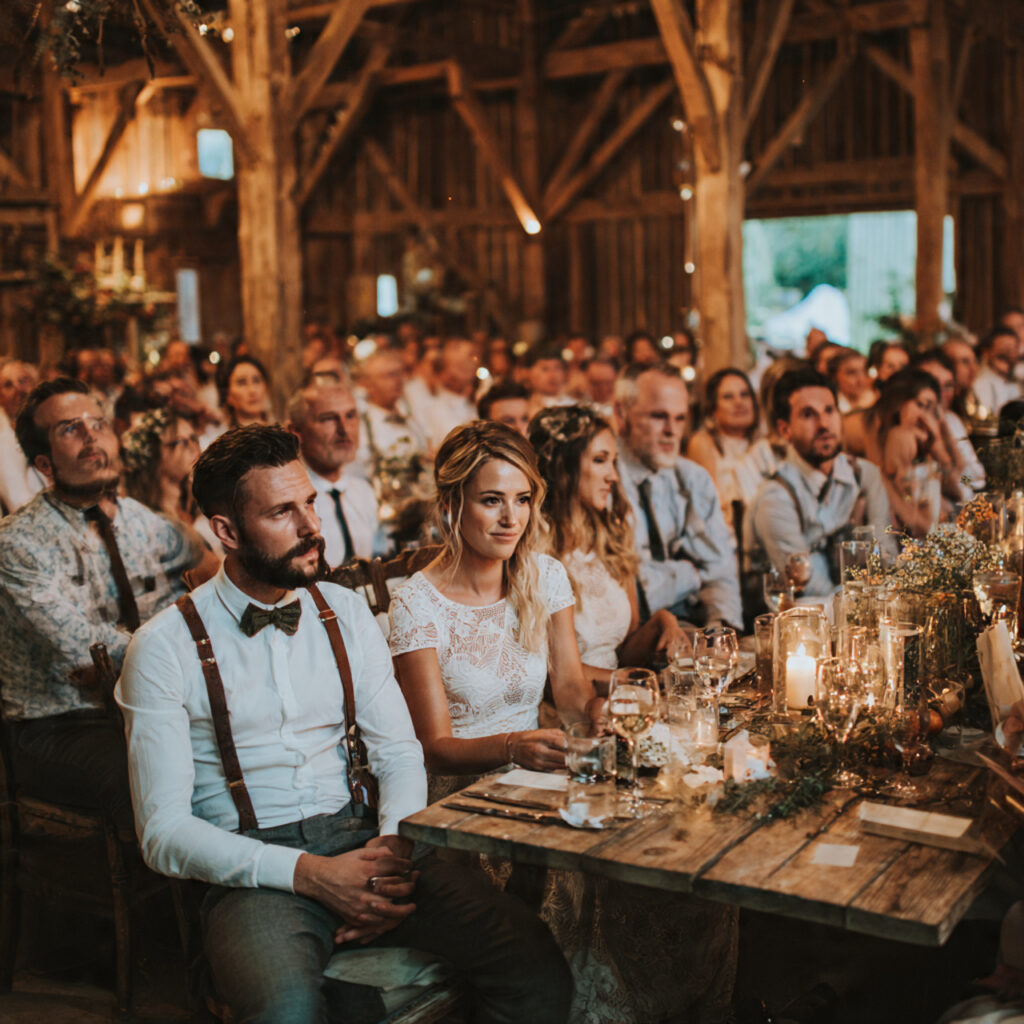
Rustic themes combine simplicity with texture. Think wood, nature, neutral tones. Men: suspenders, vests, boots. Women: lace dresses, soft silhouettes. Keep it grounded. Avoid mixing rustic with overly formal expectations. The environment should match the clothing. Use clear language: “Rustic chic: relaxed, natural tones, dressy but not formal.”
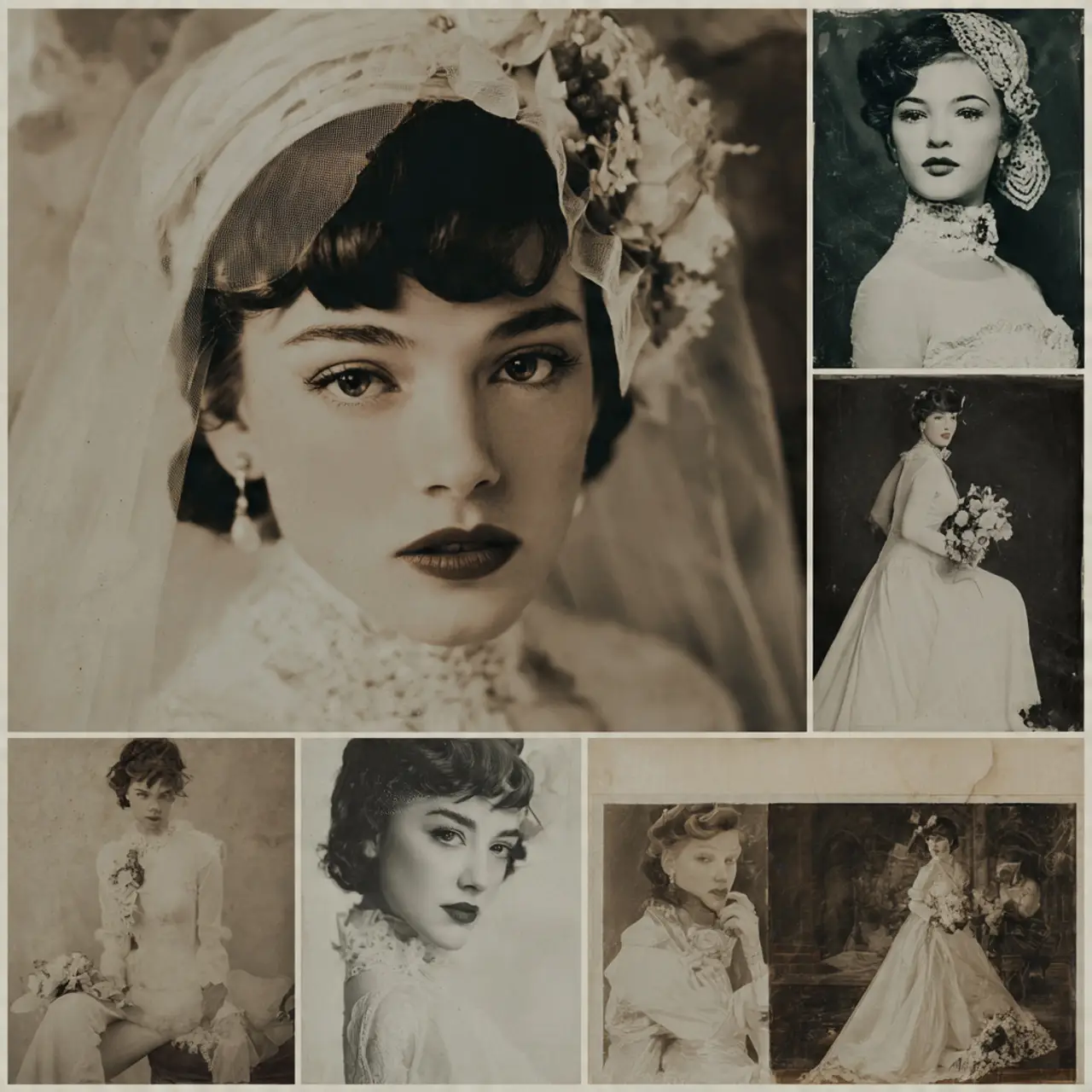
Vintage Wedding Dress Code Ideas
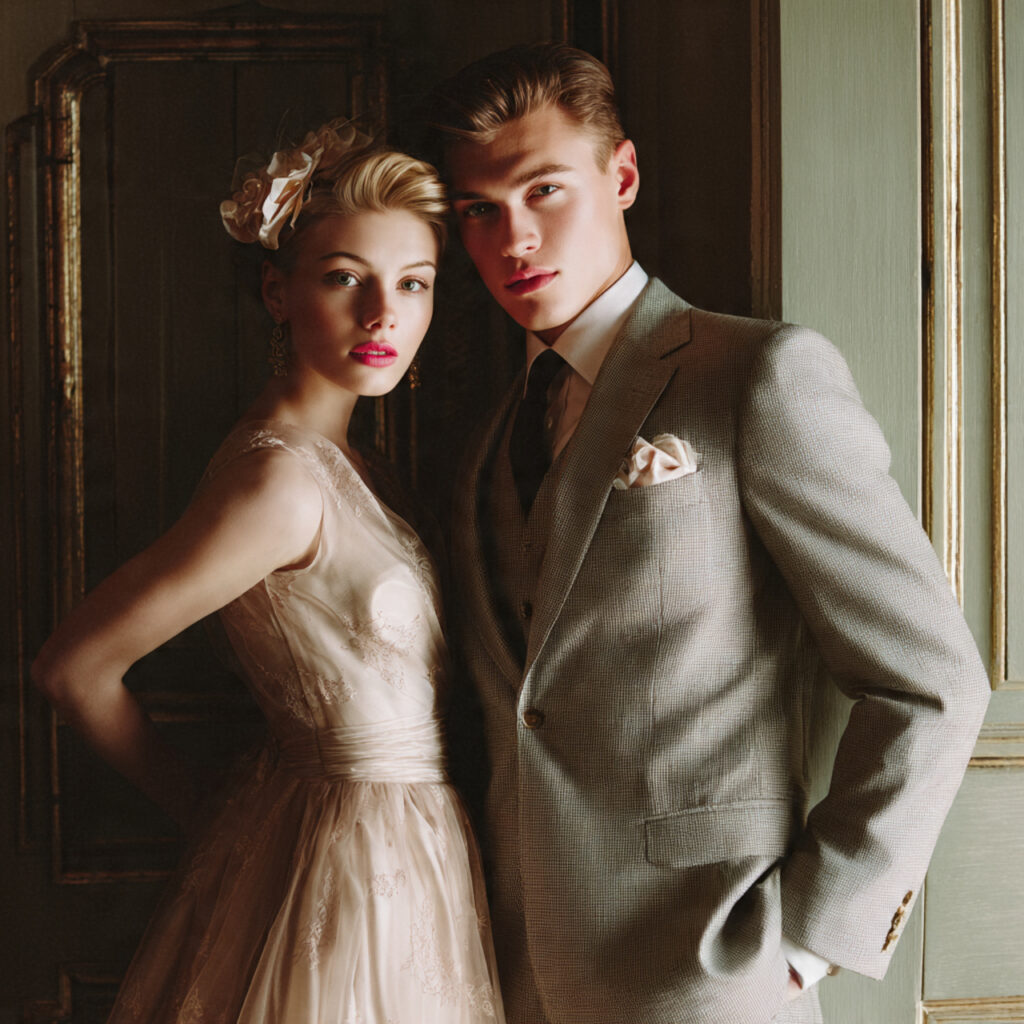
Vintage dress codes draw from past eras. Choose a decade and stay consistent. Men: tailored suits, classic cuts. Women: tea-length dresses, retro silhouettes. Avoid confusion—specify the era: “1920s-inspired” or “1950s style.” Guests don’t need costumes. Encourage inspiration, not imitation.
Bohemian Wedding Dress Code Ideas
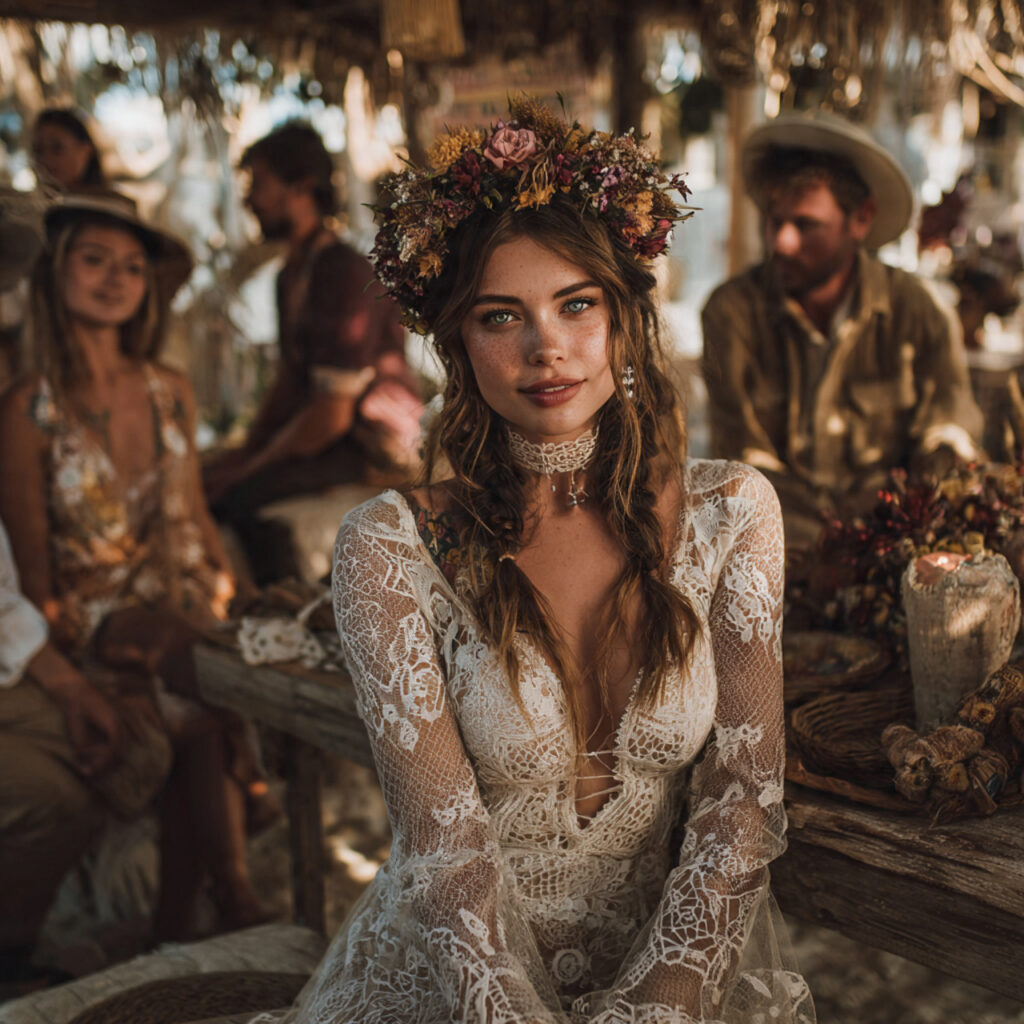
Bohemian (boho) style is relaxed, artistic, and fluid. Men: loose shirts, neutral tones. Women: flowy dresses, lace, earthy colors. Accessories matter—floral crowns, layered jewelry. But keep it optional. Use this for outdoor settings, forests, or desert venues. It pairs with natural décor.
Cultural Fusion Wedding Dress Code Ideas
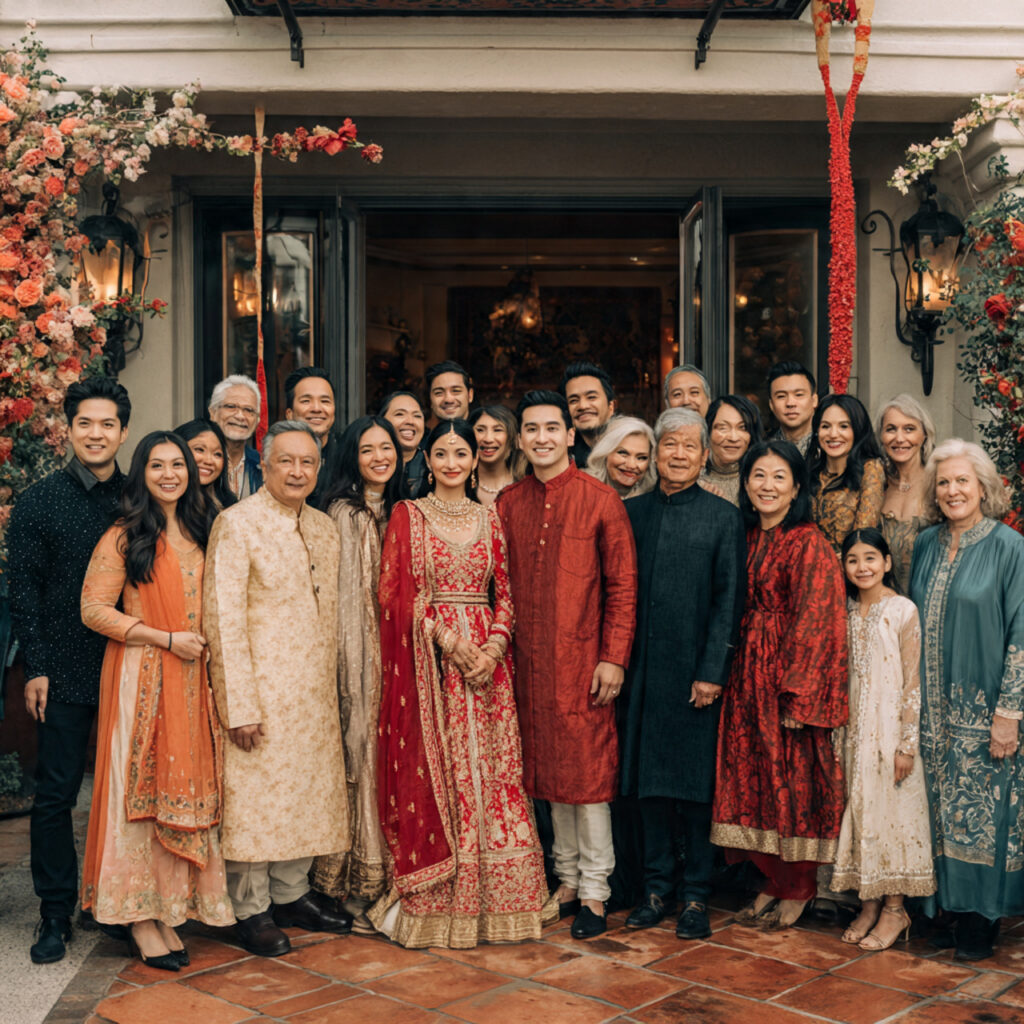
Fusion weddings combine traditions. The dress code should respect both sides. Encourage cultural attire or a blend. For example, traditional outfits for the ceremony, western attire for the reception. Be specific: “Traditional attire encouraged” or “Fusion of Eastern and Western styles.” Clarity avoids discomfort. Guests should know what’s appropriate.
Color-Coordinated Wedding Dress Code Ideas
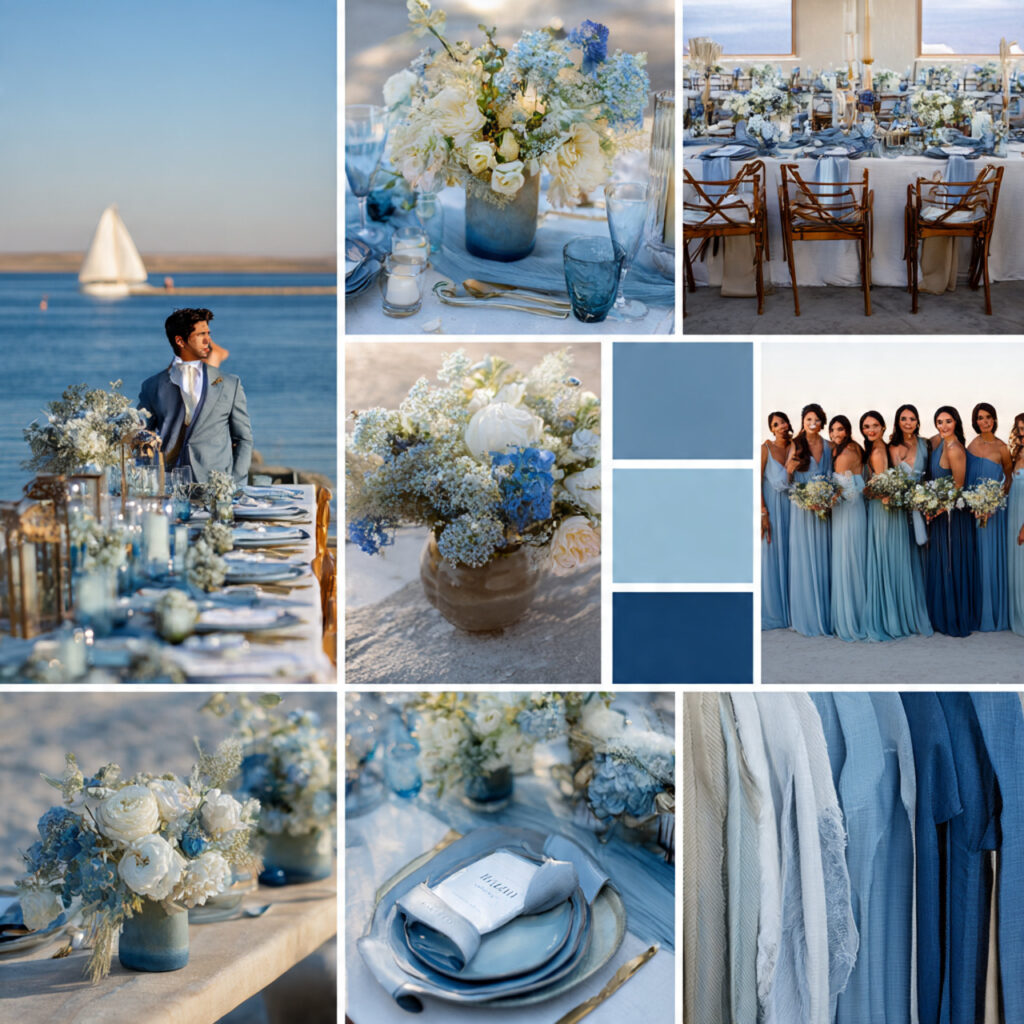
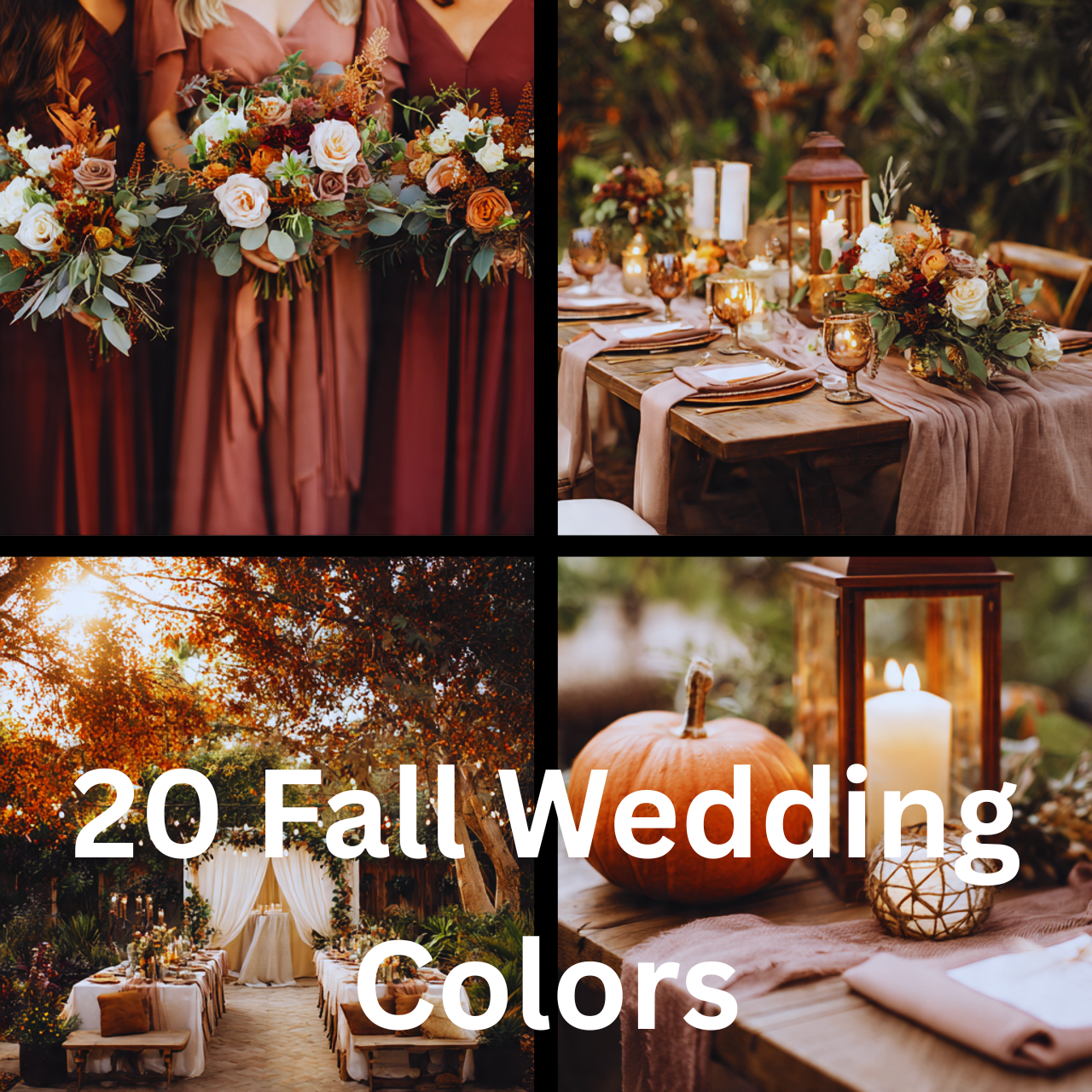
Color coordination improves visual cohesion. Choose a palette—e.g., “shades of blue” or “earth tones.” Avoid forcing exact matches. Give flexibility: “Any shade within the palette.” This keeps guests comfortable. Works well for photography. Avoid overly complex color rules.
All-White Wedding Dress Code Ideas
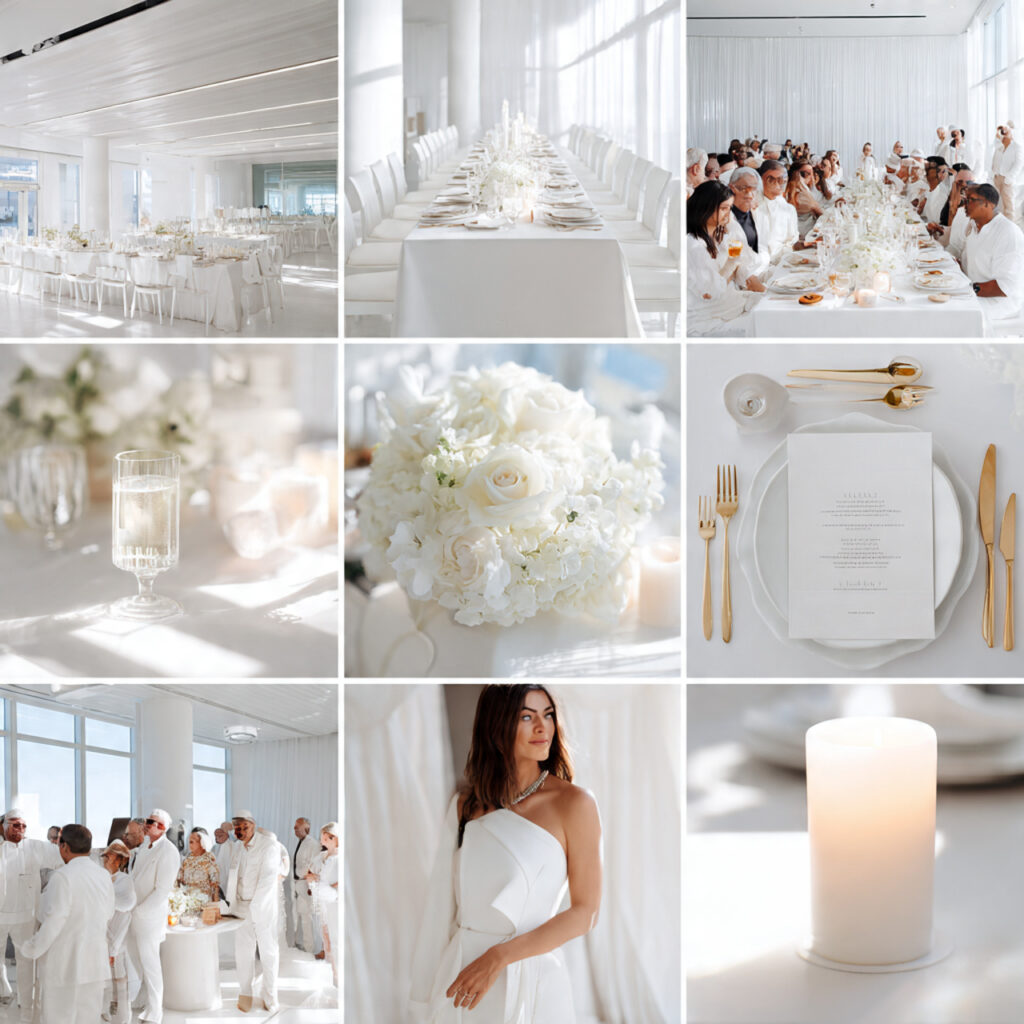
All-white creates a clean, unified look. Traditionally, white is reserved for the bride. If you use this, communicate clearly. Men: white shirts, light suits. Women: white dresses. Add boundaries: avoid bridal-style gowns. Keep it respectful.
Black and Gold Wedding Dress Code Ideas
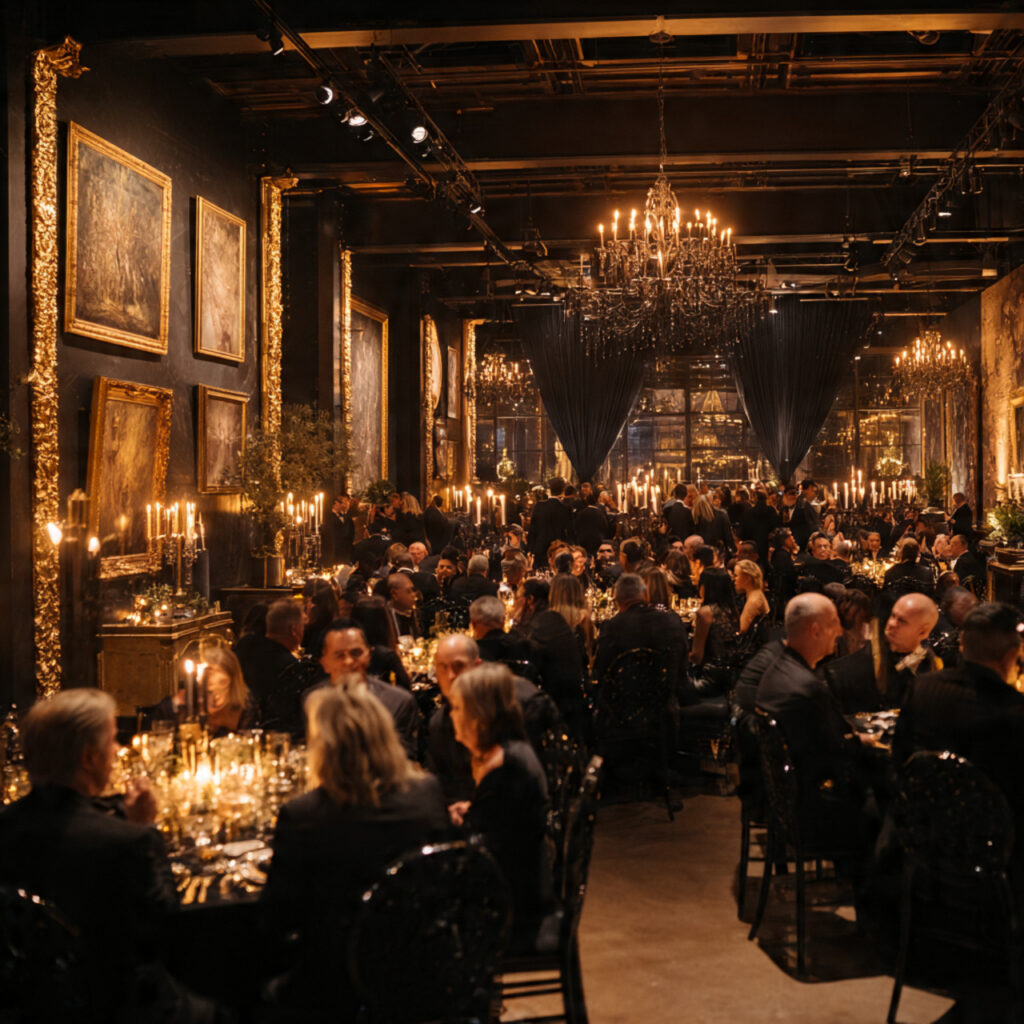
Black and gold is bold and formal. Men: black suits with gold accents. Women: black dresses, gold accessories. Works best for evening events, indoor venues. Lighting enhances the palette. Keep it simple: “Black attire with gold accents.”
Festive Wedding Dress Code Ideas
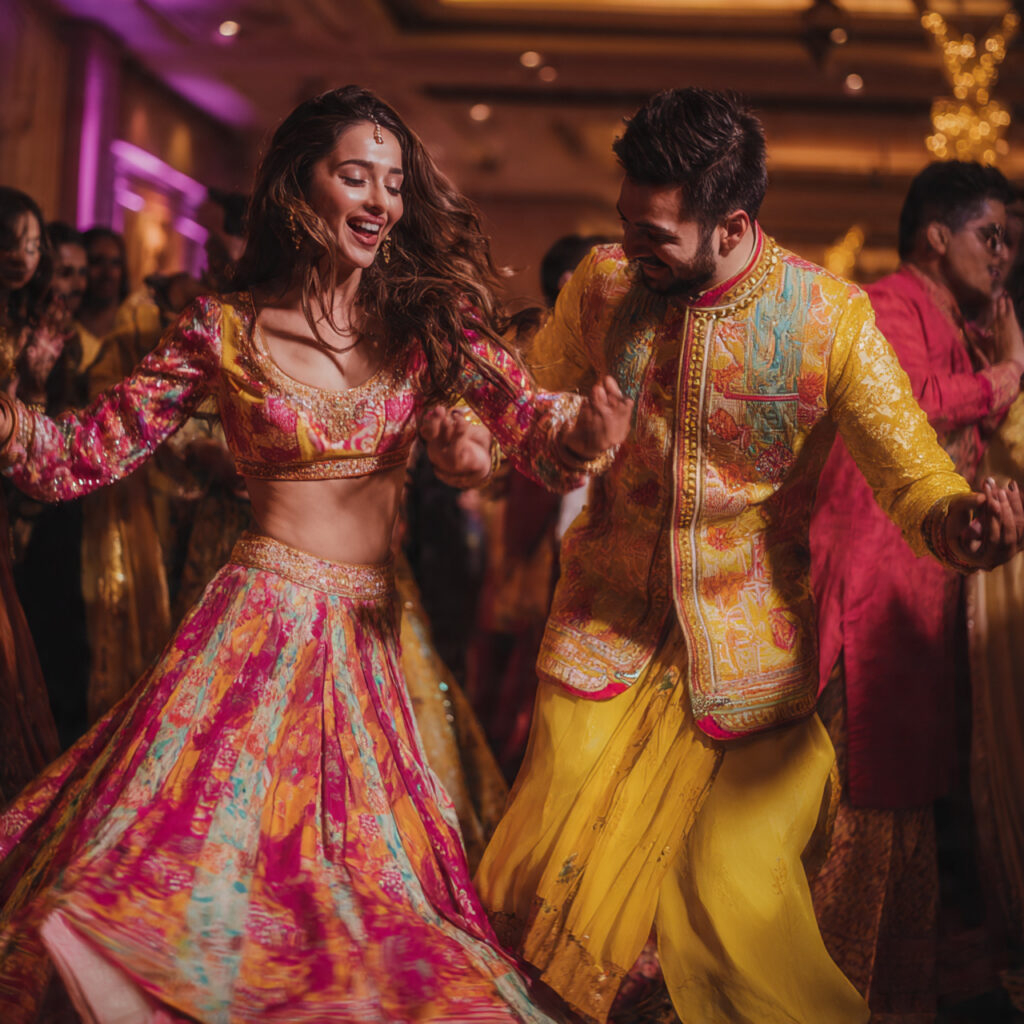
Festive means expressive and colorful. Men: bright ties, patterned shirts. Women: vibrant dresses, bold prints. Common in cultural celebrations or holiday weddings. Avoid overcomplication—just encourage color and personality.
Smart Casual Wedding Dress Code Ideas
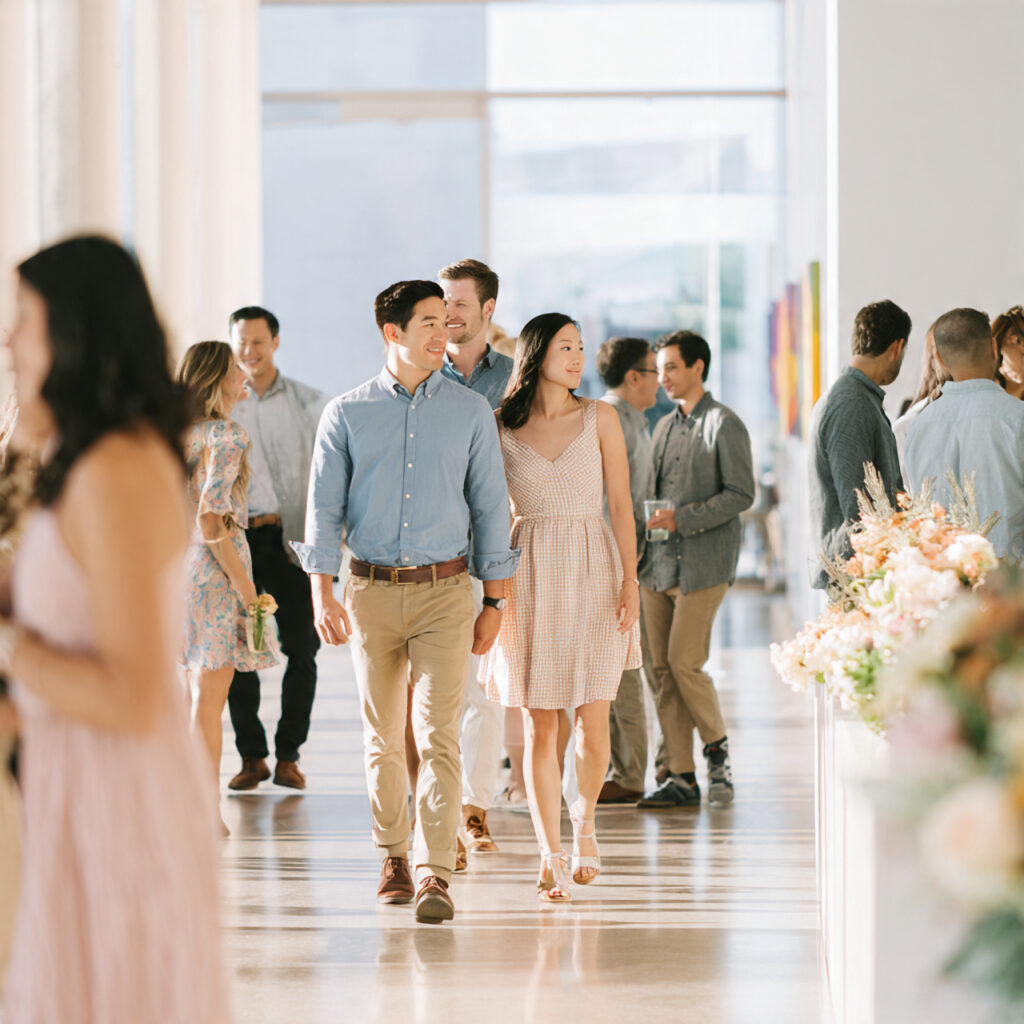
Smart casual is relaxed but neat. Men: collared shirts, chinos. Women: simple dresses, polished separates. No jeans, no sneakers. It’s casual with intention. Use this for small gatherings, daytime events, or informal venues.
Destination Wedding Dress Code Ideas

Destination weddings depend on location. Tropical: light fabrics, sandals. Mountain: layers, boots. City: cocktail or formal. Always match the climate. Provide guidance: weather, terrain, local norms. Guests appreciate practical detail more than style rules.
Values Embedded in This Content
- Clarity over complexity: Each dress code is explained in direct terms.
- Practicality: Real-world constraints—budget, weather, venue—are addressed.
- Consistency: Dress codes align with themes and settings.
- Guest respect: Instructions reduce confusion and stress.
- Flexibility: Guidelines allow personal expression within structure.
- Cultural awareness: Fusion and traditional attire are handled respectfully.
- Efficiency: No unnecessary detail; focused on what matters.
FAQs
What is the most common wedding dress code?
Semi-formal and cocktail are the most common. They balance style and accessibility, making them suitable for diverse guest groups.
How do I communicate a dress code clearly?
Use one term (e.g., “Cocktail attire”) and add a short example. Avoid long explanations. Include it on invitations or your wedding website.
Can I enforce a color dress code?
You can suggest a palette, but strict enforcement can frustrate guests. Offer flexibility within the color range.
What if guests don’t follow the dress code?
Expect some variation. Focus on overall consistency, not perfection. Most guests will follow clear, simple instructions.
Should the dress code match the venue?
Yes. A mismatch creates confusion. A beach venue with black tie expectations feels impractical. Align dress code with environment.
Conclusion
A strong wedding dress code simplifies decisions, improves visual consistency, and enhances the guest experience. It should match your venue, timing, and theme without adding pressure. Keep it clear, realistic, and aligned with how people actually dress. When done right, it doesn’t restrict—it guides.