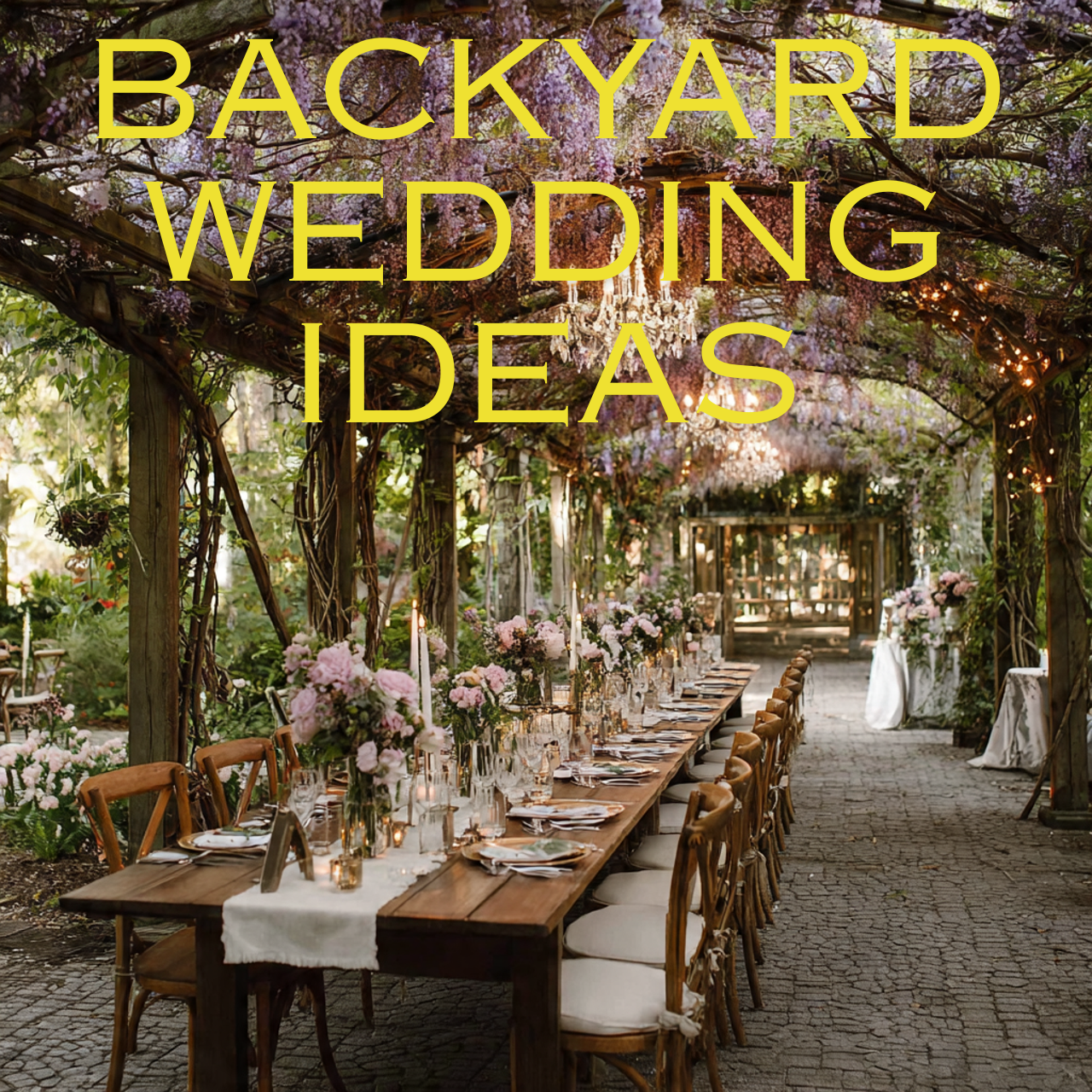
21 Catering Ideas Food That Balance Flavour, Flow, and Budget
Food decides whether an event is remembered or forgotten. Décor fades. Music stops. What guests talk about later is what they ate and how it made them feel. Good catering is not about excess. It is about clarity, flow, and respect for the people at the table. This guide focuses on practical, proven approaches that work across weddings, corporate events, private parties, and community gatherings. Each idea below is designed to be flexible, scalable, and grounded in real service conditions rather than fantasy menus.
Interactive Live Cooking Stations Catering Ideas Food
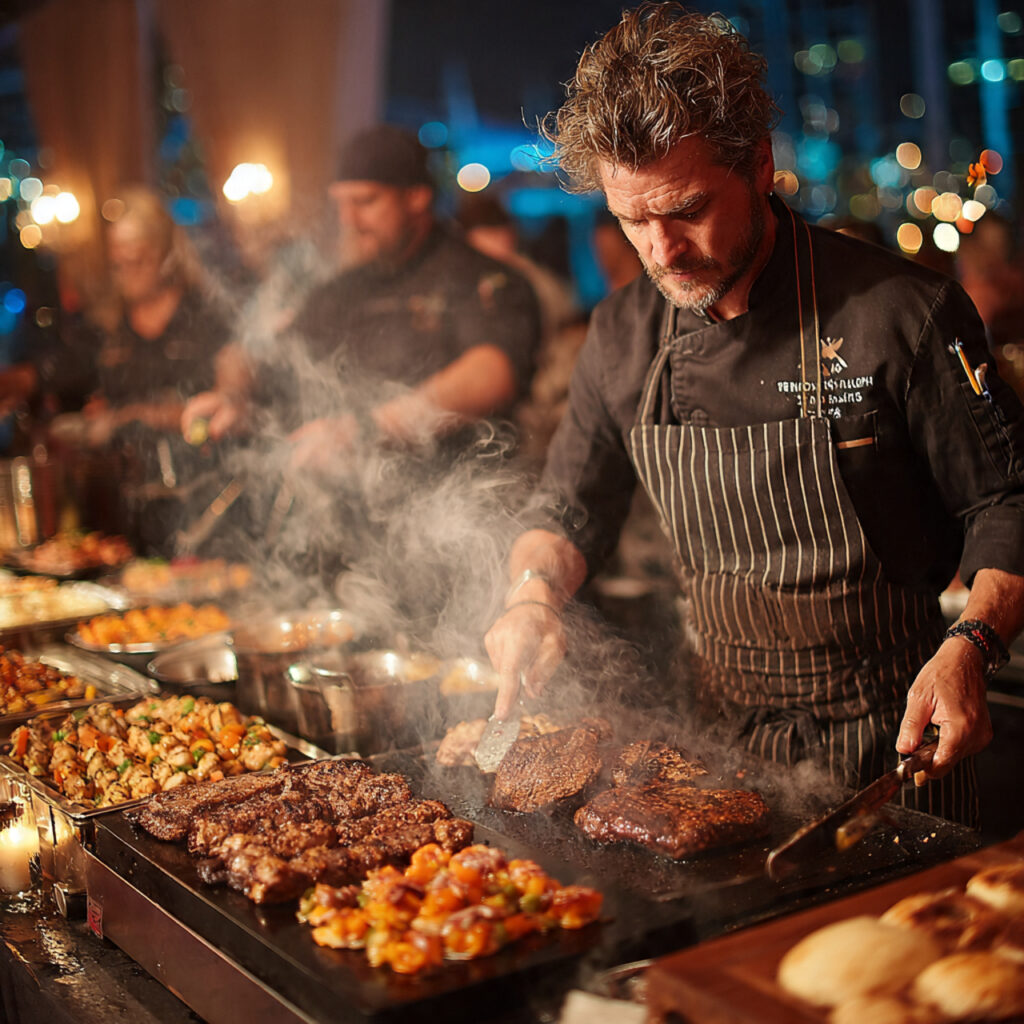
Live cooking creates momentum. Guests stop, watch, ask questions, and engage. A chef working a grill, flat-top, or pasta station turns food into part of the program. The aroma pulls people in without signage. This approach works because it solves two problems at once. It keeps food fresh and it reduces waste. Items are cooked to order, which limits overproduction. Guests also accept short waits when they see skill in motion.
Menus should stay tight. One protein, one base, two sauces, and a few toppings are enough. Complexity slows service and breaks the experience. Clear menu boards prevent bottlenecks and confusion. Live stations suit weddings, brand launches, and evening events where energy matters. They require power, ventilation, and experienced staff, but the return in guest satisfaction is high. When done well, people remember the moment, not just the meal.
Seasonal Farm Focused Menus Catering Ideas Food
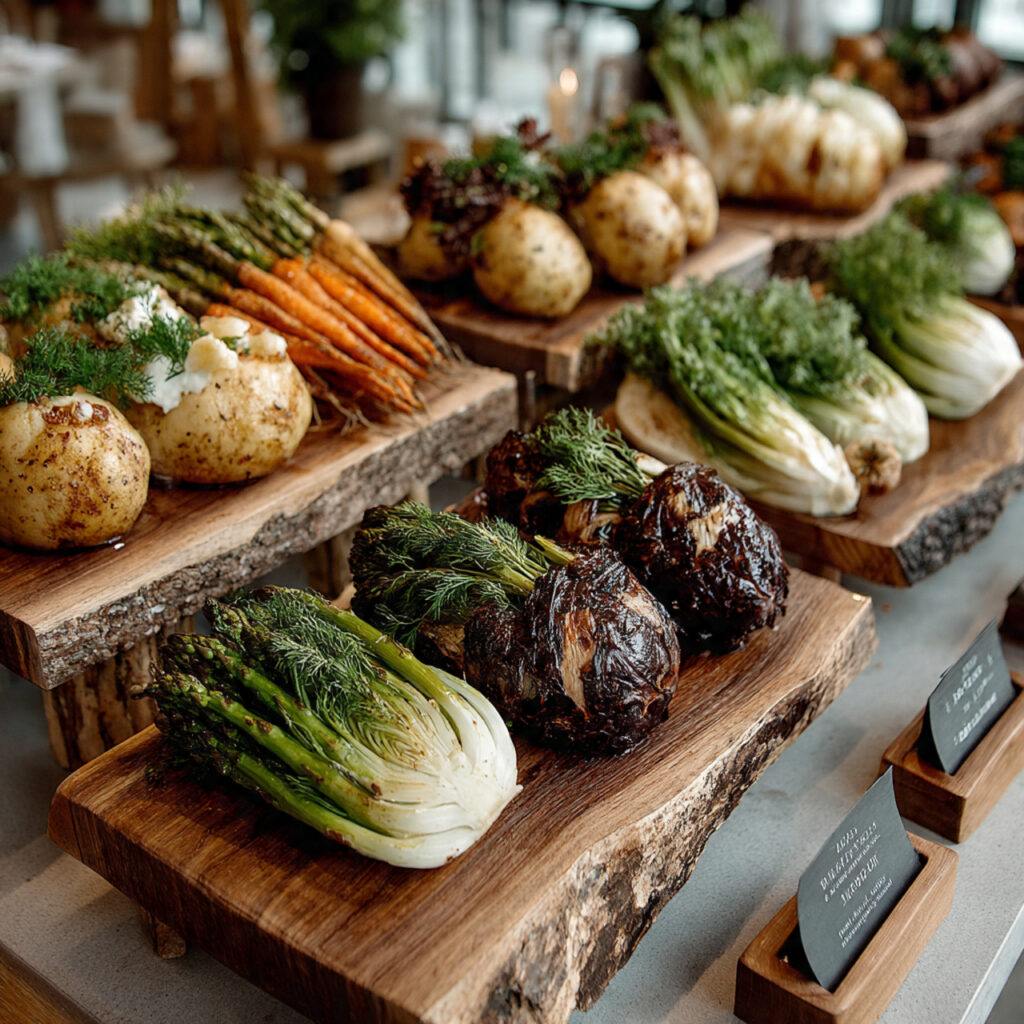
Seasonal menus are practical, not trendy. Ingredients at their peak cost less, taste better, and travel better. This matters when serving large groups under time pressure. A farm-focused menu does not need a long story. It needs restraint. Highlight two or three ingredients and build around them. Seasonal vegetables can anchor plates instead of acting as garnish.
This style works well for daytime events, corporate lunches, and outdoor gatherings. Guests feel lighter after eating, which helps energy levels and focus. Operationally, seasonal menus are easier to adjust when supply shifts. If one item becomes unavailable, another local option can replace it without rewriting the menu. That flexibility is valuable in real-world catering.
Build Your Own Bowl Bars Catering Ideas Food
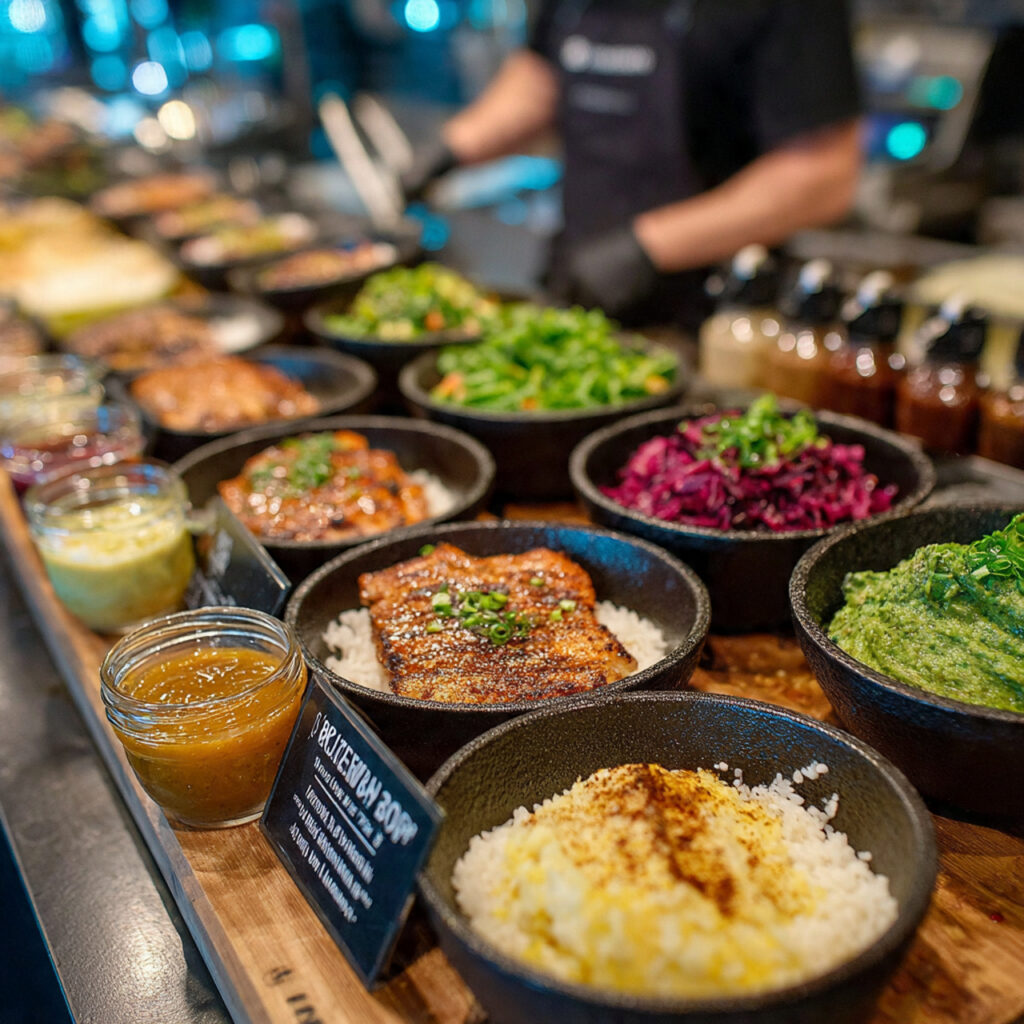
Bowl bars are efficient and familiar. Guests understand the format quickly. They move through the line with confidence, which keeps service smooth. Start with two bases, such as rice and greens. Add two proteins, one plant-based and one animal-based. Finish with sauces that bring contrast. This structure covers most dietary needs without calling attention to restrictions.
Bowls work across cultures and event types. They can feel casual or refined depending on presentation. Compostable bowls and clear labeling support sustainability and speed. For caterers, bowls reduce plating time and equipment needs. For guests, they offer control. That balance is why this format continues to perform.
Elevated Street Food Concepts Catering Ideas Food
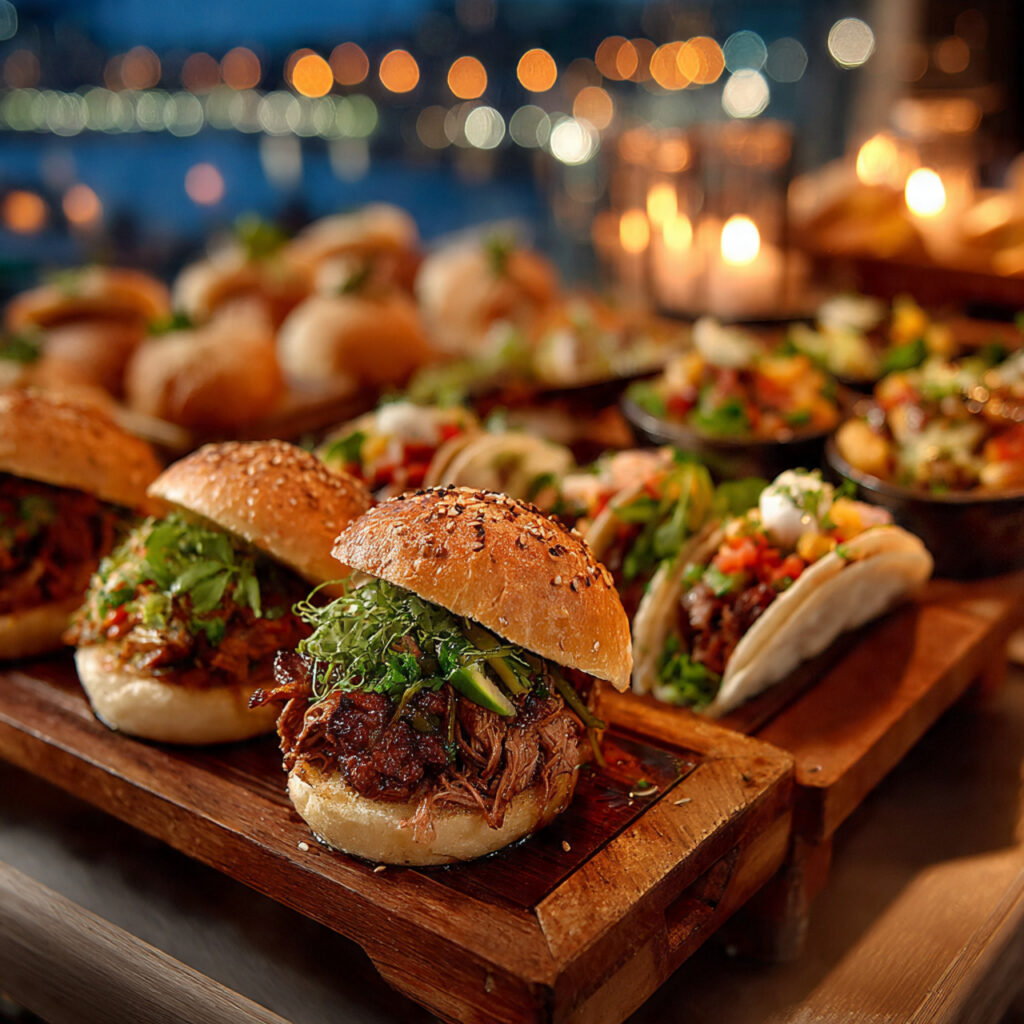
Street food succeeds because it is designed to be eaten standing up. That matters at events where seating is limited or movement is encouraged. The key is elevation, not reinvention. Use familiar items and improve the execution. Better bread, cleaner oil, sharper seasoning. Avoid novelty for its own sake. Portion size matters. One or two bites per item keeps hands clean and allows guests to try multiple things. This also controls costs and pacing. Street food concepts work well for evening receptions, festivals, and casual brand events. They feel relaxed while still delivering strong flavor.
Family Style Shared Platters Catering Ideas Food
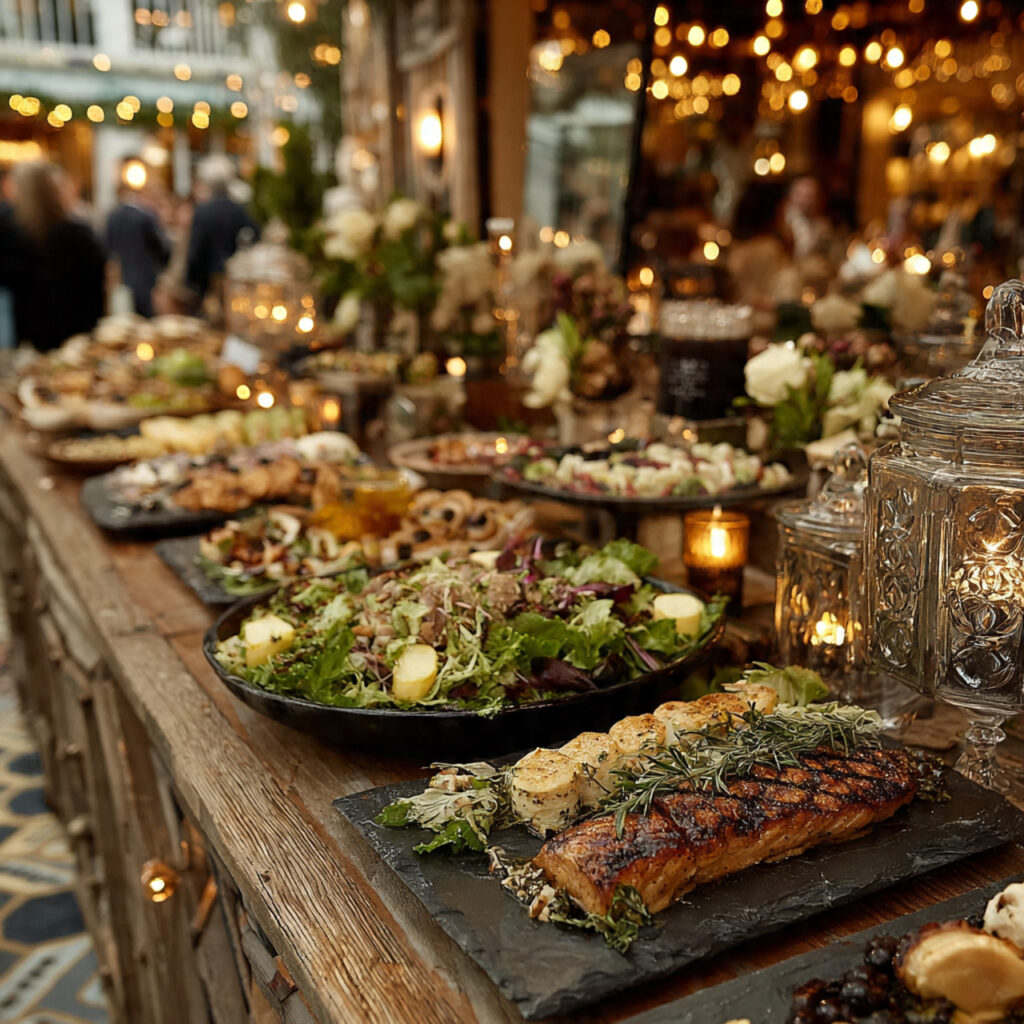
Shared platters change behavior. People slow down. They talk. They notice what others are choosing. This creates a sense of connection that plated meals often miss. This format requires trust in timing and portioning. Platters must arrive full and hot. Staff must monitor tables and replace dishes before they empty completely. Menus should avoid fragile items. Choose foods that hold texture and temperature. Roasts, braises, and sturdy vegetables perform better than delicate preparations. Family style works best for weddings, retreats, and private dinners where community matters. It is less suitable for high-turnover events.
Global Comfort Food Stations Catering Ideas Food
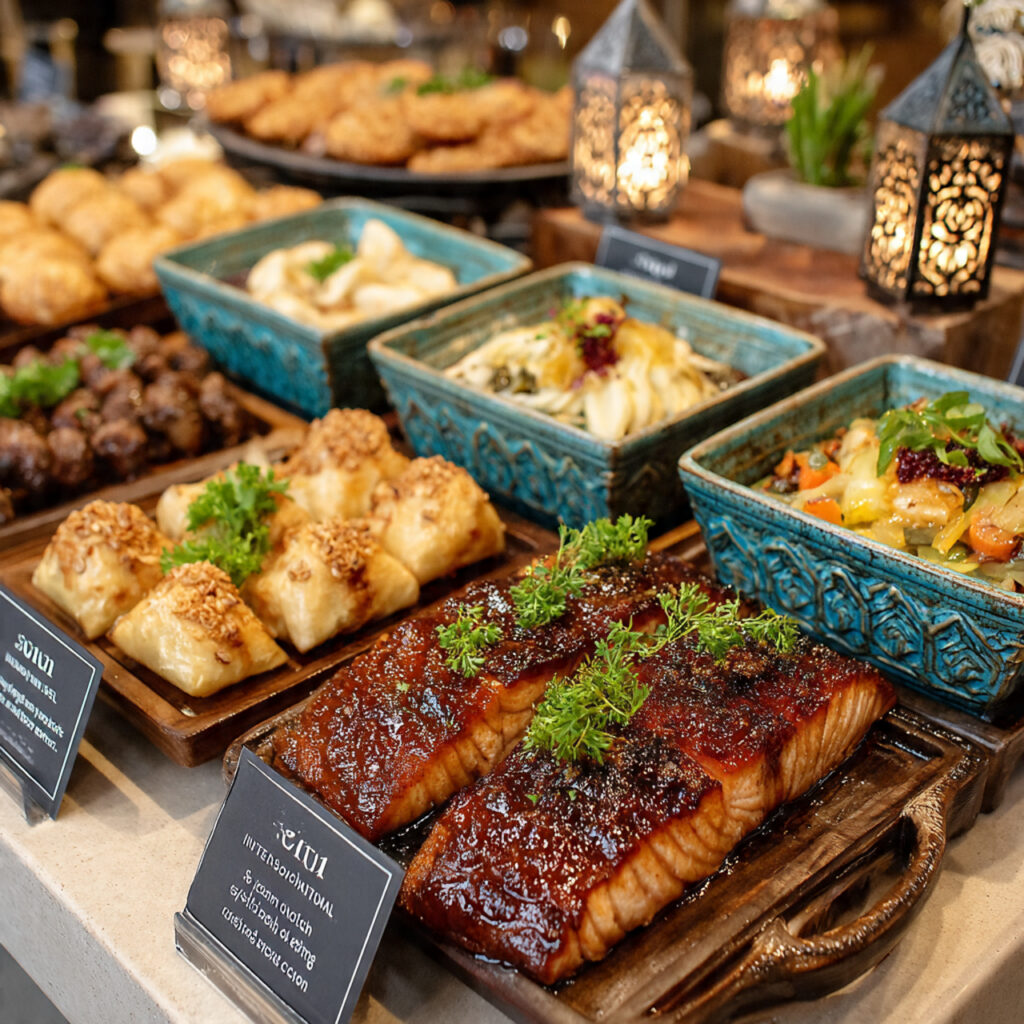
Comfort food crosses borders. Every culture has dishes that feel familiar and grounding. A global approach lets guests explore without risk. Structure stations by region, not by complexity. Keep menus short and recognizable. Provide brief descriptions to guide unfamiliar guests. This concept works well for diverse audiences. People gravitate toward what they know but often try something new when options feel safe. Operationally, comfort foods are forgiving. They reheat well and hold quality longer than delicate cuisine.
Plant Forward Event Menus Catering Ideas Food
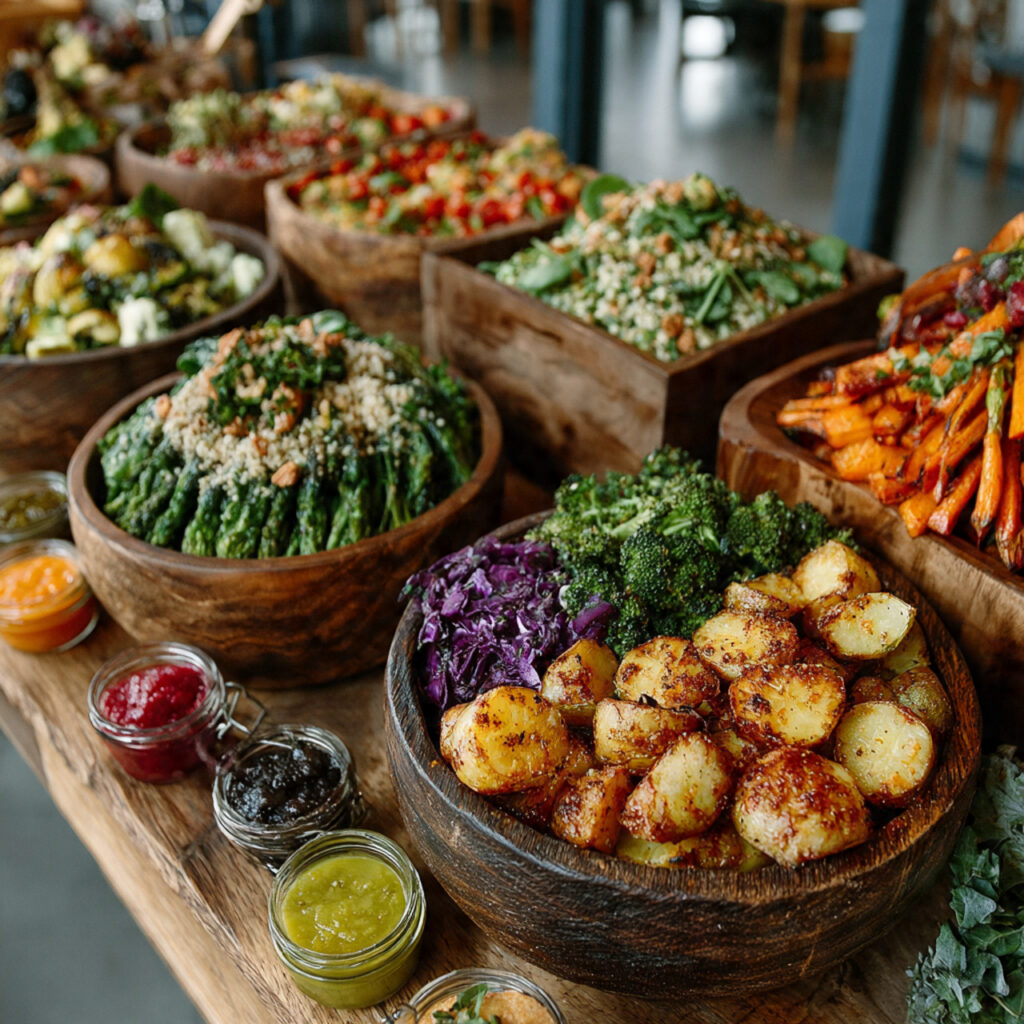
Plant-forward does not mean plant-only. It means vegetables lead the plate. This reduces costs, broadens appeal, and aligns with current eating habits. Focus on texture and seasoning. Roasting, charring, and fermenting add depth. Avoid raw-heavy menus that leave guests unsatisfied. This approach works across event types. Even meat-focused guests accept plant-forward menus when flavors are strong and portions feel generous. From a logistics standpoint, plant-forward menus reduce food safety risks and simplify holding times.
Small Plate Tasting Formats Catering Ideas Food
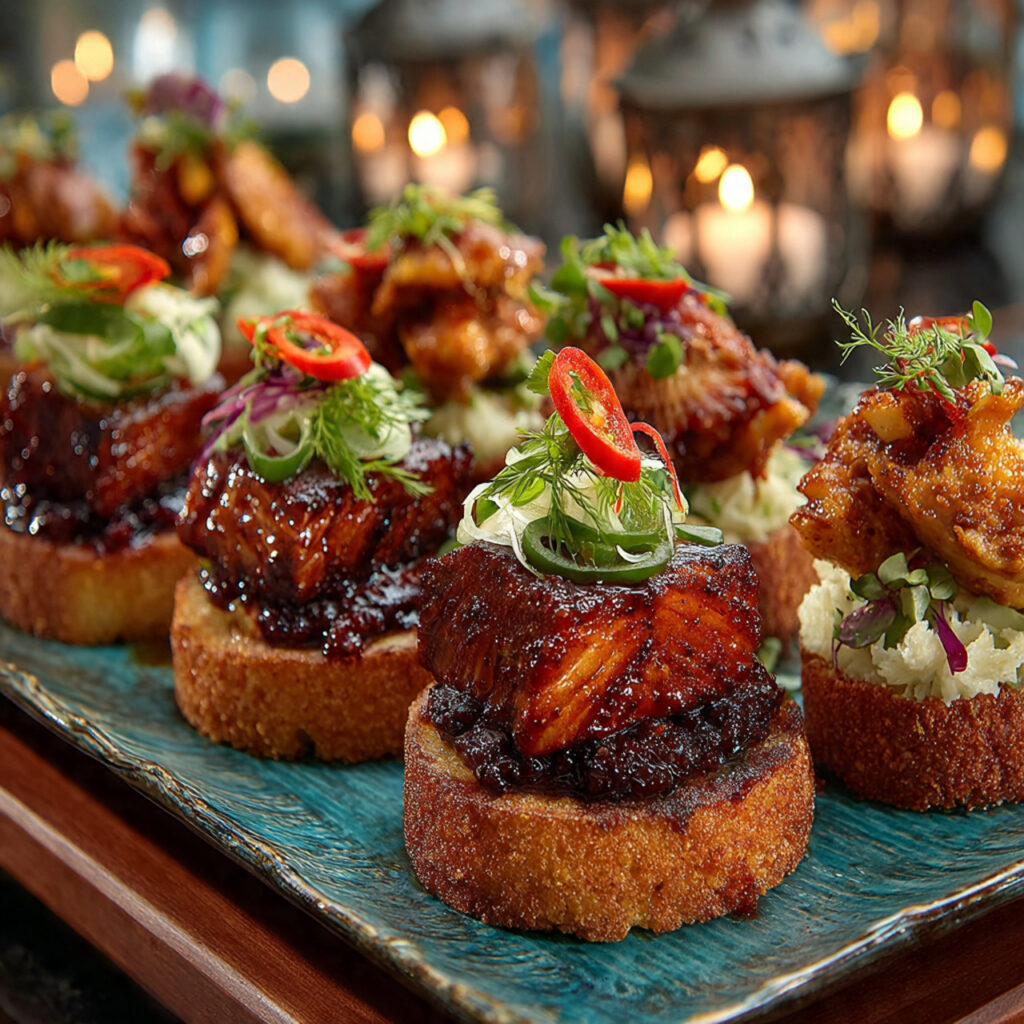
Small plates encourage movement and conversation. Guests sample widely without committing to full portions. The success of this format depends on pacing. Plates must circulate consistently. Long gaps break the experience. Menus should balance richness and freshness. Too many heavy items overwhelm. Include contrast in temperature and texture. This format suits cocktail receptions, gallery openings, and networking events. It keeps energy high and attention mobile.
Cultural Heritage Menus Catering Ideas Food
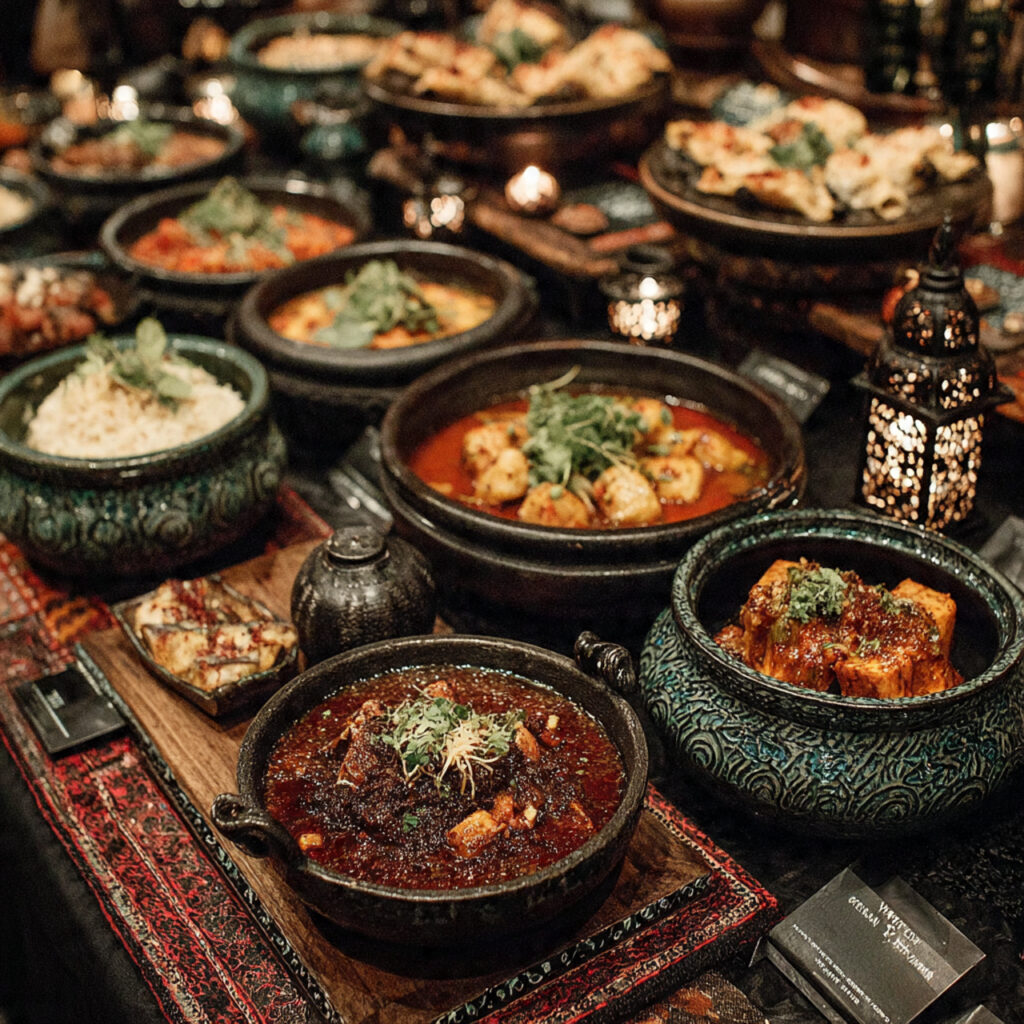
Heritage menus tell a story without explanation. Recipes passed down carry weight and authenticity. Choose dishes that travel well and represent the cuisine honestly. Avoid fusion unless it serves a clear purpose. This approach resonates at weddings, cultural celebrations, and community events. Guests appreciate sincerity over spectacle. Caterers should involve cultural consultants or cooks when possible. Accuracy builds trust.
Breakfast and Brunch Catering Ideas Food
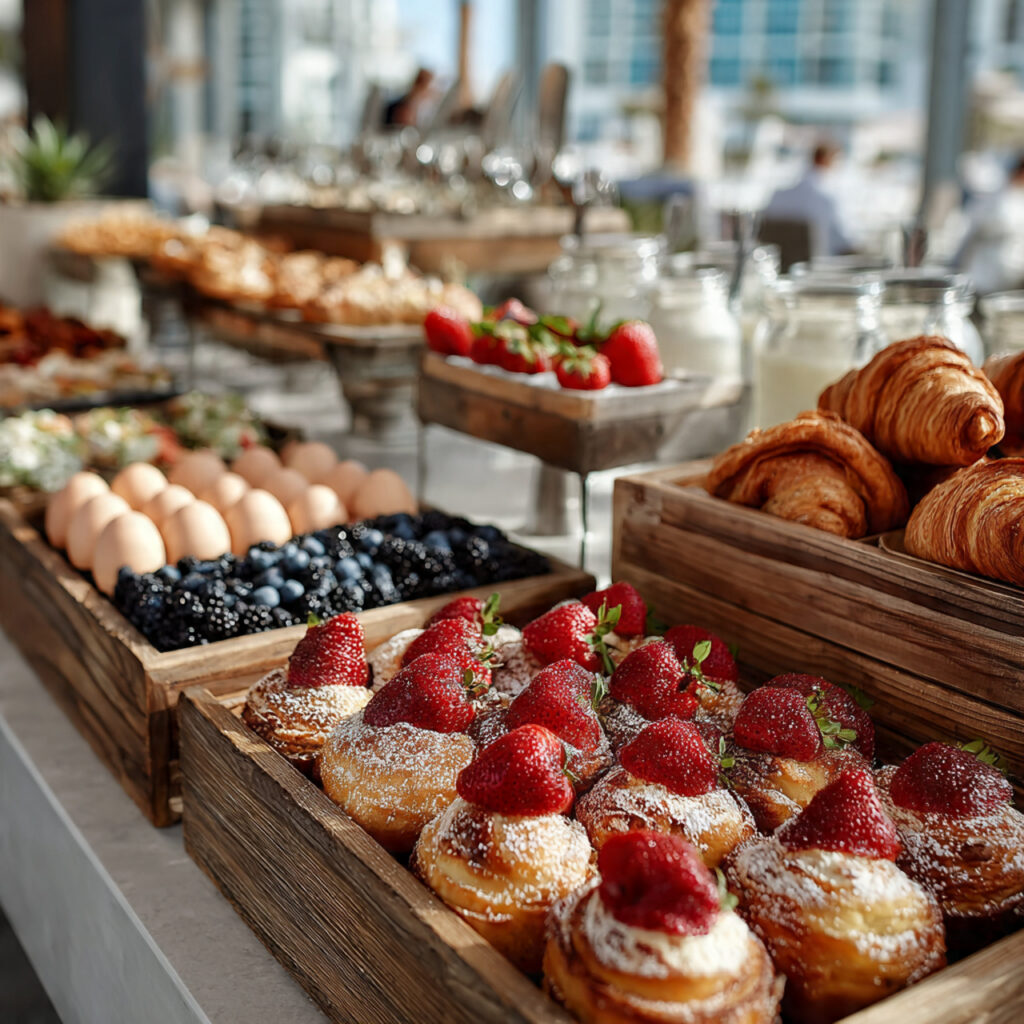
Morning events are often overlooked. Good breakfast catering sets the tone for the entire day. Balance sweet and savory. Provide protein and fresh elements. Avoid sugar-heavy menus that lead to crashes. Brunch works well for corporate meetings, conferences, and social gatherings. It feels relaxed but purposeful. Logistically, breakfast menus are efficient. Shorter service windows and lower equipment needs reduce stress.
Dessert Focused Experiences Catering Ideas Food
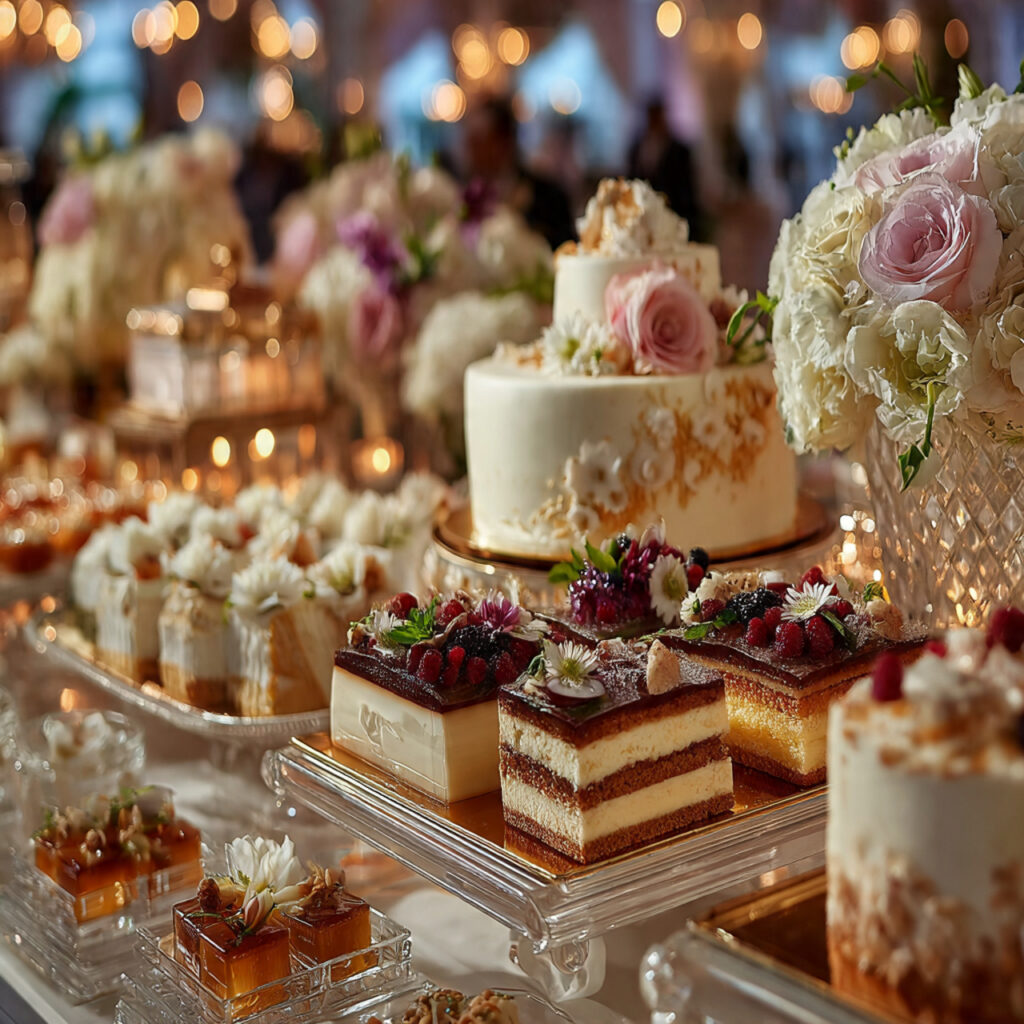
Dessert does not need to be an afterthought. A dessert-forward event can stand alone. Offer variety in small portions. Include at least one non-sweet option to reset the palate. Dessert bars and plated tastings work well for evening events and celebrations. They encourage lingering. From a cost perspective, desserts can deliver high impact with lower ingredient expenses.
Sustainable Zero Waste Catering Ideas Food
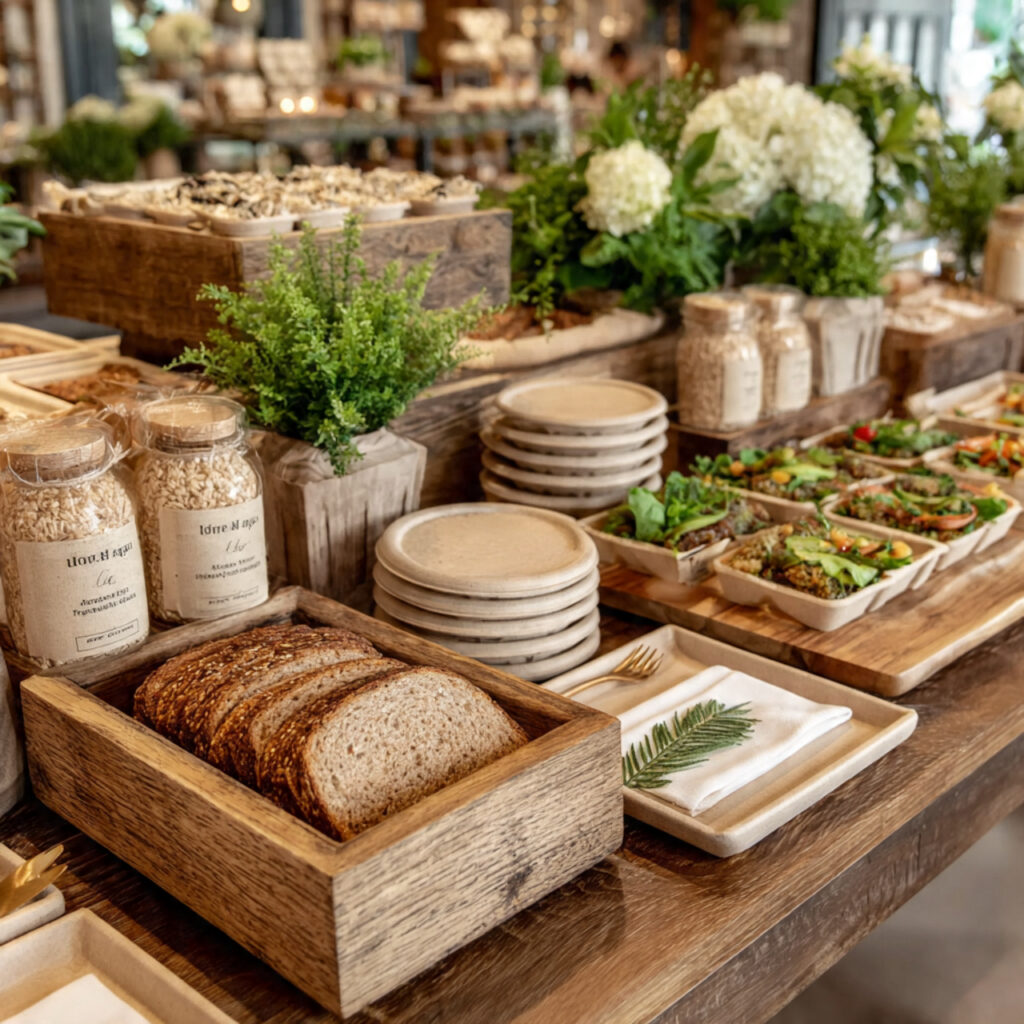
Zero waste is a discipline, not a label. It starts with menu design. Use whole ingredients. Repurpose trim into stocks or sauces. Plan portions carefully. Clear communication with staff and guests reduces waste. Signage and training matter. This approach appeals to values-driven organizations and reduces disposal costs.
Late Night Snack Stations Catering Ideas Food
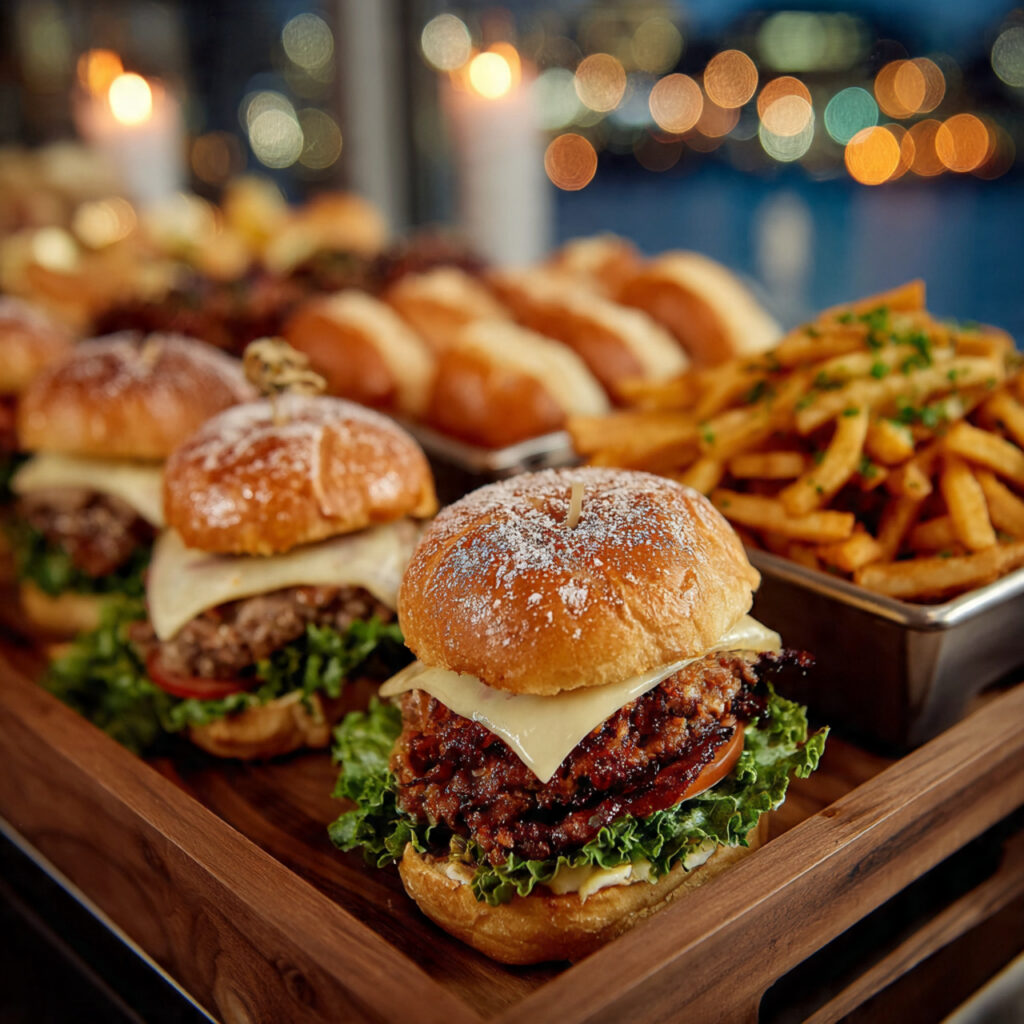
Late night snacks re-energize guests. They are especially effective at weddings and long events. Keep items simple and familiar. Warm, salty foods perform best. Timing is critical. Serve too early and snacks replace dinner. Serve too late and energy is already gone. Late night snacks are small investments with high emotional return.
Grazing Tables and Boards Catering Ideas Food
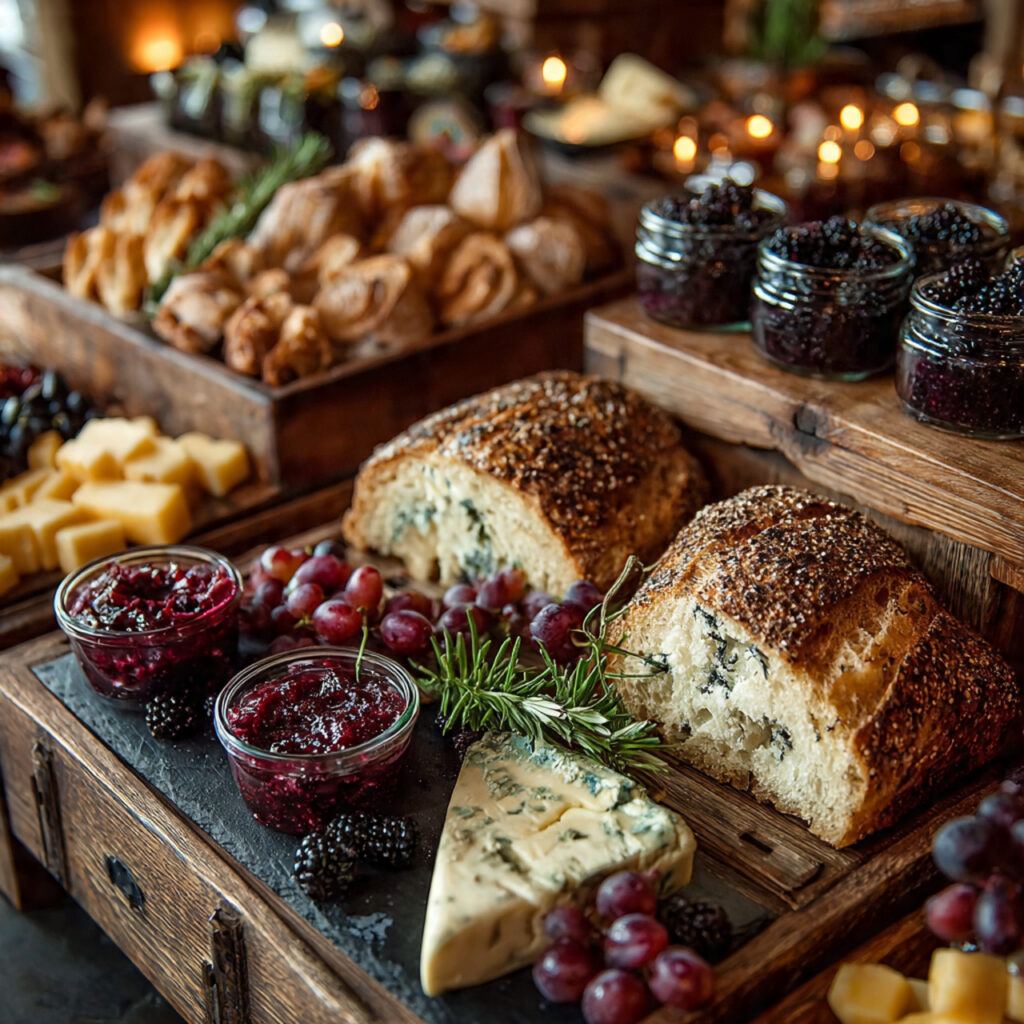
Grazing tables create visual impact. They invite casual interaction. Design matters. Flow, spacing, and replenishment must be planned. Food safety is critical. Items should be replaced regularly and protected from exposure. Grazing works best for short durations and controlled environments.
Allergy Conscious Menus Catering Ideas Food
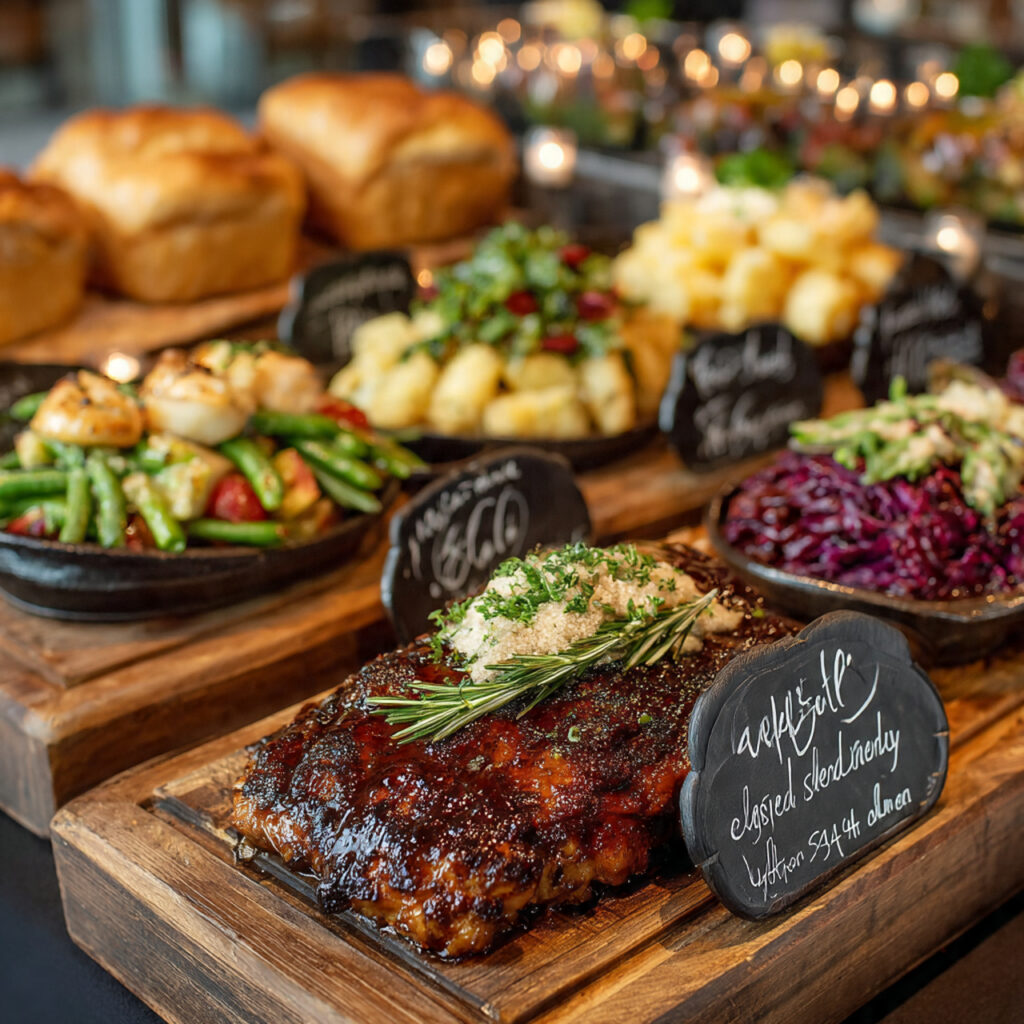
Allergy awareness is not optional. Clear labeling and communication protect guests and hosts. Design menus that naturally avoid common allergens where possible. Do not rely solely on substitutions. Staff training is essential. One mistake can undermine trust. Guests notice when their needs are respected without being highlighted.
Corporate Professional Catering Ideas Food
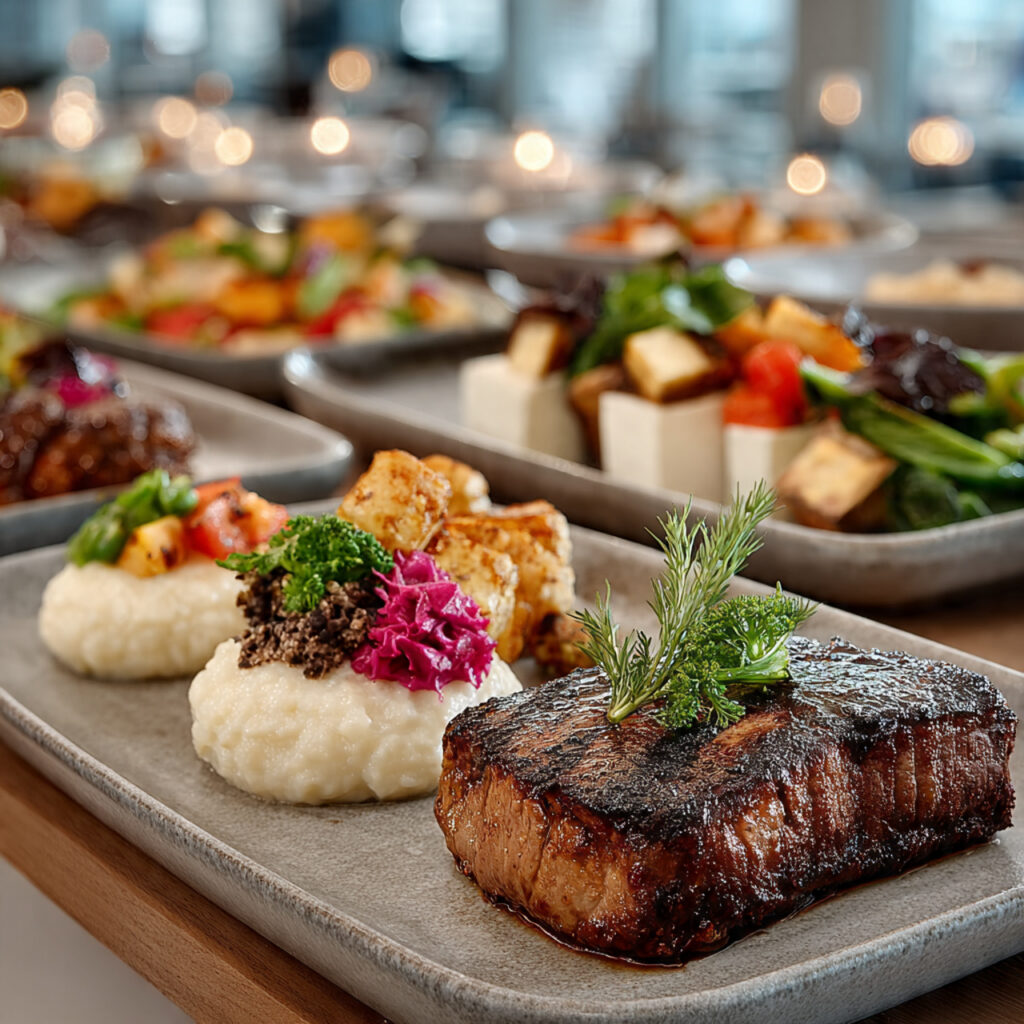
Corporate events require restraint. Food should support the agenda, not compete with it. Choose menus that are easy to eat and leave minimal mess. Avoid strong odors. Consistency matters more than creativity. Reliable execution builds confidence. Professional catering respects time and focus.
Outdoor Event Catering Ideas Food
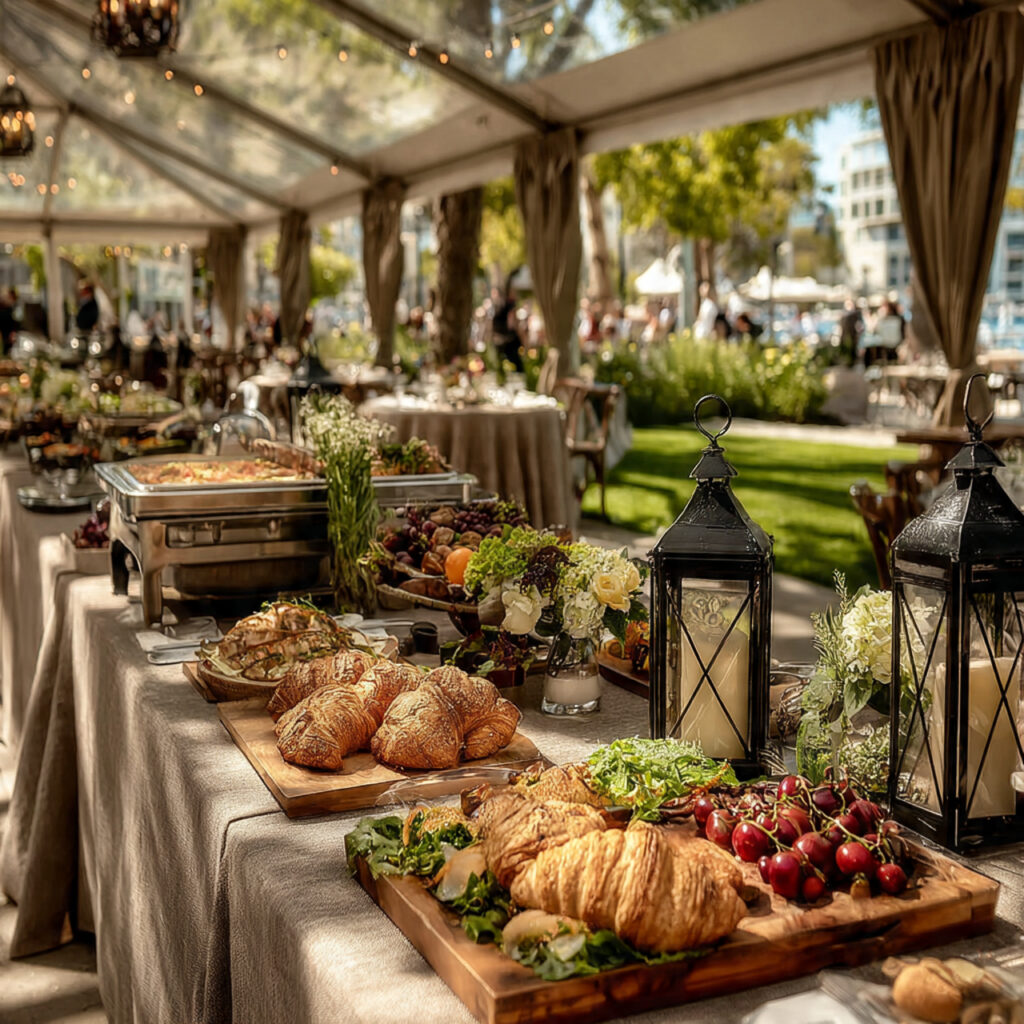
Outdoor events introduce variables. Weather, insects, and terrain affect food. Menus must be resilient. Choose items that hold temperature and structure. Plan backup options. Tents, heaters, and timing adjustments protect quality. Outdoor catering rewards preparation.
Kids Friendly Catering Ideas Food
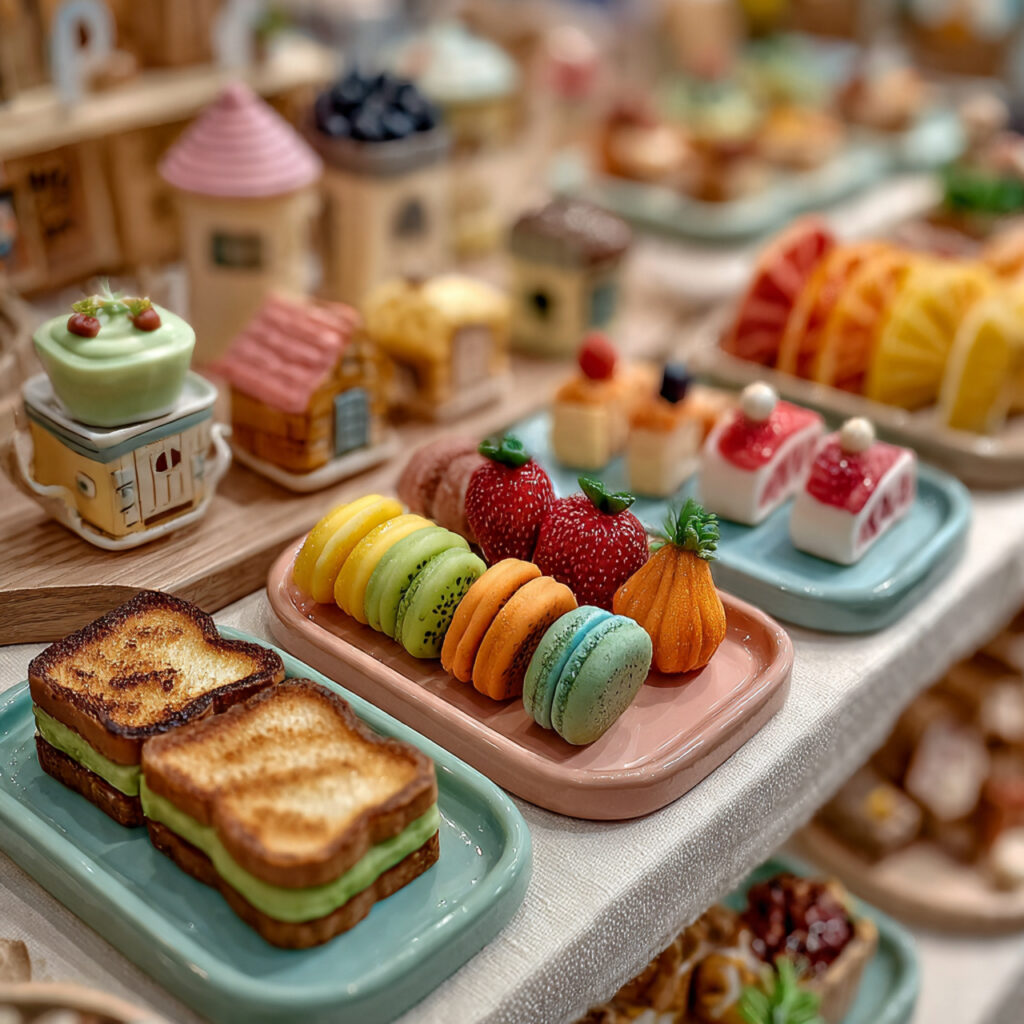
Children need clear choices. Familiar foods presented well perform best. Portions should be smaller. Flavors should be clean. Interactive elements like simple builds keep attention. Happy kids reduce stress for everyone.
Luxury Minimalist Menus Catering Ideas Food
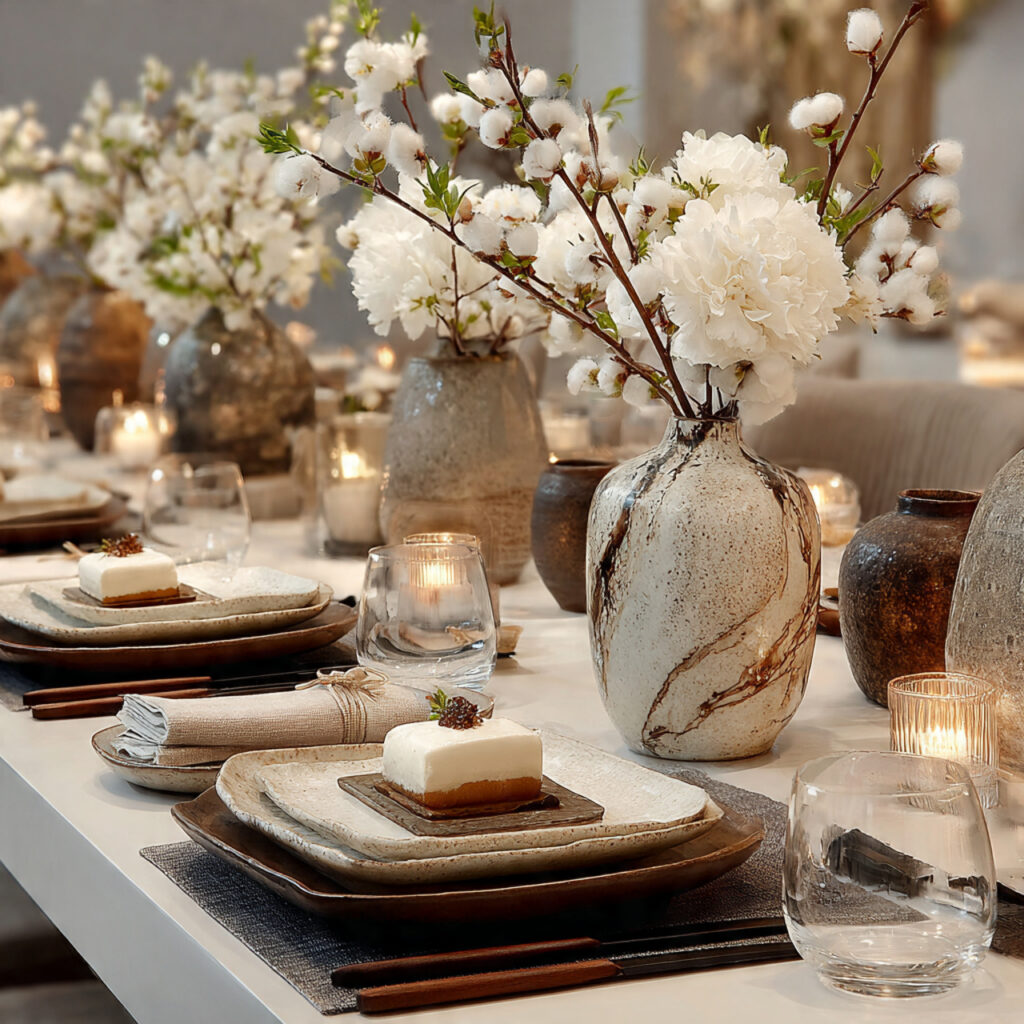
Luxury does not require excess. It requires precision. Few ingredients, perfect execution. Clean presentation. This style suits intimate events and high-end gatherings. Mistakes are visible, so experience matters.
Cultural Fusion Done Carefully Catering Ideas Food
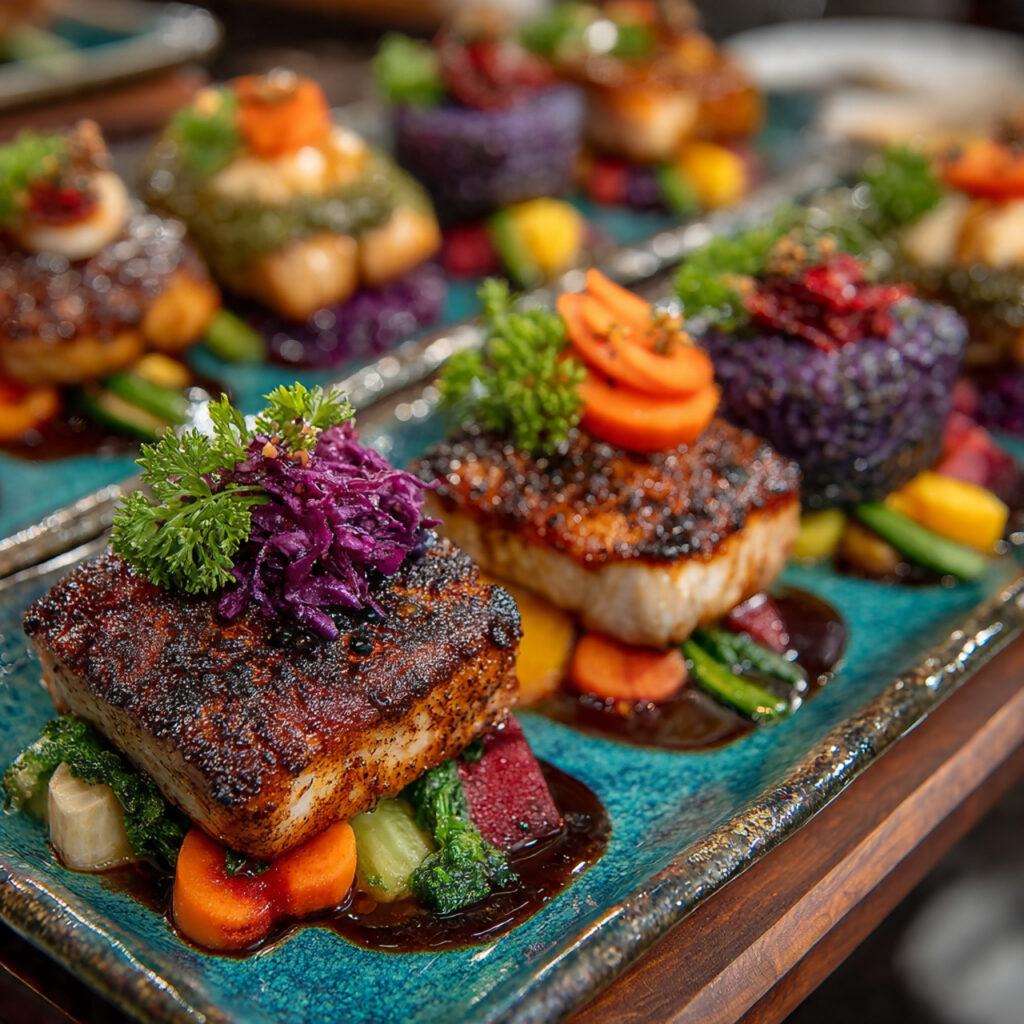
Fusion should solve a problem, not create confusion. Blend cuisines with shared elements. Respect origins. Test dishes thoroughly. Guest expectations are high. When done right, fusion feels natural.
Budget Conscious Smart Catering Ideas Food
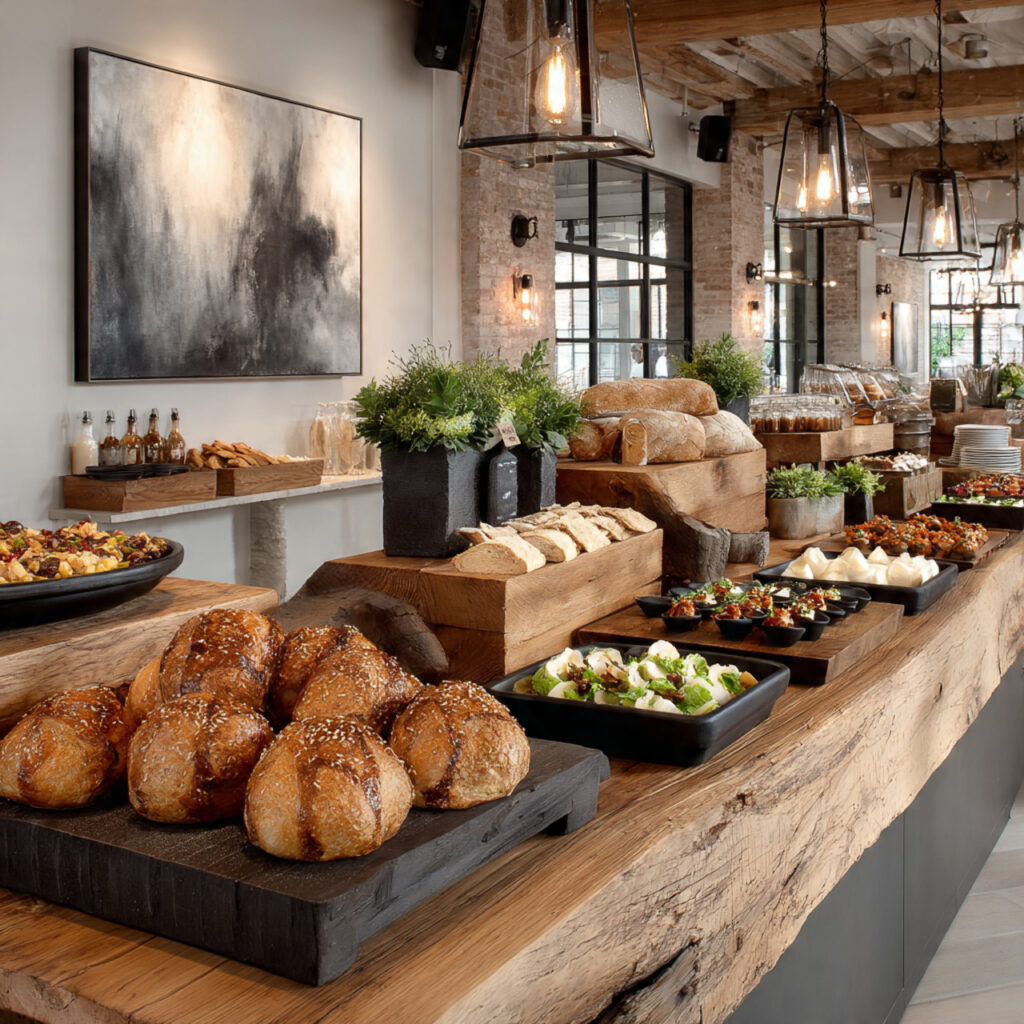
Budgets are real constraints. Smart menus prioritize impact. Use affordable proteins creatively. Focus on seasoning and technique. Transparency with clients builds trust. Good food does not require excess spending.
FAQs
How do I choose the right catering style for my event?
Start with the event goal, duration, and guest behavior. Food should support the purpose, not distract from it.
How much food is enough without wasting?
Accurate guest counts, tight menus, and experienced portion planning reduce waste more than over-ordering.
Are interactive stations always better?
No. They work when space, staffing, and timing allow. They fail when lines form or chefs are underprepared.
How far in advance should menus be finalized?
At least two to three weeks before the event. This allows sourcing, staffing, and contingency planning.
What matters more, menu creativity or execution?
Execution. Guests forgive simple food done well. They do not forgive poor service.
Conclusion
Catering succeeds when it respects reality. Guests want food that fits the moment, tastes good, and arrives on time. Trends come and go, but fundamentals remain. Clear menus, honest portions, and disciplined execution define events people remember for the right reasons. Catering ideas food should always serve the experience, not overshadow it.