19 Comfy Wedding Shoes ideas That Balance Style and Comfort
Weddings last longer than planned. Ceremonies run late. Photos stretch on. Receptions turn into marathons. The wrong footwear can ruin the day fast. Style matters, but comfort decides how you feel, move, and remember the experience.
This guide focuses on comfy wedding shoes that hold up in real conditions. No fantasy picks. No trends that fail after one hour. These are ideas grounded in balance, support, materials, and wearability. Each option suits a different type of bride, venue, and timeline. The tone here is simple. The goal is function without sacrificing elegance.
Block Heel Sandals for All-Day Stability

Block heel sandals are one of the safest choices when searching for comfy wedding shoes. The wider heel distributes weight evenly and reduces pressure on the ball of the foot. This matters during long ceremonies and extended standing. A moderate block heel offers height without the wobble. It works on grass, stone, wood floors, and carpet. The foot stays grounded, which reduces ankle strain. Adjustable ankle straps improve fit and prevent slipping as feet swell throughout the day.
Leather or suede uppers mold to the foot over time. Cushioned insoles matter more than heel height. A block heel sandal with padding can outperform a lower heel with poor construction. This style suits outdoor weddings, summer ceremonies, and receptions with dancing. It also transitions well into post-wedding wear, which adds value.
Bridal Flats Designed for Formal Wear
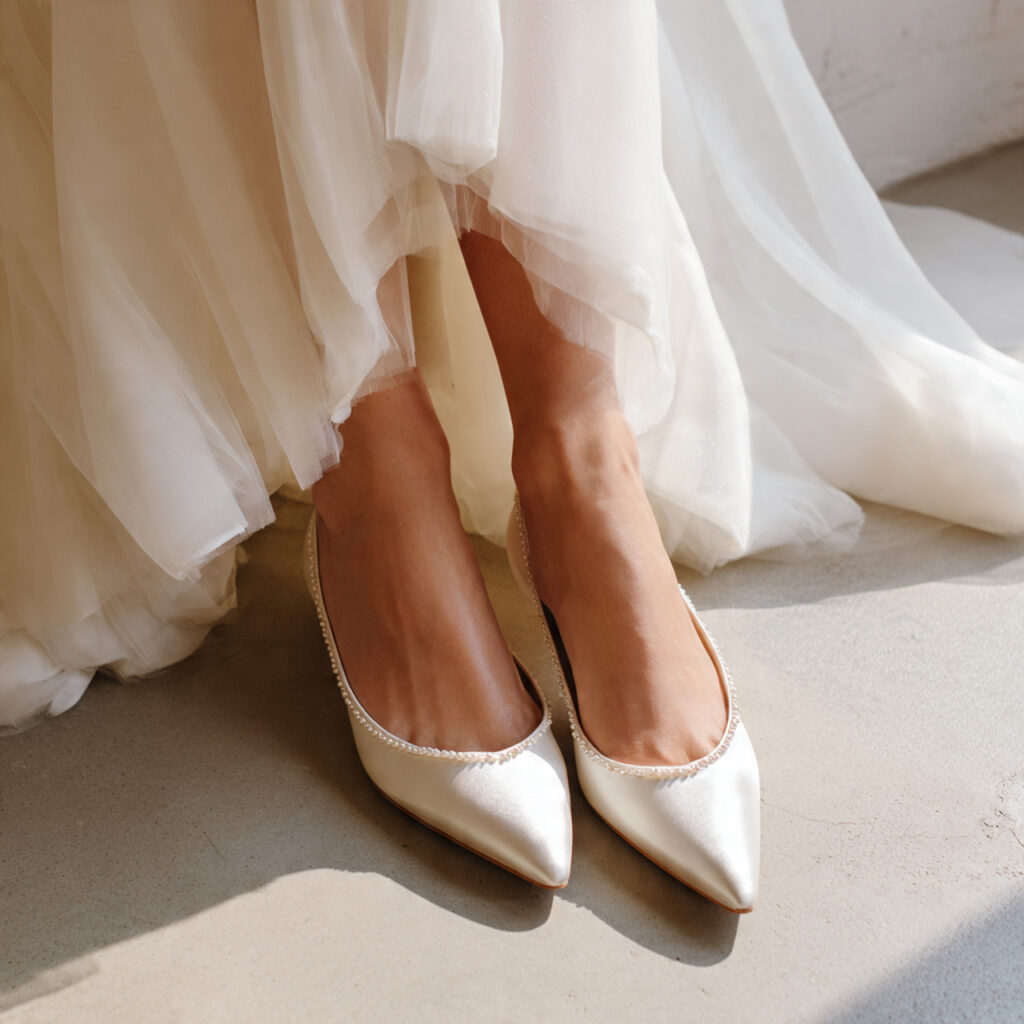
Flats are often dismissed as casual, but formal bridal flats have evolved. When designed correctly, they qualify as true comfy wedding shoes without looking like a compromise. Pointed-toe flats elongate the leg and photograph well. Satin, silk, or leather finishes elevate the look. Minimal embellishment keeps the design clean and timeless.
Comfort comes from flexible soles, padded footbeds, and breathable linings. Cheap flats fail because they lack structure. Well-made flats provide light arch support and prevent foot fatigue. They work best for brides who prioritize movement and certainty. Flats remove the risk of tripping and eliminate heel pain entirely. They also simplify walking on uneven surfaces. This option suits minimalist gowns, courthouse weddings, and long receptions.
Low Heels with Cushioned Insoles

Low heels sit between flats and high heels. They are a balanced solution for brides who want lift without pain. Many consider them the most reliable comfy wedding shoes for traditional ceremonies. The key feature is cushioning. Memory foam or gel insoles reduce impact. A heel height between one and two inches provides posture support without stress.
Low heels also allow for better posture alignment than flats for some wearers. They reduce calf strain compared to higher heels. Closed-toe designs add structure and security. This option fits classic wedding styles and formal venues. It works with long gowns where the shoe is mostly hidden but still needs to perform.
Wedges Built for Outdoor Venues
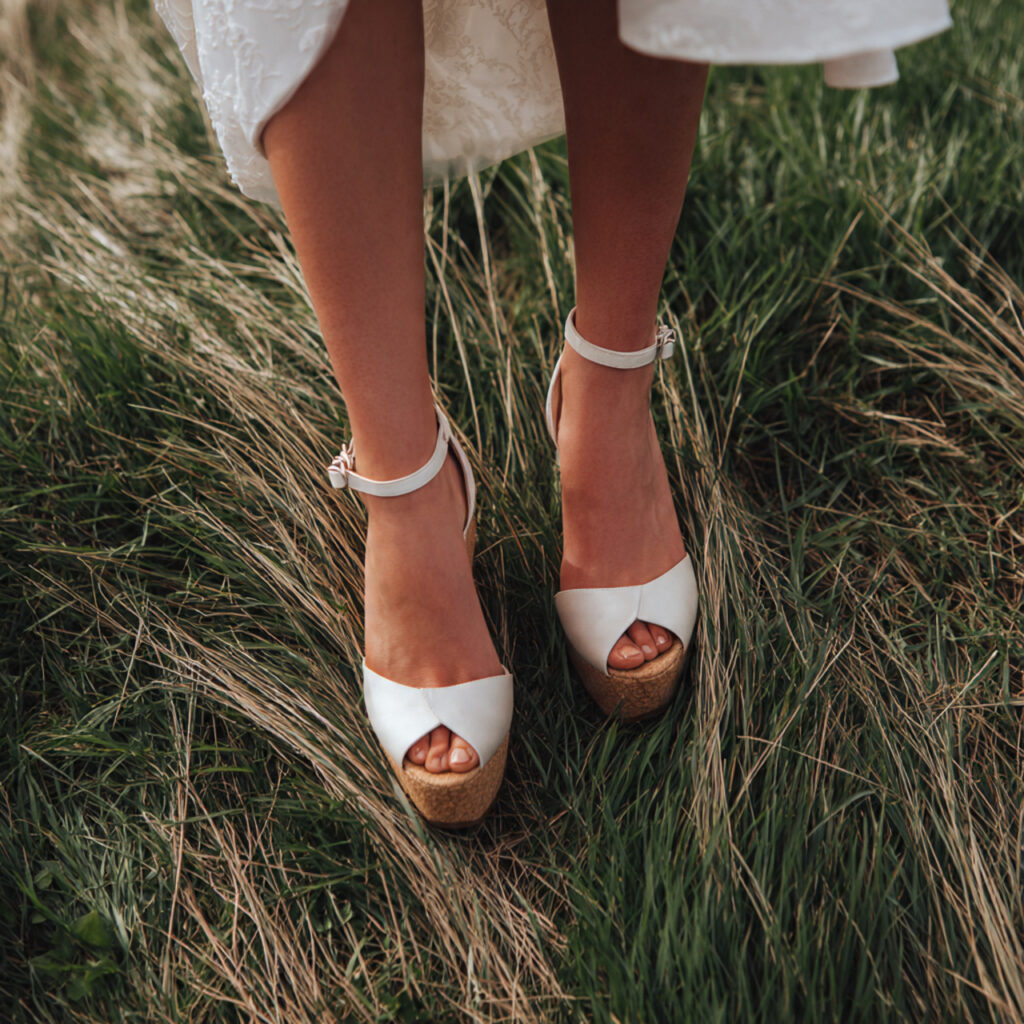
Outdoor weddings introduce unpredictable terrain. Grass, gravel, sand, and uneven stone challenge traditional heels. Wedges solve that problem and qualify as dependable comfy wedding shoes. The continuous sole prevents sinking and distributes weight across the foot. This reduces pressure points and stabilizes movement. Wedges also provide height without instability.
Look for lightweight materials and cushioned footbeds. Cork or rubber soles absorb shock better than hard wood. Ankle straps add security without cutting circulation. Wedges pair well with flowing dresses and bohemian aesthetics. They are practical without looking utilitarian.
Bridal Sneakers for Modern Celebrations
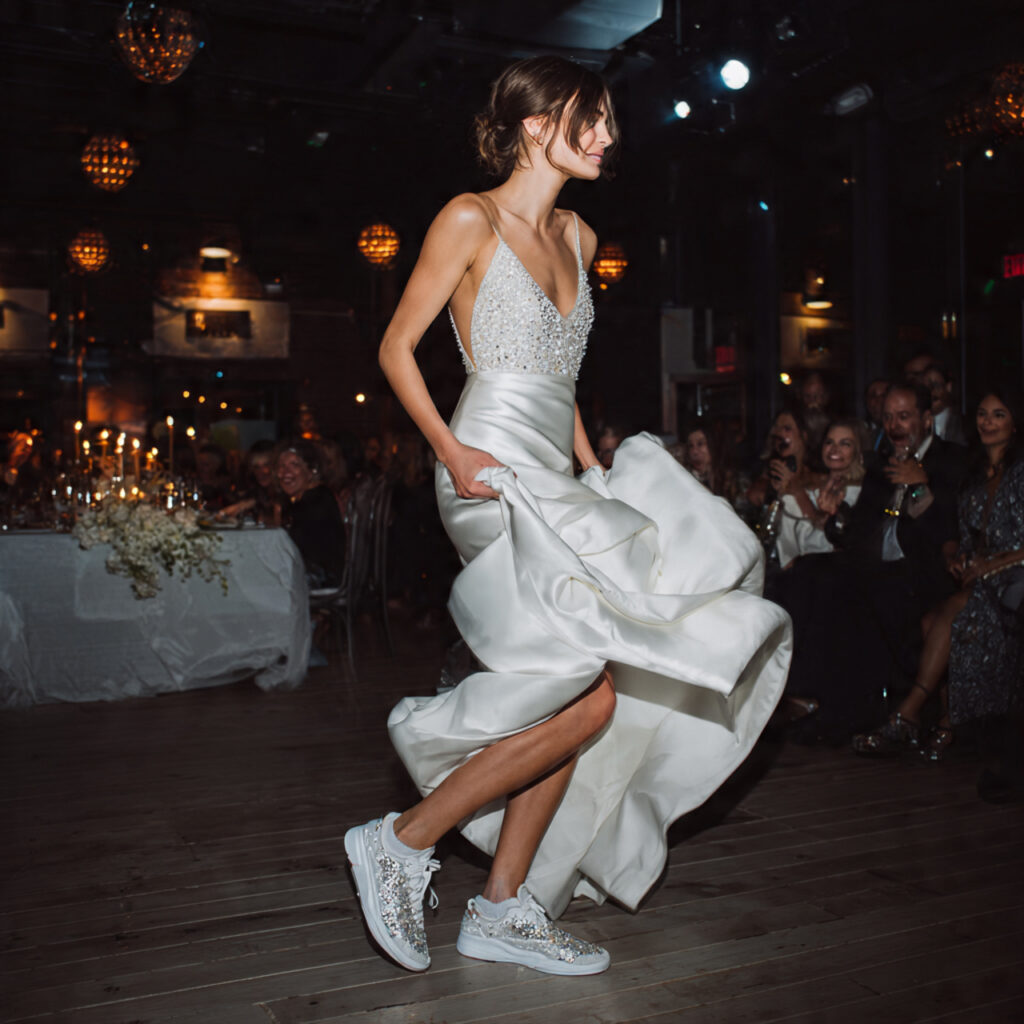
Sneakers have entered the bridal world for a reason. They work. When chosen carefully, they become unexpectedly effective comfy wedding shoes. Bridal sneakers are typically white or neutral, with subtle embellishments. They offer full foot support, shock absorption, and breathability. This matters for long days and high-energy receptions.
They are ideal for brides planning heavy dancing or long walking distances. They also suit casual venues and modern aesthetics. The key is fit and quality. Avoid stiff soles or narrow toe boxes. A well-cushioned sneaker can outperform most dress shoes in comfort. This option breaks tradition but delivers performance.
Kitten Heels with Flexible Soles

Kitten heels are often misunderstood. When designed with flexibility and padding, they qualify as effective comfy wedding shoes. The low heel reduces strain while maintaining a formal silhouette. Flexible soles allow natural foot movement. This prevents stiffness and pain over time. Kitten heels work best with closed-toe designs that hold the foot securely. Soft linings reduce friction. Avoid overly narrow toe boxes. They suit vintage-inspired dresses and formal indoor venues. They also photograph well from all angles.
Custom-Made Shoes Tailored to Your Feet
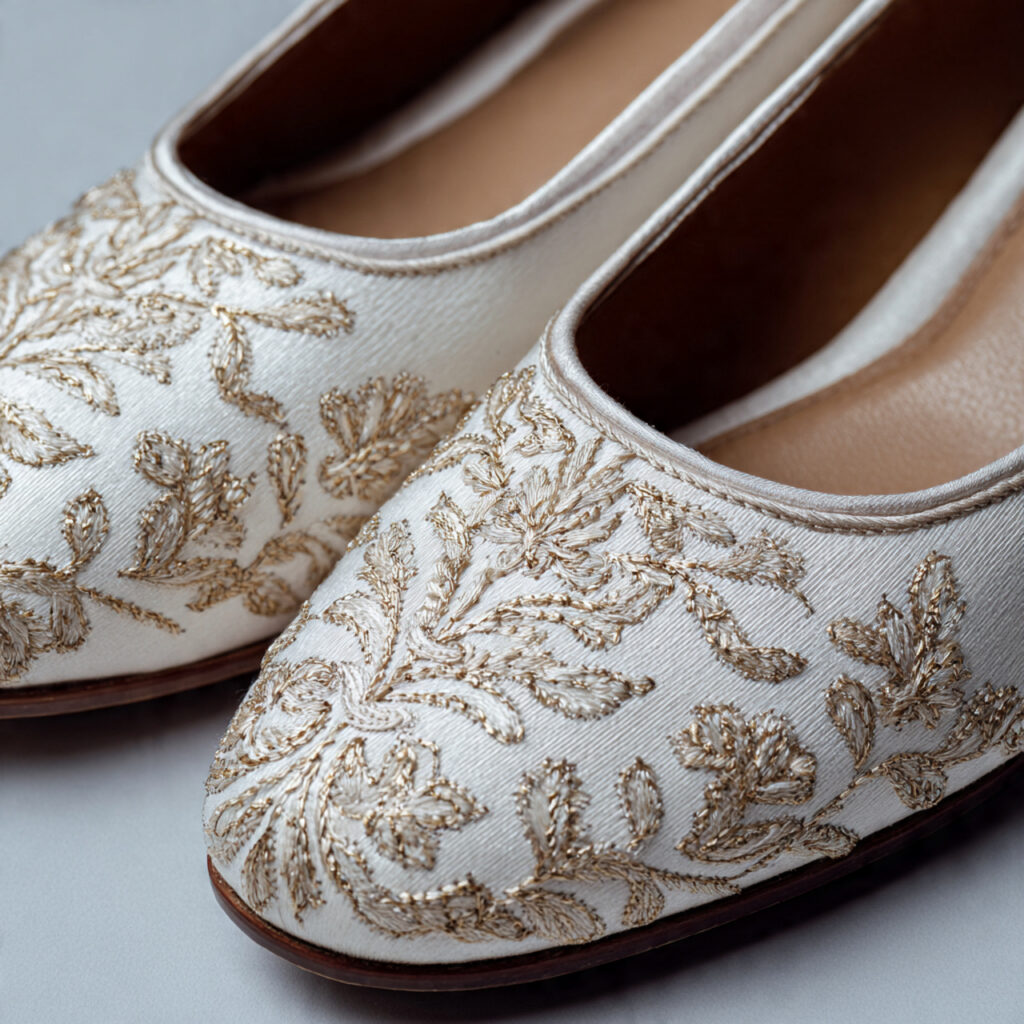
Custom shoes remove guesswork. They are among the most reliable comfy wedding shoes if budget allows. A custom fit accounts for foot width, arch height, and pressure points. Materials are selected for comfort and durability. Insoles can be designed to support specific needs. This option benefits brides with foot conditions or size discrepancies. It also suits those who struggle with standard sizing. The process takes time. Fittings matter. But the result is footwear built for the day, not adapted from retail stock.
Soft Leather Pumps with Arch Support

Classic pumps remain popular, but not all qualify as comfy wedding shoes. The difference lies in construction. Soft leather uppers adapt to the foot. Built-in arch support reduces fatigue. Moderate heel heights perform better than extremes. Look for padded insoles and balanced heel placement. Avoid rigid soles. A slight platform can reduce heel angle and improve comfort. This option suits formal gowns and traditional ceremonies. It requires careful selection but rewards with elegance and function.
Ankle Strap Shoes for Secure Fit
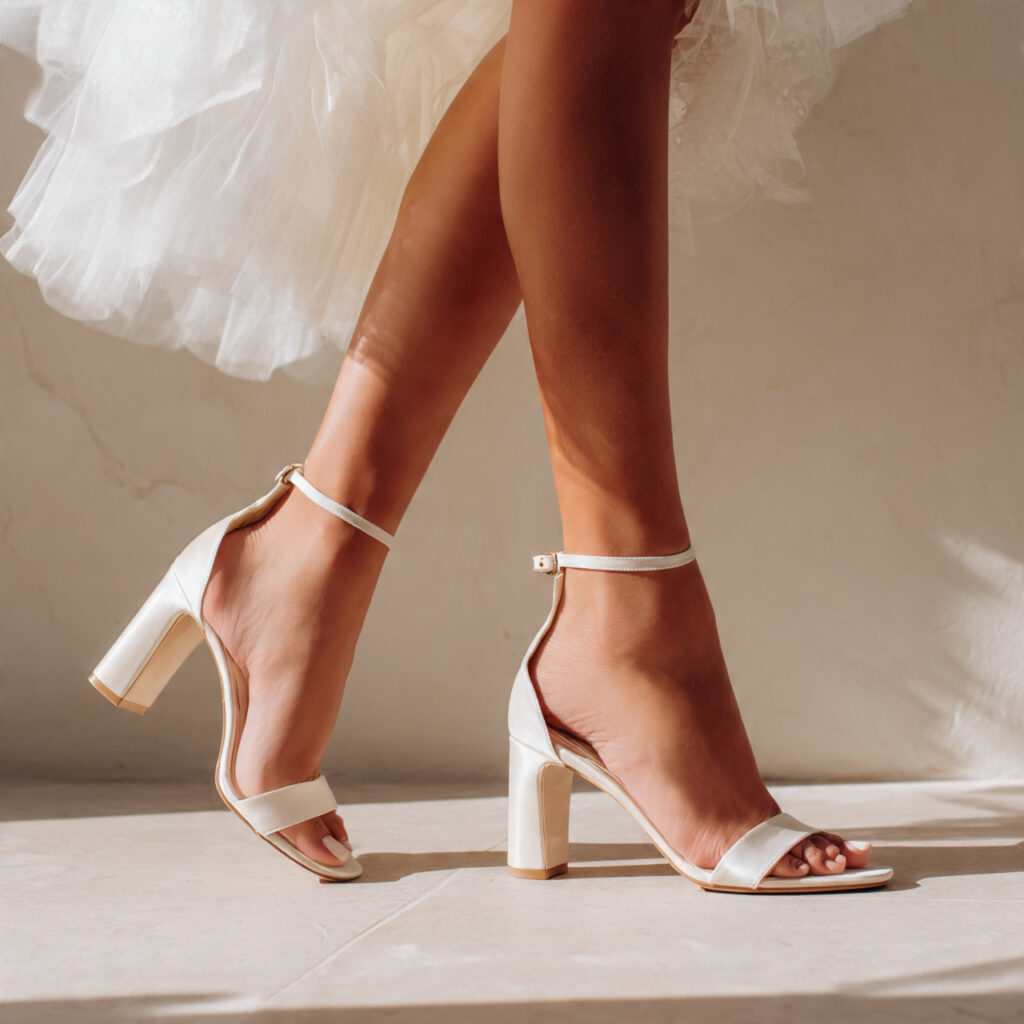
Shoes that slip cause stress. Ankle strap designs prevent that and improve overall comfort. When well-designed, they become dependable comfy wedding shoes.
The strap stabilizes the foot and distributes pressure. It reduces toe gripping, which causes fatigue. Adjustable closures allow for swelling adjustments. This style works across heel types, from flats to wedges. It also adds visual interest without excess decoration. Comfort improves when the strap is soft and well-placed. Avoid tight or rigid materials.
Ballet-Inspired Bridal Slippers
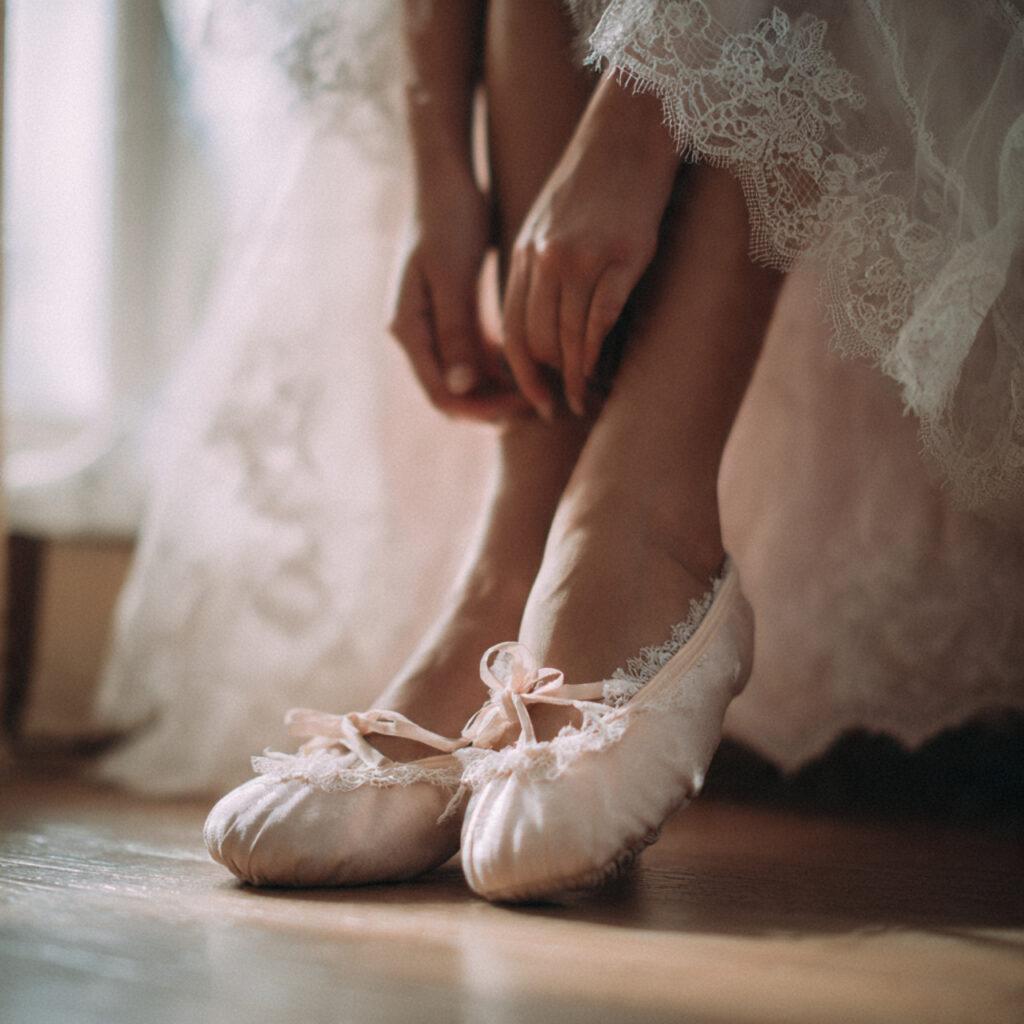
Ballet slippers adapted for weddings focus on softness and flexibility. They rank high among comfy wedding shoes for brides prioritizing ease.
These shoes feature thin soles, soft linings, and minimal structure. They allow natural foot movement and reduce pressure points. They work best for indoor venues and lighter activity levels. They suit intimate weddings and minimalist aesthetics. The limitation is support. Brides needing arch support should look elsewhere. But for short ceremonies and relaxed receptions, they perform well.
Platform Shoes with Balanced Weight Distribution
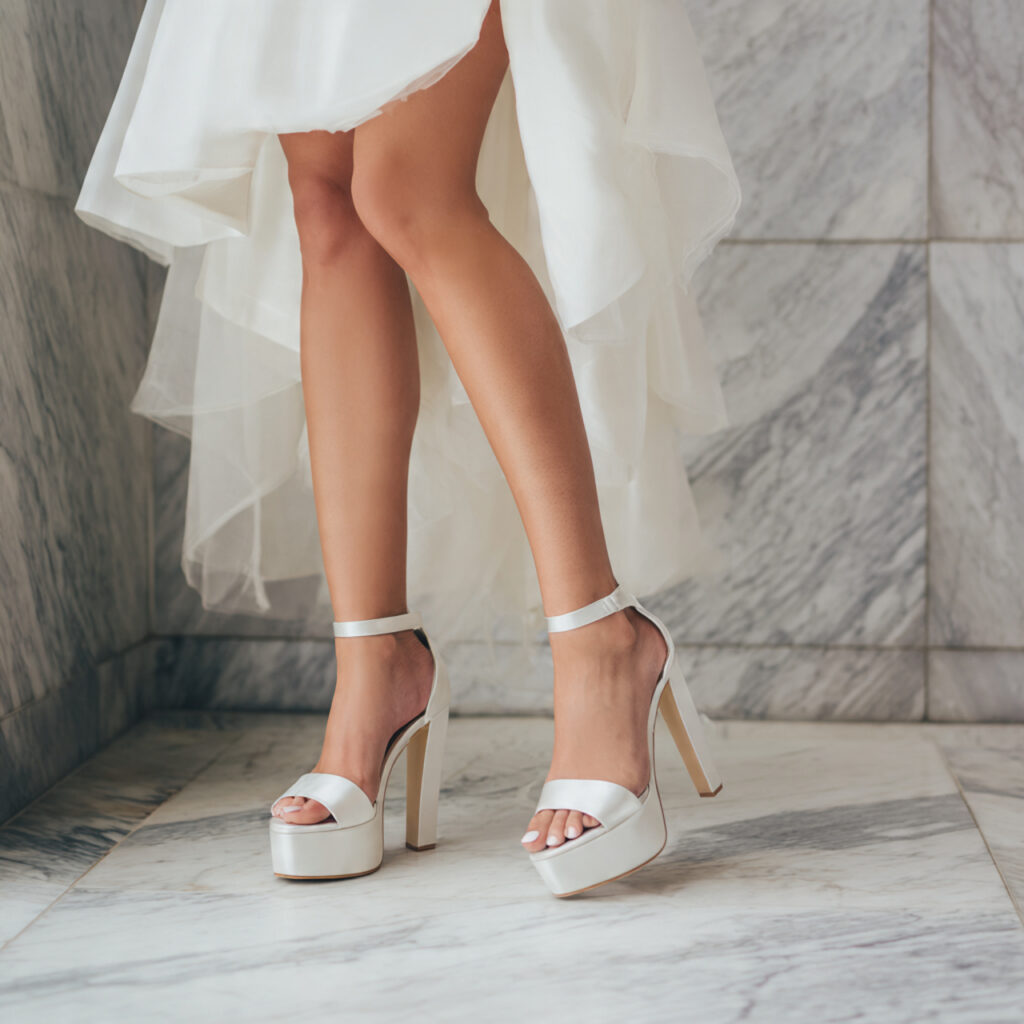
Platforms reduce heel angle while preserving height. This makes them a viable option for comfy wedding shoes when designed correctly. The platform absorbs shock and spreads weight across the foot. This reduces forefoot pressure. A stable heel adds support. Materials matter. Lightweight platforms outperform heavy ones. Cushioned insoles improve endurance. Platforms suit bold styles and modern dresses. They work well on flat surfaces.
Lace-Up Shoes for Adjustable Comfort

Lace-up designs allow micro-adjustments throughout the day. This flexibility improves comfort and fit, making them effective comfy wedding shoes. As feet swell, laces can be loosened. This prevents pressure buildup. The design also stabilizes the foot. Lace-up flats, heels, and wedges exist. The key is soft materials and proper tension. This option suits brides who want control over fit without sacrificing style.
Espadrilles for Summer Weddings

Espadrilles combine casual structure with breathable materials. They qualify as comfy wedding shoes for warm-weather ceremonies. The rope sole is lightweight and flexible. Canvas or leather uppers allow airflow. Wedge espadrilles add height without instability. They suit outdoor venues and relaxed dress codes. They pair well with lightweight gowns. Avoid cheap versions with stiff soles. Quality construction matters.
Orthopaedic-Inspired Shoes with Bridal Design

Orthopedic features no longer mean unattractive shoes. Many modern designs integrate support into elegant forms, creating truly comfy wedding shoes. Features include arch support, cushioned insoles, and ergonomic shaping. When hidden within bridal aesthetics, they deliver comfort discreetly. This option suits brides with plantar fasciitis, flat feet, or chronic pain. It prioritizes health without sacrificing appearance. Fit testing is essential. Not all supportive shoes suit every foot.
Slingback Shoes for Breathability
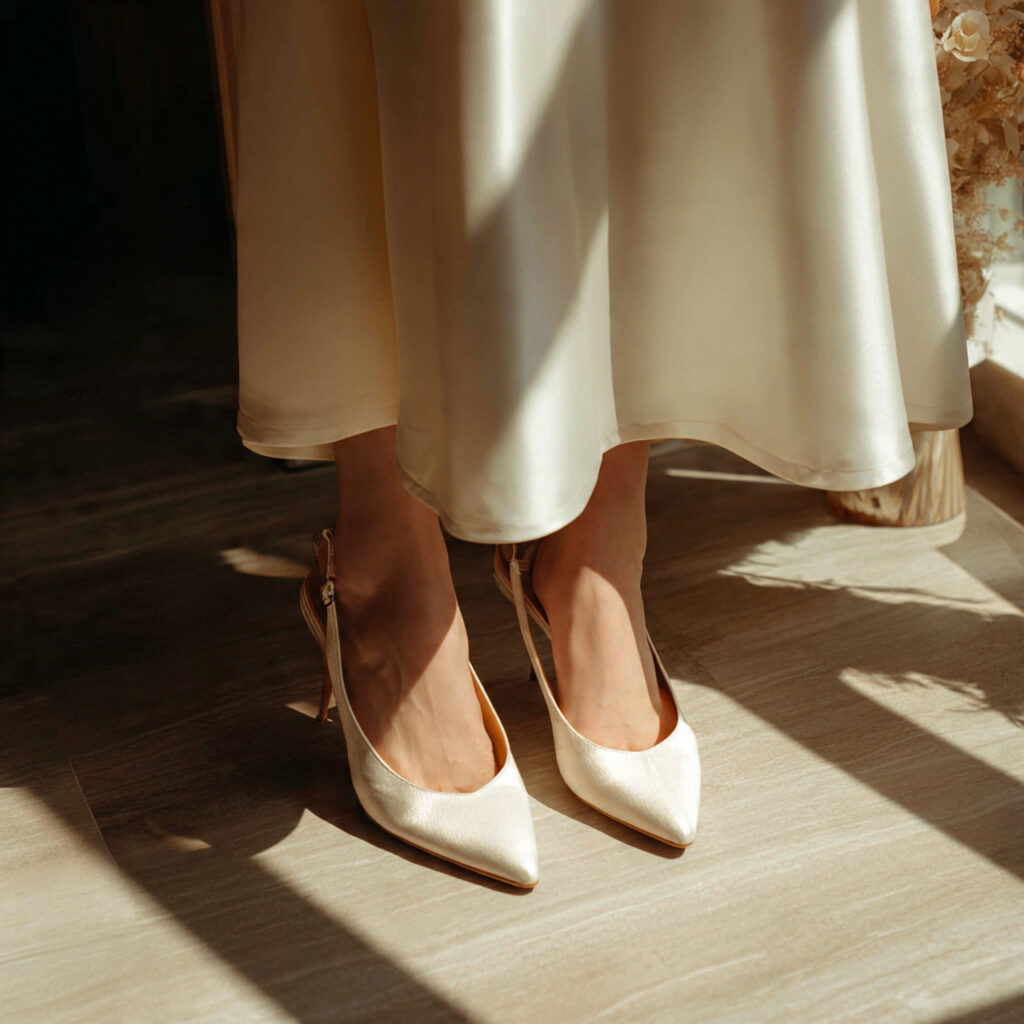
Slingbacks offer structure without full enclosure. This balance improves comfort, making them viable comfy wedding shoes. The open heel reduces heat buildup. The strap maintains fit. Cushioned insoles reduce impact. They suit moderate activity levels and indoor venues. They also adapt well to foot swelling. Avoid narrow straps that dig into skin. Width matters.
Minimalist Sandals with Supportive Footbeds
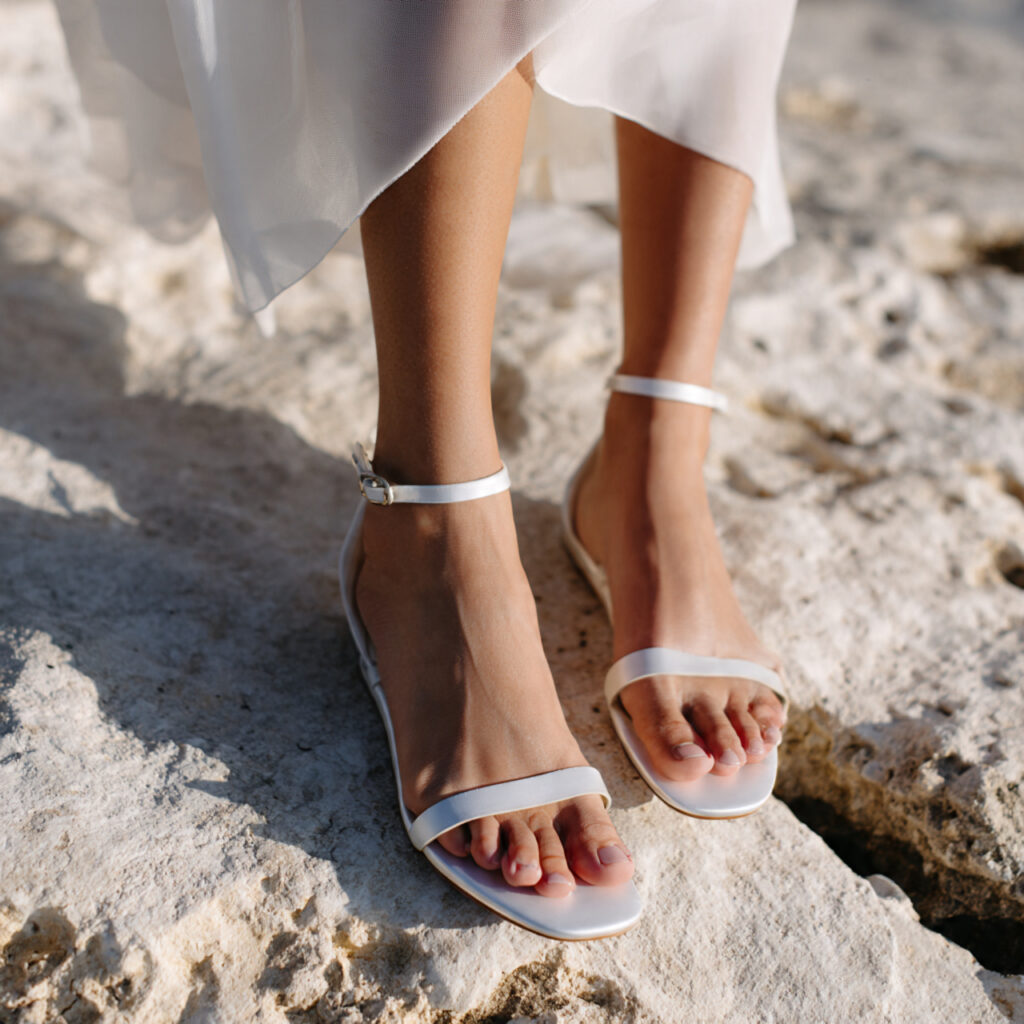
Minimalist does not mean unsupported. Some sandals combine clean design with engineered footbeds, qualifying as comfy wedding shoes. Look for contoured soles and soft straps. Avoid flat, hard bases. A slight heel drop improves posture. This option suits beach weddings and casual receptions. It pairs well with simple gowns. Comfort depends on construction, not appearance.
Convertible Shoes with Removable Heels

Convertible designs allow heel removal or adjustment. They offer flexibility and qualify as innovative comfy wedding shoes. Brides can wear heels for the ceremony and switch to flats for the reception without changing shoes. This reduces packing and planning stress. The mechanism must be secure. Poorly designed systems fail. Quality matters. This option suits long weddings with varied activities.
Velvet or Fabric Shoes with Padding

Fabric shoes offer softness and flexibility. When padded correctly, they become effective comfy wedding shoes. Velvet and fabric reduce friction. Padded insoles absorb shock. Lightweight construction improves endurance. They suit cooler seasons and indoor venues. They also photograph well. Avoid unlined fabrics that cause irritation.
Second-Pair Strategy for Extended Comfort
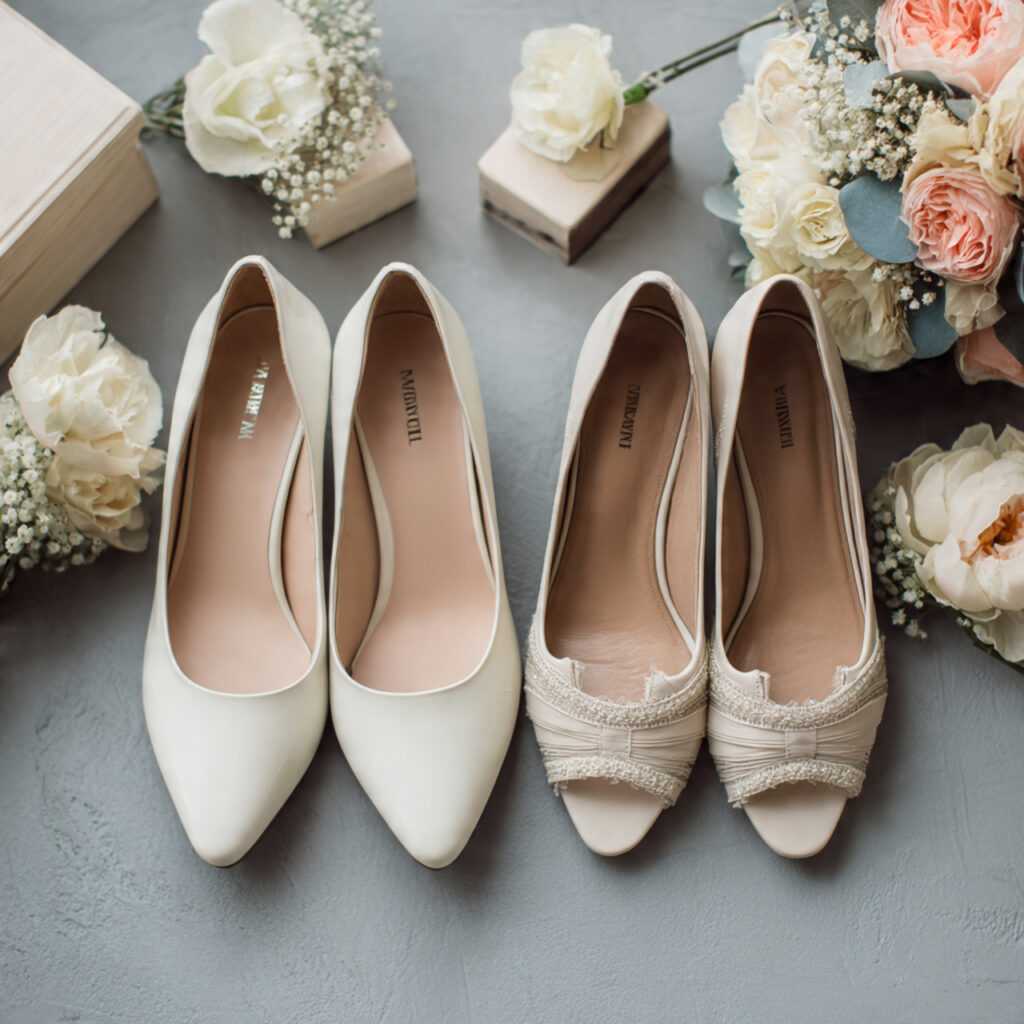
Sometimes the best solution involves two pairs. Planning a switch ensures comfort without compromise, making the overall approach to comfy wedding shoes more realistic. Start with a formal pair for the ceremony. Switch to a comfort-focused pair for the reception. This preserves style and stamina. Both pairs should be broken in. The second pair should prioritize cushioning and support. This strategy suits long weddings and high-energy receptions.
Reality-Based FAQs
Are comfy wedding shoes less stylish than traditional heels?
Not anymore. Modern designs integrate comfort features into elegant forms. Style and comfort no longer conflict by default.
How far in advance should wedding shoes be broken in?
At least two weeks. Wear them indoors for short periods. This reduces stiffness and identifies issues early.
Do cushioned insoles change shoe fit?
Yes. Insoles can improve comfort but may reduce space. Choose shoes with enough room to accommodate them.
Is it safe to wear new shoes on the wedding day?
It is risky. New shoes often cause blisters and pain. Testing beforehand is essential.
Can comfort-focused shoes handle long dancing sessions?
Only if they provide support and cushioning. Flats and sneakers often outperform heels for extended dancing.
Conclusion
Comfort is not optional. Weddings demand endurance. Shoes that fail distract, limit movement, and affect mood. The right choice depends on venue, dress, and personal needs. There is no universal solution. The best approach balances structure, materials, and fit. Comfy wedding shoes exist because reality demands them. Choose function first. Style will follow.