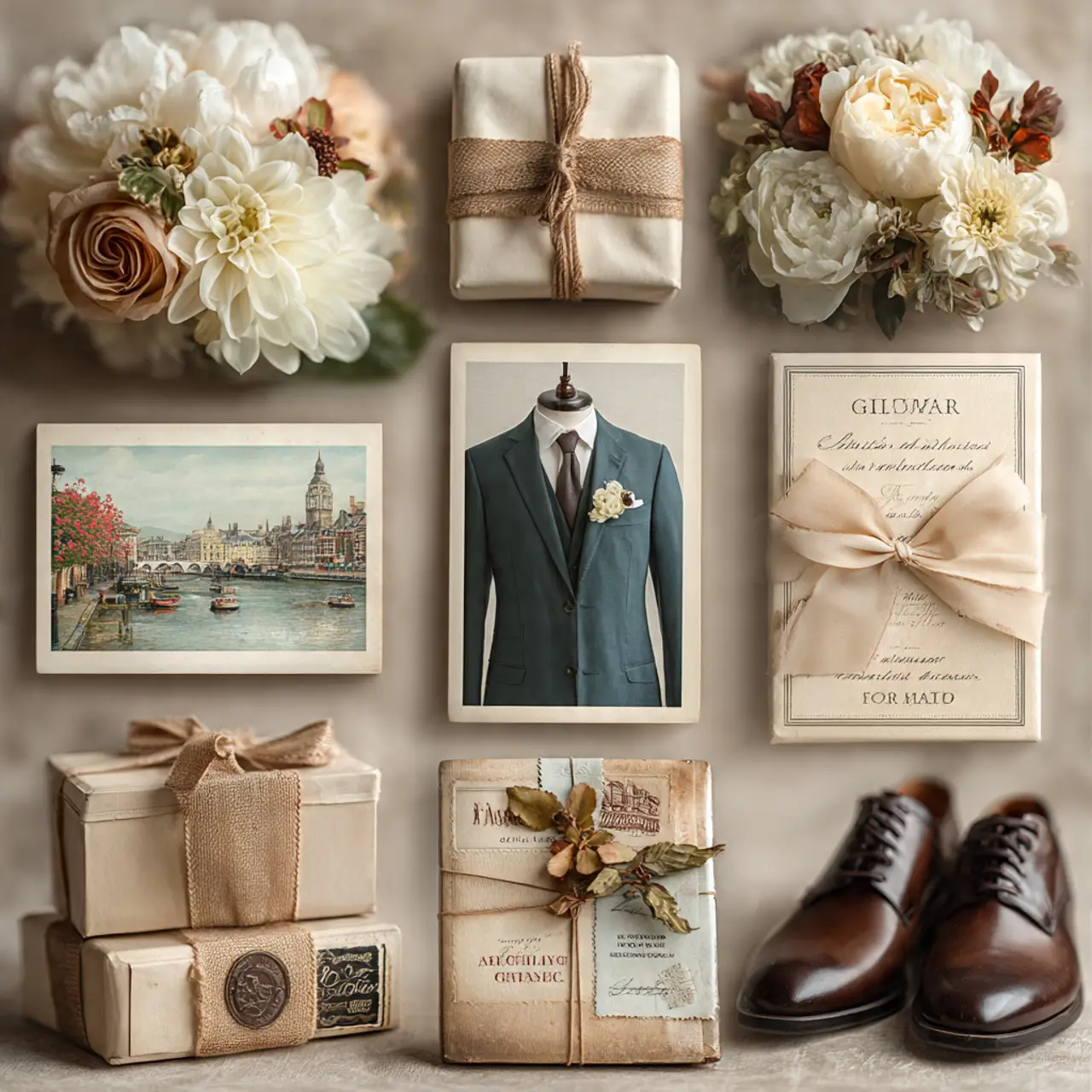
22 Cottage Wedding Ideas That Feel Natural and Timeless
A cottage wedding is not about excess. It is about intention, warmth, and a setting that feels lived-in rather than staged. Couples choose this style because it values atmosphere over spectacle and meaning over scale. The charm comes from simplicity, from textures that feel natural, and from moments that unfold without force.
This guide explores twenty-two grounded ideas that work for a cottage wedding in real settings, not styled shoots. Each idea is practical, adaptable, and rooted in what actually works when people gather to celebrate. The focus is on choices that create comfort, visual harmony, and emotional depth while staying realistic for planning and budgets.
Cottage Setting Selection

A cottage wedding begins with the right place. The setting defines everything else. Look for a cottage that feels authentic, not overly renovated or styled to imitate rustic charm. Original wood beams, uneven stone paths, and imperfect gardens add character that cannot be recreated with décor.
Choose a location that can comfortably host your guest count without stretching the space. A smaller, well-used area feels more intimate than a large venue filled with rented furniture. Accessibility matters too. Guests should be able to arrive, move around, and stay safe without difficulty. When the setting feels right, the rest of the planning becomes simpler. The environment does much of the work for you.
Intimate Guest List

A cottage wedding works best with a considered guest list. These spaces are not designed for crowds. Limiting numbers allows everyone to relax and engage rather than navigate logistics.
An intimate gathering encourages longer conversations, shared meals, and a sense that everyone present truly belongs. It also reduces costs and complexity across catering, seating, and accommodations. This approach is not about exclusion. It is about honoring the space and the experience. When the guest list aligns with the scale of the cottage, the celebration feels natural rather than forced.
Natural Ceremony Backdrop

The ceremony area should use what already exists. A garden wall, a line of trees, or the side of the cottage itself often provides enough visual interest. Avoid heavy arches or elaborate installations that compete with the environment. Simple elements like a few gathered flowers or fabric tied loosely to posts can define the space without overwhelming it. The focus should remain on the couple and the moment, not on decoration. In a cottage wedding, restraint creates clarity. The quieter the backdrop, the more meaningful the ceremony feels.
Seasonal Flower Choices

Flowers should reflect the season rather than fight it. Seasonal blooms are fresher, more affordable, and better suited to the surroundings of a cottage wedding. Wildflowers, garden roses, herbs, and greenery often feel more appropriate than exotic or heavily styled arrangements. Imperfect stems and varied textures add depth and realism. Arrangements do not need to match exactly. Variation is part of the charm. When flowers look like they belong to the place, they enhance the atmosphere without drawing attention to themselves.
Simple Outdoor Seating

Seating should be comfortable, stable, and easy to arrange. Wooden chairs, benches, or mismatched vintage seating often work well in a cottage wedding setting. Avoid overly decorative chairs that prioritize appearance over function. Guests will sit longer than expected, especially during ceremonies and meals. Spacing matters. Allow enough room for people to move easily without feeling crowded. Practical layouts support a relaxed flow throughout the day.
Soft Neutral Color Palette

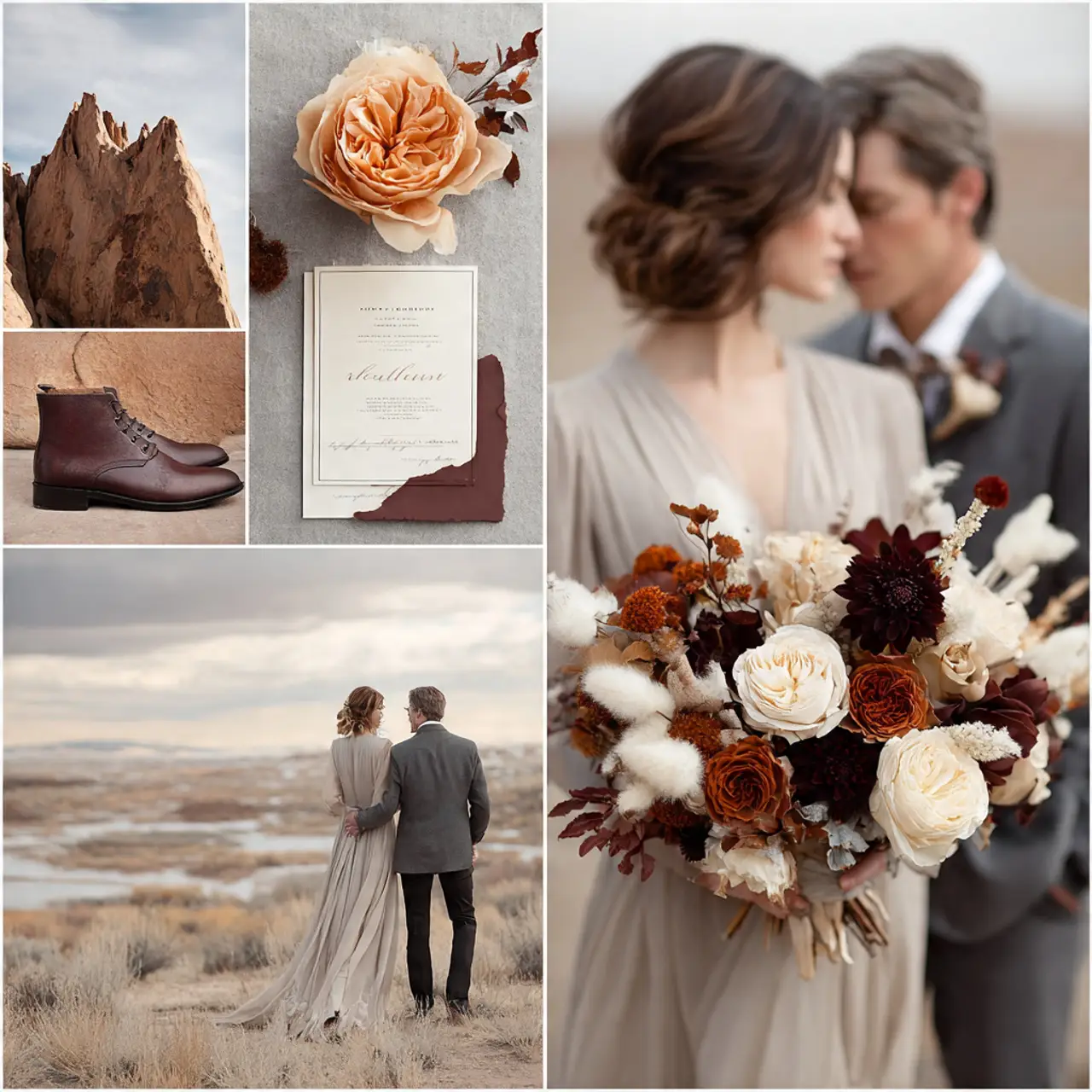
A restrained color palette allows the cottage itself to stand out. Soft neutrals, muted greens, warm whites, and gentle earth tones complement natural materials and lighting. Using too many bold colors can distract from the setting. Instead, let color appear in small ways through flowers, linens, or attire accents. Consistency is more important than trend. A cohesive palette makes the entire event feel intentional and calm.
Cottage-Style Bridal Attire

Attire for a cottage wedding should feel comfortable and personal. For the bride, this often means lighter fabrics, softer silhouettes, and minimal structure. Lace, linen, cotton, or silk blends move well outdoors and suit informal settings. Heavy gowns or rigid tailoring can feel out of place and restrict movement. The goal is ease. Clothing should support the day, not dominate it. When attire aligns with the environment, confidence comes naturally.
Relaxed Groom and Wedding Party Looks

The groom and wedding party should mirror the same relaxed tone. Lightweight suits, vests, or even coordinated separates often suit a cottage wedding better than formal tuxedos. Neutral tones like gray, tan, or soft blue blend well with natural surroundings. Shoes should be practical enough for grass or stone paths. Consistency across the wedding party creates visual harmony, but individuality should not be lost. Comfort leads to better presence and genuine moments.
Thoughtful Welcome Area

A small welcome area sets the tone as guests arrive. This can be as simple as a wooden table with refreshments, handwritten signs, or local information. In a cottage wedding, this area does not need to impress. It needs to inform and comfort. Water, shade, and clear directions are more valuable than elaborate displays. When guests feel considered from the start, they relax more quickly and engage fully with the celebration.
Cozy Indoor Reception Space

If part of the reception takes place indoors, embrace the limitations of the space. Low ceilings, fireplaces, and narrow rooms create intimacy rather than problems. Arrange seating to encourage conversation rather than strict formality. Smaller tables or communal setups work well in cottage interiors. Lighting is key. Soft lamps, candles, and warm bulbs enhance the natural coziness of the space and make it feel welcoming as daylight fades.
Outdoor Dining Experience

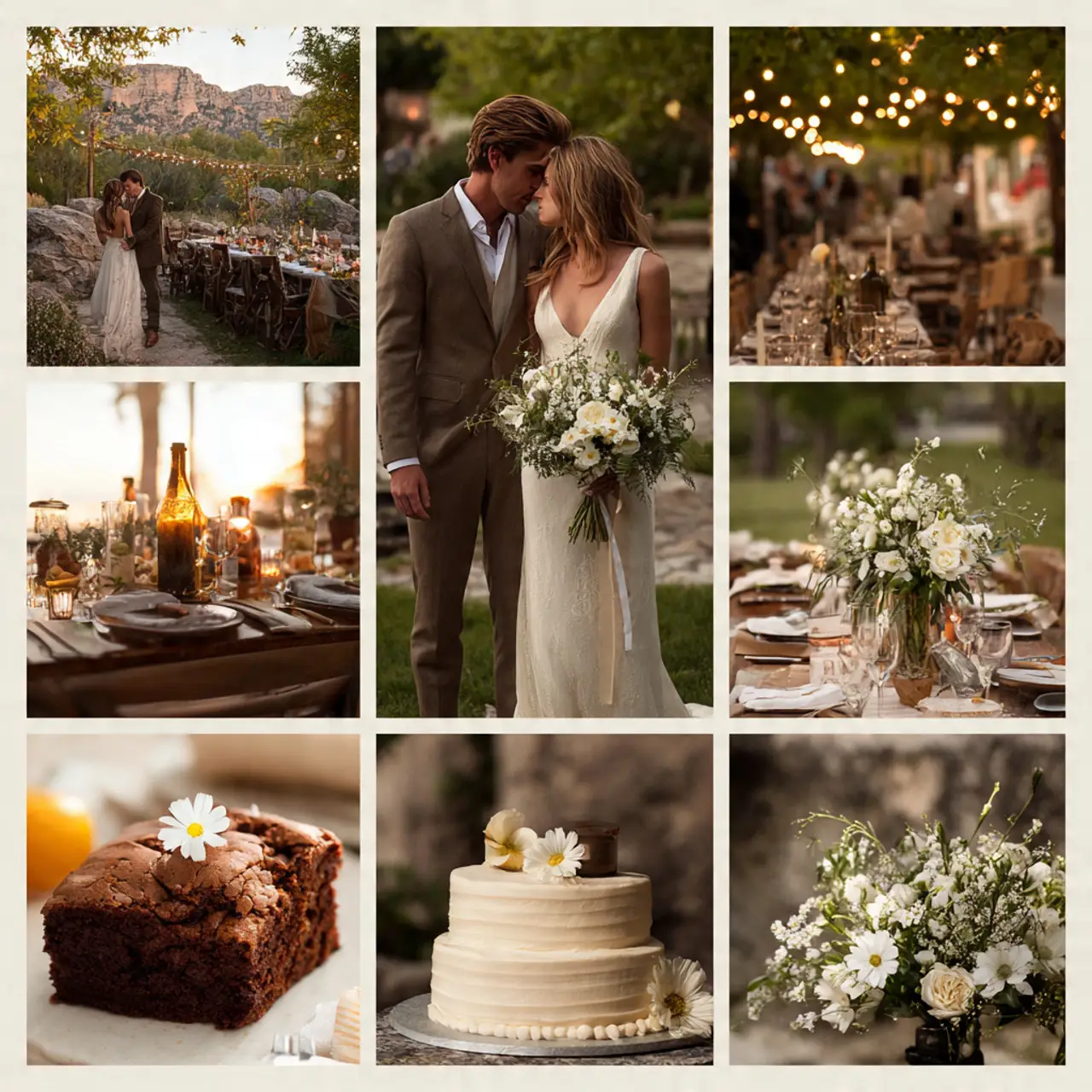
Outdoor meals suit a cottage wedding when weather allows. Long wooden tables, simple linens, and shared dishes create a communal atmosphere. Food should be served in a way that feels generous but not complicated. Family-style meals encourage interaction and reduce the need for strict seating plans. Practical considerations matter. Plan for shade, insects, and temperature changes so guests remain comfortable throughout the meal.
Locally Sourced Menu

A menu based on local ingredients aligns naturally with a cottage wedding. Seasonal produce, regional dishes, and familiar flavors feel honest and grounding. This approach supports local vendors and often results in fresher food. It also simplifies planning, as local caterers understand what works in the area. Avoid overly complex menus that require elaborate preparation or presentation. Simple, well-executed food is remembered more fondly.
Homemade or Rustic Desserts

Desserts do not need to be elaborate. Homemade pies, tarts, or simple cakes fit well within a cottage wedding aesthetic. A small dessert table with variety often works better than a single large cake. Guests can choose what they like, and the display feels abundant without being excessive. Presentation should be straightforward. Wooden stands, ceramic plates, and minimal decoration keep the focus on taste rather than appearance.
Subtle Lighting Design

Lighting transforms a cottage wedding as evening approaches. String lights, lanterns, and candles provide enough illumination without overpowering the setting. Avoid harsh or overly bright lighting. Warm tones are more flattering and maintain the relaxed mood. Lighting should guide movement and highlight key areas like pathways, dining tables, and gathering spots. Good lighting feels invisible when done well.
Acoustic or Live Music

Music should suit the scale of the space. Acoustic musicians or small ensembles work better than large bands in a cottage wedding environment. Live music creates warmth and presence without overwhelming conversation. Volume control is essential, especially in outdoor or shared residential areas. If using recorded music, choose playlists that reflect the mood of each part of the day rather than a single style throughout.
Personal Ceremony Details

Personal touches matter more than spectacle. Handwritten vows, meaningful readings, or family traditions add depth to a cottage wedding. These elements do not require props or staging. They require intention and clarity. When personal details are woven naturally into the ceremony, guests feel connected rather than like observers of a performance.
Nature-Inspired Decor Accents

Decor should echo what is already present. Wood, stone, glass, and natural fibers feel appropriate in a cottage wedding setting. Use décor sparingly. A few well-placed accents are more effective than many competing elements. Let textures do the work. Linen napkins, wooden signs, and simple greenery add interest without clutter.
Comfortable Guest Flow
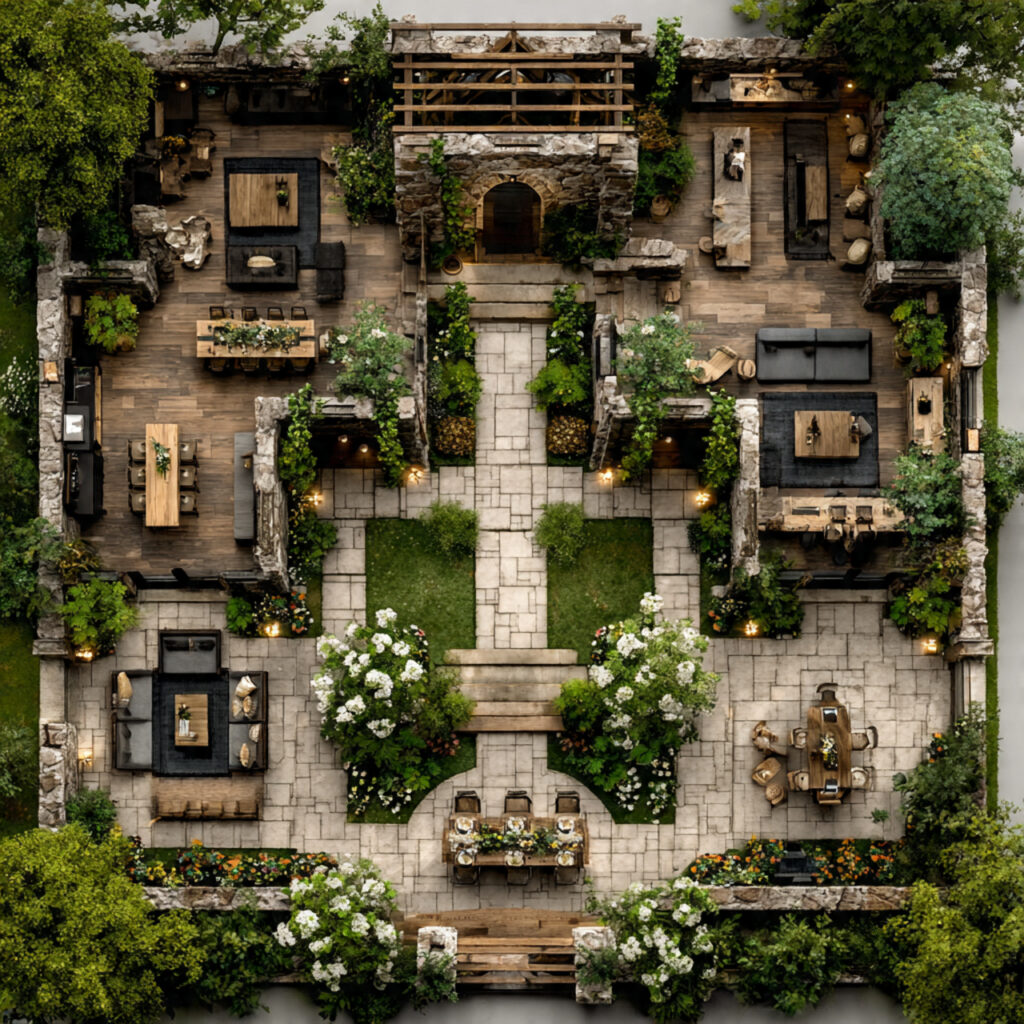
Plan the day so guests move easily from one area to another. Clear paths, visible signs, and logical transitions reduce confusion. A cottage wedding often involves multiple spaces. Make sure guests know where to go and feel confident moving around. Good flow supports relaxation. When logistics fade into the background, the experience becomes more immersive.
Weather-Ready Planning

Outdoor cottage weddings require realistic weather planning. Have contingency options that do not feel like afterthoughts. Tents, indoor alternatives, or adjusted schedules should be planned from the start. Communicate clearly with guests if conditions change. Preparedness does not diminish romance. It protects it.
Thoughtful Favors or Keepsakes
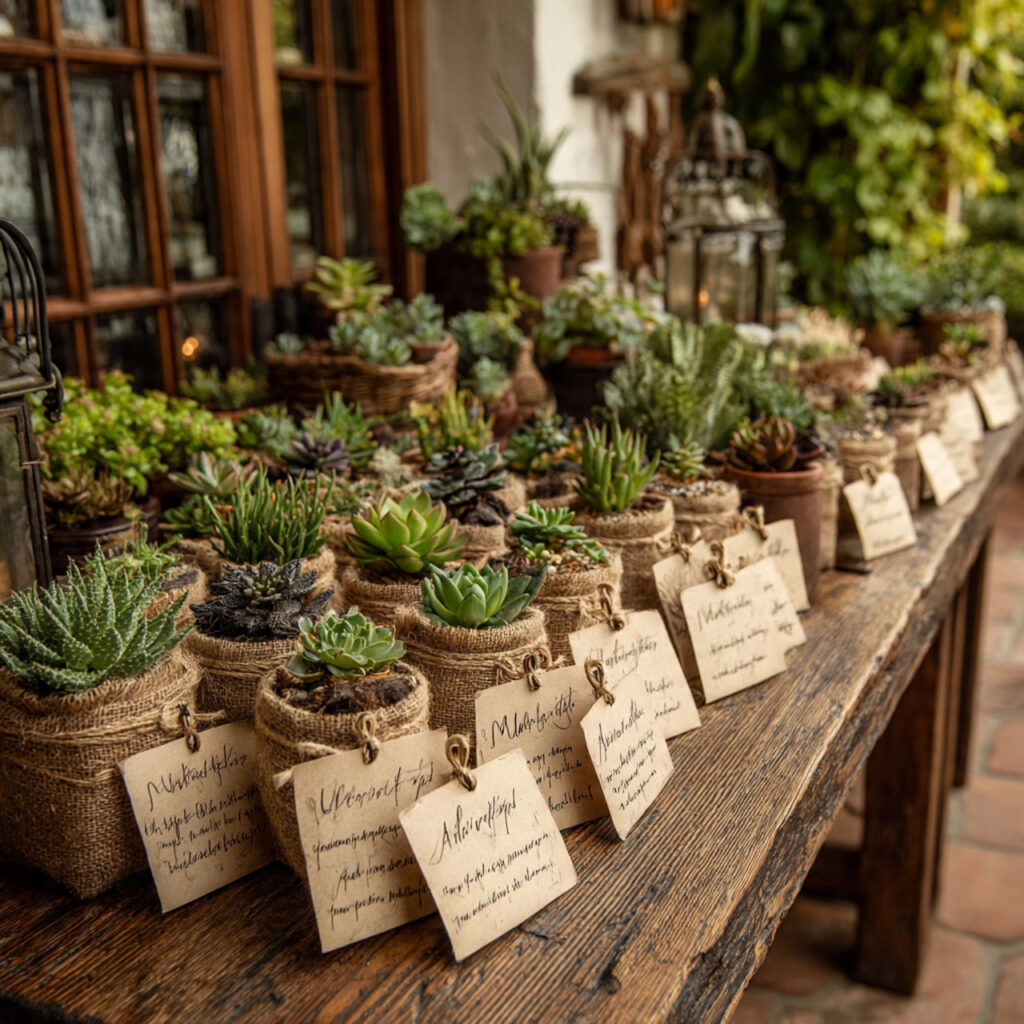
Favors should be useful or meaningful. Small plants, local goods, or handwritten notes suit a cottage wedding better than novelty items. Keep quantities manageable and presentation simple. Favors should feel like gifts, not obligations. If a favor does not add value, it can be skipped. Gratitude can be expressed in many ways.
On-Site Accommodations
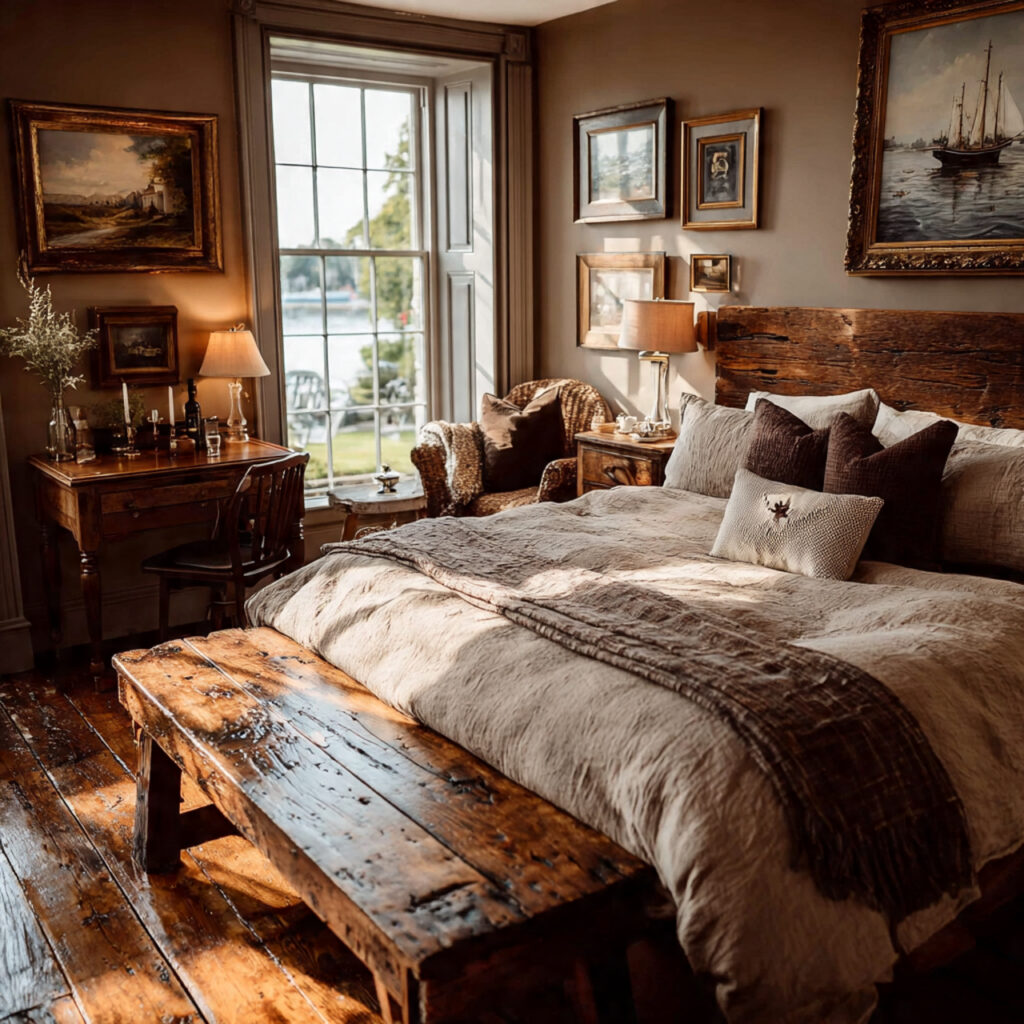
If the cottage offers accommodations, use them wisely. Hosting close family or the wedding party on site can simplify logistics and extend the celebration. Clear communication about lodging expectations prevents confusion. Not everyone needs to stay overnight for the experience to feel complete. On-site stays should enhance comfort, not create pressure.
Quiet Morning-After Gathering

The day after the wedding can be just as meaningful. A casual breakfast or walk allows for reflection and continued connection. This is optional but often appreciated in a cottage wedding setting where guests are nearby. Keeping it informal maintains the tone of the celebration and brings a sense of closure.
FAQs
Is a cottage wedding suitable for larger guest lists?
A cottage wedding works best with small to medium gatherings. Larger guest lists often strain the space and diminish comfort.
Are cottage weddings always outdoors?
No. Many include both indoor and outdoor elements. Flexibility is part of the appeal.
Is this style more affordable than traditional venues?
It can be, but costs depend on location, rentals, and logistics. Simplicity helps control the budget.
Do cottage weddings require rustic décor?
No. The setting provides the character. Décor should support, not define, the style.
How formal should the event be?
Formality is optional. Most cottage weddings lean toward relaxed and personal rather than structured.
Conclusion
A cottage wedding is not defined by trends or grand statements. It is shaped by thoughtful choices, respect for the setting, and a focus on genuine experience. When planning stays grounded, the result feels calm, welcoming, and honest.
The ideas in this guide are meant to support clarity, not overwhelm. Choose what fits your space, your people, and your values. A cottage wedding succeeds when it feels lived in, not staged, and remembered for how it felt rather than how it looked.