Future Wedding Plans: 17 Practical Ways to Plan Better
Planning a wedding used to follow a fixed script. That script is gone. Today, future wedding plans are shaped by values, lifestyle, technology, and a clear desire to create something personal rather than performative. This guide is built for couples who want substance over spectacle. No fluff. No trends for the sake of trends. Just practical, experience-driven ideas that improve the wedding itself—and the life that follows.
Define the Purpose Before the Plan

Most couples jump straight into logistics. Venue. Dress. Guest list. That’s backwards. Start with purpose.
Ask simple but hard questions:
- Why are you getting married?
- What should people feel at your wedding?
- What matters more: experience or display?
Future wedding plans that start with clarity tend to cost less, feel better, and age well. Without this step, everything becomes reactive. Vendors guide your decisions instead of your values. Write your purpose in one paragraph. Keep it visible. Every decision should match it.
Build a Financial Framework That Reflects Reality

Budgets are not limits—they are filters. A clear financial plan protects your relationship from unnecessary stress.
Break your budget into three layers:
- Core experience (venue, food, guest comfort)
- Emotional value (photography, meaningful rituals)
- Optional aesthetics (decor, extras)
Avoid the common trap: spending heavily on what looks good online but feels irrelevant in person. Future wedding plans should prioritize what guests actually remember:
- Food quality
- Comfort
- Flow of the event
- Emotional moments
Allocate money accordingly. Not equally.
Choose a Guest List With Intent

A large guest list does not equal a better wedding. It often reduces intimacy and increases cost without improving experience.
Use a simple rule:
If you haven’t spoken to them in a year and don’t expect to in the next year, reconsider.
Smaller weddings:
- Improve interaction
- Reduce cost
- Allow higher quality per guest
Future wedding plans are shifting toward curated gatherings instead of mass invitations. Focus on relevance, not obligation.
Select a Venue That Supports Your Vision
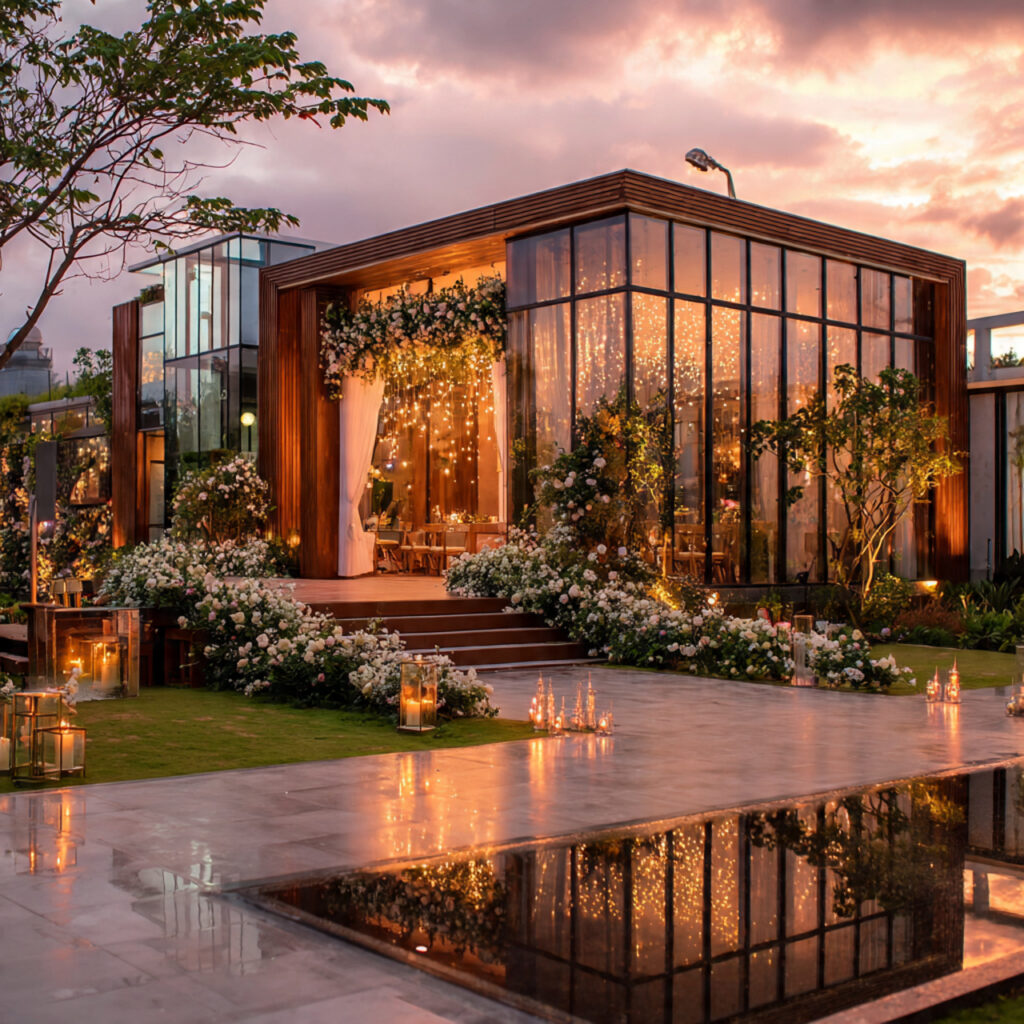
Venue selection should solve problems, not create them.
Choose based on:
- Accessibility
- Weather compatibility
- Built-in infrastructure (restrooms, electricity, seating)
- Natural aesthetic (less need for decor)
Outdoor venues look good but require backup plans. Indoor venues offer control but may lack atmosphere. Future wedding plans benefit from hybrid venues—places that combine indoor and outdoor flexibility.
Align the Timeline With Human Energy
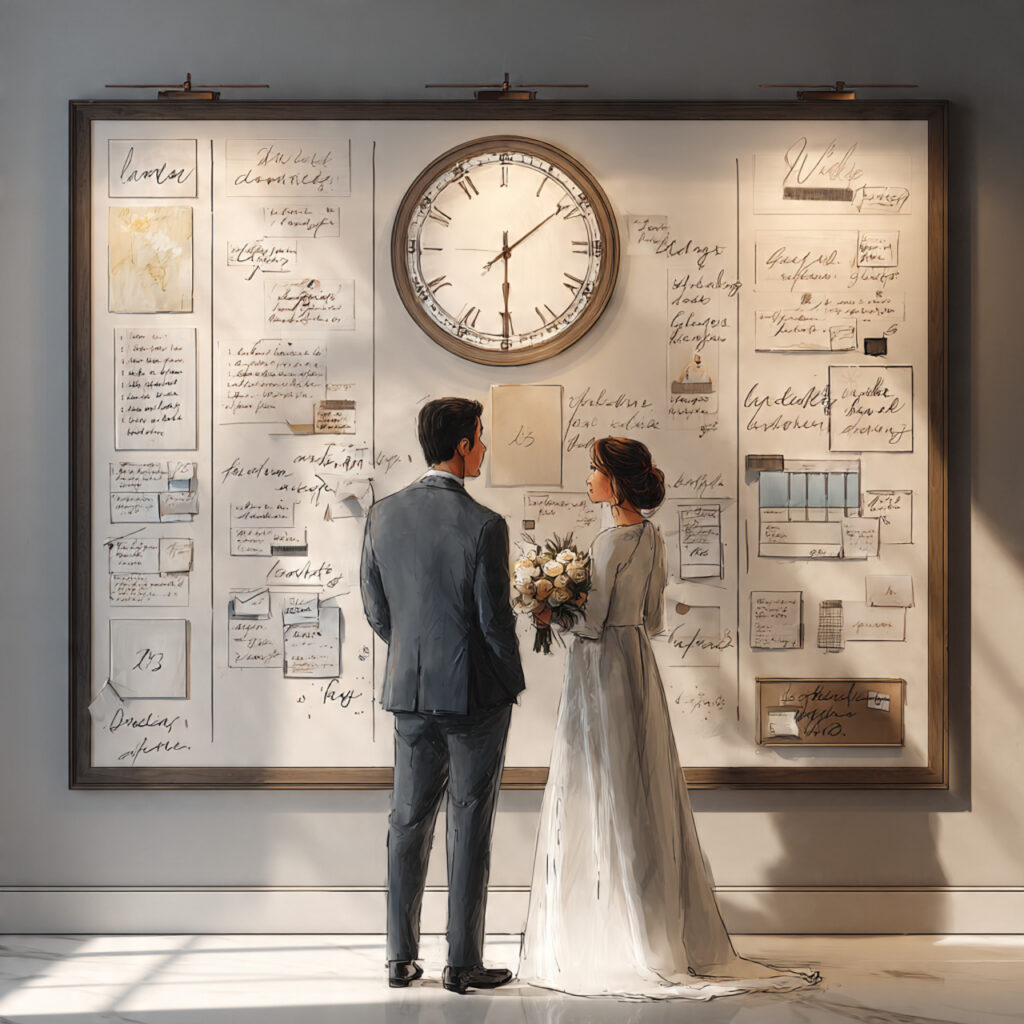
Most weddings fail in pacing. Guests get tired. Events drag. Key moments lose impact. Design your timeline around energy, not tradition.
Example:
- Short ceremony
- Immediate transition to food or drinks
- Gradual build toward main celebration
Avoid long gaps. People disengage quickly. Future wedding plans should prioritize flow over rituals that don’t add value.
Invest in Food That People Actually Enjoy

Guests rarely remember centerpieces. They always remember food.
Focus on:
- Taste over presentation
- Portion size
- Dietary inclusivity
- Avoid overcomplicated menus. Simplicity executed well is more effective.
Future wedding plans increasingly favor:
- Interactive food stations
- Local cuisine
- Comfort food with quality ingredients
Food is not just a service. It is a core memory driver.
Design a Ceremony That Feels Honest
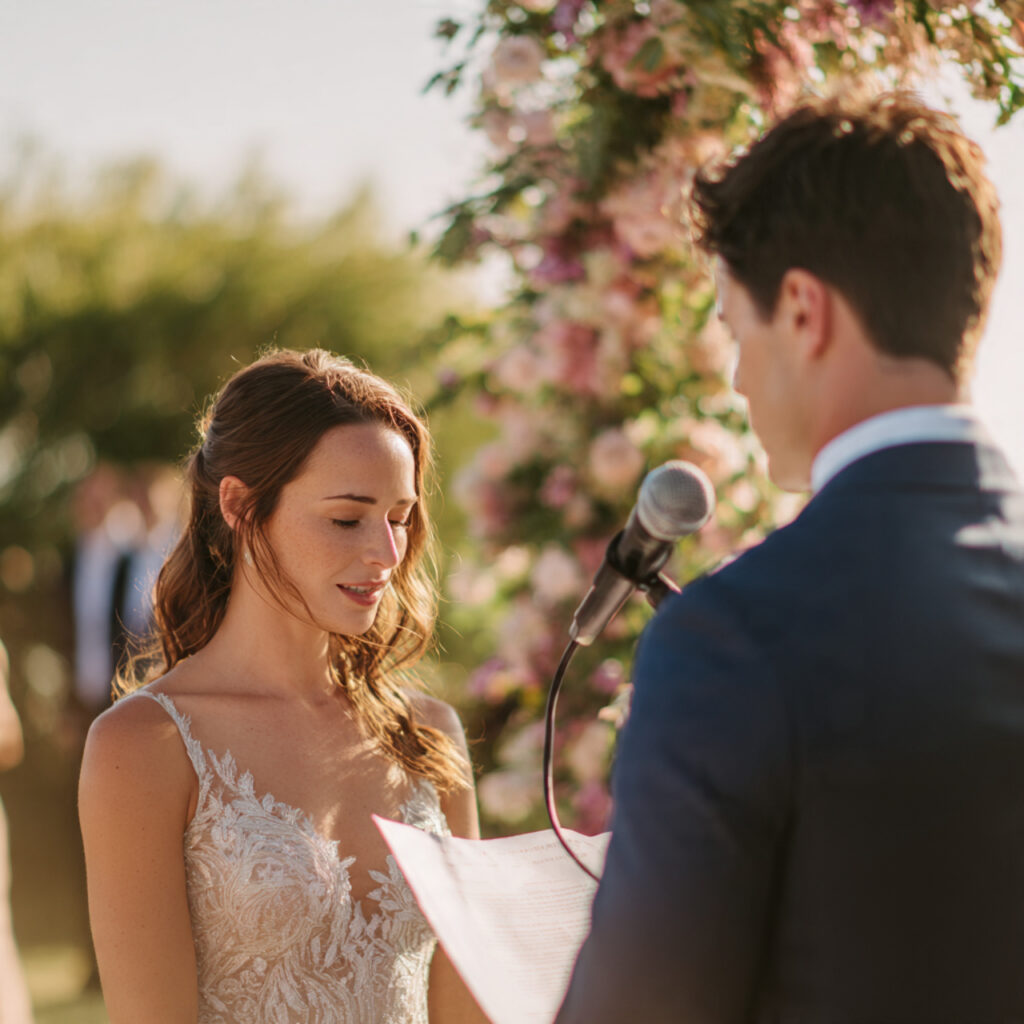
Ceremonies often become generic. Scripted. Emotionally flat.
Fix that.
Personalize:
- Vows
- Readings
- Structure
Keep it short. 20–30 minutes is enough. Future wedding plans benefit from authenticity over performance. Guests can tell the difference.
Use Technology With Restraint

Technology can improve weddings—or overwhelm them.
Use it for:
- Digital invitations
- Live streaming (for distant guests)
- Event coordination
Avoid excessive screens or distractions during key moments. Future wedding plans should integrate technology quietly, not visibly.
Capture Moments Without Interrupting Them
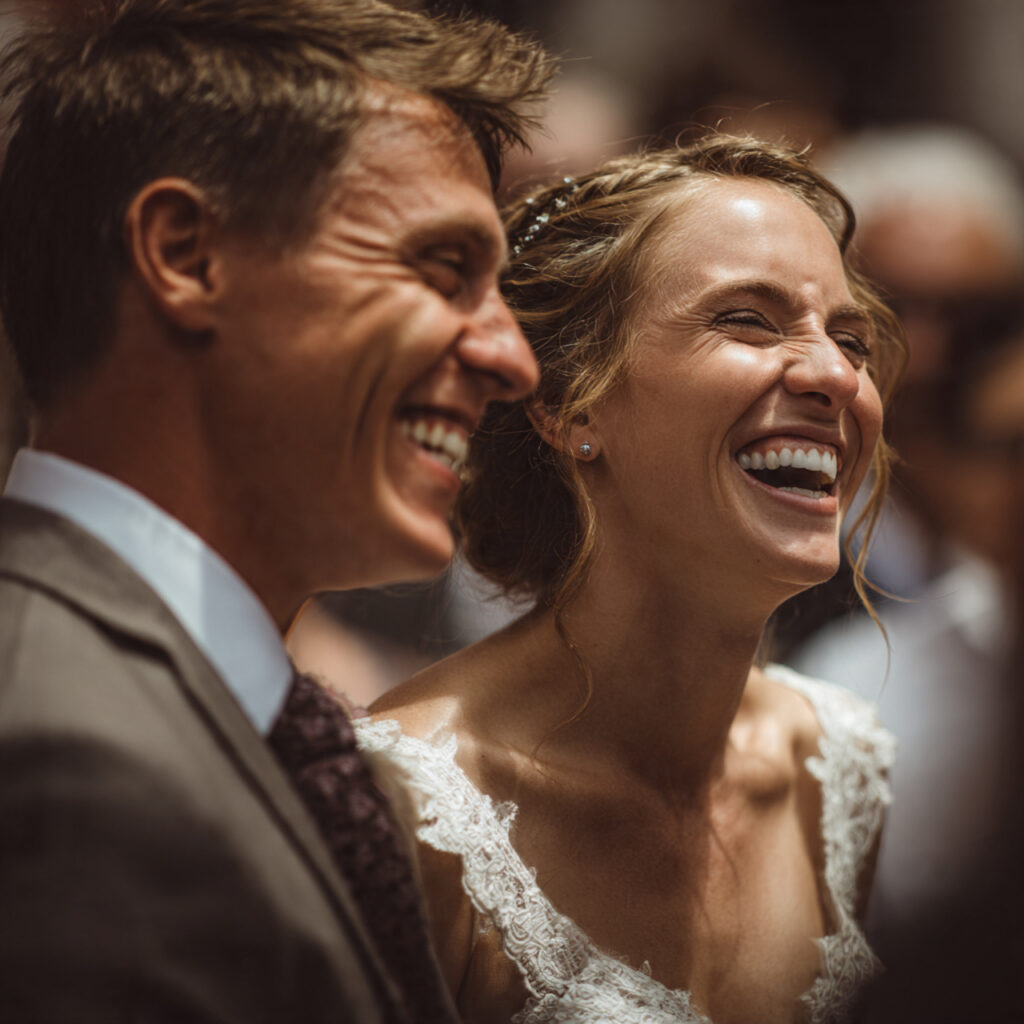
Photography matters. But intrusive coverage breaks immersion. Choose photographers who:
- Blend into the environment
- Capture candid moments
- Avoid constant direction
Limit staged photos. Future wedding plans emphasize documentation, not orchestration.
Prioritize Comfort Over Aesthetics
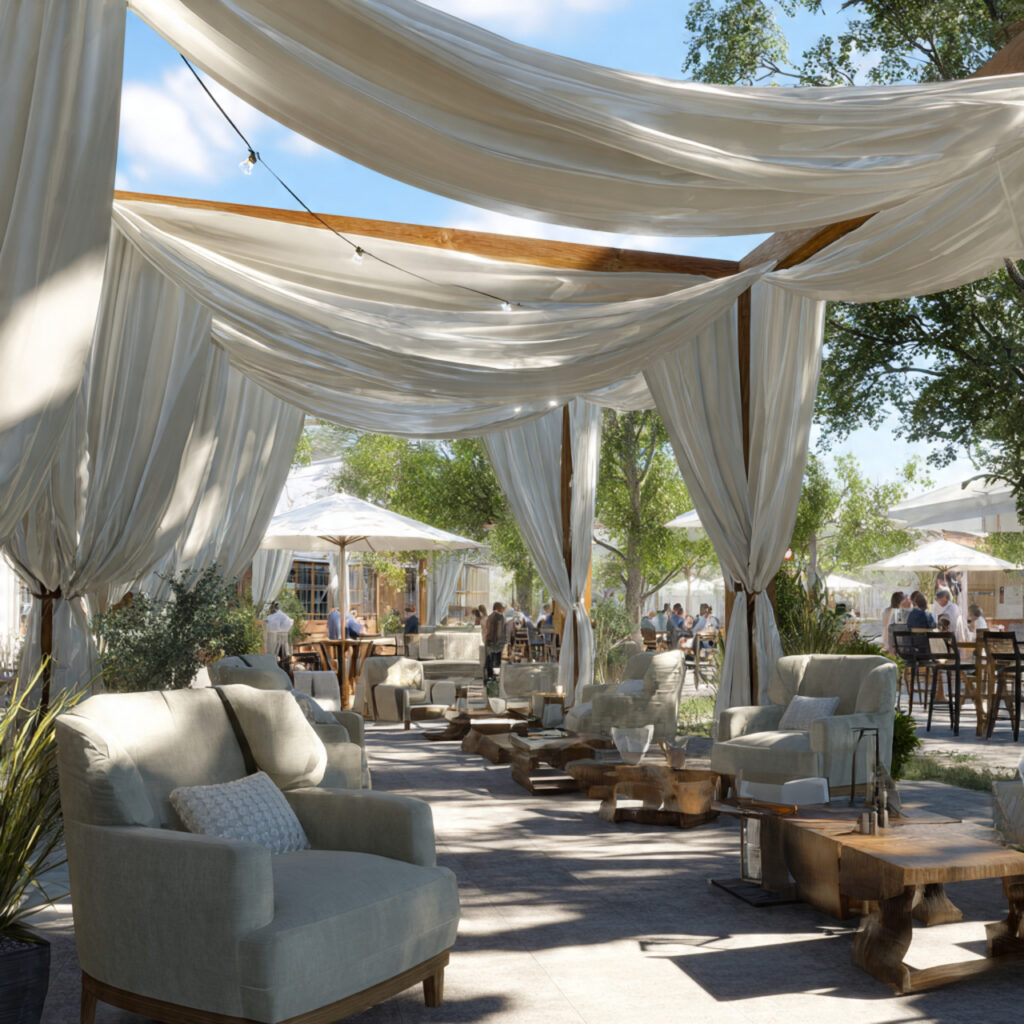
Guests don’t care how your wedding looks if they’re uncomfortable.
Ensure:
- Adequate seating
- Temperature control
- Clear directions
- Accessible facilities
Small discomforts compound quickly. Future wedding plans that prioritize comfort create better overall experiences—even if decor is minimal.
Create Meaningful Rituals Instead of Borrowed Traditions
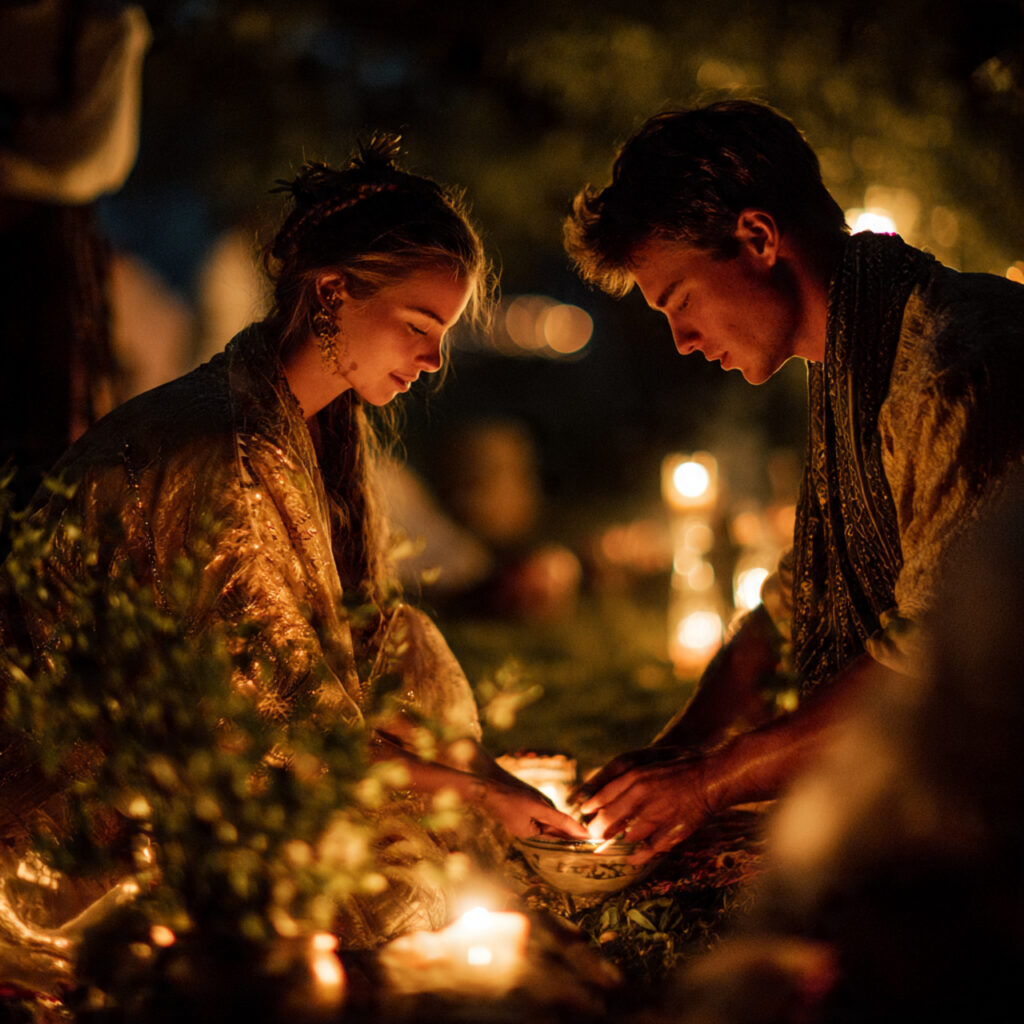
Not all traditions are relevant.
Replace or adapt:
- Rituals that feel forced
- Cultural elements that don’t reflect you
Add:
- Personal symbols
- Shared experiences
- Family contributions that matter
Future wedding plans should feel constructed, not inherited blindly.
Plan for Weather Without Hoping
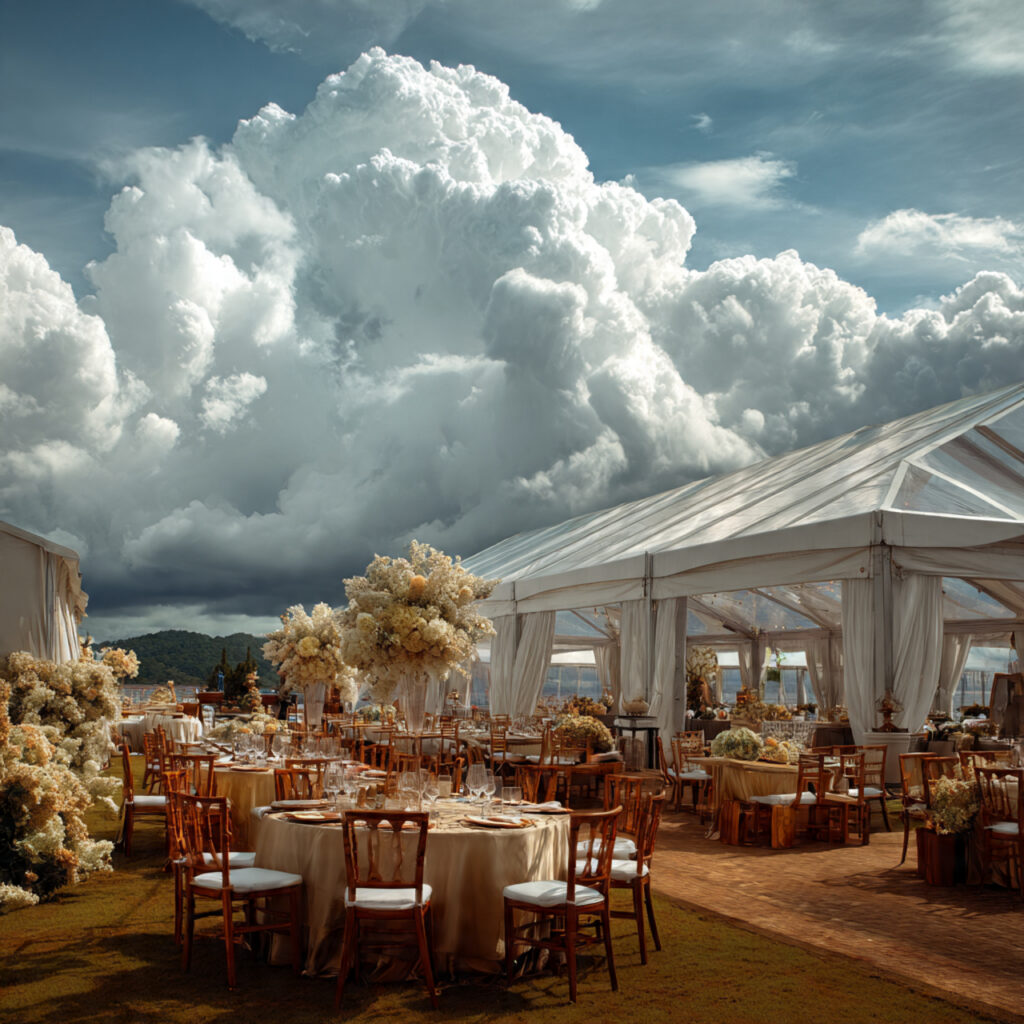
Weather is not a variable. It is a certainty—just unpredictable.
Always have:
- Backup spaces
- Shelter options
- Climate considerations
Hope is not a strategy. Future wedding plans treat contingency planning as essential, not optional.
Balance Structure With Flexibility

Over-planning creates rigidity. Under-planning creates chaos.
Find balance:
- Fixed key moments
- Flexible transitions
Allow space for organic interaction. Future wedding plans succeed when they guide the event without controlling it completely.
Reduce Waste Without Reducing Quality
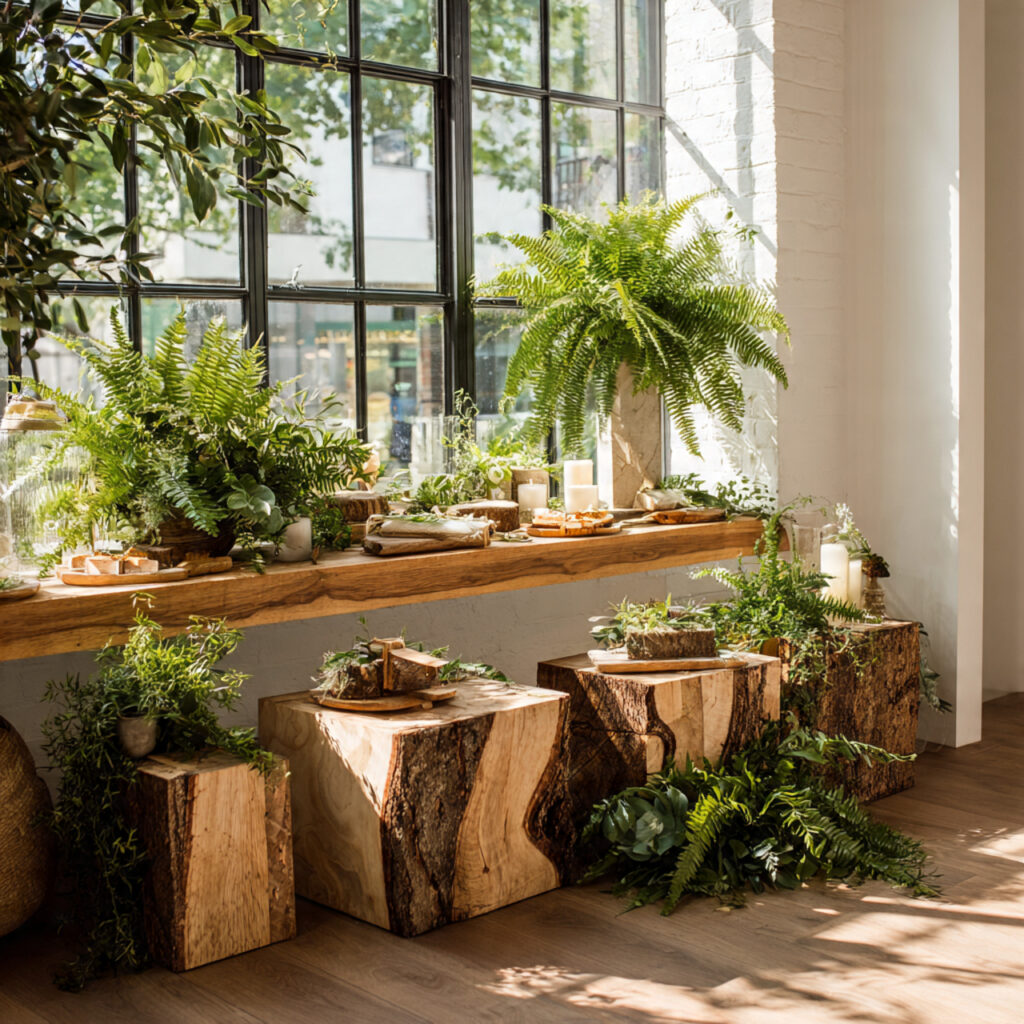
Sustainability is not about sacrifice. It is about efficiency.
Reduce:
- Single-use decor
- Excess packaging
- Unnecessary favors
Focus on:
- Reusable elements
- Digital alternatives
- Local sourcing
Future wedding plans are increasingly conscious without being performative.
Prepare for Emotional Reality

Weddings are emotionally dense.
Expect:
- Stress
- Unexpected issues
- Family dynamics
Plan mental buffers:
- Time alone
- Delegated responsibilities
- Clear communication
- Future wedding plans should include emotional planning, not just logistics.
Assign Responsibilities Clearly

Do not manage everything yourself.
Delegate:
- Logistics
- Coordination
- Guest management
Assign one decision-maker for each area. Future wedding plans work best when roles are clear and limited.
Think Beyond the Wedding Day

The wedding is one day. The marriage is long-term.
Plan:
- Financial alignment
- Living arrangements
- Shared goals
Avoid spending everything on the event. Future wedding plans should support life after the celebration, not compromise it.
Evaluate What Actually Matters Afterward
Post-wedding reflection is useful.
Ask:
- What worked?
- What didn’t?
- What mattered most?
This helps others and reinforces your own values. Future wedding plans benefit from learning, not just execution.
FAQs
What is the biggest mistake couples make in future wedding plans?
They prioritize appearance over experience. Spending heavily on visuals while ignoring guest comfort, food quality, and flow leads to a disappointing event.
How far in advance should future wedding plans start?
Ideally 9–12 months. Less time is possible with a smaller, focused event. More time often leads to overcomplication.
Is a large wedding better than a small one?
Not inherently. Large weddings increase cost and complexity. Small weddings improve intimacy and quality. The better option depends on your priorities.
How can couples reduce stress during planning?
By limiting decisions, delegating responsibilities, and sticking to a clear purpose. Most stress comes from unnecessary options and unclear priorities.
Are traditional wedding elements still necessary?
No. Only include elements that add value. Future wedding plans are increasingly personalized, not tradition-driven.
Conclusion
Future wedding plans are not about predicting trends. They are about making deliberate choices. The strongest weddings are built on clarity, not complexity. When you remove unnecessary elements, what remains is more meaningful.
Focus on purpose. Allocate resources with intent. Design for real human experience.A good wedding is not the one that looks perfect. It is the one that feels right—for you and for the people who matter. That standard is harder to fake—and easier to remember.