20 Purple Bouquet Flowers Elegant Ideas for Timeless Floral Design
Purple has always carried weight. It suggests depth, restraint, royalty, and reflection. In floral design, purple does not shout. It holds space. It grounds a bouquet while still allowing romance, drama, and softness to exist at the same time. This is why purple bouquet flowers continue to appear in weddings, formal events, editorial shoots, and personal gifting across cultures and seasons. This guide explores twenty carefully considered bouquet ideas built around purple as the defining tone. Each idea focuses on mood, flower choice, structure, and real-world usability. No excess language. No trends without reason. Just clear, usable inspiration for florists, brides, planners, and anyone who values intentional floral design.
Velvet Depth With Purple Bouquet Flowers

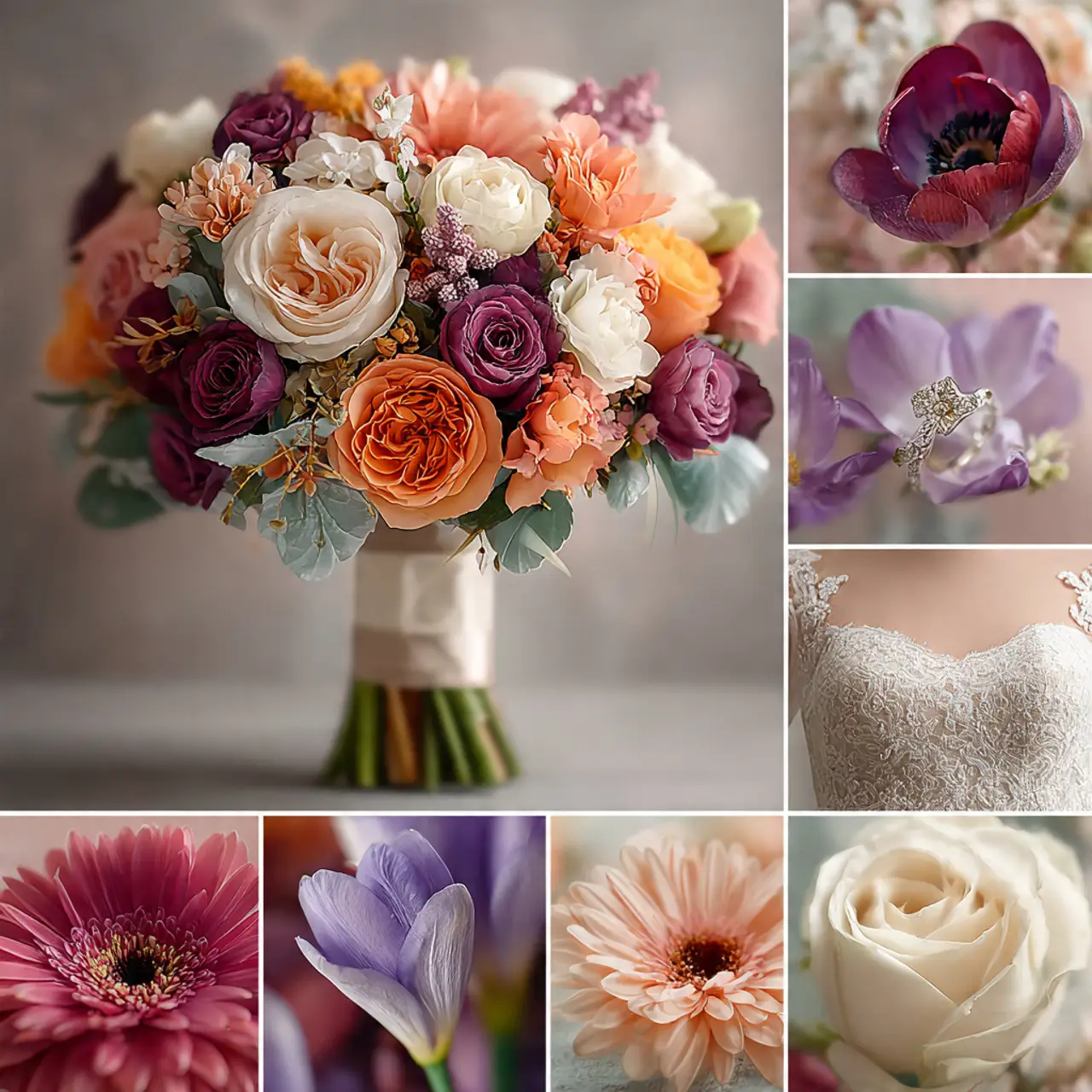
For Purple Bouquet Flowers, This concept leans into richness. Think deep plum, aubergine, and wine tones layered tightly together. Flowers like ranunculus, garden roses, and scabiosa create a dense surface that feels heavy in the hand. The bouquet is compact, almost sculptural. The stems are wrapped simply. No embellishment. The power comes from color saturation and texture. This bouquet works best in cooler months or evening ceremonies where low light enhances the depth of purple. It pairs well with structured gowns and minimalist styling.
Soft Romance

For Purple Bouquet Flowers, Not all purple needs weight. Lavender, lilac, and pale mauve create a lighter emotional register. This bouquet style is loose and slightly asymmetrical. Flowers like sweet peas, spray roses, and lisianthus add movement. Negative space matters here. The bouquet breathes. It feels personal, not staged. This approach suits outdoor ceremonies, spring weddings, and intimate gatherings where softness matters more than drama.
Wild Garden Style

For Purple Bouquet Flowers, This idea draws from nature rather than symmetry. Stems vary in length. Textures clash slightly on purpose. Think delphinium, verbena, thistle, and clematis weaving together. The color palette stays within purple, but shades shift naturally. Some flowers lean blue. Others lean red. The result feels unforced. This bouquet fits well with rustic venues, countryside weddings, and brides who want authenticity over polish.
Minimalist Structure

For Purple Bouquet Flowers, Minimal does not mean plain. This bouquet uses fewer flower types, often just one or two. Allium, calla lily, or tulips in purple shades work well here. The stems are left long. The shape is clean. There is no filler. This design relies on restraint and confidence. It works best when the rest of the styling is equally pared back.
Dramatic Contrast Framed

For Purple Bouquet Flowers, Purple becomes more powerful when paired with contrast. Deep purple blooms combined with near-black foliage or dark greenery create tension. Flowers like hellebore and anemone with dark centers add edge. This bouquet is bold but controlled. It suits formal evening weddings, black-tie events, and editorial-inspired settings where mood is intentional.
Classic Elegance

For Purple Bouquet Flowers, This approach respects tradition. Think round shape, balanced composition, and familiar blooms like roses and hydrangeas. The purple tones are medium, not too dark, not too pale. This bouquet feels timeless. It photographs well. It works across cultures and venues. If uncertainty exists, this is the safest and most reliable direction.
Modern Art Influence

For Purple Bouquet Flowers, Here, the bouquet becomes a statement piece. Unusual flower shapes like orchids, fritillaria, and spiky accents break expectation. The arrangement may feel slightly off-center or vertical. This idea suits contemporary venues and fashion-forward clients. It requires confidence from both florist and wearer. The reward is originality without chaos.
Seasonal Autumn Mood

For Purple Bouquet Flowers, Autumn purple leans warmer. Plum, fig, and mulberry shades dominate. Dahlias, chrysanthemums, and asters work well. The bouquet feels grounded and tactile. It pairs well with textured fabrics, earthy neutrals, and candlelit settings. This is a practical choice for fall weddings where availability matters.
Spring Freshness

For Purple Bouquet Flowers, Spring purple is lighter and more hopeful. Hyacinth, lilac, tulips, and iris define this palette. The bouquet smells fresh and looks alive. This idea suits daytime events and garden venues. It feels optimistic without being childish. Structure stays loose but intentional.
Monochrome Focus

For Purple Bouquet Flowers, A monochrome bouquet does not mean flat. This design uses many shades of purple within one arrangement. Light and dark coexist. Texture becomes the point of interest. When done well, the result feels cohesive and refined. This bouquet works especially well for photography where color harmony matters.
Textural Depth

For Purple Bouquet Flowers, Texture drives this idea. Smooth petals sit beside rough or spiky elements. Think roses with thistle, lisianthus with veronica. Purple holds everything together. The bouquet feels layered and intentional. This style suits clients who want complexity without visual noise.
Cultural Fusion

For Purple Bouquet Flowers, In many cultures, purple carries ceremonial meaning. This bouquet style respects that by combining traditional flower forms with modern arrangement techniques. The result feels respectful and current. It works well for multicultural weddings or events where symbolism matters.
Petite Design

For Purple Bouquet Flowers, Not every bouquet needs volume. This idea focuses on scale. Smaller blooms, tighter binding, and controlled size create elegance. This bouquet suits petite frames, registry weddings, and minimalist ceremonies. Purple adds presence without bulk.
Luxe Statement

For Purple Bouquet Flowers, Luxury comes from quality, not size. This bouquet uses premium blooms like imported roses or orchids in rich purple tones. The design is intentional and flawless. Nothing is accidental. This style fits high-end weddings and formal events where detail is expected.
Garden Rose Focus

For Purple Bouquet Flowers, Garden roses bring softness and depth. When used as the primary bloom, they create a romantic but grounded bouquet. Purple garden roses paired with subtle greenery feel full without being heavy. This idea works across seasons and styles.
Airy Asymmetry

For Purple Bouquet Flowers, Asymmetry adds movement. This bouquet extends in one direction, with cascading elements and varied stem lengths. Purple anchors the design so it does not feel chaotic. This approach suits outdoor venues and editorial photography.
Vintage Mood

For Purple Bouquet Flowers, Vintage does not mean old. Muted purple tones, dusty finishes, and classic flower shapes define this look. The bouquet feels nostalgic but clean. It pairs well with lace, antique jewelry, and heritage venues.
Botanical Emphasis

For Purple Bouquet Flowers, This idea highlights natural growth patterns. Flowers are arranged as they would grow, not forced into shape. Purple blends with greens and natural textures. The bouquet feels honest and organic. Ideal for eco-conscious clients.
Evening Ceremony Drama

Evening light changes everything. Darker purple blooms absorb and reflect light differently. This bouquet is designed for that moment. The shape is controlled. The palette is deep. This idea suits candlelit ceremonies and formal receptions.
Balanced Simplicity

For Purple Bouquet Flowers, This final idea brings everything back to balance. Moderate size. Clear structure. Familiar flowers. Thoughtful color. Purple provides identity without overwhelming. This bouquet works anywhere, anytime, without explanation.
Frequently Asked Questions
Are purple bouquets suitable for all seasons?
Yes. The shade and flower choice determine seasonal fit. Lighter purples work well in spring and summer. Deeper tones suit fall and winter.
Do purple flowers photograph well?
They do, especially when balanced with contrast or greenery. Avoid overly dark shades in low light without proper lighting.
Can purple bouquets work for non-wedding events?
Absolutely. They are popular for formal dinners, memorials, anniversaries, and editorial styling.
Is purple considered a bold color choice?
It can be, but it does not have to be. Soft lavender is subtle. Deep plum is dramatic. The tone defines the impact.
How do you keep a purple bouquet from looking too dark?
Mix shades. Add lighter tones or textured greenery. Avoid clustering only the darkest blooms together.
Conclusion
Purple is not a trend. It is a constant. It adapts without losing identity. In bouquet design, purple offers flexibility, emotion, and strength. The twenty ideas above show how varied the expression can be, from soft and romantic to structured and dramatic. A well-designed purple bouquet does not rely on excess. It relies on intention. When chosen with care, purple does more than decorate. It defines the moment.