22 Reception Only Wedding Invitations, Modern Wording Ideas
A reception-only celebration is practical, modern, and increasingly common. It allows couples to focus their budget, energy, and guest experience on one meaningful gathering instead of a full-day event. The invitation sets expectations. reception only wedding invitations, It must be clear, polite, and confident—without sounding apologetic or confusing.
Below are twenty-two grounded ideas that show how to communicate this choice with clarity and style, while respecting guests and avoiding awkwardness. Each idea focuses on wording strategy, tone, and presentation rather than decoration excess. The goal is simple communication that feels intentional.
Clear Statement of Celebration for reception only wedding invitations

State exactly what guests are invited to attend. No hints. No soft language that creates doubt. A direct line such as “Please join us for a wedding reception celebrating our marriage” removes confusion immediately. Clarity prevents uncomfortable questions and avoids guests showing up at the wrong time or place. This approach works best for diverse guest lists where assumptions may vary.
Post-Ceremony Announcement Style
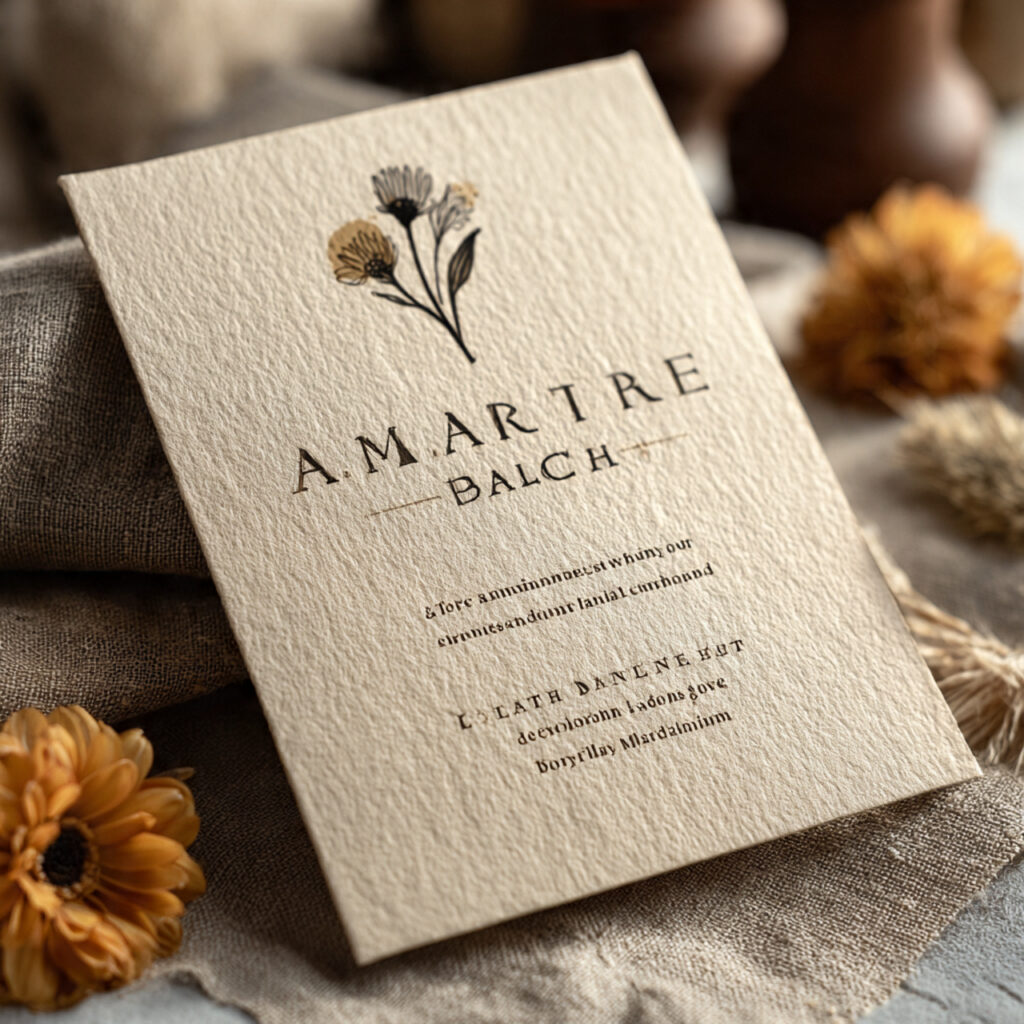
For reception only wedding invitations, Frame the invitation as an announcement followed by an invitation. Begin by sharing that the marriage has taken place or will take place privately, then extend the welcome to celebrate afterward. This structure works well for couples who marry earlier in the day, in another city, or with only immediate family present.
Evening Celebration Emphasis

For reception only wedding invitations, Highlight the event as an evening celebration rather than tying it tightly to the ceremony. Words like “celebration,” “dinner,” or “evening of music and drinks” set the tone clearly. This shifts focus from what guests are not attending to what they will enjoy.
Minimalist One-Card Format

For reception only wedding invitations, Use a single card with concise wording. Avoid inserts that complicate the message. Minimal text signals confidence and prevents over-explaining. This approach suits modern couples who value simplicity and efficiency.
Reception Language Front and Center
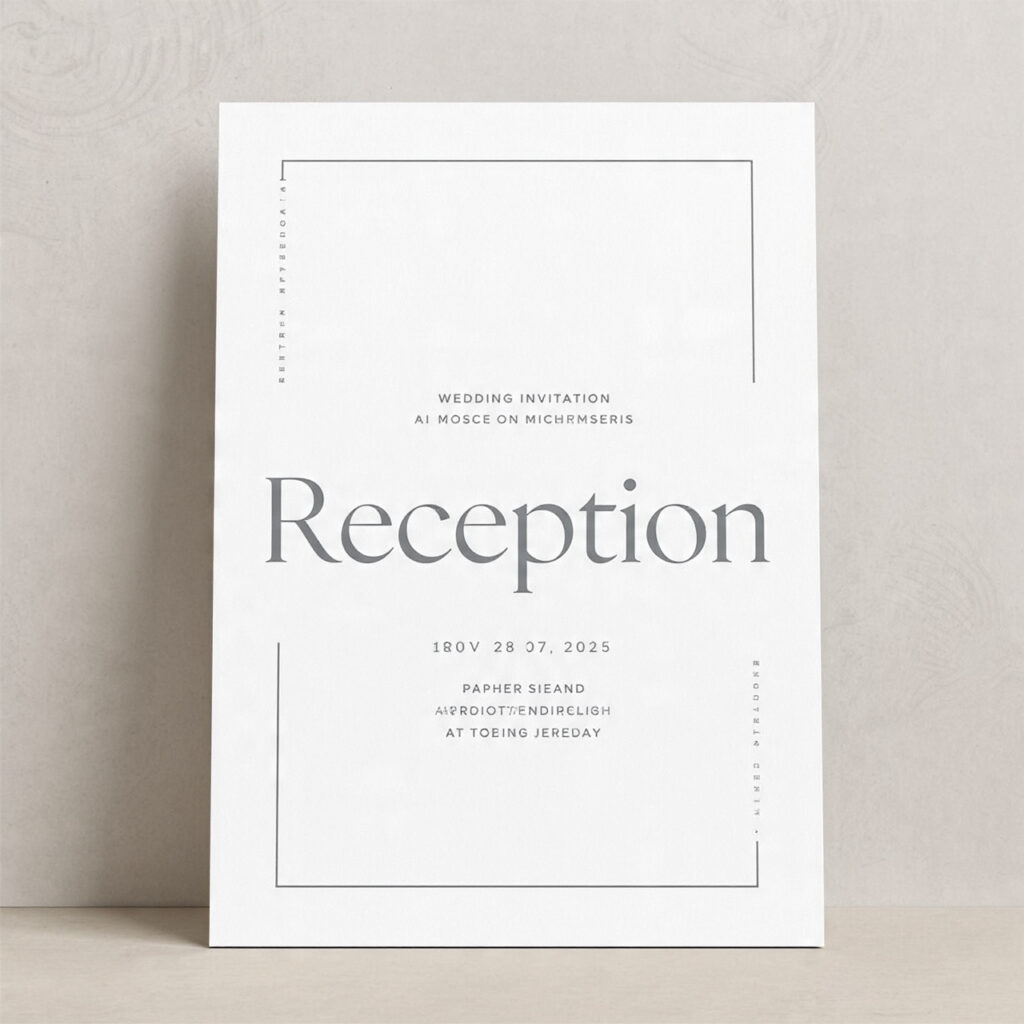
For reception only wedding invitations, Place the word “reception” early in the main text body, not buried in small print. Guests often skim. Important details should appear first. This is a practical layout choice that reduces misunderstanding.
Private Ceremony Mention
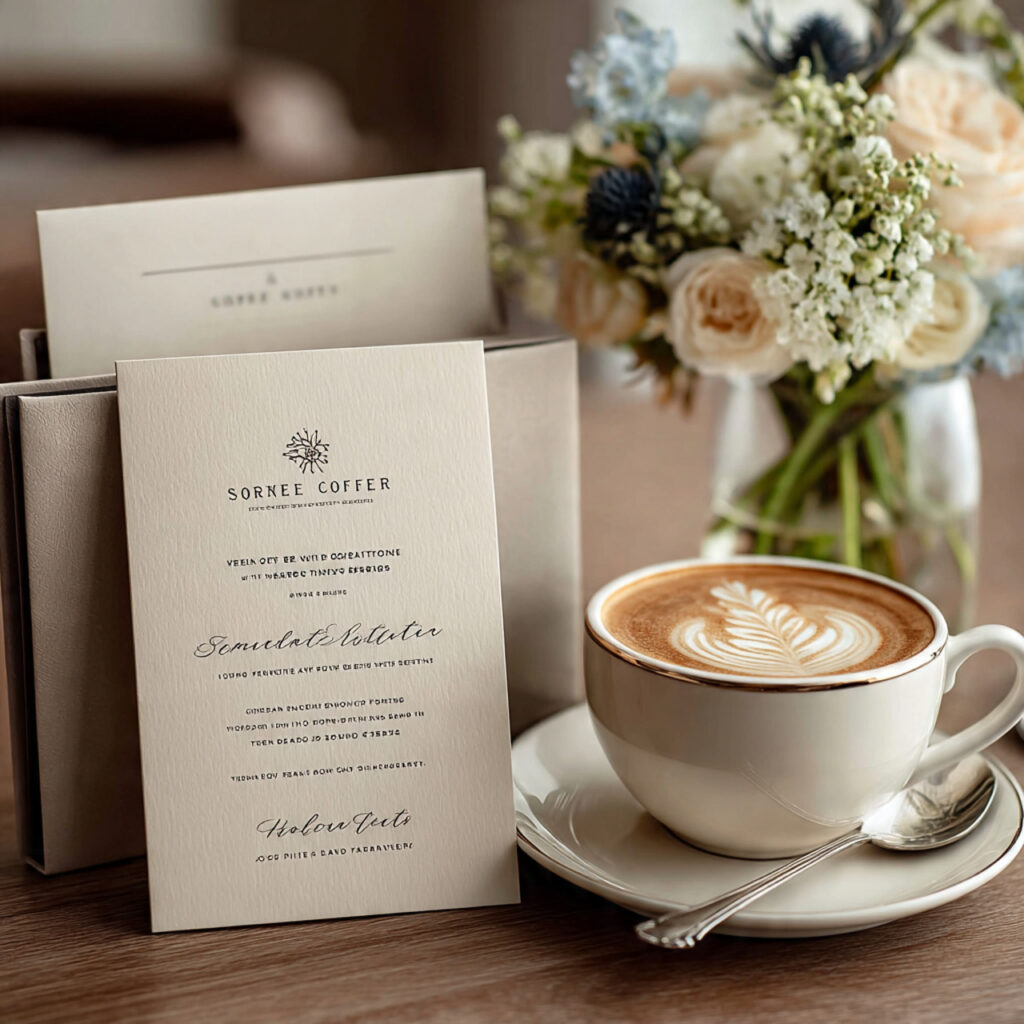
For reception only wedding invitations, If desired, include a brief line noting a private ceremony. Keep it factual. Avoid emotional justification. For example: “Following a private ceremony, we invite you to join us for a reception.” This respects boundaries without inviting debate.
Time-Forward Design

For reception only wedding invitations, List the start time clearly, without ceremony cues such as “processional” or “vows.” Guests should immediately understand when to arrive and what to expect. This is especially important for venues that host multiple events.
Venue Context Clarity

For reception only wedding invitations, Choose venue descriptions that match a reception experience—ballroom, garden, rooftop, hall. Avoid religious or ceremonial language tied to traditional rites unless relevant to the reception itself.
Casual Celebration Framing

For reception only wedding invitations, For relaxed events, use wording that signals informality. Phrases like “Join us for food, drinks, and dancing” remove pressure and align expectations. This works well for backyard, restaurant, or destination gatherings.
Formal Tone Without Ceremony

For reception only wedding invitations, Formal does not require ceremony language. Black-tie receptions can still be clearly defined as celebrations only. Use dress code and timing to communicate formality, not ritual references.
Digital Invitation Precision
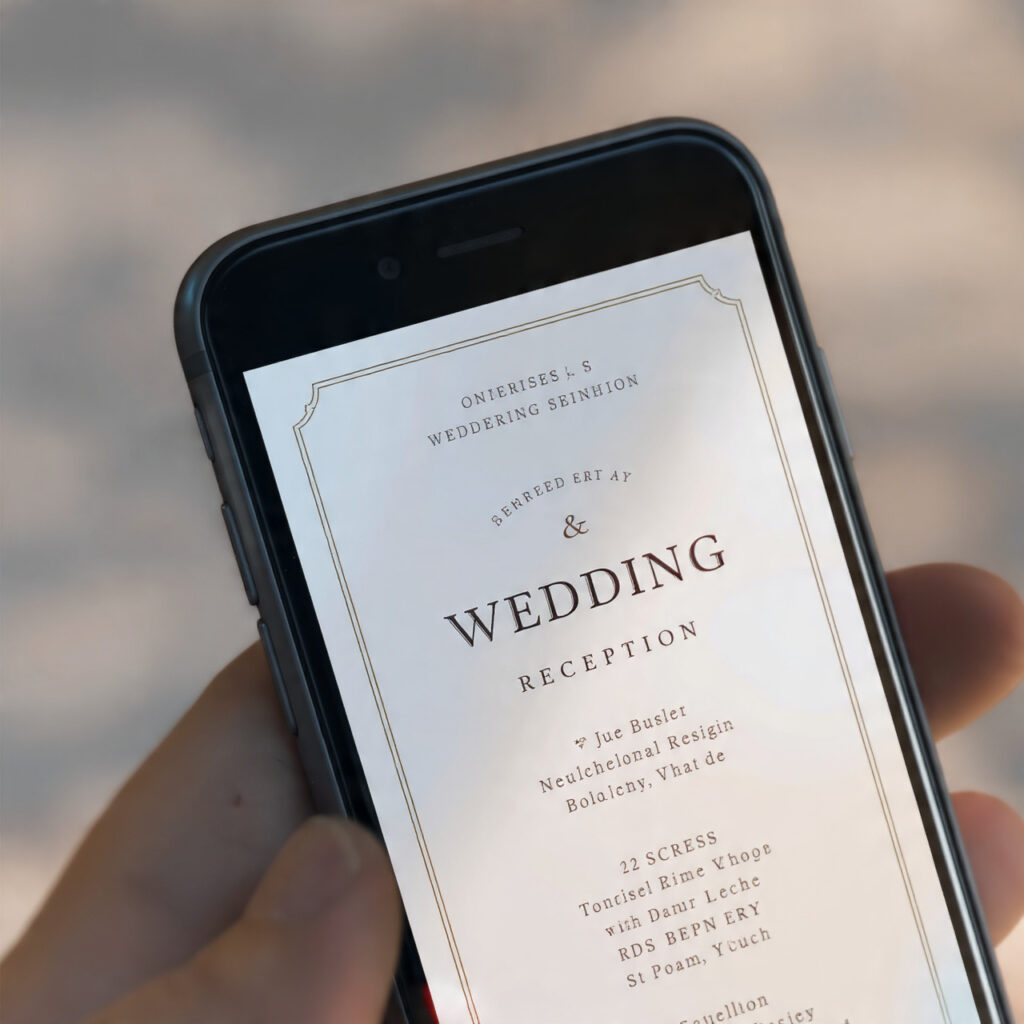
For reception only wedding invitations, Digital formats allow concise messaging and easy updates. Use headers and spacing to separate the announcement from the invitation. This reduces scrolling confusion and ensures guests absorb the key message.
Cultural Sensitivity Approach

For reception only wedding invitations, In cultures where ceremony attendance is assumed, extra clarity matters. A respectful explanatory line helps guests understand the structure without offense. Neutral language is better than defensive language.
Destination Reception Framing
For reception only wedding invitations, For destination events, clearly state that the celebration is the main gathering. This helps guests plan travel without expecting additional events. Include location context to reinforce that this is the central experience.
Budget-Conscious Transparency
For reception only wedding invitations, Avoid referencing budget directly. Instead, frame the event as intentional and focused. Guests respond better to confidence than justification. Simple wording signals choice, not limitation.
Family-Only Ceremony Note

For reception only wedding invitations, If the ceremony is limited to family, say so plainly. This prevents assumptions about exclusions or oversight. Short and factual wording is sufficient.
Reception-as-Main-Event Language

For reception only wedding invitations, Treat the reception as the wedding experience guests are meant to share. Language should reflect importance, not secondary status. This helps guests feel valued.
RSVP Clarity
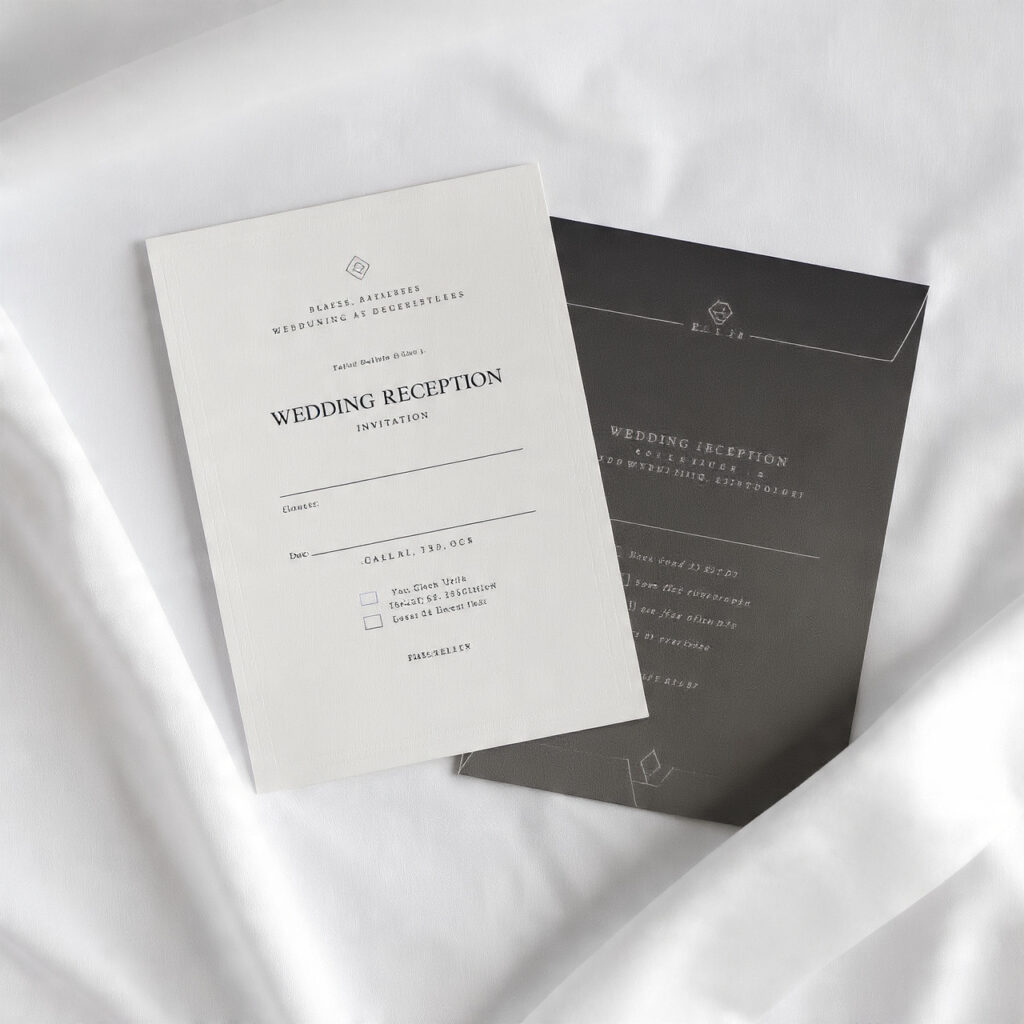
For reception only wedding invitations, Ensure RSVP wording aligns with the event. Avoid generic templates that reference ceremony attendance. Customized RSVP language prevents follow-up messages.
Consistent Design and Copy

For reception only wedding invitations, Match visual tone with wording. A casual message on a formal card creates confusion. Consistency reinforces understanding. Design should support the message, not distract from it.
Short Explanation Insert

For reception only wedding invitations, If needed, include a brief explanation card. Keep it under two sentences. Over-explaining invites scrutiny. This option suits traditional guest groups who may expect more context.
Website Support Without Dependence
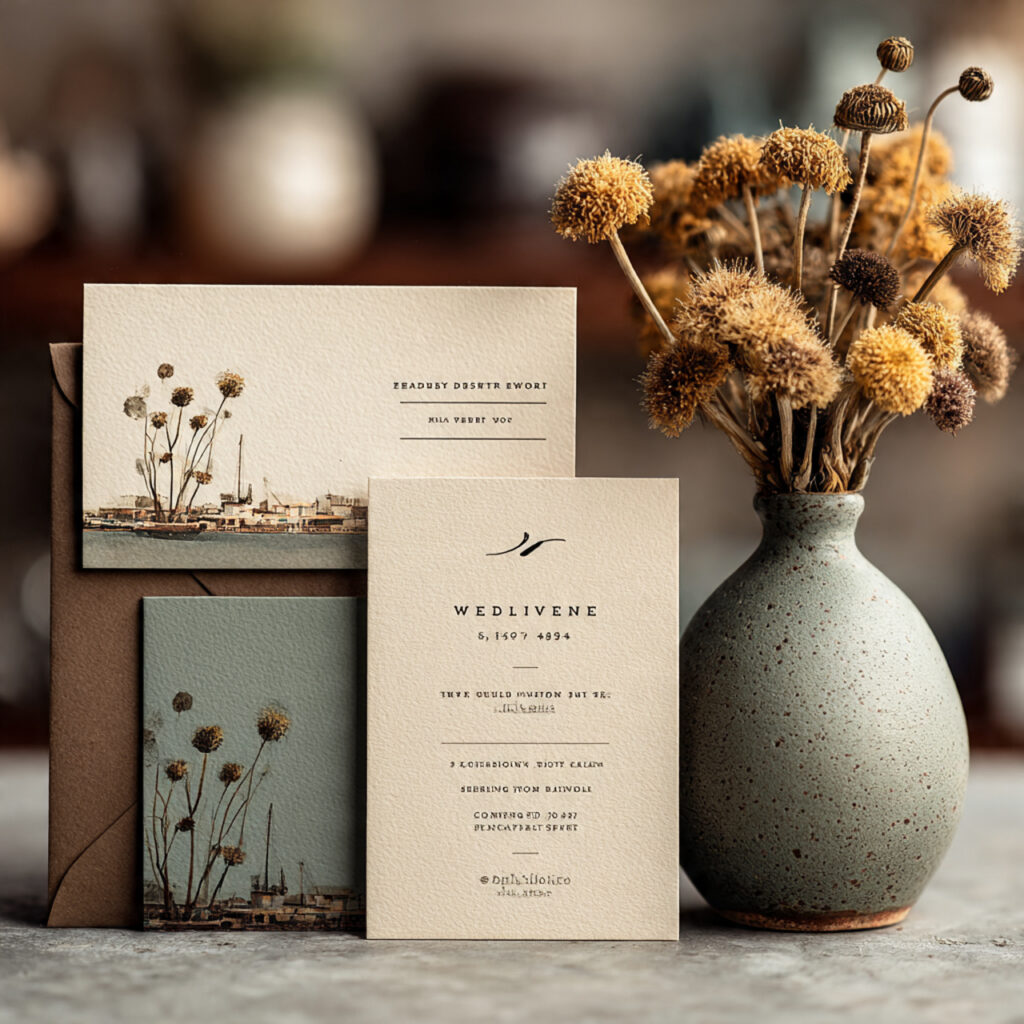
For reception only wedding invitations, If using a wedding website, ensure the invitation stands alone. Guests should not need to search online to understand what they are invited to. The website should reinforce, not clarify, the message.
Confidence Over Apology
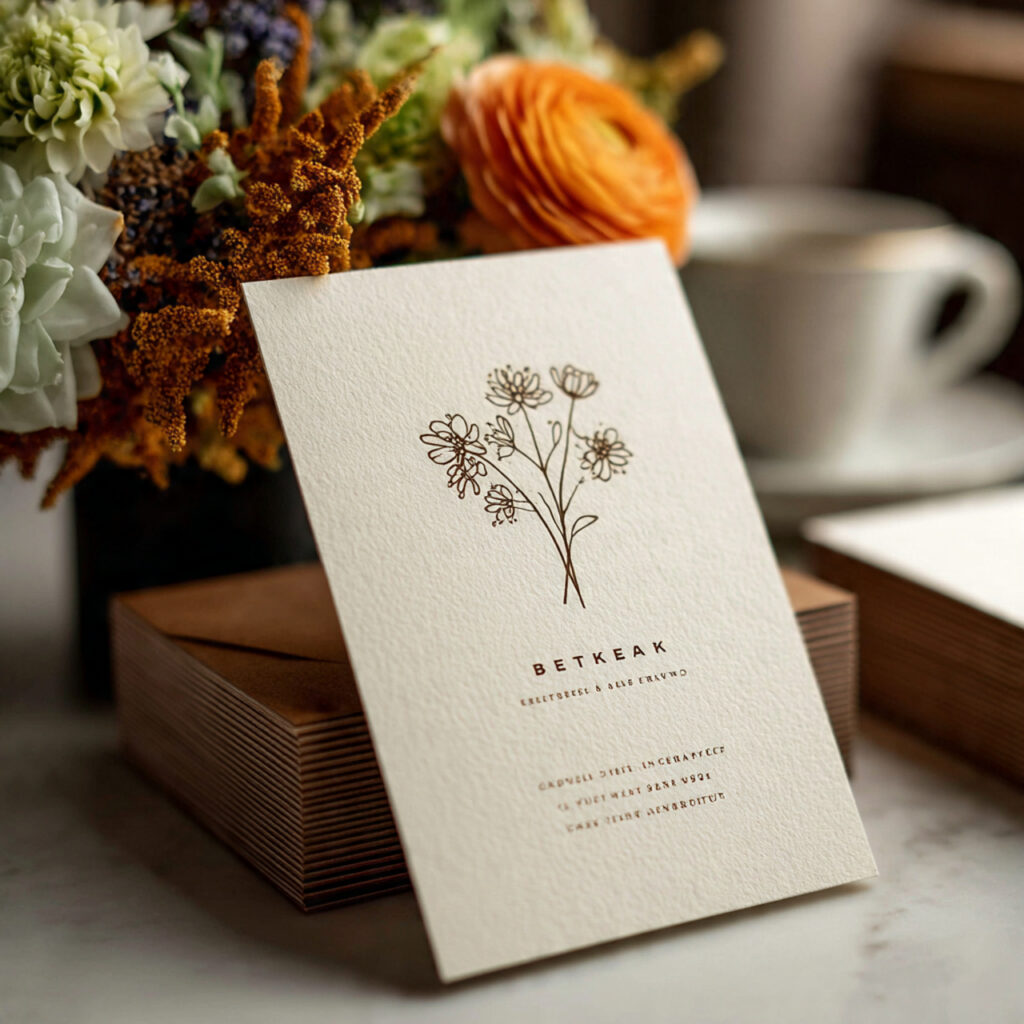
For reception only wedding invitations, Never apologize for your choice. Invitations should be welcoming, not defensive. Confidence signals respect for both your decision and your guests’ time.
Modern Etiquette Alignment
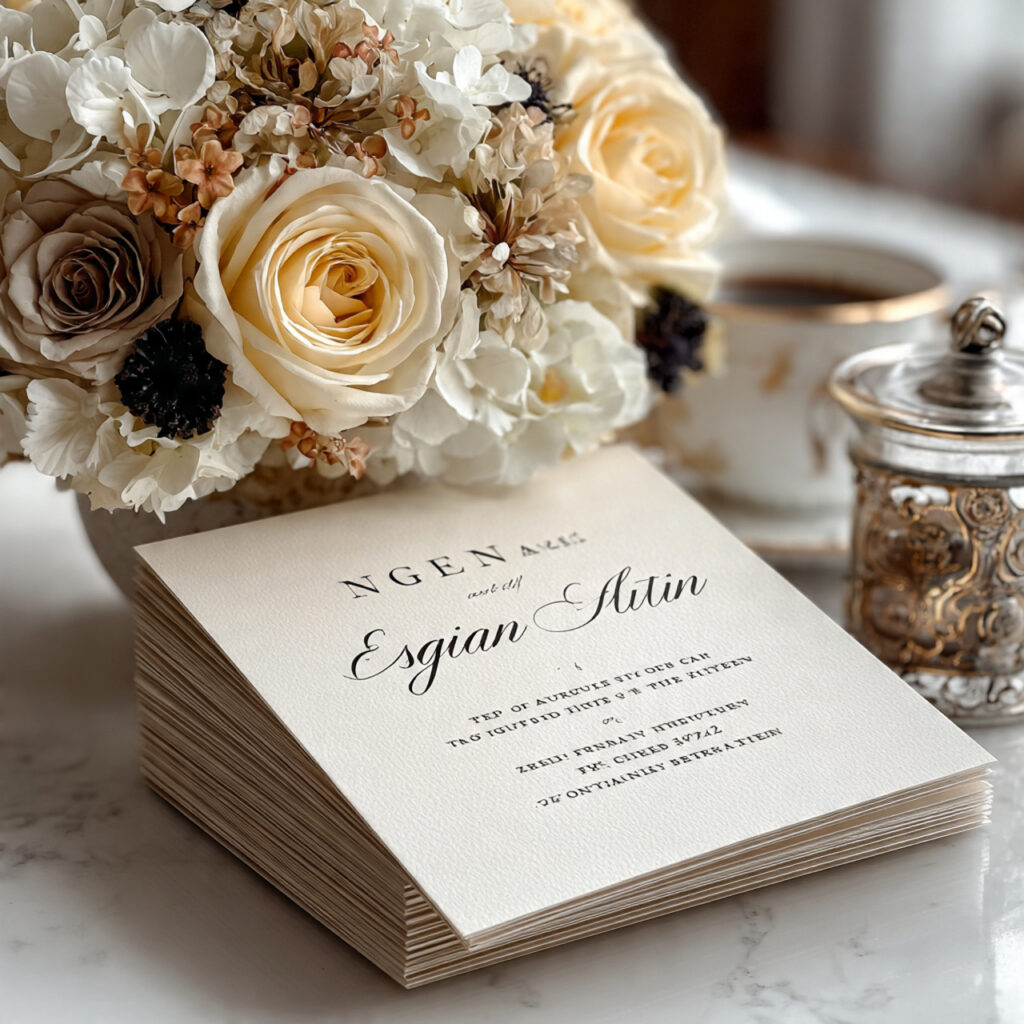
For reception only wedding invitations, Current etiquette supports varied celebration formats. Clear communication is the standard, not adherence to outdated assumptions. A well-written invitation reflects this shift.
FAQs
Is it rude to invite guests only to the reception?
No. It is acceptable when communicated clearly and respectfully. Many couples choose this format for personal or logistical reasons.
Should the invitation explain why the ceremony is private?
No explanation is required. A brief statement is sufficient if you choose to include one.
Will guests feel excluded?
Most guests respond well when expectations are clear and the celebration feels intentional.
Can a formal event still be reception-only?
Yes. Formality is defined by tone, dress code, and venue, not ceremony access.
Do traditional guests accept this format?
Acceptance increases with clarity. Confusion causes discomfort, not the format itself.
Conclusion
A reception-focused celebration is not a compromise. It is a deliberate structure that reflects how many couples live and celebrate today. The invitation’s role is simple: communicate the plan without ambiguity or apology.
When wording is direct, tone is calm, and design supports the message, guests understand their role and feel welcome. Clear invitations create smooth events. Confidence in presentation leads to confidence in response.