21 Rehearsal Dinner Dress Ideas That Feel Effortless and Elegant
Choosing the right rehearsal dinner dress is not about chasing trends or copying bridal editorials. It is about balance. The outfit should feel intentional but relaxed, polished but wearable, special without competing with the wedding day itself. This moment sits between planning chaos and ceremony formality, and the dress should reflect that transition.
This guide presents grounded, wearable, and style-forward ideas that work in real venues, real bodies, and real budgets. Each concept focuses on fabric, fit, mood, and setting rather than fantasy styling. The tone is practical. The goal is clarity.
Classic Little White Dress with Structure for Rehearsal Dinner Dress
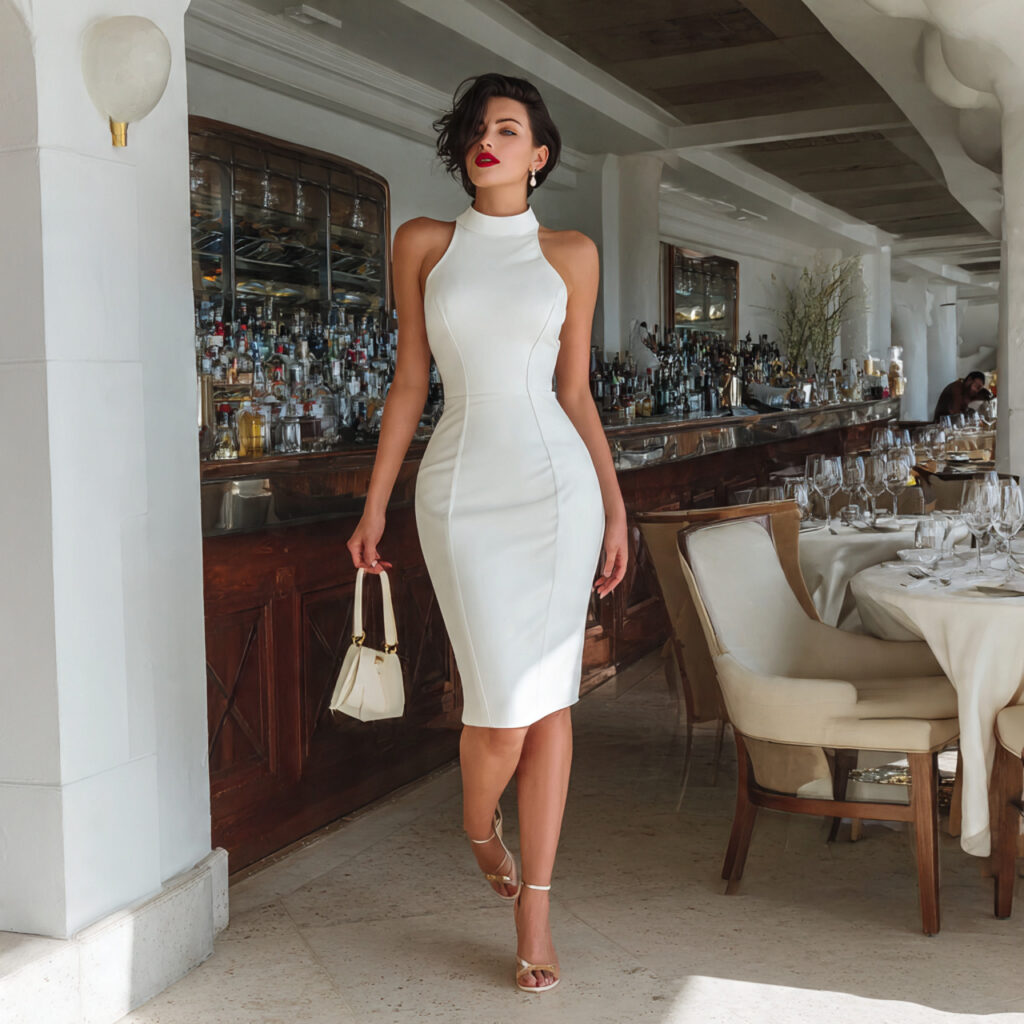
A structured white dress remains a reliable option for a rehearsal dinner dress when executed with restraint. The difference between timeless and forgettable lies in tailoring. Crisp seams, clean darts, and a fabric with weight elevate the look instantly. This style works best in cotton sateen, crepe, or ponte knit. Avoid flimsy materials that wrinkle easily or cling in unflattering ways. Hemlines should hover just above the knee or fall mid-calf for balance. Minimal accessories complete the look without distraction.
Soft Neutral Midi Dress
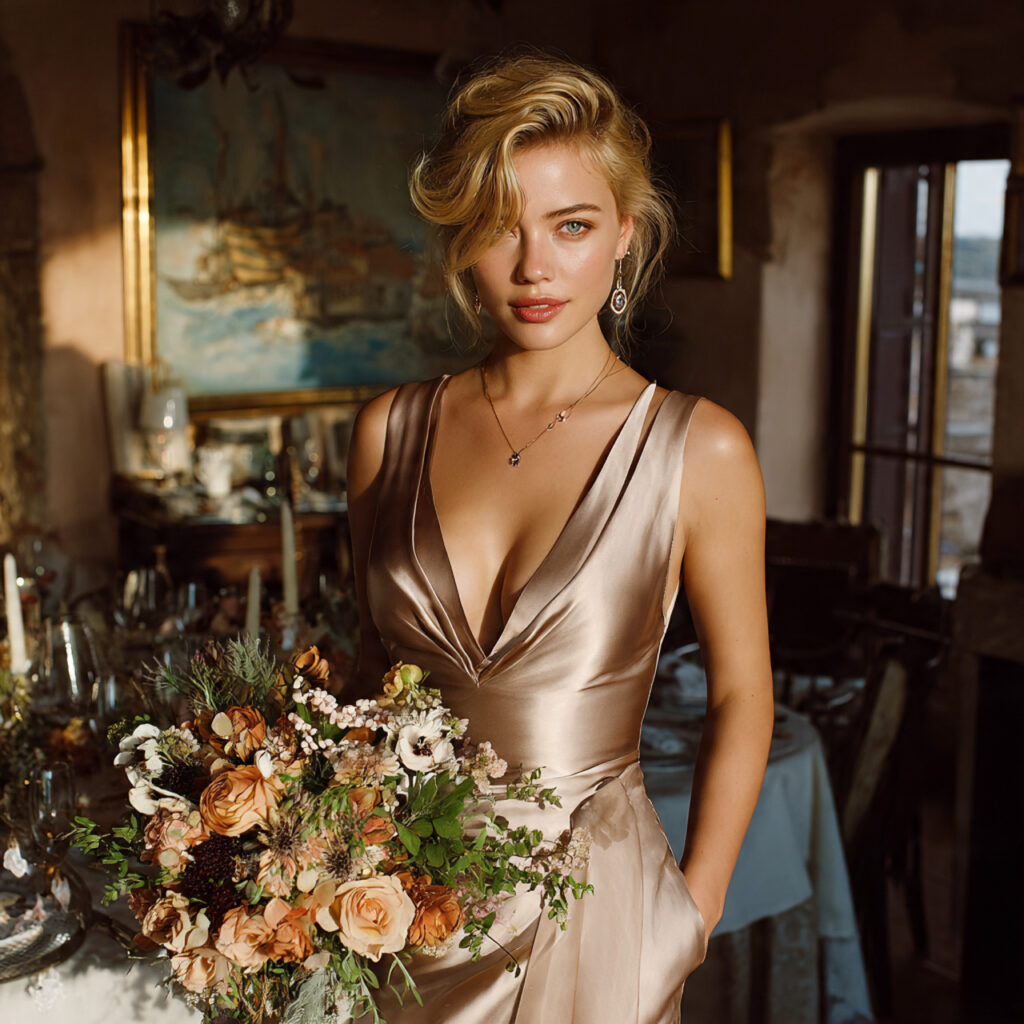
Neutral tones like champagne, sand, taupe, or soft gray offer a sophisticated alternative to white. A midi-length silhouette keeps the outfit grounded and versatile, especially for evening dinners or restaurant venues. This rehearsal dinner dress option suits brides who want elegance without spotlight pressure. Neutral palettes photograph well and pair easily with metallic or nude footwear. The key is texture. Silk blends, satin, or matte chiffon prevent the look from feeling flat.
Wrap Dress with Clean Lines
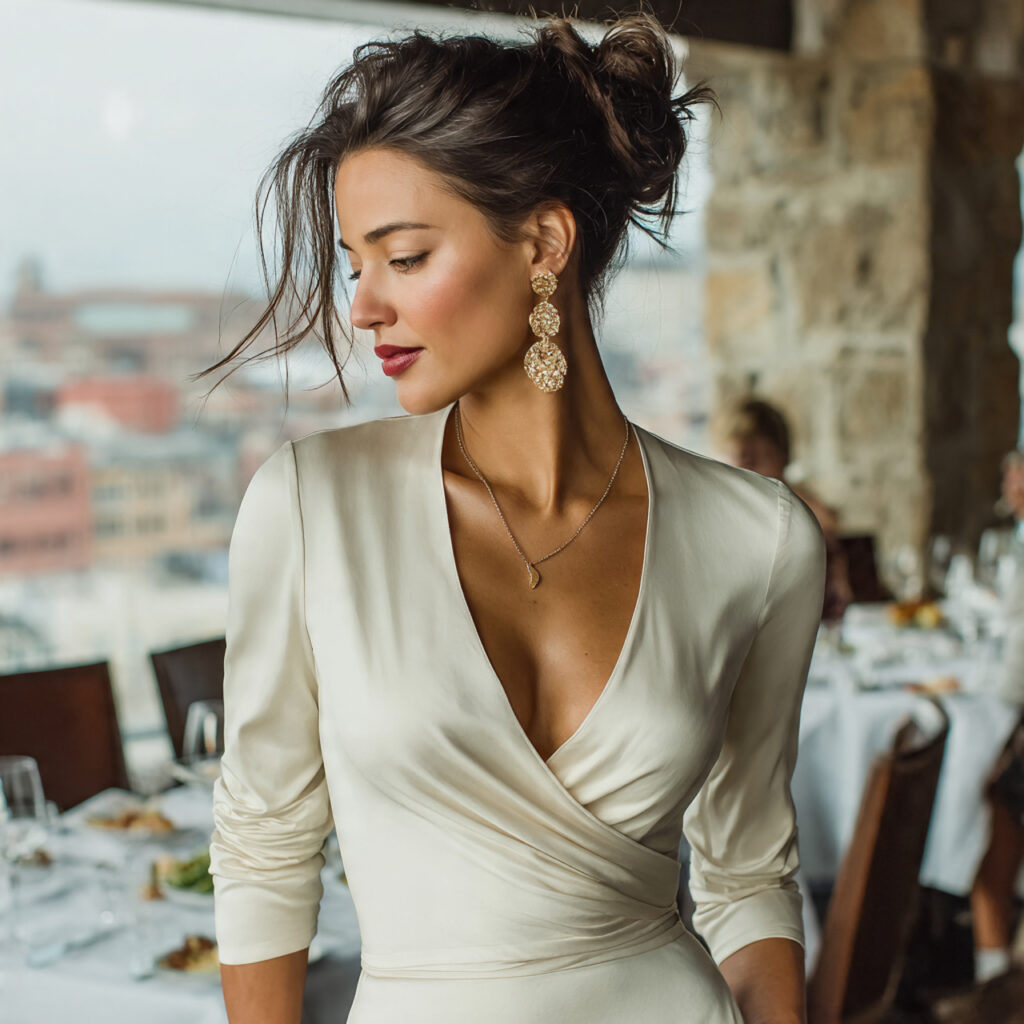
A wrap-style silhouette works because it adapts. It defines the waist, allows movement, and flatters a wide range of body shapes. When chosen carefully, it becomes a confident rehearsal dinner dress rather than a casual fallback. Opt for a wrap dress with minimal prints or solid colors. Avoid excessive ruffles or ties. The wrap should feel intentional, not improvised. Structured shoulders or a firm waistband help anchor the look and maintain polish.
Tailored Mini Dress with Long Sleeves
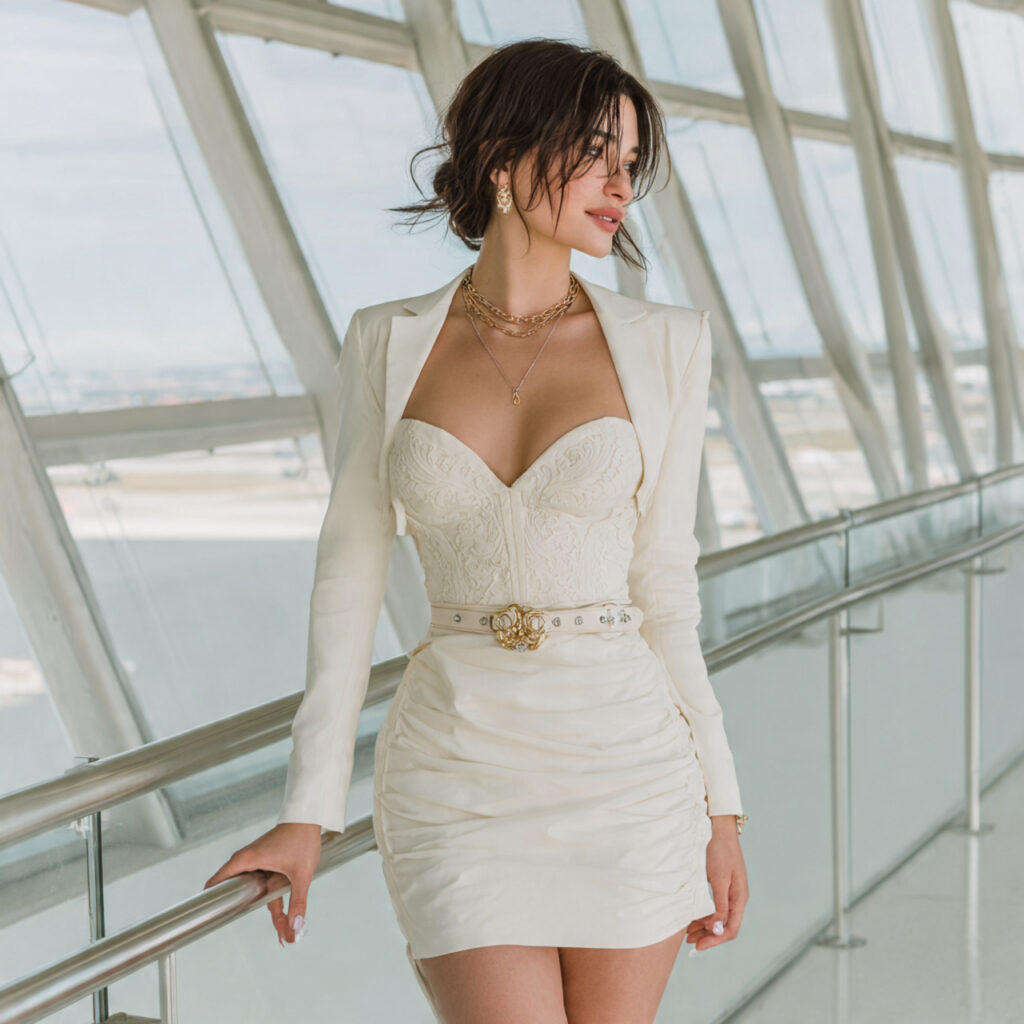
A long-sleeve mini offers contrast. Coverage on top balances a shorter hem, creating a look that feels modern but not exposed. This combination works especially well for cooler seasons or formal indoor dinners. As a rehearsal dinner dress, this style benefits from refined details such as cuff buttons, subtle pleating, or a high neckline. Stick to neutral or muted tones to avoid looking overly youthful. The goal is confidence, not costume.
Elegant Slip Dress with Elevated Fabric
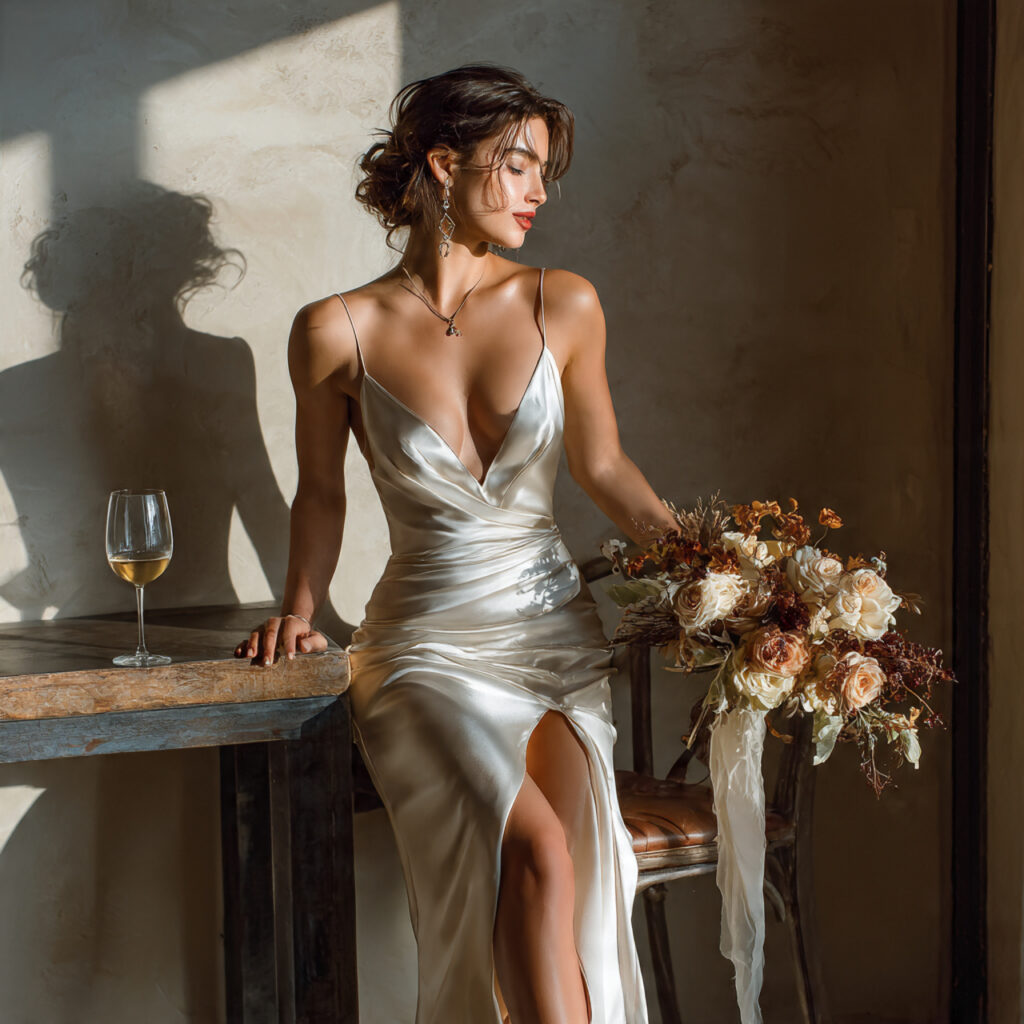
Slip dresses are deceptively simple. When cut well and made from quality fabric, they become understated and refined. Silk, satin, or viscose blends drape naturally and move with ease. For a rehearsal dinner dress, avoid overly thin straps or low backs unless the venue and audience are appropriate. Layering with a tailored blazer or wrap adds structure and makes the outfit adaptable to different settings.
Floral Midi Dress with Subtle Pattern
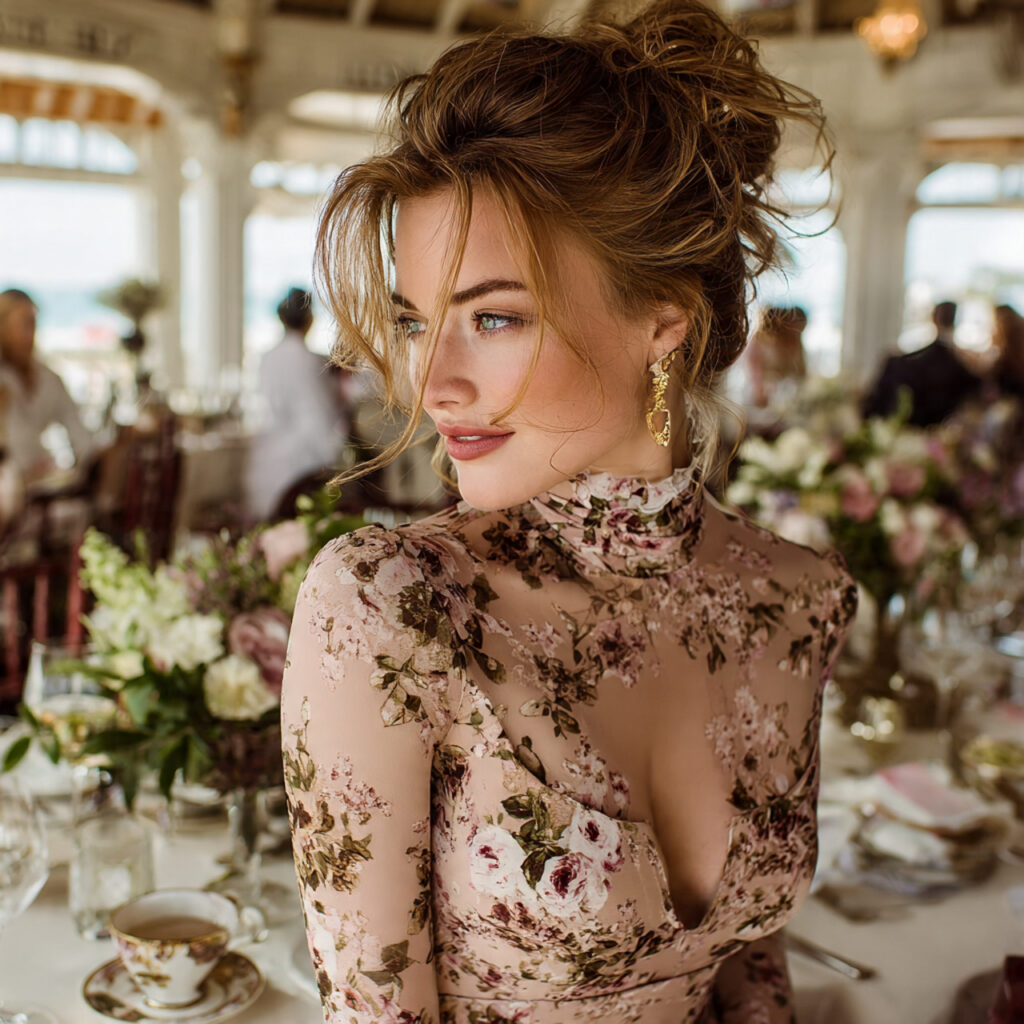
Florals can work when they are restrained. Small-scale prints in muted colors feel intentional and grown. Avoid loud contrasts or oversized blooms that dominate the frame. This rehearsal dinner dress option suits garden venues, outdoor terraces, or daytime dinners. The silhouette should remain clean. Let the print add interest while the cut provides stability.
High-Neck Dress with Minimal Detailing
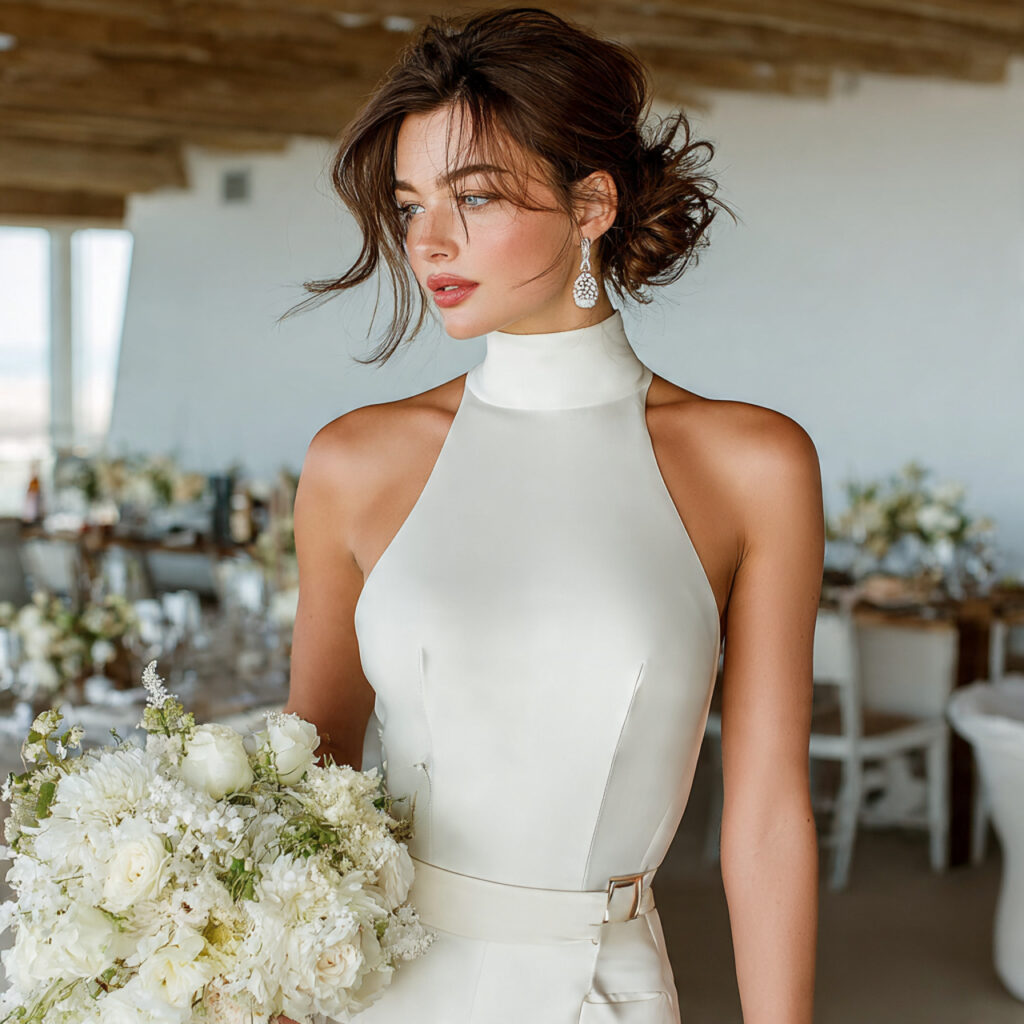
A high neckline communicates calm authority. It shifts focus to posture, fit, and fabric rather than skin. This makes it a strong choice for brides who prefer modest elegance. As a rehearsal dinner dress, the high-neck style pairs well with sleeveless or short-sleeve cuts. Balance is critical. Keep the hemline fluid or add a subtle slit to maintain movement and comfort.
Soft A-Line Dress for Effortless Balance
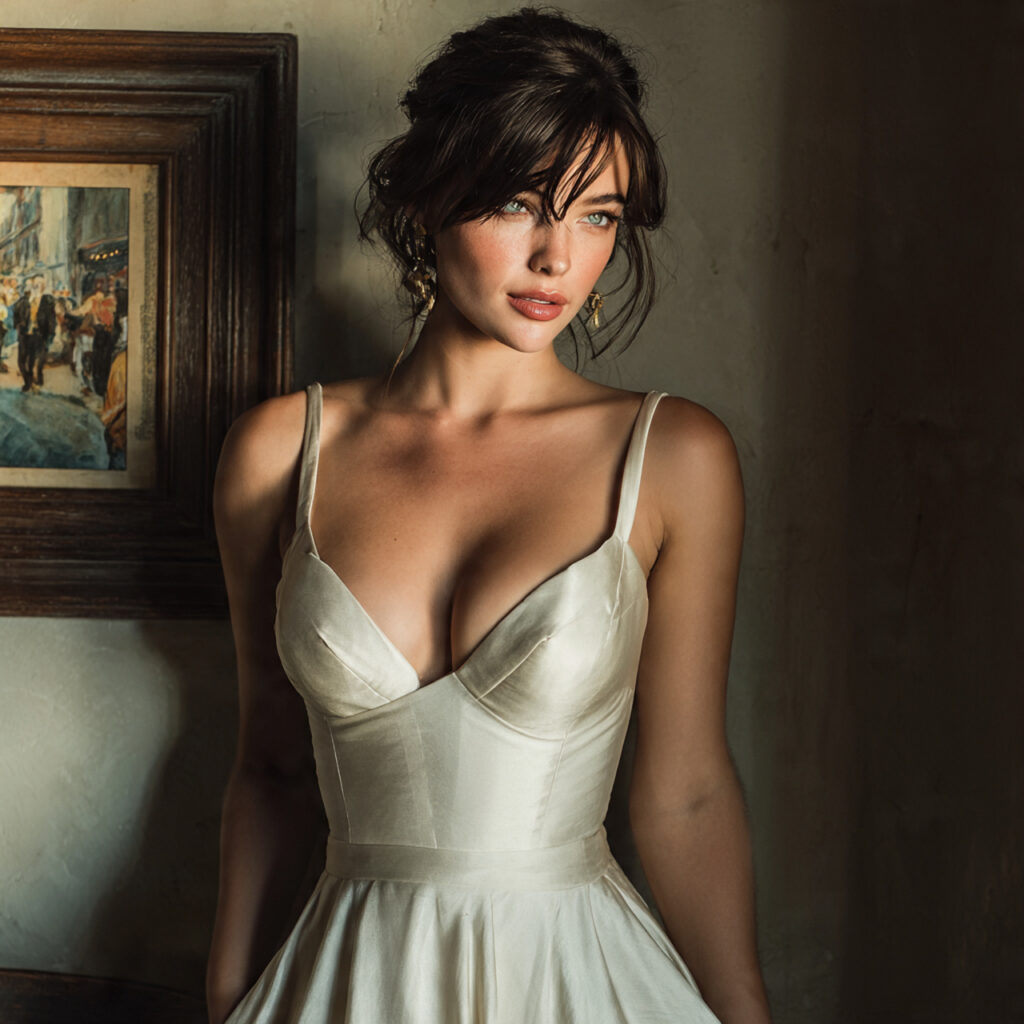
A-line dresses work because they do not demand attention. They skim the body without clinging, offering comfort across long dinners and conversations. This rehearsal dinner dress style benefits from simplicity. Avoid heavy embellishments. Let the shape do the work. Fabrics like crepe, lightweight wool, or structured cotton provide enough presence without stiffness.
Statement Sleeve Dress with Clean Base
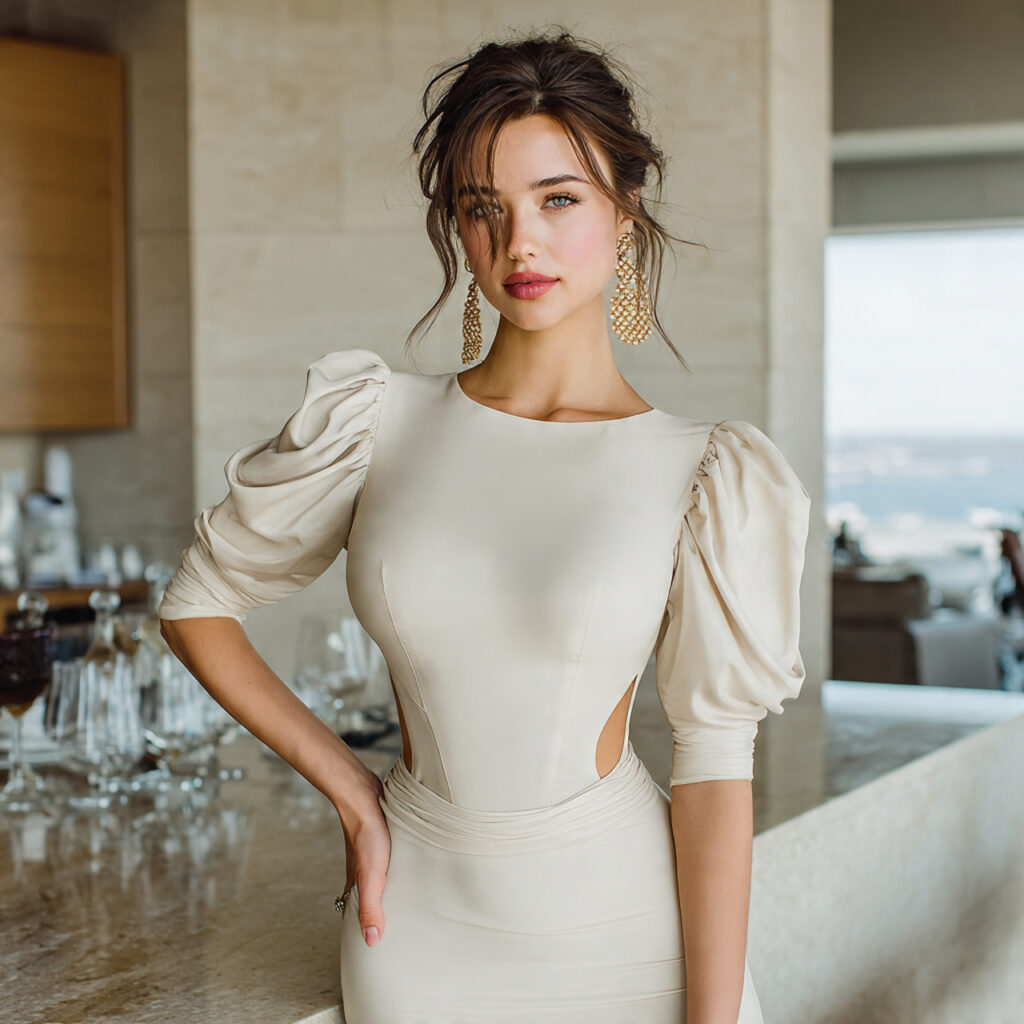
Statement sleeves add visual interest without altering the entire silhouette. Puff sleeves, bishop sleeves, or subtle volume at the shoulder can elevate an otherwise simple dress. For a rehearsal dinner dress, the base should remain neutral. Solid colors, smooth fabric, and a fitted bodice prevent the sleeves from overwhelming the look. This approach keeps the outfit modern rather than theatrical.
Two-Piece Dress Set with Coordination
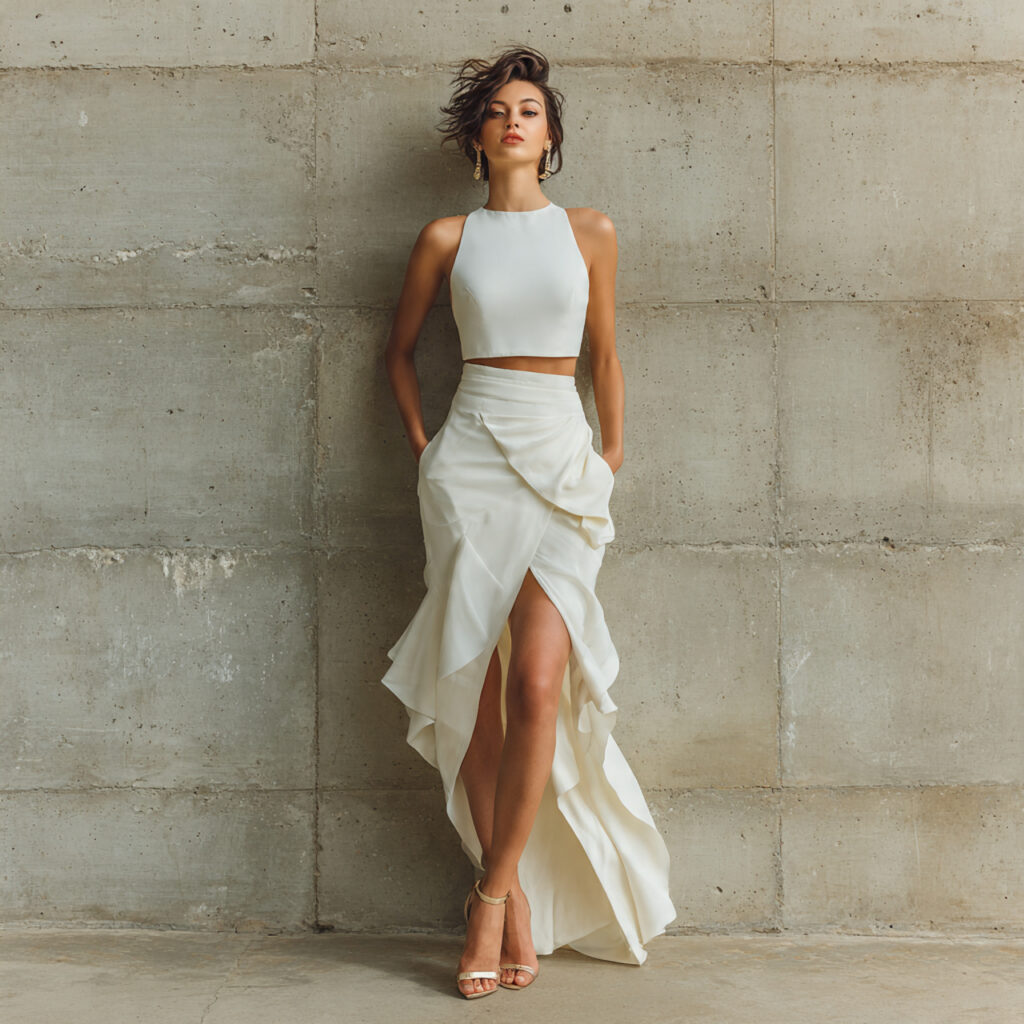
Two-piece dress sets offer flexibility while maintaining cohesion. A fitted top paired with a matching skirt feels intentional and styled, not casual. This rehearsal dinner dress concept works best when both pieces share fabric and tone. Avoid contrasting textures or colors. The look should read as a single outfit, not separates assembled last minute.
Satin Midi Dress with Clean Silhouette
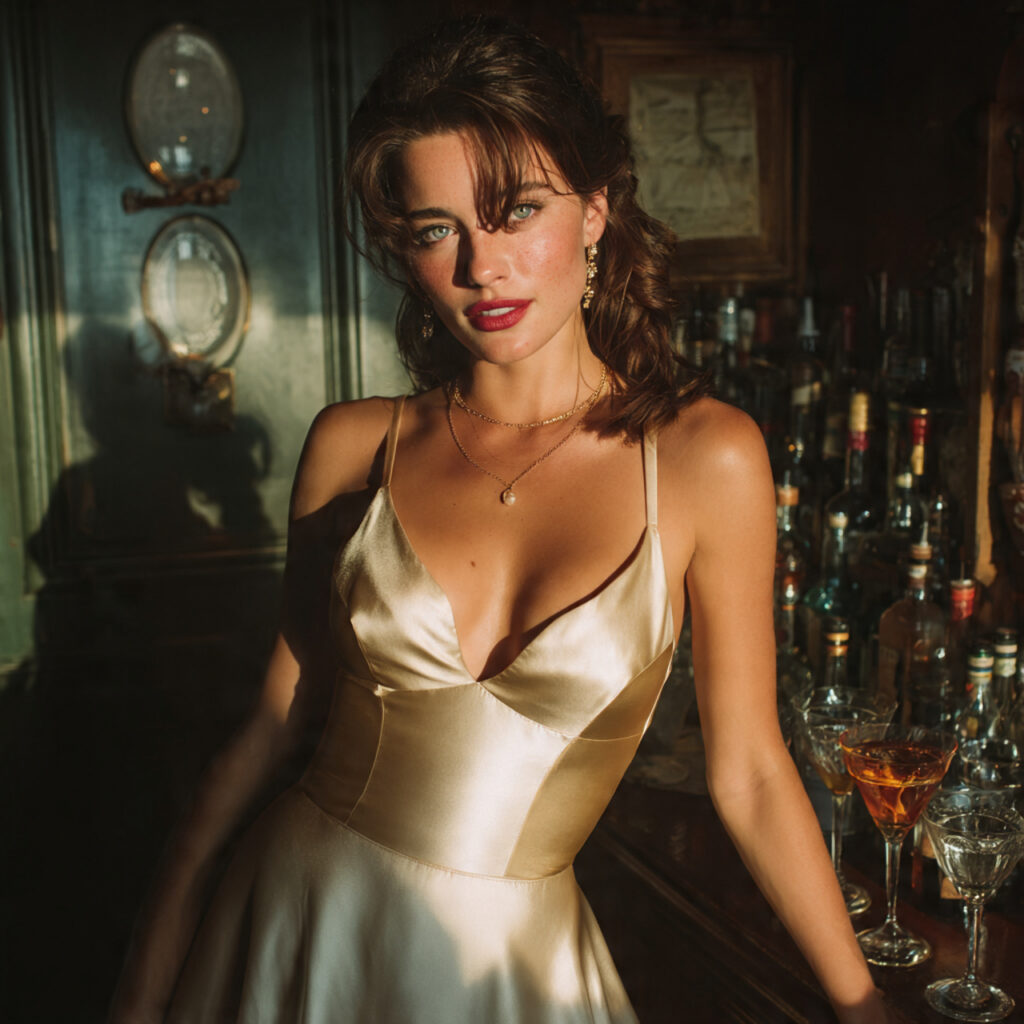
Satin carries light naturally and photographs beautifully. A satin midi with minimal seams and a soft drape creates an elevated presence without effort. As a rehearsal dinner dress, satin works best in neutral or jewel tones. Avoid excessive sheen. Matte satin or silk satin strikes the right balance between polish and restraint.
Modern Shirt Dress with Tailored Fit
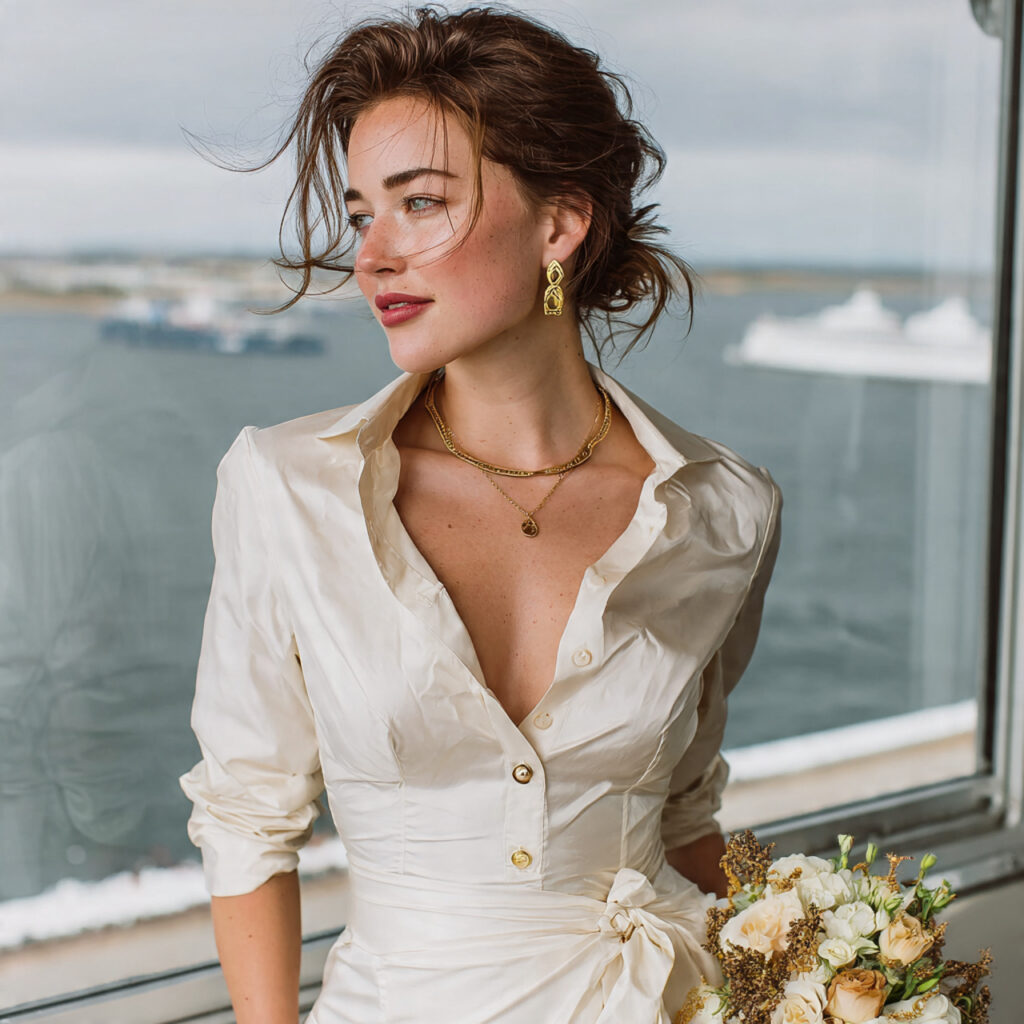
A shirt dress can move from casual to refined with the right adjustments. Tailoring is essential. The fit should define the waist without pulling, and the hemline should be intentional. For a rehearsal dinner dress, choose a shirt dress in silk, poplin, or twill rather than casual cotton. Structured collars and concealed buttons add refinement. Pair with heels or elegant flats to complete the look.
Off-Shoulder Dress with Structured Bodice
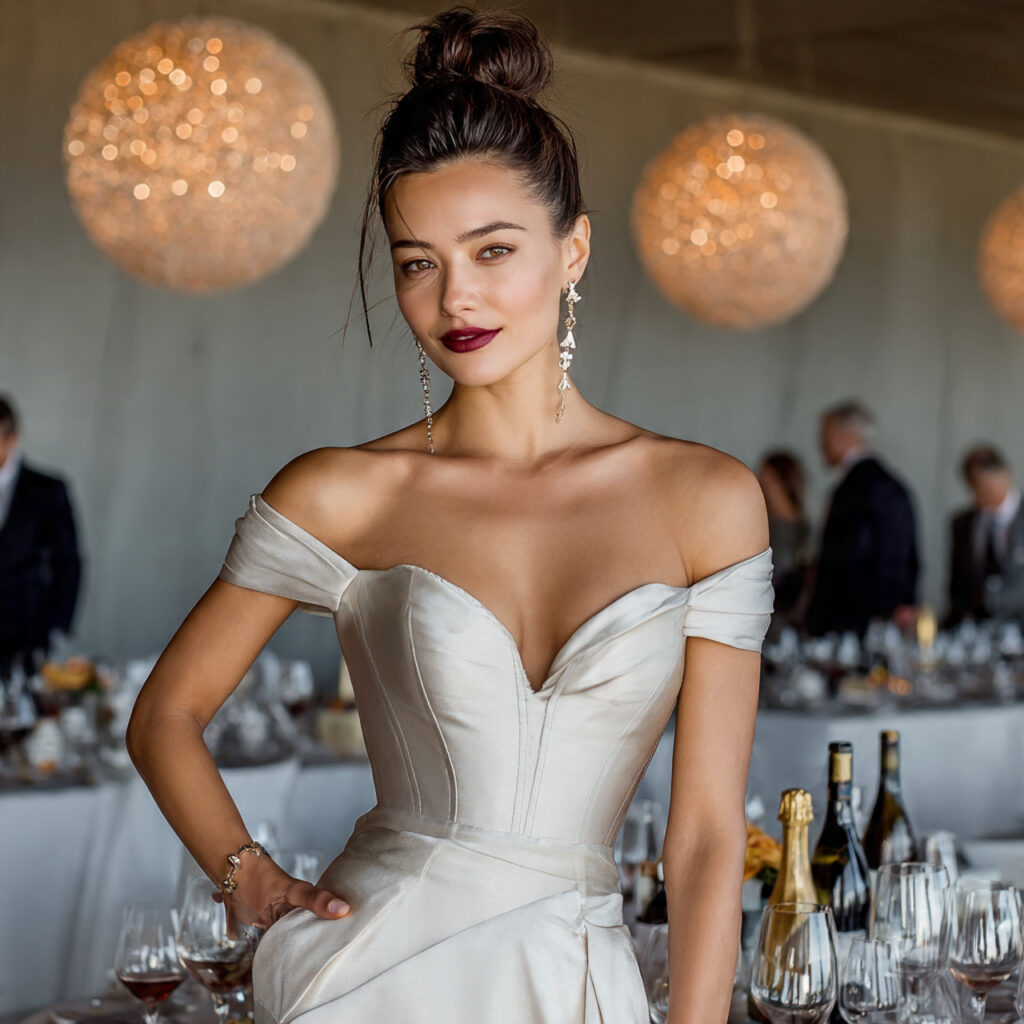
Off-shoulder designs feel celebratory without crossing into bridal territory. The key is structure. A firm bodice prevents constant adjustment and maintains confidence throughout the evening. This rehearsal dinner dress style suits evening venues and intimate gatherings. Keep accessories minimal. Let the neckline serve as the focal point without competing elements.
Lace Dress with Modern Cut
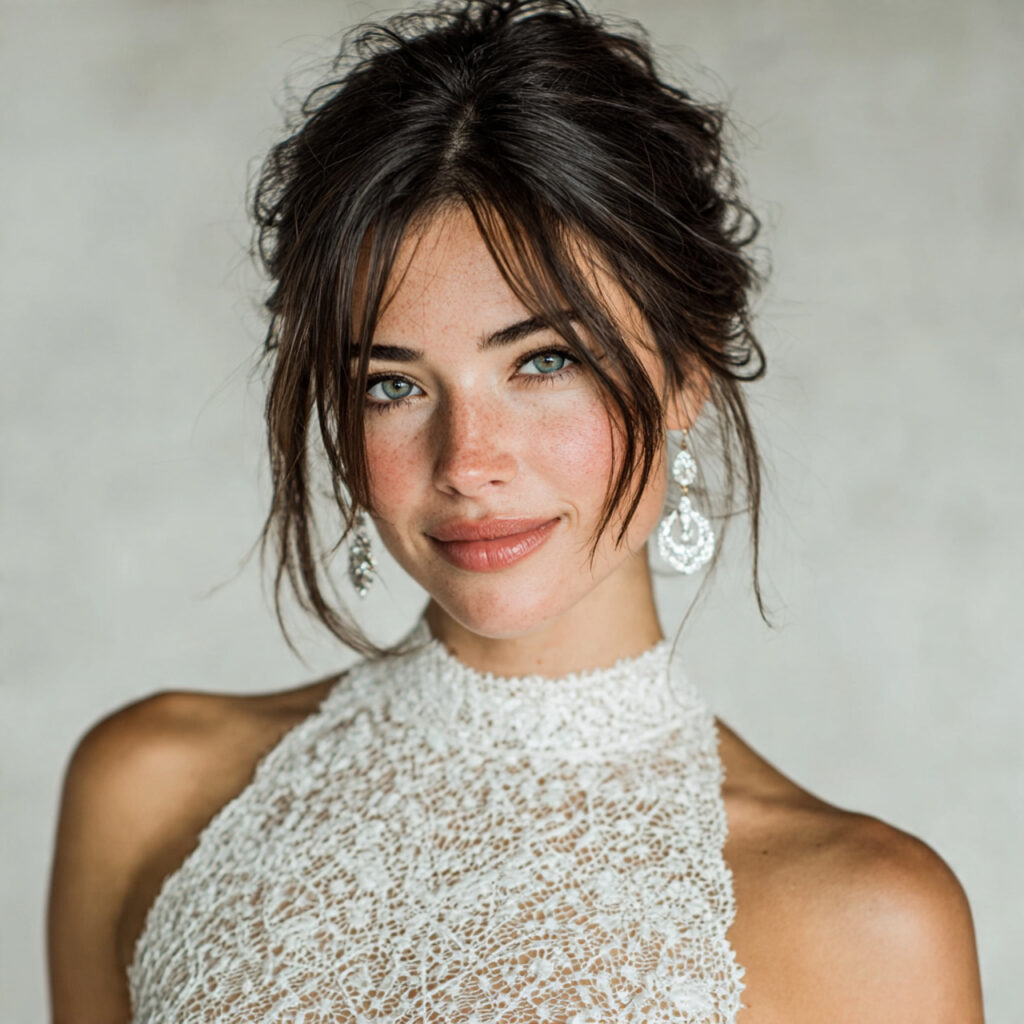
Lace does not need to feel traditional. When used sparingly and cut cleanly, it becomes contemporary and wearable. As a rehearsal dinner dress, modern lace works best when layered over neutral lining and paired with simple shapes. Avoid heavy patterns or scalloped edges. Precision matters more than ornamentation.
Soft Pastel Dress with Minimal Styling
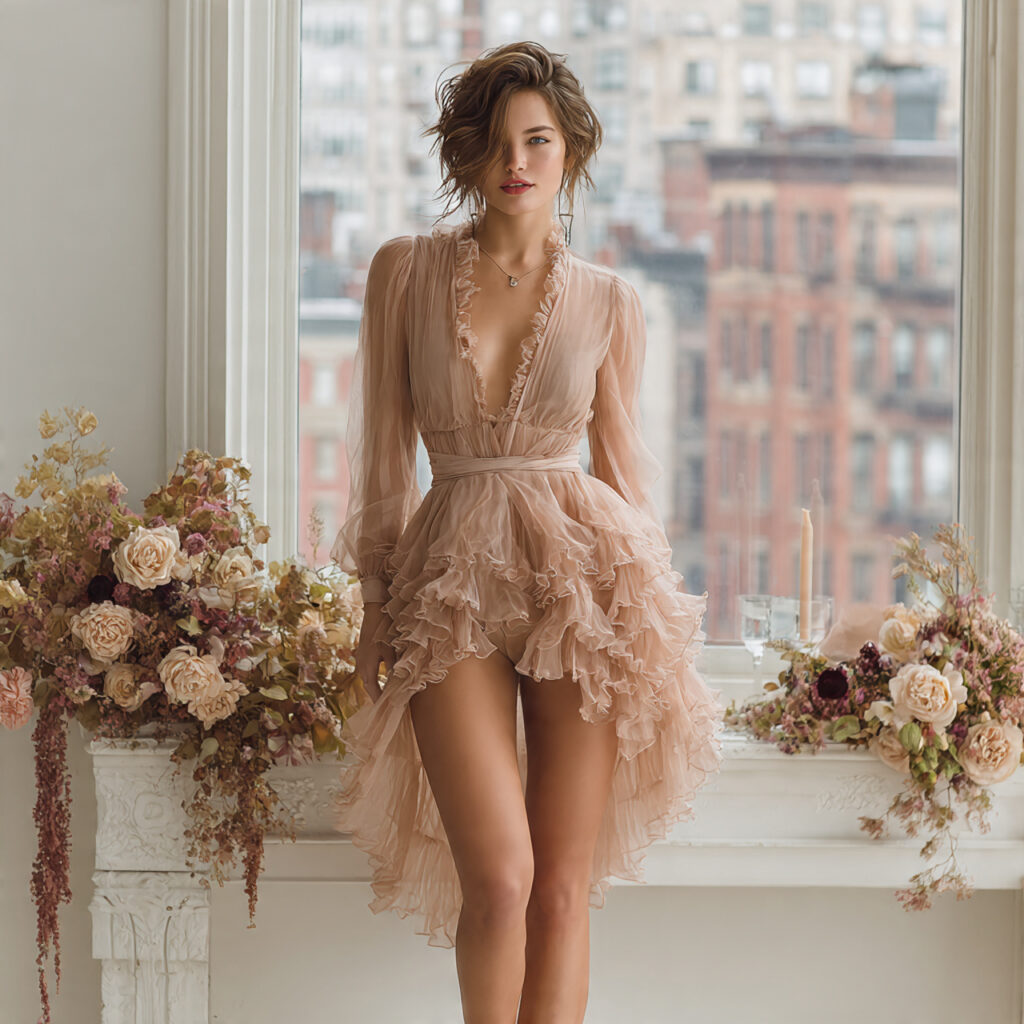
Pastels communicate softness and calm. Blush, powder blue, lavender, or pale sage can feel fresh without appearing juvenile. For a rehearsal dinner dress, keep the styling minimal. Simple shoes, restrained jewelry, and natural makeup allow the color to speak without distraction. Fit remains the priority.
Column Dress for Streamlined Presence
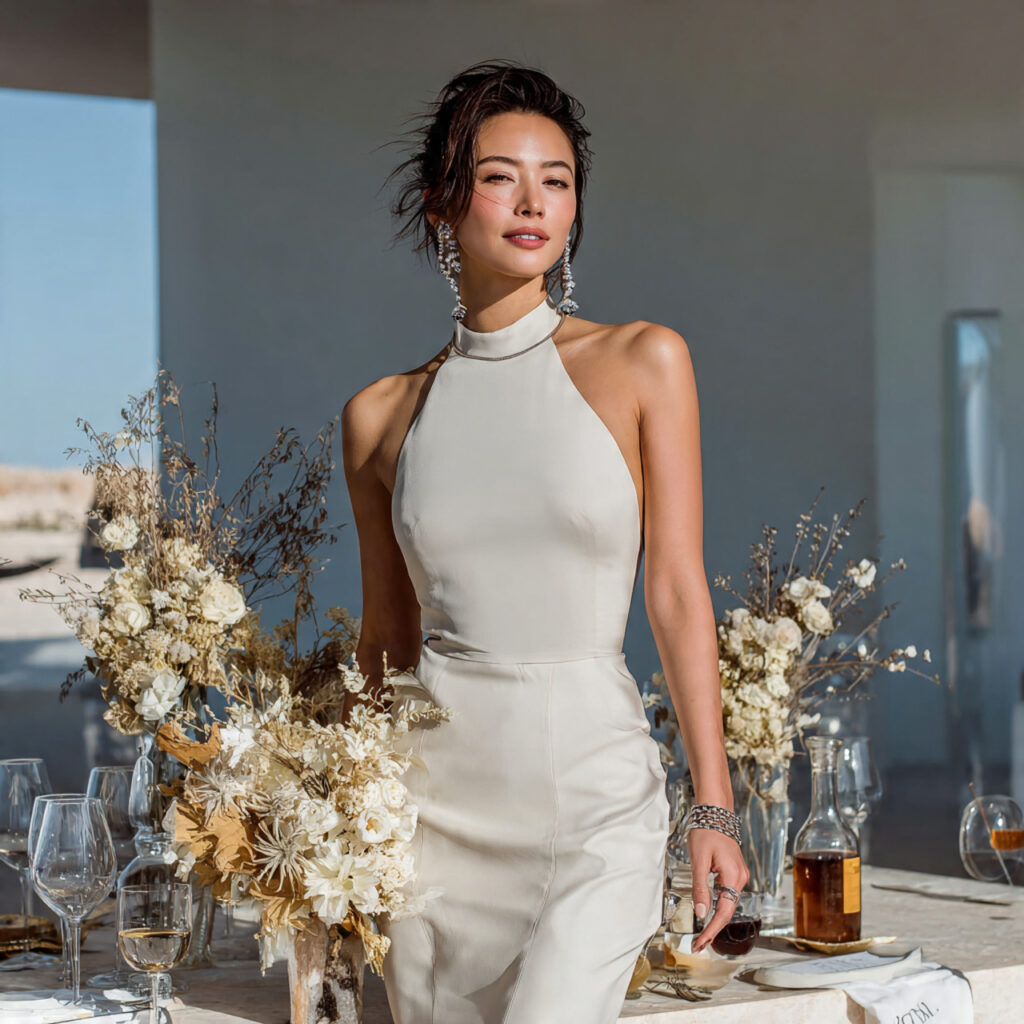
A column dress offers a clean, vertical line that feels composed and confident. This silhouette works well for taller frames or brides seeking understated elegance. As a rehearsal dinner dress, the column style benefits from subtle movement. Slits, textured fabric, or gentle draping prevent rigidity. Comfort should never be sacrificed for shape.
Tea-Length Dress with Vintage Influence
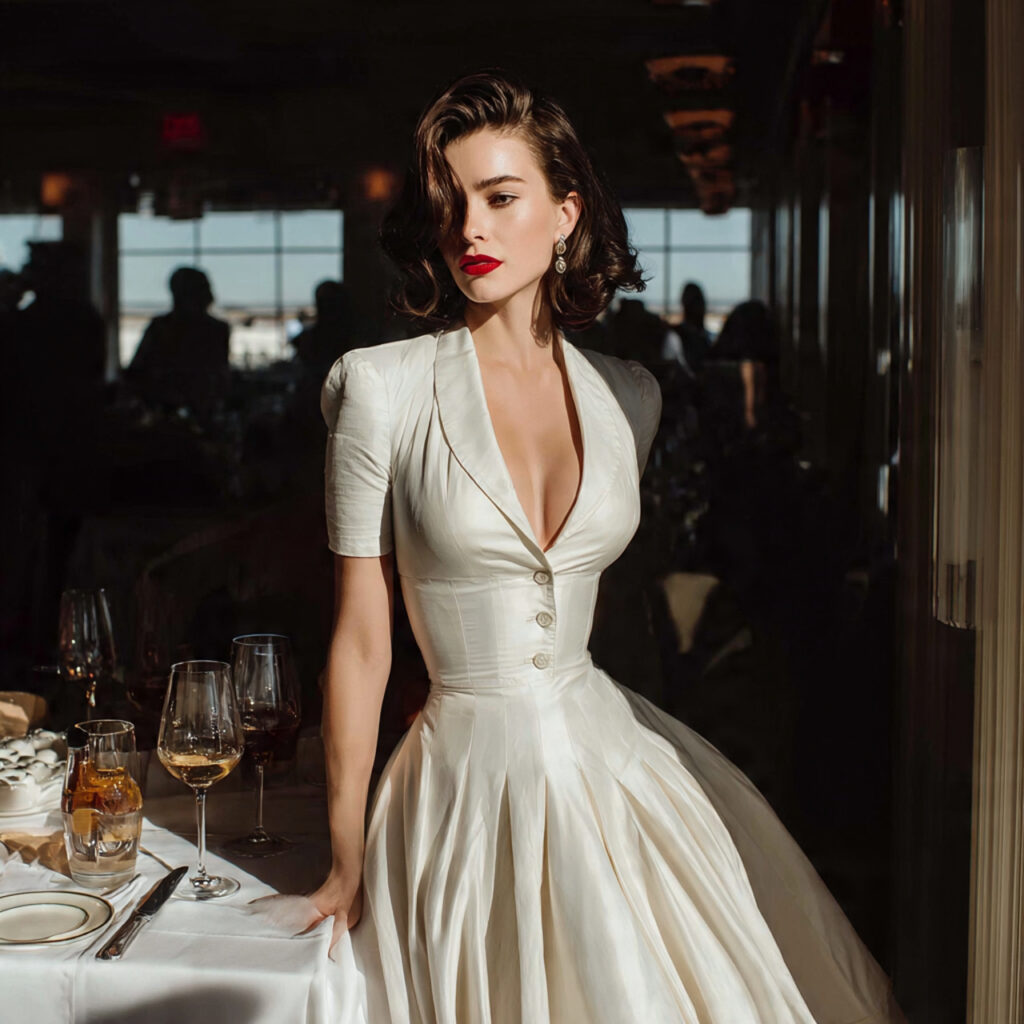
Tea-length dresses sit between formal and relaxed. They nod to tradition without feeling dated when executed carefully. This rehearsal dinner dress option works best in solid colors or minimal prints. Avoid excessive retro detailing. Let the length be the statement while the rest remains modern.
Asymmetrical Hem Dress with Balance

Asymmetry adds interest without excess. An uneven hemline or diagonal neckline creates movement and visual depth. For a rehearsal dinner dress, asymmetry should feel intentional, not experimental. Keep fabric quality high and color choices restrained. This ensures the design feels deliberate.
Minimalist Black Dress with Soft Elements
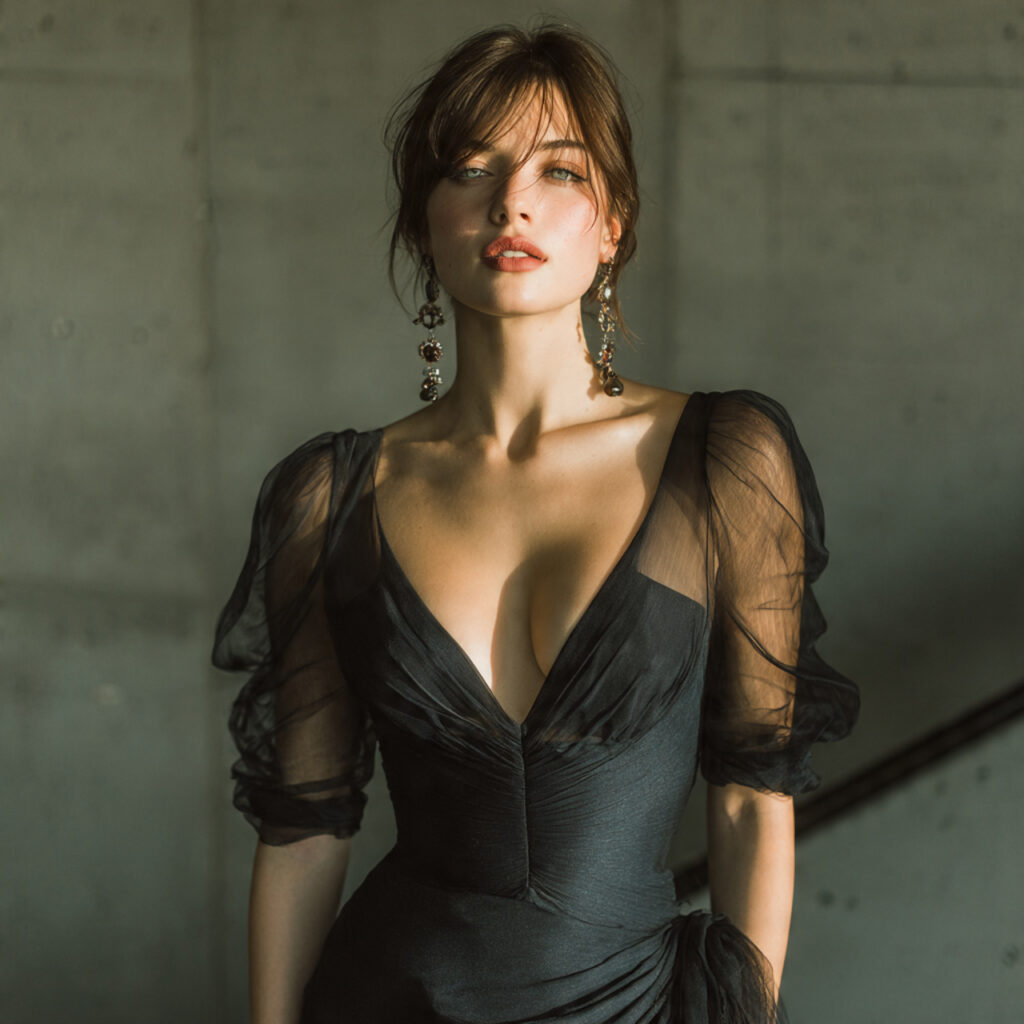
Black can work when styled thoughtfully. Soft fabrics, feminine cuts, or subtle details prevent the look from feeling severe. As a rehearsal dinner dress, black suits evening venues and modern settings. Balance the color with warmth through accessories or makeup. Avoid heavy textures that feel too formal.
Lightweight Knit Dress with Refined Shape
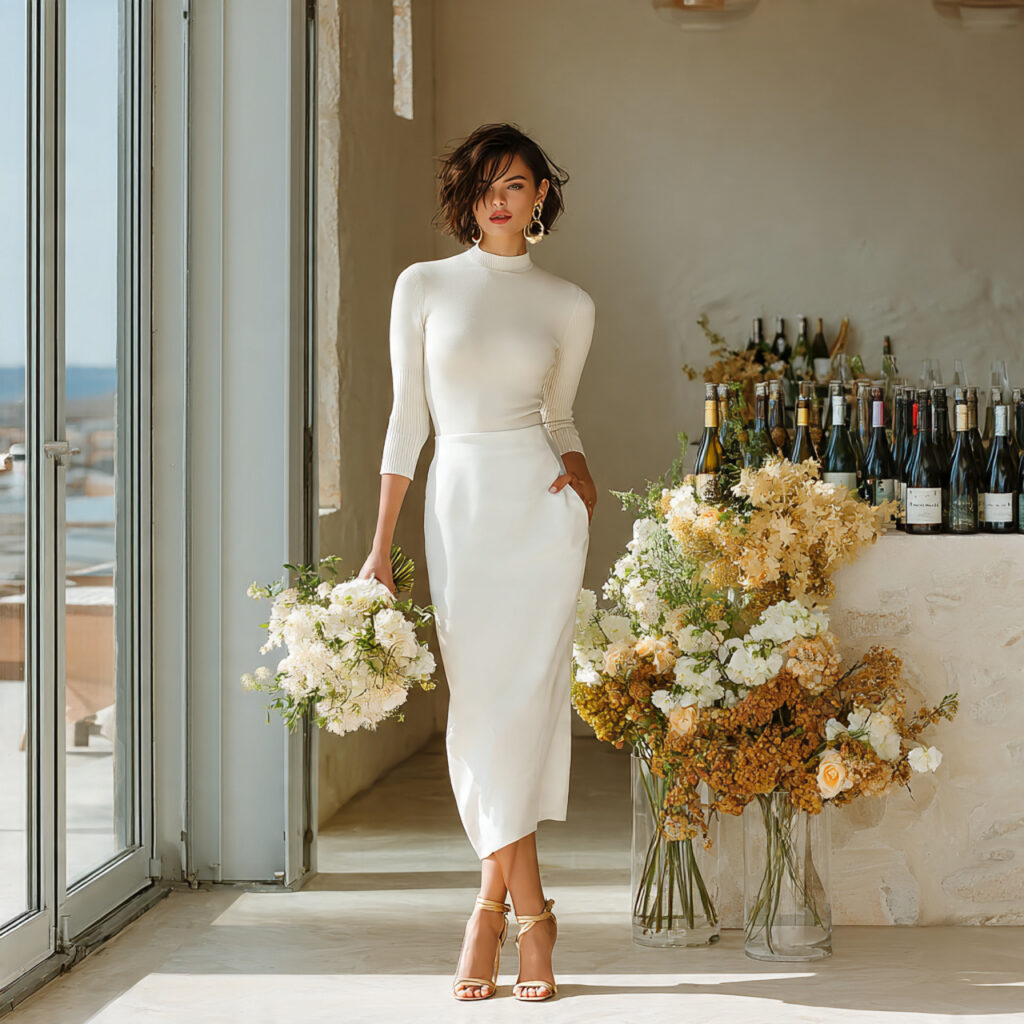
Knit dresses offer comfort without sacrificing style when designed well. Look for structured knits that hold shape rather than cling. This rehearsal dinner dress idea suits casual to semi-formal settings. Neutral colors and clean lines keep the look elevated. Avoid overly stretchy fabrics that lose form over time.
Custom-Tailored Dress with Personal Fit
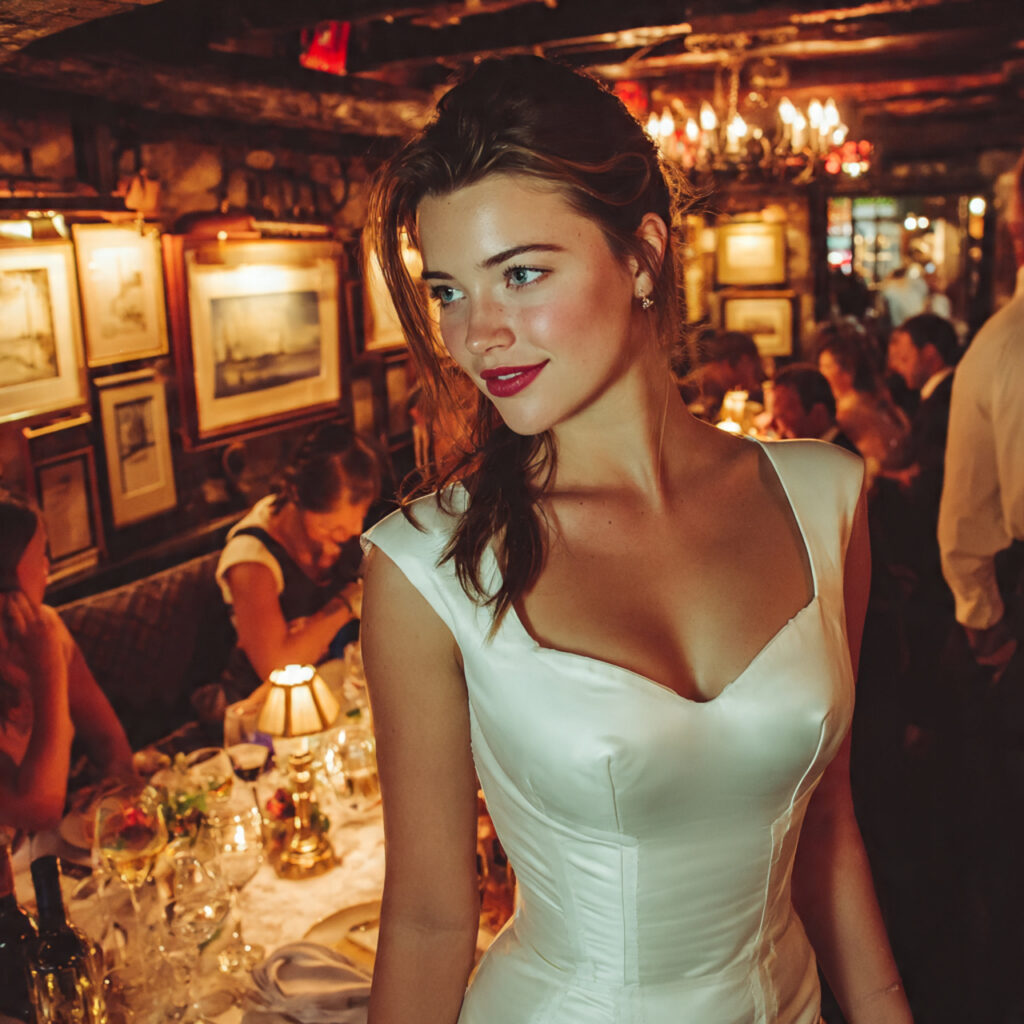
Tailoring changes everything. A simple dress adjusted to fit perfectly will outperform any trend-driven piece. As a rehearsal dinner dress, customization allows control over length, neckline, and proportion. This option suits brides who value precision and longevity. The result feels intentional and personal without excess.
Frequently Asked Questions
Is white mandatory for a rehearsal dinner dress
No. White is optional, not required. Neutral tones, soft colors, and even darker shades are acceptable as long as the look feels intentional and celebratory.
Should the rehearsal dinner dress match the wedding theme
It does not need to match, but it should not clash. The dress should complement the overall tone of the wedding without duplicating the bridal gown.
Can the rehearsal dinner dress be reused later
Yes. Many brides choose styles they can wear again. This is practical and increasingly common.
How formal should the rehearsal dinner dress be
The formality should align with the venue and guest list. A restaurant dinner differs from a backyard gathering. Choose accordingly.
Are heels required with a rehearsal dinner dress
No. Flats, sandals, or low heels are acceptable if they align with the outfit and setting. Comfort matters.
Conclusion
A rehearsal dinner dress is not a performance piece. It is a transition garment. It bridges preparation and celebration, anticipation and arrival. The best choice respects the moment without overstatement. Focus on fit, fabric, and setting. Avoid excess. Choose clarity over complexity. When the dress feels natural, the evening follows.