19 Vintage Wedding Invitations for Elegant and Classic Ceremonies
Vintage aesthetics endure because they feel earned. They carry texture, history, and restraint—qualities modern weddings often seek but struggle to express. When couples choose vintage wedding invitations, they are not chasing nostalgia for its own sake. They are signaling intention. They are slowing the pace. They are inviting guests into a story that values craft over gloss. This guide explores nineteen thoughtfully grounded approaches to vintage invitation design. Each idea is rooted in real materials, real constraints, and real decisions couples face. No excess. No fantasy. Only designs that work, age well, and respect the weight of the moment.
Handwritten Script on Cotton Paper
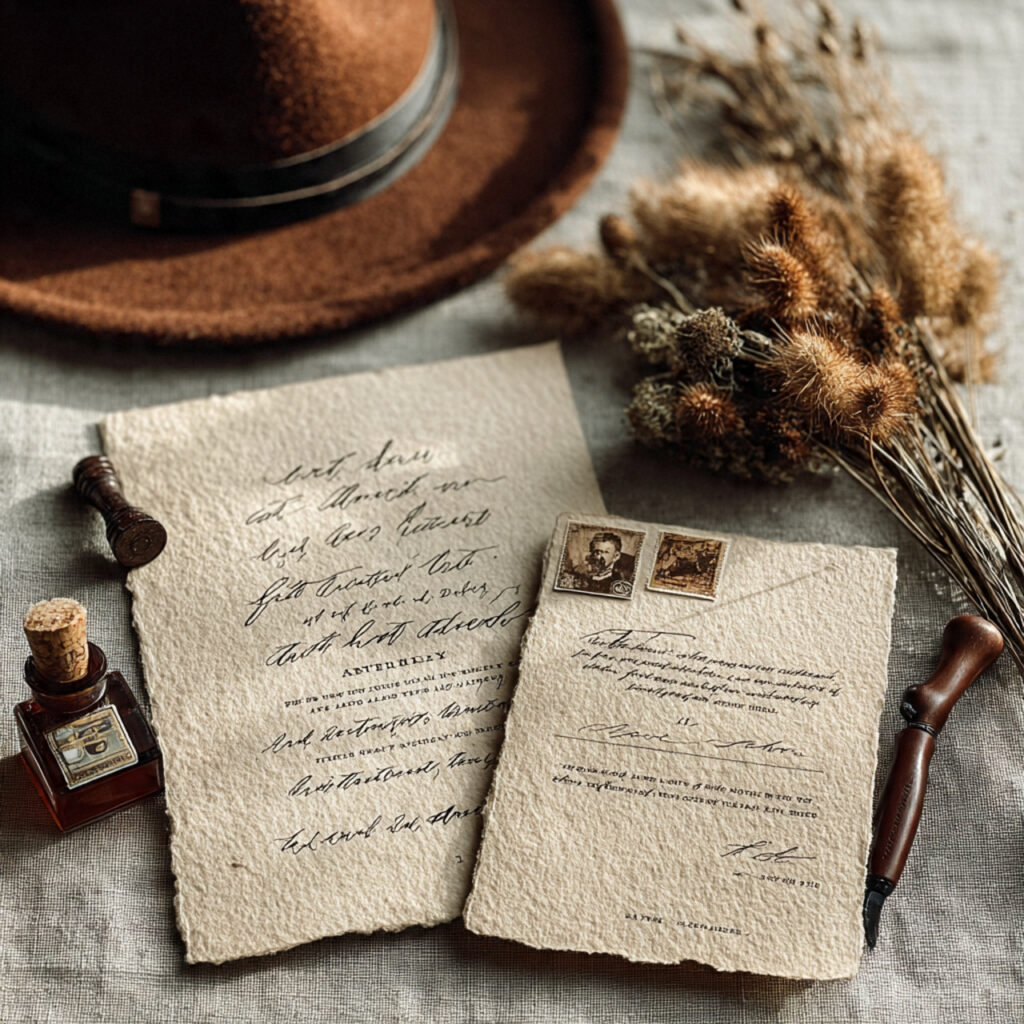
Nothing communicates sincerity like ink pressed into cotton fiber. Thick, softly textured paper absorbs handwritten script in a way that printed stock never can. Slight inconsistencies in lettering are not flaws. They are proof of touch. Vintage wedding invitations using handwritten script work best when paired with restraint. Neutral palettes—ivory, parchment, faded white—keep attention on the words rather than decoration. This approach suits intimate weddings, formal ceremonies, and couples who value presence over performance.
Cotton paper also holds up physically. It resists yellowing and tearing, making it ideal for keepsakes. Guests often save these invitations long after the wedding because they feel personal rather than promotional. This style requires patience. Handwriting takes time, and mistakes cannot be undone. But the result is honest. It sets a tone that says the ceremony will be intentional, not rushed.
Antique Letterpress Designs
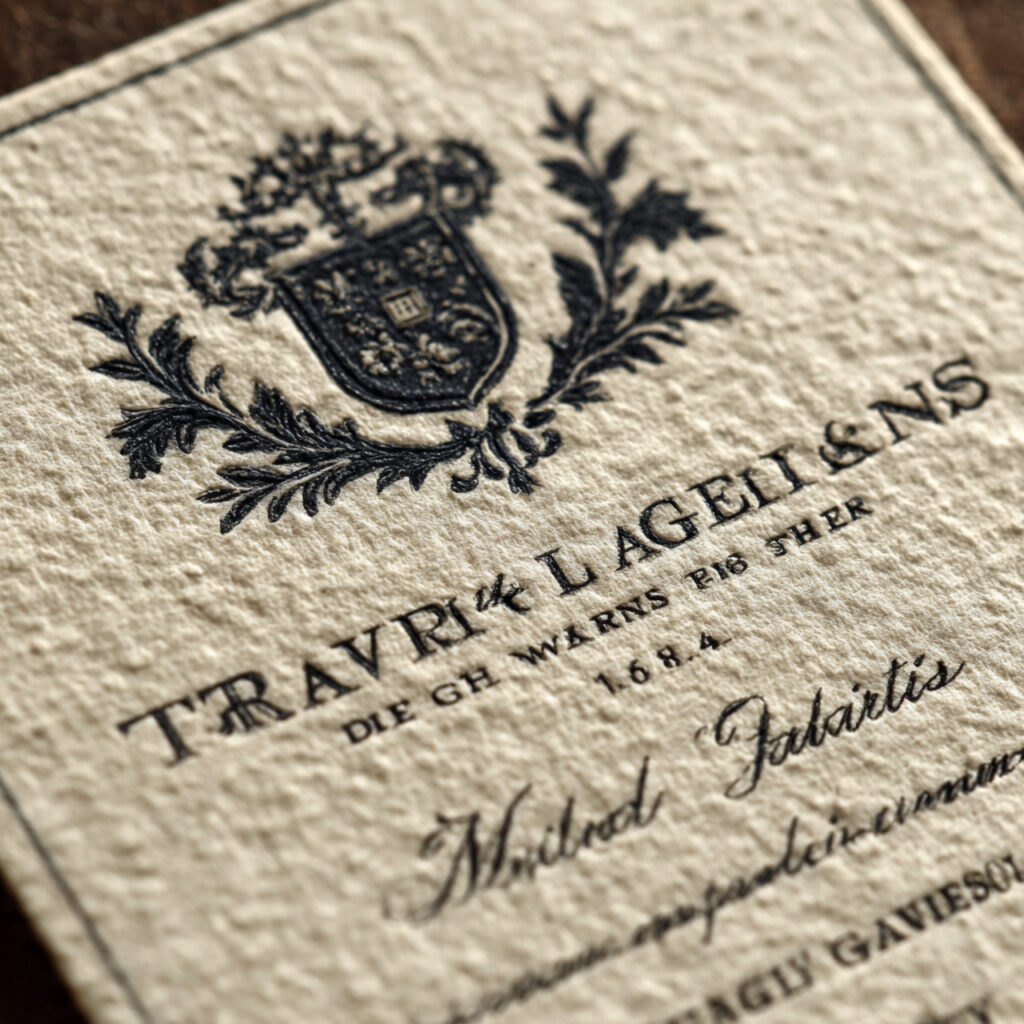
Letterpress printing presses ink into paper rather than laying it on top. The result is tactile and deliberate. Each impression leaves a subtle shadow that cannot be replicated digitally. Vintage wedding invitations produced through letterpress feel permanent. The weight of the paper and the depth of the print suggest gravity. This is not a disposable announcement. It is a declaration.
Traditional typefaces—Bodoni, Caslon, Garamond—work best here. Ornate fonts should be avoided unless historically accurate. Excess decoration undermines the discipline letterpress demands. This approach is not inexpensive. Plates must be created. Presses must be calibrated. But the outcome justifies the effort. Letterpress invitations signal seriousness without arrogance.
Aged Parchment Texture
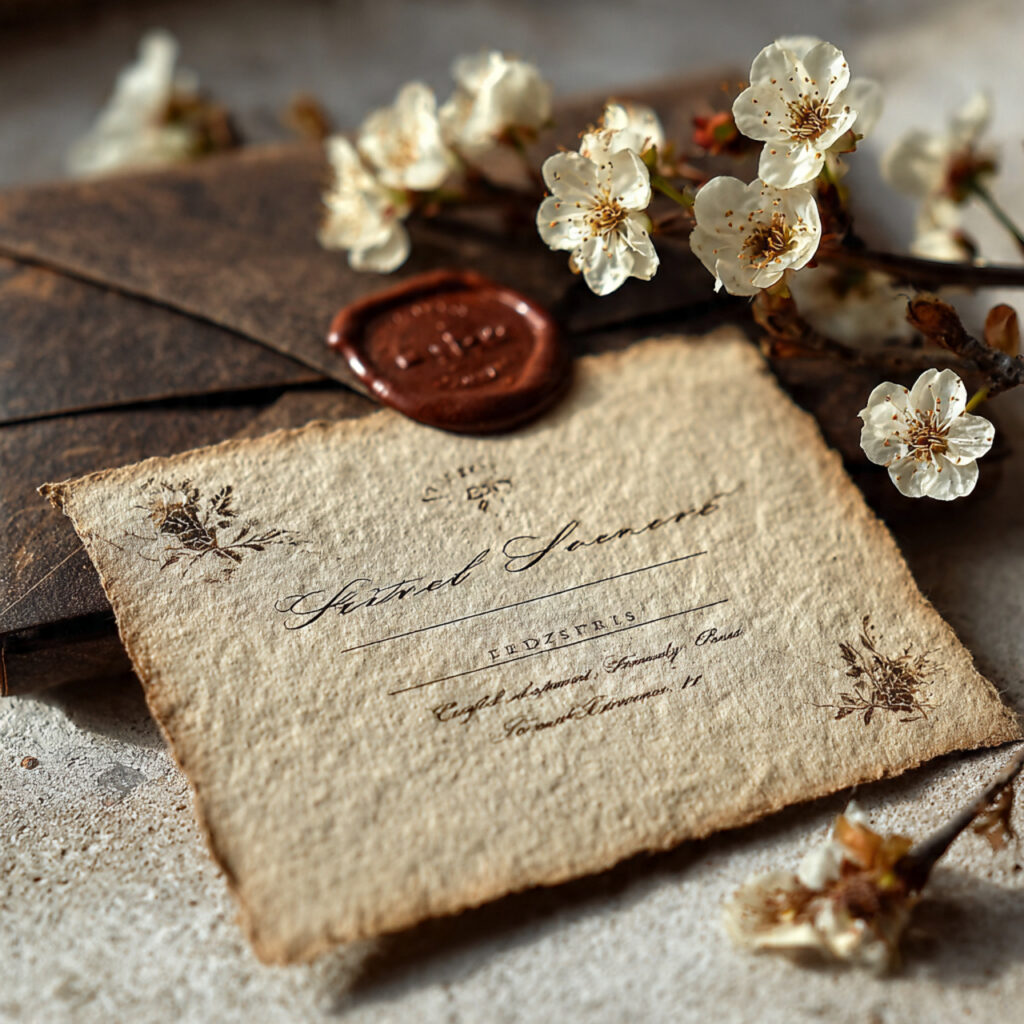
Aged parchment textures mimic the look of time without artificial distressing. Soft marbling, uneven edges, and warm undertones create depth without spectacle. Vintage wedding invitations that use parchment textures feel archival. They resemble documents rather than announcements. This works especially well for traditional ceremonies, historic venues, or religious settings. The key is subtlety. Overdone aging looks theatrical. True vintage character is quiet. Choose stock that feels worn but not damaged. This style pairs well with serif fonts and muted ink colors—sepia, charcoal, faded black. It avoids trend cycles and photographs well under natural light.
Victorian-Inspired Borders
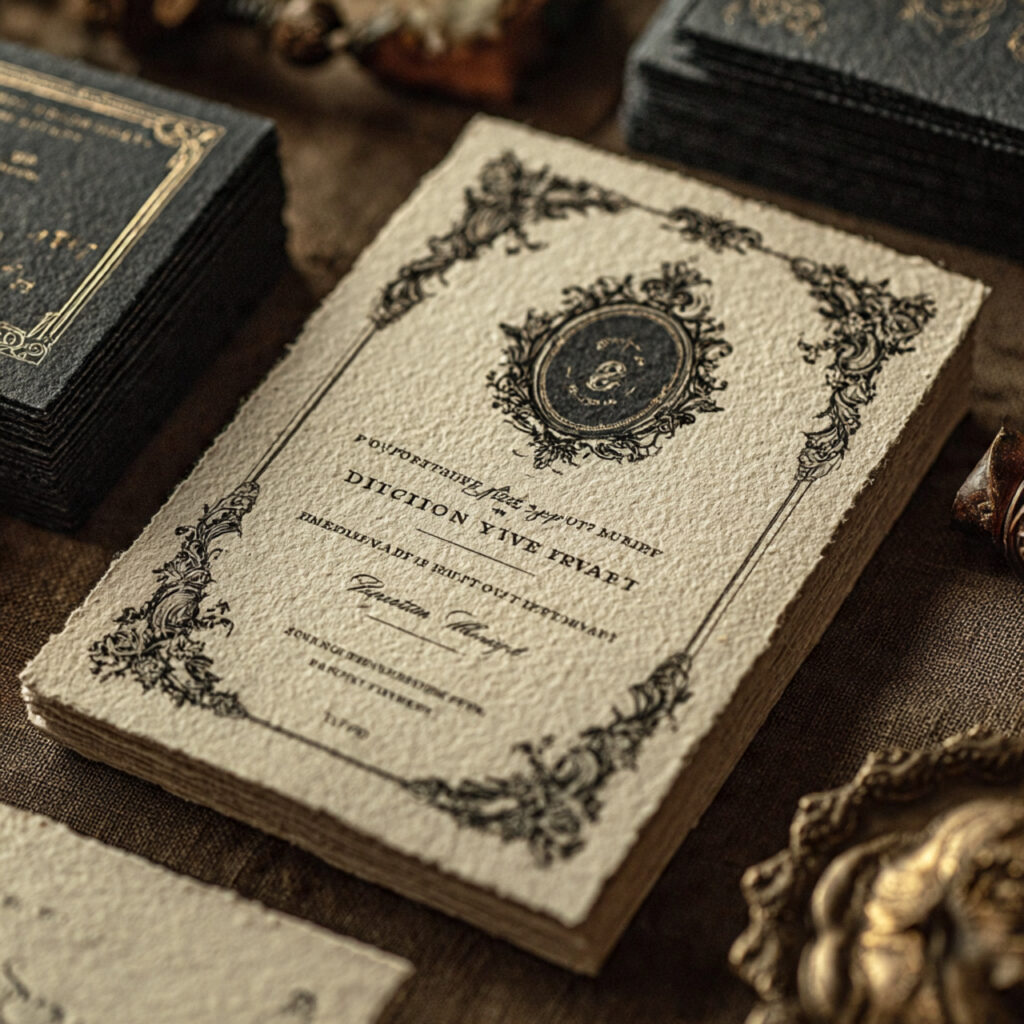
Victorian borders are detailed but structured. They frame text rather than compete with it. Thin lines, floral motifs, and symmetrical patterns reflect a time when print design valued balance. Vintage wedding invitations with Victorian borders should respect spacing. White space matters. Crowding the design defeats its purpose. These borders work best when printed in single ink tones. Gold foil can be effective, but only when used sparingly. Flat ink often feels more authentic. This style communicates formality without stiffness. It suits evening weddings, black-tie ceremonies, and venues with architectural detail.
Calligraphy and Wax Seals
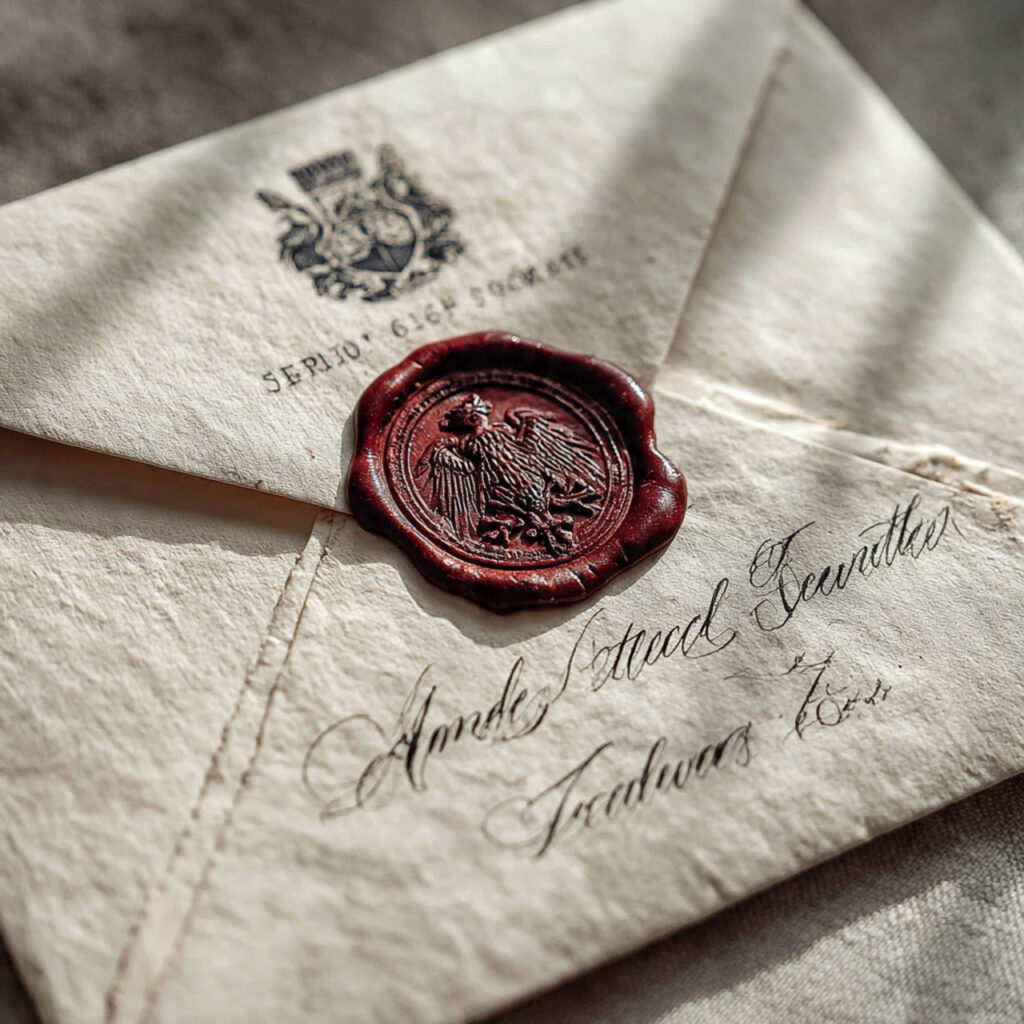
Wax seals introduce ceremony before the envelope is opened. They slow the moment. They ask the recipient to pause. Vintage wedding invitations sealed with wax feel ceremonial. They suggest tradition without explanation. Calligraphy enhances this effect when kept restrained. The wax color matters. Deep red, muted bronze, or dusty blue feel grounded. Bright colors break the illusion. This approach requires planning. Wax seals can crack in transit. Envelopes must be hand-cancelled. But for couples who value ritual, the effort reinforces the message.
Old Postcard Style Invitations
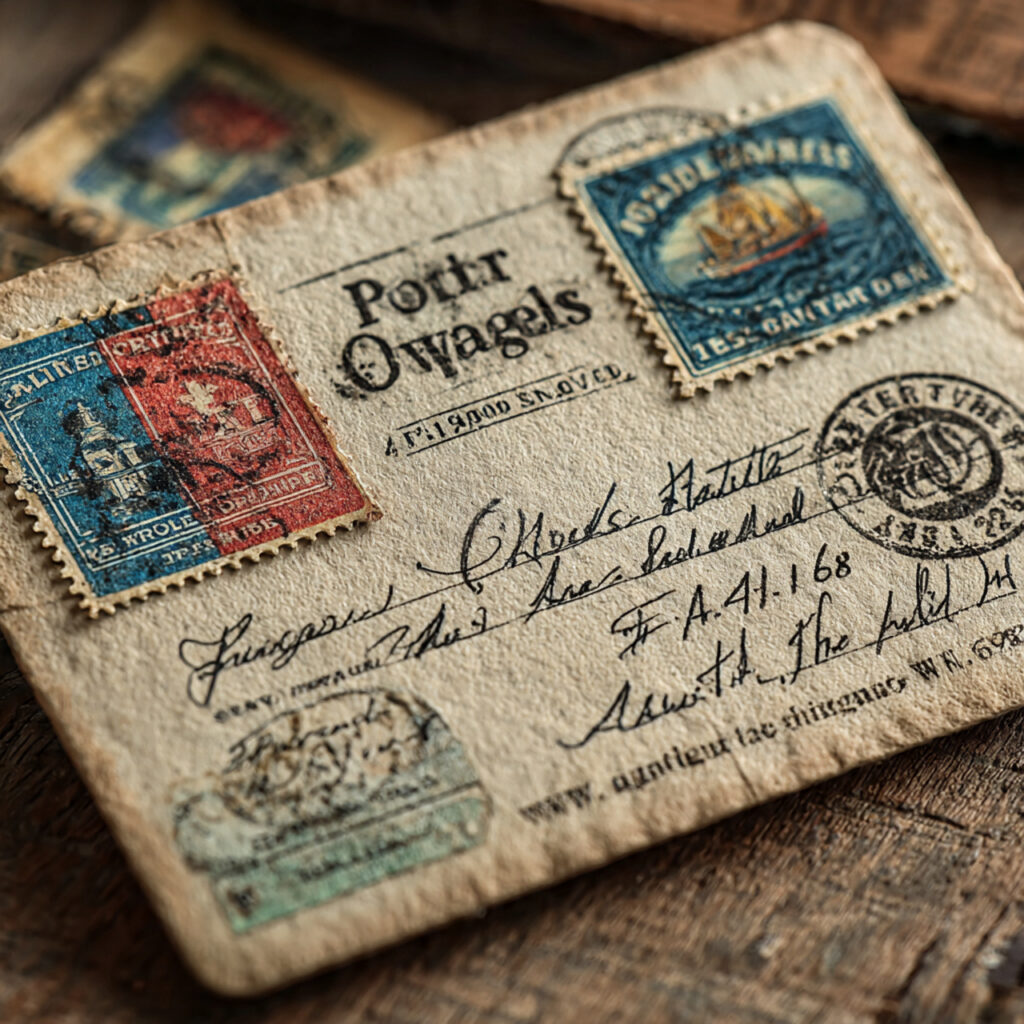
Postcard formats reduce formality while preserving character. They recall travel, correspondence, and personal connection. Vintage wedding invitations designed as postcards work well for destination weddings or informal ceremonies. They feel approachable without being casual. Designs often include faded imagery, handwritten fonts, and stamp motifs. Avoid novelty graphics. The goal is familiarity, not irony. Postcards are practical. They reduce mailing costs and eliminate excess packaging. Their simplicity aligns with the vintage principle of function first.
Sepia-Tone Photography Inserts
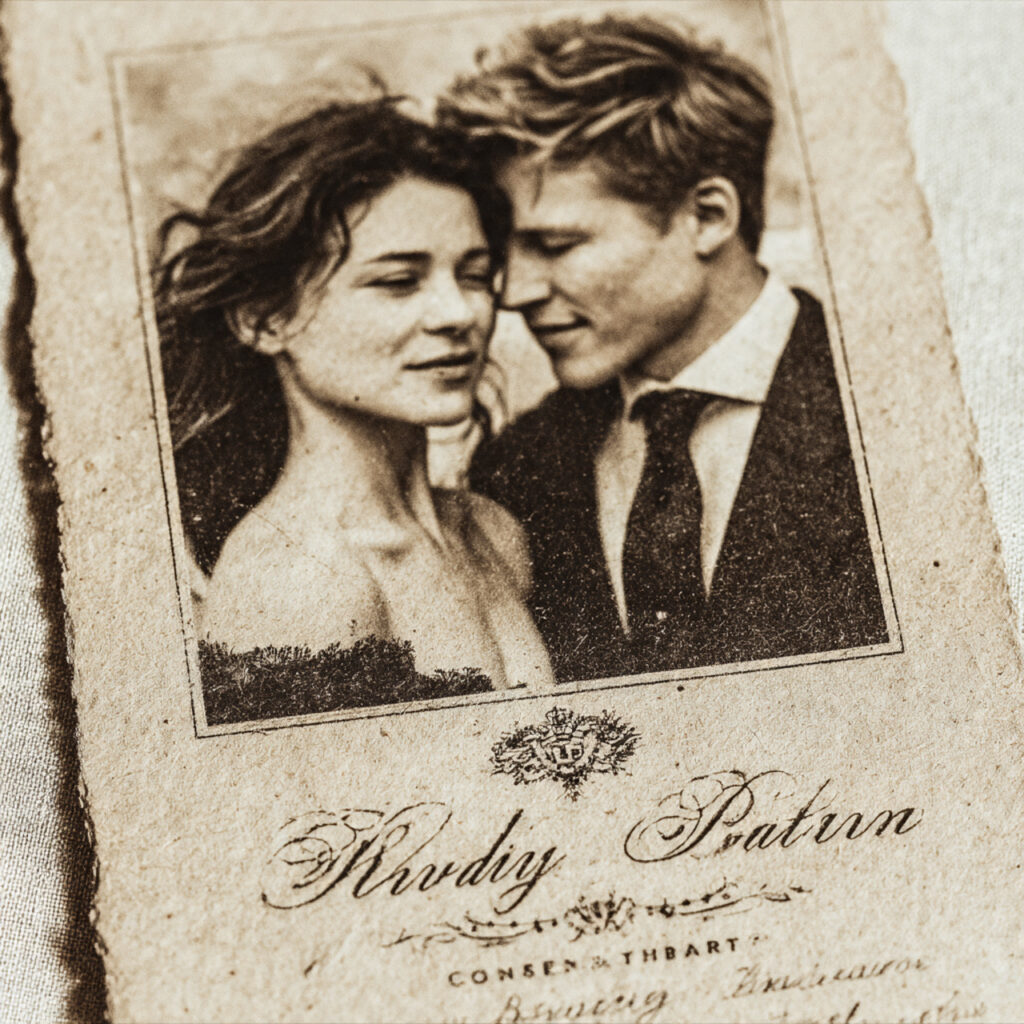
Sepia photography adds warmth and history without distraction. It softens images and removes modern sharpness. Vintage wedding invitations that include sepia photos should use images with strong composition. Poor lighting becomes more noticeable when color is removed. This style works well for engagement photos taken in natural settings. Urban backdrops often feel out of place. Photography should support the invitation, not dominate it. Small inserts or subtle backgrounds maintain balance.
Art Deco Typography Influence
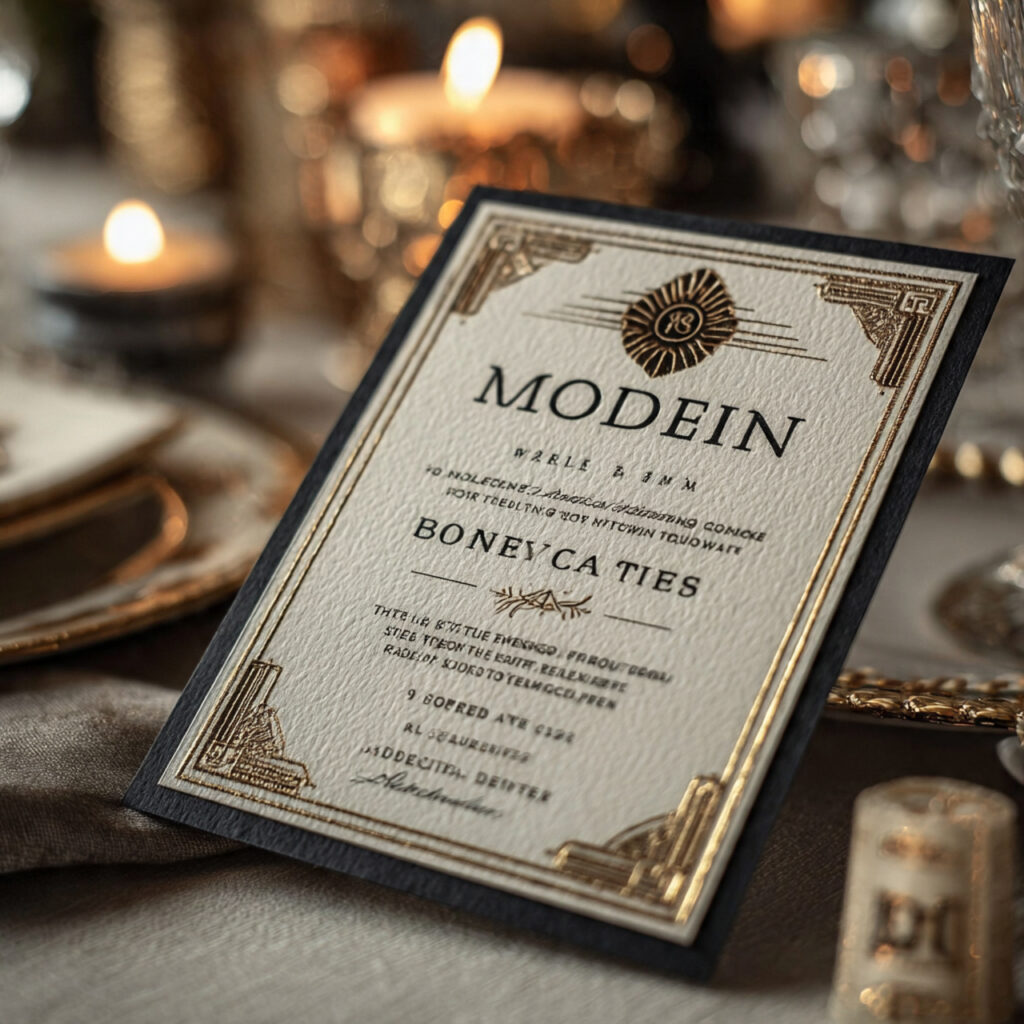
Art Deco design reflects confidence and structure. Clean lines, geometric shapes, and strong contrast define the style. Vintage wedding invitations inspired by Art Deco suit couples drawn to order and clarity. This is vintage without softness. Use bold typography sparingly. Too many elements create noise. Gold and black palettes work, but matte finishes prevent excess shine. This approach pairs well with evening events and formal venues. It feels intentional and controlled.
Botanical Line Illustrations
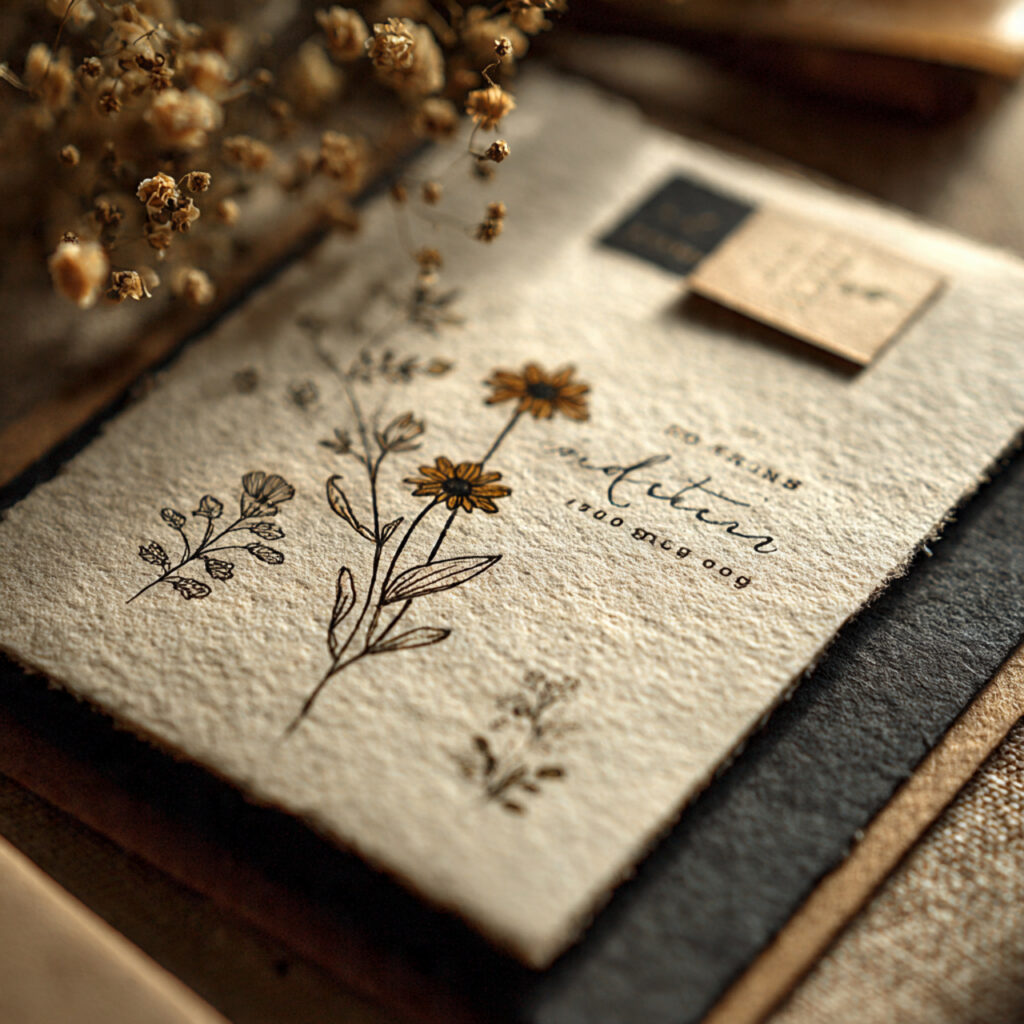
Botanical illustrations offer detail without color overload. Line drawings of leaves, flowers, or branches feel archival and precise. Vintage wedding invitations with botanical elements should avoid modern floral trends. Choose species with historical association—olive branches, laurel, wildflowers. Illustrations work best when integrated into the layout rather than floating as decoration. They should guide the eye, not distract it. This style suits outdoor weddings and seasonal ceremonies. It feels grounded and respectful of nature.
Old Book Page Motifs
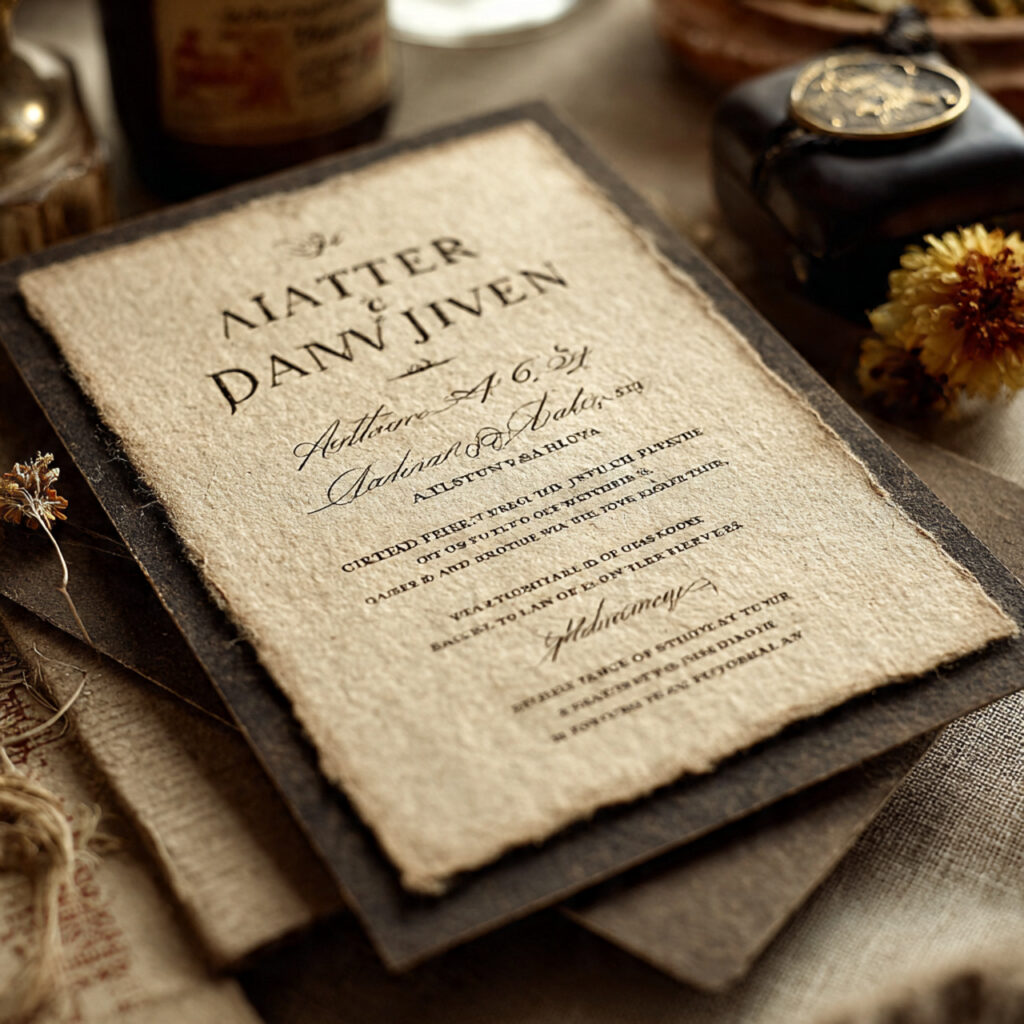
Book page motifs reference literature, learning, and permanence. They resonate with couples who value words. Vintage wedding invitations that echo book pages often use justified text, serif fonts, and subtle margin lines. Avoid literal reproduction of book pages. Instead, suggest the format through layout and typography. This approach works well for library venues or literary themes. It feels intellectual without being pretentious.
Soft Neutral Color Palettes
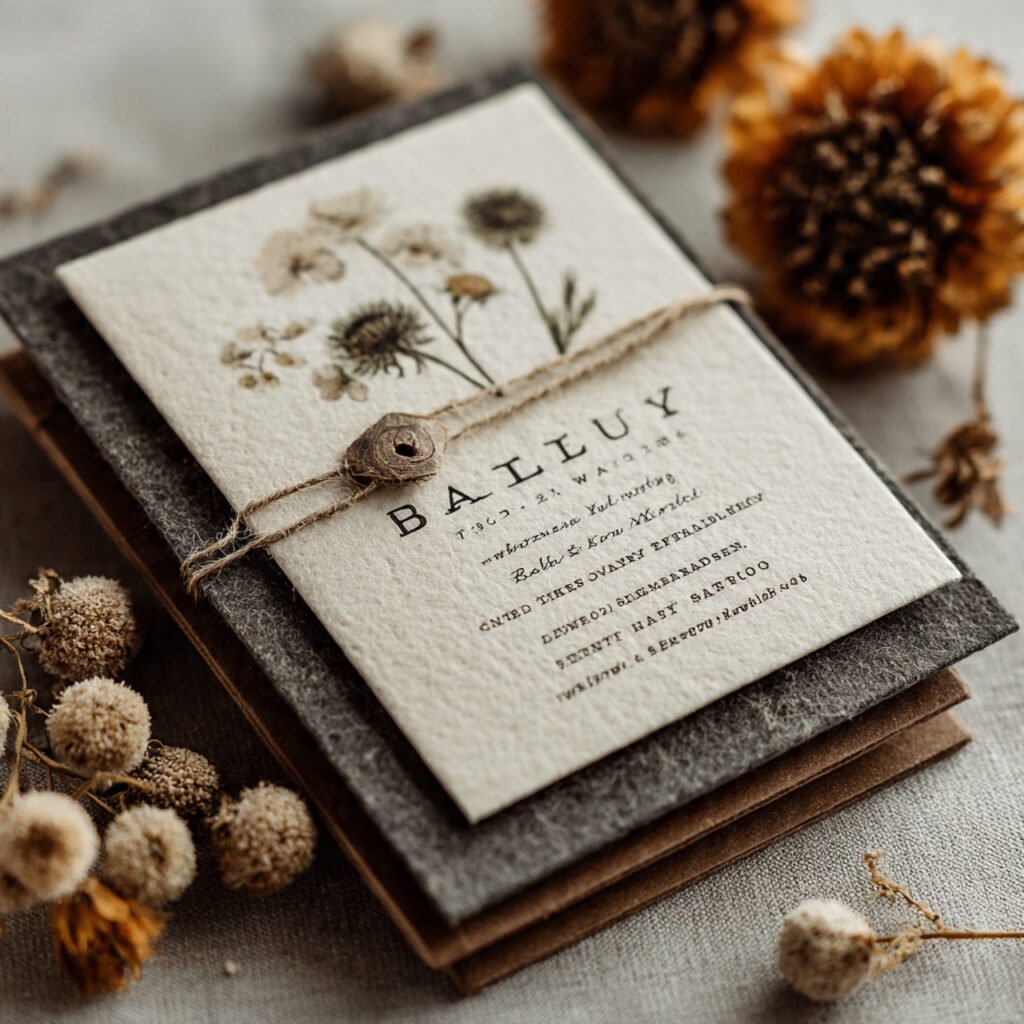
Color communicates mood before words are read. Soft neutrals—taupe, cream, gray—create calm. Vintage wedding invitations using neutral palettes avoid trend saturation. They age well and photograph consistently. Ink contrast must remain strong enough for readability. Pale colors require careful testing. This style suits nearly any wedding format. Its flexibility is its strength.
Lace Pattern Overlays
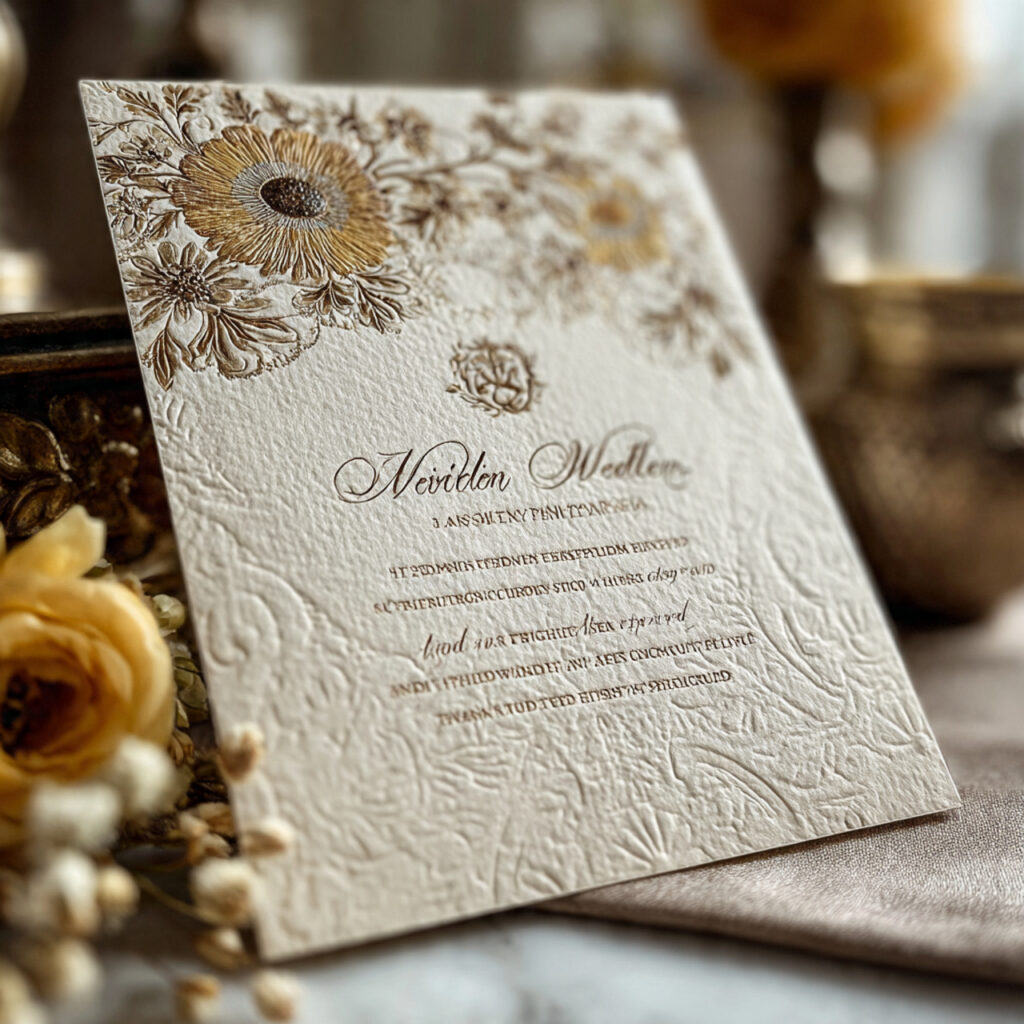
Lace patterns reference craftsmanship and patience. They suggest tradition without heaviness. Vintage wedding invitations with lace overlays should keep patterns light. Dense lace overwhelms text. Printing lace patterns in monochrome maintains restraint. Embossing adds texture without clutter. This style suits romantic ceremonies and classic venues. It communicates care without excess.
Pressed Flower Accents
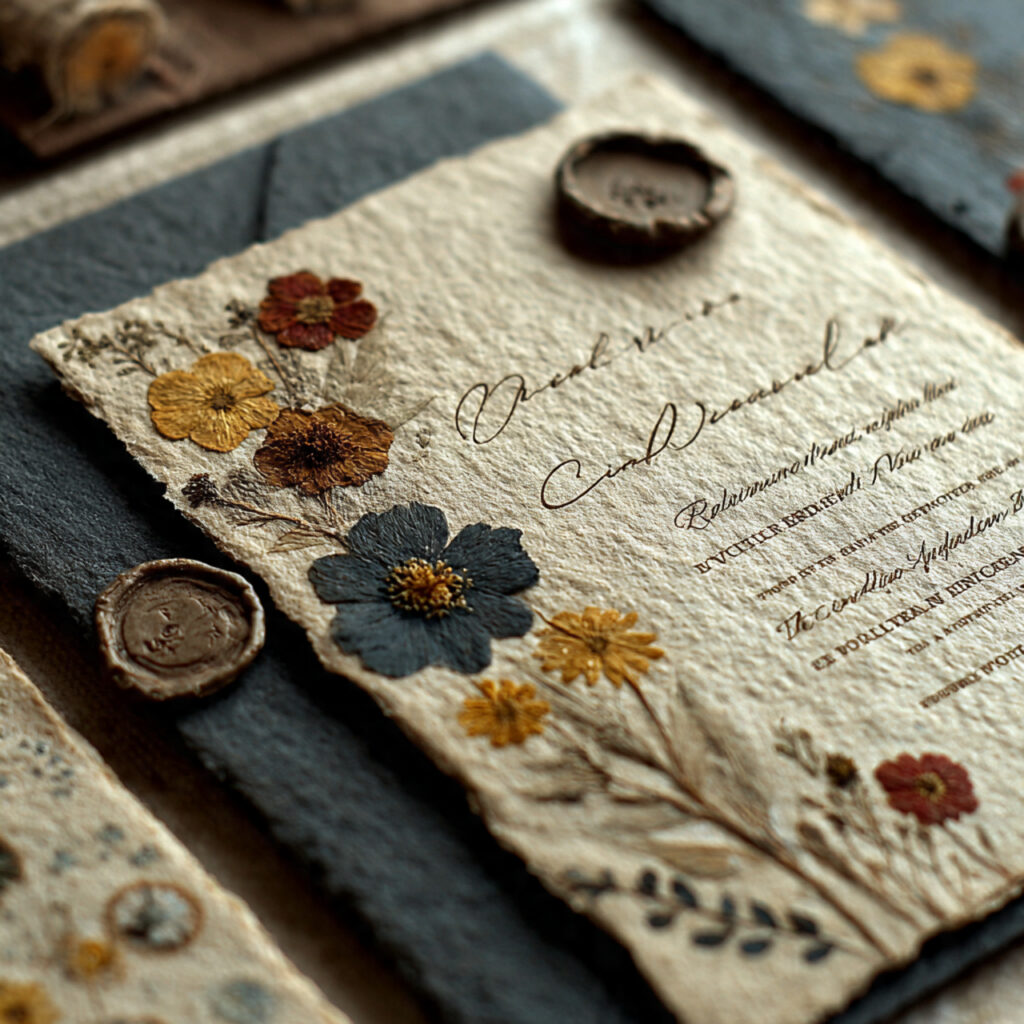
Pressed flowers introduce organic texture. They are fragile and imperfect. Vintage wedding invitations incorporating pressed flowers must be assembled carefully. Moisture and pressure matter. Use flowers sparingly. One small accent is enough. This approach suits spring and summer weddings. It feels personal and handmade.
Heritage Monogram Crests
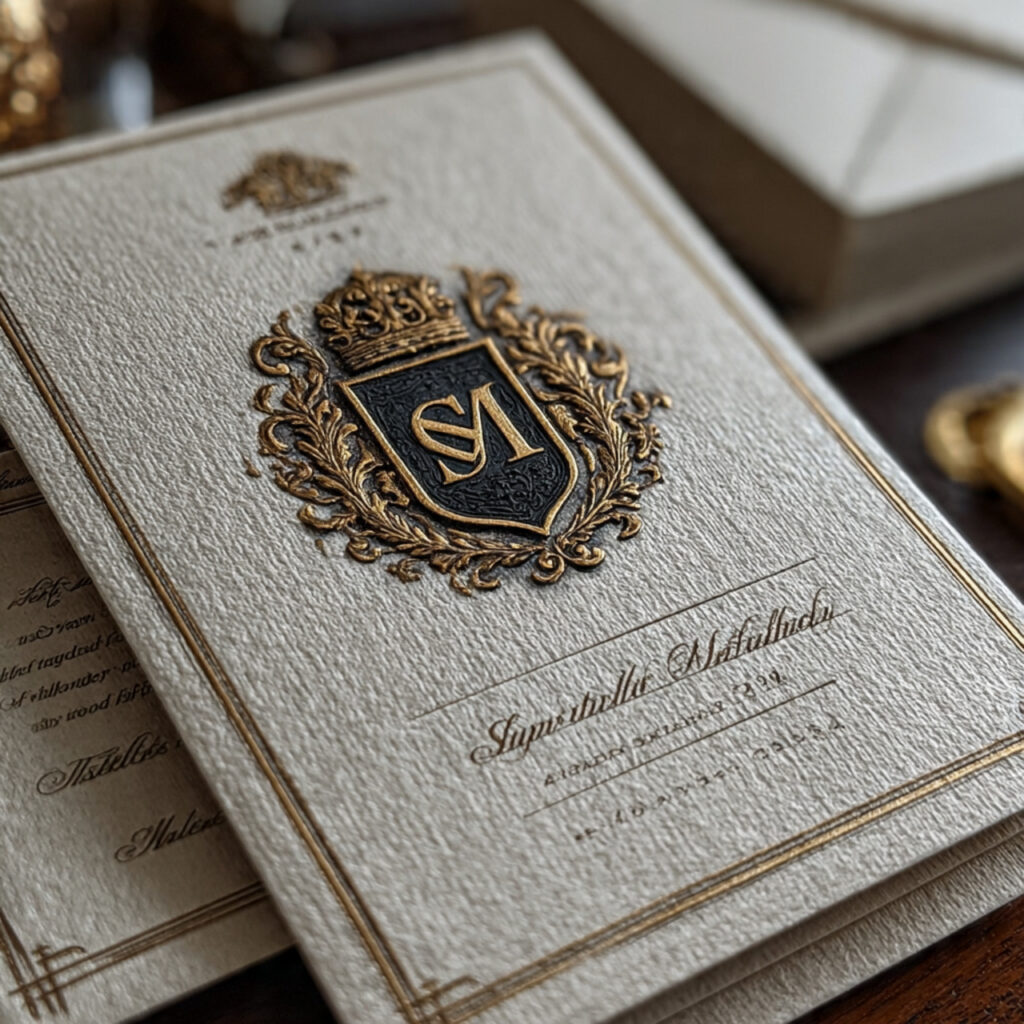
Monogram crests signal lineage and unity. They feel formal and established. Vintage wedding invitations with monograms should keep designs simple. Excess detail reduces legibility. Crests work best when centered or used as subtle headers. They should not dominate the page. This style suits traditional ceremonies and family-focused celebrations.
Deckle Edge Paper Finishes
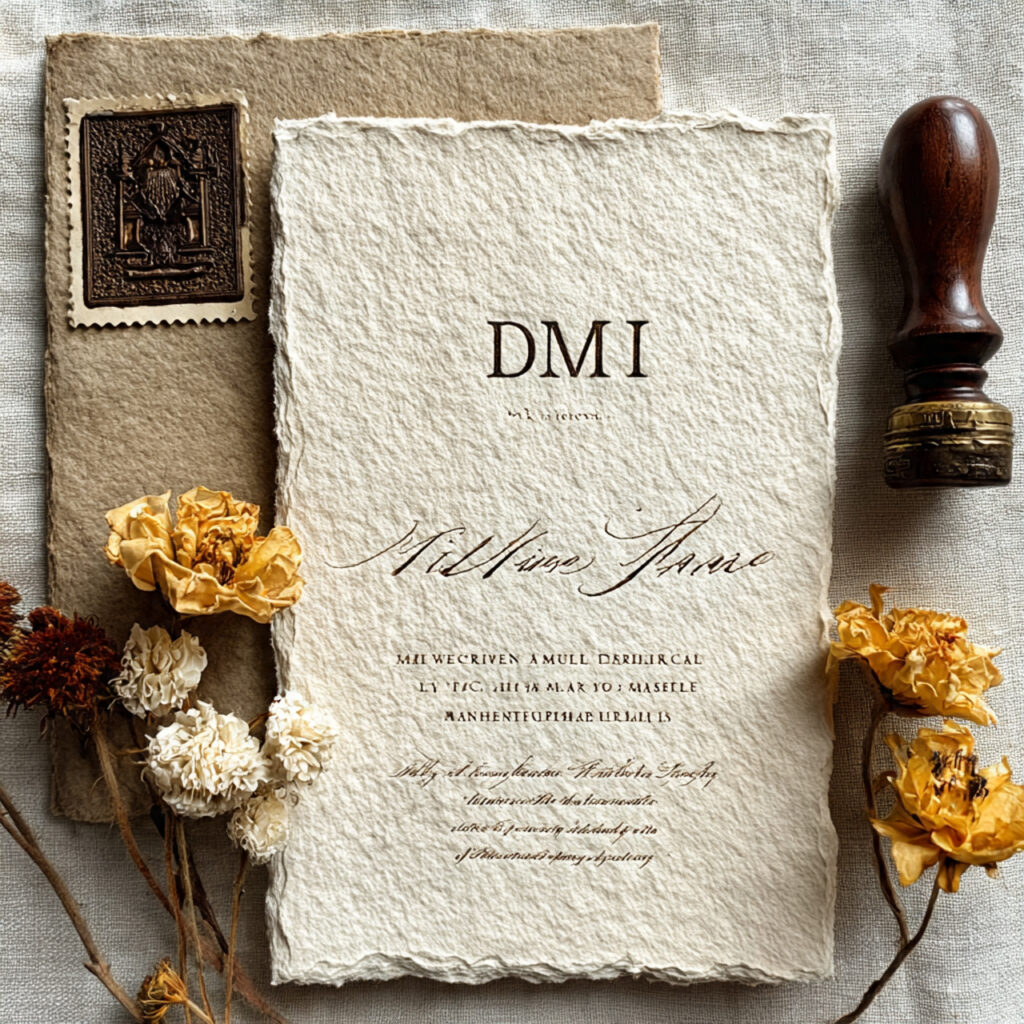
Deckle edges suggest hand-torn paper. They add texture without decoration. Vintage wedding invitations with deckle edges feel tactile. Guests notice them immediately. Edges should be consistent. Uneven tearing looks careless. This style pairs well with minimalist layouts. The paper becomes the feature.
Typewriter-Style Typography
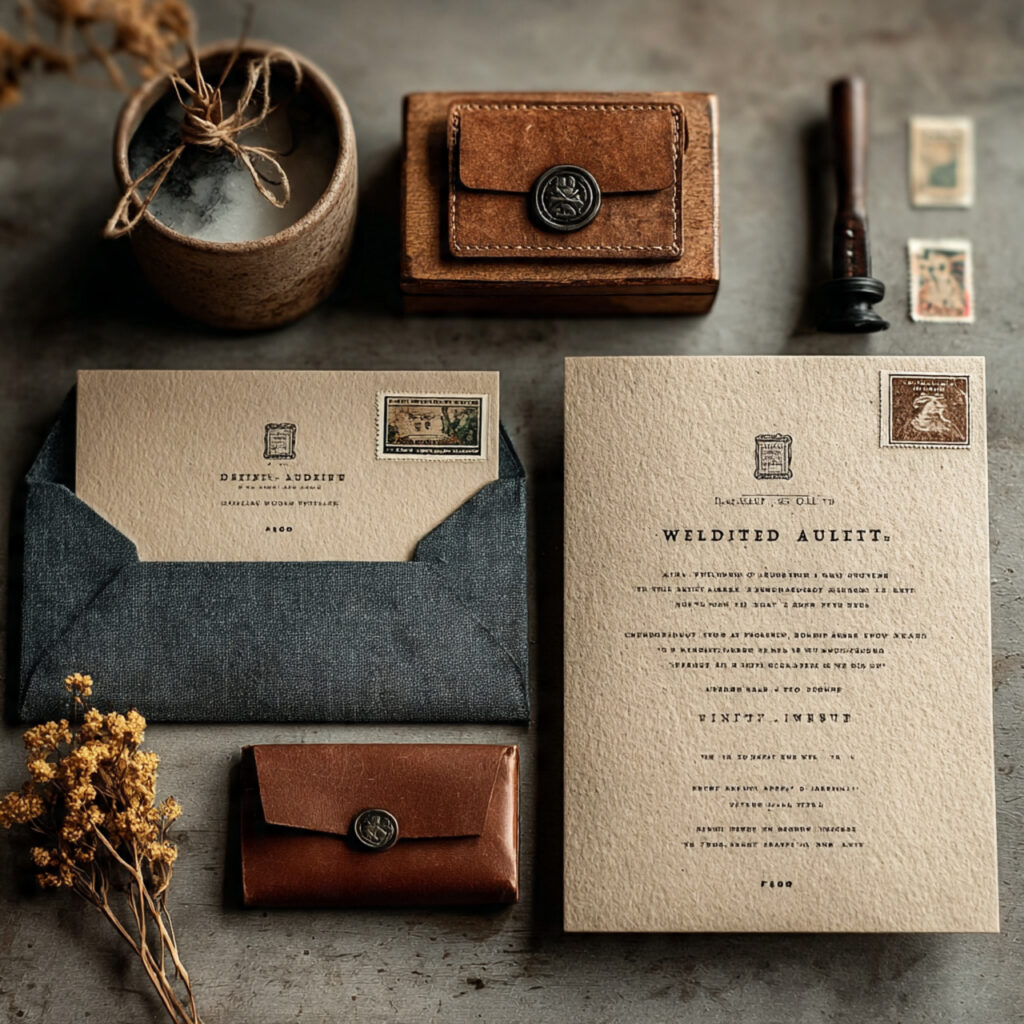
Typewriter fonts reference correspondence and honesty. They feel direct. Vintage wedding invitations using typewriter typography should avoid novelty fonts. Authentic spacing matters. This style suits informal ceremonies and creative couples. It feels unpolished in a deliberate way.
Archival Ink Printing
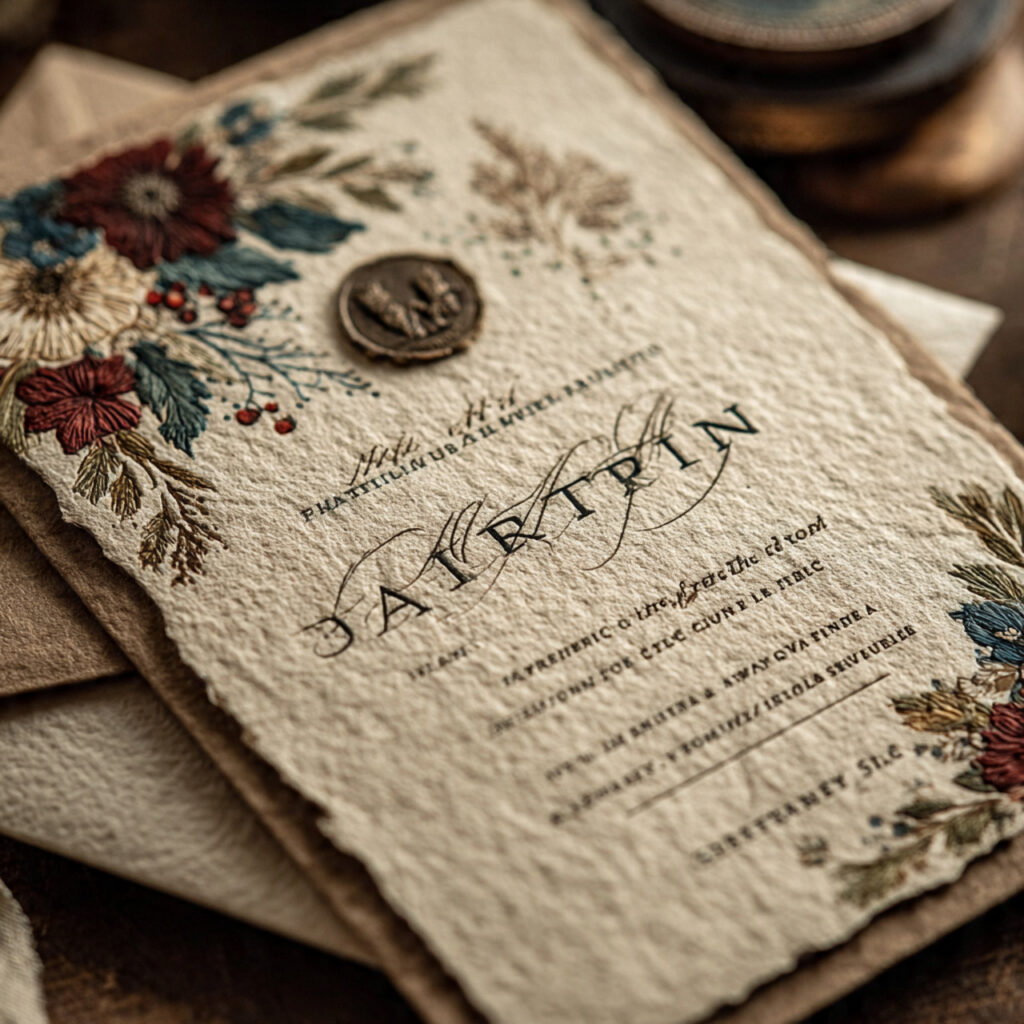
Archival inks resist fading. They are chosen for longevity, not appearance. Vintage wedding invitations printed with archival ink suggest permanence. They acknowledge time rather than fight it. Colors may appear muted. This is intentional. This approach suits couples who value preservation and memory.
Old Map and Travel Motifs
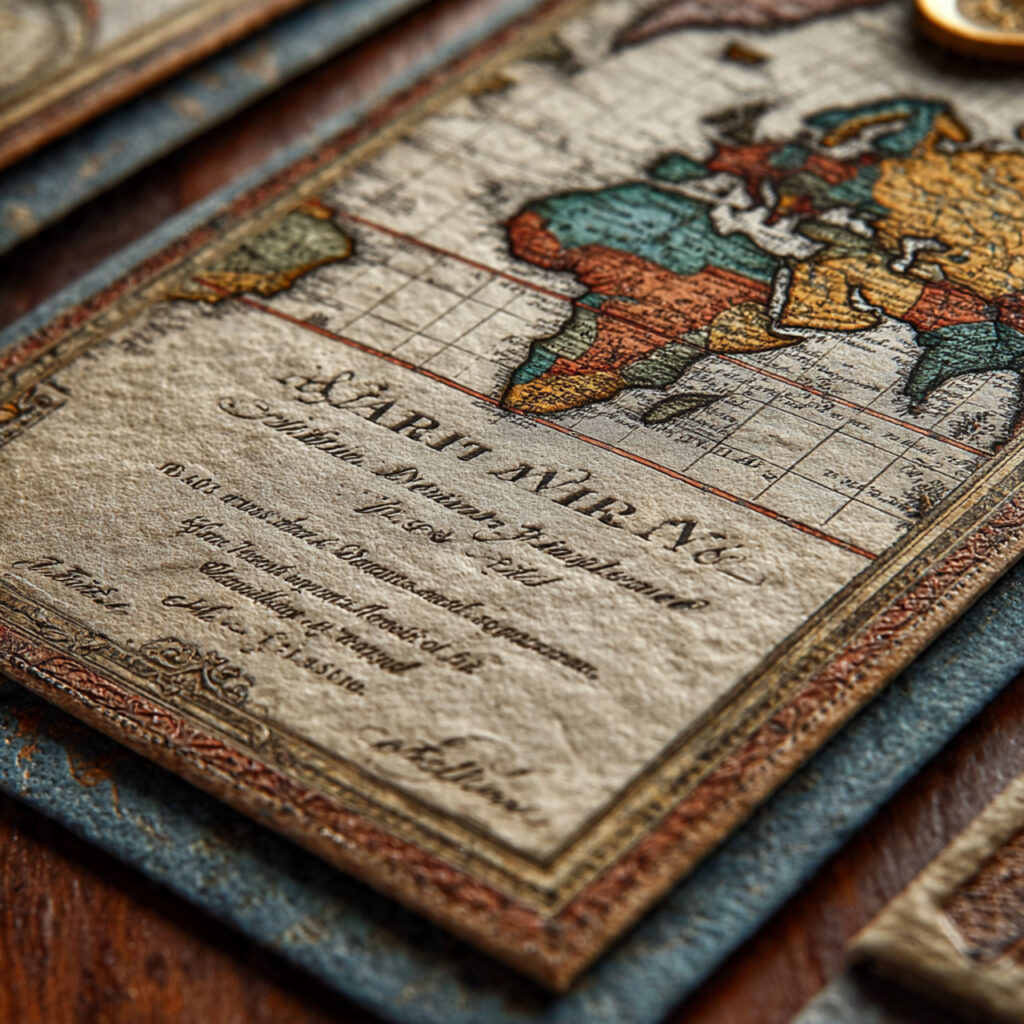
Maps reference journey and movement. They suggest shared direction. Vintage wedding invitations using map motifs should choose historically styled cartography. Modern maps feel out of place. Maps work best as backgrounds or liners. Overuse becomes clutter. This style suits destination weddings and travel-focused couples.
Minimalist Vintage Layouts
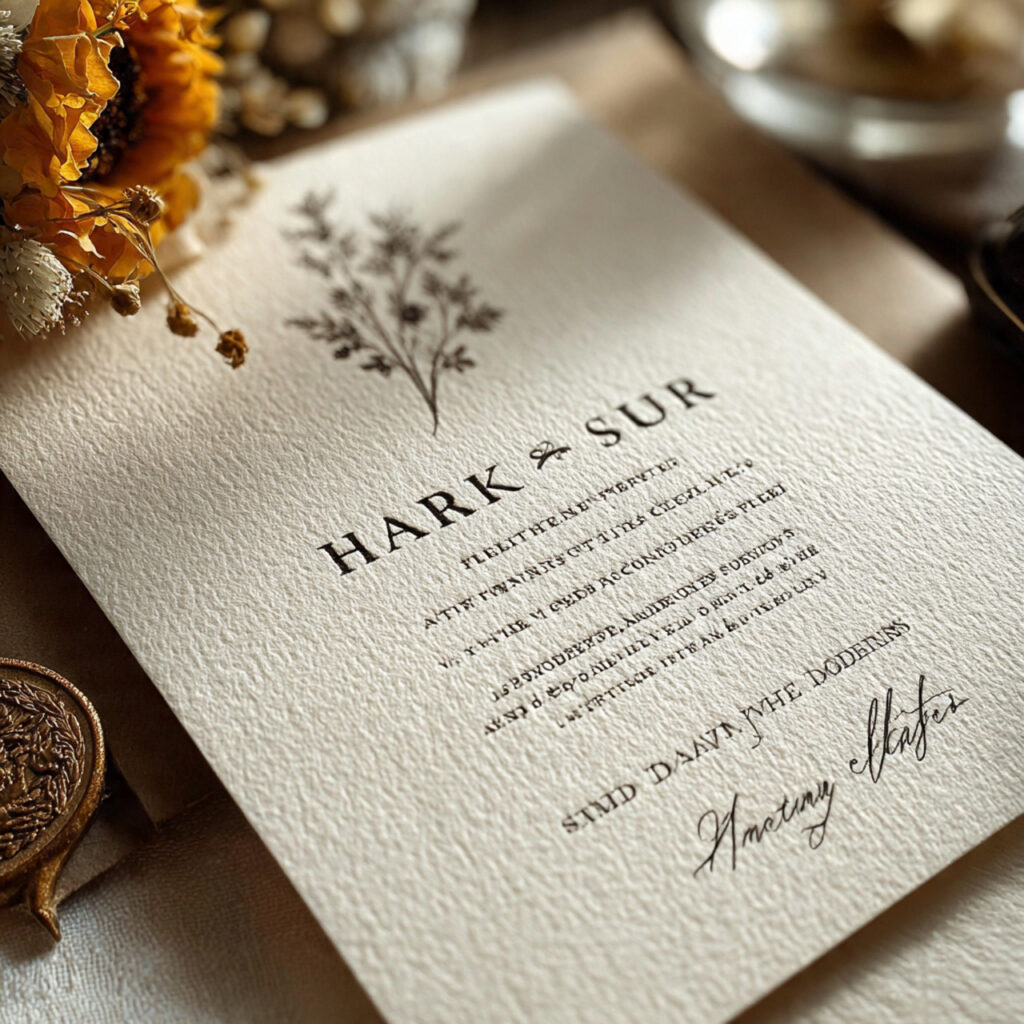
Minimalism and vintage are not opposites. Both value restraint. Vintage wedding invitations with minimalist layouts rely on spacing, typography, and material. Remove unnecessary elements. Let the paper speak. This approach suits modern couples who respect tradition without replicating it.
FAQs
Are vintage wedding invitations more expensive than modern designs?
Often, yes. Materials and printing methods cost more. But thoughtful design can control expenses.
Do vintage invitations suit casual weddings?
They can. Simpler formats like postcards or minimalist layouts work well.
How early should vintage invitations be ordered?
Earlier than standard prints. Production takes time.
Are these invitations environmentally responsible?
Many vintage styles use natural materials and reduce plastic use.
Will guests understand the tone?
Yes. Invitations communicate intent clearly when designed with restraint.
Conclusion
Vintage wedding invitations are not about imitation. They are about intention. Each design choice—paper, ink, layout—signals respect for time, craft, and meaning. When done well, these invitations do not chase trends. They stand quietly and last. Choosing vintage is choosing discipline. It is choosing substance over surface. And for a wedding meant to mark a lasting commitment, that choice matters.