19 Wedding Arbor Ideas for Stunning Ceremony Backdrops
A wedding arbor is not decoration alone. It defines where vows are spoken and where attention rests. The right structure frames the couple, guides photography, and sets the emotional tone of the ceremony. Materials, scale, placement, and styling all matter. This guide explores practical and aesthetic wedding arbor ideas that work across venues, seasons, and budgets. Each concept focuses on structure, styling logic, and real-world execution rather than trends alone.
Wooden Frame Wedding Arbor Ideas for Natural Ceremonies
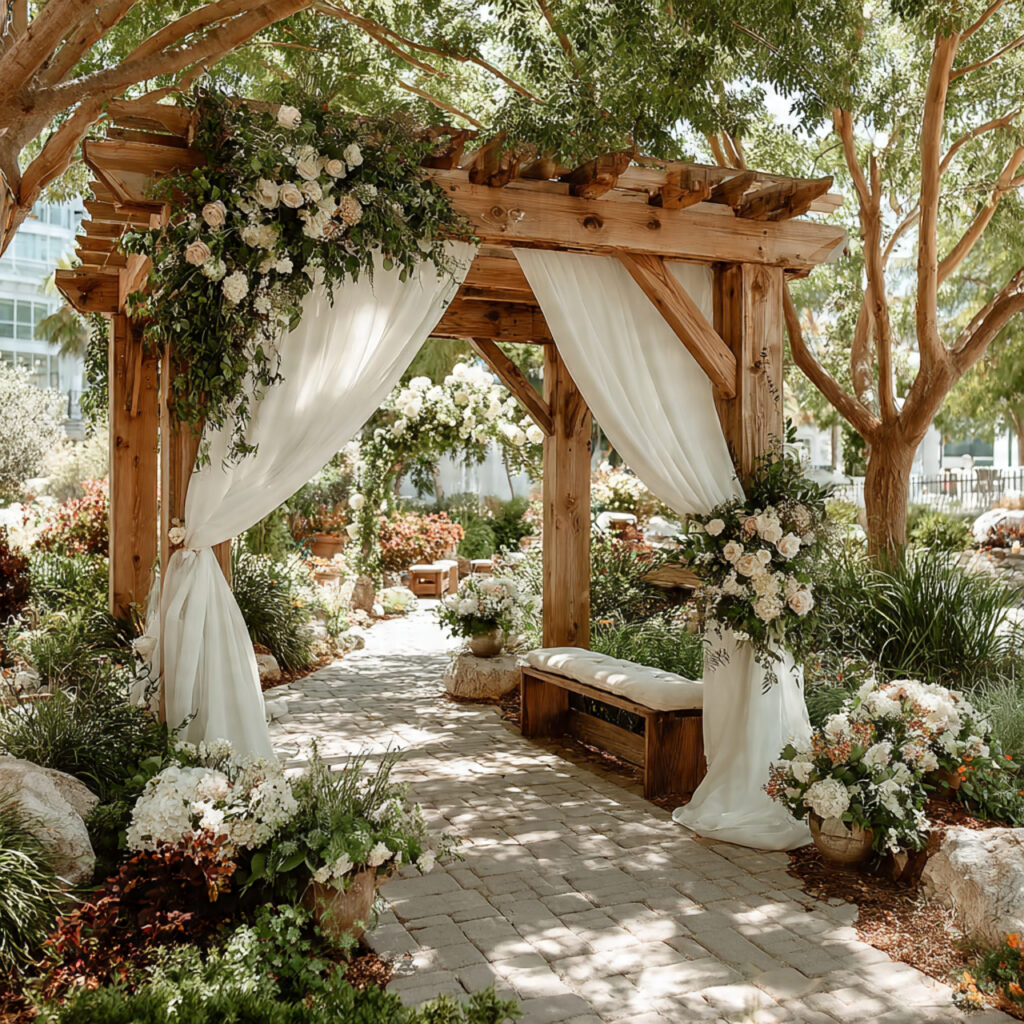
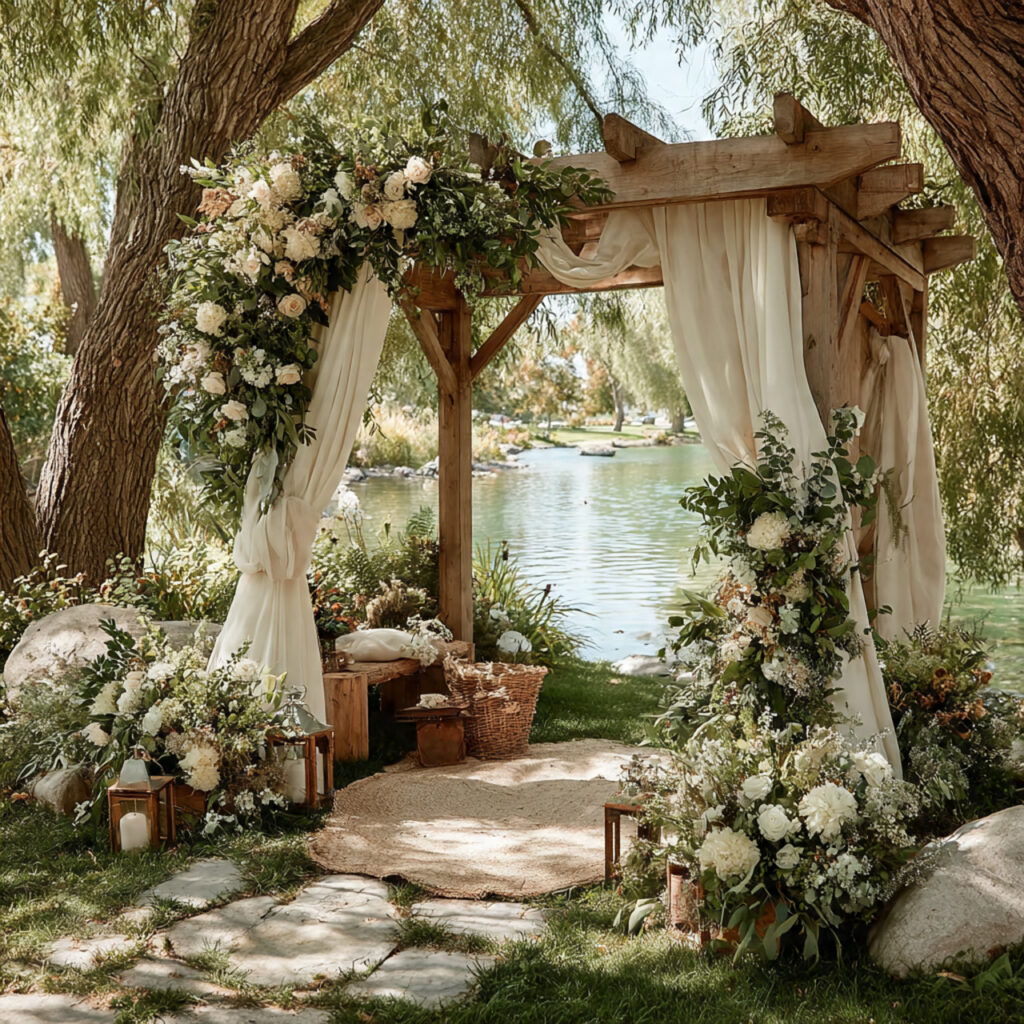
Wooden frames remain a staple because they are stable, adaptable, and visually neutral. These wedding arbor ideas work well for outdoor ceremonies, especially gardens, vineyards, forests, and backyard settings. A simple rectangular or square frame made from unfinished or lightly stained timber creates a grounded focal point without overpowering the couple. The strength of a wooden arbor lies in restraint.
Clean lines allow florals, fabric, or greenery to take center stage. Couples often choose cedar, pine, or reclaimed wood depending on budget and availability. Reclaimed wood adds texture and character, but it must be structurally checked before use. Stability matters more than aesthetics when guests are seated and weather conditions are unpredictable.
Circular Arch Wedding Arbor Ideas for Symbolic Design
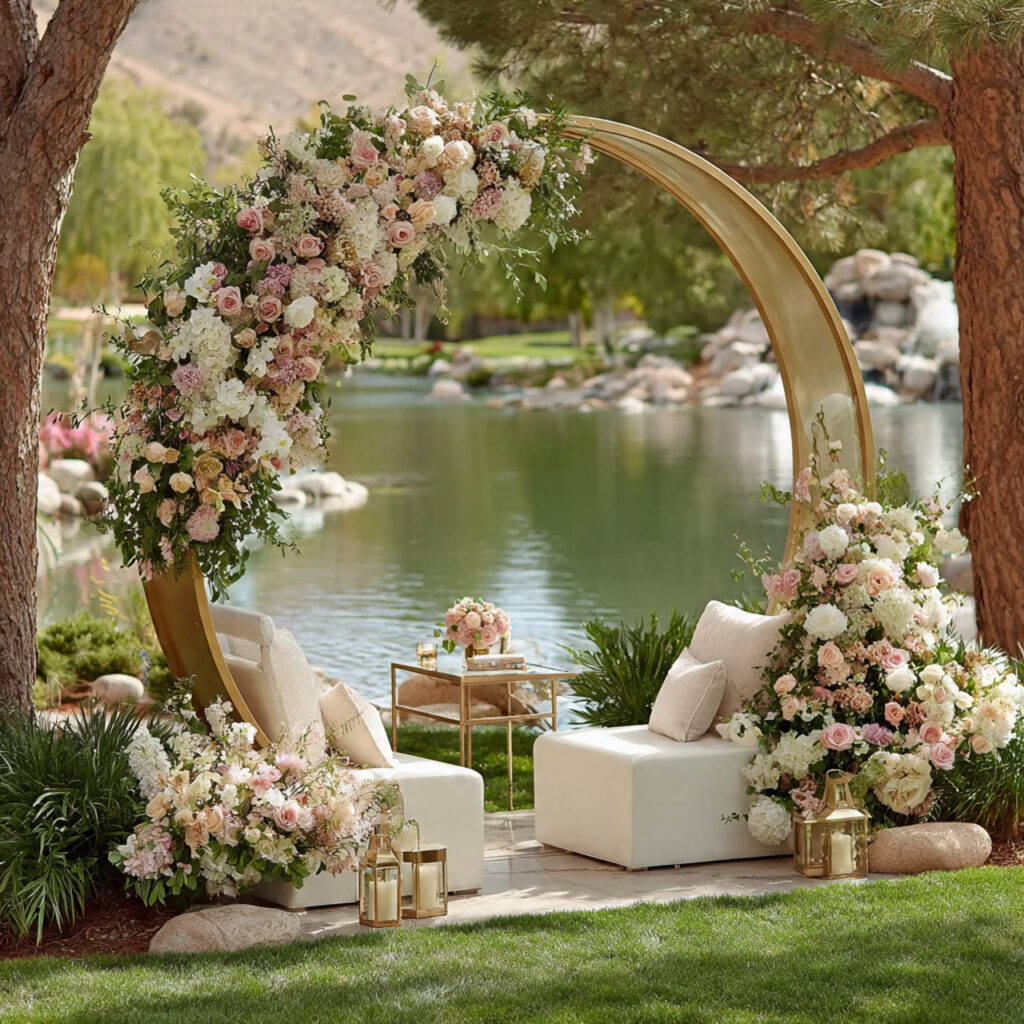
Circular arches bring symbolism into the ceremony space. The shape represents unity, continuity, and completeness. Wedding arbor ideas built around a full or partial circle feel intentional and emotionally resonant, especially for couples who value meaning in design choices.Metal is the most common material for circular arches due to strength and flexibility. Gold, brass, black, or white finishes can be selected to match the overall palette. Wooden circular arches exist but require thicker materials to maintain shape and stability. The diameter must be balanced carefully so the couple fits comfortably within the frame.
Florals are often concentrated on one side of the circle for a contemporary look. This asymmetry prevents the structure from feeling heavy. Dried florals, pampas grass, or preserved foliage work particularly well with circular forms because they emphasize texture over volume.
Floral Covered Wedding Arbor
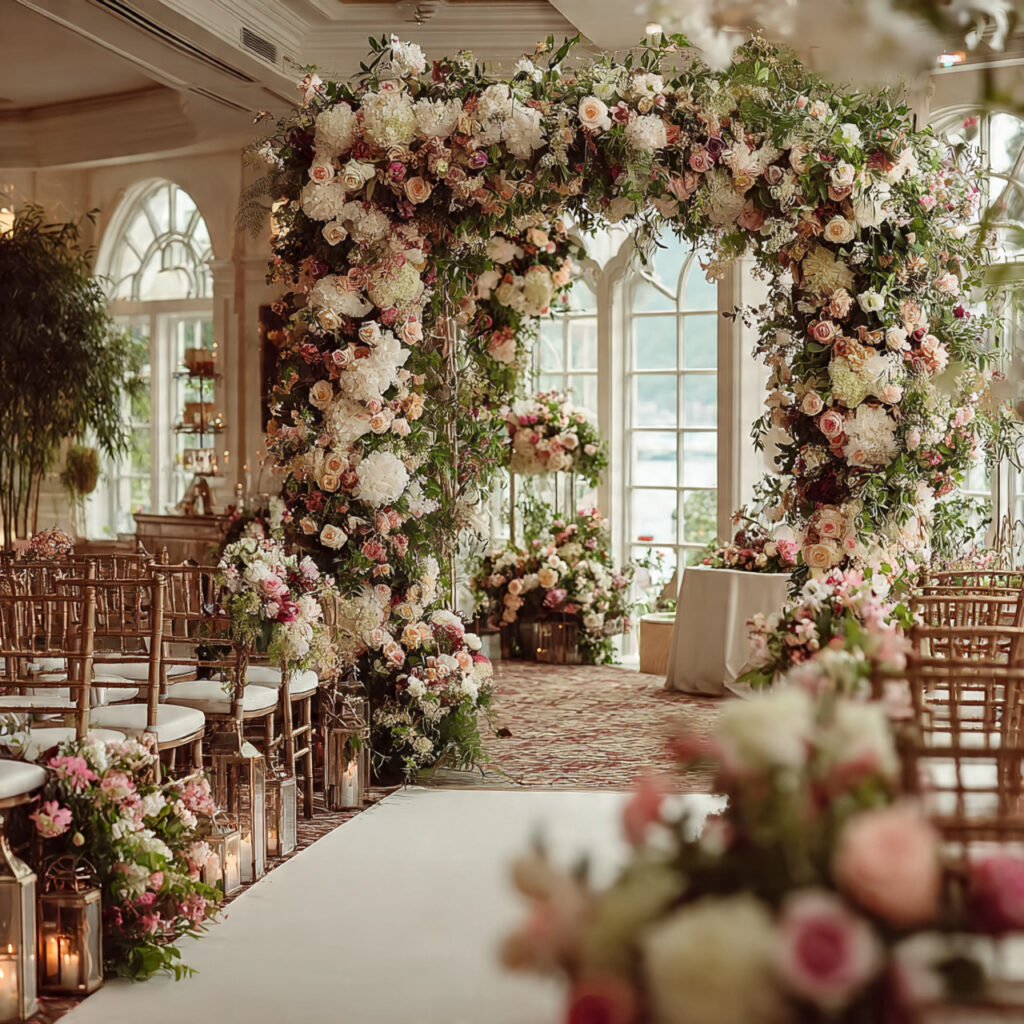
For Wedding Arbor Ideas, Floral coverage transforms an arbor into a statement piece. These wedding arbor ideas are bold and visually rich, often serving as the most photographed element of the ceremony. Full floral coverage requires planning, budget discipline, and experienced installation. The underlying structure must support weight. Metal frames are preferred because they handle dense floral foam and water weight. Wooden frames can work, but reinforcement is often necessary. Florists typically design these arbors off-site and complete final placement at the venue.
Flower selection drives cost and longevity. Roses, hydrangeas, and carnations are common for full coverage because they are durable and available in volume. Seasonal blooms reduce cost and improve freshness. Color palettes should consider the surrounding environment to avoid visual overload. These arbors are best suited for ceremonies with shorter durations. Heat, wind, and direct sunlight affect floral integrity. Indoor or shaded outdoor venues offer better conditions. After the ceremony, flowers can sometimes be repurposed for reception décor, which helps justify the investment.
Minimal Metal Frame Wedding Arbor
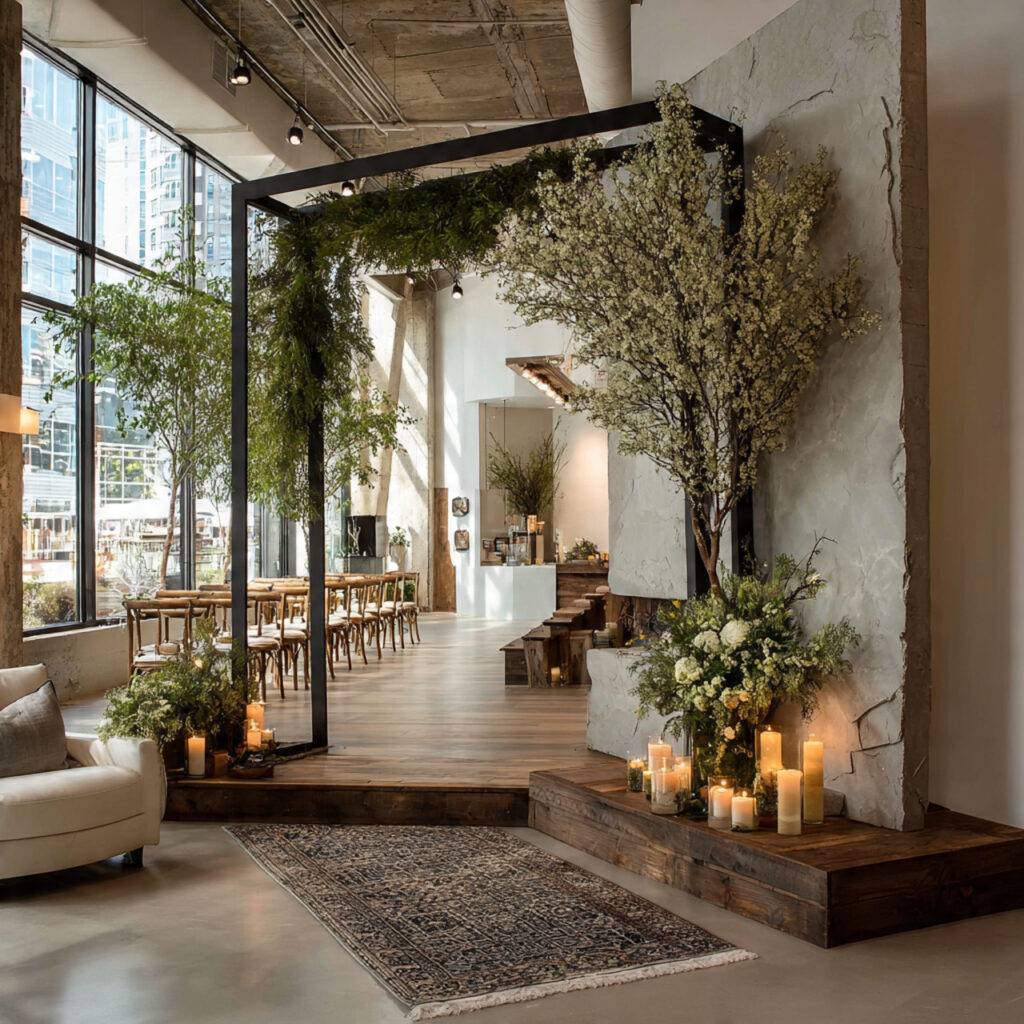
Metal frames appeal to couples seeking clean design and simplicity. These wedding arbor ideas rely on form rather than ornament. Thin lines, sharp angles, and restrained styling define the aesthetic. Square, hexagonal, and geometric shapes are common. Black metal is popular for contrast, while gold and white offer softer looks. Because metal frames are visually light, even small decorative touches stand out. A single fabric drape or modest floral accent can be enough.
Metal frames suit urban venues, industrial spaces, and contemporary interiors. They also perform well outdoors, particularly in windy conditions where heavier fabric might be problematic. Powder-coated finishes prevent rust and staining. From a logistical perspective, metal frames are durable and reusable. Rental availability is high, making them accessible for many budgets. Photographers appreciate the clean lines, which frame subjects without visual noise.
Draped Fabric Wedding Arbor
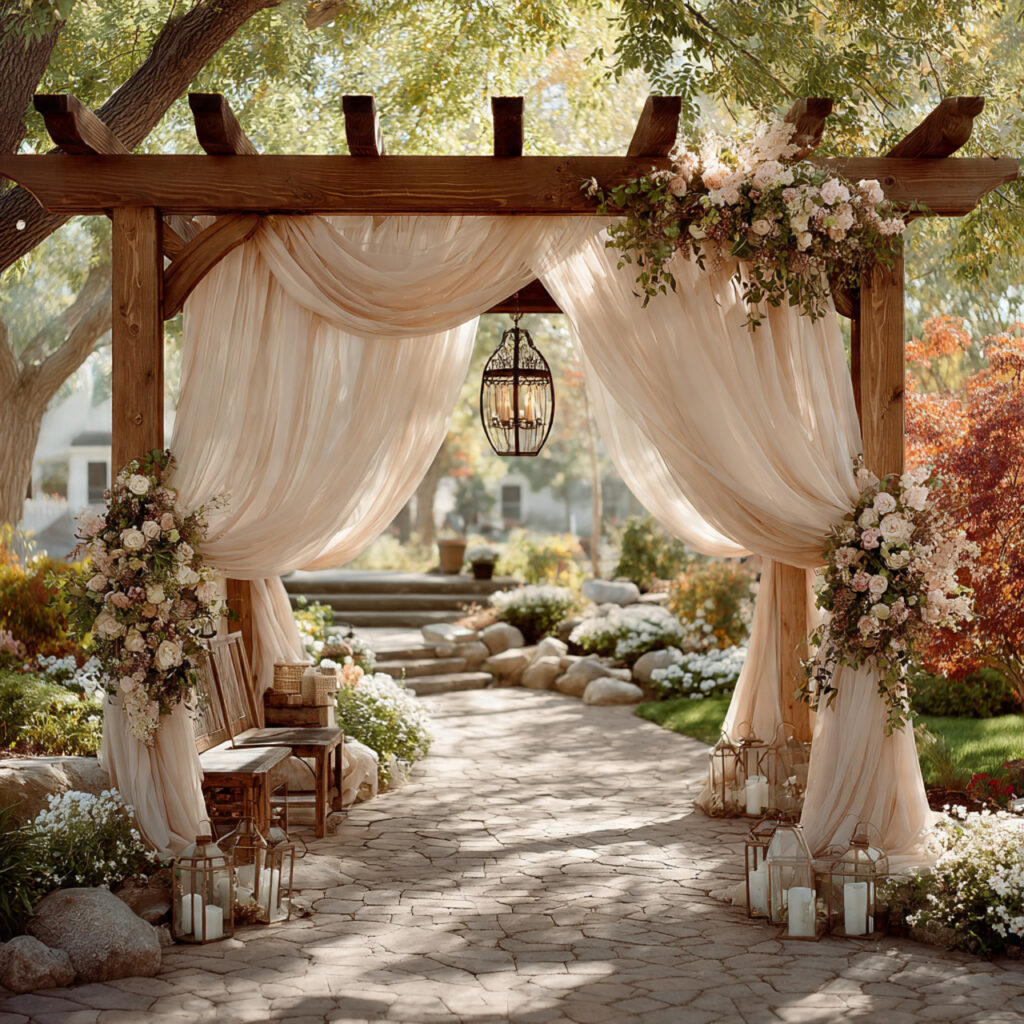
Fabric changes the emotional tone of a ceremony instantly. Wedding arbor ideas centered on draping create softness, movement, and intimacy. Fabric can transform even the simplest frame into something expressive. Chiffon, voile, and organza are commonly used because they flow well and photograph softly. Heavier fabrics like velvet or linen create drama but require careful handling and stronger frames. Color choice should align with lighting conditions. Light fabrics reflect daylight, while darker tones absorb it.
Draping techniques vary. Symmetrical drapes feel formal and balanced. Asymmetrical draping feels relaxed and organic. The way fabric is secured matters. Clips, ties, or floral pins must be hidden cleanly to avoid distraction. These arbors work well indoors and outdoors but require wind consideration. Weights or discreet anchors may be necessary. Fabric arbors are cost-effective because material can be reused elsewhere in the event.
Greenery Focused Wedding Arbor
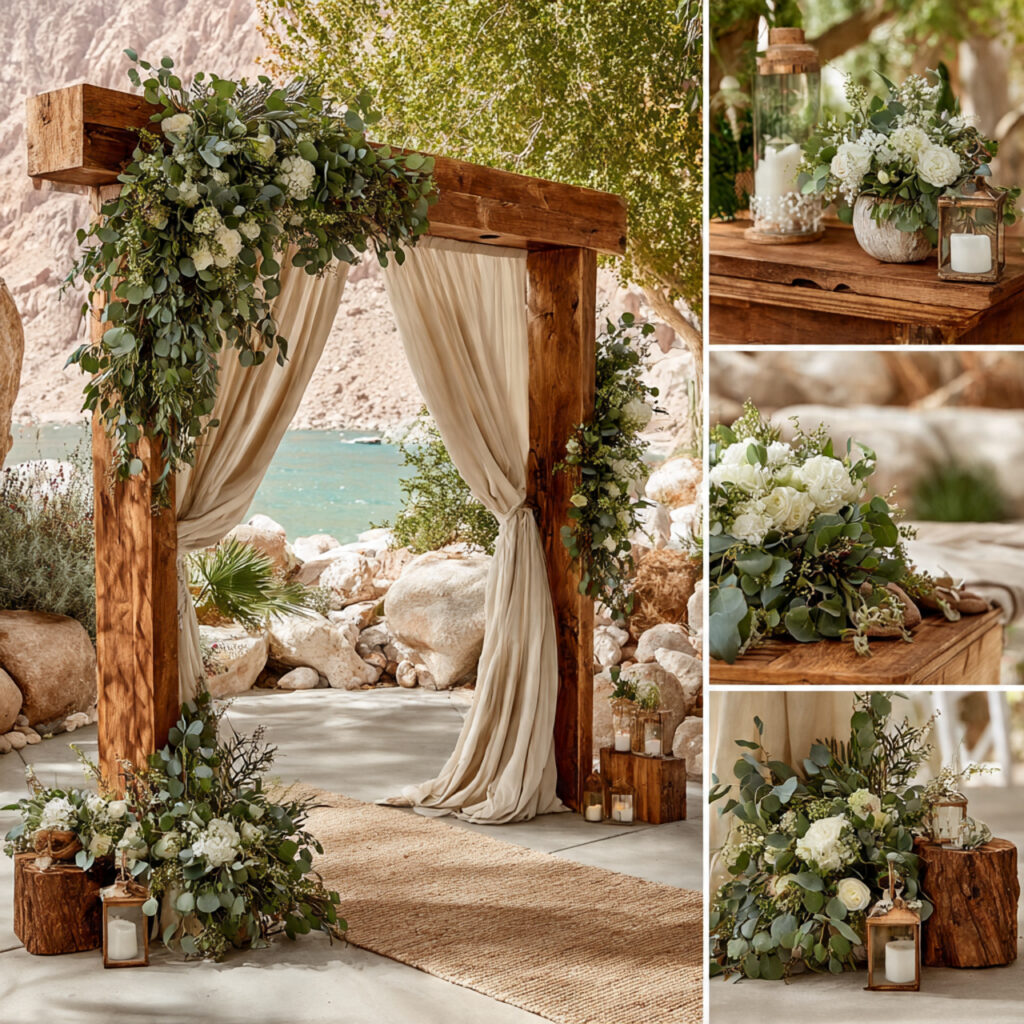
Greenery offers texture without overwhelming the senses. Wedding arbor ideas that rely on foliage feel natural, grounded, and adaptable across seasons. They also tend to photograph well in both color and black and white. Popular greenery includes eucalyptus, ruscus, ivy, and olive branches. These materials are flexible and durable. Greenery can be arranged symmetrically for formality or loosely for an organic look. Minimal florals can be added for contrast.
The advantage of greenery is longevity. It withstands heat better than delicate blooms and can be prepared earlier in the day. It also pairs easily with different color palettes, making it versatile for mixed décor schemes. Greenery arbors suit outdoor venues particularly well, as they blend into natural surroundings. Indoors, they add life to neutral spaces without requiring elaborate installations.
Rustic Wedding Arbor Ideas Using Reclaimed Materials
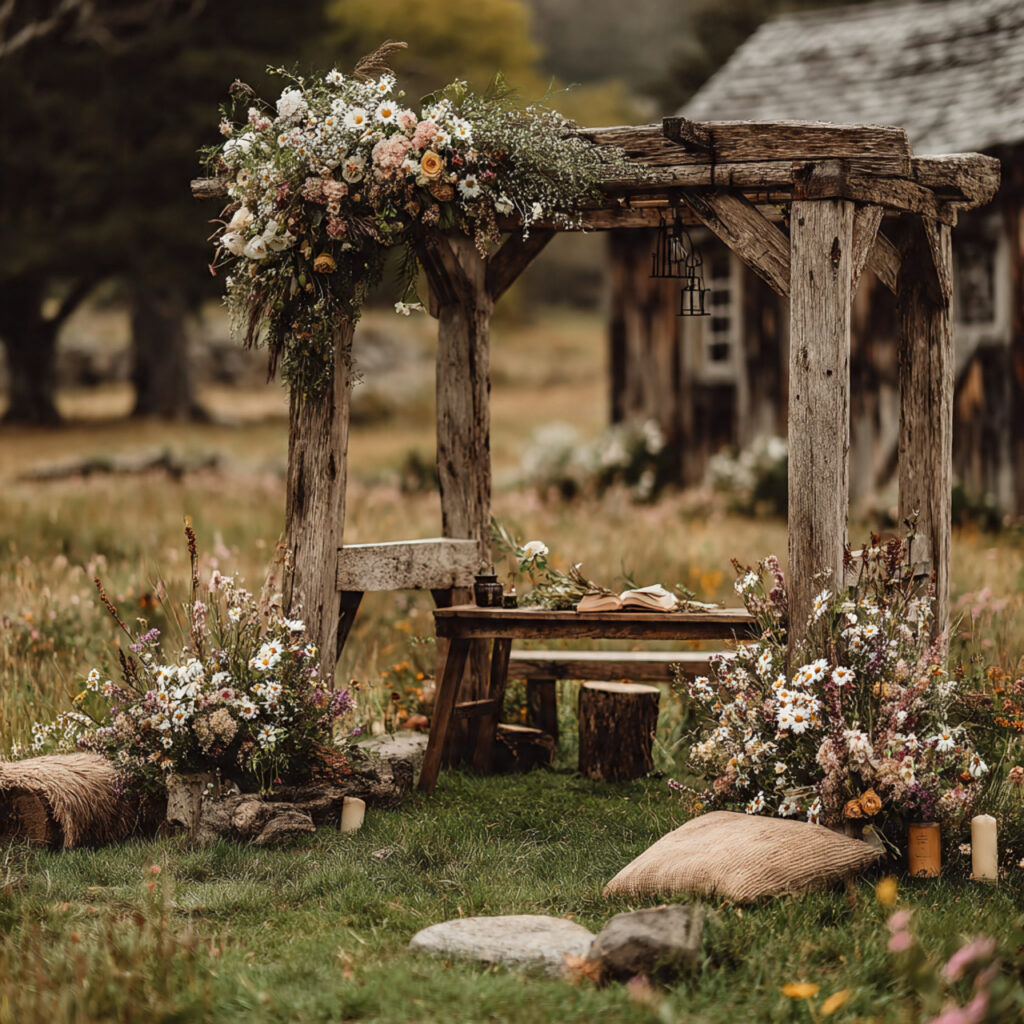
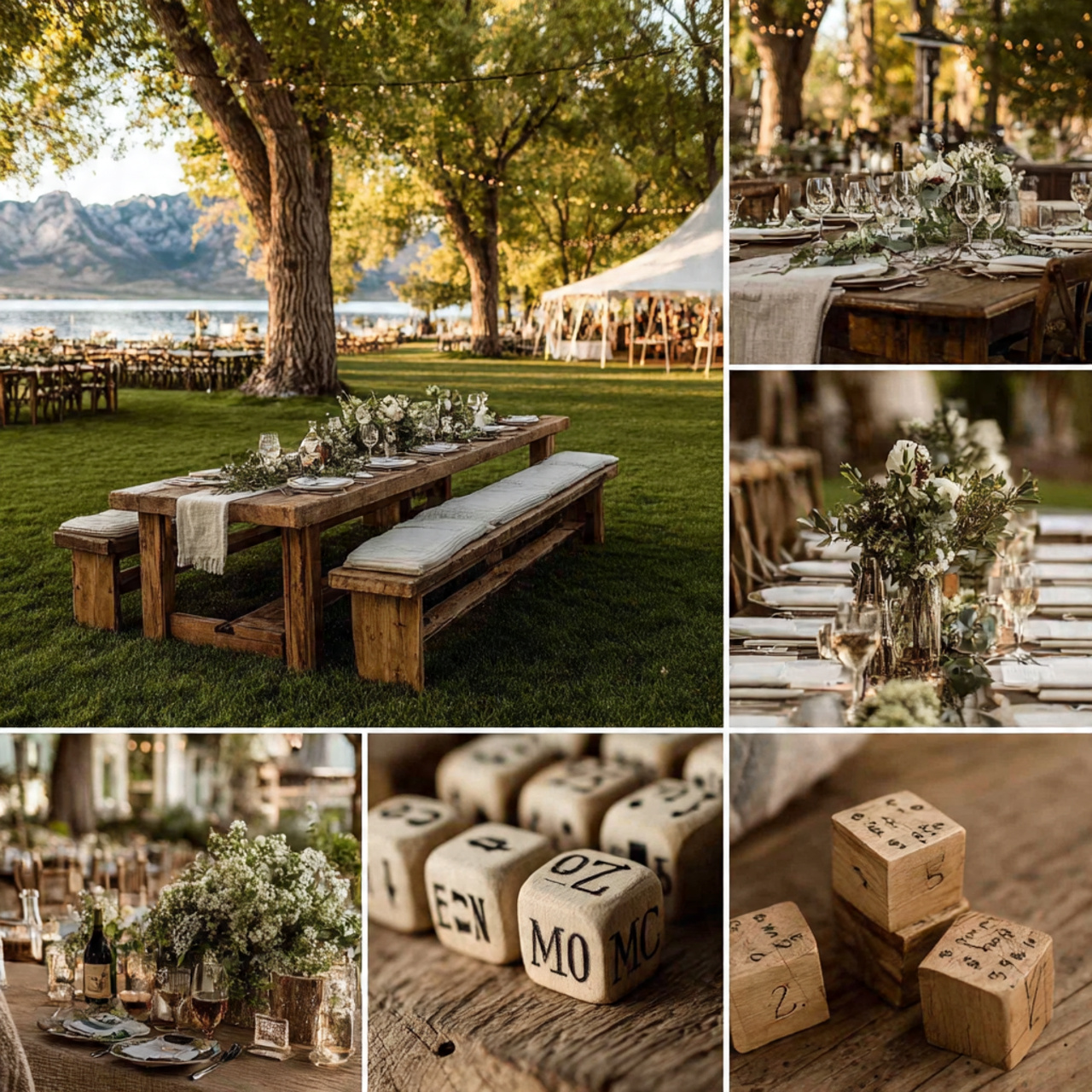
Rustic design emphasizes texture, imperfection, and authenticity. Wedding arbor ideas using reclaimed materials feel personal and grounded. They are often chosen for barn weddings, countryside venues, or intimate outdoor ceremonies. Materials may include old doors, window frames, ladders, or wooden pallets. Structural integrity must be assessed carefully. Decorative materials should never compromise safety. Reinforcement is often hidden behind the visible elements.
Styling is intentionally imperfect. Twine, wildflowers, and loose greenery complement the aesthetic. The goal is cohesion, not polish. Color palettes tend to be muted, with natural tones and minimal metallics. These arbors often require custom builds, which can increase labor costs but reduce material expenses. They are best suited for couples who value individuality over uniformity.
Beach Ceremony Wedding Arbor
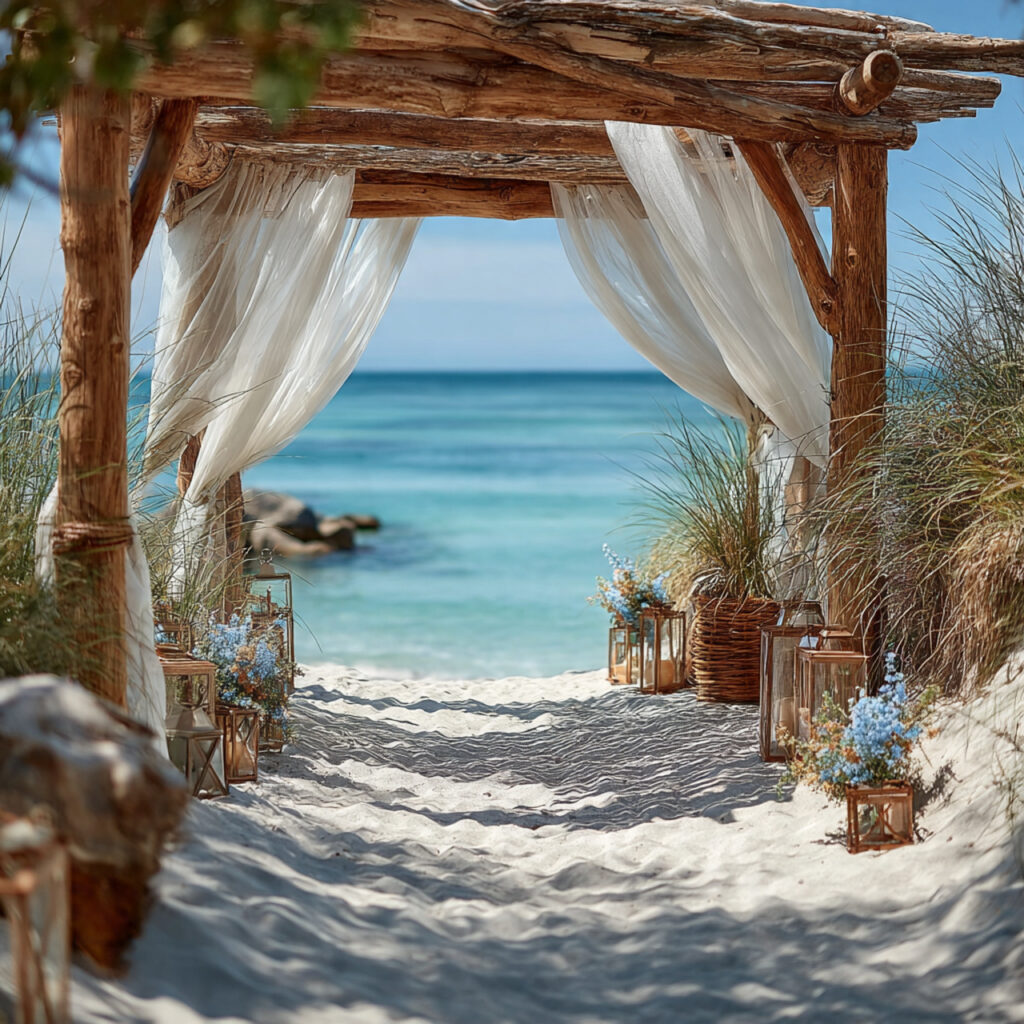
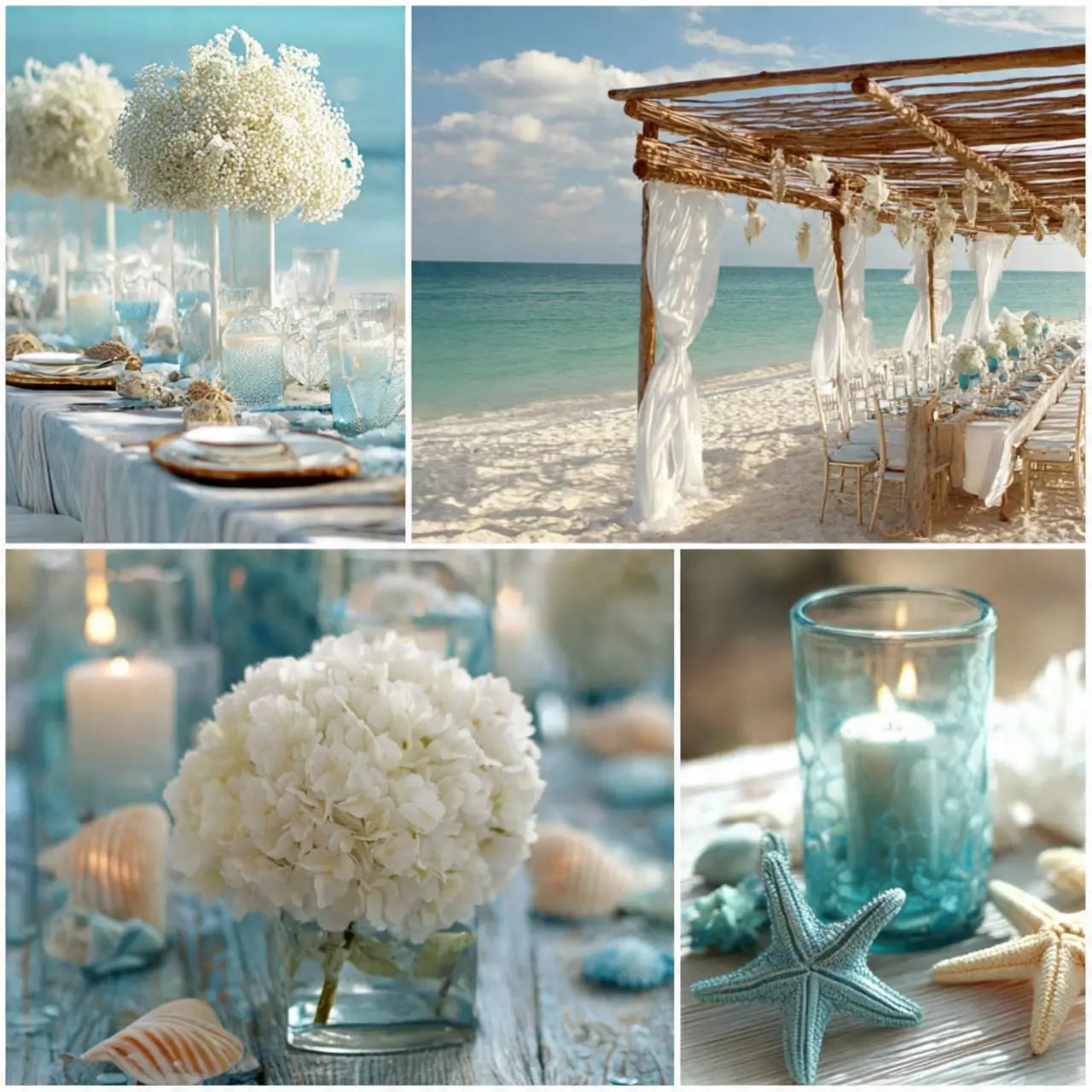
Beach environments demand specific design considerations. Wedding arbor ideas for coastal ceremonies must withstand wind, sand, and salt air while maintaining visual clarity against open horizons. Lightweight materials are risky unless anchored properly. Bamboo, driftwood, and weather-treated wood are common choices. Metal frames with secure bases are also effective. Fabric should be minimal and secured tightly. Color palettes often draw from the surroundings. Whites, neutrals, and soft blues work well. Overly saturated colors can clash with natural light. Florals should be sturdy and resistant to dehydration. Placement is critical. The arbor should align with the shoreline without blocking views. Wind direction should be assessed during setup to prevent movement during the ceremony.
Indoor Venue Wedding Arbor
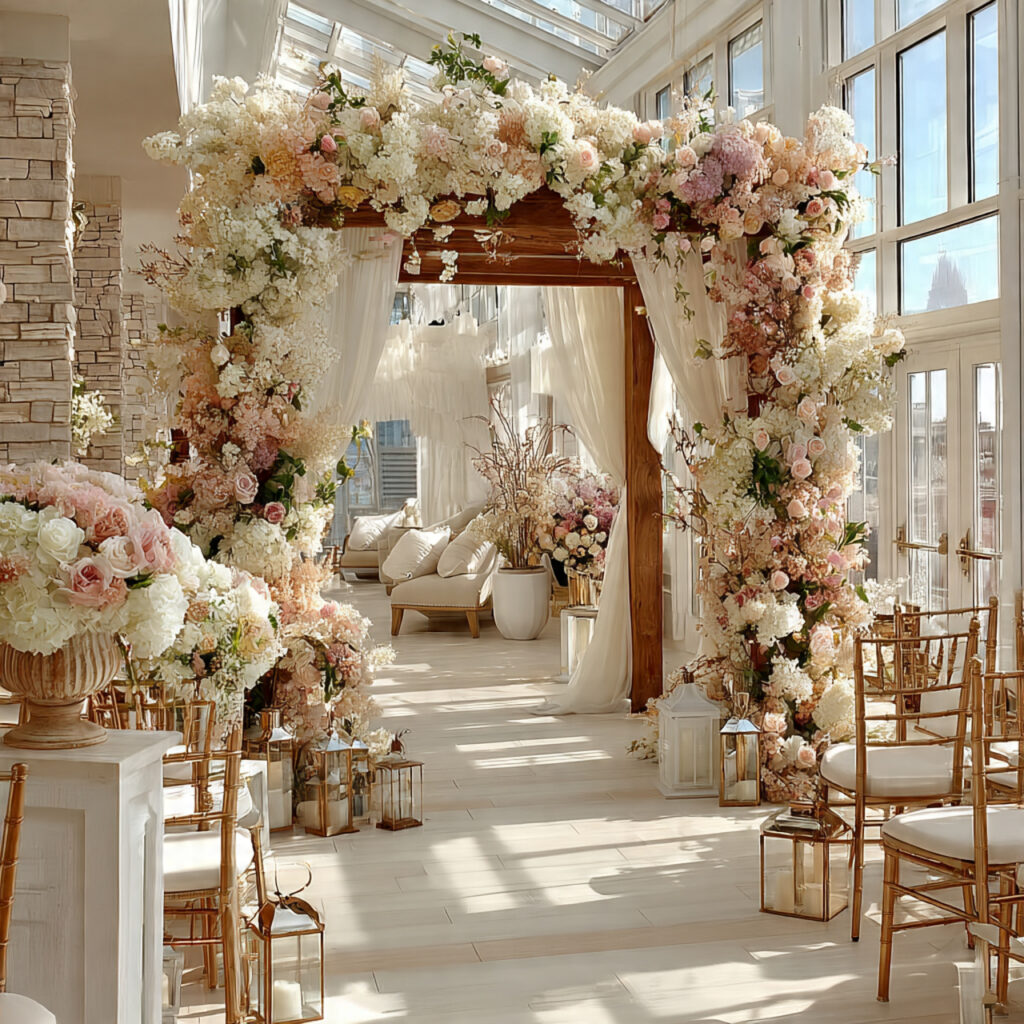
Indoor ceremonies allow for precision. Wedding arbor ideas designed for indoor venues benefit from stable lighting, controlled climate, and predictable conditions. This opens creative possibilities that may not work outdoors. Heavier materials, elaborate florals, and detailed installations become feasible. Ceiling height must be considered to ensure proper scale. Fire safety regulations may restrict certain materials, especially fabric and candles.
Indoor arbors often serve as architectural extensions of the venue. Matching finishes, colors, or shapes creates cohesion. Because indoor spaces vary widely, custom sizing is often required. These arbors photograph consistently because lighting conditions are stable. This makes them reliable choices for couples prioritizing visual documentation.
Garden Wedding Arbor Ideas Blending with Nature
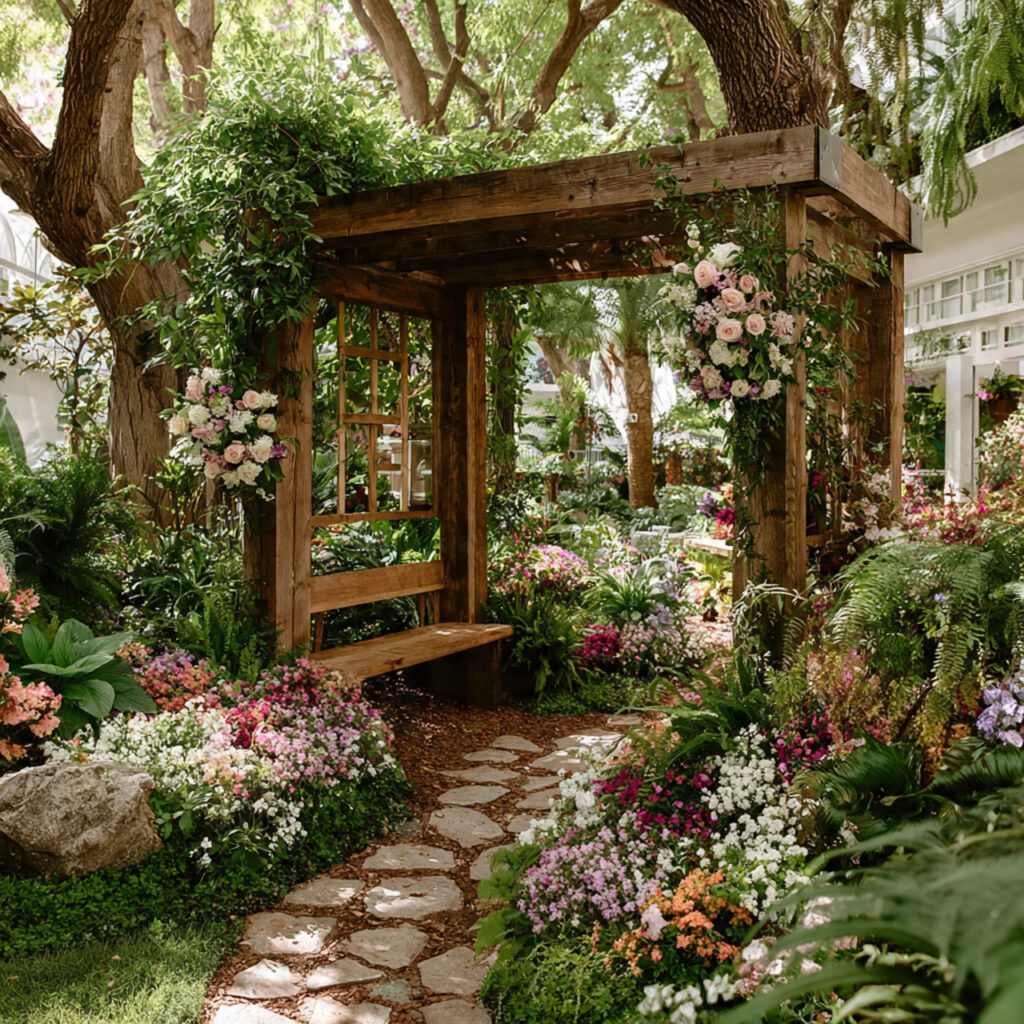
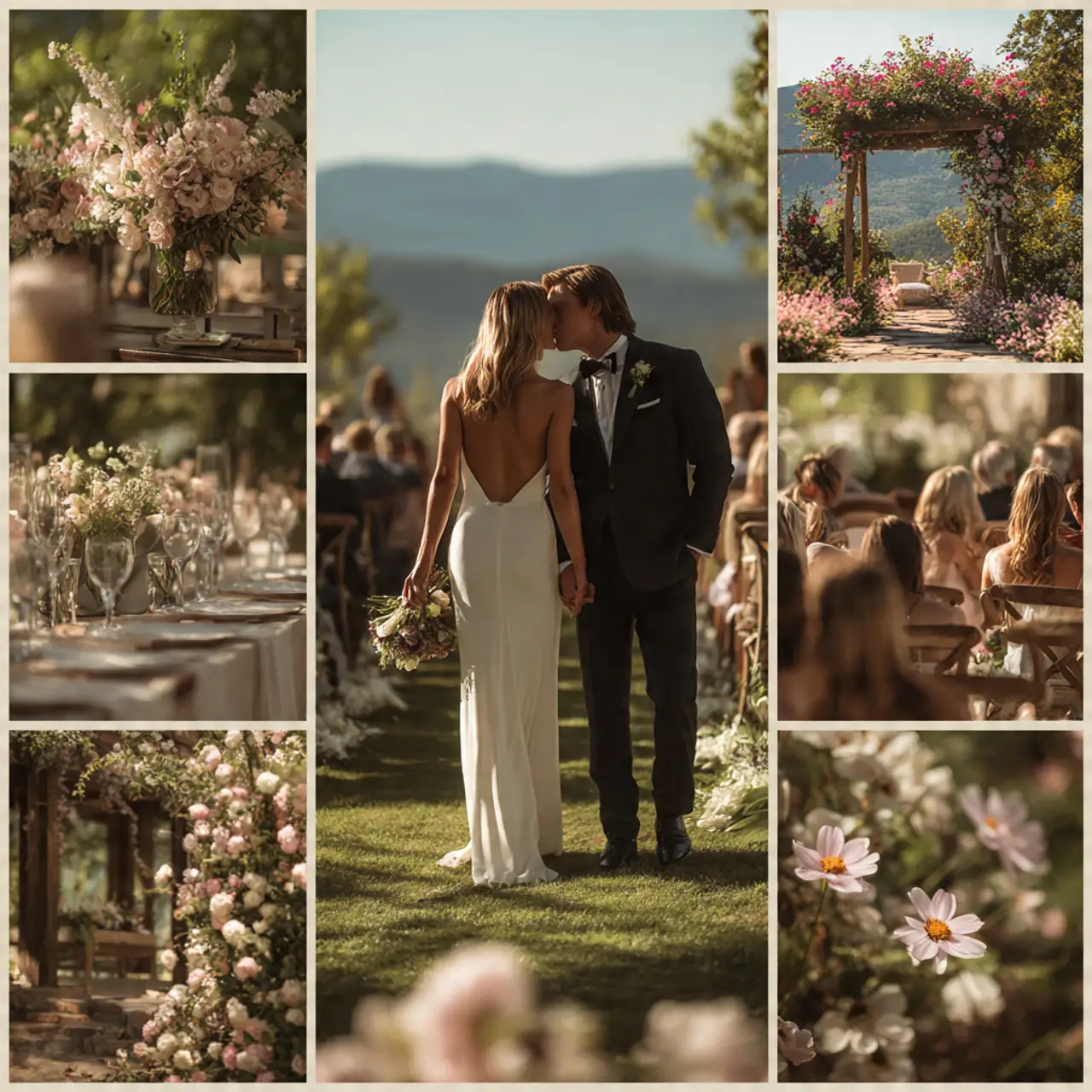
Gardens offer built-in beauty. Wedding arbor ideas in these settings should complement rather than compete. The goal is integration. Natural materials work best. Wood, greenery, and subtle florals echo the environment. Overdesign can feel intrusive. Often, a simple frame with selective accents is enough.
Seasonal awareness is essential. Flower availability, foliage density, and ground conditions change throughout the year. Coordination with the venue’s landscaping schedule prevents visual conflict. Garden arbors benefit from thoughtful placement. Framing existing features like trees, fountains, or hedges enhances depth and composition.
Vintage Inspired Wedding Arbor Ideas with Character
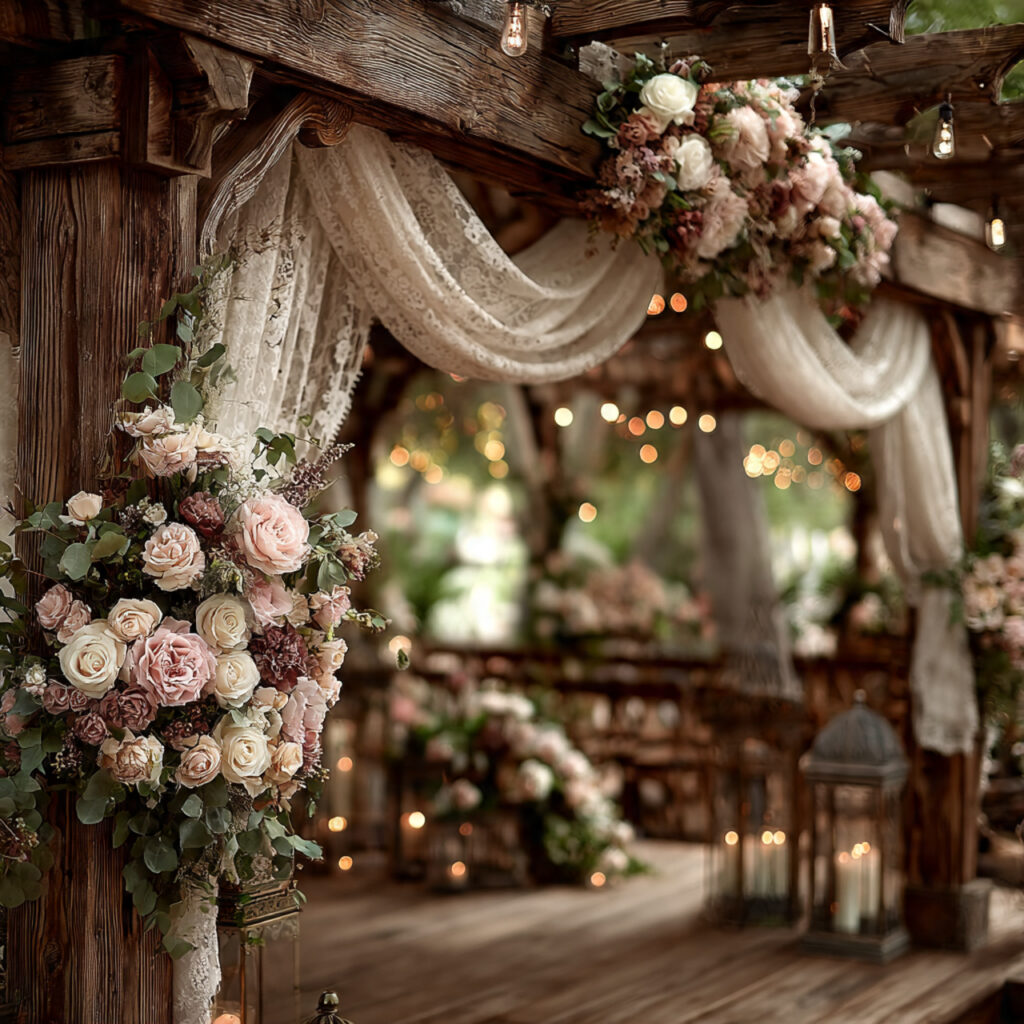
Vintage aesthetics draw from past eras without feeling dated when executed carefully. Wedding arbor ideas in this style often incorporate antique finishes, lace, and muted colors. Metal frames with patina finishes or distressed wood suit the theme. Decorative elements may include lanterns, framed signage, or heirloom fabrics. Balance is key to avoid clutter. Vintage arbors pair well with historic venues or classic interiors. Lighting should be soft to reinforce the mood. These designs favor subtlety over spectacle.
Hexagonal Wedding Arbor
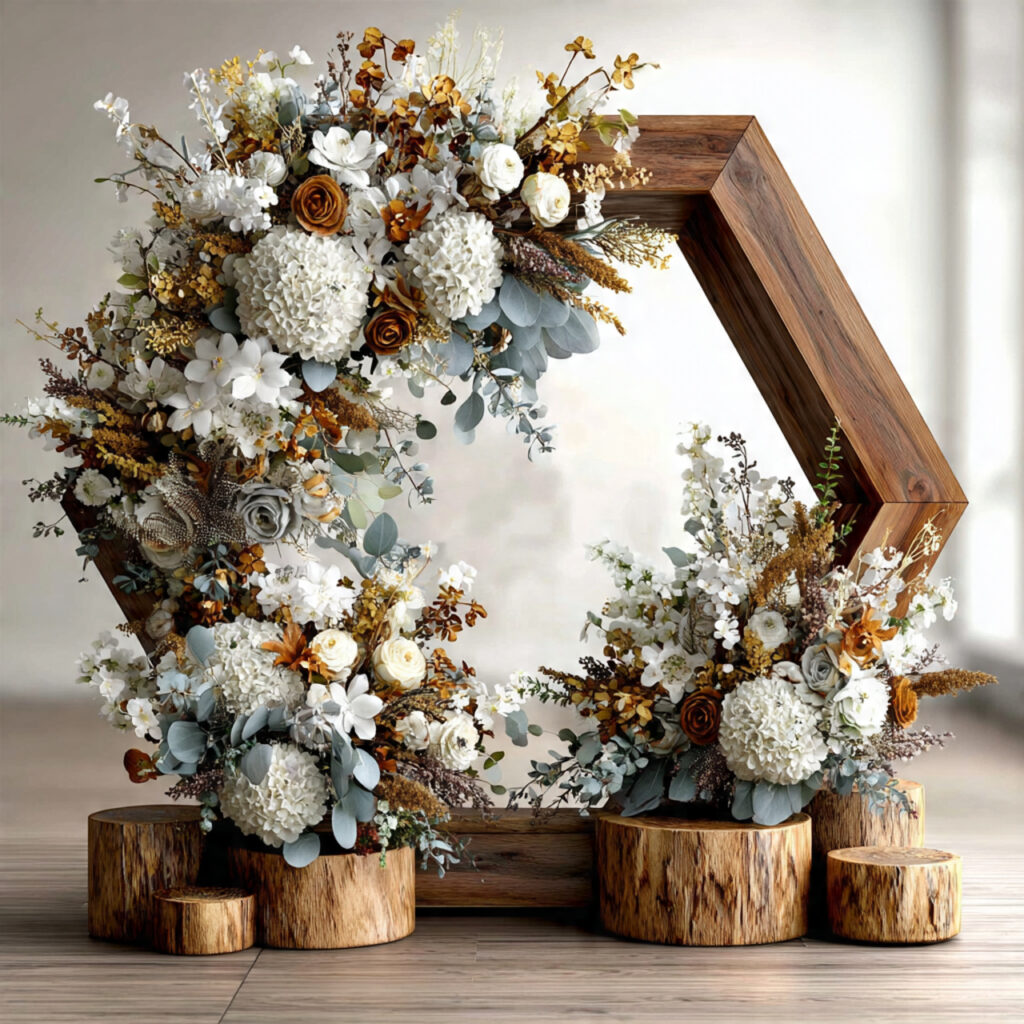
Hexagonal shapes offer structure without rigidity. Wedding arbor ideas built around this form feel modern yet approachable. The shape provides visual interest while maintaining symmetry. Metal or wood can be used depending on desired weight and finish. Florals are often placed at corners to highlight angles. This prevents the design from feeling flat. Hexagonal arbors work well for couples seeking something distinctive but not experimental. They adapt well to both indoor and outdoor settings.
Asymmetrical Wedding Arbor
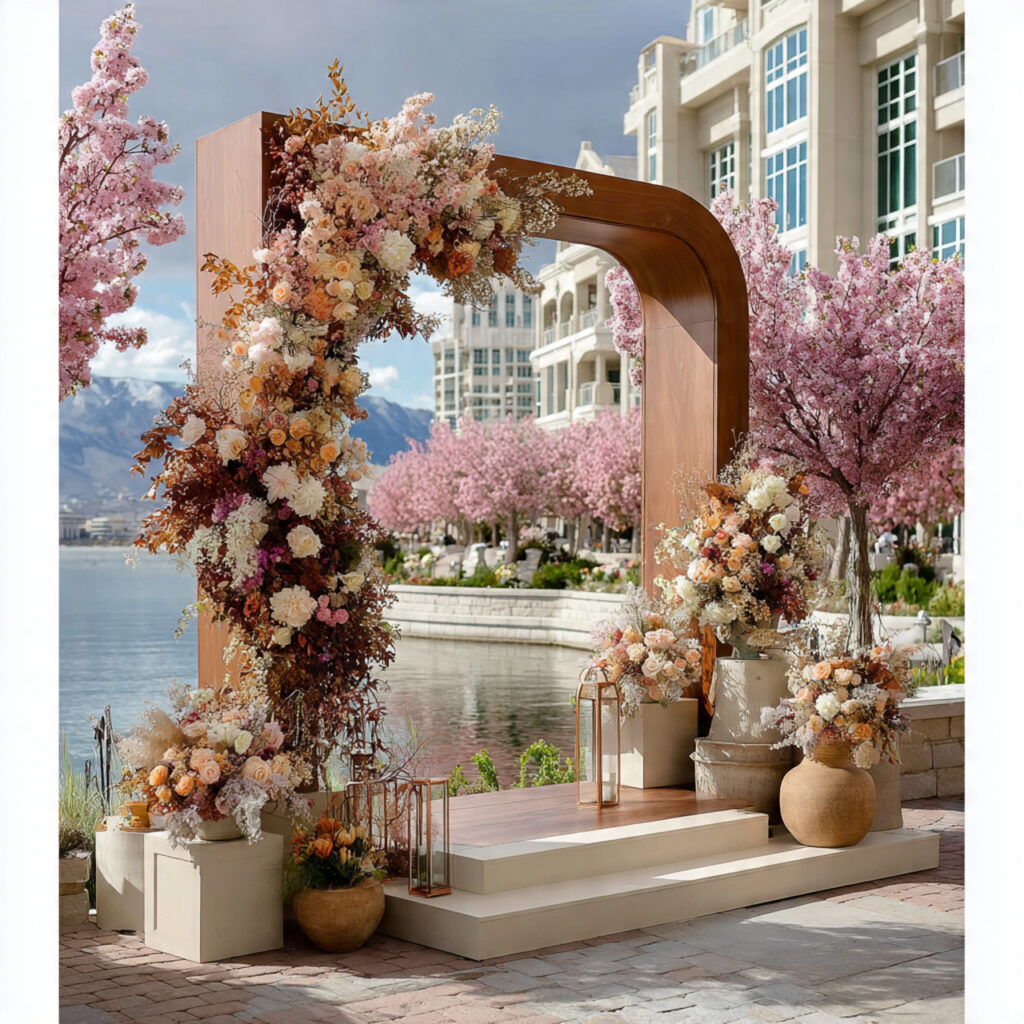
Asymmetry reflects modern design sensibilities. Wedding arbor ideas that embrace imbalance feel dynamic and intentional when executed with care. The structure itself may be simple, while decoration varies in density. One side may feature heavy florals, while the other remains bare. This draws the eye diagonally across the frame. Asymmetrical designs require experienced styling. Poor balance can look unfinished rather than artistic. When done correctly, the result feels current and refined.
Pampas Grass Wedding Arbor
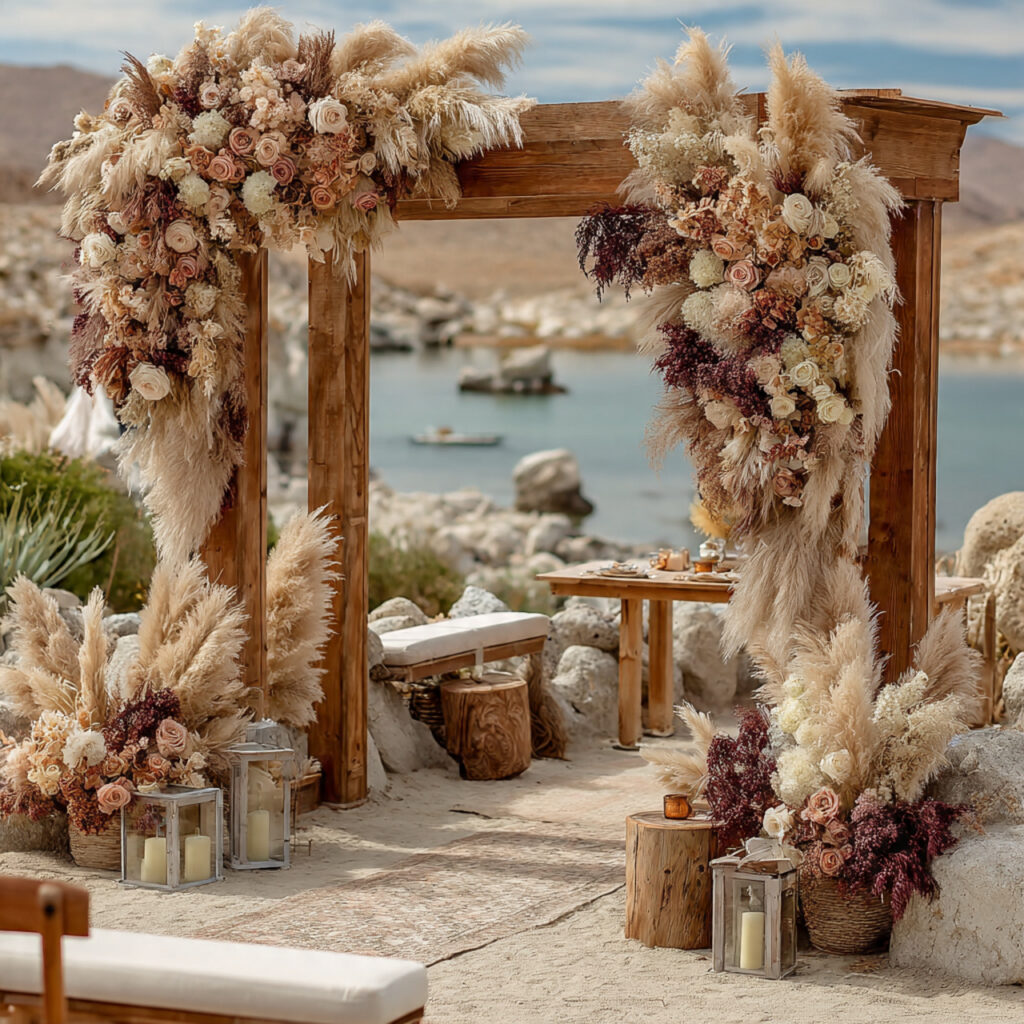
Pampas grass offers texture and volume. Wedding arbor ideas using this material align with bohemian aesthetics and neutral palettes. Dried elements are lightweight and durable. They pair well with wood or metal frames. Color consistency is important, as pampas can vary in tone. These arbors are best for dry climates or indoor settings. Humidity can affect dried materials. The look is tactile and relaxed rather than formal.
Minimalist Wedding Arbor
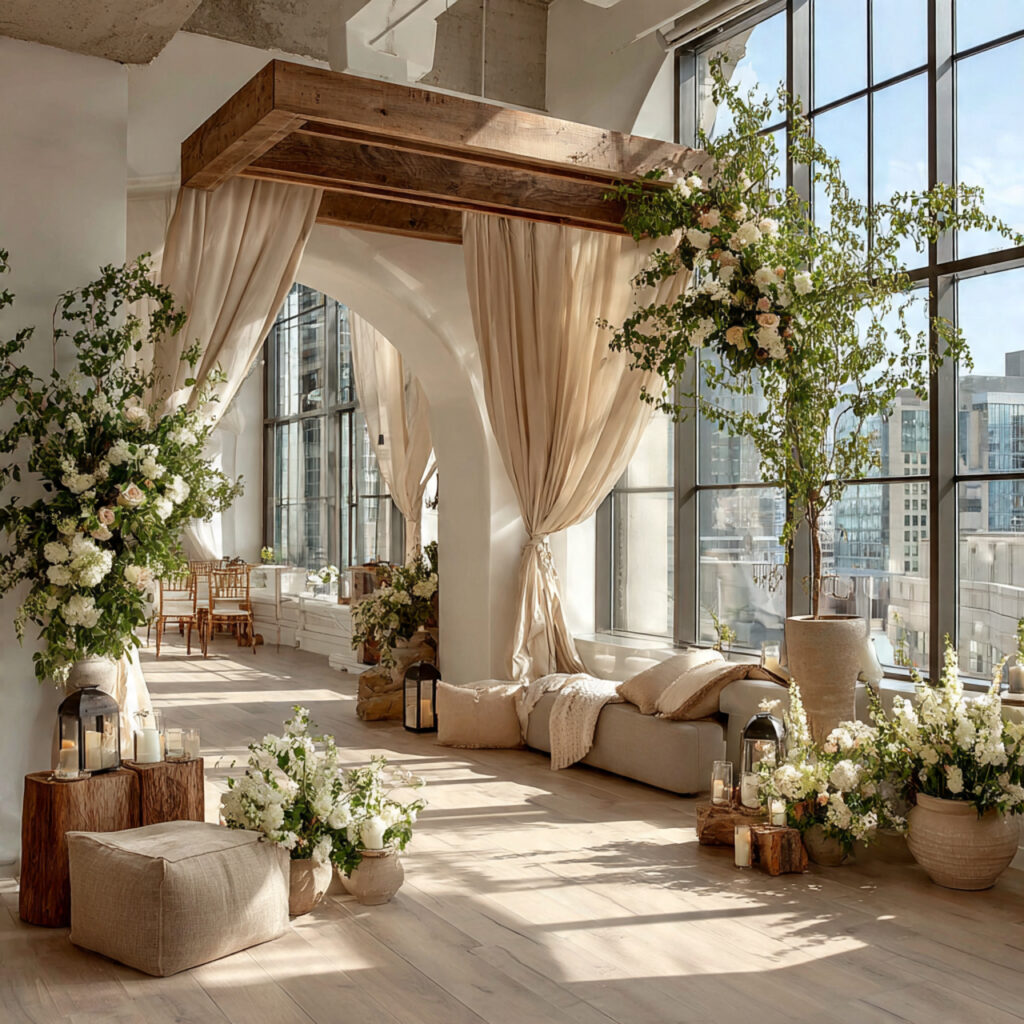
Minimalism focuses on intent. Wedding arbor ideas in this category strip away excess to highlight form and space. Frames are simple. Decoration is limited or absent. Color palettes are restrained. The surrounding environment becomes part of the design. These arbors suit couples who value clarity and focus. They work well in architecturally strong venues where structure speaks for itself.
Seasonal Wedding Arbor
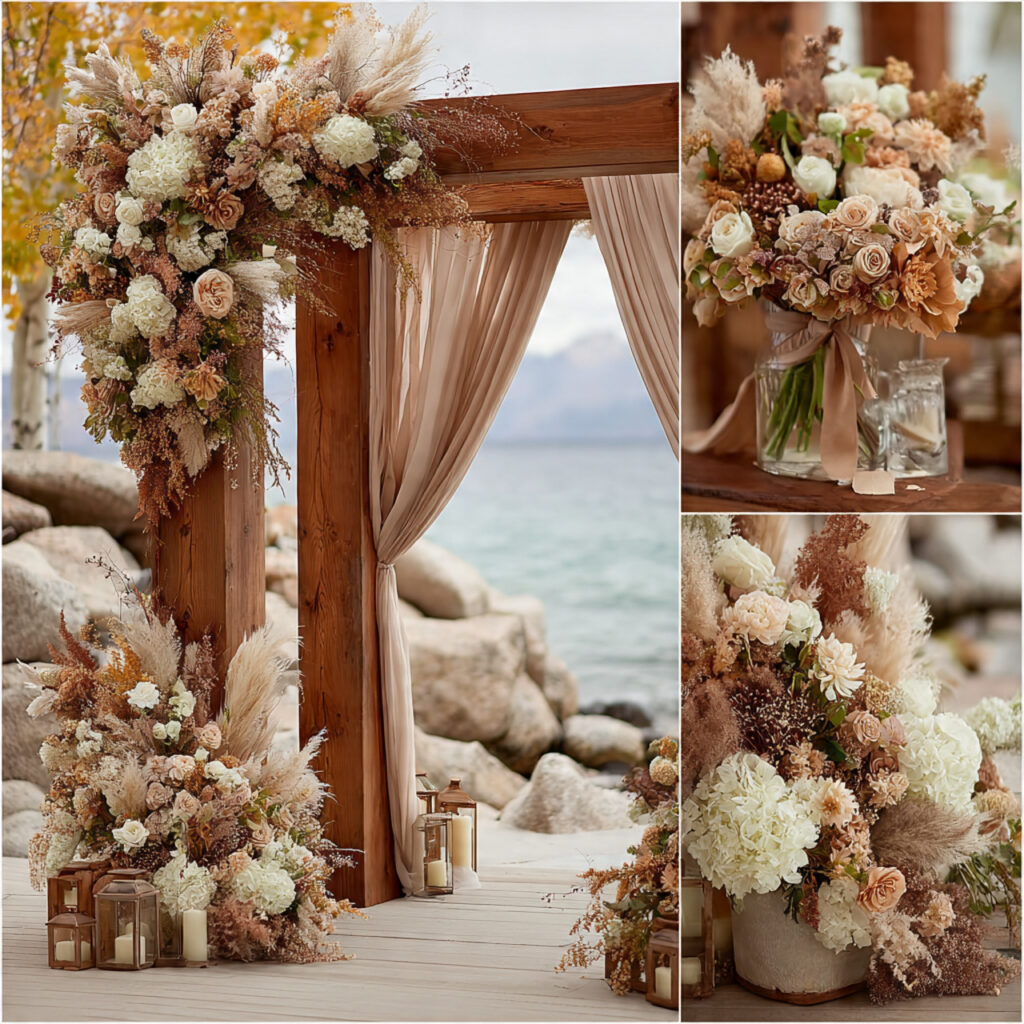
Seasonal design grounds the ceremony in time. Wedding arbor ideas that reflect the season feel natural and relevant. Spring may feature fresh greens and soft blooms. Summer favors open designs and bright light. Autumn incorporates texture and warmth. Winter emphasizes structure and contrast. Seasonal awareness improves flower availability and reduces cost. It also aligns the ceremony visually with the broader event design.
Cultural Wedding Arbor
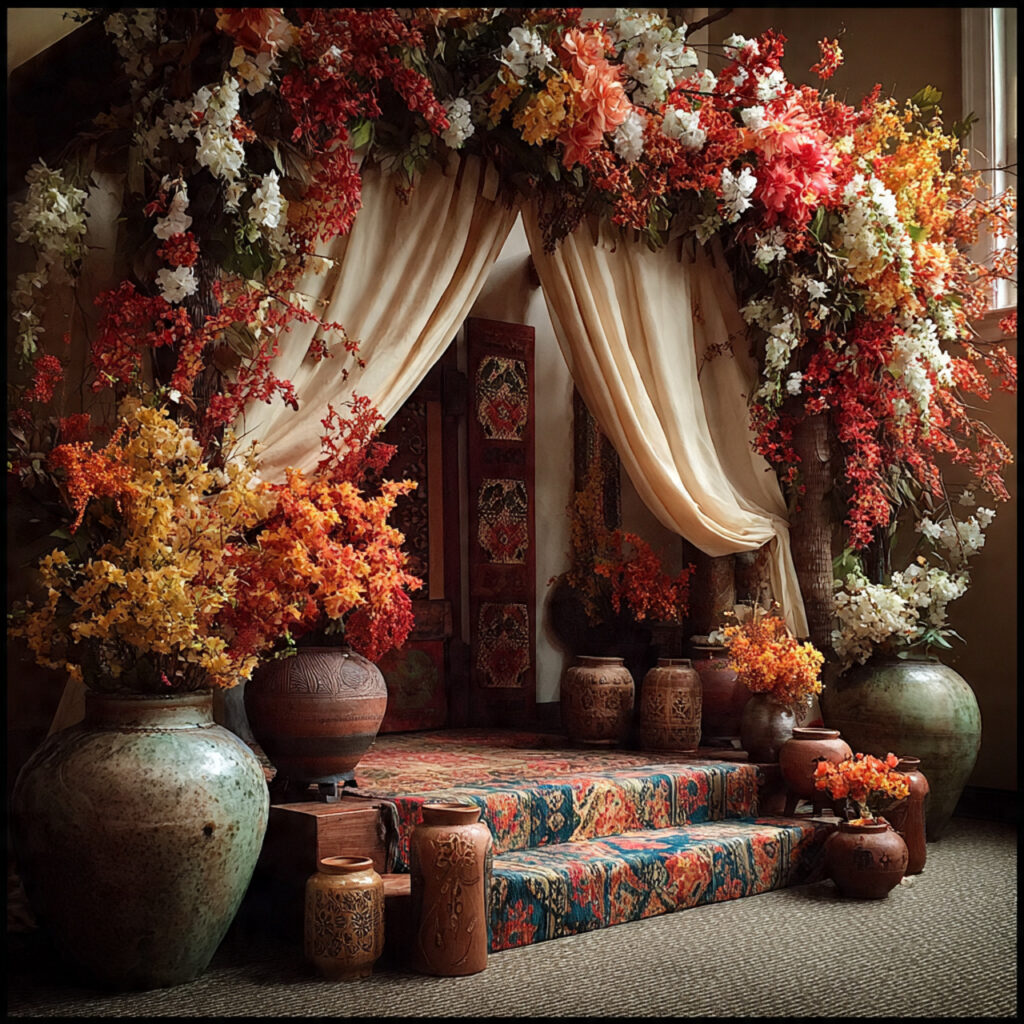
Cultural context adds depth. Wedding arbor ideas inspired by tradition should be approached with respect and accuracy. Materials, colors, and symbols carry meaning. Consultation with family or cultural advisors ensures authenticity. These arbors often become powerful focal points. The structure may differ from Western norms, but the intent remains the same: framing a significant moment.
Personalized Wedding Arbor
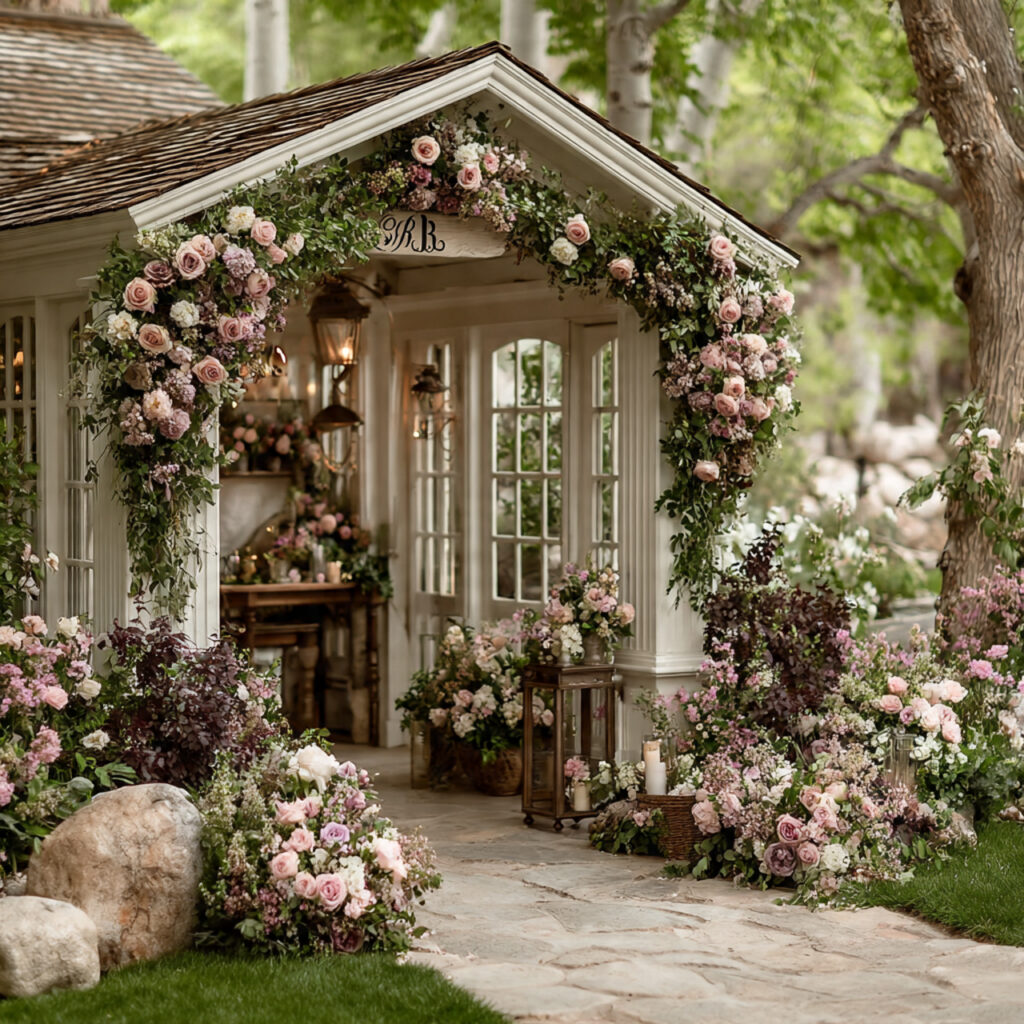
Personalization transforms an arbor from décor to narrative. Wedding arbor ideas that incorporate initials, symbols, or meaningful objects tell a story. Customization should be subtle. Overloading the structure can distract from the ceremony itself. Thoughtful placement ensures visibility without dominance. These arbors often require custom fabrication and early planning. The result is a ceremony space that feels uniquely tied to the couple.
Budget Conscious Wedding Arbor
Budget constraints require clarity. Wedding arbor ideas designed with cost awareness focus on impact over volume. Rental frames, greenery, and fabric offer flexibility. DIY elements can reduce expenses if executed carefully. Labor and transport should be factored into planning. A restrained approach often produces the most cohesive results. Simplicity does not imply lack of intention.
Frequently Asked Questions
How far in advance should a wedding arbor be planned?
Ideally, the arbor design should be finalized three to four months before the wedding. This allows time for sourcing materials, coordinating with florists, and confirming venue requirements.
Can a wedding arbor be reused for the reception?
In many cases, yes. Frames can be relocated to serve as photo backdrops or sweetheart table accents, provided logistics and timing allow.
What size should a wedding arbor be?
Most arbors are between 7 and 8 feet tall. Width should allow the couple to stand comfortably without feeling crowded. Venue scale should guide final dimensions.
Are wedding arbors necessary for all ceremonies?
No. Some venues provide natural focal points. An arbor is optional and should enhance, not replace, the setting.
How do weather conditions affect arbor design?
Wind, heat, and rain influence material choice and stability. Outdoor arbors must be anchored securely and styled with weather-resistant elements.
Conclusion
A wedding arbor defines the ceremony space more than any other single element. The best designs balance structure, environment, and intention. Whether simple or elaborate, the arbor should frame the moment without overshadowing it. Thoughtful choices in material, scale, and styling ensure the ceremony feels grounded, personal, and visually coherent. The right approach turns a structure into a meaningful setting for vows that matter.