22 Wedding Planning Timeline Guide for Stress-Free Planning
Planning a wedding without structure creates stress, wasted money, and rushed decisions. A wedding planning timeline exists to remove uncertainty and bring order to a process that can otherwise spiral. It helps couples move forward with clarity, knowing what matters now and what can wait. This guide breaks the journey into clear phases that reflect real planning behavior, not fantasy schedules. Each idea below focuses on one essential stage. Together, they form a complete wedding planning timeline that works for modern couples with jobs, families, budgets, and limited time.
Clarifying the Vision Early for wedding planning timeline

Every successful wedding begins with alignment. Before venues, dates, or guest lists, couples must define what the day represents. Is it formal or relaxed. Intimate or expansive. Traditional or personal. This clarity becomes the foundation of the wedding planning timeline and prevents costly changes later. Couples who skip this step often find themselves redoing decisions. A shared vision reduces friction and speeds up every choice that follows. It also helps when outside opinions start to surface. This stage should include discussions about priorities, cultural expectations, and emotional non-negotiables. Once clarity is established, the timeline gains direction instead of guesswork.
Setting a Realistic Budget Framework

Money shapes every planning decision. A realistic budget is not a spreadsheet fantasy but a practical boundary. This part of the wedding planning timeline determines what is possible and what must be adjusted. Budgets should include buffers for unexpected expenses. Many couples underestimate service fees, taxes, and last-minute needs. Defining categories early avoids emotional overspending later. Transparency between partners matters here. Clear financial agreement prevents resentment and confusion as decisions stack up.
Choosing the Ideal Wedding Date
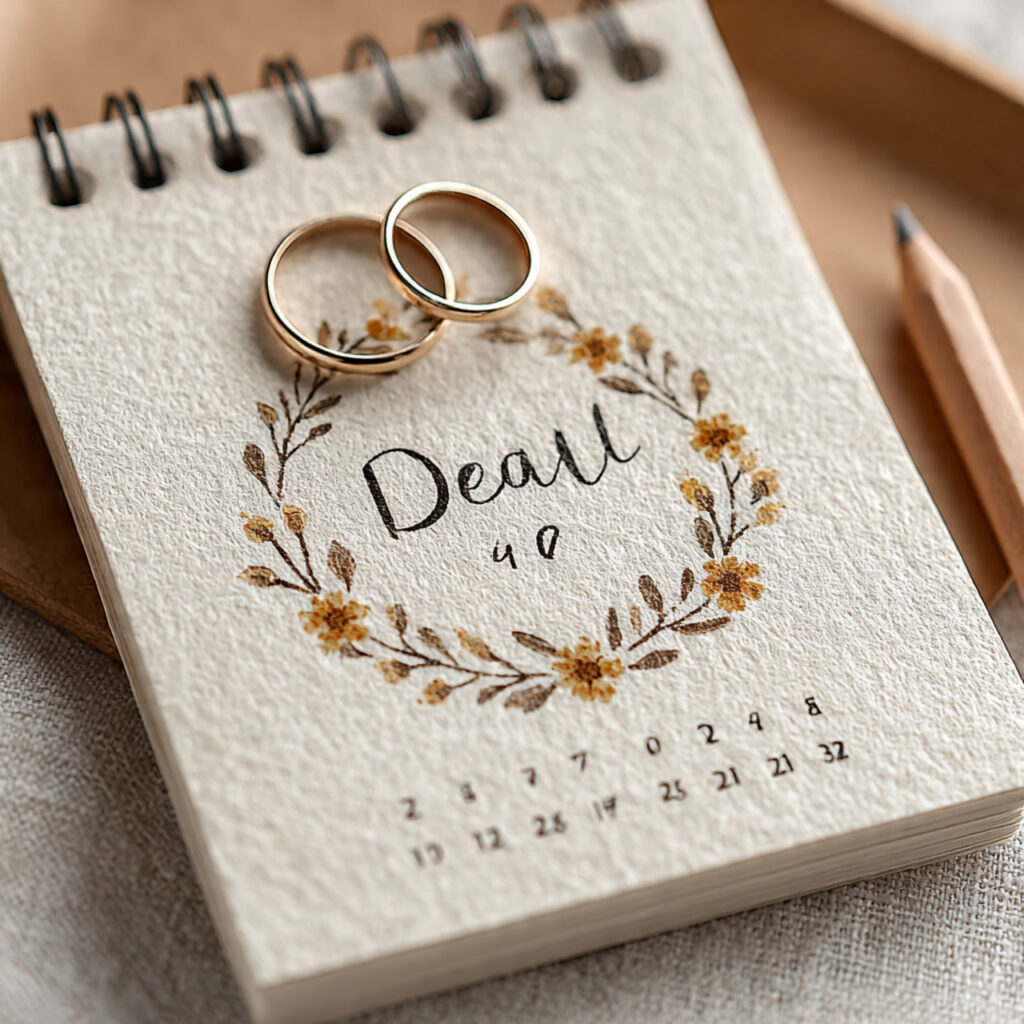
Selecting a date is not just symbolic. It affects availability, pricing, weather, and guest attendance. Within the wedding planning timeline, the date anchors all future steps. Flexibility often saves money and expands options. Popular dates book fast and cost more. Considering off-peak seasons or weekdays can reduce pressure. The chosen date should align with personal commitments, cultural calendars, and logistical realities rather than trends.
Researching and Booking the Venue
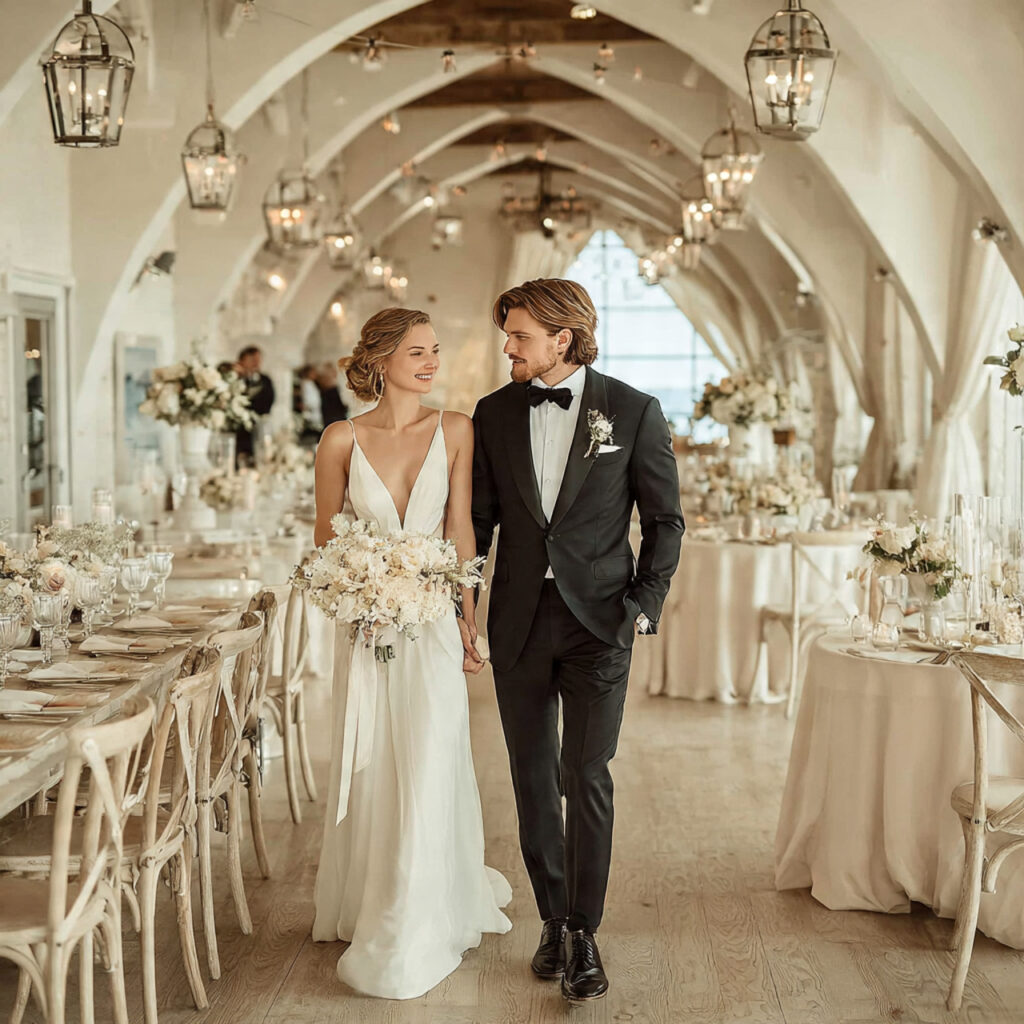
Venues shape the experience more than almost any other element. This stage of the wedding planning timeline requires focused research and fast decision-making. Availability drives urgency. Once the date and general style are known, venues should be toured and secured early. Delays here compress the entire timeline. Couples should evaluate capacity, accessibility, restrictions, and backup plans. A venue that fits the vision simplifies décor, catering, and flow.
Building the Guest List Strategy

The guest list influences budget, venue size, catering, and overall atmosphere. In the wedding planning timeline, it must be addressed before detailed vendor commitments. Couples should decide early whether the focus is intimacy or inclusion. Avoid vague categories that lead to last-minute additions. Clear boundaries help manage family expectations. A controlled guest list protects both budget and experience.
Hiring a Wedding Planner or Coordinator

Professional support can be strategic rather than indulgent. Within the wedding planning timeline, this decision affects stress levels and execution quality. Full planners assist from concept to completion. Partial planners help during mid-stages. Coordinators focus on logistics near the event date. Couples should assess their availability, organizational skills, and tolerance for complexity. The right support can save time, money, and emotional energy.
Selecting Key Vendors Early
Some vendors define the wedding’s tone. Photography, catering, and entertainment fall into this category. In the wedding planning timeline, these should be booked soon after the venue. Top professionals book months in advance. Waiting reduces choice and increases compromise. Vendor alignment matters more than price alone. Clear communication ensures expectations match reality.
Finalizing the Ceremony Structure
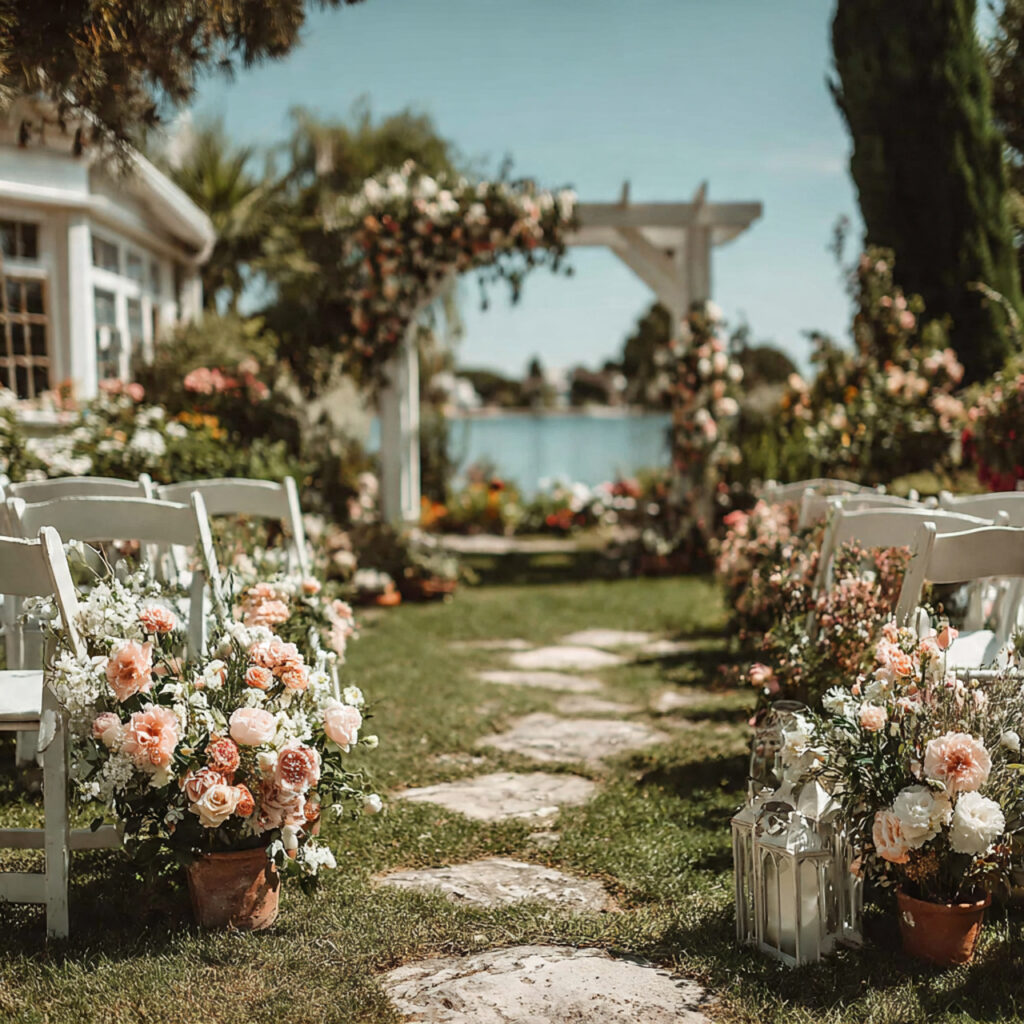
The ceremony is the emotional core of the day. This stage of the wedding planning timeline focuses on meaning rather than aesthetics. Couples should decide on religious, civil, or symbolic elements. Readings, vows, and rituals should reflect shared values. Early planning allows time for thoughtful personalization rather than rushed decisions.
Designing the Reception Experience
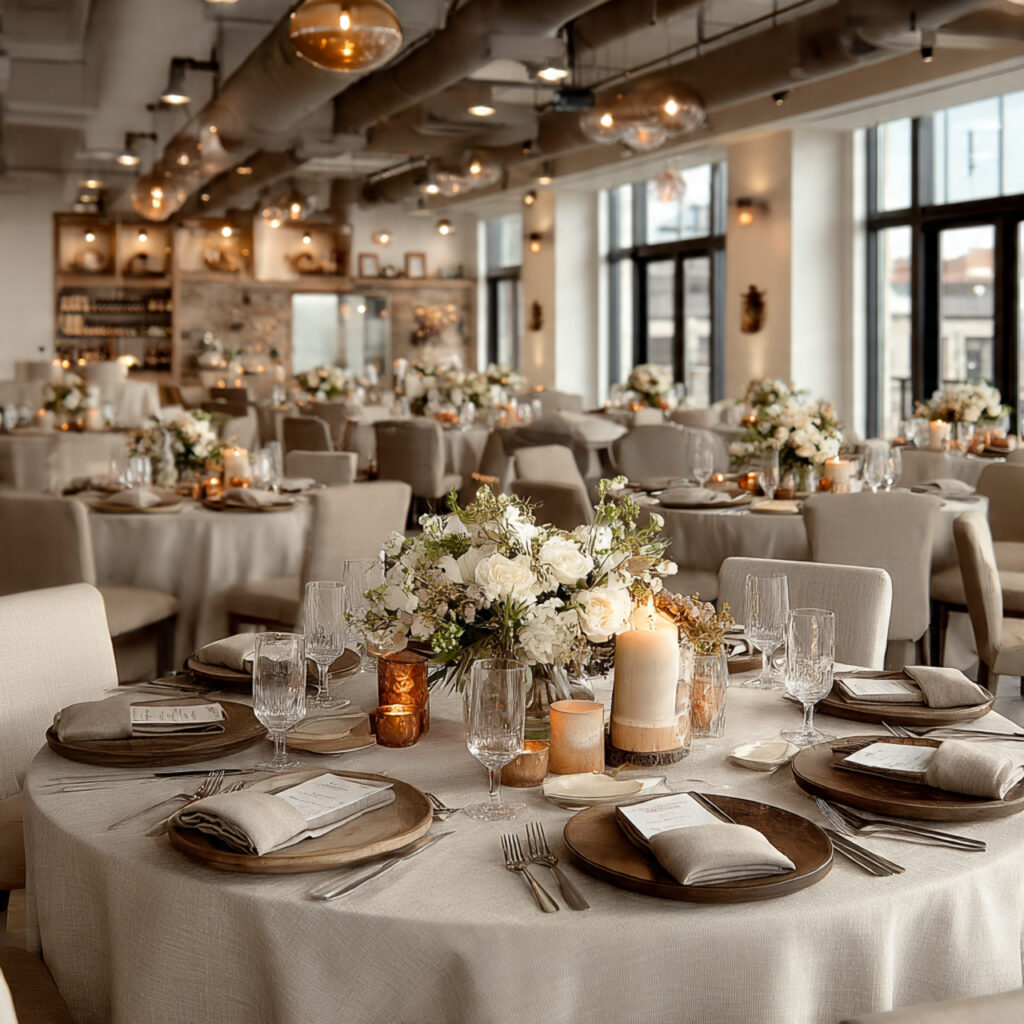
The reception is where guests spend most of their time. In the wedding planning timeline, its design affects flow, comfort, and memory. Decisions include seating styles, meal formats, and entertainment pacing. Every choice should support guest experience rather than trends. A well-planned reception feels effortless even though it is carefully structured.
Choosing Attire with Time to Spare

Wedding attire requires time for selection, ordering, and alterations. In the wedding planning timeline, this step should not be rushed. Delays create stress and limit options. Early decisions allow for proper tailoring and comfort. This stage should also consider weather, venue terrain, and cultural expectations.
Managing Invitations and Stationery
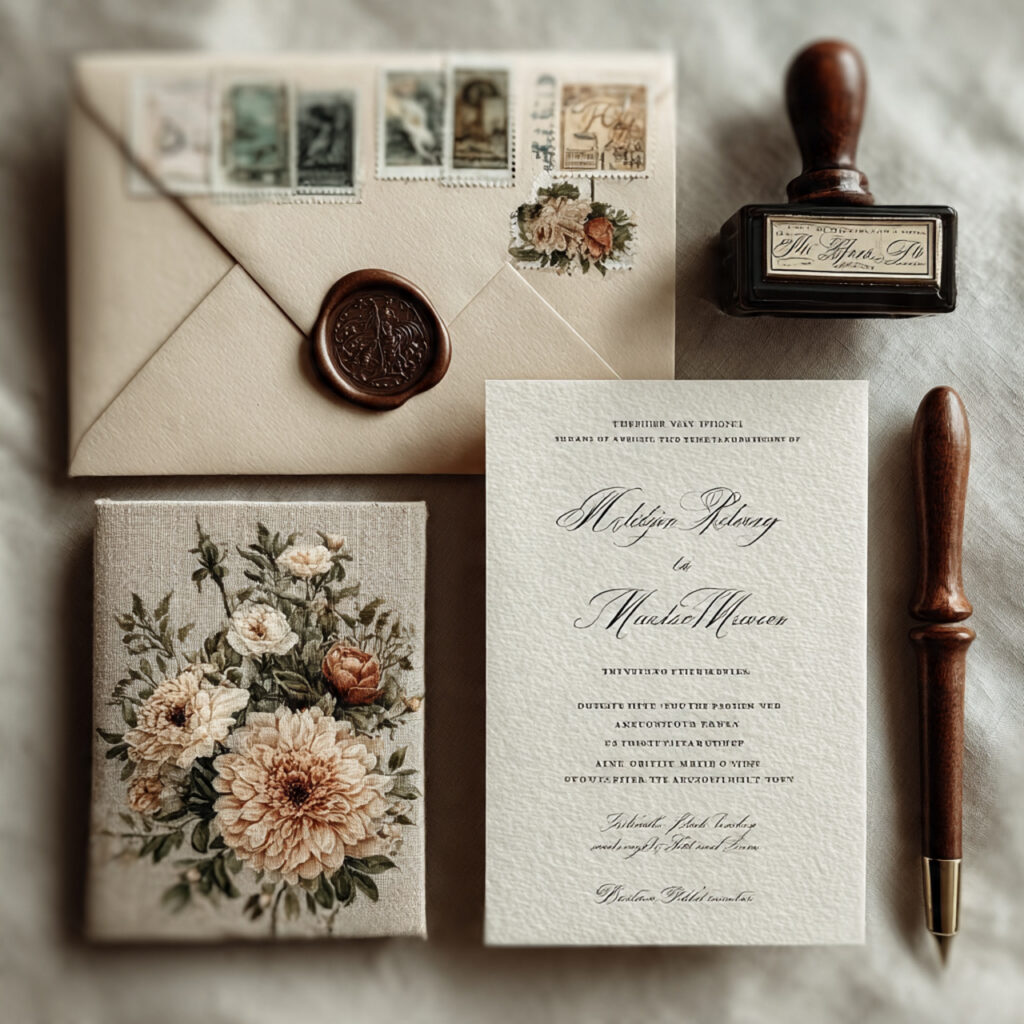
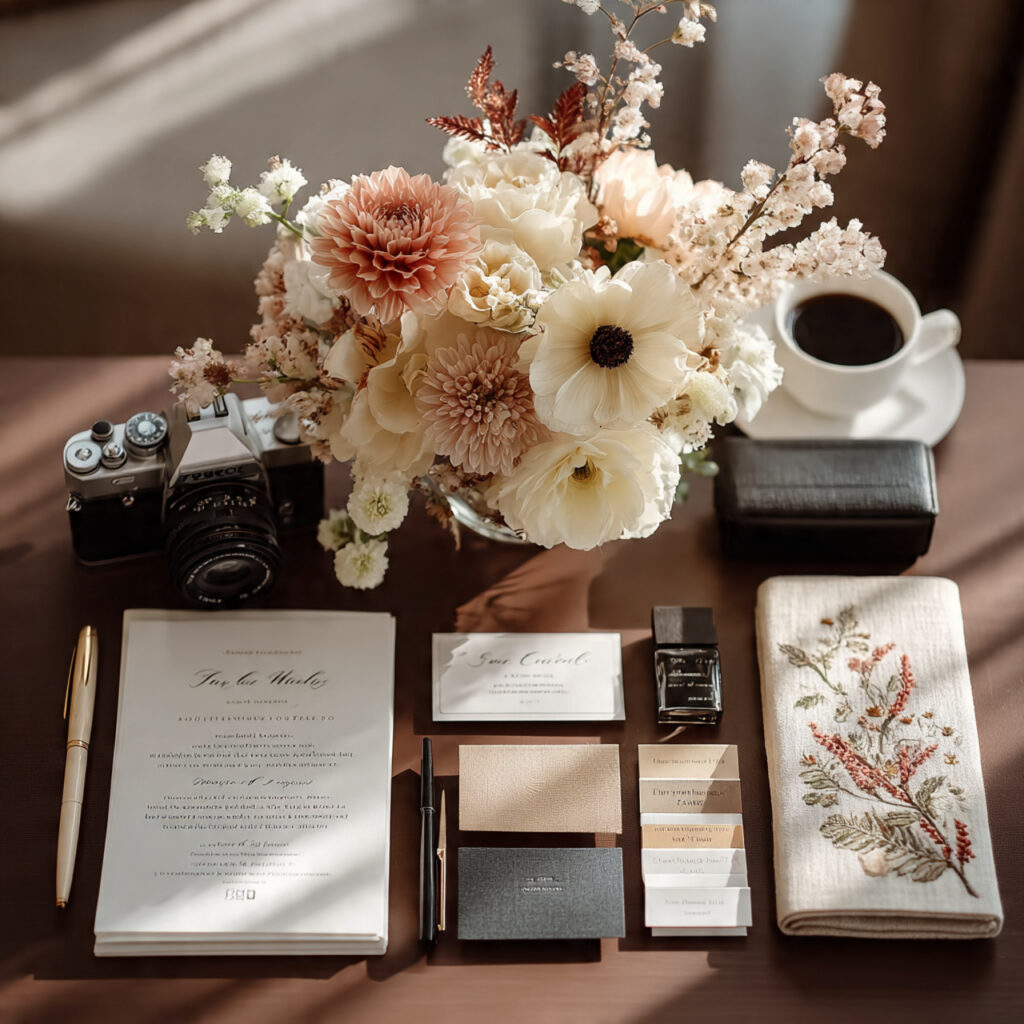
Stationery communicates tone and logistics. Within the wedding planning timeline, it must align with the event’s formality and schedule. Save-the-dates and invitations should allow guests enough notice to plan travel. Accuracy matters more than elaborate design. Clear information reduces follow-up questions and confusion.
Planning Décor with Purpose
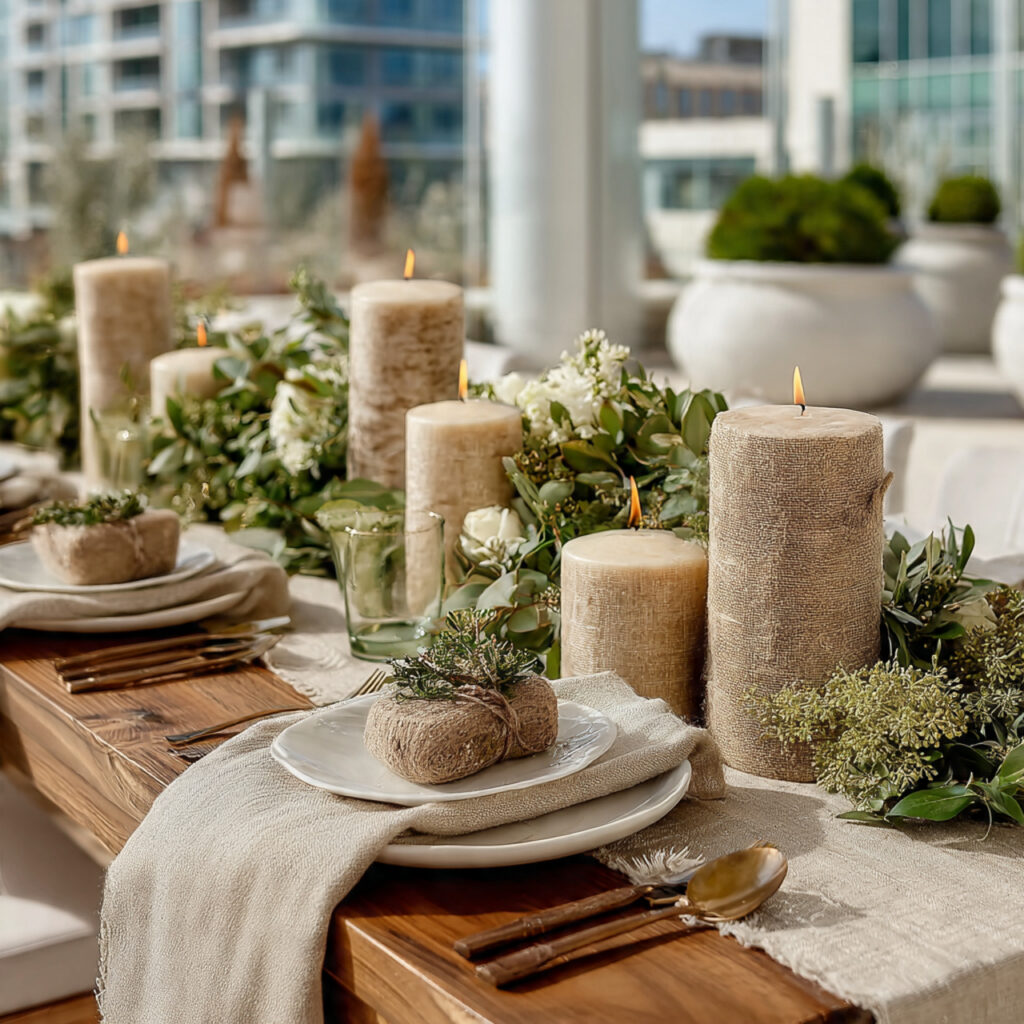
Décor should enhance the space, not overwhelm it. In the wedding planning timeline, décor planning benefits from venue familiarity. Couples should focus on high-impact areas. Lighting often matters more than florals. Practical considerations like setup time and reuse improve efficiency and cost control.
Coordinating Catering and Menu Choices
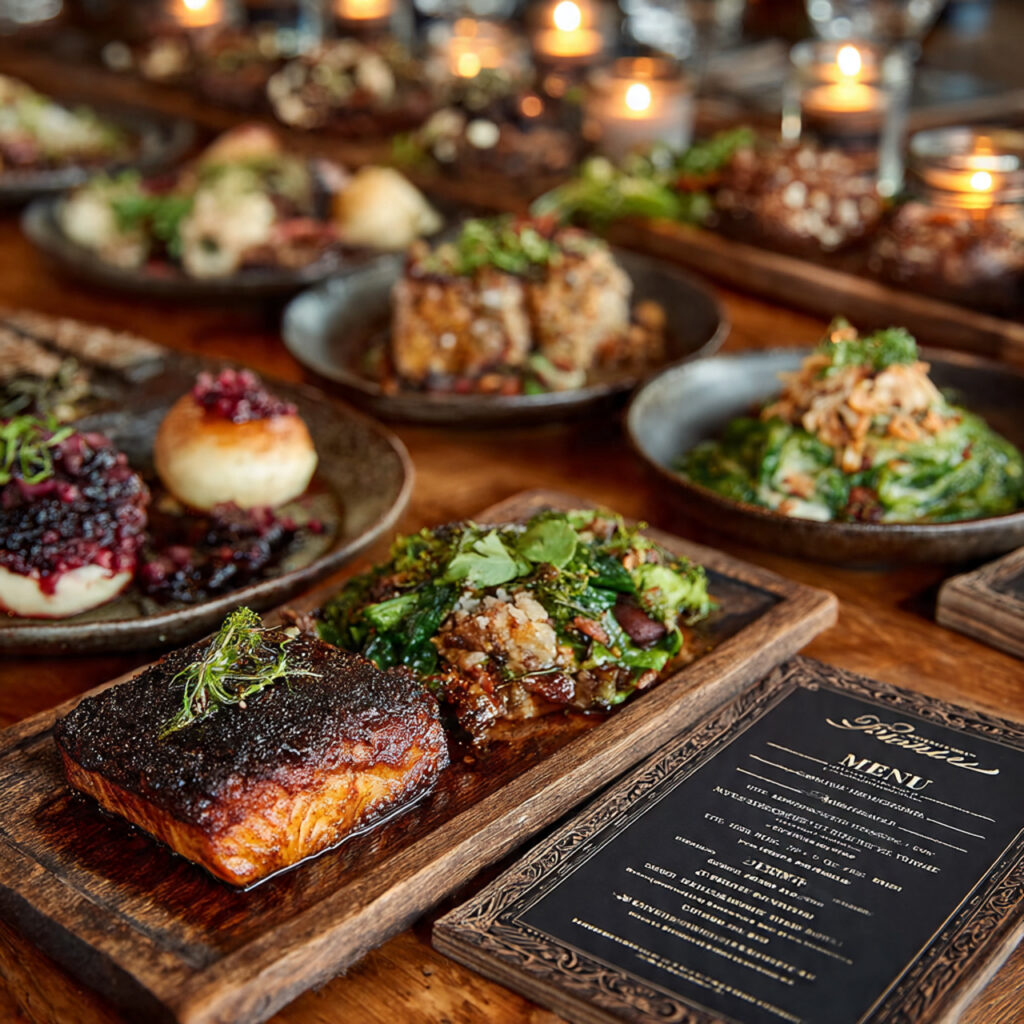
Food affects guest satisfaction directly. This stage of the wedding planning timeline involves tastings, dietary considerations, and service style decisions. Menus should reflect seasonality and guest demographics. Simplicity often works better than excess. Clear communication with caterers avoids last-minute surprises.
Organizing Entertainment and Flow
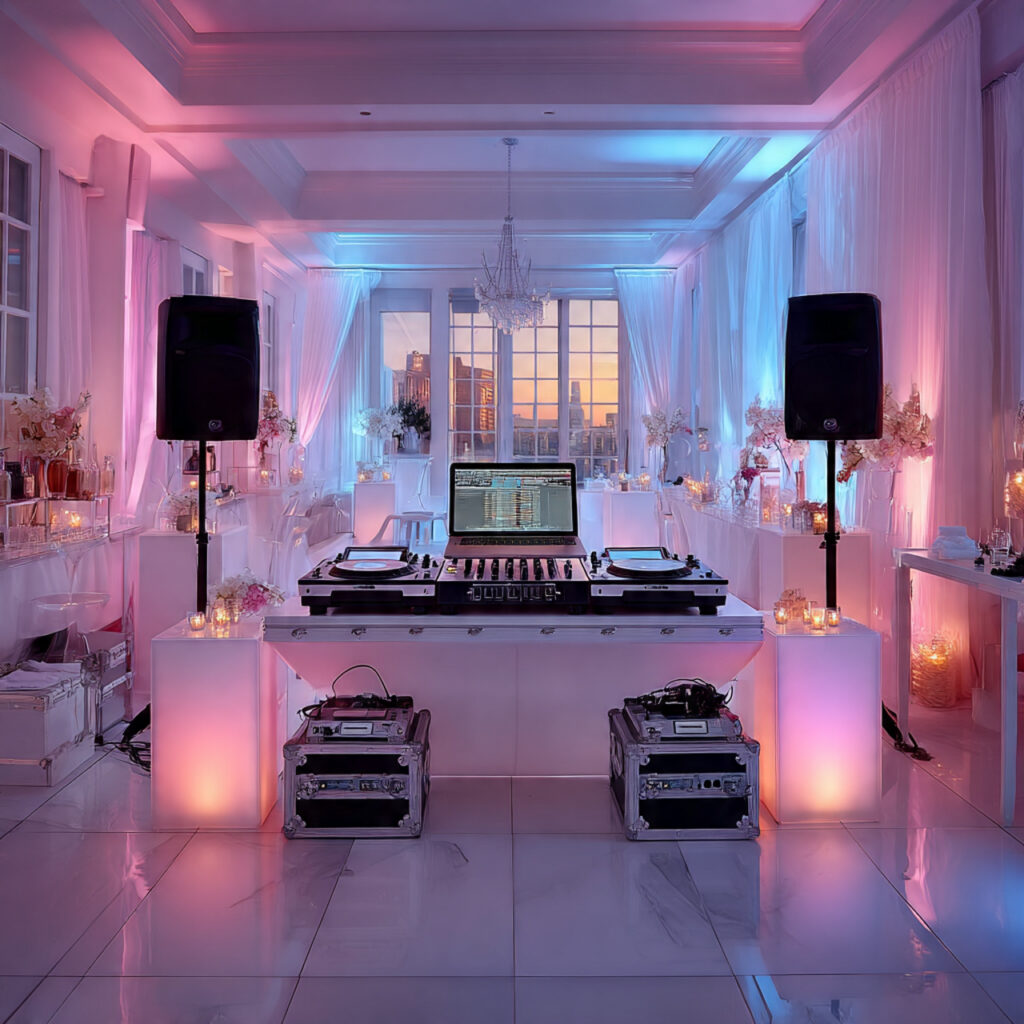
Entertainment shapes energy. Within the wedding planning timeline, music and activities should be planned with pacing in mind. Transitions matter. Guests should never feel confused about what happens next. The goal is engagement without exhaustion.
Addressing Legal and Administrative Tasks
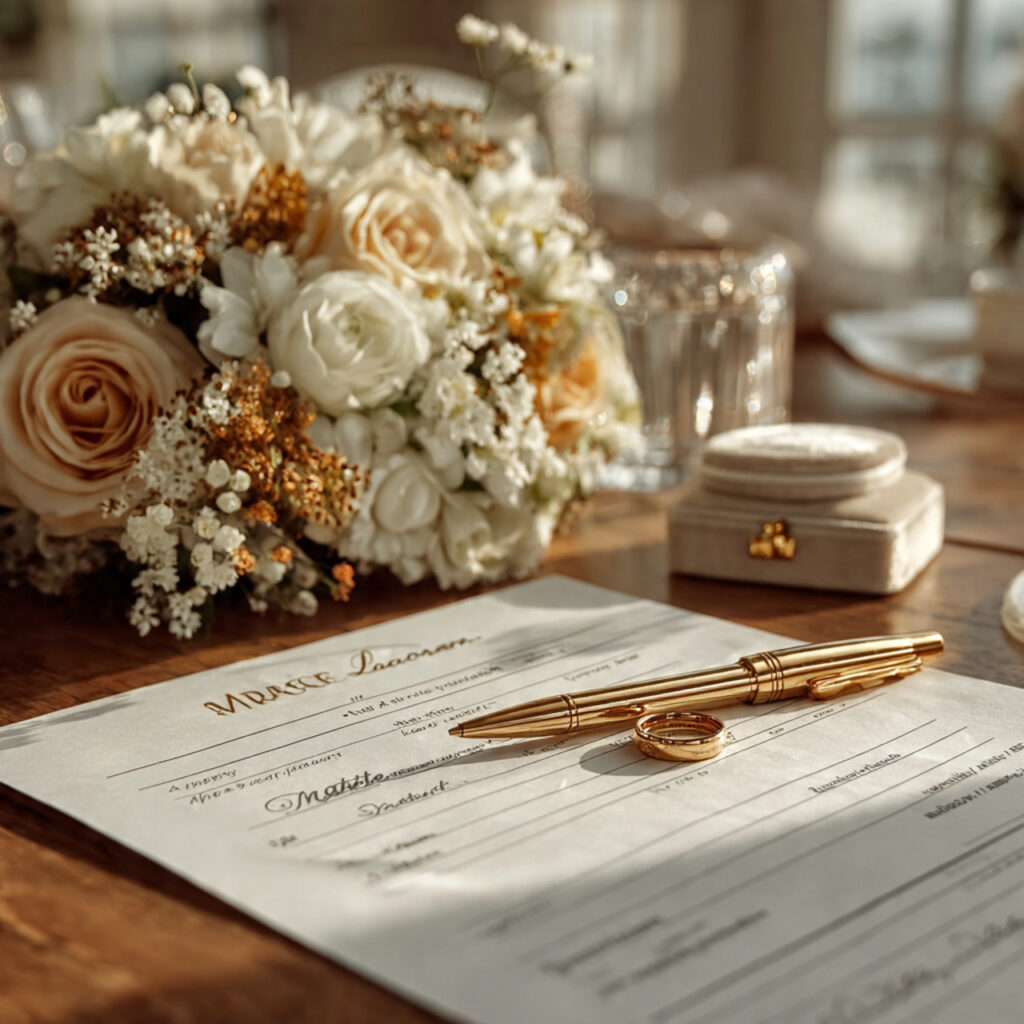
Marriage licenses, permits, and vendor contracts require attention. In the wedding planning timeline, these tasks often get overlooked until late. Deadlines vary by location. Early research prevents last-minute stress. Keeping documents organized saves time and frustration.
Scheduling Hair, Makeup, and Styling

Personal styling affects confidence and timing. This stage of the wedding planning timeline includes trials and scheduling. Trials prevent disappointment. Timing ensures the day flows smoothly. Comfort and durability should be prioritized over trends.
Planning Transportation and Logistics
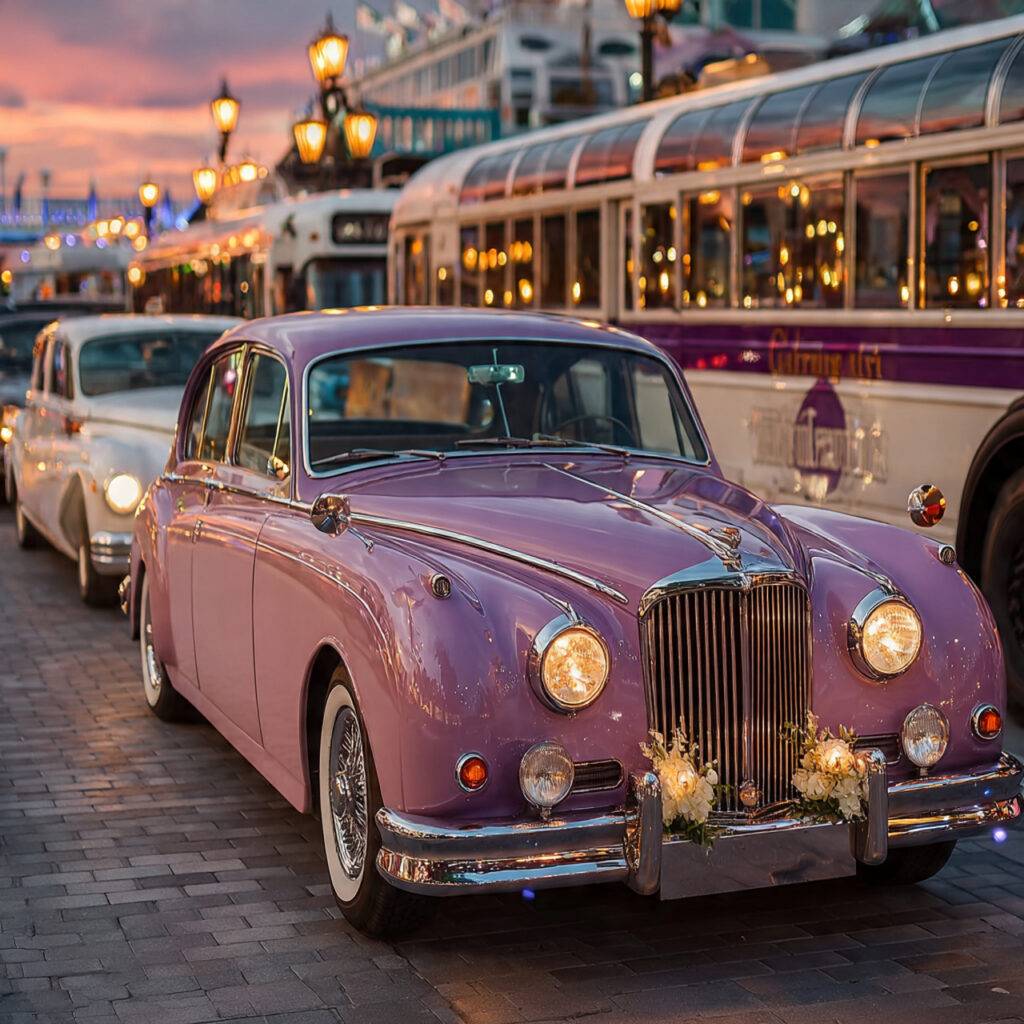
Movement affects punctuality. Within the wedding planning timeline, transportation planning ensures smooth transitions. This includes guest shuttles, vendor access, and contingency plans. Clear logistics reduce delays and confusion.
Preparing a Detailed Wedding Day Schedule
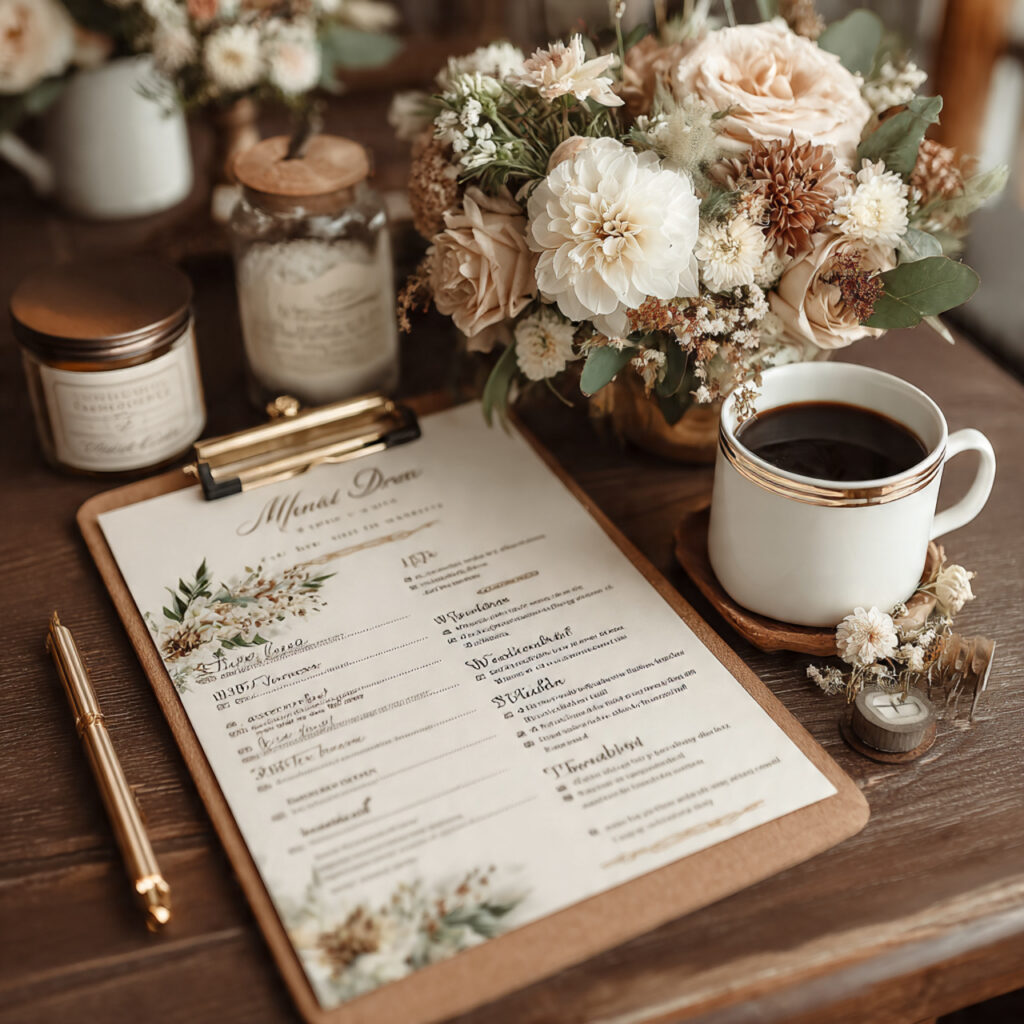
A detailed schedule transforms planning into execution. In the wedding planning timeline, this is the operational blueprint. It should include setup times, vendor arrivals, and buffer periods. Sharing it with key participants ensures coordination.
Managing Final Payments and Confirmations

The final weeks involve confirmations and payments. This phase of the wedding planning timeline requires organization. Written confirmations prevent misunderstandings. Tracking payments avoids last-minute disputes.
Planning for the Unexpected
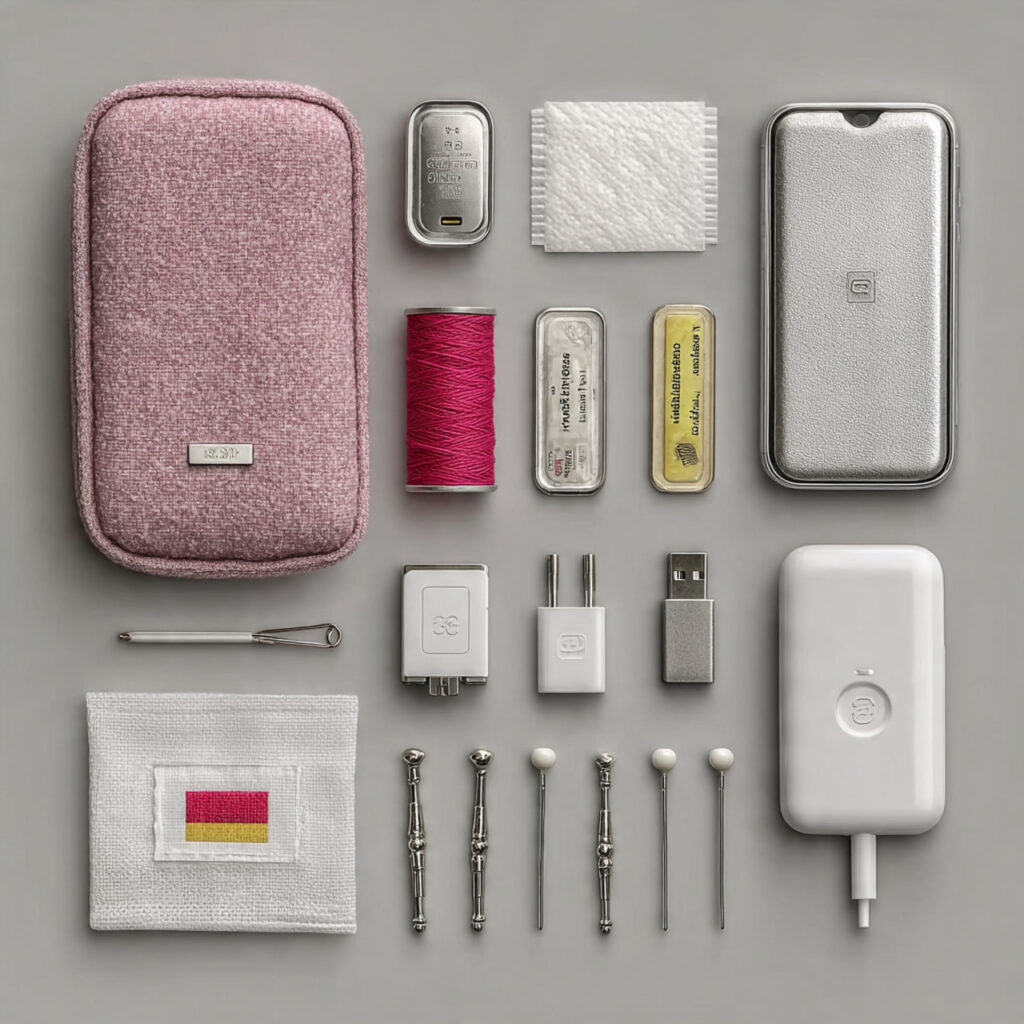
No event is perfect. In the wedding planning timeline, contingency planning reduces panic. Weather backups, emergency kits, and flexible attitudes matter. Preparedness allows calm responses to surprises.
Conducting the Final Walkthrough
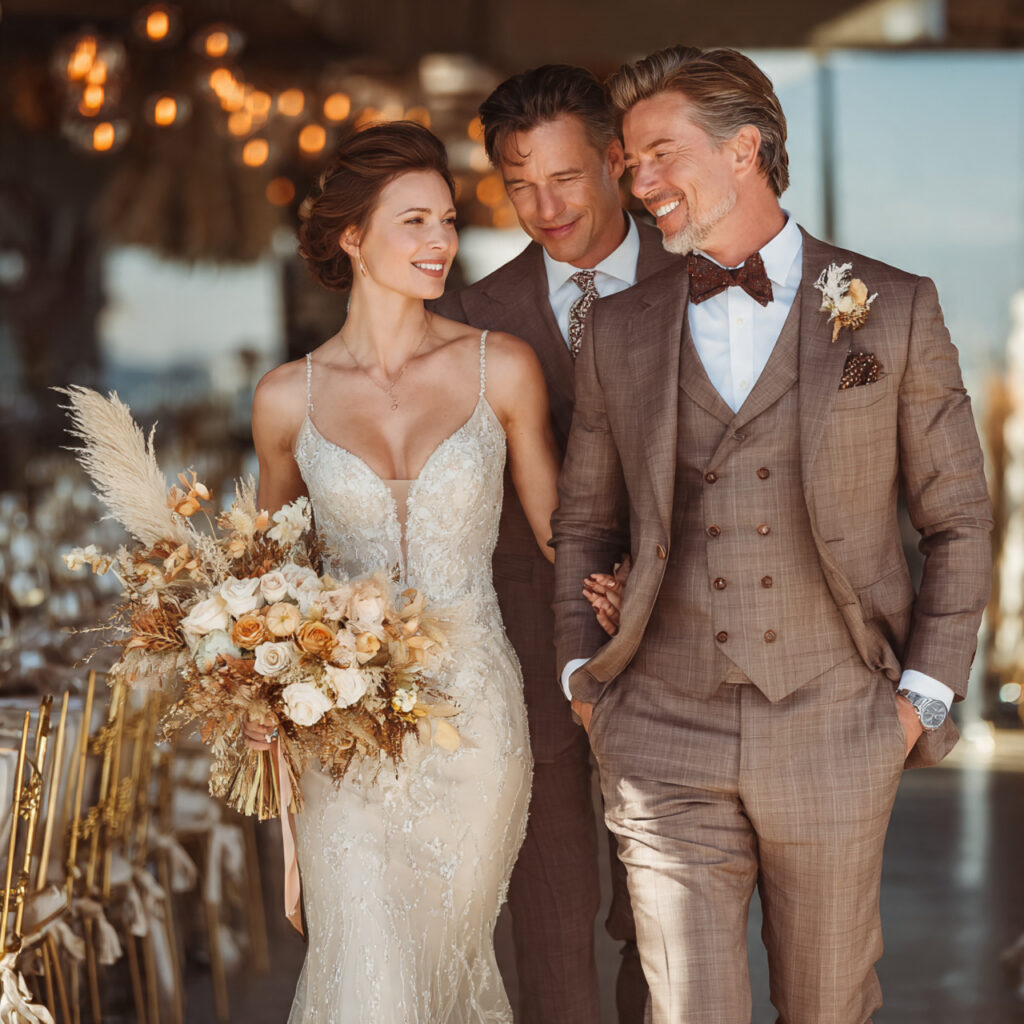
A walkthrough aligns expectations. This stage of the wedding planning timeline brings clarity to execution. It involves vendors, planners, and key participants. Questions should be addressed before the event day.
Focusing on Mental Readiness

Emotional preparation is often ignored. Within the wedding planning timeline, mental readiness supports enjoyment. Rest, boundaries, and perspective matter. The goal is presence, not perfection.
FAQs
How long should a wedding planning timeline realistically be
Most couples need 12 to 18 months. Shorter timelines require faster decisions and flexibility. Longer timelines allow pacing but still need structure.
What happens if parts of the timeline fall behind
Delays create compression later. Prioritizing critical vendors helps recover. Not every detail requires equal attention.
Is a wedding planning timeline necessary for small weddings
Yes. Smaller events still involve coordination. A timeline reduces stress regardless of size.
Can couples customize a wedding planning timeline
Absolutely. Timelines should reflect personal circumstances, not rigid templates.
What is the most commonly underestimated phase
Final confirmations and logistics. Many couples focus on design and overlook execution details.
Conclusion
A wedding planning timeline is not about control. It is about clarity. It transforms uncertainty into manageable steps and allows couples to move forward with confidence. When planning follows structure, creativity has room to breathe. The goal is not perfection but presence. A well-planned timeline makes that possible.