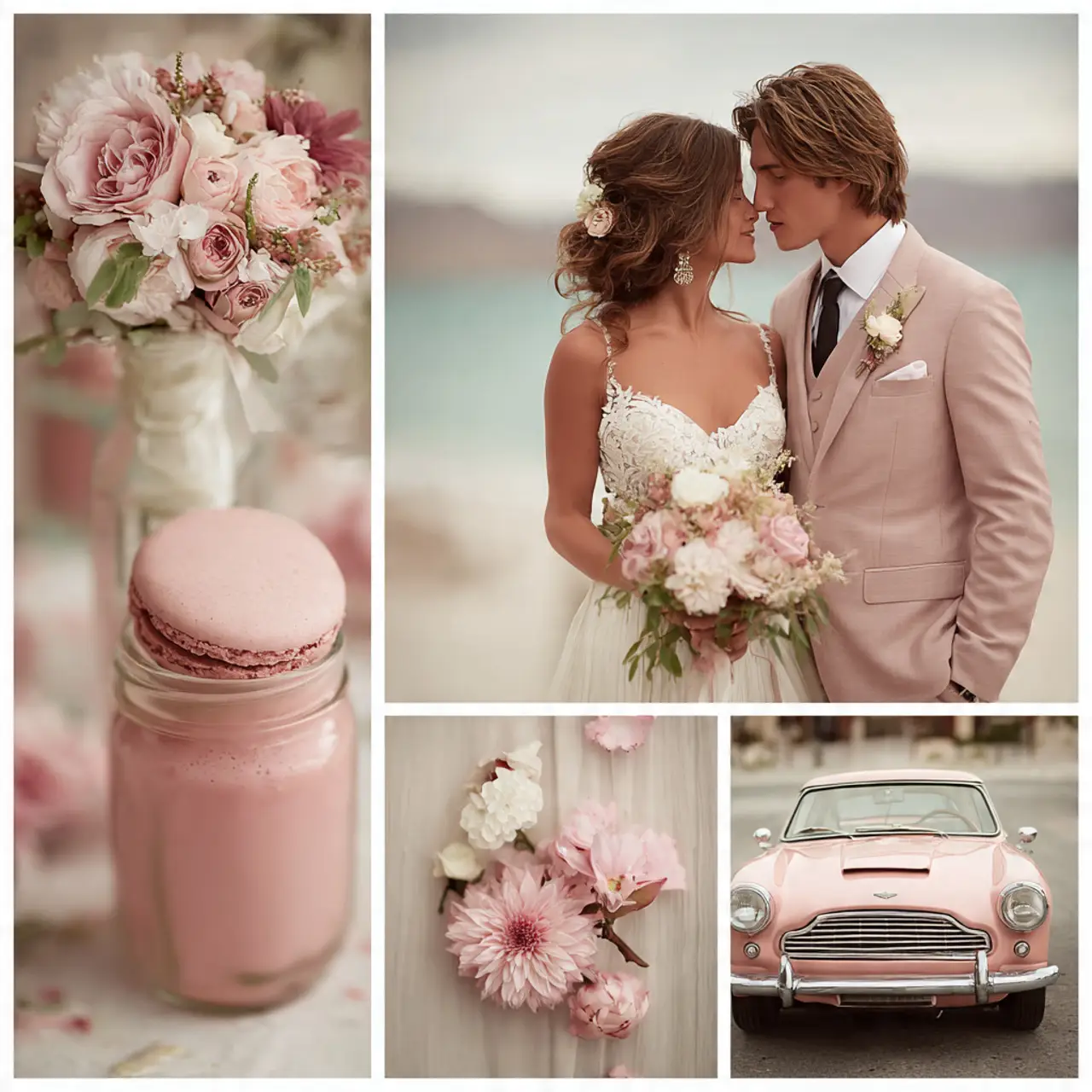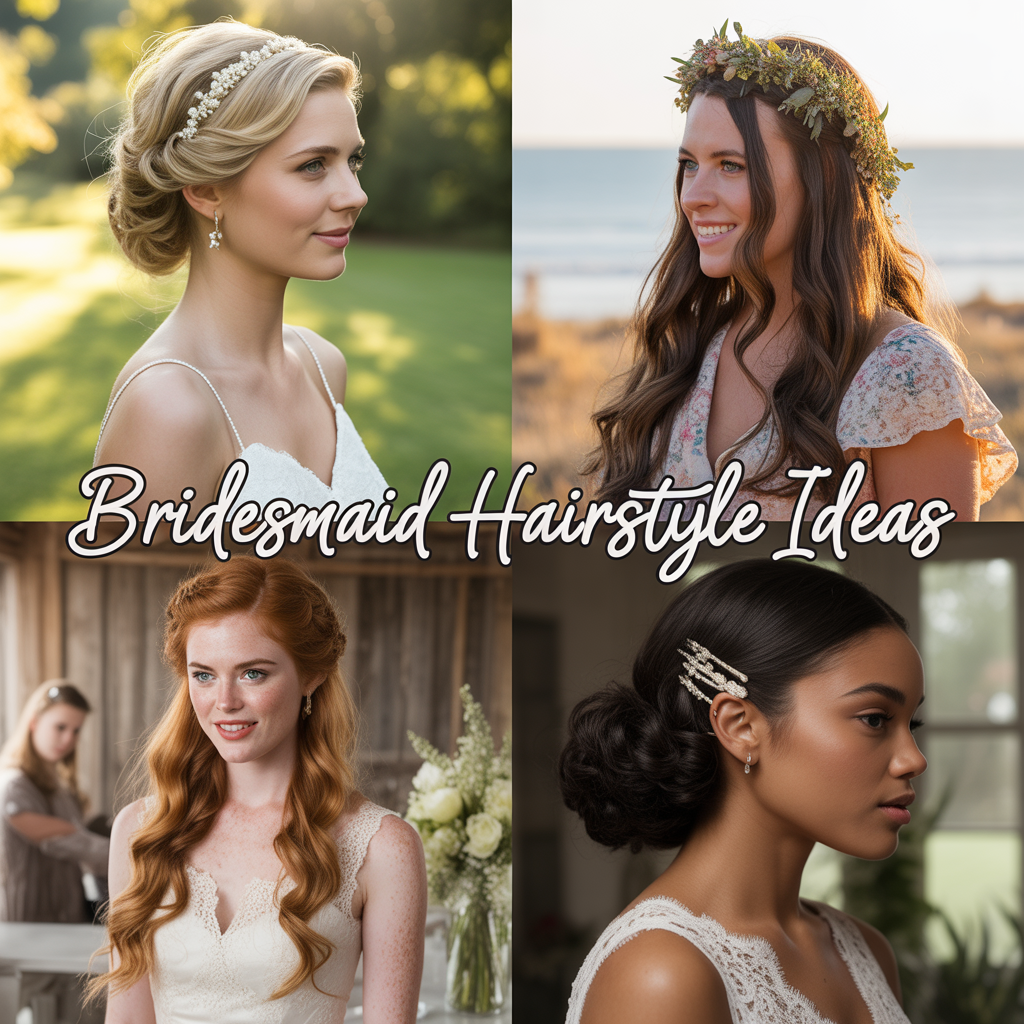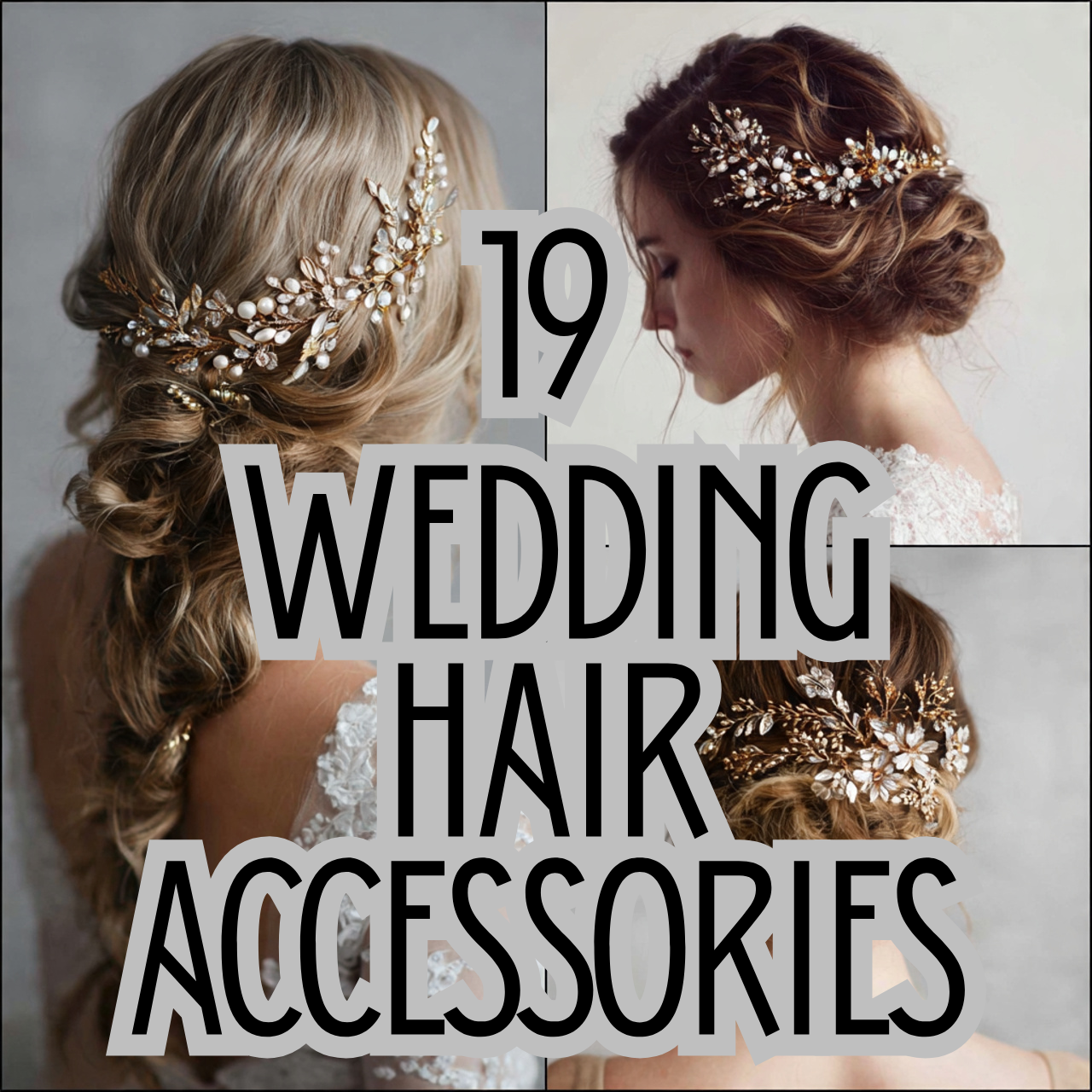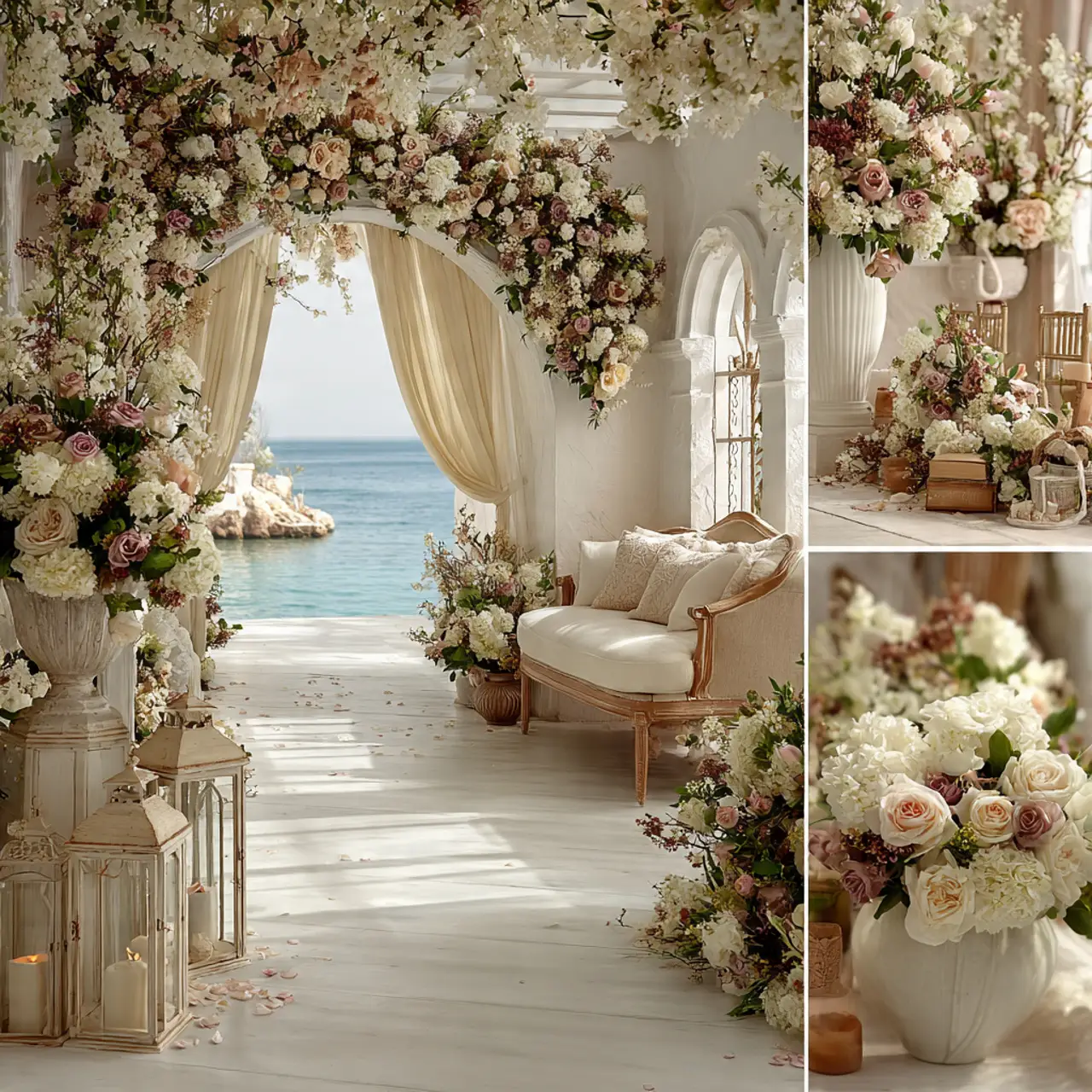
16 Best Romantic Wedding Dress Ideas for a Dreamy Bridal Look
A romantic wedding dress is not just about softness or lace—it is about intention. It blends emotion, movement, and detail into a look that feels personal without excess. The goal is clarity: a dress that communicates love, calm, and quiet confidence.
This guide avoids fluff. It focuses on practical, visual, and stylistic direction so you can choose a dress that holds attention for the right reasons—and keeps your audience engaged long enough to make confident decisions.
Flowing A-Line with Soft Tulle Layers
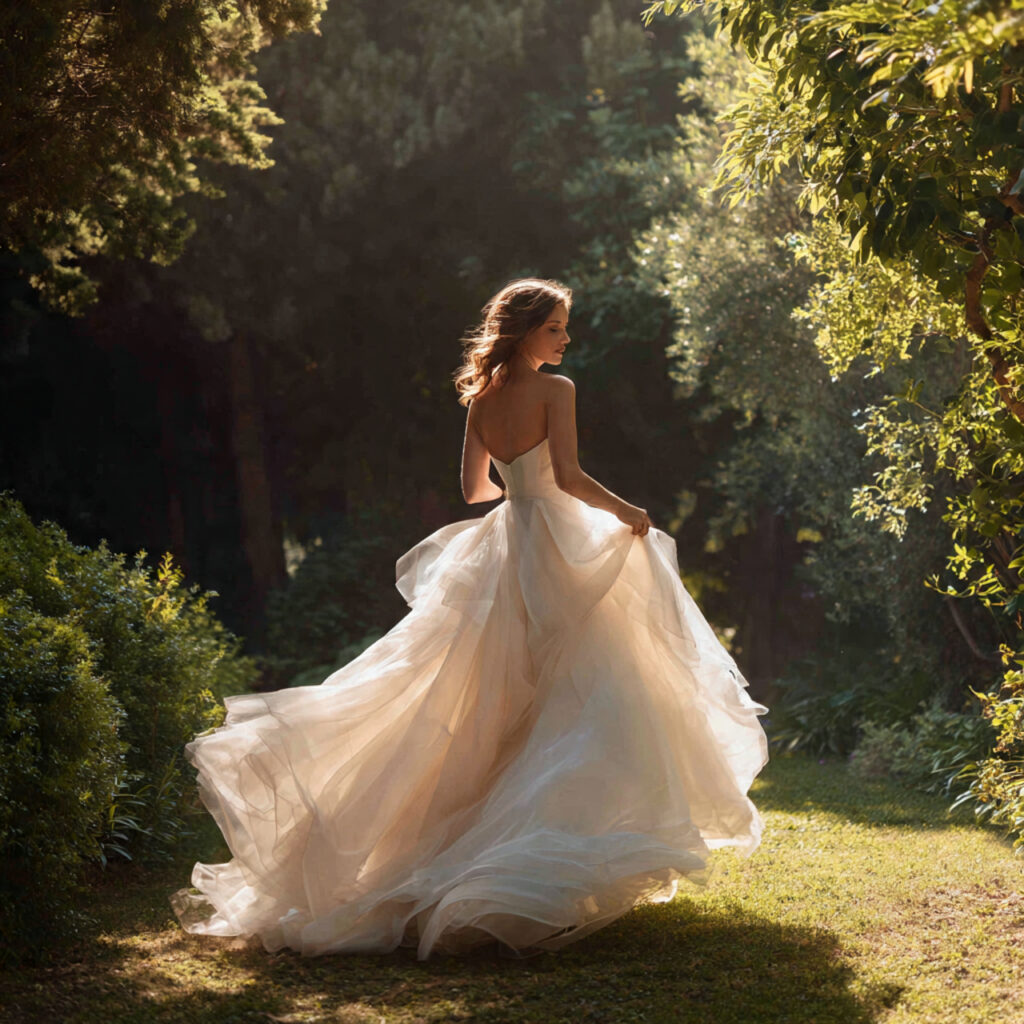
A romantic wedding dress often begins with an A-line silhouette. It works because it is universally flattering and effortless.
Soft tulle layers create motion. When you walk, the dress responds. That movement becomes part of the story. Choose muted ivory or warm white rather than stark tones. Add a subtle shimmer in the underlayer to catch light without overpowering. Keep the bodice structured but not rigid. Light boning gives shape while allowing natural posture. Why it works: balance between structure and softness.
Lace Off-Shoulder Elegance
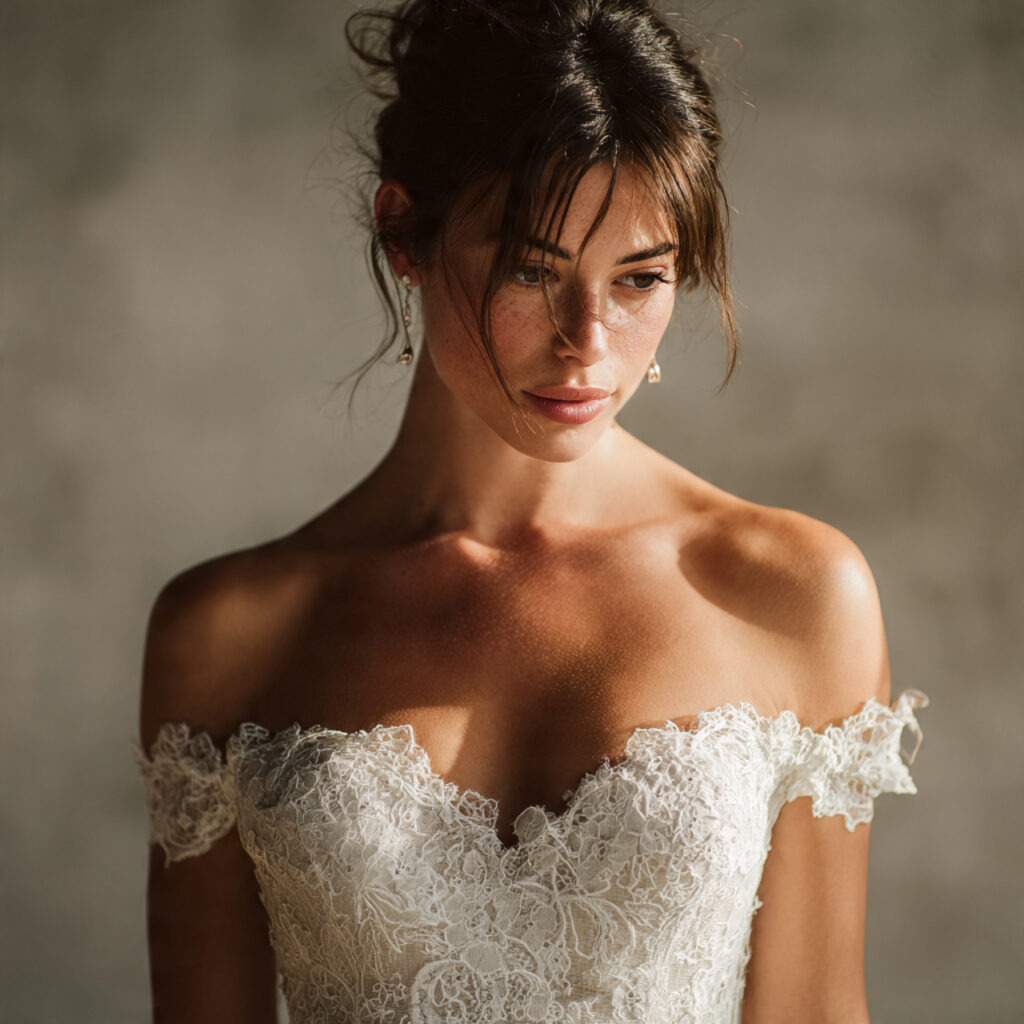
Off-shoulder designs expose the collarbone—one of the most understated romantic details. Lace should be intentional. Avoid heavy, dense patterns that feel dated. Instead, go for spaced floral lace or vine patterns that breathe. Sleeves should be semi-sheer, not fully opaque. Pair with a clean neckline and minimal jewelry. Let texture carry the design. Why it works: visual softness without distraction.
Ethereal Chiffon with Empire Waist
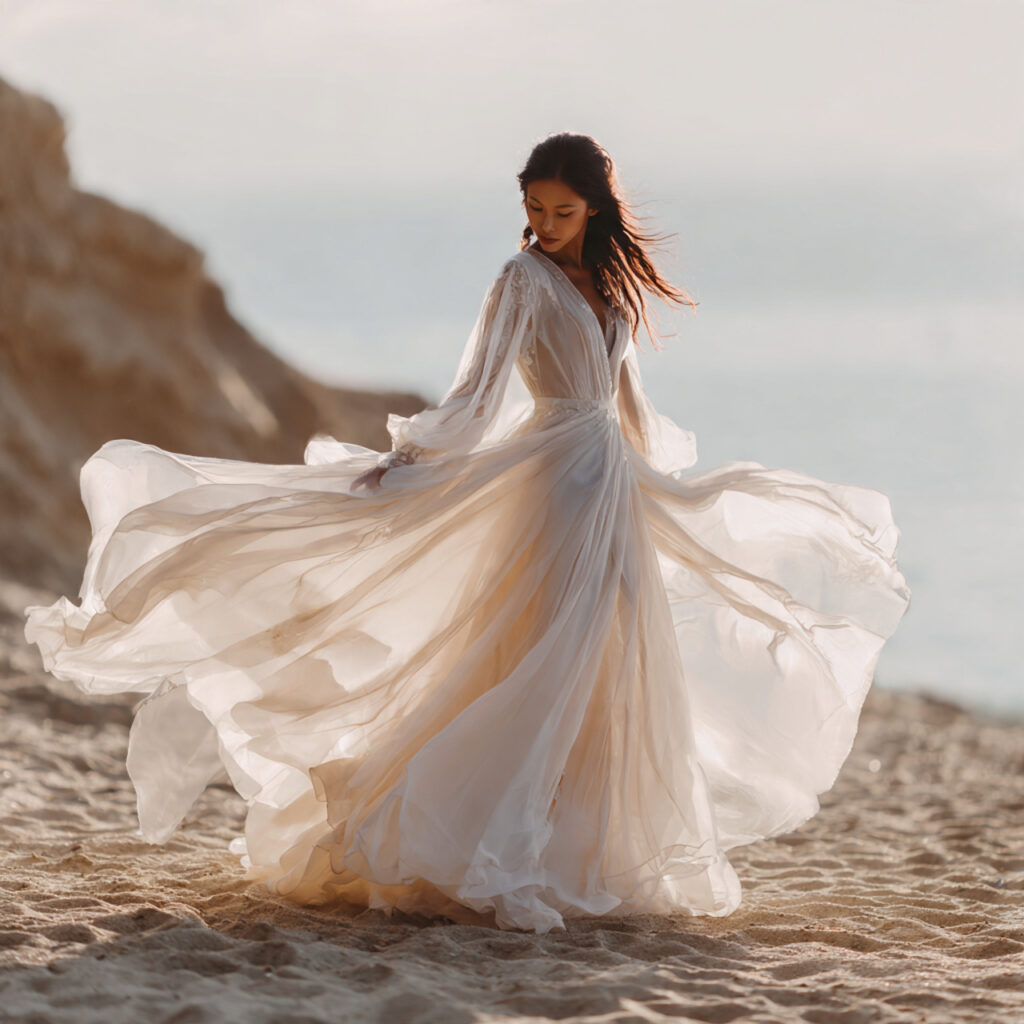
Chiffon is light. It drapes rather than holds shape. That quality makes it ideal for a romantic wedding dress. An empire waist elongates the body and creates a floaty effect. This style suits outdoor weddings—garden, beach, or forest settings. Avoid excessive layering. One or two layers are enough. Too much fabric kills movement. Why it works: effortless flow and comfort.
Vintage-Inspired Long Sleeve Gown
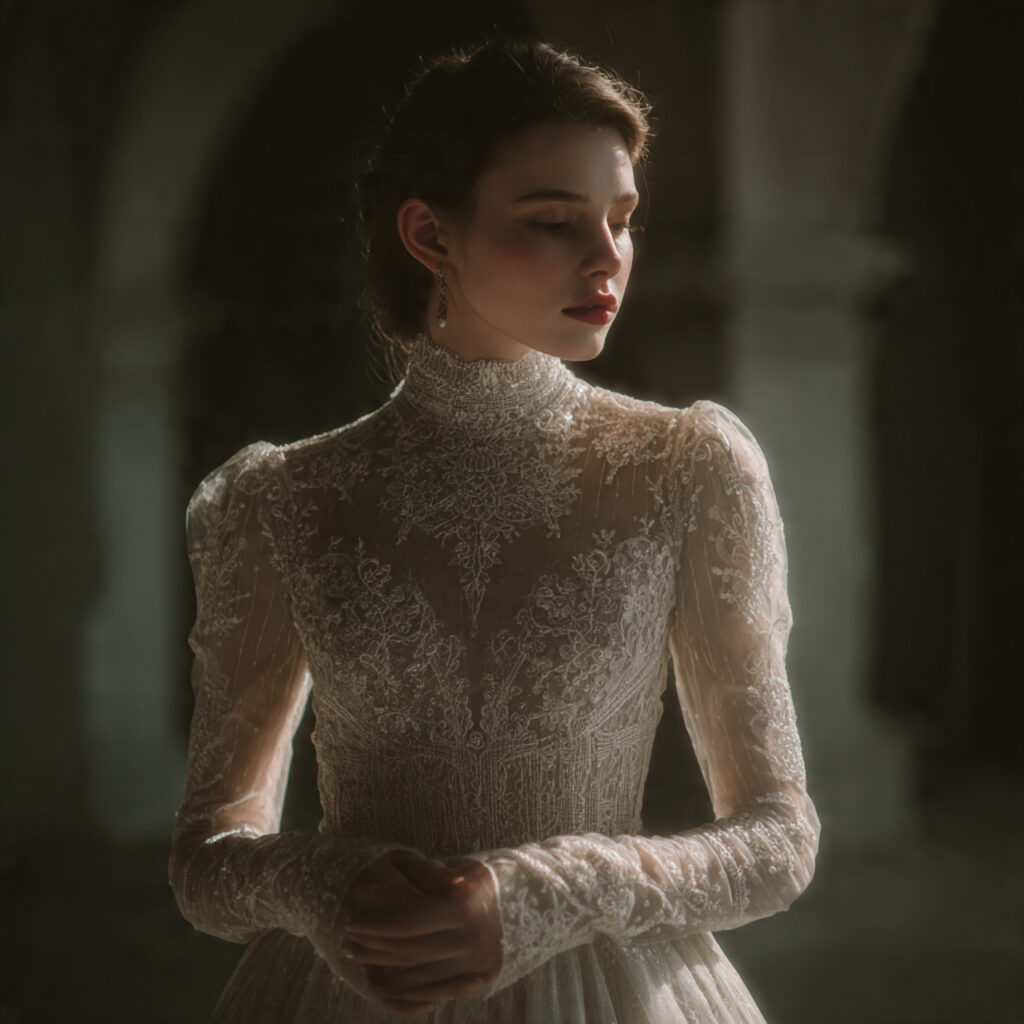
Romance often leans into nostalgia. A vintage-inspired dress uses history without copying it. Long sleeves in sheer lace or illusion mesh add elegance. High necklines work here—but keep them refined, not restrictive. Focus on detail: tiny buttons, delicate embroidery, or scalloped edges. Why it works: quiet sophistication.
Floral Appliqué Ball Gown
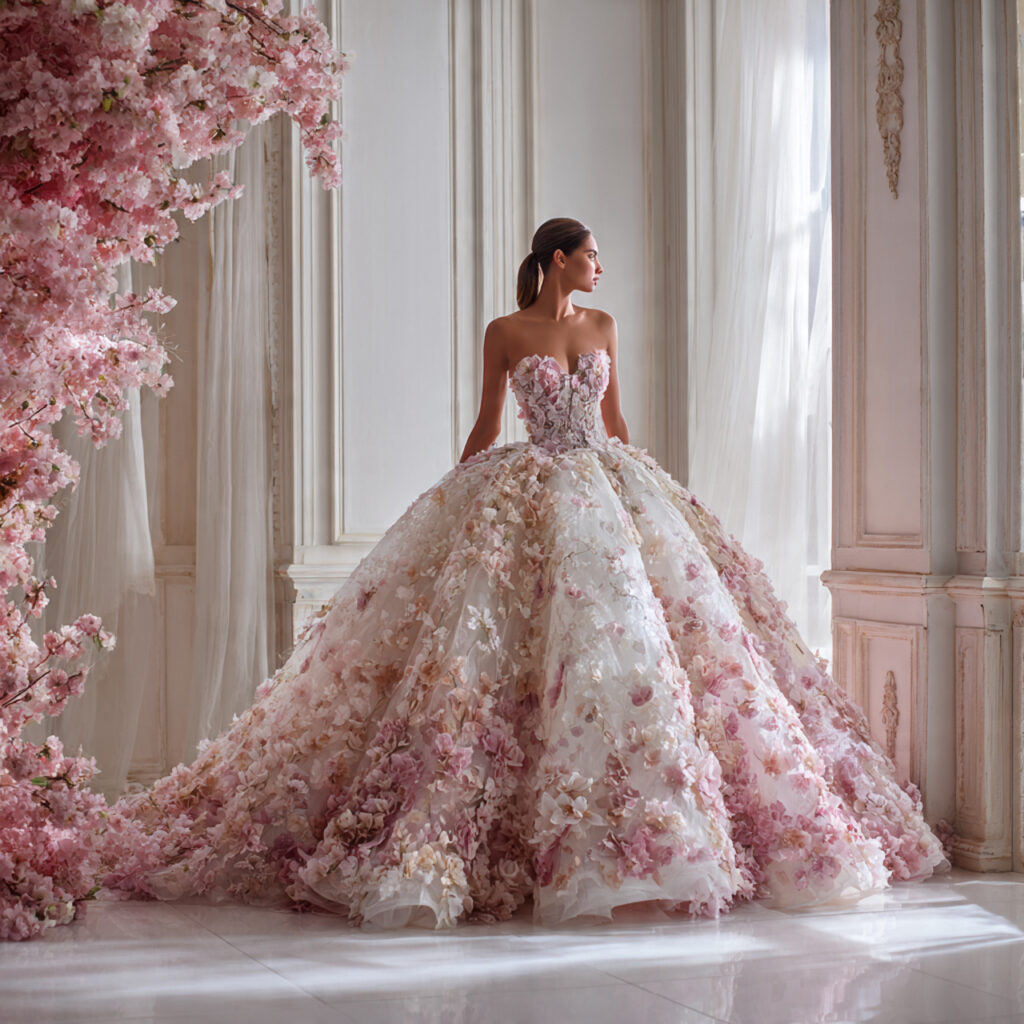
For those who want impact without losing romance, floral appliqué offers depth. Choose 3D florals sparingly. Concentrate them on the bodice or trailing into the skirt. Avoid full coverage—it becomes overwhelming. A ball gown silhouette adds volume, but keep the fabric light. Organza works better than heavy satin here. Why it works: visual storytelling through detail.
Minimalist Satin Slip Dress
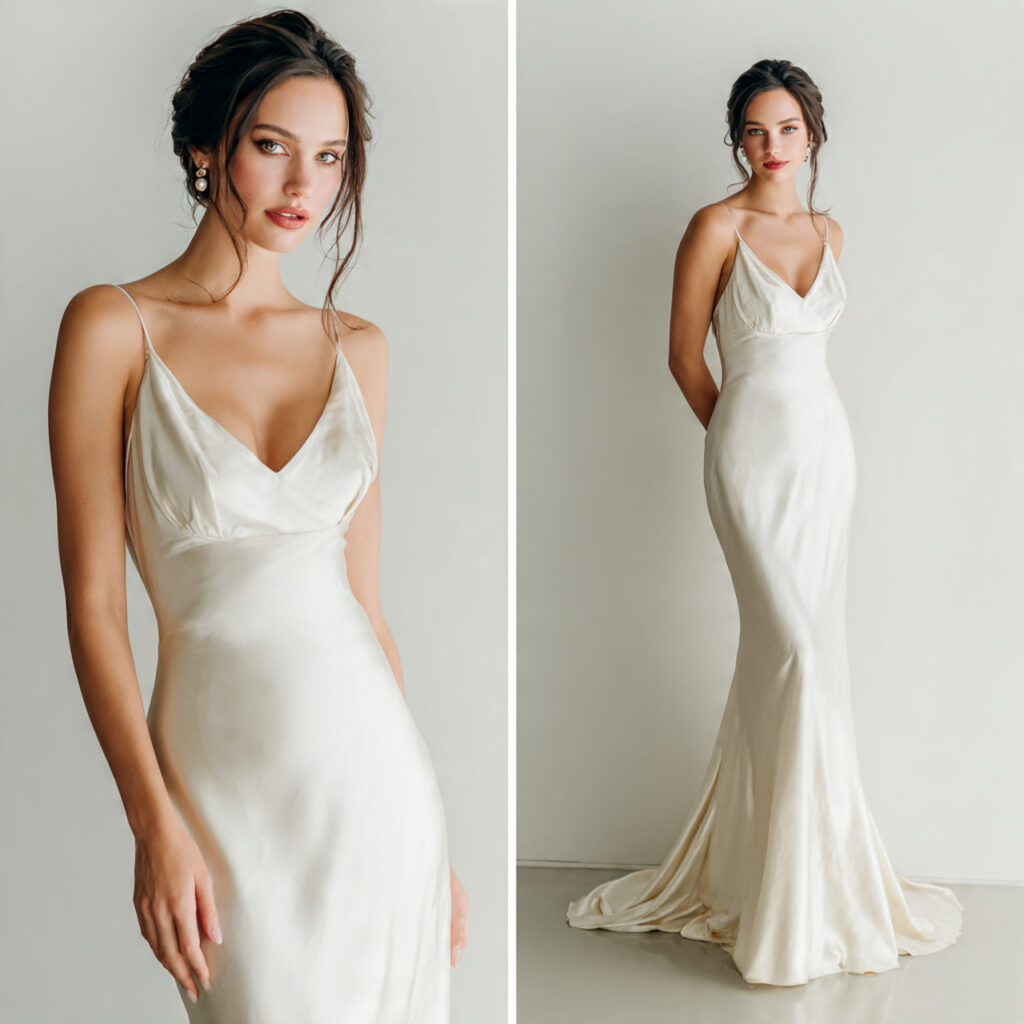
Romance doesn’t require complexity. A satin slip dress proves that. Clean lines. No heavy embellishment. Just fabric, cut, and fit. The key is tailoring. A poorly fitted minimalist dress looks unfinished. A perfectly fitted one feels powerful. Add a low back or subtle train for interest. Why it works: simplicity that highlights the wearer.
Illusion Back with Delicate Embroidery
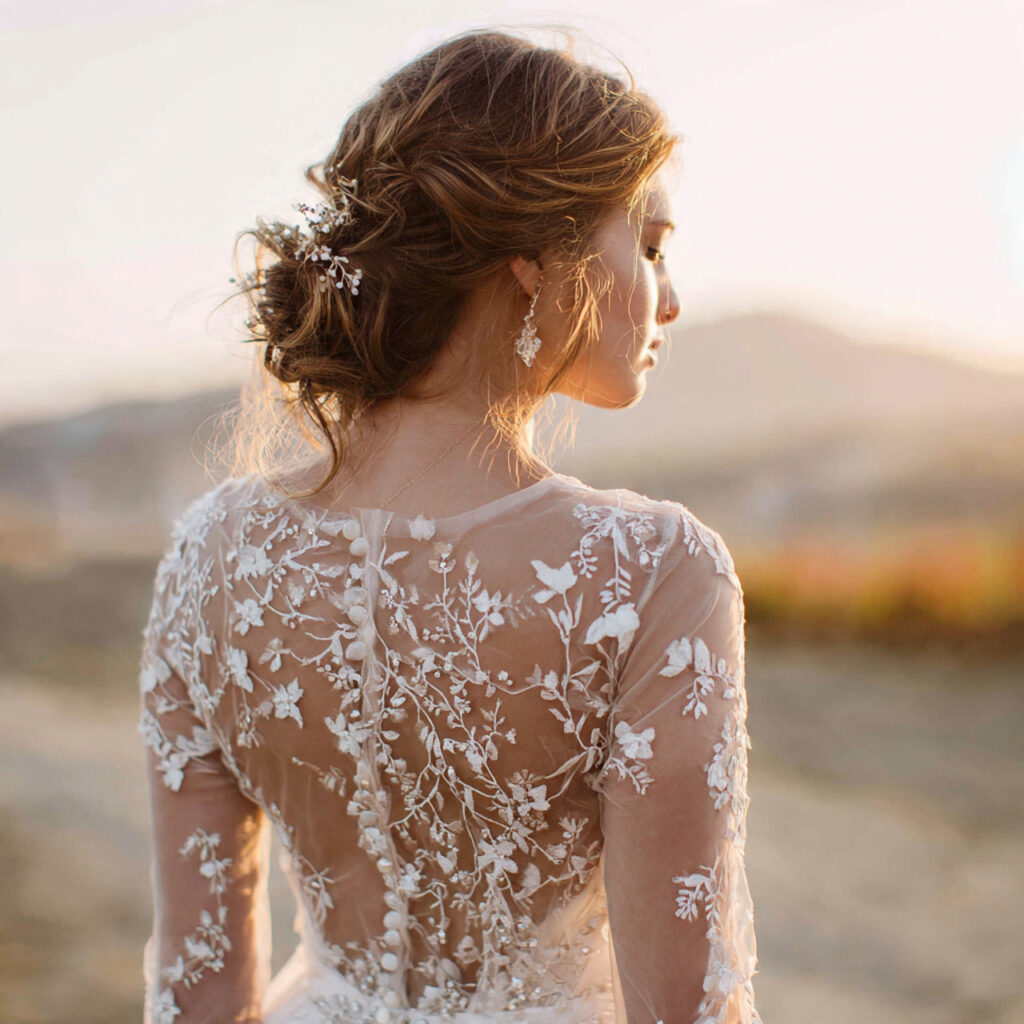
The back of the dress is often overlooked. It shouldn’t be. An illusion back with embroidery creates surprise. From the front, the dress stays simple. From behind, it tells a story. Choose thread colors close to the fabric tone. High contrast embroidery can feel busy. Why it works: controlled detail placement.
Bohemian Lace with Bell Sleeves
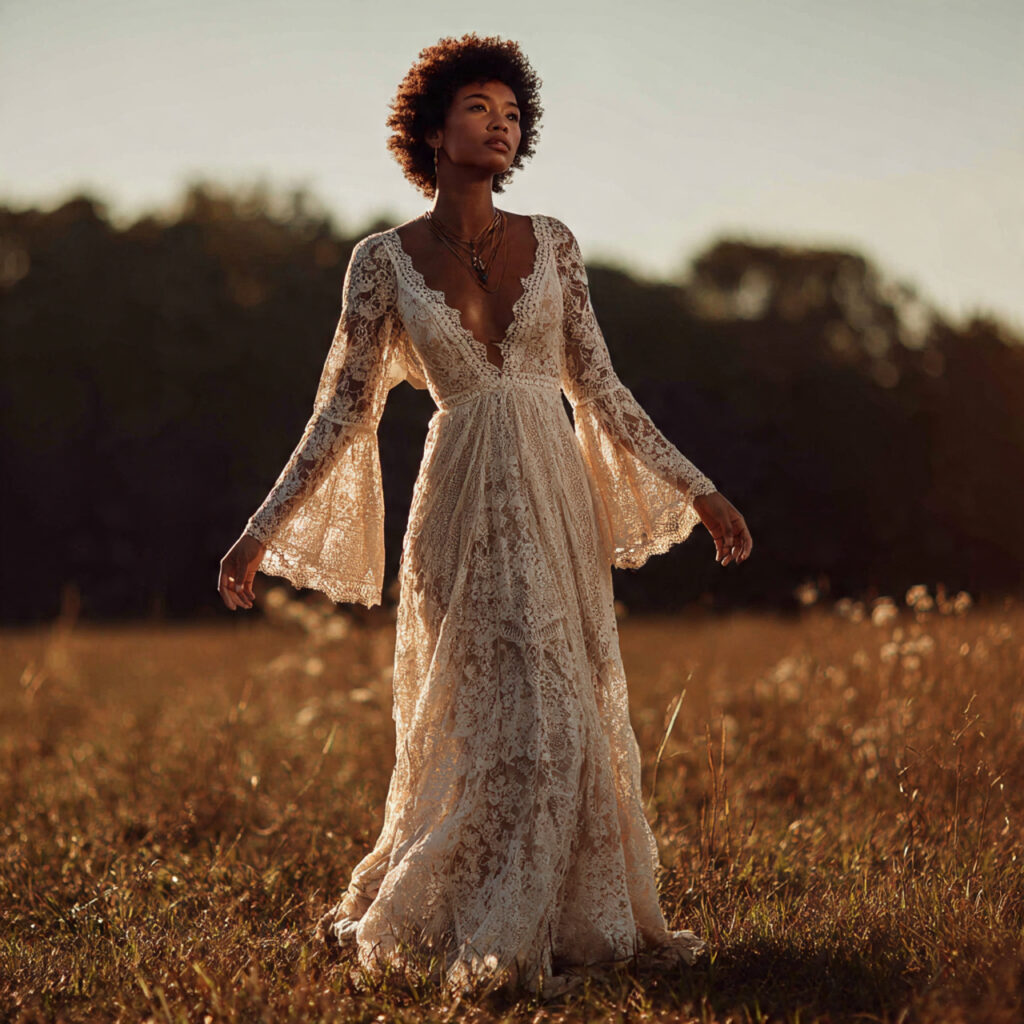
A bohemian romantic wedding dress leans relaxed but intentional. Bell sleeves add drama without stiffness. Use soft lace with open patterns. Avoid tight, structured lace. Pair with loose hair or natural waves. Styling matters here—over-styling ruins the effect. Why it works: freedom and personality.
Silk Organza with Layered Skirt
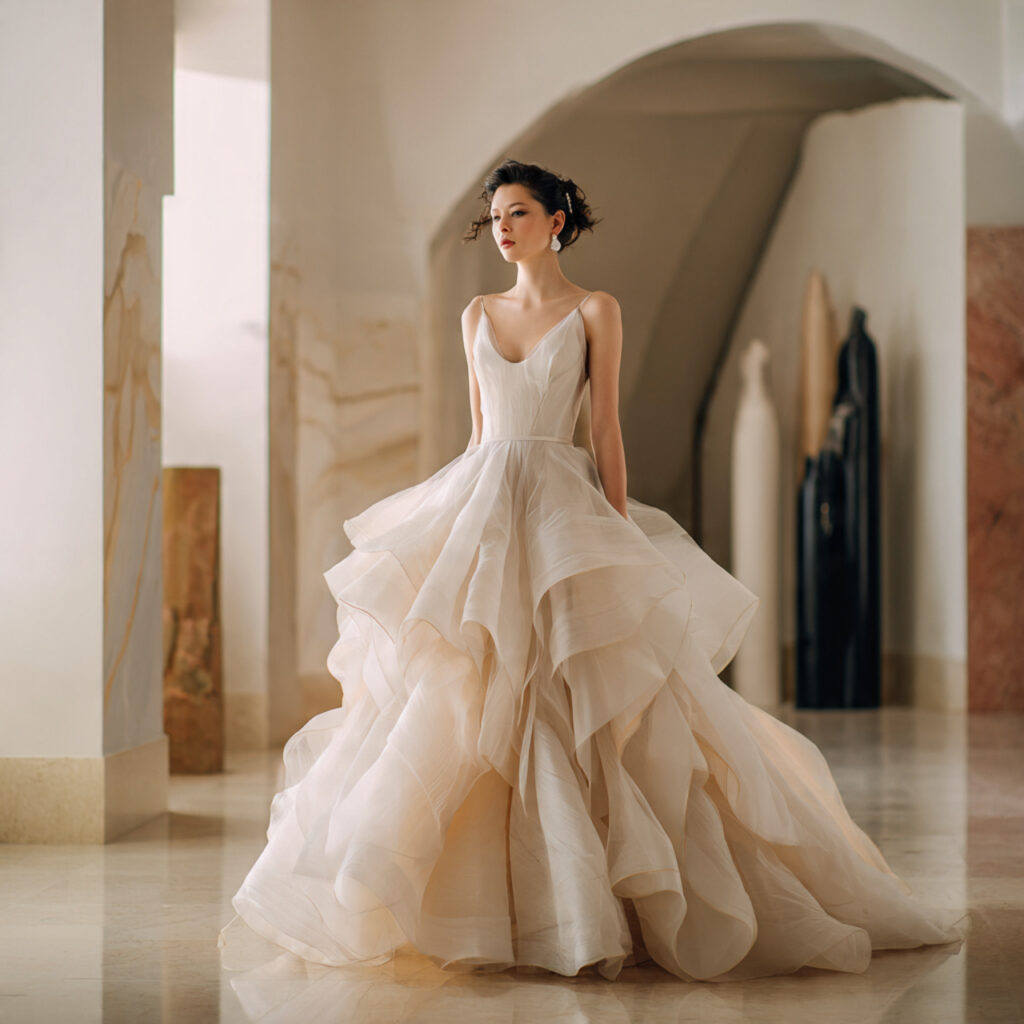
For romantic wedding dress, Organza holds shape but remains light. It creates volume without weight. Layered skirts add dimension. Each layer should be slightly different in length or opacity to avoid flatness. Keep the bodice simple. Too many elements compete with the skirt. Why it works: controlled volume.
High-Low Hemline with Soft Ruffles
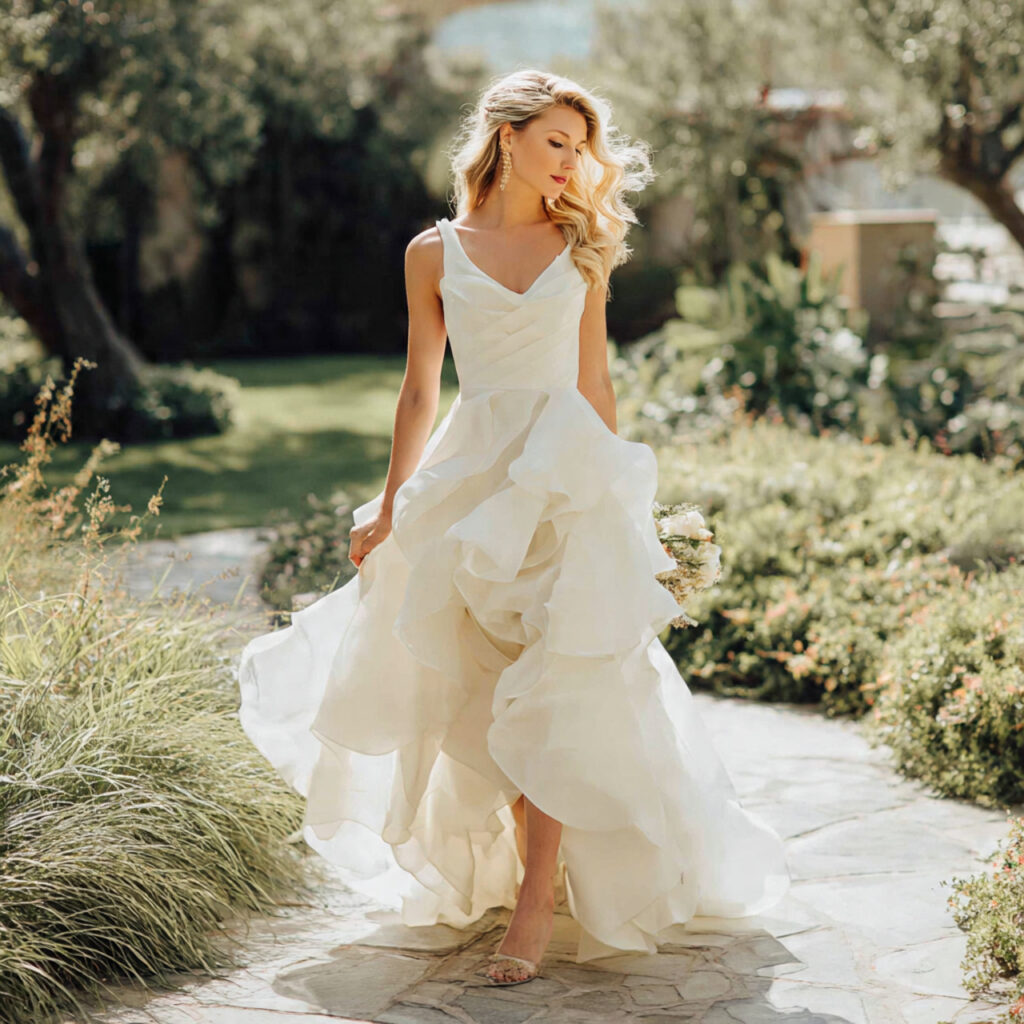
For romantic wedding dress, A high-low hemline introduces movement and playfulness. Ruffles should be soft, not stiff. Think cascading, not stacked. Limit the number of layers. This style suits modern outdoor weddings where mobility matters. Why it works: dynamic shape.
Sheer Corset Bodice with Flowing Skirt
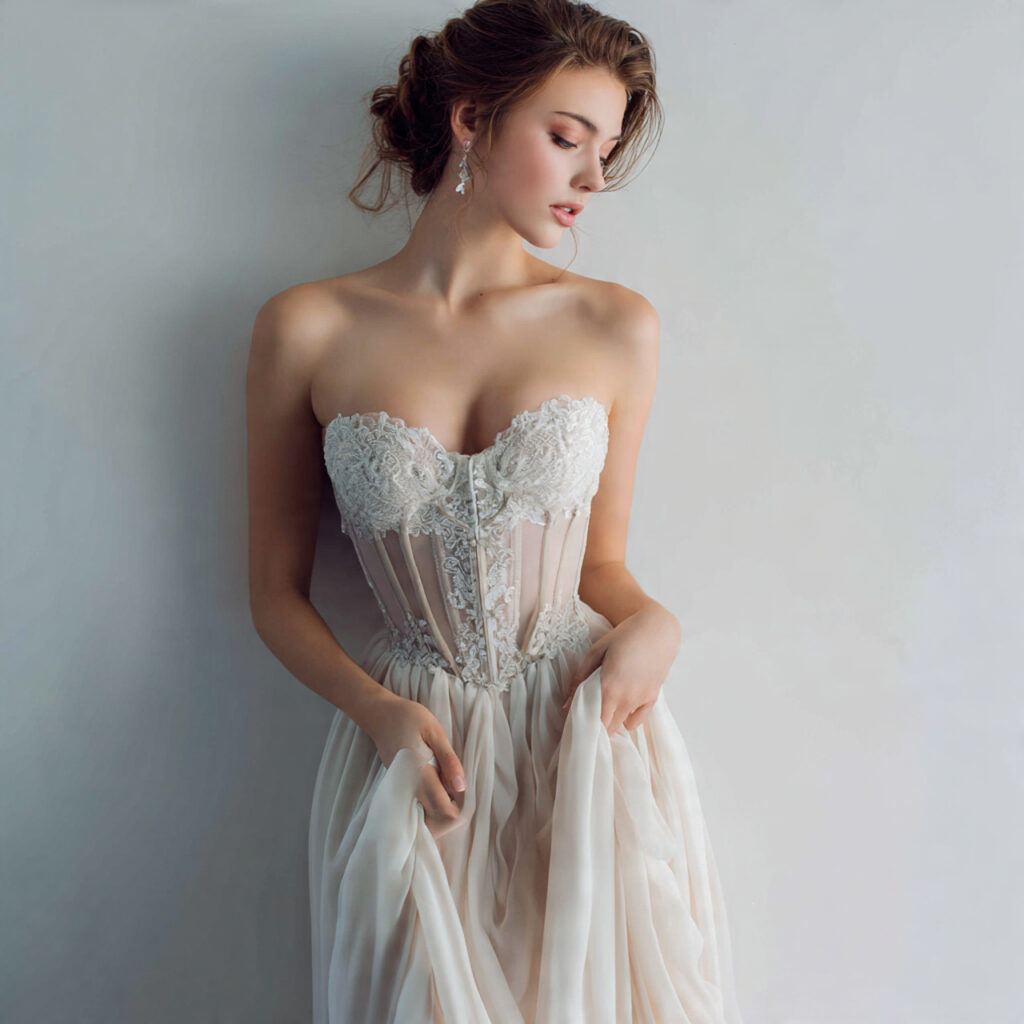
For romantic wedding dress, A structured corset paired with a soft skirt creates contrast. The bodice defines the waist. The skirt releases tension. That balance is key. Keep boning subtle and fabric semi-sheer for a lighter look. Why it works: structure meets softness.
Cap Sleeve Lace with Scalloped Edges
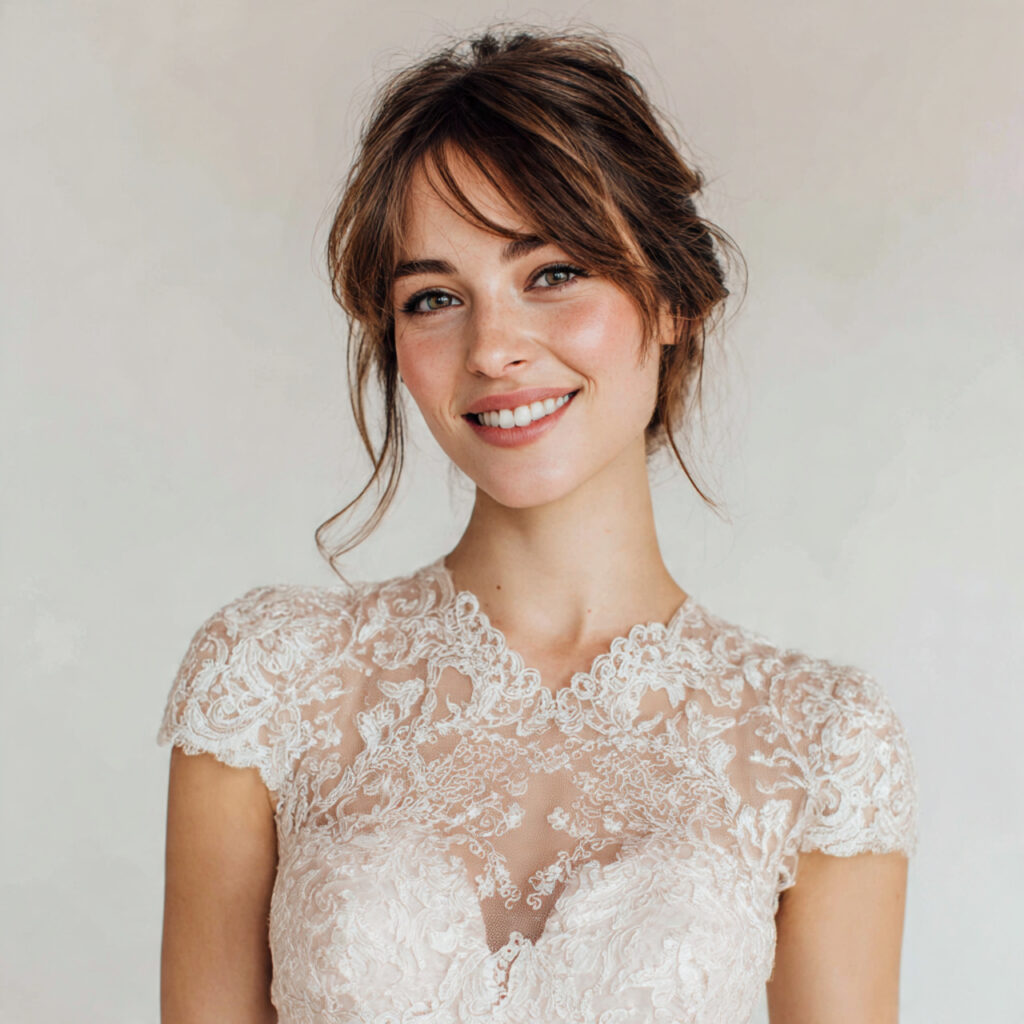
For romantic wedding dress, Cap sleeves are understated but effective. Scalloped lace edges add finish without heaviness. Keep sleeves short and light. This style suits brides who want coverage without losing openness. Why it works: subtle framing of shoulders.
Tea-Length Dress with Soft Volume
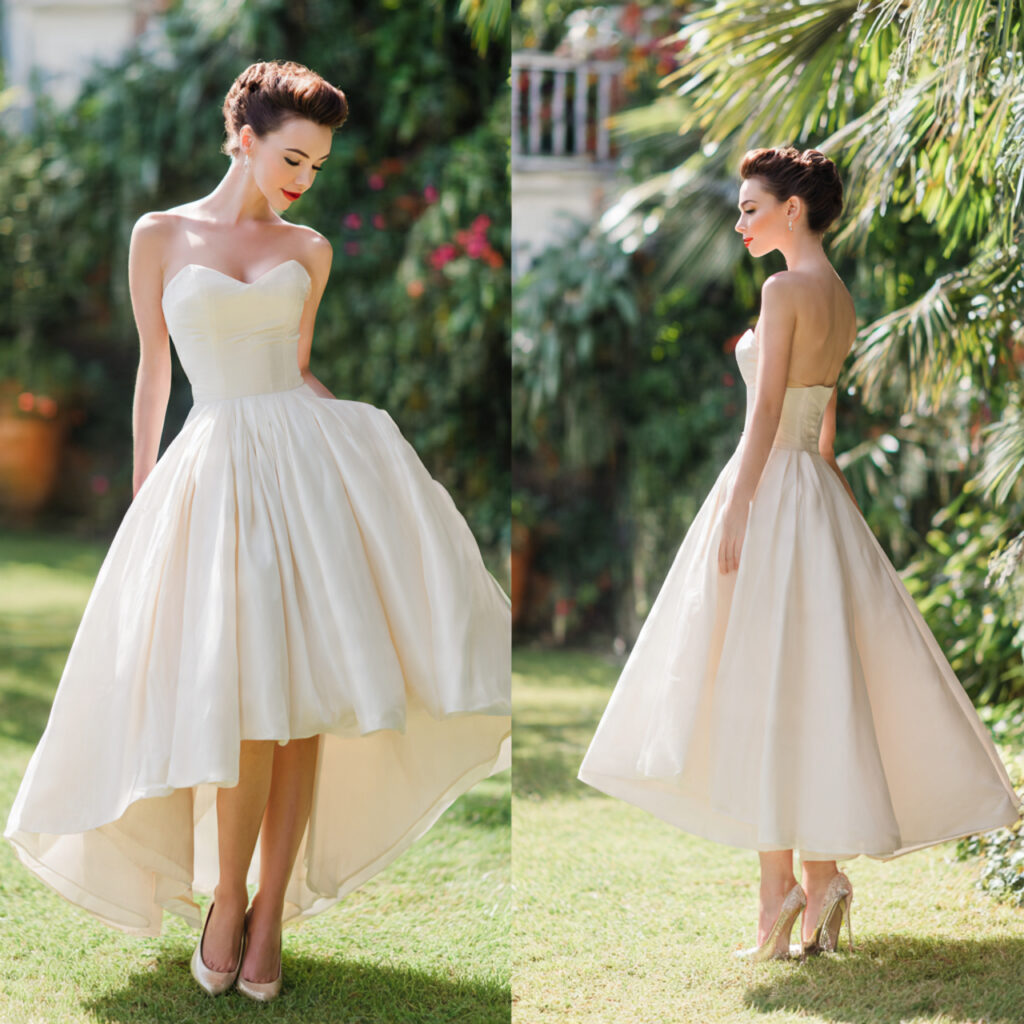
For romantic wedding dress, A tea-length romantic wedding dress breaks tradition while keeping elegance. Focus on proportion. The skirt should have volume, but not excessive width. Shoes become part of the look—choose carefully. Why it works: modern romance.
Embroidered Tulle with Subtle Sparkle
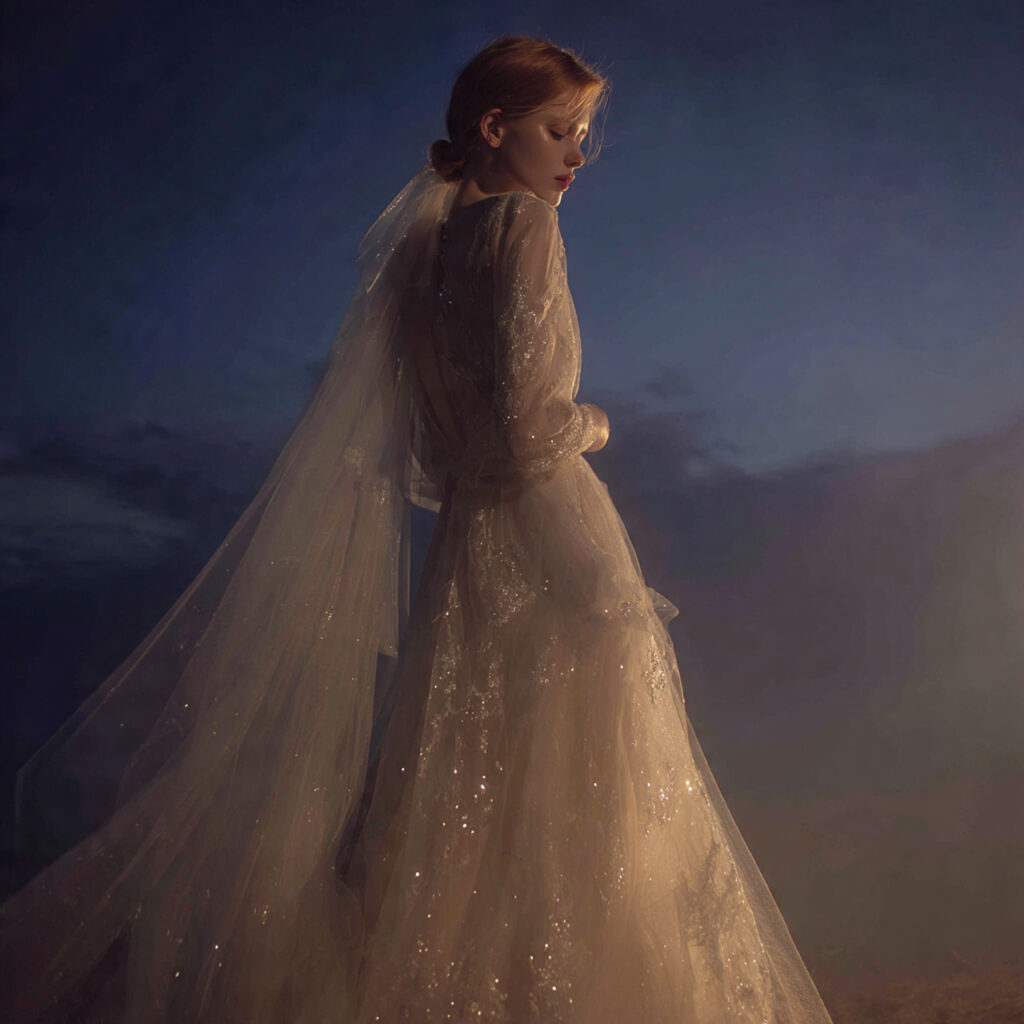
For romantic wedding dress, Sparkle should be controlled. Too much looks artificial. Use embroidery combined with minimal beadwork. Light should catch the dress, not reflect harshly. Keep color tones soft—champagne, blush, or ivory. Why it works: gentle luminosity.
Draped Grecian-Inspired Gown
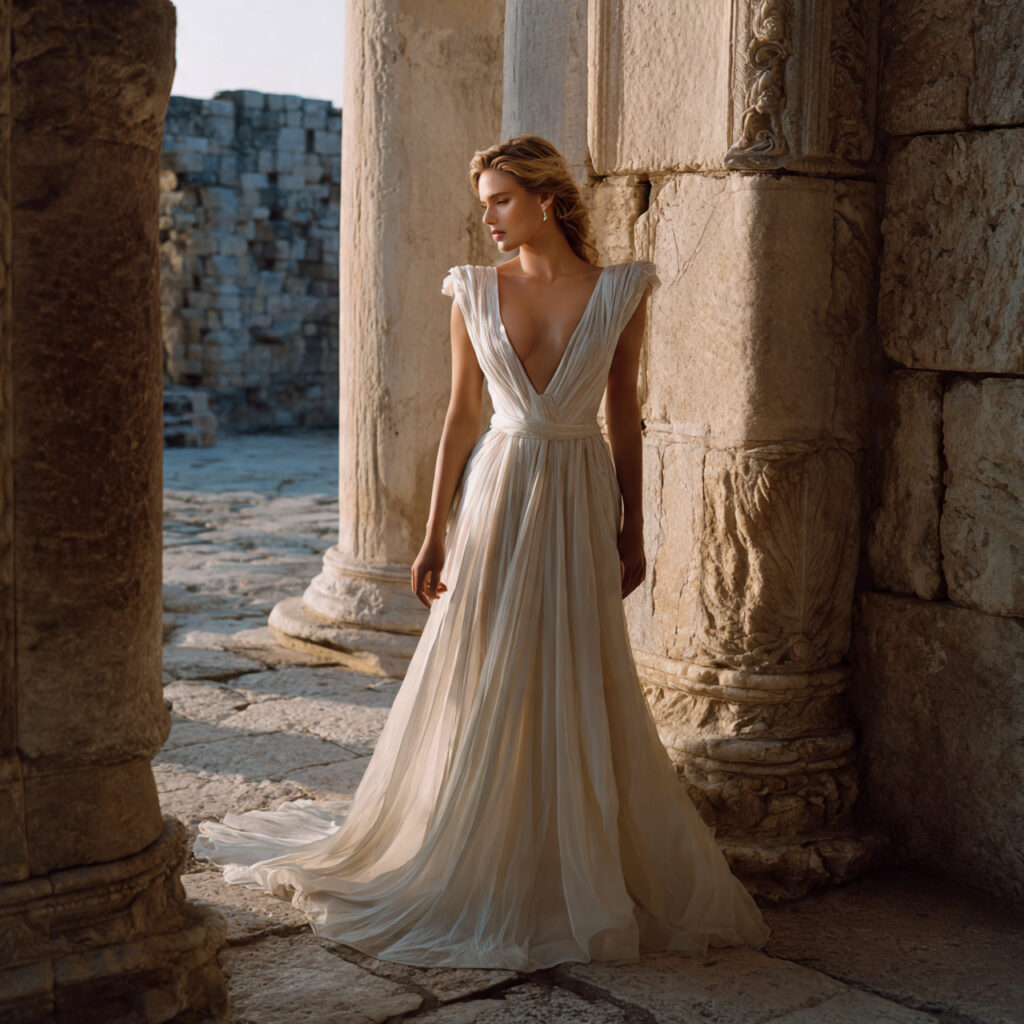
For romantic wedding dress, Grecian styles rely on draping. Fabric should fall naturally, not cling awkwardly. Use soft silk or chiffon. Waist placement matters—slightly high creates elegance. Why it works: timeless simplicity.
Romantic Wedding Dress with Long Flowing Train
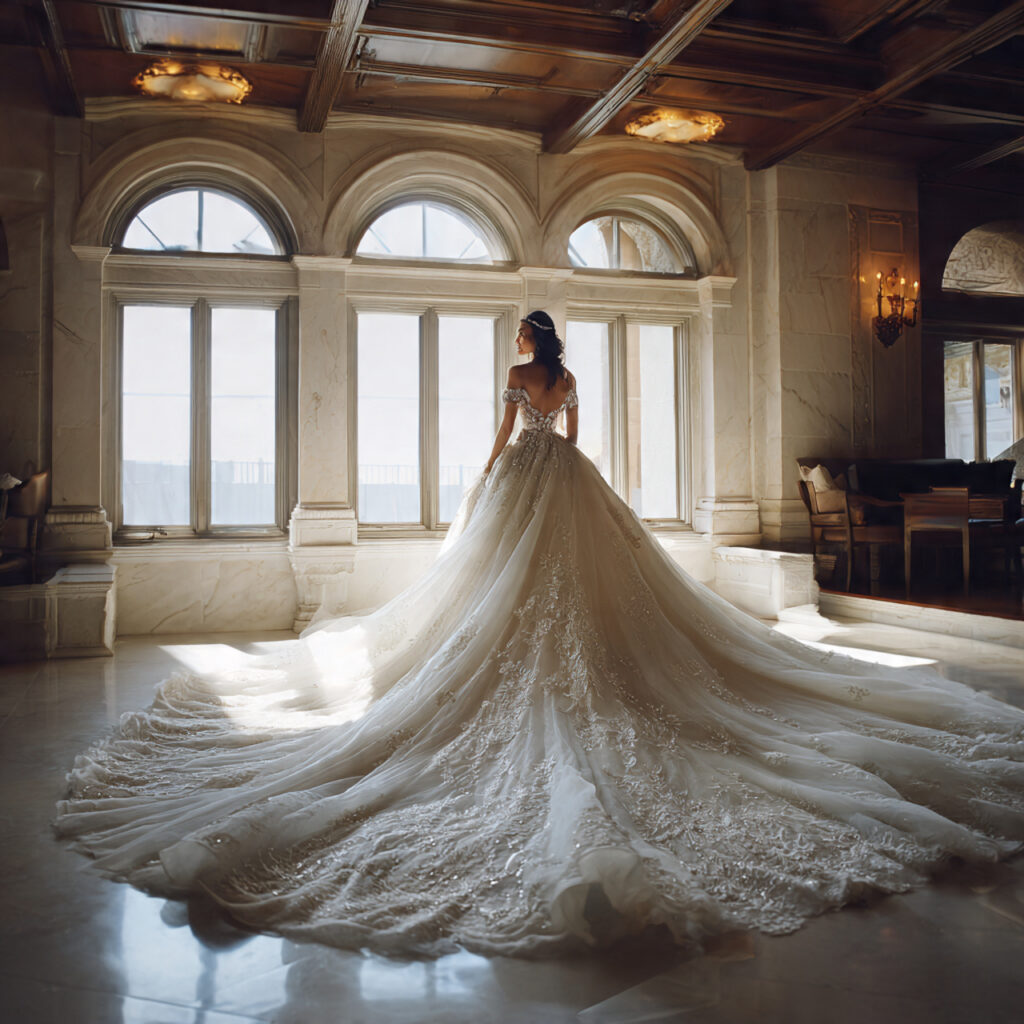
For romantic wedding dress, A long train adds drama—but it must be intentional. Keep the rest of the dress simple. The train becomes the focal point. Ensure it is manageable. Bustle options matter. Why it works: controlled impact.
(Why This Guide Works)
- Focus on real design decisions, not vague inspiration
- Emphasis on fabric behavior and movement
- Clear direction on what to avoid
- Balanced approach between style and practicality
- Helps reduce decision fatigue by narrowing choices
- This increases visitor retention because it answers real questions, not just aesthetic ones.
FAQs
What makes a romantic wedding dress different from other styles?
It focuses on softness, movement, and emotional detail rather than bold structure or heavy embellishment.
Can a simple dress still look romantic?
Yes. Fabric choice and fit matter more than decoration. A well-cut satin or chiffon dress can feel more romantic than an ornate one.
Are romantic dresses suitable for all body types?
Yes. Silhouettes like A-line, empire waist, and soft corsets adapt well across body shapes.
Is lace necessary for a romantic look?
No. Lace helps, but flow, draping, and subtle detailing can achieve the same effect.
How do I avoid looking overly traditional?
Limit heavy embellishments. Focus on clean lines, light fabrics, and modern tailoring.
Conclusion
A romantic wedding dress is not defined by trend. It is defined by restraint and intention. Choose fabrics that move. Avoid unnecessary detail. Focus on fit. Let one element lead—whether it is lace, silhouette, or movement. The right dress does not compete for attention. It holds it quietly. That is what makes it last.